Magic and Design at mudac
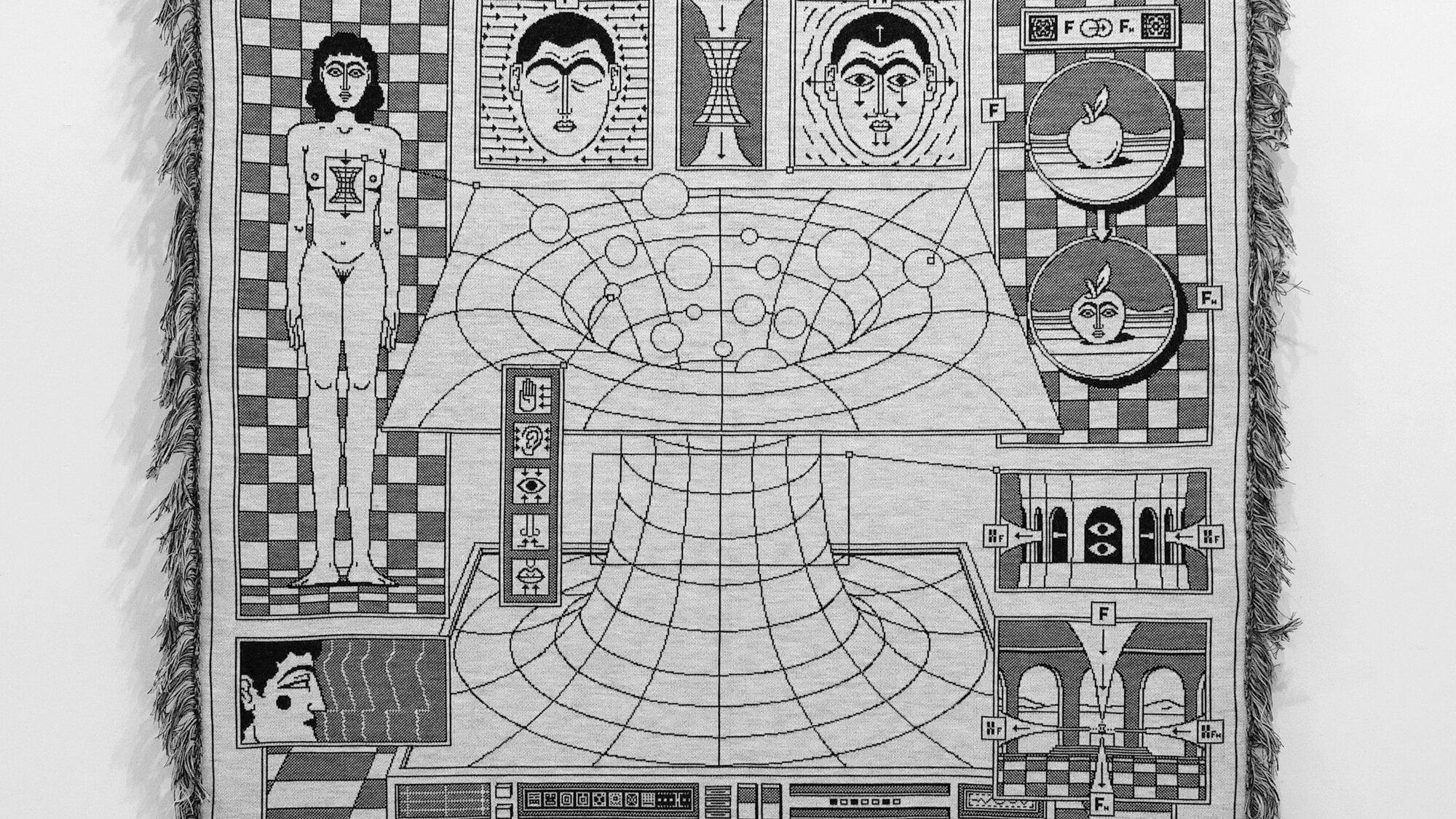
Magic has long been regarded as a kind of counterpoint to rationality. Yet it remains present in our societies to this day. It lives on in stories, shapes beliefs and finds expression in material cultures. Like design, it uses objects, devices and knowledge to create experiences, evoke wonder and transform the way we perceive the world.
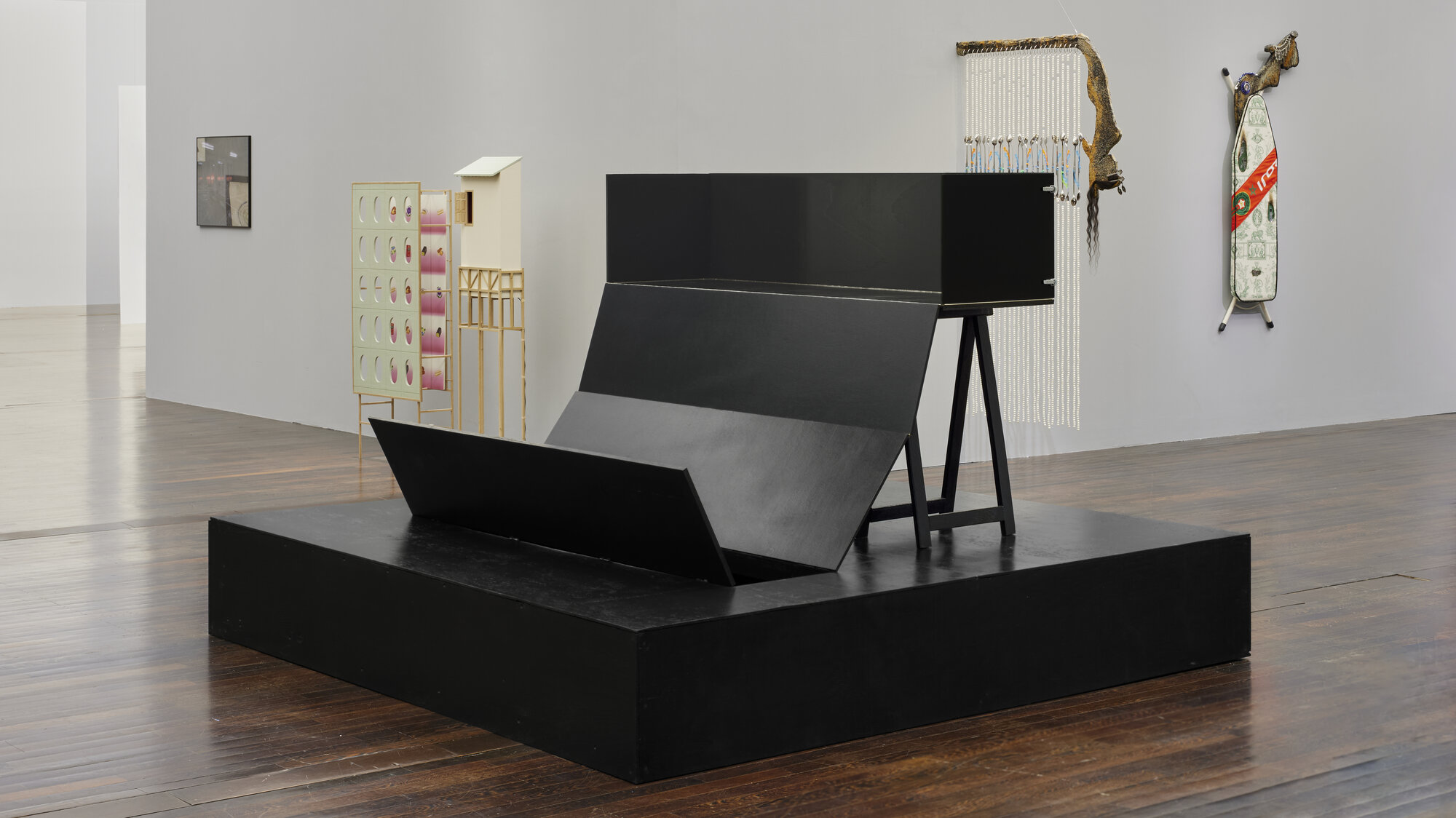
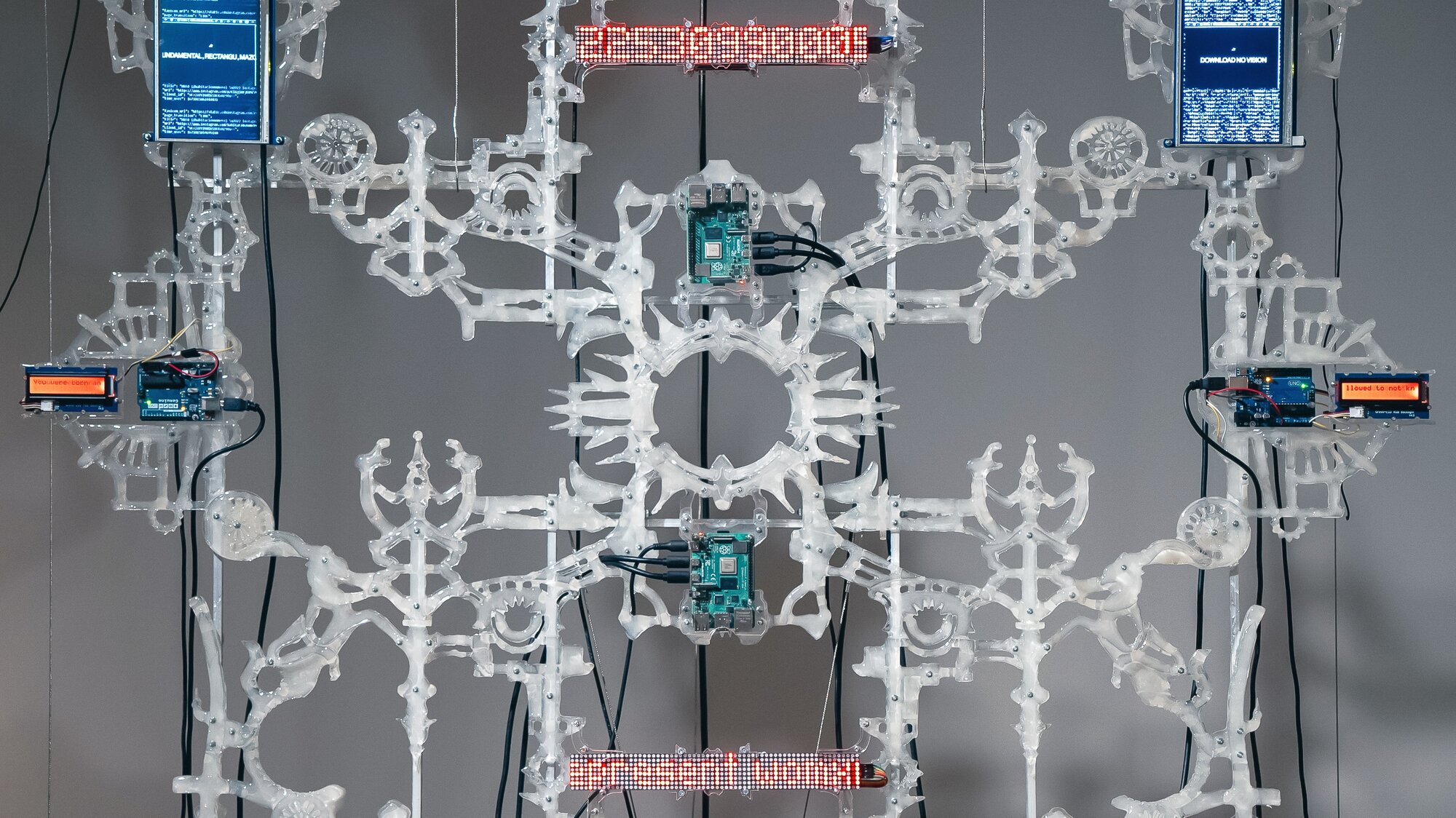
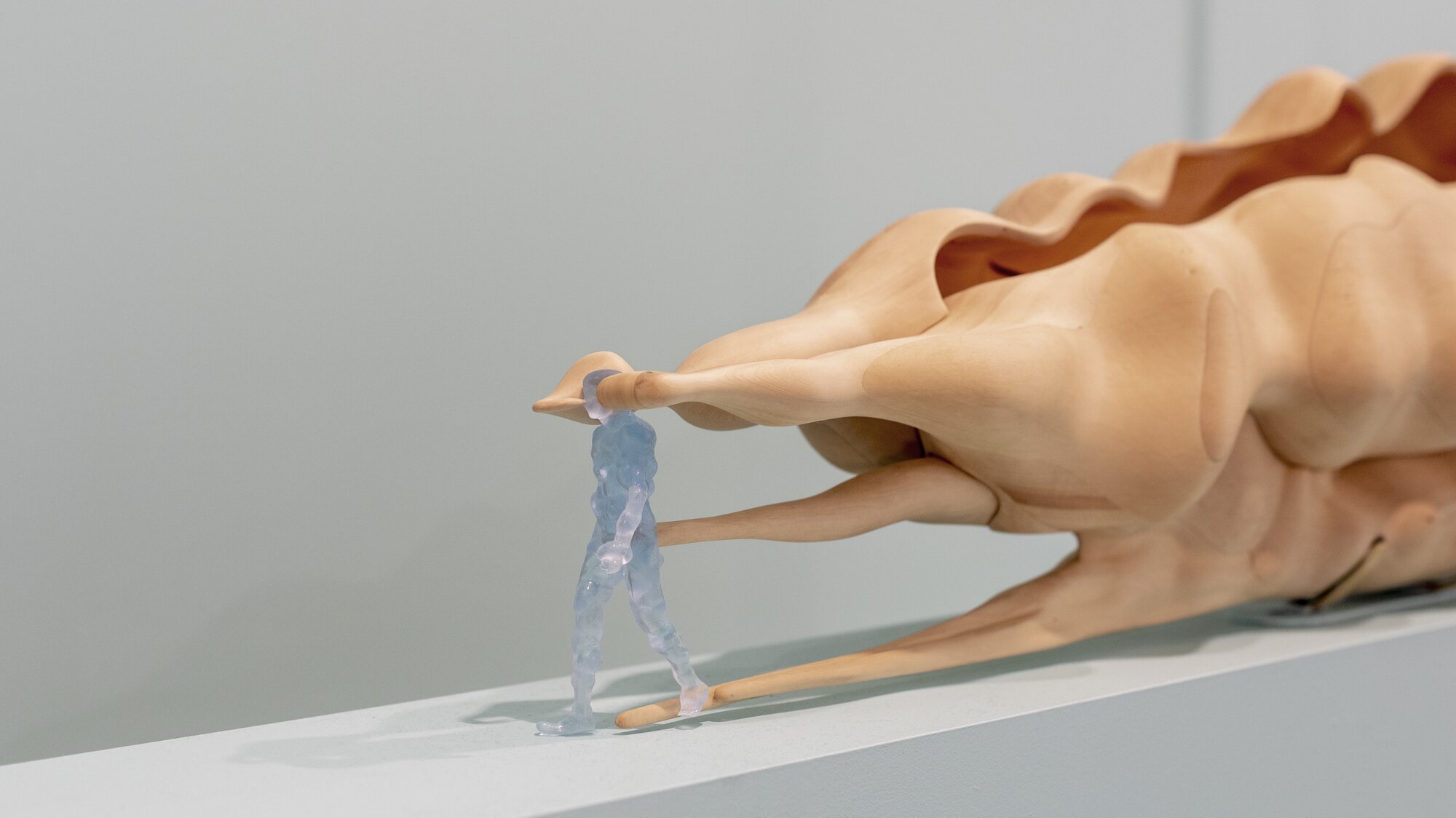
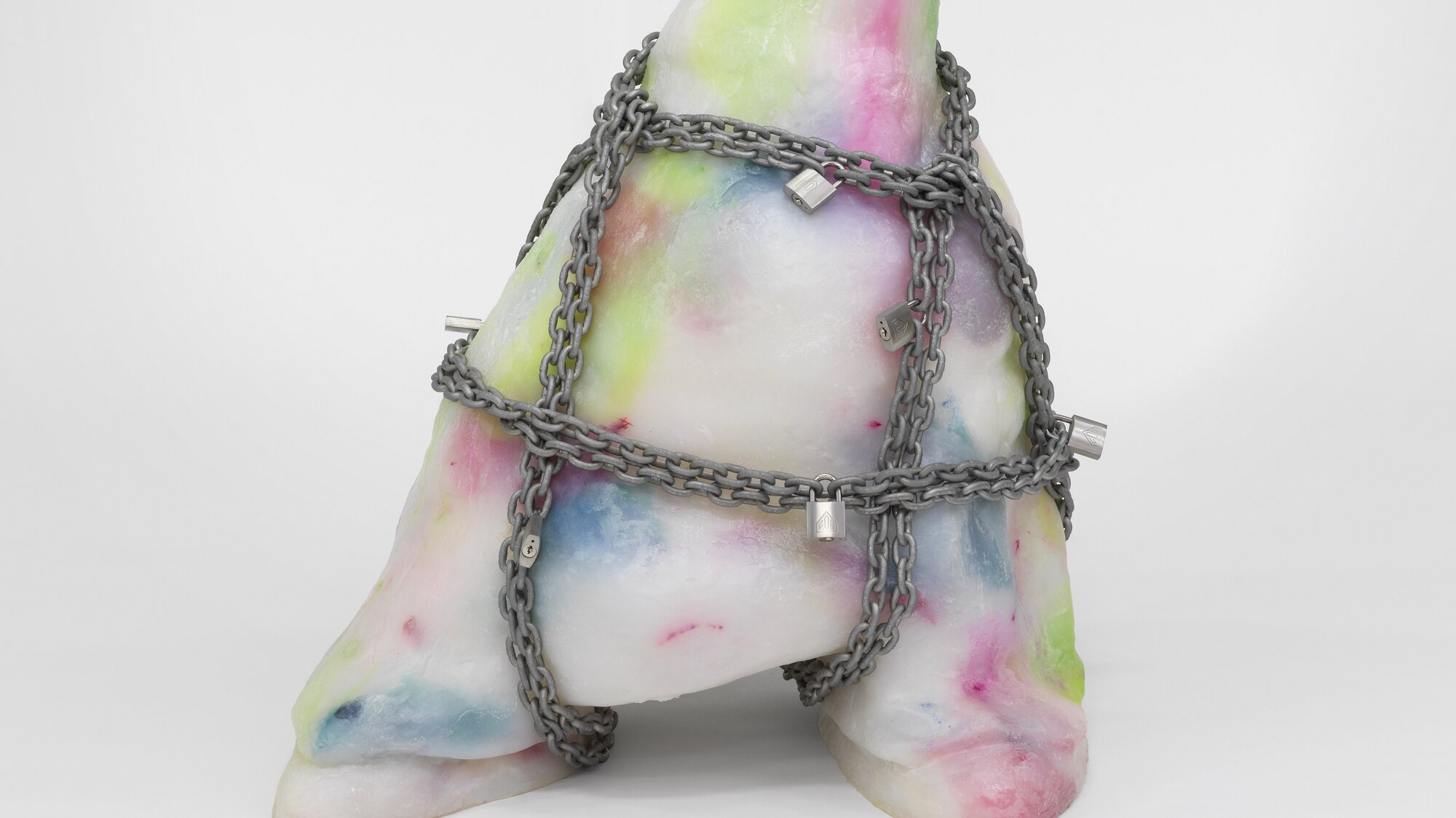
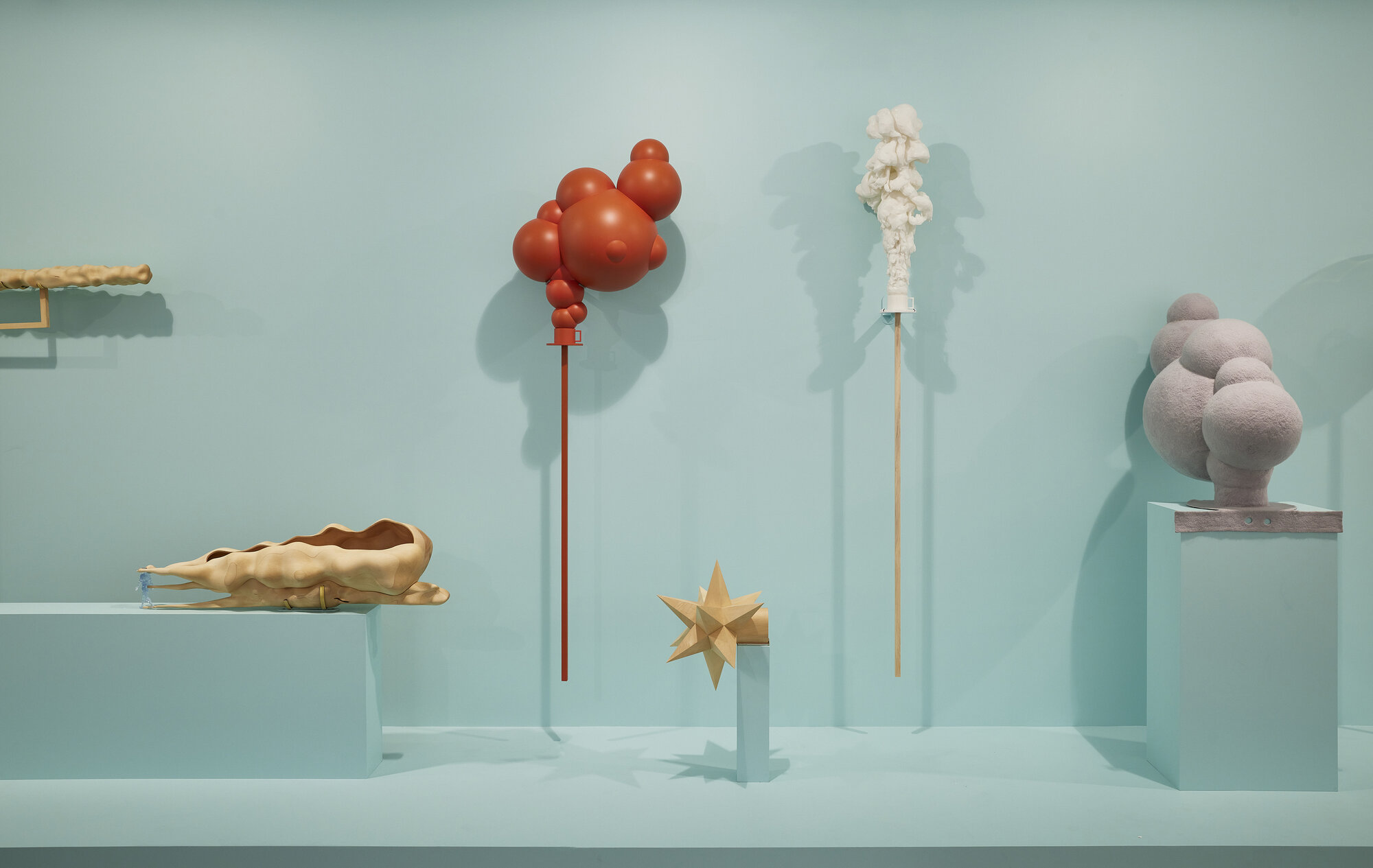
From 6 November 2026 to 11 April 2027, mudacin Lausanne explores the connections between magical practices and contemporary design under the title Magic and Design. In two thematically interconnected exhibitions – Hocus Pocus. Designing the Invisible and Encounter Ontology. Design for Magical Worlds – designers, artists and researchers from various disciplines invite visitors to reconsider the relationship between technology and emotion, and between reality and illusion. The central question is how design can make invisible worlds and alternative forms of perception tangible.
Hocus Pocus. Design of the Invisible
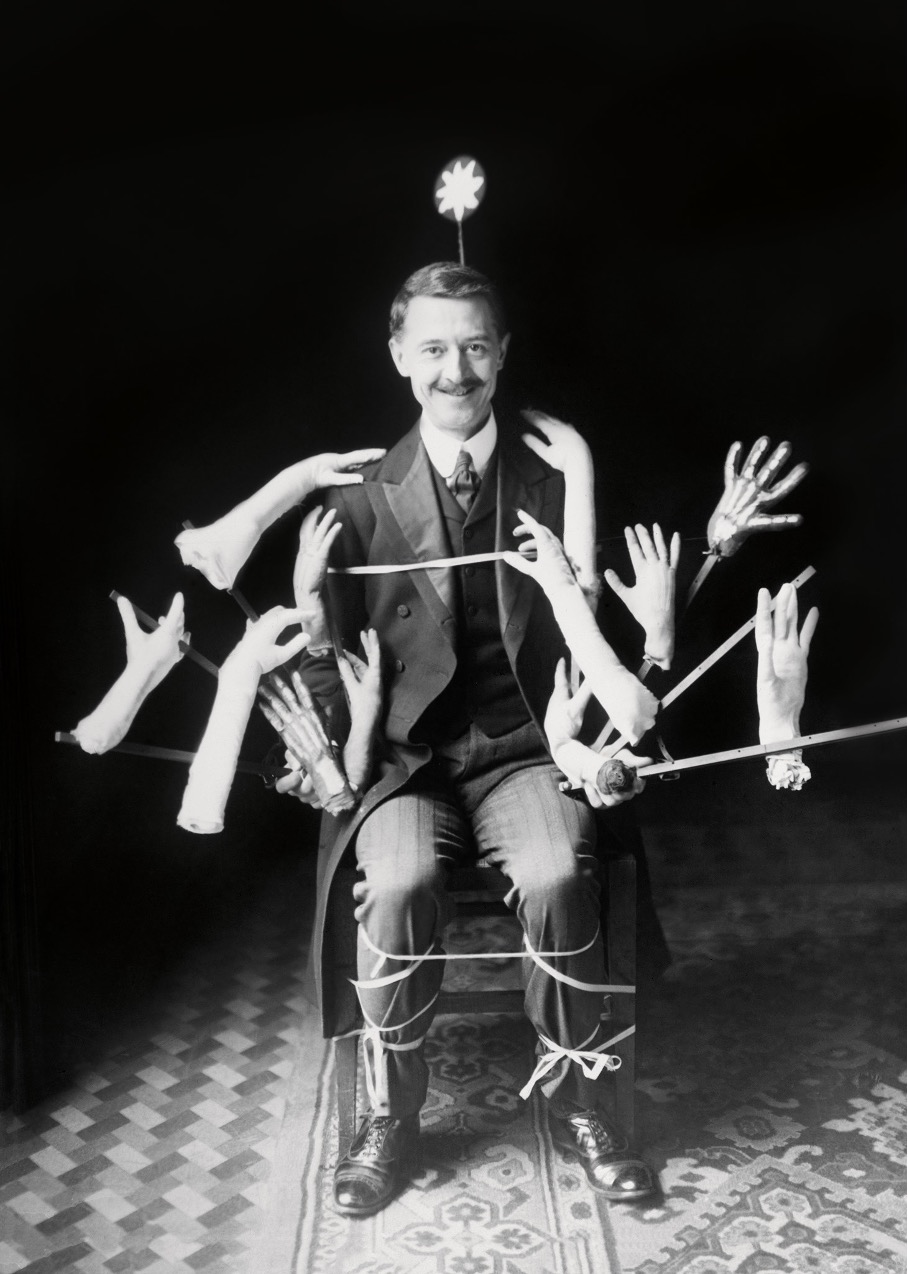
Conceived by Alexandra Midal, Professor at HEAD–Genève, in collaboration with mudac, the exhibition traces the historical connections between magic and design from the late 19th century to the present day. Through illusionists, technological inventions, popular arts and spiritualism, it explores how magic and design use illusion to captivate audiences.
At its heart is the question of how design evolved in interaction with popular and material culture, drawing on influences from technology, magic and the occult. Starting with the Industrial Revolution, the exhibition examines the enchantment of everyday life from a design perspective. One of its central figures is Jean-Eugène Robert-Houdin, regarded as the first modern magician. His inventions range from automata and clocks to a smart home that was far ahead of its time. Other exhibits, including posters, films, artworks and documents, alongside contemporary design and art projects, illustrate the many points of intersection between magic and design.
Encounterology.
Design for Magical Worlds
What if magical practices were not relics of a bygone era, but techniques capable of transforming our relationship with the world? Encounter Ontology explores this question, approaching magic as a practice that challenges established notions of reality and can open up new ways of living together.
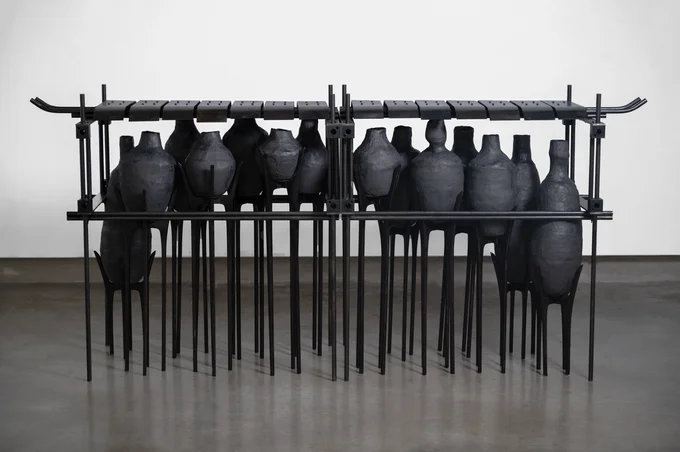
Spanning approximately 600 square metres, the exhibition explores contemporary magical practices such as magnetism, trance and dialogue with invisible entities. At its centre are encounters with non-human agents – from spirits and elements to invisible presences. Immersive installations, ritual objects and speculative works make the invisible tangible and give it political agency. Magic is presented not as a return to the past, but as a force for divergence and transformation.
Begegnungsontologie.
Design für magische Welten
Was wäre, wenn magische Praktiken keine Relikte einer vergangenen Zeit, sondern Techniken wären, die unsere Beziehung zur Welt verändern können? „Begegnungsontologie“ geht dieser Frage nach und versteht Magie dabei als Praxis, die bestehende Vorstellungen von Wirklichkeit infrage stellt und neue Formen des Zusammenlebens ermöglichen kann.
Auf rund 600 Quadratmetern widmet sich die Ausstellung zeitgenössischen magischen Praktiken wie Magnetismus, Trance oder dem Dialog mit unsichtbaren Wesenheiten. Im Mittelpunkt stehen Begegnungen mit nichtmenschlichen Akteuren – von Geistern und Elementen bis hin zu unsichtbaren Präsenzen. Immersive Installationen, rituelle Objekte und spekulative Arbeiten machen das Unsichtbare erfahrbar und verleihen ihm politische Handlungsmacht. Magie erscheint dabei nicht als Rückkehr in die Vergangenheit, sondern als Kraft der Abzweigung und Transformation.