

How Can Furniture Design Become Sustainable?
Content
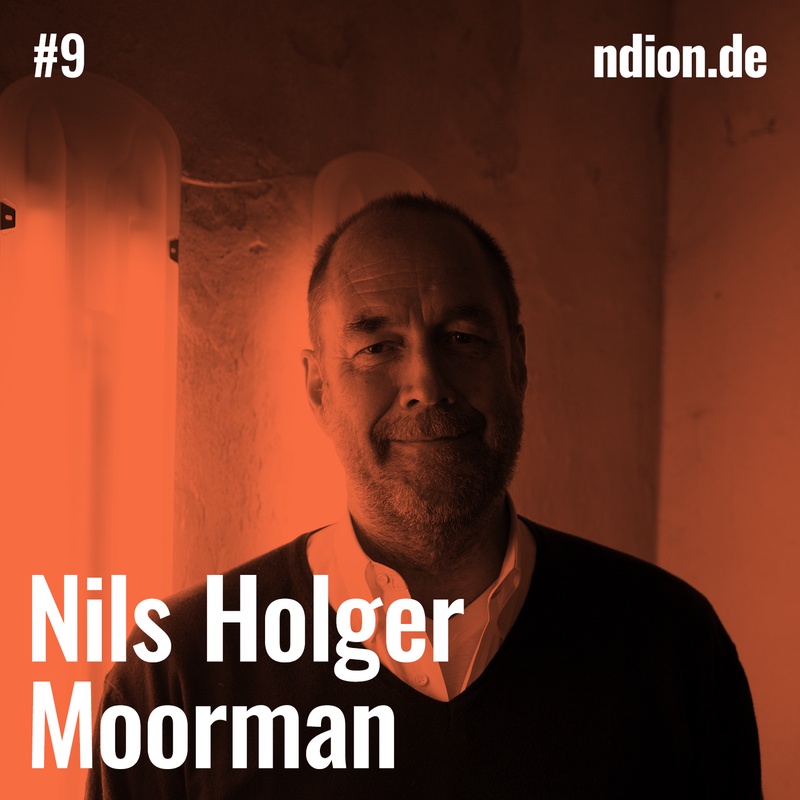
Nils Holger Moormann is a brand in his own right amongst furniture makers. Having entered the world of design via a roundabout route as an outsider to the industry, he succeeded, in collaboration with renowned designers such as Axel Kufus and Konstantin Grcic, in developing furniture that has swept up almost every major design award there is to win, and which, despite – or perhaps because of – a certain eccentricity, outlasts every passing trend. His brand philosophy can be summed up in three words: Minimalist, functional and always full of character.
As a budding lawyer, Nils Holger Moormann owed his first introduction to the world of design to a chance encounter: whilst sharing a car journey with an interior designer who was hitchhiking across the country, Nils Holger Moormann discovered the depth of good product design and, through it, his own passion for aesthetics. In 1984, with little more than a keen eye for materials and details, he founded his company and gradually built a network within the then relatively small design world, searching for talented designers and partners to bring his own ideas to life. His first major success came with the FNP shelving system (short for ‘Flächennutzungsplan’) by designer Axel Kufus. It epitomises Moormann’s convictions: furniture designs that stand the test of time and survive every move, perfection down to the last detail, sustainably produced with local partners.
The Who’s Who of designers published by Moormann reveals further renowned German designers:
In the podcast with Jörg Thadeusz, Moormann talks about chaos, the power of curiosity and what really matters in design.
ndion-Podcast
In our podcast series, we bring you fascinating interviews from the world of brand communication and design. Up-to-date, informative and at the cutting edge of the industry. Featuring interesting personalities, industry leaders and decision-makers – on relevant topics such as digital transformation, sustainability and advancing globalisation.