

What Makes a Sustainable Building?
Content
In the Anthropocene, humanity is currently confronting the consequences of its own innovations. The construction industry plays a decisive role, accounting for 50% of global CO₂ emissions. At the same time, the sector is increasingly turning its attention to embodied carbon in buildings—rather than focusing solely on emissions generated during their use phase. This makes it clear that the need for innovation in this field is immense, and that the role of architecture is being fundamentally redefined.
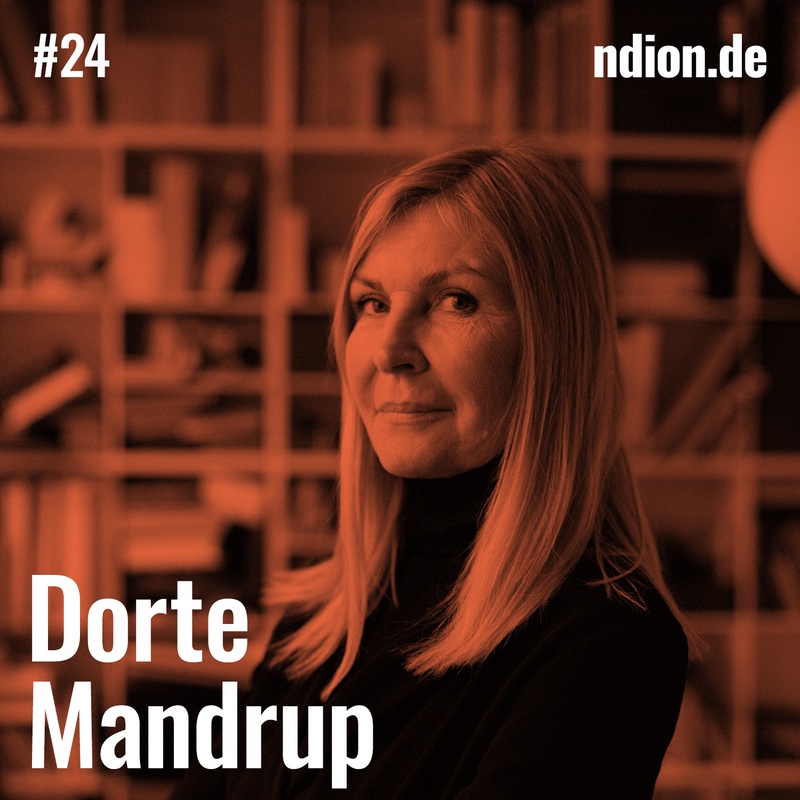
Martin Pauli, Head of Global Circular Economy Services at Arup, discusses with Danish architect Dorte Mandrup how the architecture industry must reposition itself in light of these new challenges.
Our guest, the renowned architect Dorte Mandrup, seeks to use her projects to encourage the industry towards a more conscious approach to sustainability. She calls for greater international knowledge exchange and increased specialisation within architectural practices, as well as a careful, attentive approach to context and detail.
Three key insights:
CO₂ emissions are not the only indicator of a building’s sustainability. It is also about shaping identity—creating connections between buildings and their users—and already, at the design stage, considering potential future uses.
Architecture practices today need to be structured differently, with more specialised expertise, in order to meet these emerging challenges.
An open-source approach to knowledge sharing in sustainable construction is needed. The currently observable decentralised reinvention of sustainable strategies across the industry is slowing down the necessary pace of change.
ndion-Podcast
In our podcast series, we bring you fascinating interviews from the world of brand communication and design. Up-to-date, informative and at the cutting edge of the industry. Featuring interesting personalities, industry leaders and decision-makers – on relevant topics such as digital transformation, sustainability and advancing globalisation.