Better Systems Through Service Design? Key Takeaways From the Panel Talk
How does service design actually create impact in complex organisations, both private and public?
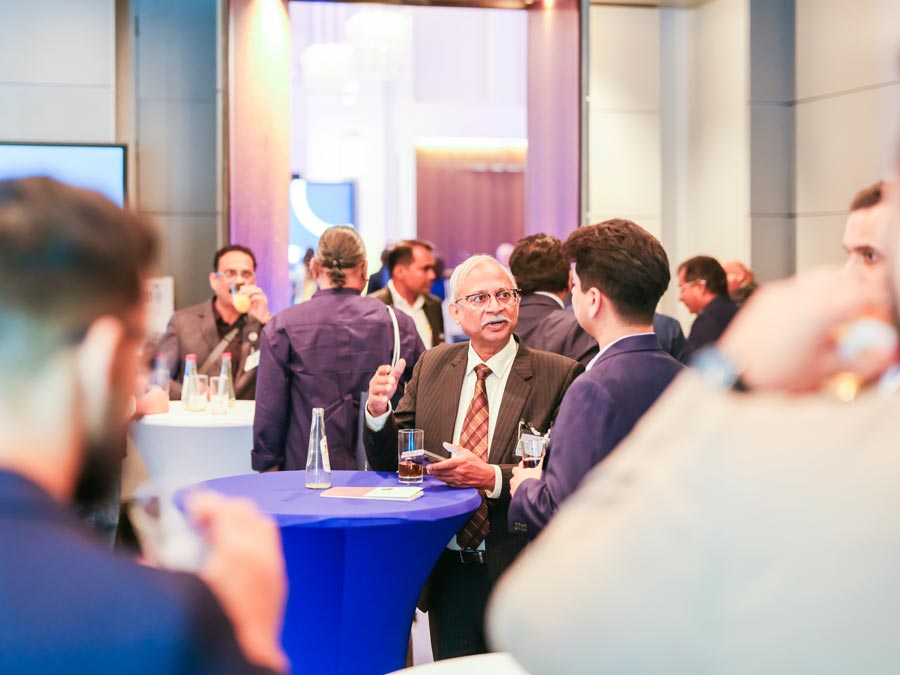
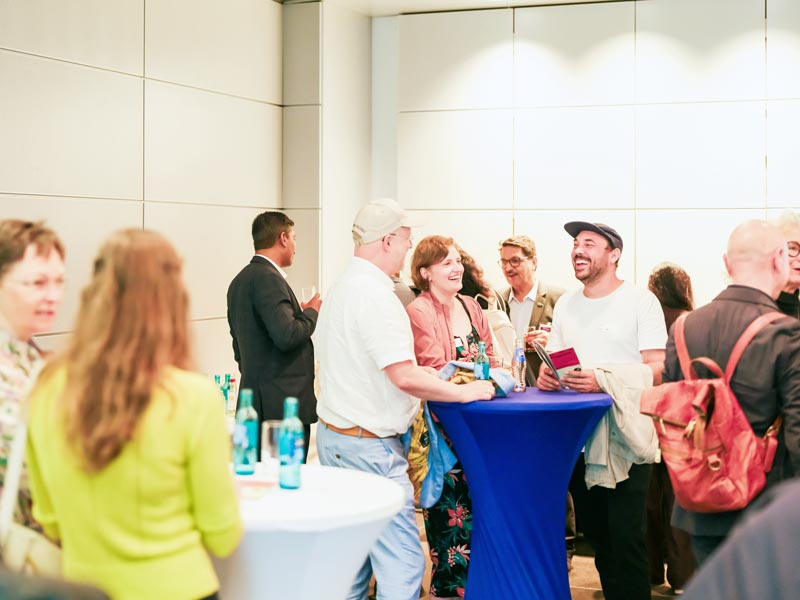
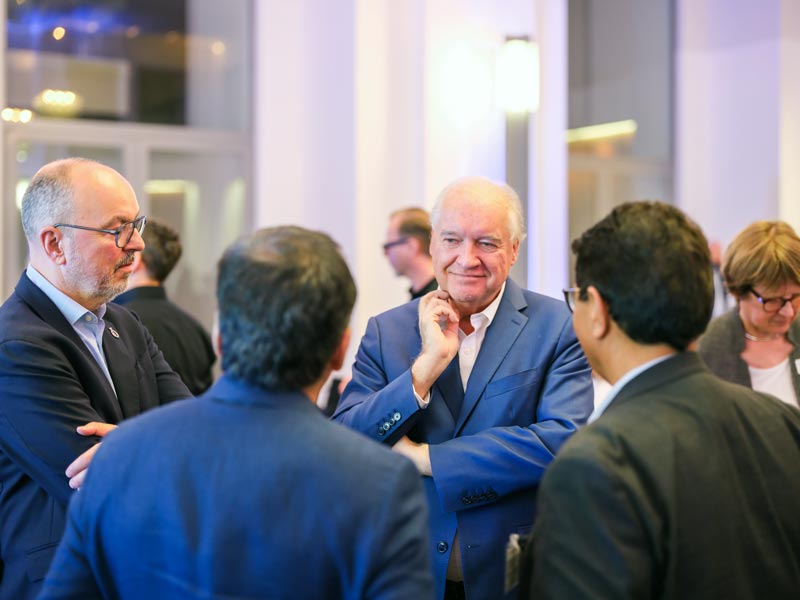
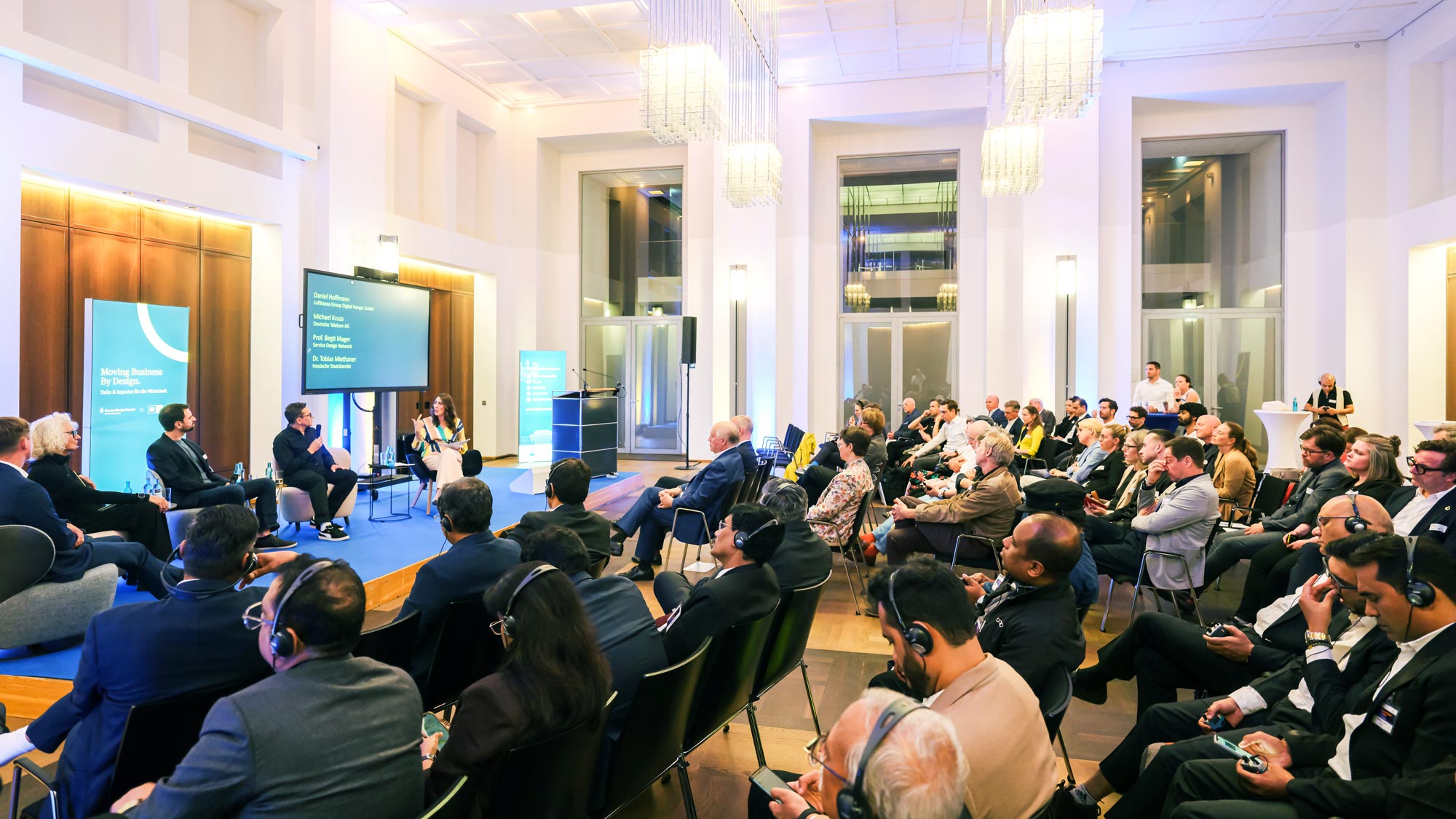
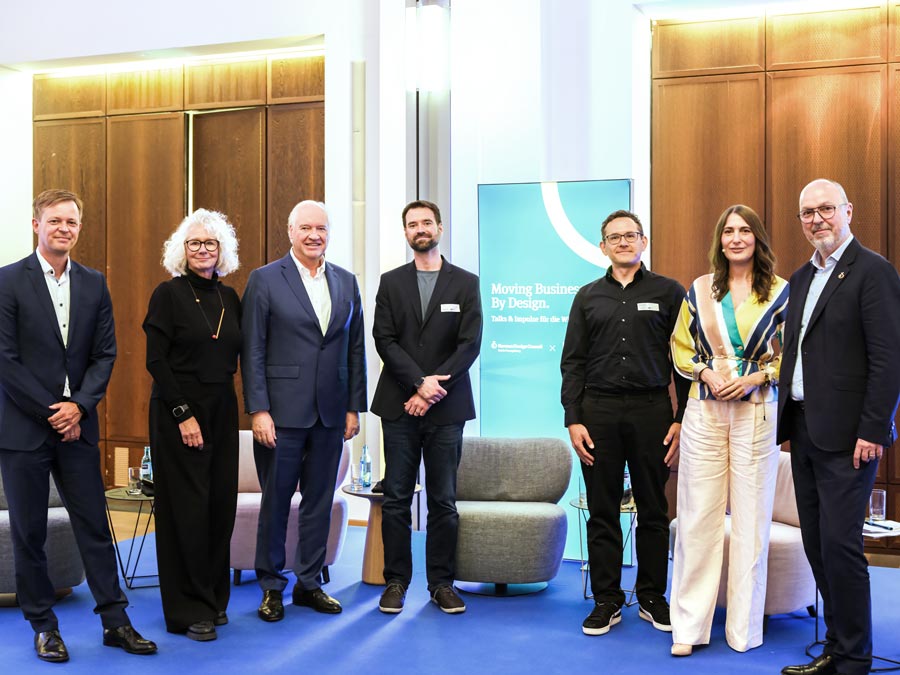
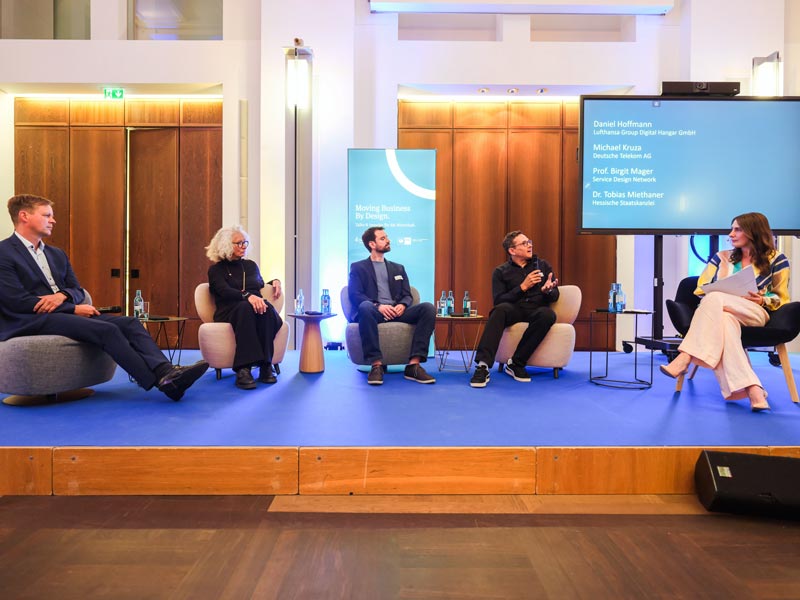
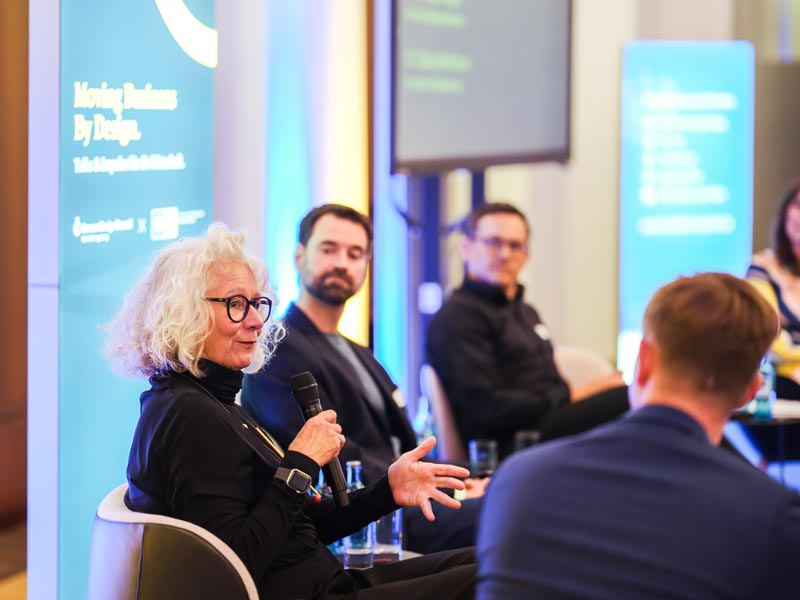
In early June, four practitioners gathered at the IHK Frankfurt am Main to answer this question, and their responses could hardly have been more different. Under the moderation of business journalist Anja Kohl, the panel brought together:
- Daniel Hoffmann (Lead Service Designer, Lufthansa Group Digital Hangar)
- Michael Kruza (Head of Design Operations & Insights, Deutsche Telekom)
- Prof. Birgit Mager (Co-founder & President, Service Design Network)
- Dr. Tobias Miethaner (Head of the Office for Deregulation, State of Hessen)
The conversation made clear what is shifting in Germany when it comes to service design.
Design Moves Into Decision-Making
Michael Kruza from Deutsche Telekom put it plainly: his company stopped measuring design's value contribution at some point. Not because it had become irrelevant, but because design had long since arrived at the strategic decision-making table. "We started in UI, basically making things look pretty at the end of the process," Kruza recalls. Today, his team begins where strategic decisions are made: asking what customers actually need and in what form. A radical shift in mindset and production. This is reflected in Telekom's creation of a Strategic Design Team. Not because design suddenly matters, but because it has always mattered. And now the organisation reflects that reality.
The ROI No One Can Dispute
Daniel Hoffmann from Lufthansa Group Digital Hangar made the evening's sharpest argument: for every euro the Digital Hangar invests, it generates two. Not through efficiency programmes, but through design. The strategy was straightforward: design services so intuitively that customers can find solutions themselves, rather than reaching for the phone.
This sounds like a feature, but it is actually a core design challenge. Self-service only works when interfaces and processes are intuitive enough that users can navigate them independently. In practice, that means: fewer calls to the service centre, lower costs, higher customer satisfaction. A virtuous cycle that engineering alone cannot achieve.
Hoffmann's second point was even more fundamental: user-friendliness is no longer a comfort feature. It is competitive infrastructure. Just as a location cannot compete without roads and power networks, no company today can survive without user-friendly services. It is the foundation on which everything else is built.
When Government Thinks Design
Tobias Miethaner, responsible for deregulation in Hessen, demonstrated that the public sector is far from excluded – neither from the problems nor the solutions. Hessen introduced a "bureaucracy hotline": citizens report directly where administration creates unnecessary friction. This is a tool built on design logic. One concrete result of this approach: Hessen abolished the written form requirement, a regulation which forced digital documents to be printed out, signed by hand, and scanned back in. A process discontinuity that systematically crippled administrative workflows. The federal government now wants to follow Hessen's lead. What is still missing is a cross-departmental perspective on users that transcends administrative boundaries. Miethaner hinted: work is underway.
Service Design Is An Attitude
Birgit Mager, professor of service design, made the evening's most important conceptual point: her students once investigated why a DSL service package sold so poorly. The finding was sobering. The shop staff didn't even know the package existed. Not a classical design flaw, but a systems flaw. And that is precisely what service design is about: not optimising individual touchpoints, but understanding and reshaping the entire logic of a service.
Mager's thesis for the evening: service design is not a method. It is an attitude. A decision to think from users outward, not from the organisation inward.
What Remains
The evening offered no easy answers. What it made clear is this: organisations serious about user-centred services face structural challenges that go far beyond design departments. The question is about decision logic, organisational culture, and political will.
The uncomfortable truth is, that we are good at designing products. But the real work lies behind them: in the systems, processes and services that determine whether good intentions become good experiences.
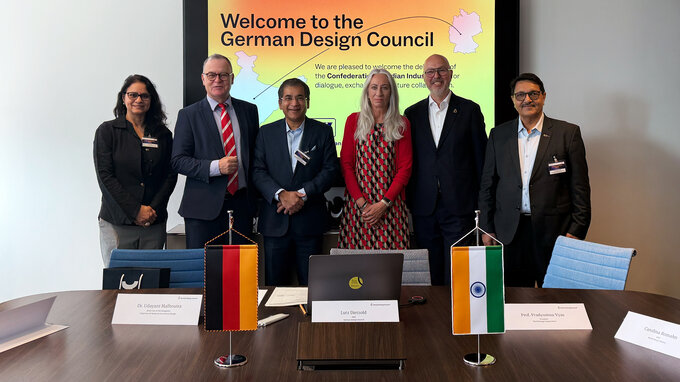
Moving Business by Design continues in autumn 2026 with two further talks. The series is a collaboration between the German Design Council and the IHK Frankfurt am Main, part of the World Design Capital 2026 Frankfurt Rhine-Main programme. Don't want to miss out?