
Design Research in Germany 2024: Key Findings and Future Potential
How can we address the major challenges of our time? One thing is clear: fresh approaches are needed. Design research can deliver crucial impulses. This is the focus of our new study, “The Practice of Design Research in Germany 2024”. The results reveal a significant need for design research in Germany – at universities, to transfer academic insights into practice; in companies, to strengthen development processes and innovation; and in design practice itself, which often relies on research as its foundation. Yet so far, design research lacks the structural support and recognition essential for international competitiveness.
Bridging Theory and Practice
“It is essential to strengthen the bridge between theory and practice to recognise and promote the value and relevance of design research in all its facets,” stresses Lutz Dietzold, CEO of the German Design Council. Only through collaboration between academia, industry, and design practice can design fully unleash its impact as a driver of innovation and transformation.
Study Results
The study presents both encouraging and sobering findings:
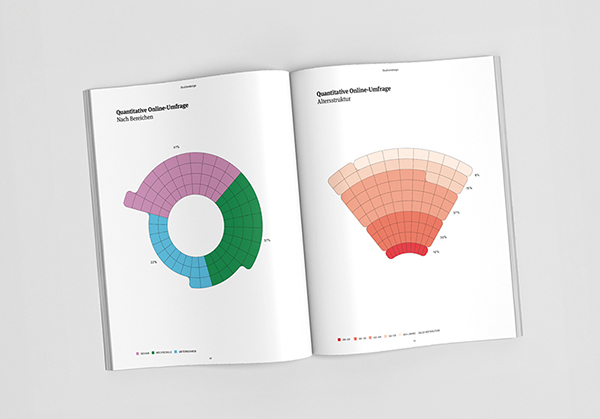
- Need for action: In international comparison, German design research is lagging. Only 13 per cent of surveyed experts (aged 20–39) rated its current state as “above average.”
- Potential: At the same time, the study shows that design research can significantly boost companies’ innovative capacity and strengthen design practice in the long term.
- Significance: Almost two-thirds of respondents identify universities as the key drivers of design research, while companies often integrate it only weakly and rarely involve it early in development processes.

Recommendations for Action
Together with co-author Jessica Krejci, Stephan Ott, Director of Design Research at the German Design Council and author of the study, sets out concrete recommendations to strengthen design research in Germany sustainably:
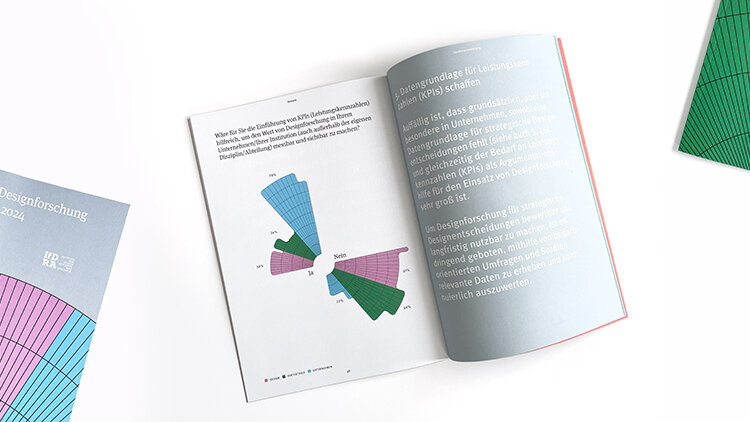
- Build a data basis for KPIs: Establish measurable criteria through surveys and evaluations.
- Strengthen international orientation: Embed global exchange more firmly in academic curricula.
- Promote practice-oriented doctoral programmes: Design PhD programmes with a strong practical focus to forge closer links between theory and application.
The study makes it clear that design research reaches far beyond academia. It plays a decisive role in driving corporate innovation. Those who wish to stay ahead must not only acknowledge the importance of design research but also actively support it.“Germany must elevate its design research to a new level to remain competitive internationally and to secure its innovative strength in the long term,” concludes Lutz Dietzold, at the same time issuing an appeal to universities, policy-makers, and companies alike.
Download the Study now!