A Changing Calendar
Let us reminisce and recall how organised the design and interiors industry calendar once was. The highlight of the year was the Milan Furniture Fair, Salone del Mobile, in April. Anyone who wanted to be a player in the industry had to be there. The other fairs were arranged around it: at the start of the year came the Cologne furniture fair, followed by those in Paris and Stockholm. The rest of the year was filled with various trade fairs, which depending on the sector, were also potential must-attend events, such as those for lighting, textiles, and office furnishings. Now, let's look at the current situation in 2026: the Stockholm fair has been cancelled entirely, and imm cologne is no longer relevant for design-oriented brands, manufacturers, or audiences. Meanwhile, the Salone del Mobile has shrunk from 389,000 visitors in 2019 to around 300,000 at the Rho exhibition grounds last year. Another significant development is that some major Italian brands are withdrawing from the Salone and inviting visitors to their showrooms in central Milan during fair week instead. Nostalgia does not offer a solution: 2026 makes it abundantly clear that the major furniture and interiors fairs have lost their status as unrivalled focal points.
Pandemic and Structural Disruption
What happened between 2019 and 2026? The pandemic, of course. Suddenly, the entire industry ground to a halt, and many believed that digital formats might suffice, if only temporarily. After all, a great deal of money would be saved if fairs no longer needed to be staged. For many companies, the costs of stand construction, transport, materials, and personnel present a significant challenge. This was particularly true during the post-Covid boom, when the interiors industry recorded record revenues as people invested in their homes. However, this boom turned into a prolonged economic downturn that continues to this day. Despite video calls and declining revenues, face-to-face encounters remain indispensable. This is especially true in an industry dealing with objects that people have such close contact with. Surfaces need to be touched, sofas tested, and lighting experienced in person. This reality check is an important source of inspiration — a term that is currently very popular and offers a chance for new perspectives. The pandemic hit an industry that was already in decline, and at the end of March 2020, the design community had to accept the cancellation of the Salone del Mobile. Trade fairs have been criticised for being expensive and consuming excessive resources while offering exhibitors and visitors little enjoyment in return. Furthermore, most had already lost their function as platforms where retailers place orders for new products. However, the show must go on, and the circus has therefore been back on tour for a while, albeit with a new itinerary.

Copenhagen as a Role Model
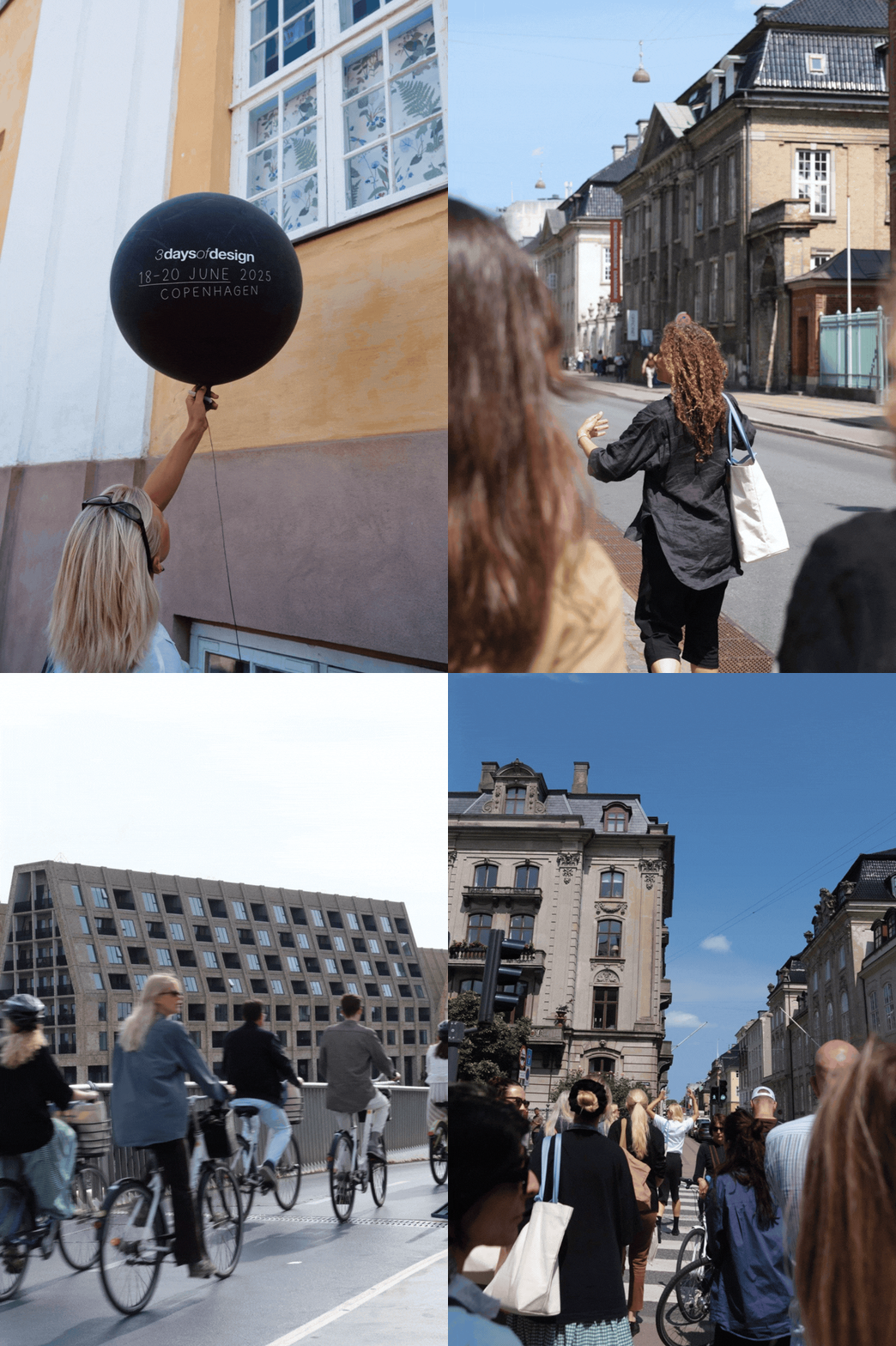
As with any crisis, there will be winners and losers. Most would probably agree that the biggest winner is 3 Days of Design in Copenhagen. Starting in 2013 as a collaboration between four design brands in a Nordhavn district warehouse, this event has evolved into the leading showcase for Nordic furniture and design. Its structure, with presentations spread across the city, proved particularly well suited to pandemic conditions. Even in 2020, the first year of the pandemic, the event went ahead. While exhibition halls elsewhere remained empty for years, 3 Days of Design established itself as a new commercial powerhouse with influence far beyond Scandinavia. As a result of its success, the Stockholm furniture fair lost almost all its Danish exhibitors, along with its role as a marketplace for Nordic design. There are many advantages to the 3 Days concept: the atmosphere is more pleasant and feels more like strolling through the city, although it can be very demanding. Rather than constructing new exhibition stands each year, participants utilise existing infrastructure, such as showrooms, galleries and shops. However, the concept can only be transferred to other locations to a limited extent, as, apart from Milan, there are hardly any other European cities with such a concentration of established manufacturers and emerging brands. Moreover, events in the city centre have long held greater appeal for many than the fairgrounds in Rho. Incidentally, the Swedish design community has interpreted the cancellation of the fair as a wake-up call and organised the first Stockholm Design Days on the traditional date. This collective effort, modelled on the 3 Days concept, generated considerable attention. Whether this positive momentum will continue remains to be seen in February 2027.

New Formats With Clearly Defined Audiences
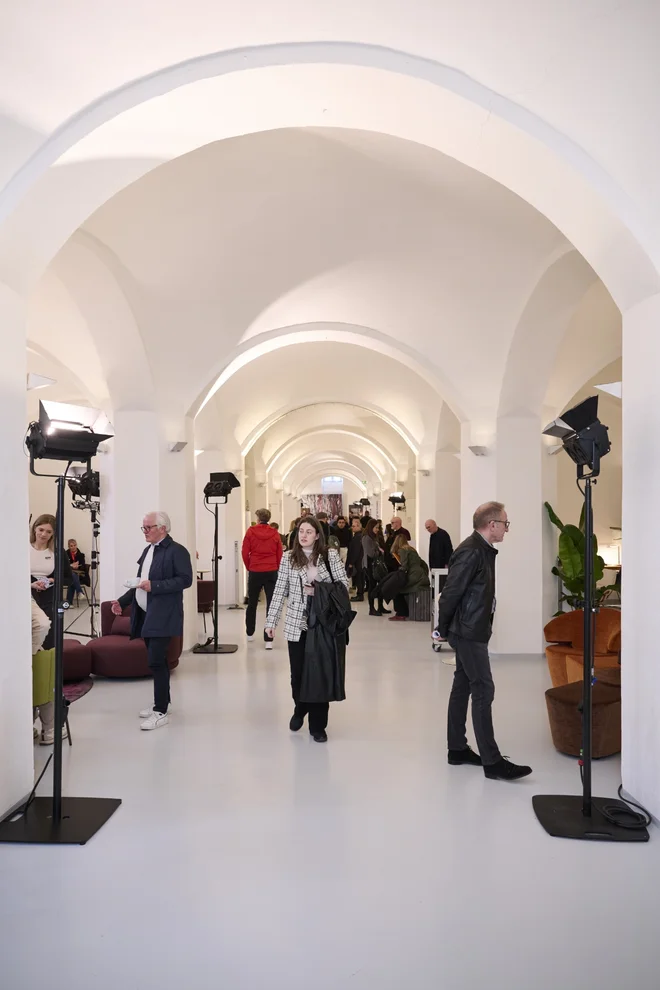
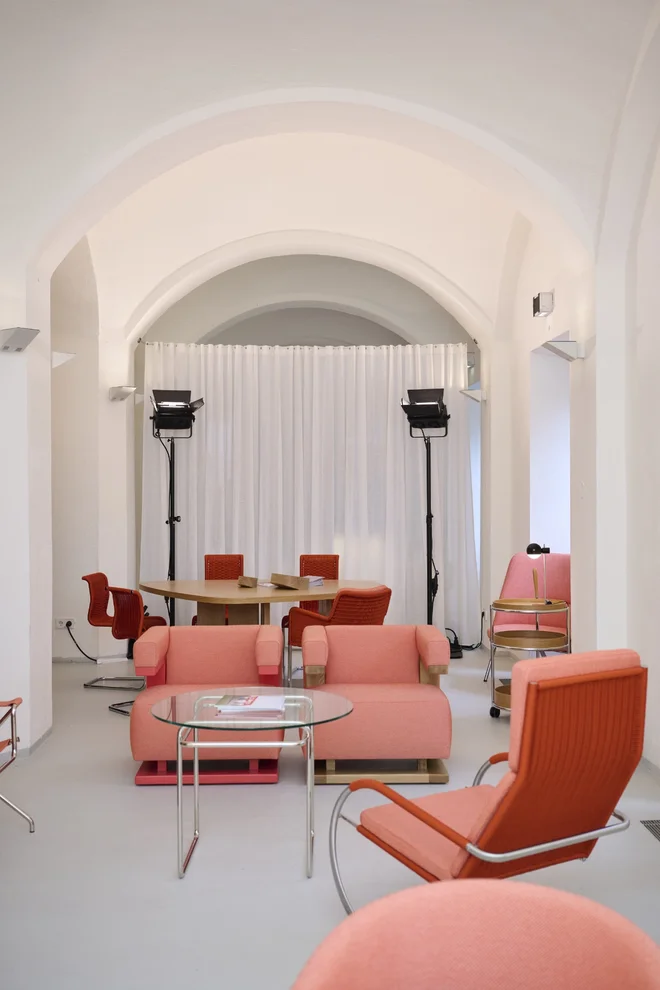
The decline of major trade fairs is creating opportunities for smaller events. For instance, the Matter & Shape fair took place in Paris for the third time in early March. Organised by a fashion company and scheduled to coincide with Paris Fashion Week, this event showcases luxury and craftsmanship, attracting a forward-thinking audience. Its target audience includes buyers from concept and luxury department stores, as well as architects and interior designers. Instead of taking place in an unattractive, draughty exhibition hall situated on the outskirts of the city, around 70 exhibitors presented their work in two stylish tents located in the Tuileries Gardens, next to the Louvre. 'Design Nation' is another new format aimed at planners and decision-makers in the project and contract sector — specifically, those responsible for furnishing hotels, offices, and airports. Design Nation is part of the XPO Group, which also organises the Architect@Work architecture fair. Both fairs are compact and last just two days, touring various European cities. Design Nation will appear in Berlin in autumn 2025, followed by Kortrijk and Düsseldorf this autumn, and then Paris and Berlin again in 2027. Two key event trends come into play here: specialisation and regionalisation. Both strategies are built around clearly defined audiences and promise strong integration within their respective communities. The Munich Design Days recently demonstrated the success of this approach by combining a small fair with a decentralised structure. Supported by the well-established Stoff-Frühling textile event, it attracted not only local visitors from Munich in its second year, but also attendees from across Germany and beyond.
Amidst Growth, Emerging Formats and Uncertainty
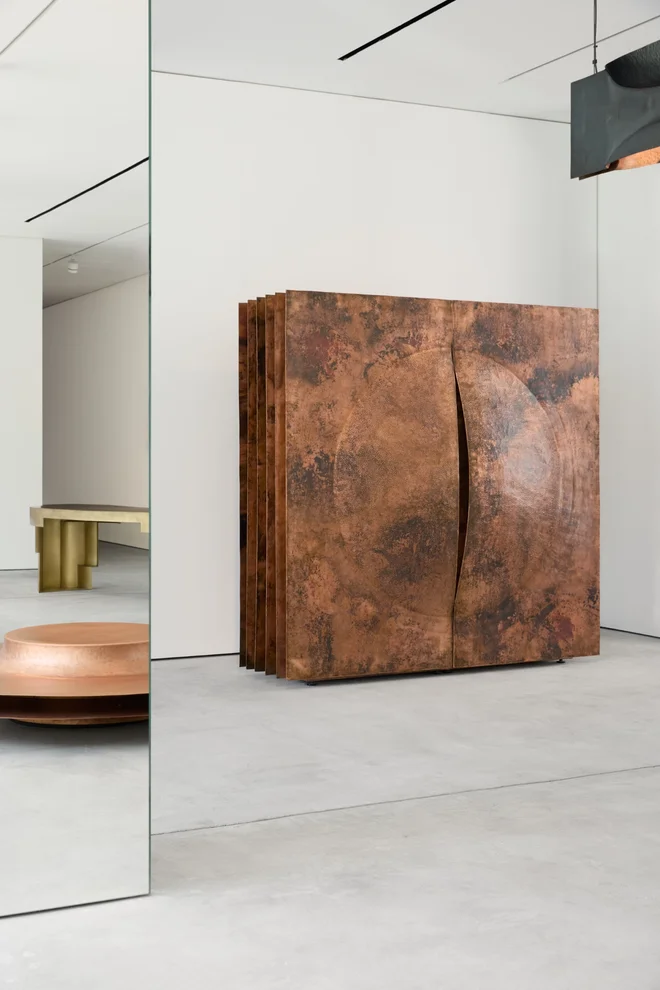
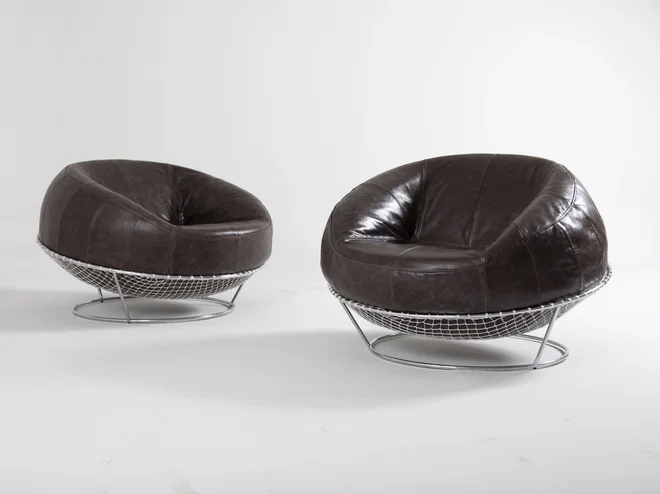
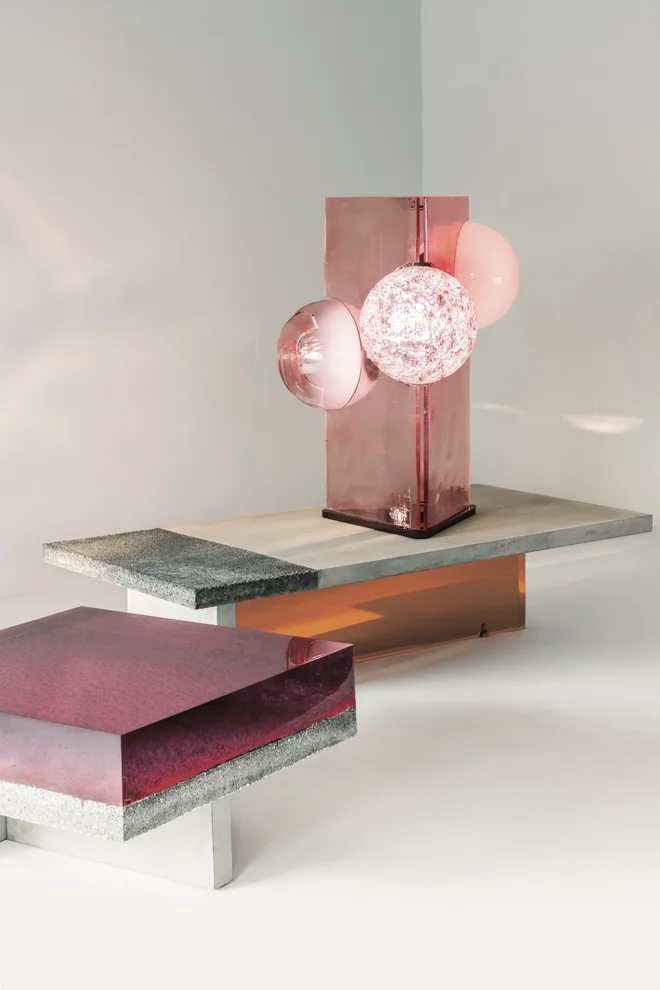
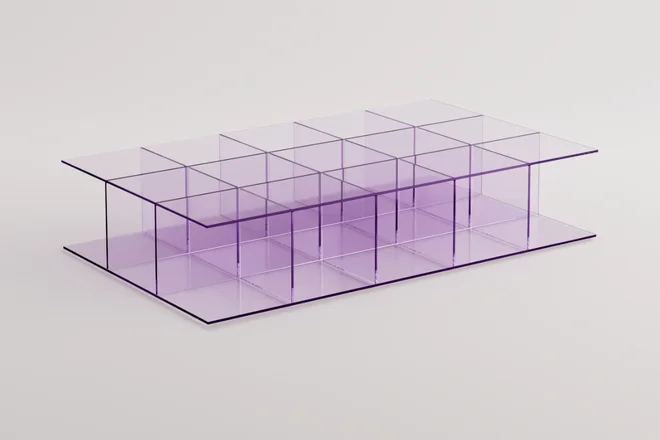
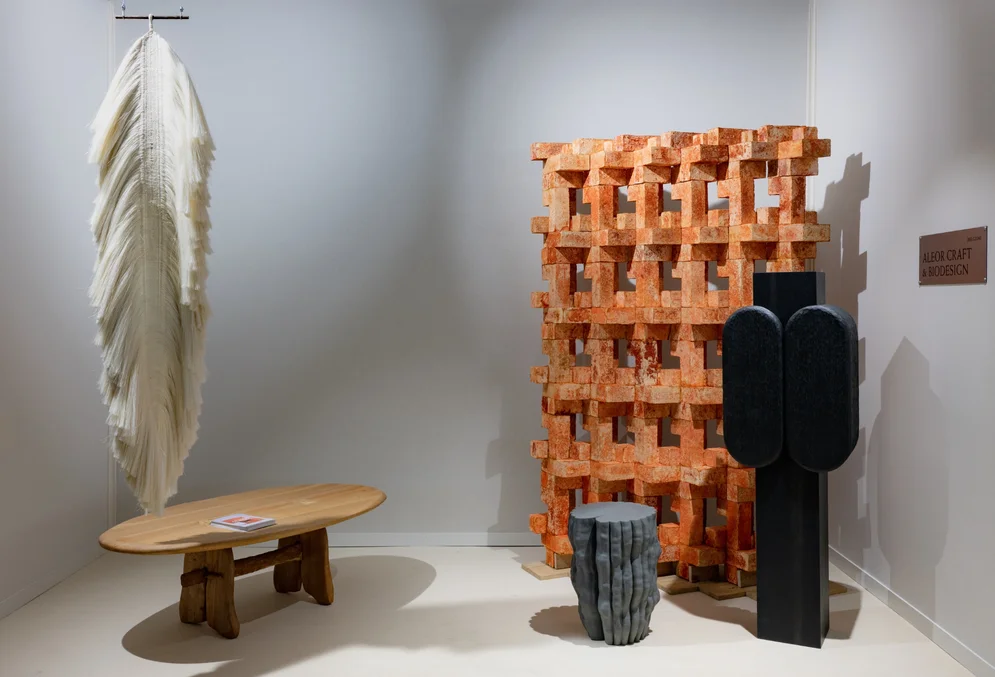
Following the example of art fairs, the Salone del Mobile is expanding globally in response to these changes. Last November, the Salone was held in Riyadh, Saudi Arabia, for the first time. A new format will also be introduced at the upcoming Milan edition: Salone Raritas. As the name suggests, 25 exhibitors will present unique pieces, vintage works, and craftsmanship — in short, collectible designs beyond mass production. In doing so, the organisers are capitalising on a major trend in the design world. Collectible design used to be a niche market, but it has grown in popularity internationally since the first Design Miami fair over 20 years ago. Along with this growth came strategies borrowed from the art market, such as using galleries and online platforms as distribution channels, targeting collectors and institutions, and prioritising uniqueness over mass availability. Nowadays, many young designers prefer to produce small editions themselves rather than seek out a manufacturer. By adopting this format, the Salone is expanding its offering to encompass a new genre, with the aim of attracting interior designers working on high-end projects who are seeking distinctive pieces.
Which paths will ultimately lead out of the crisis remains to be seen. The success of fairs and event formats always depends on the overall economic situation, beyond any strategic decisions. However, one thing is certain: the design and interiors industry calendar will not return to its former orderly state any time soon.