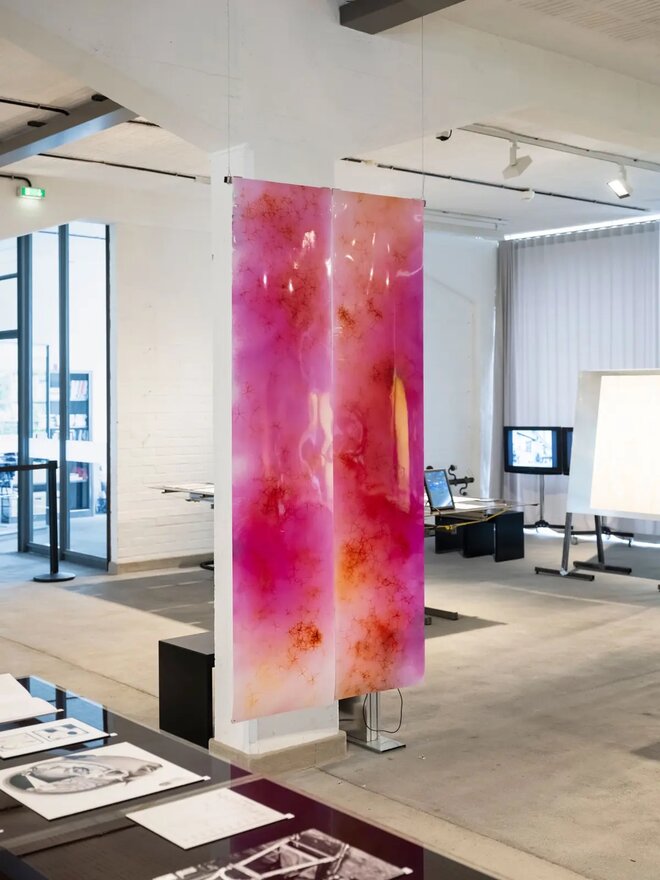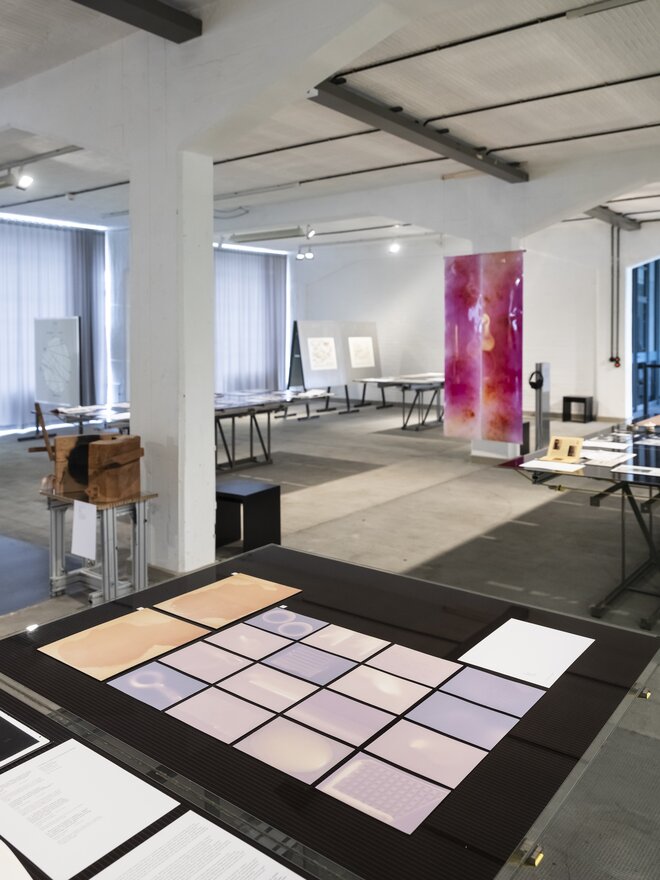
After modern Brightness in Bauhaus Dessau
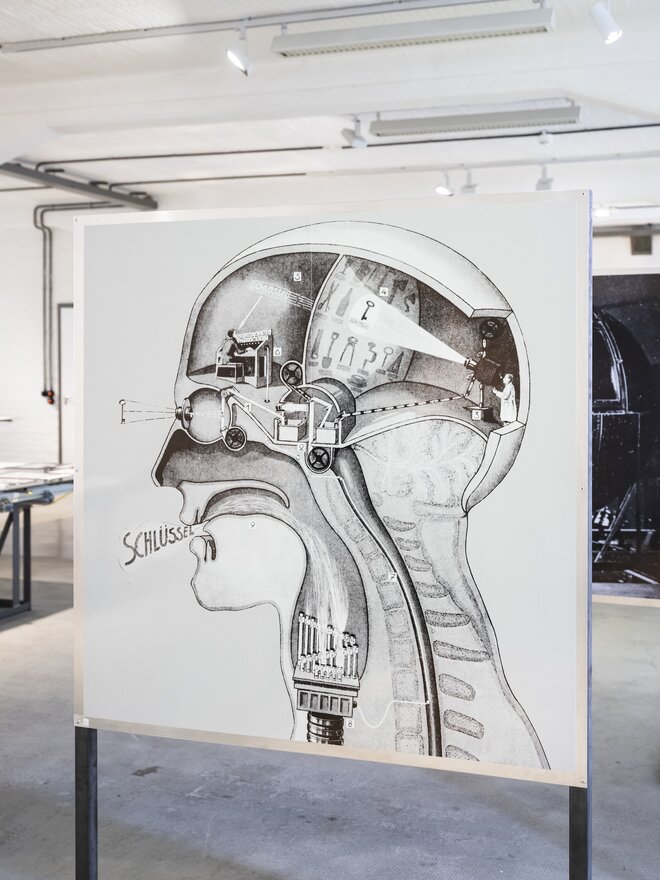
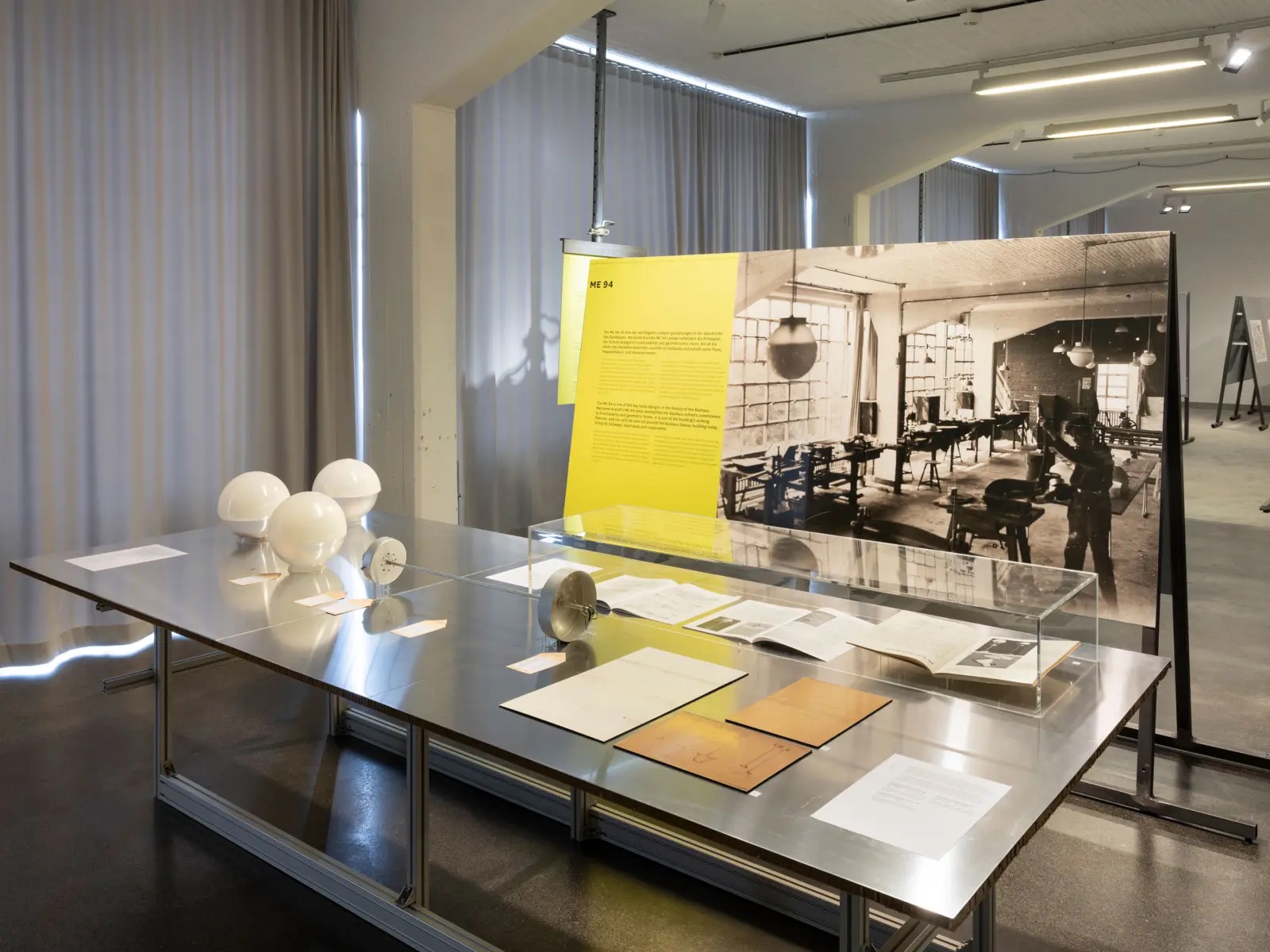
Designed in 1926, Marianne Brandt’s ME 94 is a prime example of Bauhaus-related industrial culture. From this object, the exhibition unfolds a network of relations: where electricity is generated, how it is distributed, where it is consumed – and what ecological and social consequences are tied to these processes. Following specific sites of electrification, “After modern Brightness. Ecologies of Light” interweaves questions of design with infrastructure, resources and politics. The curatorial approach shifts the focus from the object itself to its context, from the ventilation slots in Brandt’s design to the environmental impact of energy production. The exhibition reveals that light is always also about matter, logistics, and power, and that design reflects and shapes these dimensions.
Bauhaus Lab as a Laboratory of the Present
The exhibition is the outcome of Bauhaus Lab 2025. An international team from architecture, design, curatorial practice and research developed the project within the framework of Global Modernism Studies. This format connects research with exhibition practice and, launched with an opening conference, links back to the Bauhaus’s experimental workshop and teaching tradition. On this occasion, the focus lies on today’s energy infrastructures. After Modern Brightness thus continues modernism as an ecological history of light and raises the question of what role design can assume in times of scarce resources and emerging technologies.