Adjustable Table E1027

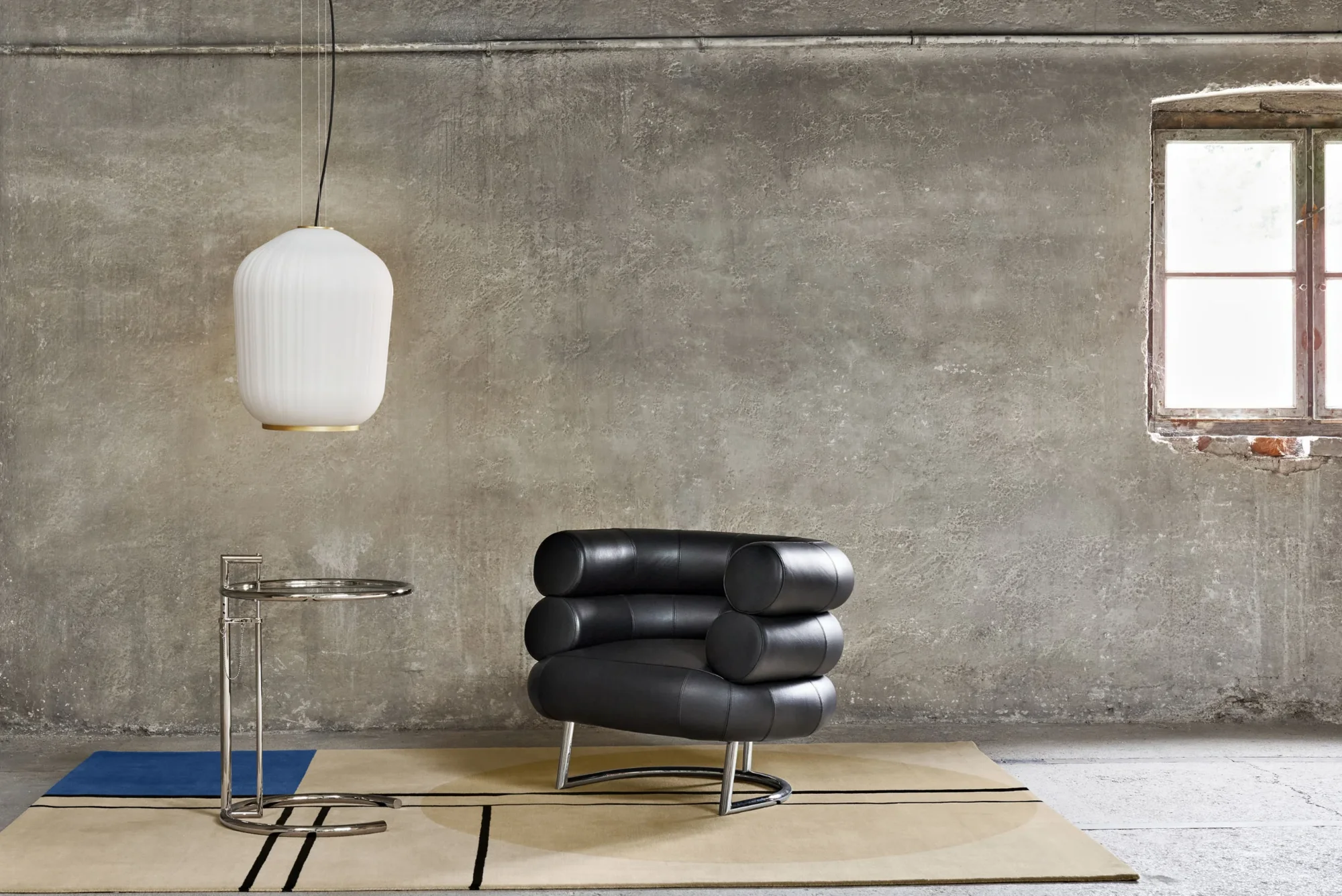
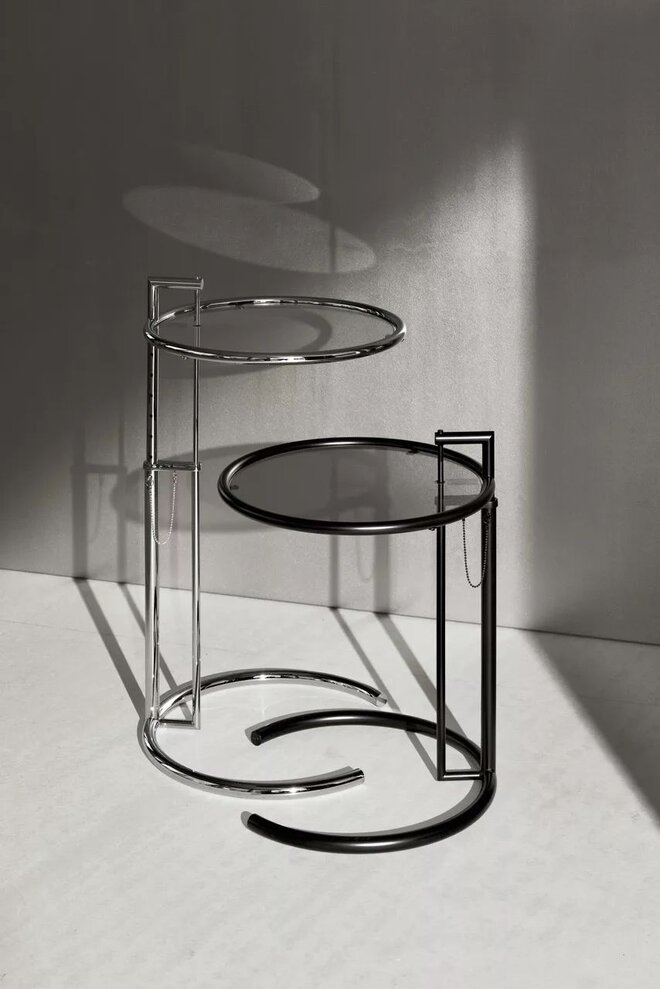
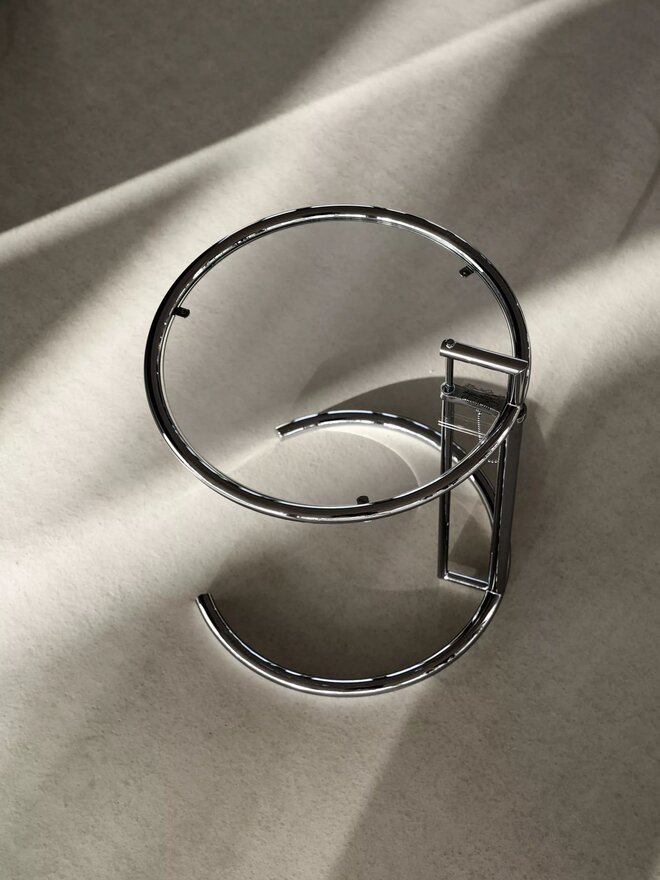
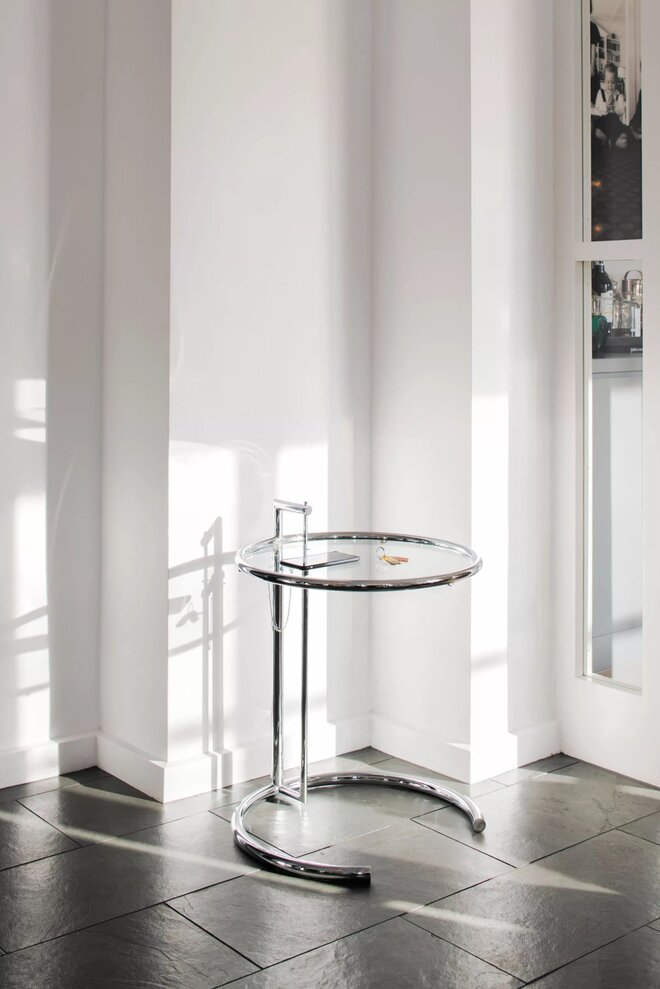
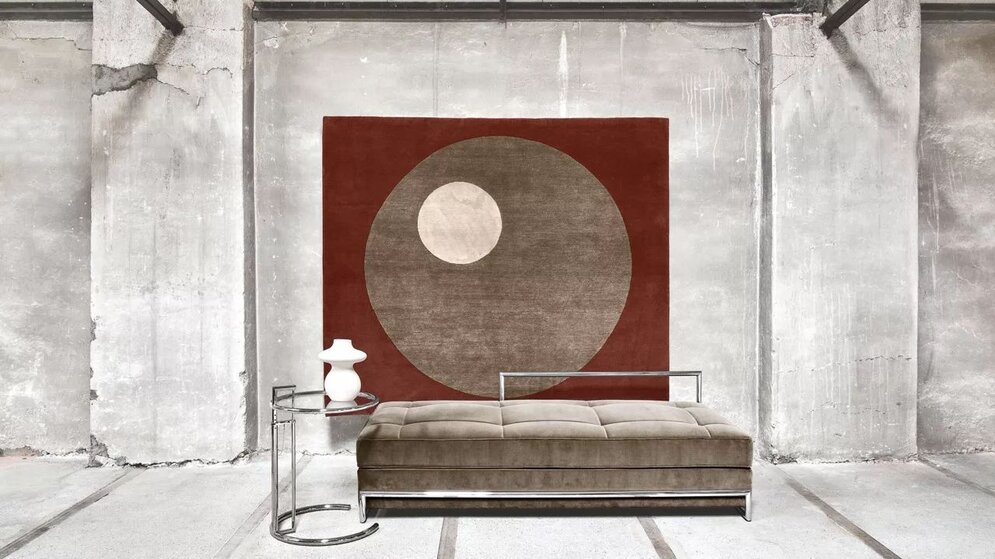
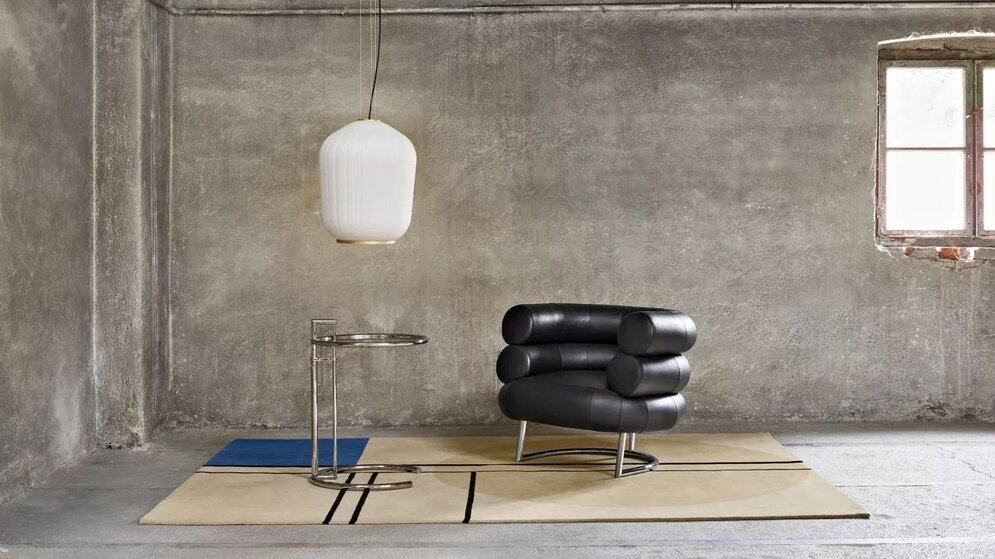
Originally designed as a bedside table for the bedroom of Eileen Gray's house E 1027 on the Côte d'Azur, the Adjustable Table remains one of the most famous pieces of furniture in the history of design. The filigree chrome-plated tubular steel frame gives the table an extraordinary lightness, while the round glass top provides transparency. Its innovative concept is based on maximum flexibility: the height of the table top can be varied, allowing the table to be used next to a bed as well as an armchair or sofa.
This simple but ingenious mechanism, secured by a pin and a small chain, still makes the E 1027 a prime example of intelligent design. Also because the semicircular base allows the table to be pushed very close to a piece of furniture. It is said that Gray designed it for her sister Thora, who liked to have breakfast in bed when she visited.
The Perfection of Functionality
The Adjustable Table was part of a design concept. Unlike many of Gray's contemporaries who favoured purely geometric forms, the designer combined technical innovation with a strong sensitivity to human use. Like many of her designs, the Adjustable Table was intended to be used in a variety of spaces and contexts. This versatility has contributed greatly to its enduring popularity and relevance.
On the one hand, the Adjustable Table E 1027 exemplifies the principles of modern design: form follows function, materials are used honestly and innovatively. On the other hand, it has a timeless elegance that has kept it relevant for decades. The table was mass-produced by ClassiCon in the 1970s and can now be found in design museums and private homes around the world.
Eileen Gray: A Woman of Vision in a Man's World
Eileen Gray (1878-1976) was not only an exceptional designer, but also one of the few women in the modernist avant-garde. While many of her male contemporaries – most notably Le Corbusier – dominated the design canon, she often worked out of the limelight with a radical view of interior design. In a male-dominated world of architecture and design, she went her own way, combining modern materials with a particular sensitivity to space, light and function. She designed the Adjustable Table for one of her most important architectural works: the house E 1027, built between 1926 and 1929 in Roquebrune-Cap-Martin, France. The name is a coded reference to Gray and her partner at the time, Jean Badovici. The house was a testing ground for her ideas of flexible living – with clean lines, functional room layouts and a fluid transition between indoors and outdoors. Her table is a reflection of this way of thinking: flexible, intuitive, functional – furniture that does not dominate the room, but adapts to life.
Sources
- Adam, Peter: Design Klassiker – Der Beistelltisch E 1027 von Eileen Gray. Birkhäuser, 1998.
- classicon.com
- Eileen Gray: Eine Architektur für alle Sinne. Wasmuth, 1996.
- Eileen Gray – oder der unbekümmerte Umgang mit der Moderne. archithese Magazin, Ausgabe 4,1991.
- „E.1027 – Eileen Gray und das Haus am Meer“. Schweiz, 2024.
- Eileen Gray und die moderne Architektur. Copycats Podcast, 2024.
- Gerst, Gertraud: Kult-Villa E-1027 wiedereröffnet. ubm Magazin
- Kerner, Charlotte: Die Nonkonformistin – Die Lebensgeschichte der Architektin und Designerin Eileen Gray. Beltz, 2003.
What Constitutes a Design Icon?
☑ Innovative Design – A design icon sets new standards, reflecting the technological and cultural zeitgeist.
☑ High Functionality – An iconic design improves a product’s usability and makes it easier to understand.
☑ Timeless Aesthetics – A design icon remains relevant for decades, regardless of changing trends.
☑ High-Quality Materials – Using first-class materials ensures a long service life and sustainable use.