The Leica M Series
The history of the Leica dates back to 1914, when Oskar Barnack, an engineer at the Leitz company in Wetzlar, developed the Ur-Leica — one of the first practical 35 mm cameras to use perforated cinema film. Although others had already experimented with using 35 mm film for still images, Barnack's camera set new standards in terms of compactness and ease of use — characteristics that would later form the basis of the Leica success story.
Barnack's vision was to create a camera that was lightweight and mobile, and that could be used without the limitations of the plate cameras of the time. Before the Leica, photography was a time-consuming process involving long exposure times and heavy equipment. The Leica allowed photographers to capture the moment spontaneously and popularised the concept of serial photography with the 35 mm format.
Further Development of the M Series
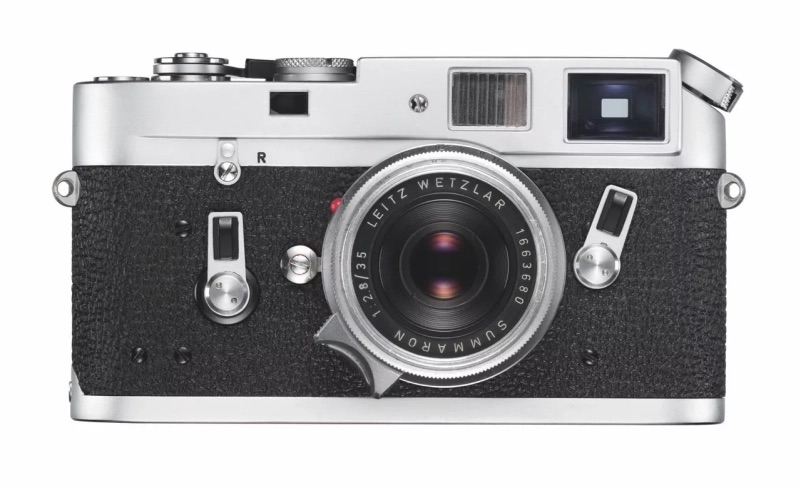
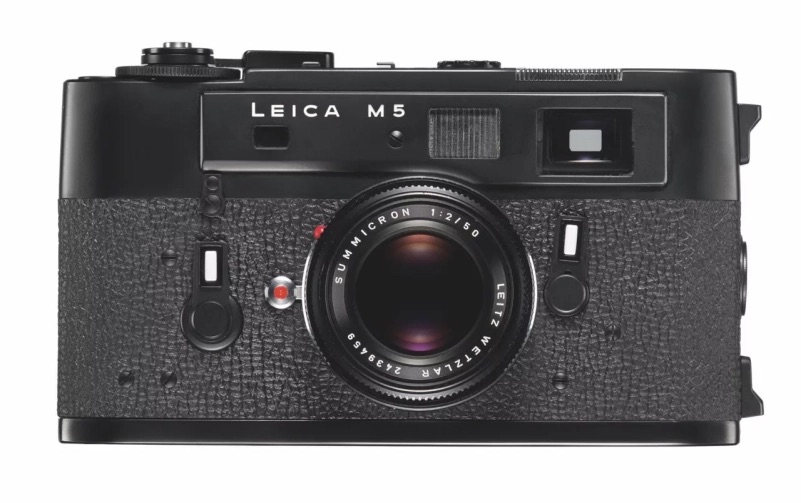
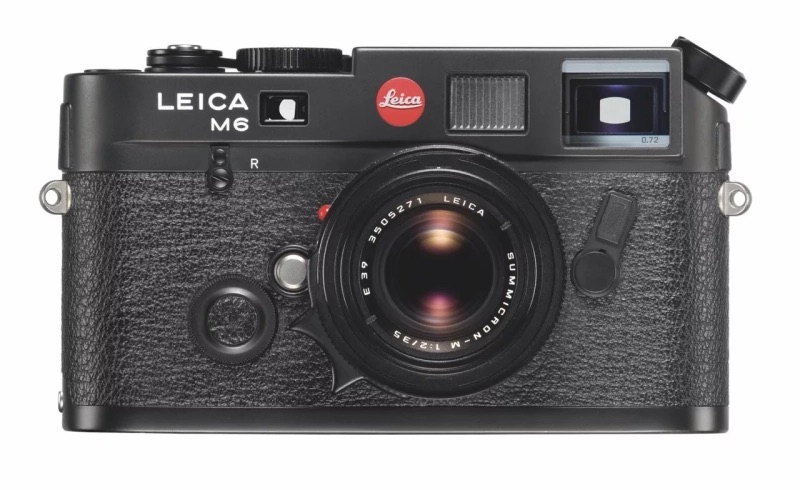
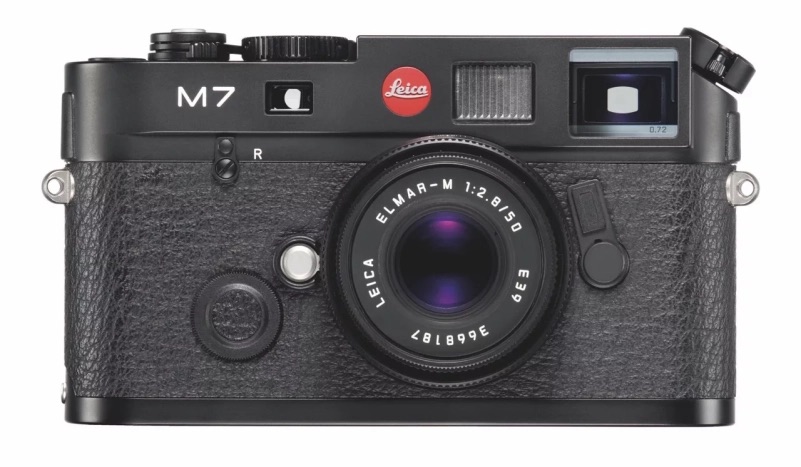
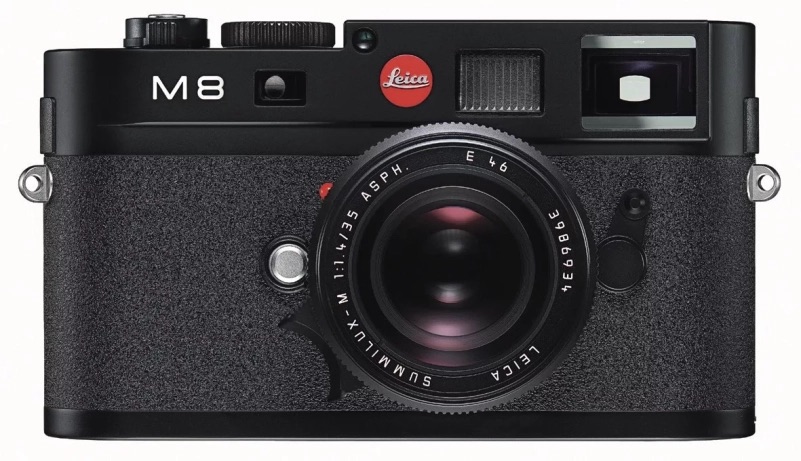
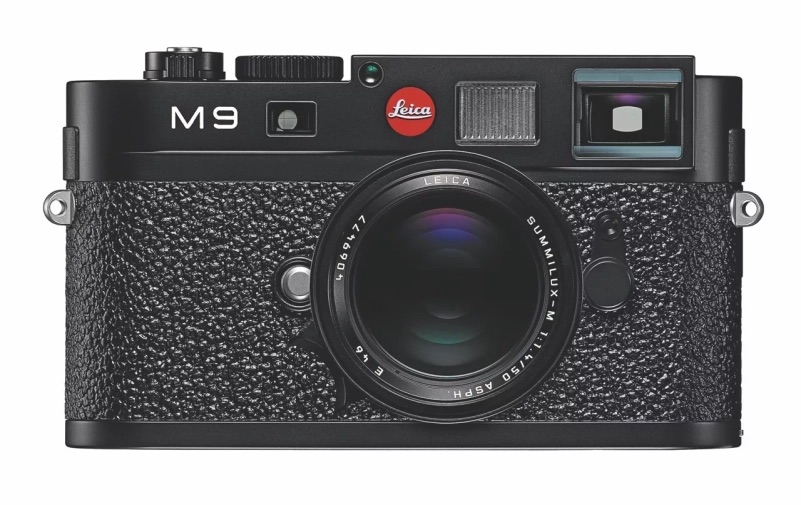
Since the launch of the Leica M3 in 1954, the M series has undergone continuous development. While it has been modernised from a technical standpoint, its basic design principles have remained intact. Despite the introduction of new models and features, the characteristic design, with its compact form, manual operation and optical rangefinder, has remained unchanged. With each generation, the camera has been refined in terms of its functionality: for example, through improved film transport, built-in exposure metering and, from the M8 onwards, digital image sensors. To this day, the M series embodies a deliberate, slow-paced approach to photography, viewing technology as a craft and stripping it down to its essentials, in keeping with the tradition of the early Leica cameras.
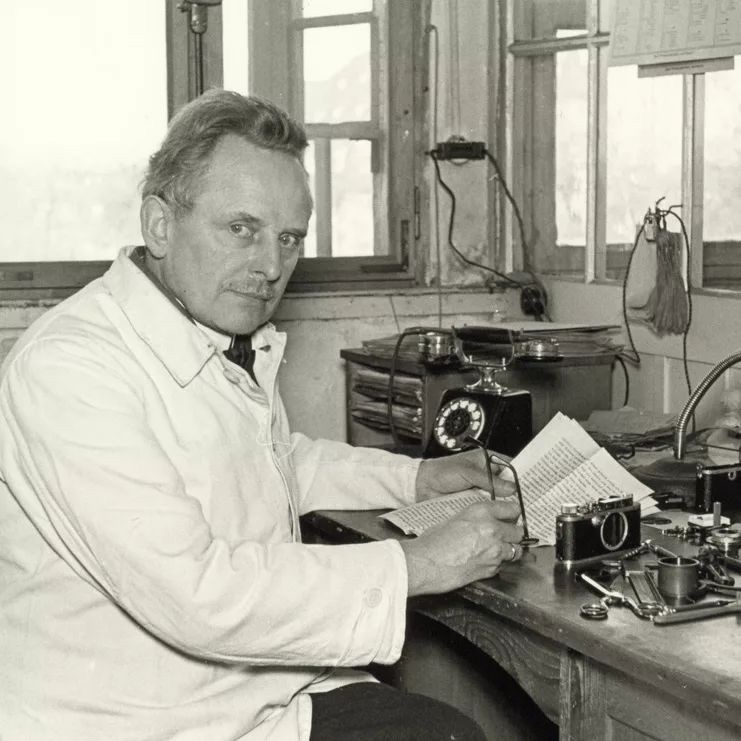
The original Leica was first presented to the public at the Leipzig Spring Fair in 1925, and this year marks its 100th anniversary.
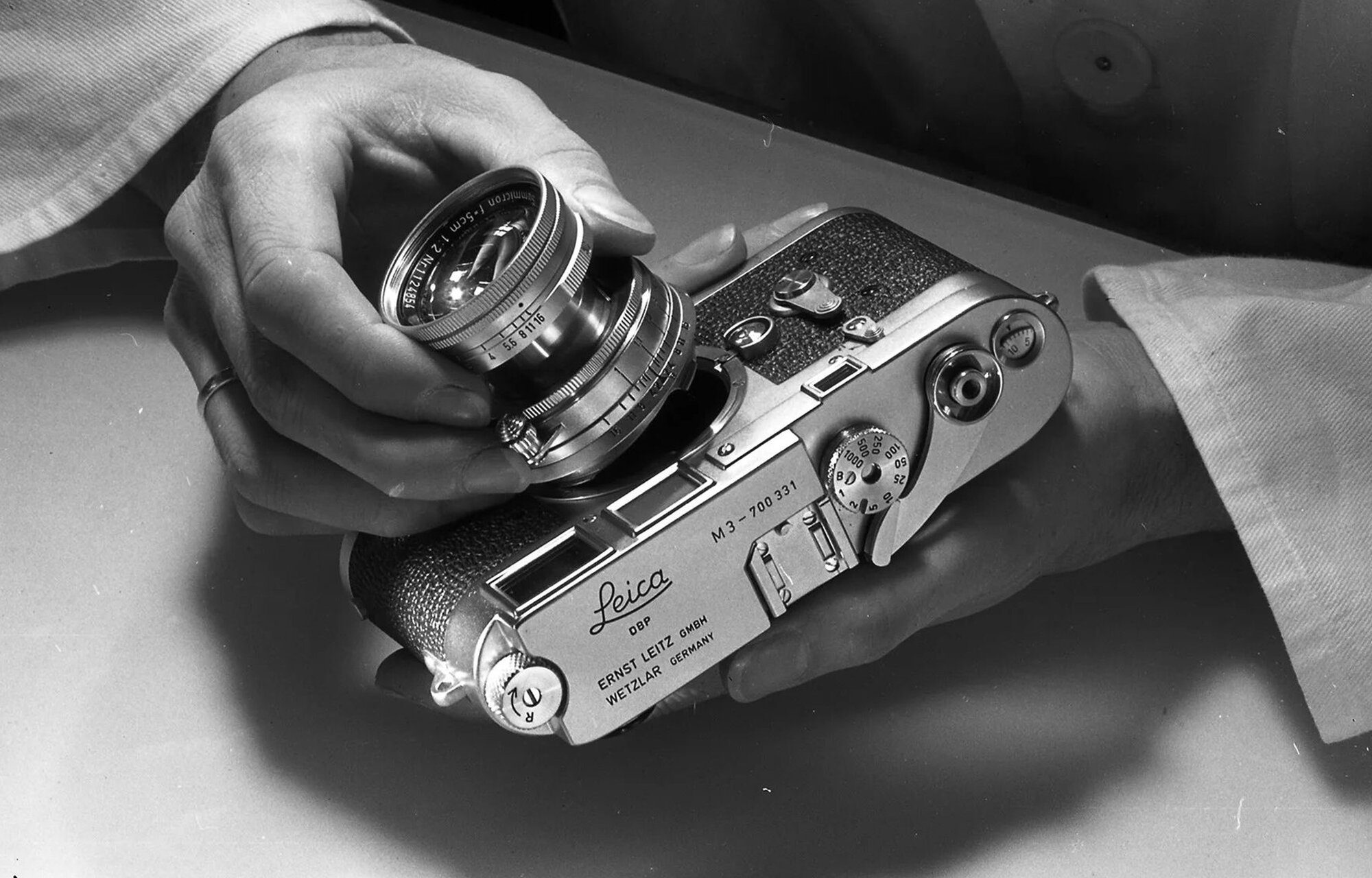
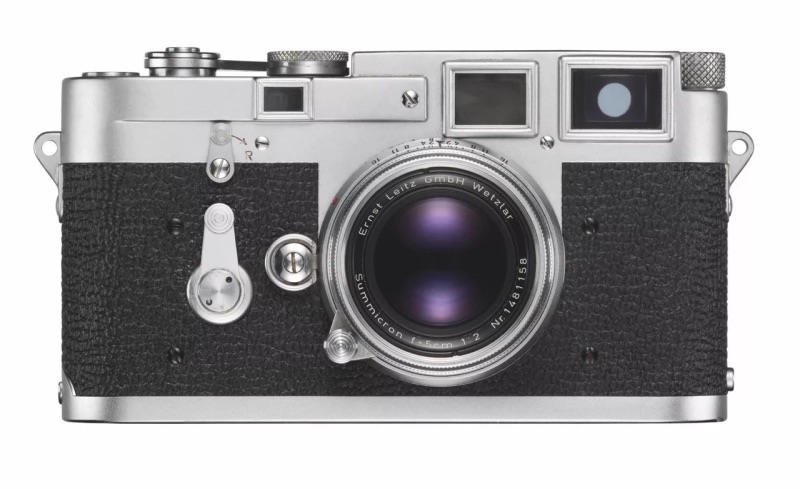
The success of the M3 was based on several groundbreaking innovations. For the first time, Leica combined a rangefinder with an illuminated framing system for different focal lengths, and the bayonet mount enabled quick lens changes. The camera also used a virtually silent mechanical cloth focal plane shutter, which was particularly advantageous for reportage photography. Its ergonomic design, compact metal housing and intuitive operation established the M3 as the blueprint for all subsequent M models.
An Innovative Design for the Highest Standards
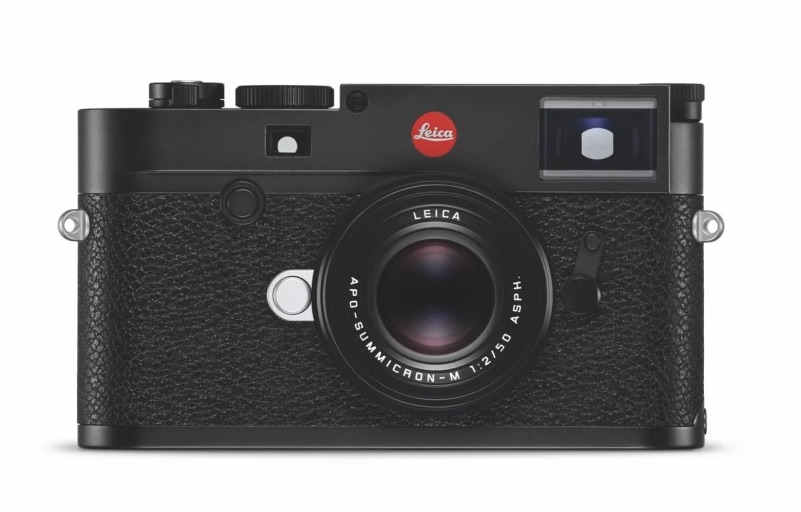
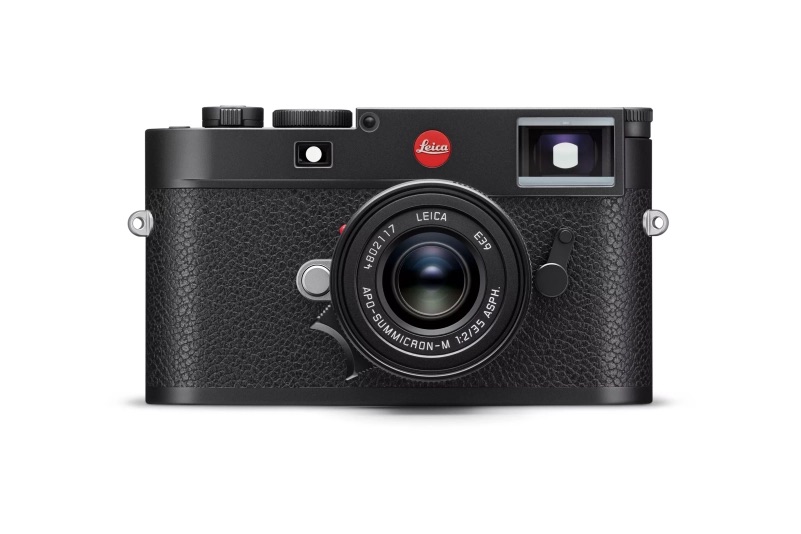
In keeping with the company's 'The Essentials' slogan, the Leica M camera boasts a minimalist, functional design that has remained virtually unchanged for decades. Its form consistently follows its function, offering a clear, compact and balanced design. By dispensing with superfluous controls and technical gimmicks, the photographer has full control over image composition and exposure. The camera's clearly defined ergonomics and precise shutter release feedback strengthen the intuitive interaction between photographer, camera and subject.
The M camera's housing is predominantly made of metal, contributing to its robustness and durability. Despite technical developments, the basic operating concept remains the same. Consequently, M cameras have become timeless tools – an M3 lens from 1954 can still be used with current digital models without issue.
The Leica M series revolutionised photography and set new standards in industrial design. Its concise design language and emphasis on essentials continues to inspire designers from a variety of disciplines to this day. Leica cameras are manufactured in Germany, where precision craftsmanship plays a central role – for instance, in constructing the mechanical rangefinder, which comprises over a hundred components and is manually adjusted in each camera.
Die Leica M-Serie hat nicht nur die Fotografie revolutioniert, sondern auch Maßstäbe im Industriedesign gesetzt. Ihre konzentrierte Formensprache und der Fokus auf das Wesentliche inspirieren bis heute Gestalter*innen verschiedenster Disziplinen. Leica-Kameras werden in Deutschland gefertigt, wobei handwerkliche Präzision eine zentrale Rolle spielt – etwa beim Bau des mechanischen Messsuchers, der aus über hundert Bauteilen besteht und in jeder Kamera manuell justiert wird.
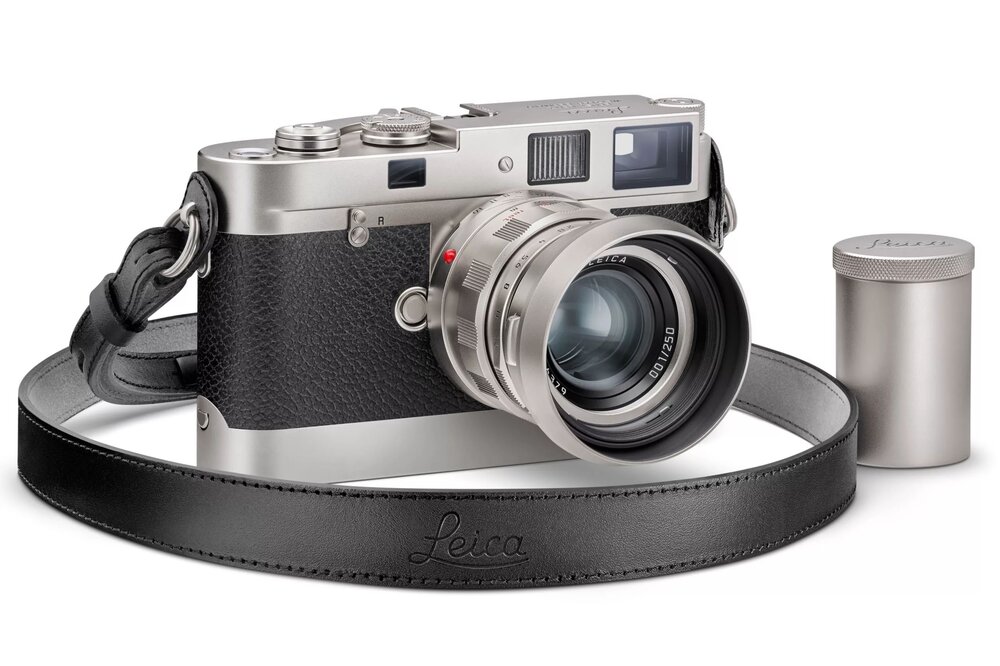
Ein Jubiläum mit Geschichte
2024 feierte die Leica M-Serie ihr 70-jähriges Bestehen – ein bedeutender Meilenstein für eine Kameralinie, die Generationen von Fotograf*innen geprägt hat. Anlässlich dieses Jubiläums veröffentlichte Leica das Buch „Leica M“, das nicht nur die technische Entwicklung, sondern auch die kulturelle Bedeutung der M-Kameras dokumentiert. Ergänzt wurde das Jubiläum durch eine Sonderausstellung im Leica Museum in Wetzlar, die die Geschichte und Ikonografie der M-Serie anhand zahlreicher Exponate erlebbar machte. Zudem wurde die auf 250 Exemplare limitierte Sonderedition „Leica M Edition 70“ präsentiert. Sie vereint klassische Eleganz mit handwerklicher Präzision und ikonisches Design mit modernster Technik – ganz im Sinne der Leica-Tradition.



Sources and Further Reading
- arte Dokumentation: Leica, 1999.
- Albus, Volker; Kras, Reyer; Woodham, Jonathan M. Design! Das 20. Jahrhundert. Prestel, 2000.
- Albus, Volker; Heine, Achim (Hrsg.). Positionen der Markenkultur: Leica. Nicolai Verlag, 2004.
- Beck, Rolf. Die Reihe Archivbilder: Die Leitz-Werke in Wetzlar. Sutton Verlag, 1999.
- leica-camera.com
- LEICA CAMERA AG. Das Buch “Leica M”. 2024.
What Constitutes a Design Icon?
☑ Innovative Design – A design icon sets new standards, reflecting the technological and cultural zeitgeist.
☑ High Functionality – An iconic design improves a product’s usability and makes it easier to understand.
☑ Timeless Aesthetics – A design icon remains relevant for decades, regardless of changing trends.
☑ High-Quality Materials – Using first-class materials ensures a long service life and sustainable use.