From Lighting Object to System Architecture
Luminaires can detect presence and evaluate daylight levels, feeding this information back into higher-level platforms. Systems link lighting to energy flows, respond to usage patterns, and integrate with control and analysis platforms. Light thus becomes part of the energy infrastructure, working alongside charging infrastructure, intelligent energy distribution units (such as the M.ONE by Mennekes) and circuit breakers (such as the ABB SACE Emax 3), for example. What was once considered equipment is now infrastructure. Light no longer operates solely within a given space, but within a system.
Infrastructure Rather Than Equipment
This shift begins at a technical level. Protocols such as 'DALI' and initiatives such as 'Zhaga' dictate how components communicate with each other and ensure that systems remain compatible. Luminaires therefore act as interfaces. Systems such as the Wago Building Ecosystem and cloud-based platforms like Siedle IQ demonstrate how lighting, communication, and building control can be integrated. Sensor solutions such as 'airASPECT' by Thorn and Tridonic's control systems extend the lighting infrastructure by collecting continuous data on the indoor climate, usage and quality. Consequently, the focus of design shifts. It no longer lies solely in the form of a luminaire, but in the organisation of connections. At the same time, however, a counter-trend towards simplification is emerging. Systems such as Grundfos's 'MIXIT' bundle complex technical functions into plug-and-play units, thereby reducing the effort involved in planning and installation.
Standards as System Logic
As connectivity increases, the role of standards evolves. They now structure not only data flows, but also the physical capabilities of a system. Initiatives such as Zhaga show that interchangeability and reparability cannot be added later. These factors must be considered from the outset by incorporating standardised interfaces and compatible components, for example. Therefore, a system's potential for future extension, repair or adaptation is determined at the design stage.
Design in Production
The design process itself is also transformed by the integration of sensors. Light is no longer a fixed entity, but rather a dynamic system.
This is immediately evident in Zumtobel's “Matrix” concept study. Sensors capture activity and movement in a space. Algorithms analyse this information and translate it into changing lighting conditions. The lighting responds, adapting and shifting its effect in real time.
Similar approaches can be seen in data-driven platforms, where lighting infrastructure forms the basis for analysis and optimisation. For example, it can be used in conjunction with smart office systems, such as those by 'LIZ', to make usage patterns visible and organise spaces accordingly.
Design no longer describes a fixed state; it defines a framework within which situations only emerge during use. Data flows back into control and optimisation. Systems not only react, but also recognise patterns and anticipate processes. Planning and operation converge.
Extend Rather Than Replace
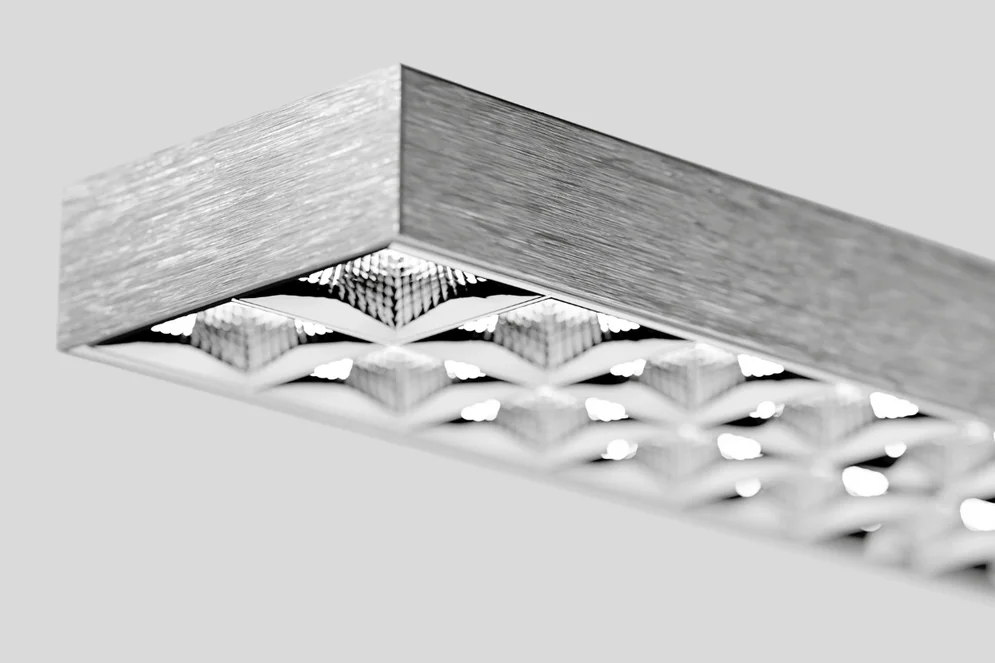
This logic is particularly evident in the way existing buildings are treated. Many of the solutions presented focus on transformation rather than new construction. Rather than replacing existing installations entirely, they focus on reuse. Systems such as Gira’s two-wire converter utilise existing cabling to convert analogue door communication signals into digital network signals. This retains existing infrastructure while expanding its functionality. Hybrid control systems, such as those produced by Trilux, operate in a similar way by connecting wired DALI networks with wireless systems. Bluetooth gateways are one example of how existing systems can gradually be integrated into networked structures. This means that existing installations can be adapted to new requirements without the need for major structural changes, and even during ongoing operation. Buildings are not reimagined, but rewritten.
Duration as a Design Challenge
This development also shifts our understanding of sustainability. It is not only efficiency that matters, but also the capacity for change.
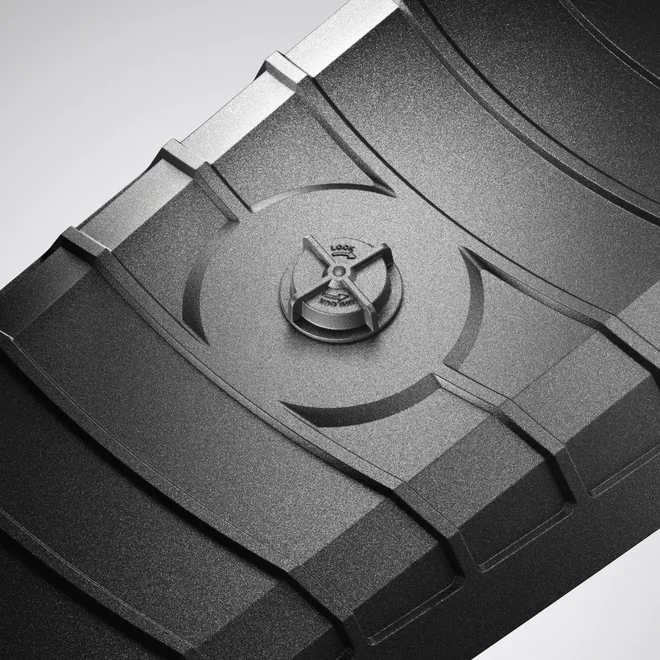
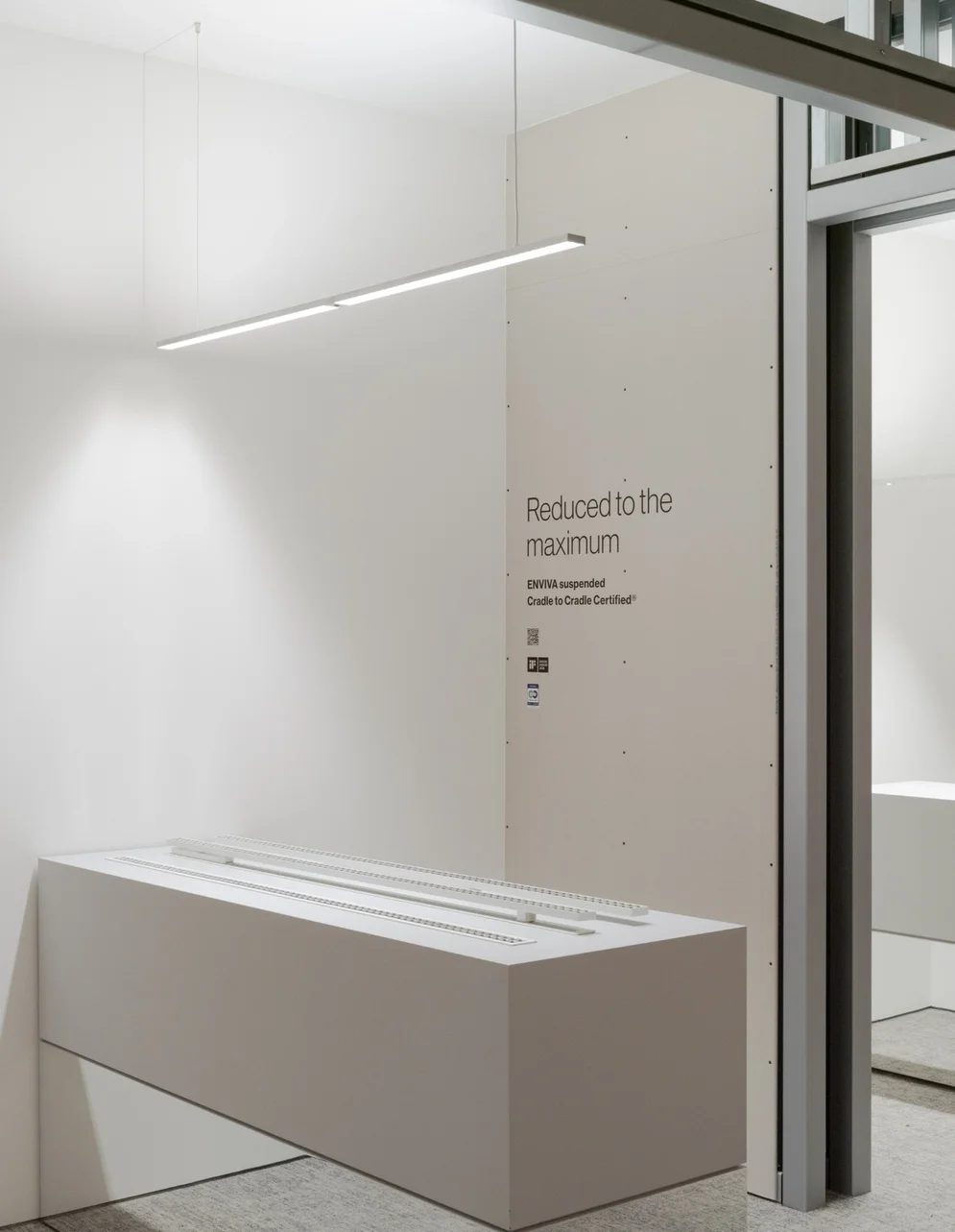
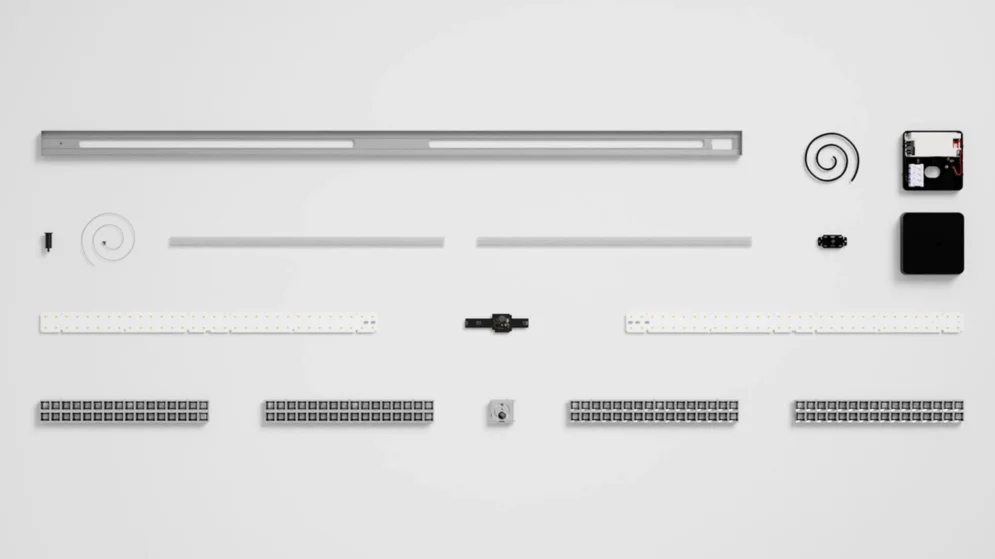
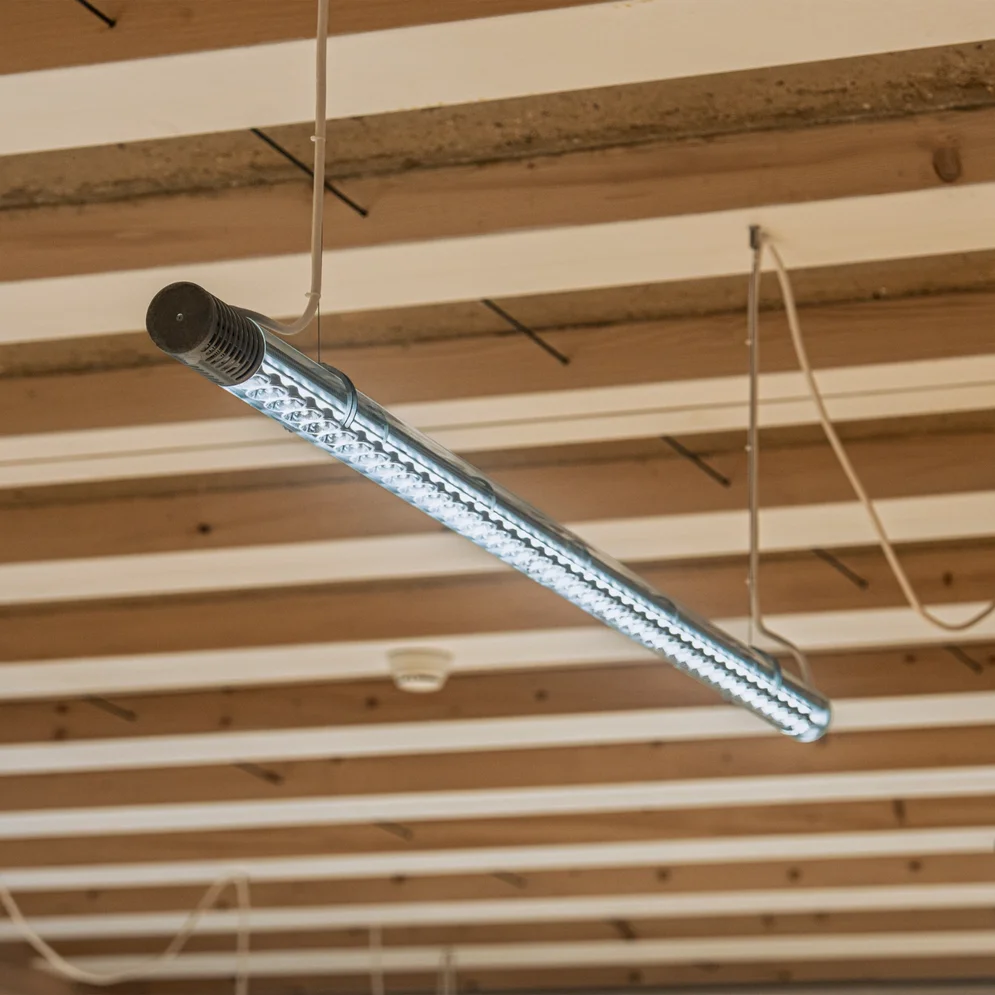
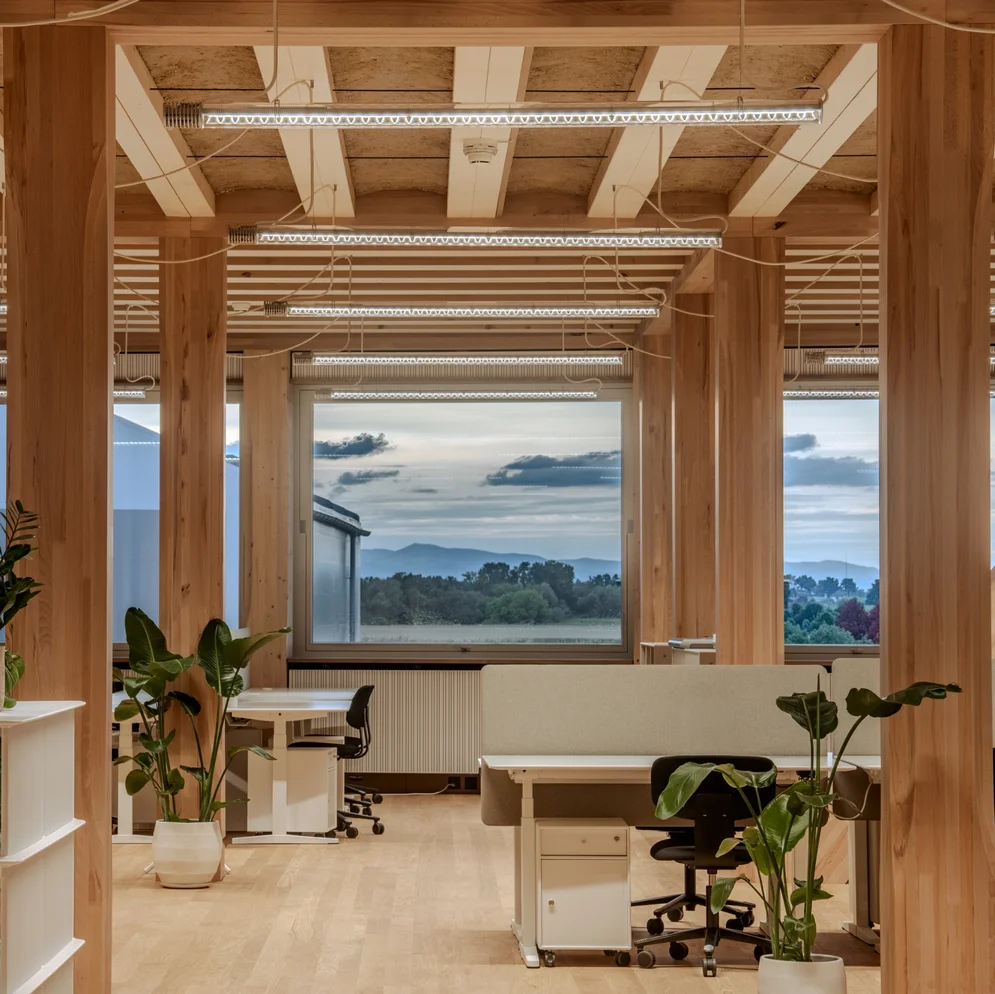
The 'Enviva' luminaire by XAL is a prime example of this approach. Designed for disassembly, it avoids adhesive joints and can be completely broken down into its constituent parts. Zumtobel’s remanufacturing service likewise demonstrates how products can evolve across multiple life cycles. Rather than being discarded, existing luminaires are industrially refurbished, updated and redeployed. Systems such as 'Solena' also make their technical structure visible. Construction and mounting are exposed rather than concealed, giving rise to an aesthetic that emerges from the construction itself.
Design Within Systems
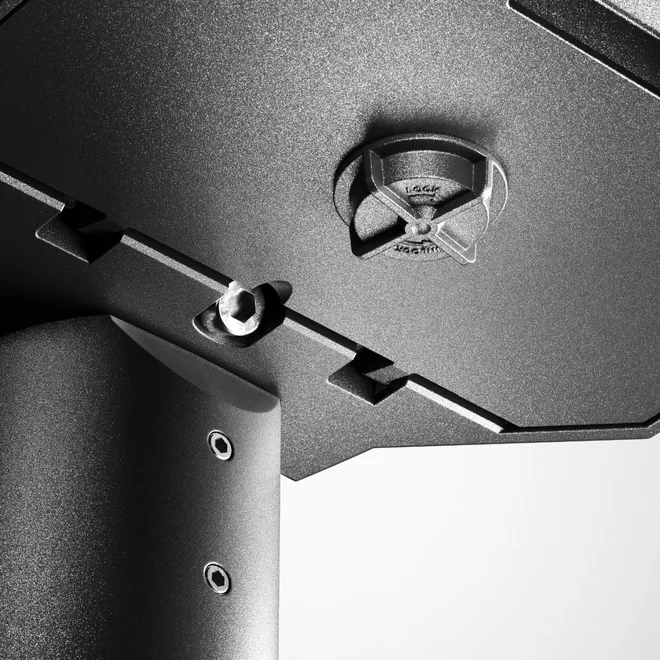
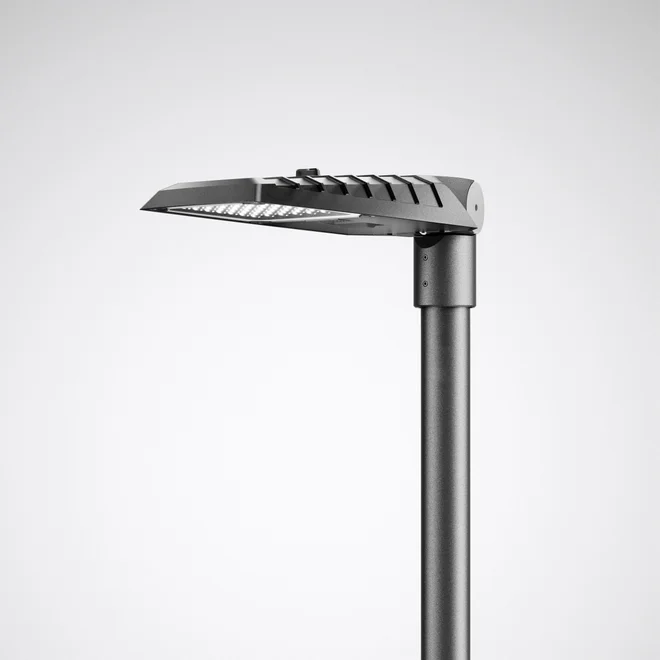
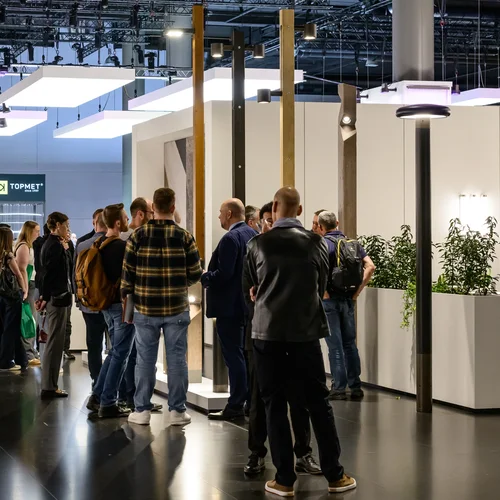
Design cannot be defined solely in terms of form. Rather, it exists at the intersection of technical infrastructure and spatial experience. Light structures facilitate processes and respond to behaviour. New applications are also emerging, such as the data-driven management of work environments and the integration of light into urban infrastructure, including adaptive street lighting systems. Notably, there is a tendency towards reduction in favour of precision. Light is not staged, but calibrated. Its quality becomes apparent through use.
Repositioning the Industry
At Light + Building 2026, it became clear that this was not an abrupt shift, but rather a gradual transition. This transition unfolds across different scales, from individual luminaires to networked building, energy and urban infrastructures.
In this context, light loses its status as an object and its scope increases. It becomes part of a system that connects architecture, technology, and usage. It organises perception, operation, energy and knowledge. It is precisely here that its new design role emerges.