Geoffrey Bawa: Architecture for the Senses
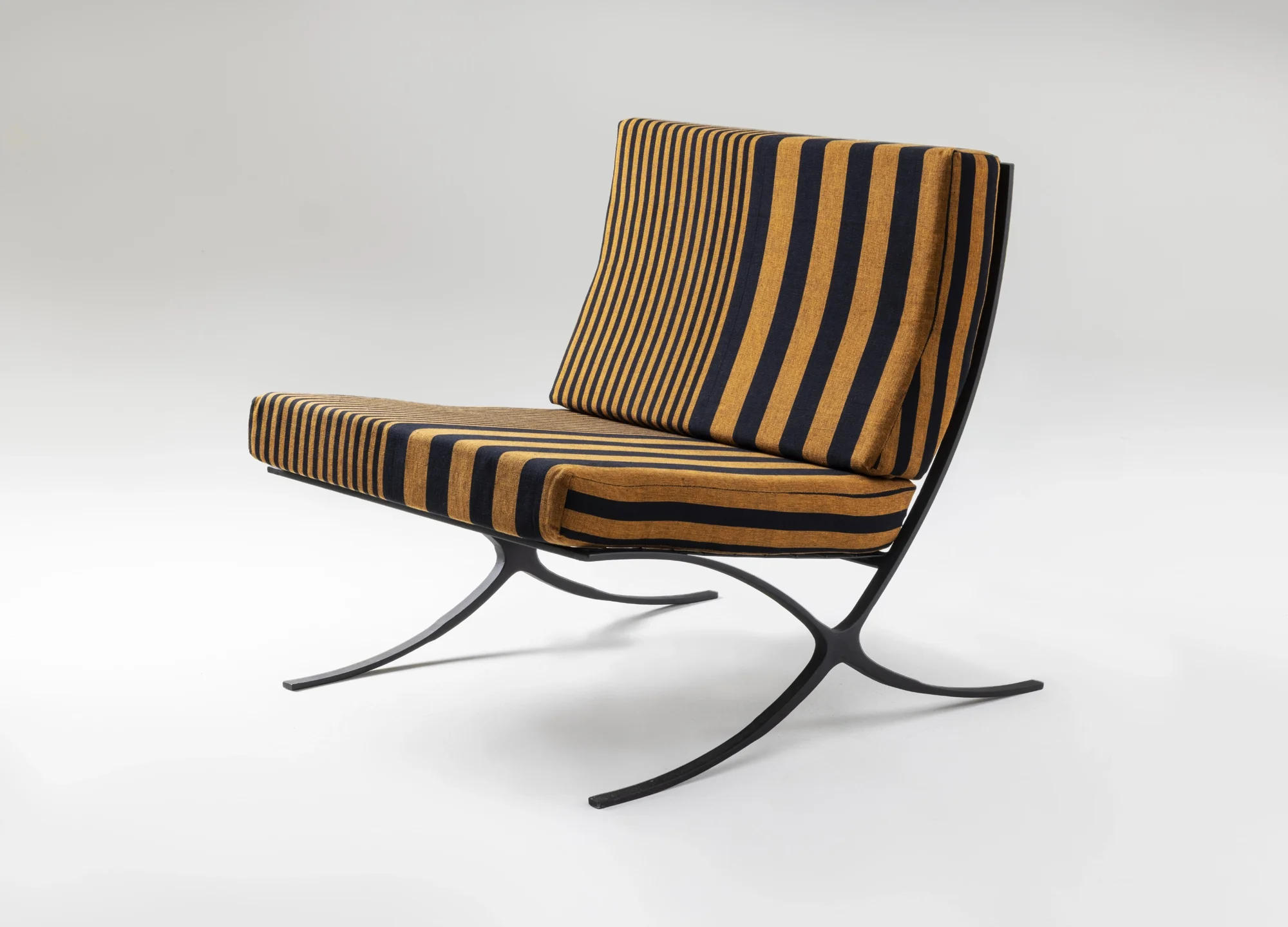
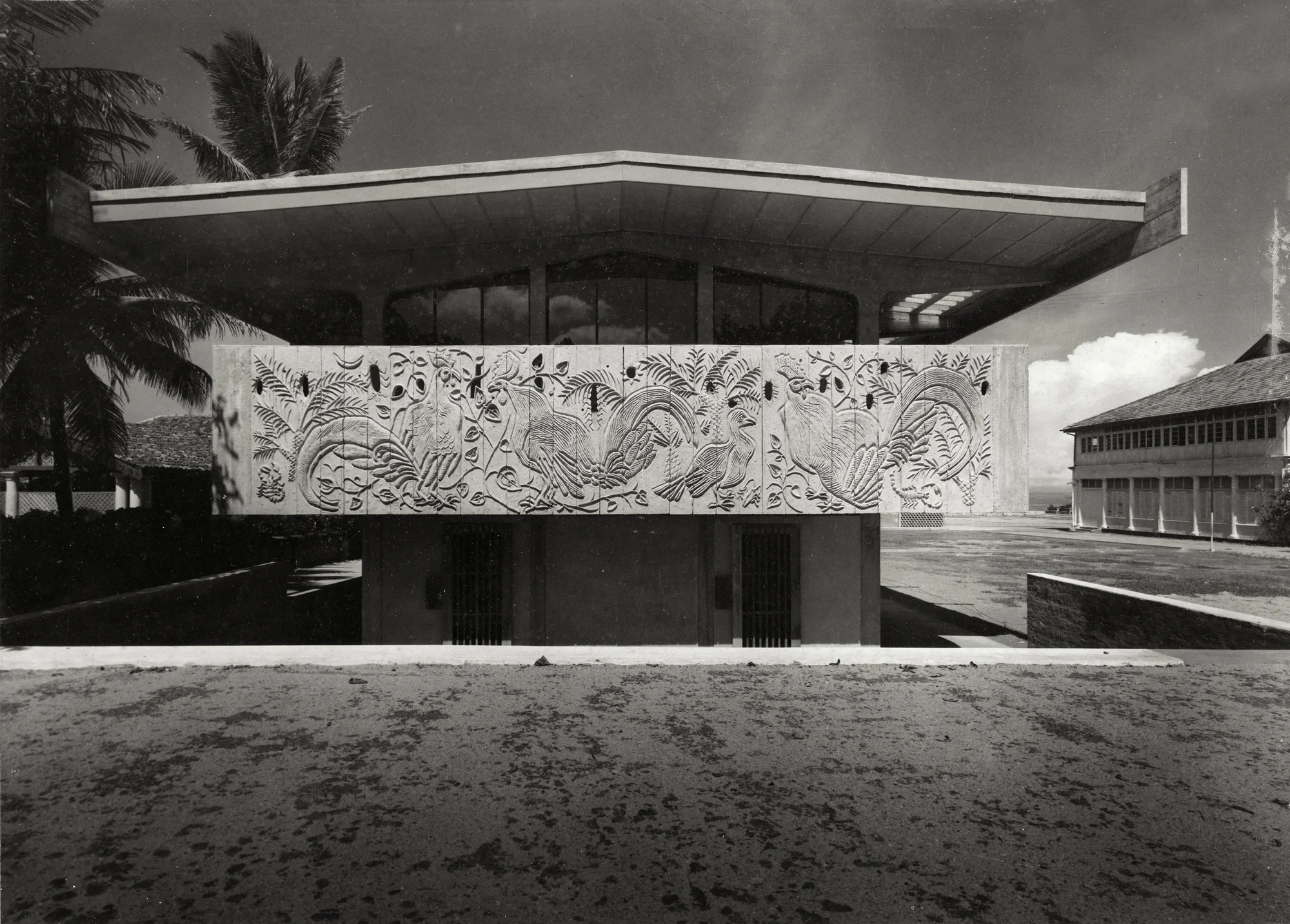
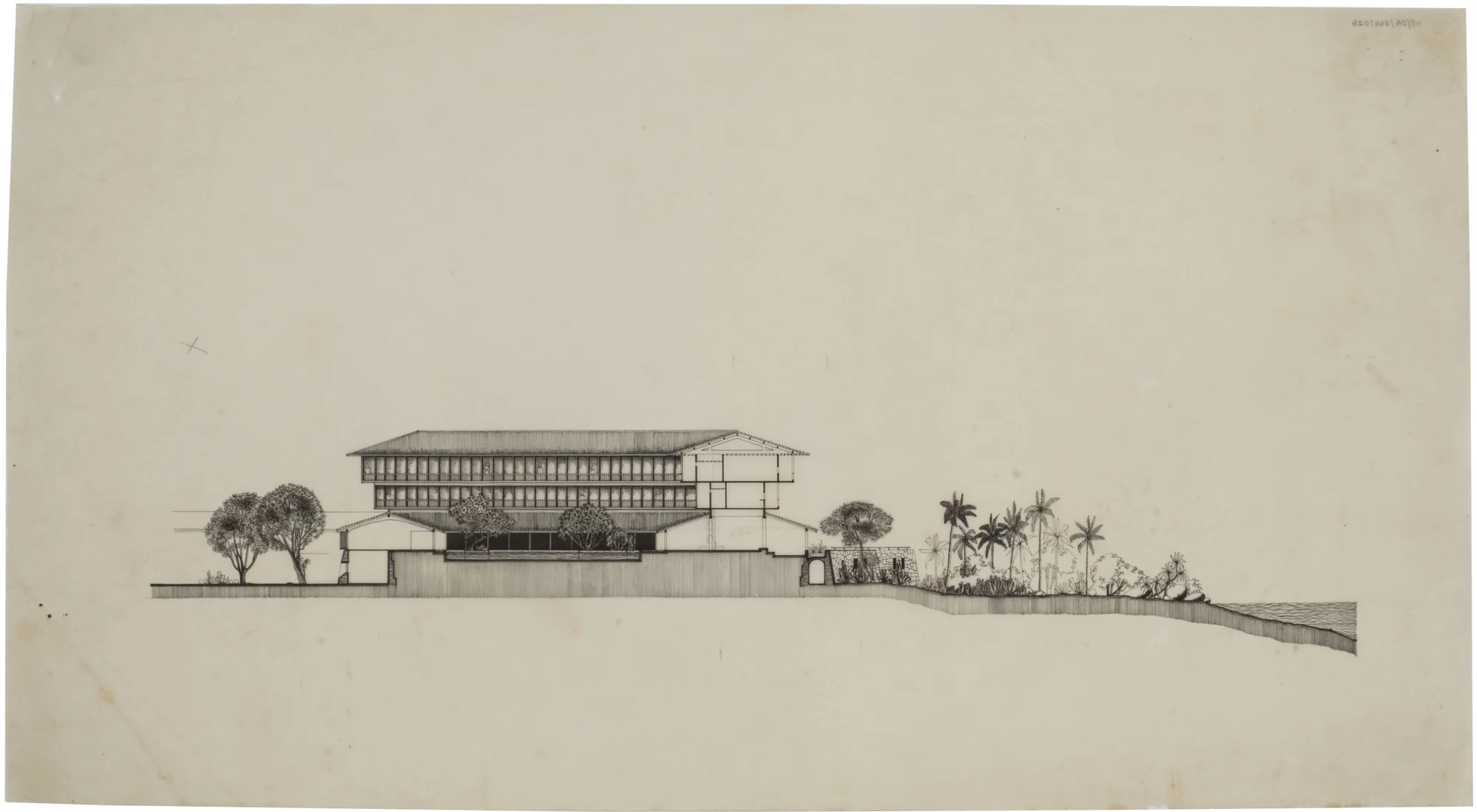
On 26 September, the Vitra Design Museum in Weil am Rhein will open the exhibition “Geoffrey Bawa. Architecture for the Senses”. The comprehensive retrospective brings together more than 250 works from the collection of the Geoffrey Bawa Trust, including drawings, models, furniture, films, artworks and photographs by the Sri Lankan architect.
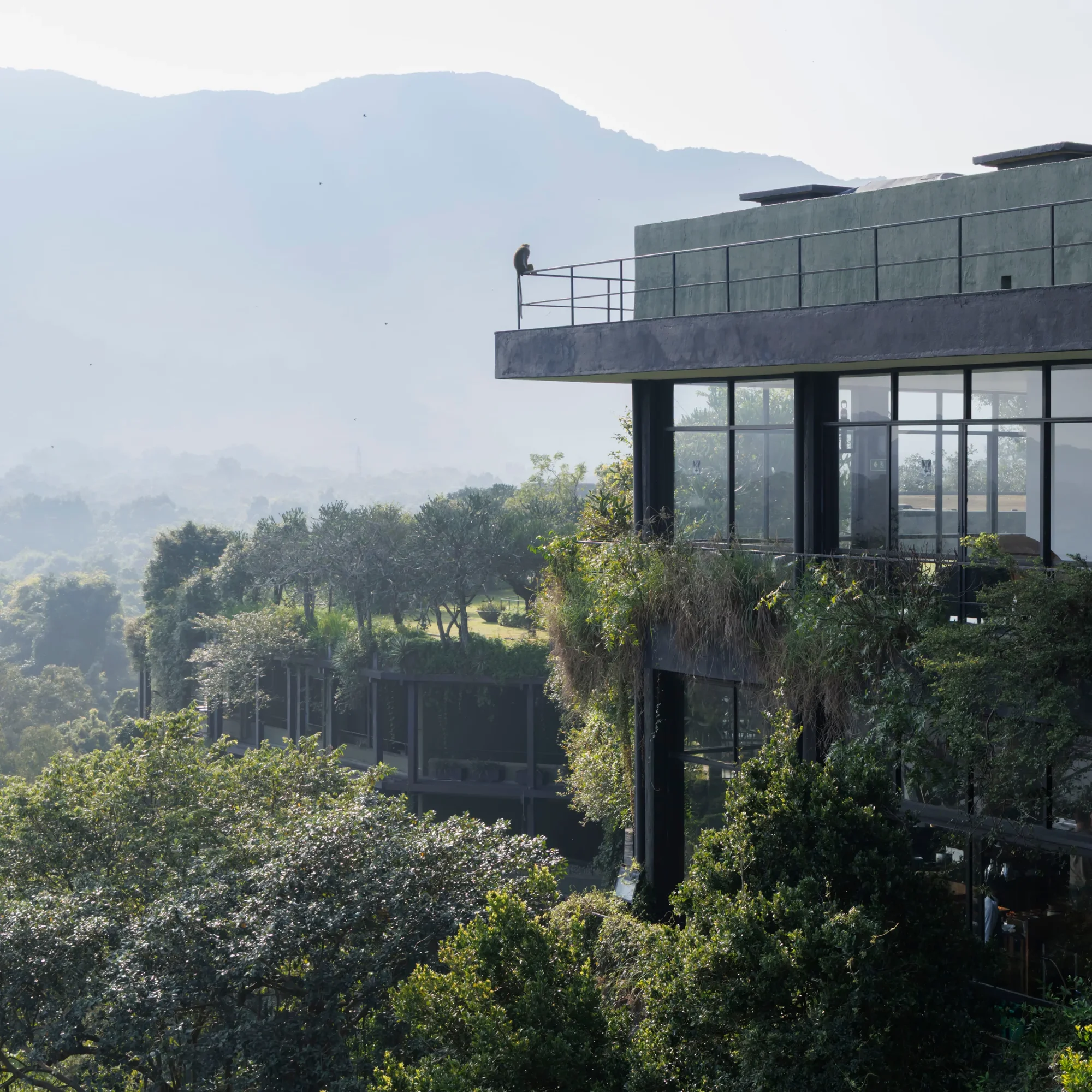
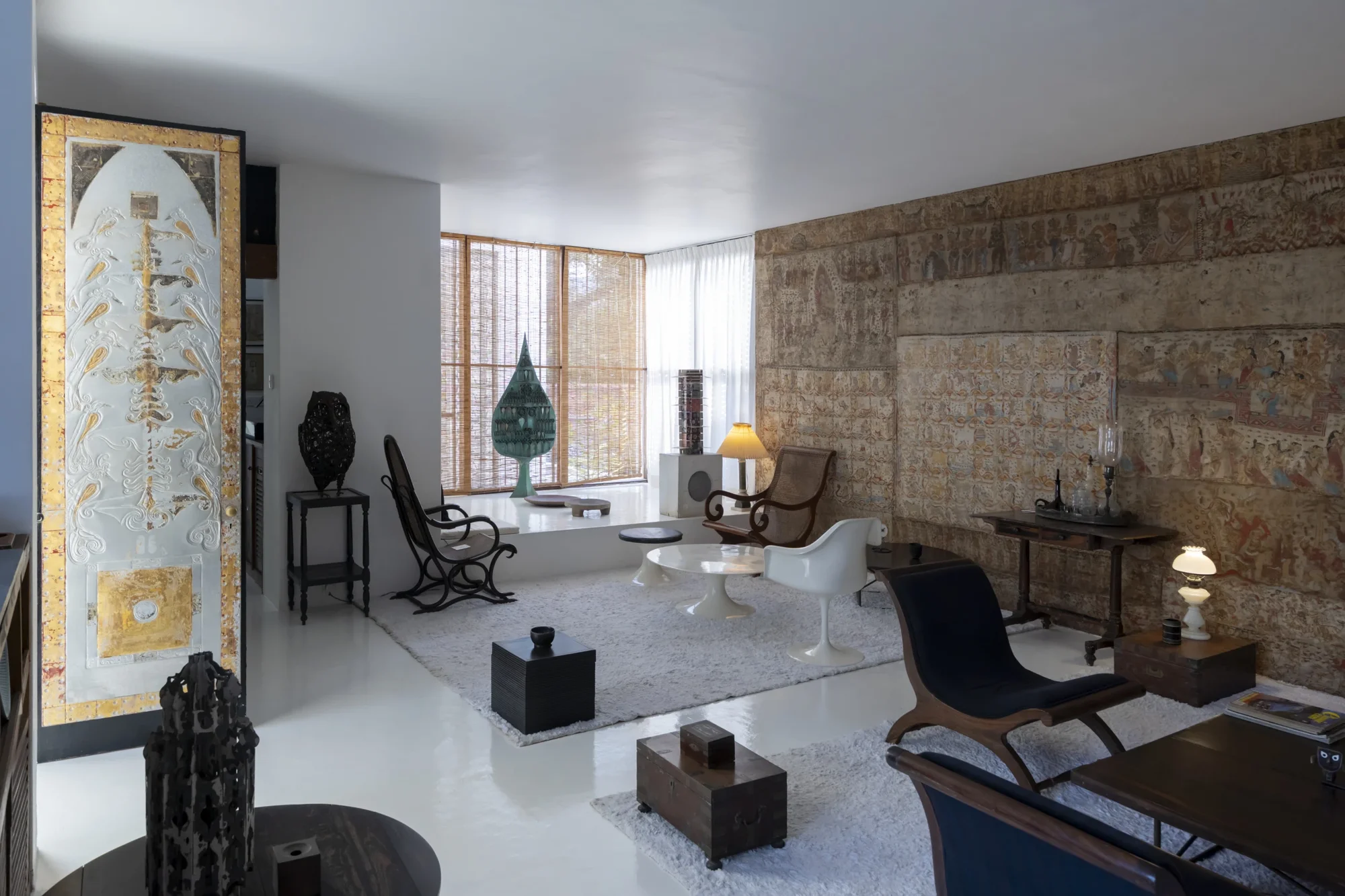
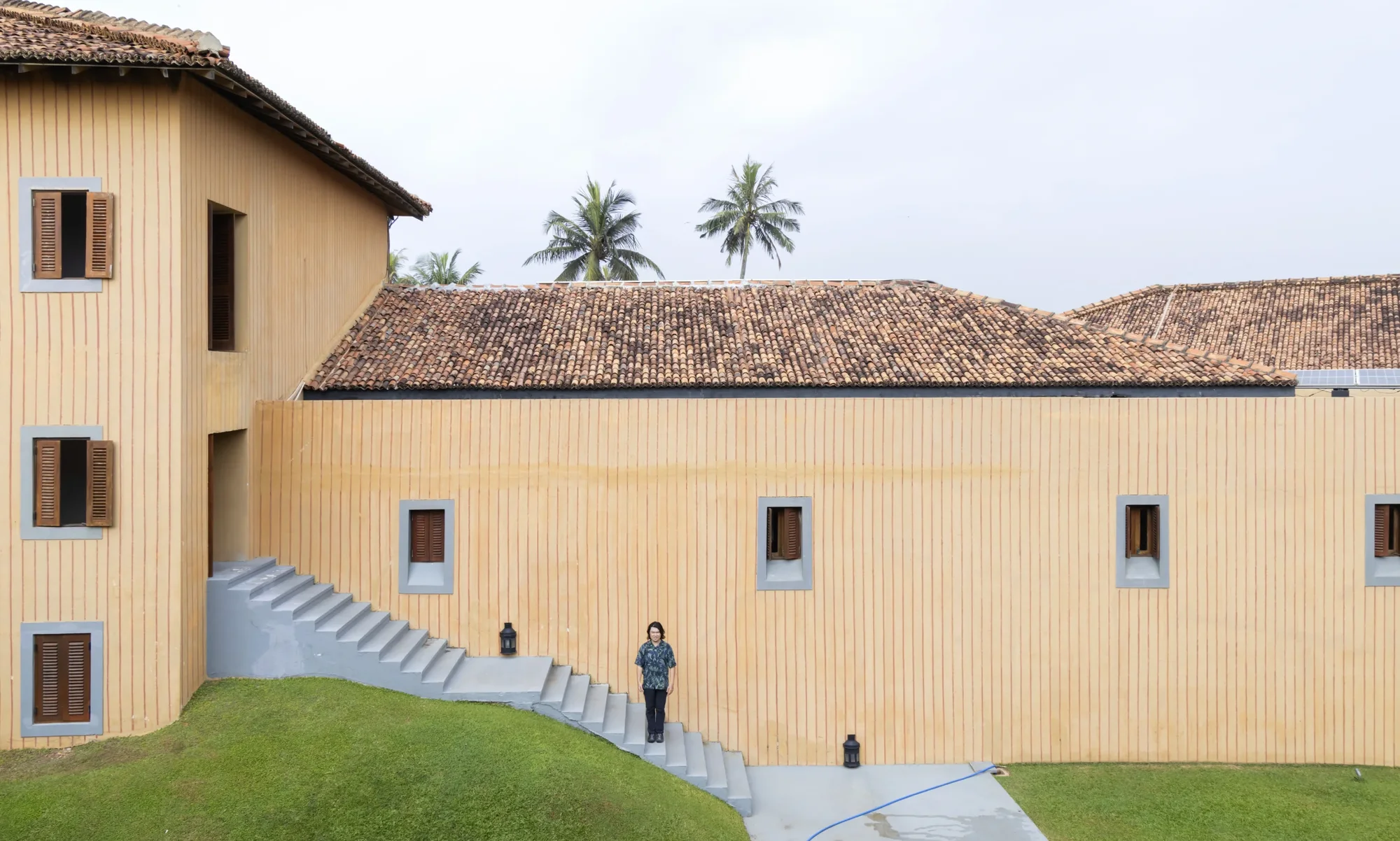
The selection is complemented by new photographs by photographer Iwan Baan, documenting the current state and atmosphere of Bawa’s architecture. The exhibition design was created by Lebanese architect Lina Ghotmeh. Drawing on the sensual qualities of Bawa’s architecture, she transforms the Vitra Design Museum into an immersive space.
Lived Architecture
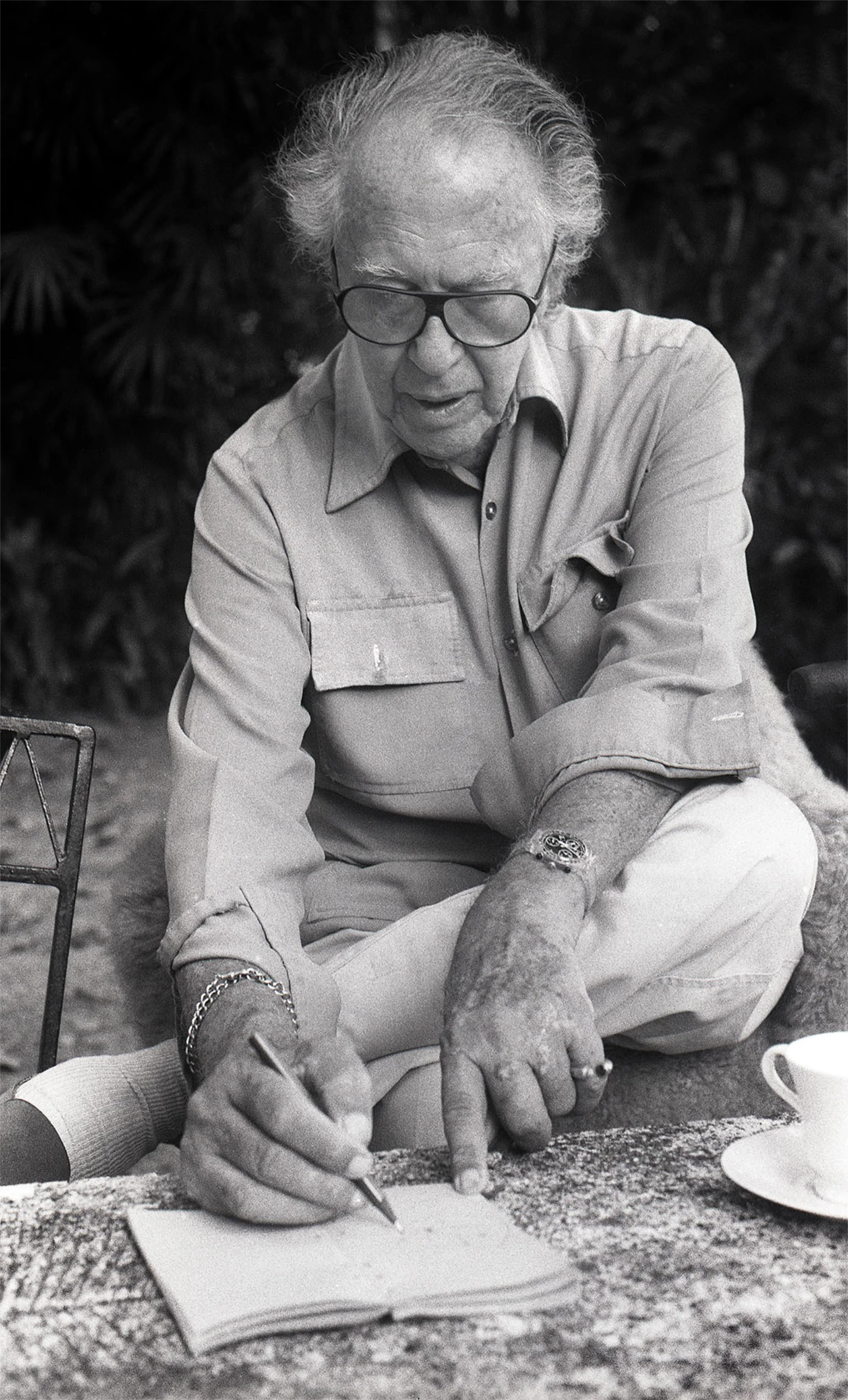
Bawa was born in 1919 in Sri Lanka, then known as Ceylon, into a family of Asian and European heritage. He initially worked as a lawyer before pursuing a career in architecture, graduating from the Architectural Association in London in 1957. After returning to Sri Lanka, he quickly became one of the country’s most influential architectural voices following the country’s independence, designing projects ranging from private houses and schools to parliamentary buildings.
While his early work was still strongly influenced by Western modernism, Bawa gradually developed an architectural language of his own. He combined local materials and traditional craftsmanship with industrial production methods, while incorporating the topography of each site directly into his designs.
Between Craft and Industry
An important aspect of his practice was his collaboration with Sri Lankan artists and craftspeople, including Ena de Silva, Laki Senanayake and Barbara Sansoni. Their workshops also made an important contribution to education and employment within local communities. The boundaries between architecture, art and design became increasingly fluid.
Bawa’s credo was that “architecture cannot be fully explained, but must be experienced”. Accordingly, he did not conceive of his buildings as static backdrops, but as spatial compositions in which movement, material, light and the surrounding landscape interact. The monumental natural landscape of Sri Lanka plays a central role in this approach.
The exhibition presents a more nuanced picture of his work, placing his architectural practice alongside his artistic collaborations, ecological concerns and the complex political context of his oeuvre. It portrays Bawa as a pioneer of sustainable and socially responsible architectural practice – and as an architect whose work is being rediscovered and debated around the world today.
The exhibition will be on view at the Vitra Design Museum until 28 February 2027. It will then travel to Hong Kong, where it will be presented from June 2027. Further venues are currently being planned.
An extensively illustrated catalogue accompanies the exhibition, featuring essays, project descriptions and interviews with architects Kengo Kuma, Tatiana Bilbao, Marina Tabassum and Lina Ghotmeh.

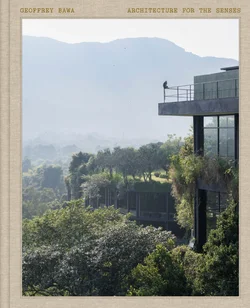
Geoffrey Bawa: Architecture for the Senses
Publishing House: Vitra Design Museum Wüstenrot Stiftung
Publisher: Vitra Design Museum, 09/2026
ISBN-13: 9783945852743, 59€