NIGO: From Japan With Love
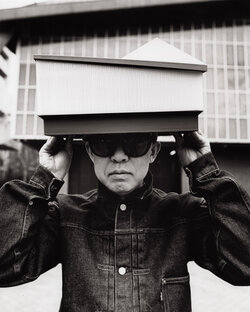
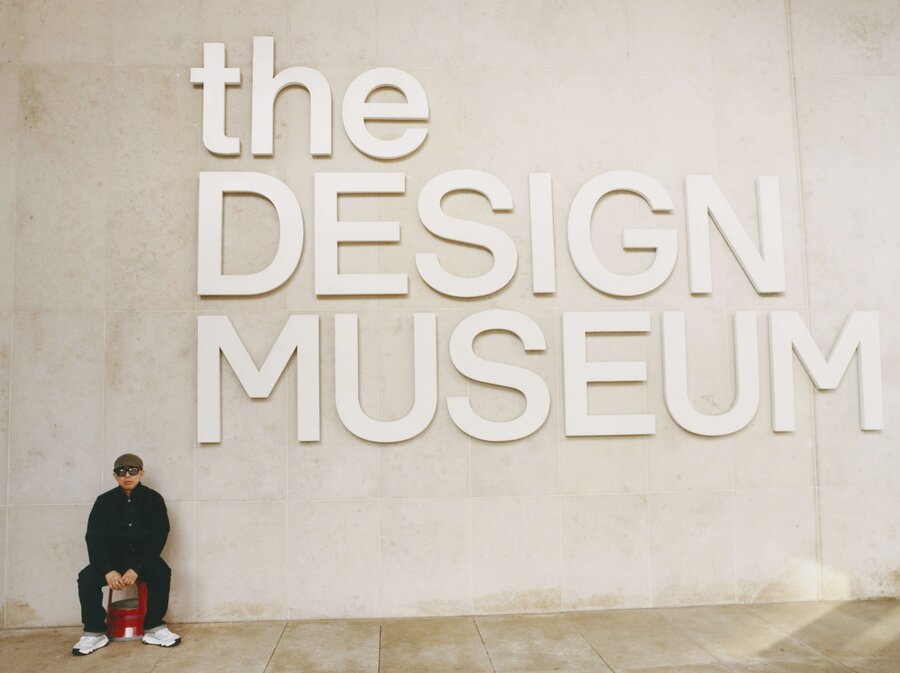
The exhibition ‘NIGO: From Japan with Love' is on display at the Design Museum in London until 4 October 2026. The retrospective features over 700 items, 600 of which come from NIGO’s personal archive, which has largely remained hidden from the public until now.
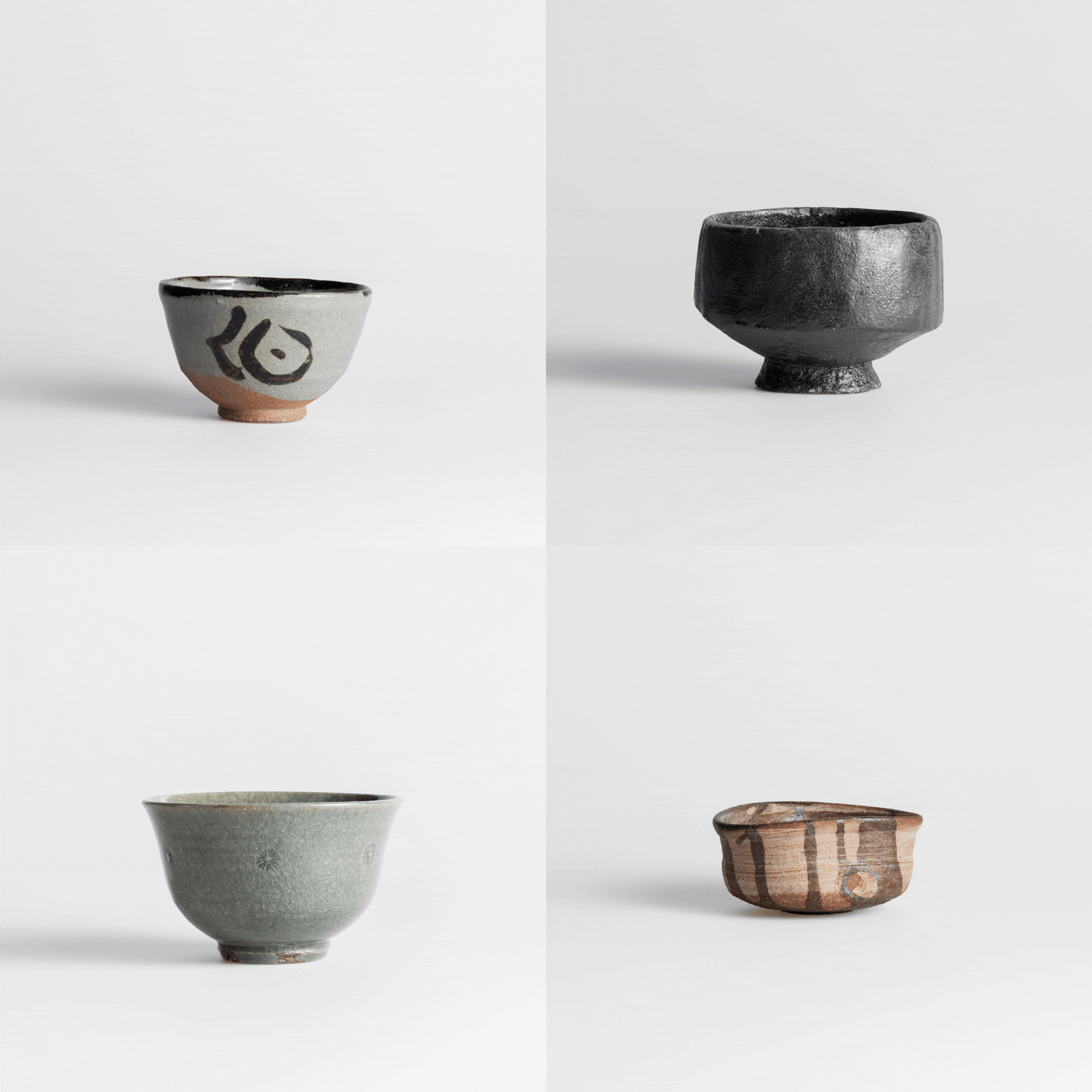
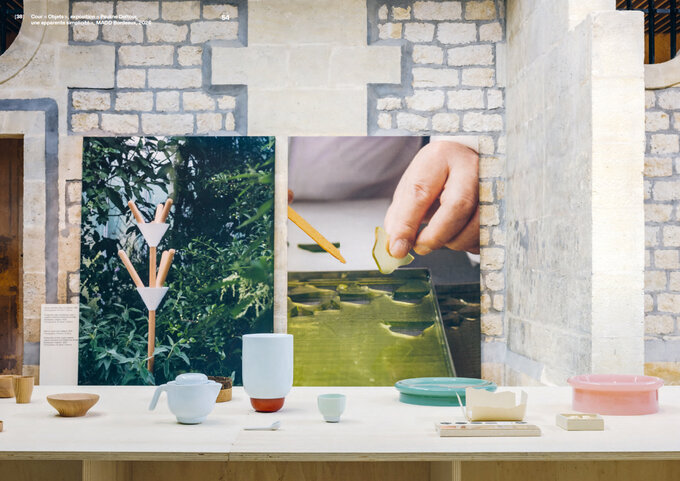
Four thematic sections – “The Future is in the Past”, “Evolution”, “The NIGO Effect” and “New Traditions” – trace his career from the backstreets of Harajuku to the catwalks of Paris. Highlights include a reconstruction of his teenage bedroom from the 1980s, early BAPE designs, 25 ceramics hand-crafted by NIGO, and a life-size glass teahouse designed specifically for the exhibition.
How Hype is Created
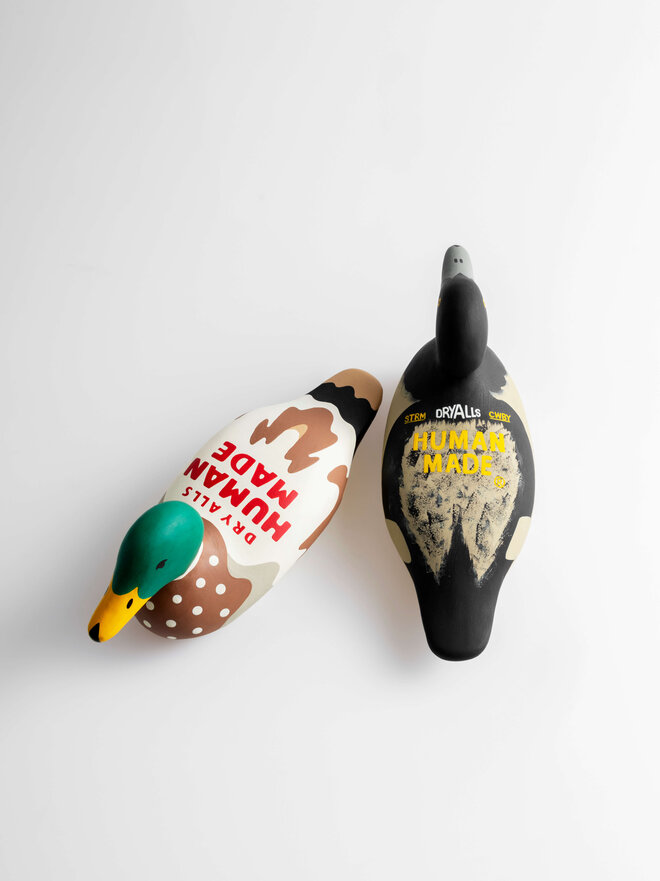
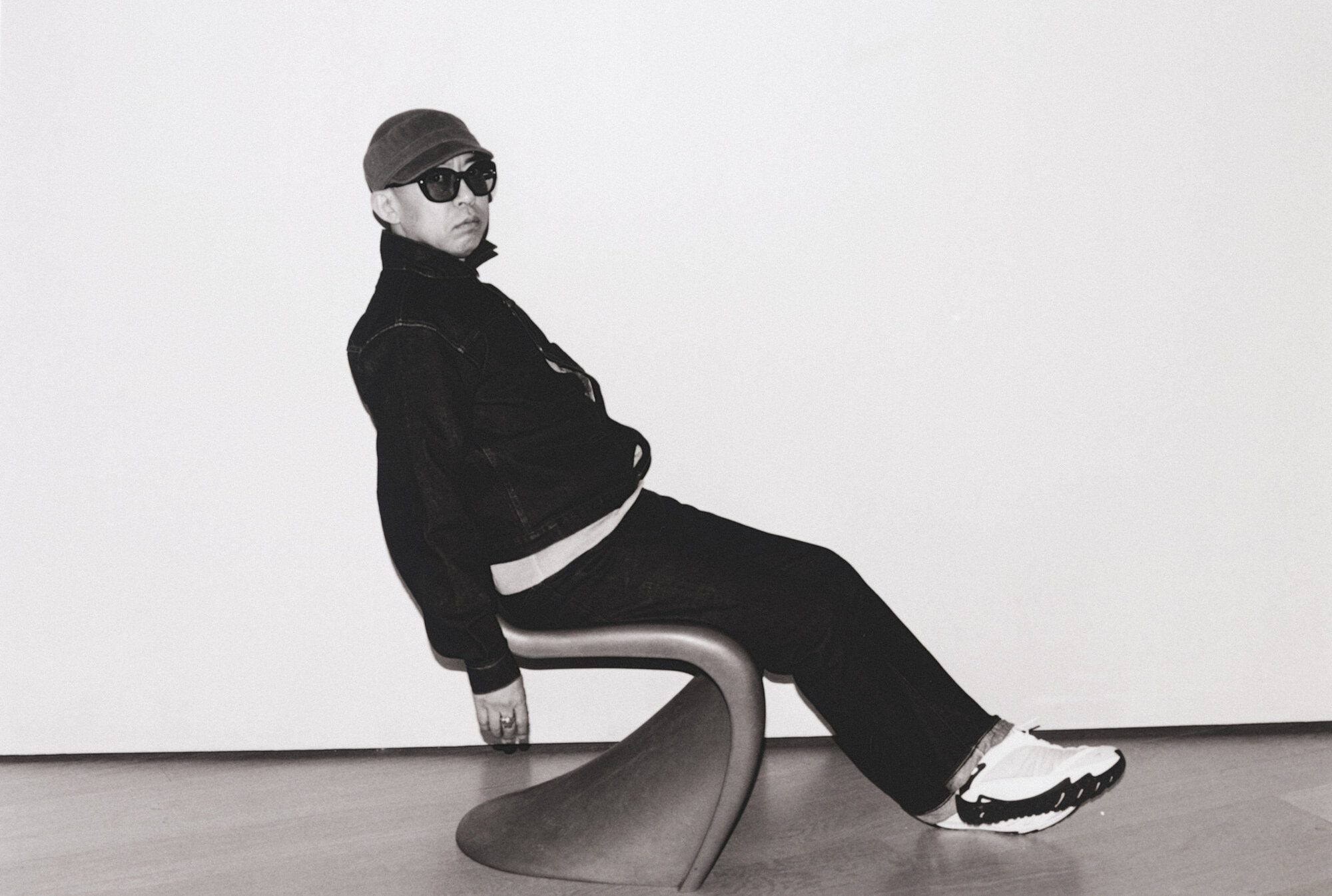
NIGO, whose real name is Tomoaki Nagao, founded the NOWHERE shop in Tokyo’s Harajuku district in 1993, together with fashion designer Jun Takahashi; this became the birthplace of the so-called Ura-Hara scene. In the same year, he launched the streetwear label A Bathing Ape (BAPE), through which he established the model of limited editions, elaborate packaging and targeted collaborations – a principle that has had a decisive influence on today’s hype culture. In 2003, he co-founded the label Billionaire Boys Club with Pharrell Williams, followed by HUMAN MADE in 2010. Since 2021, he has served as the first Japanese Artistic Director of the Parisian fashion house KENZO, named after its founder Kenzo Takada.
Childhood as a Source of Design
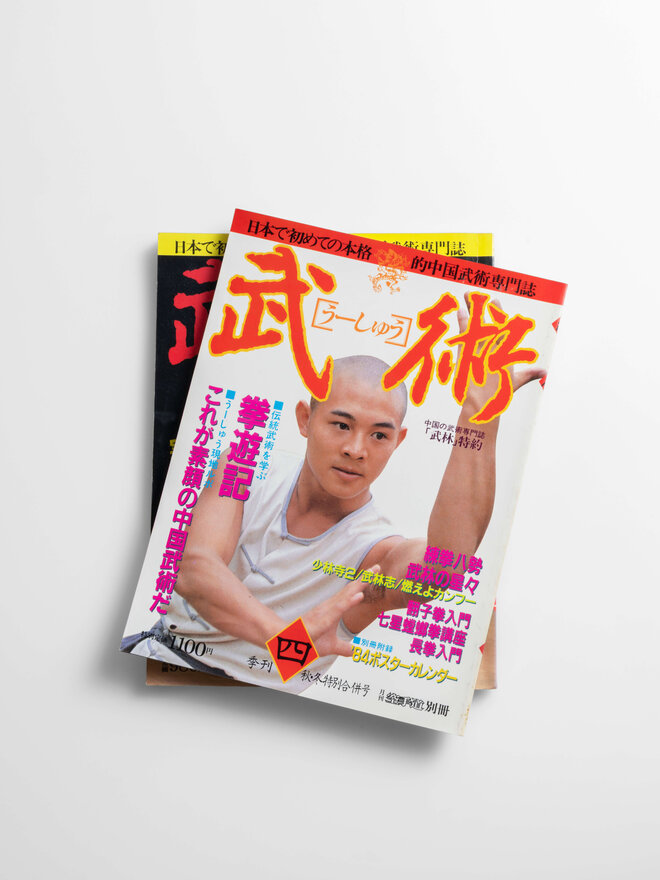
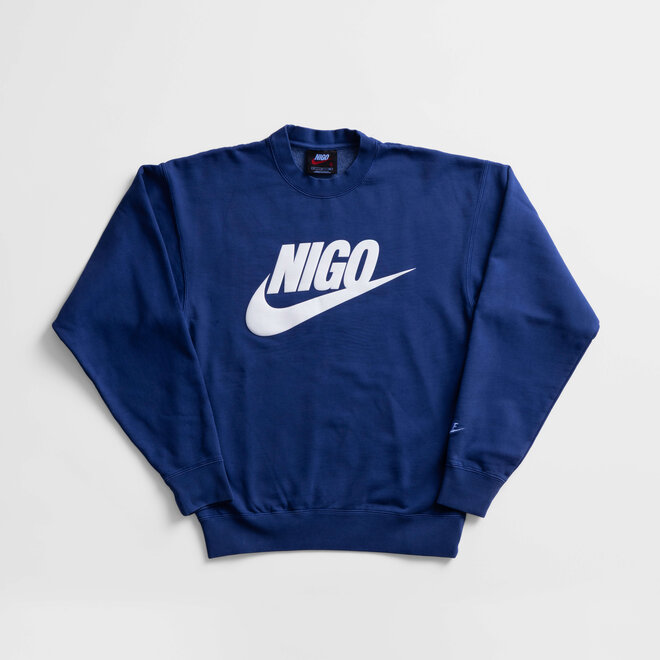
For the first time, the exhibition opens up NIGO’s personal archive, comprising over 10,000 items. A selection of 300 objects, including vintage denim jackets, baseball caps and varsity jackets from his youth, are displayed on USM Modular Furniture, the same shelving system he uses in his studio. Childhood memories of Donald Duck, Felix the Cat and Star Wars characters sit alongside rare early BAPE pieces, sunglasses collaborations with Louis Vuitton and Nike partnerships, thus illustrating the cultural bridges that run through NIGO’s work. The final section, “New Traditions”, is dedicated to NIGO’s exploration of Japanese craftsmanship: alongside the tea ceremony, he travels throughout Japan to learn regional ceramic styles and to make pottery himself.