
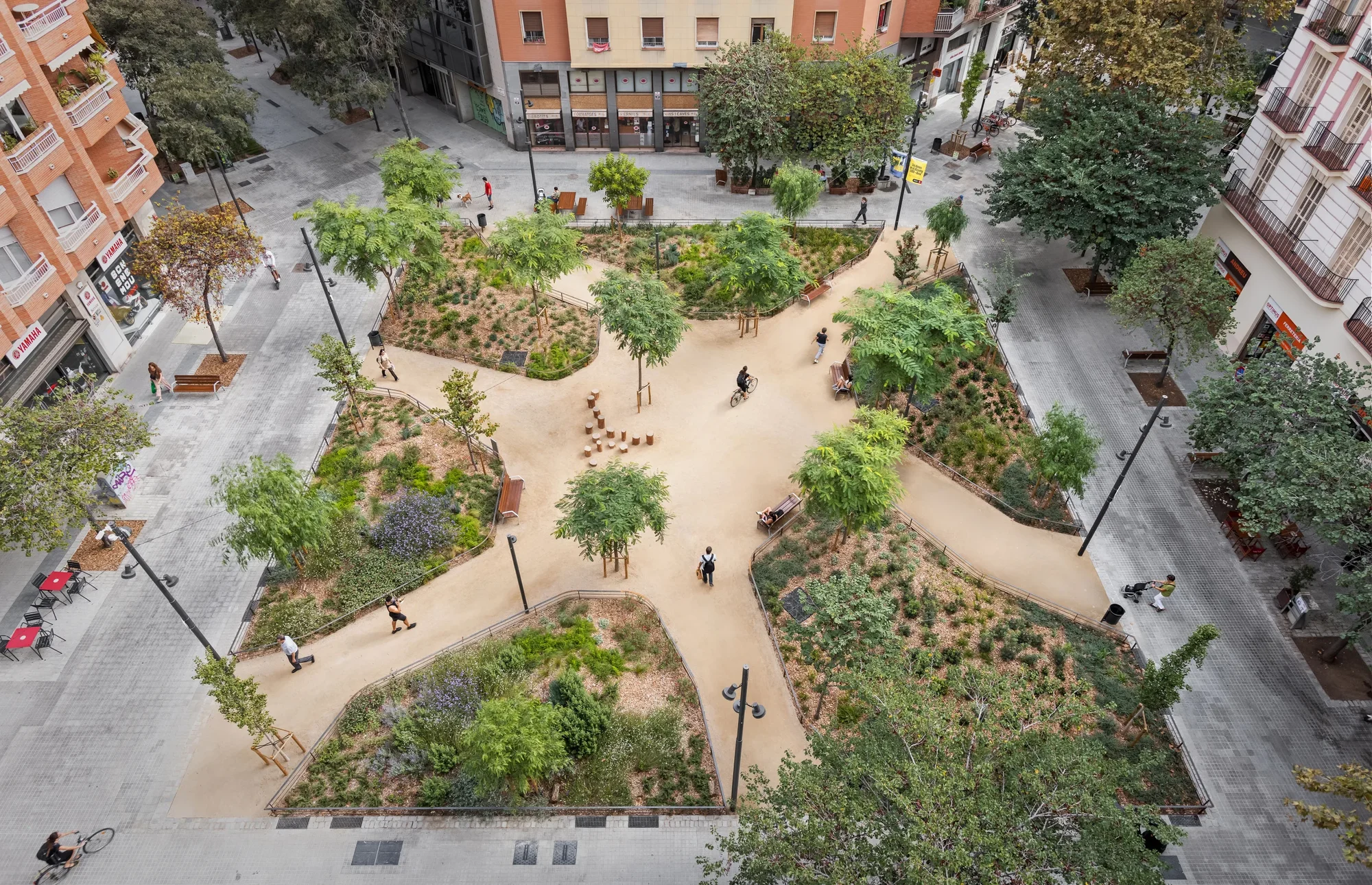
Too Hot! Scorching Cities, New Ideas
Temperatures keep climbing, even though summer has barely begun. Every year, new heat records are being broken. How can cities adapt to this changing climate?
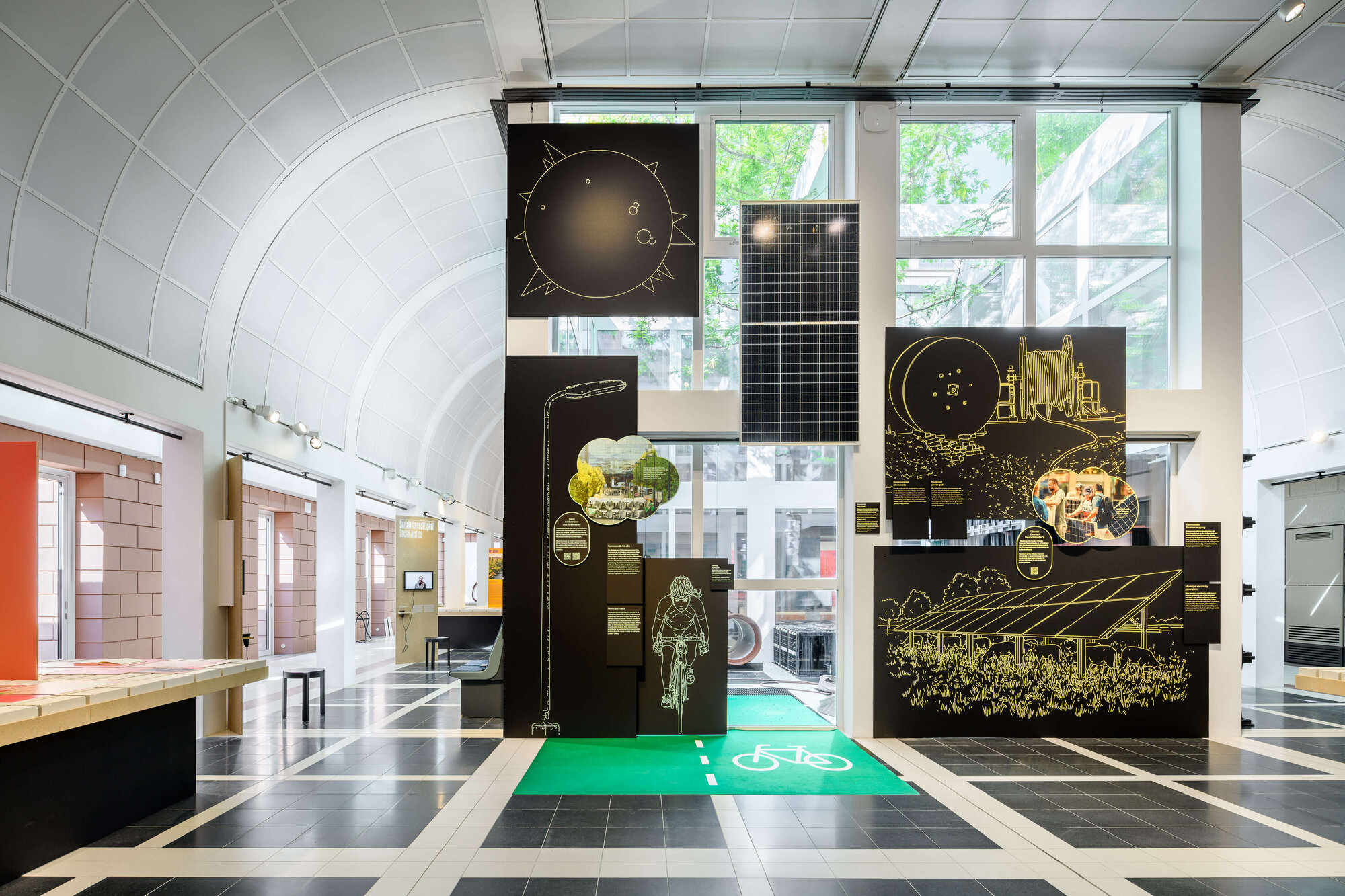
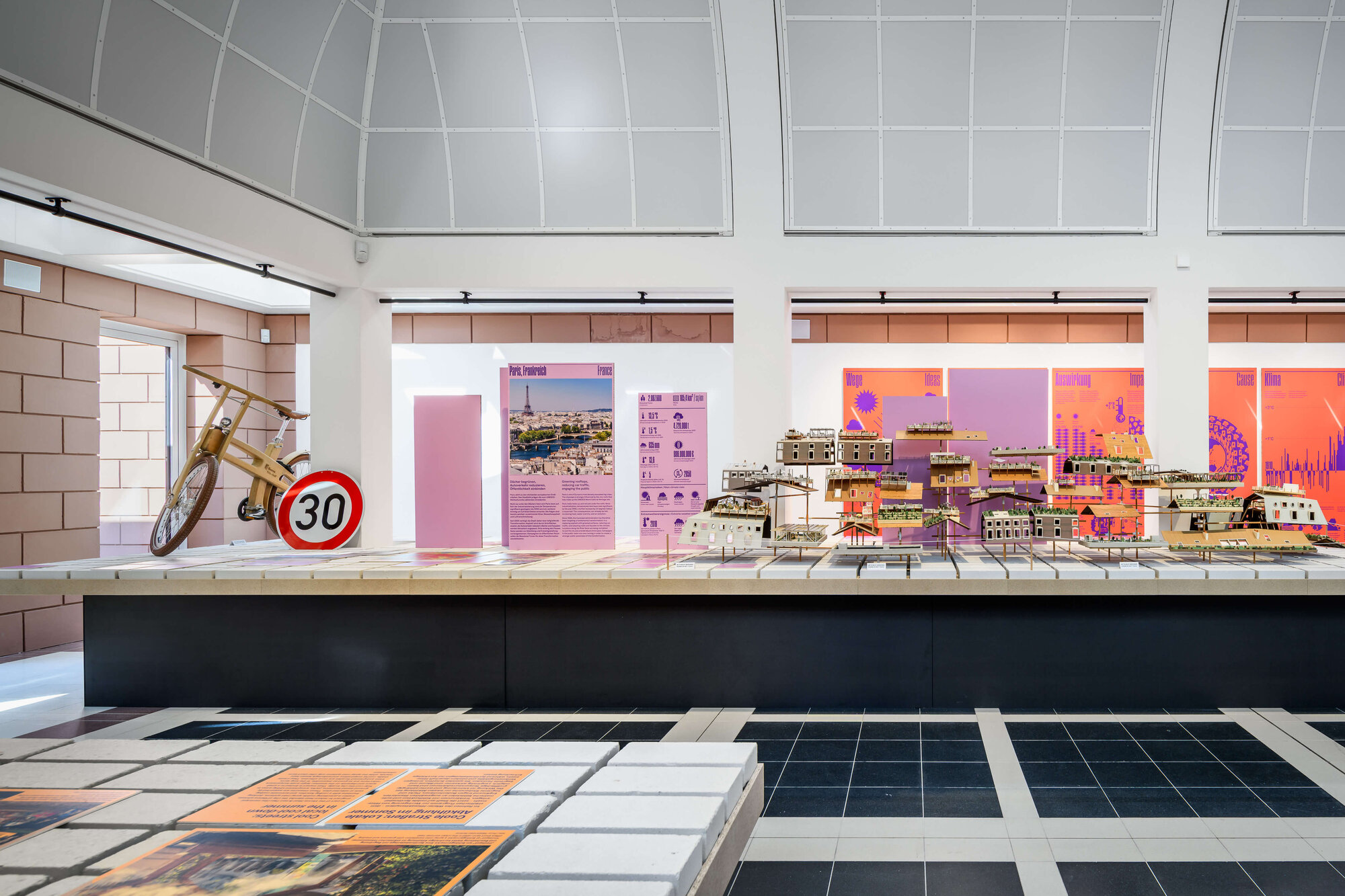
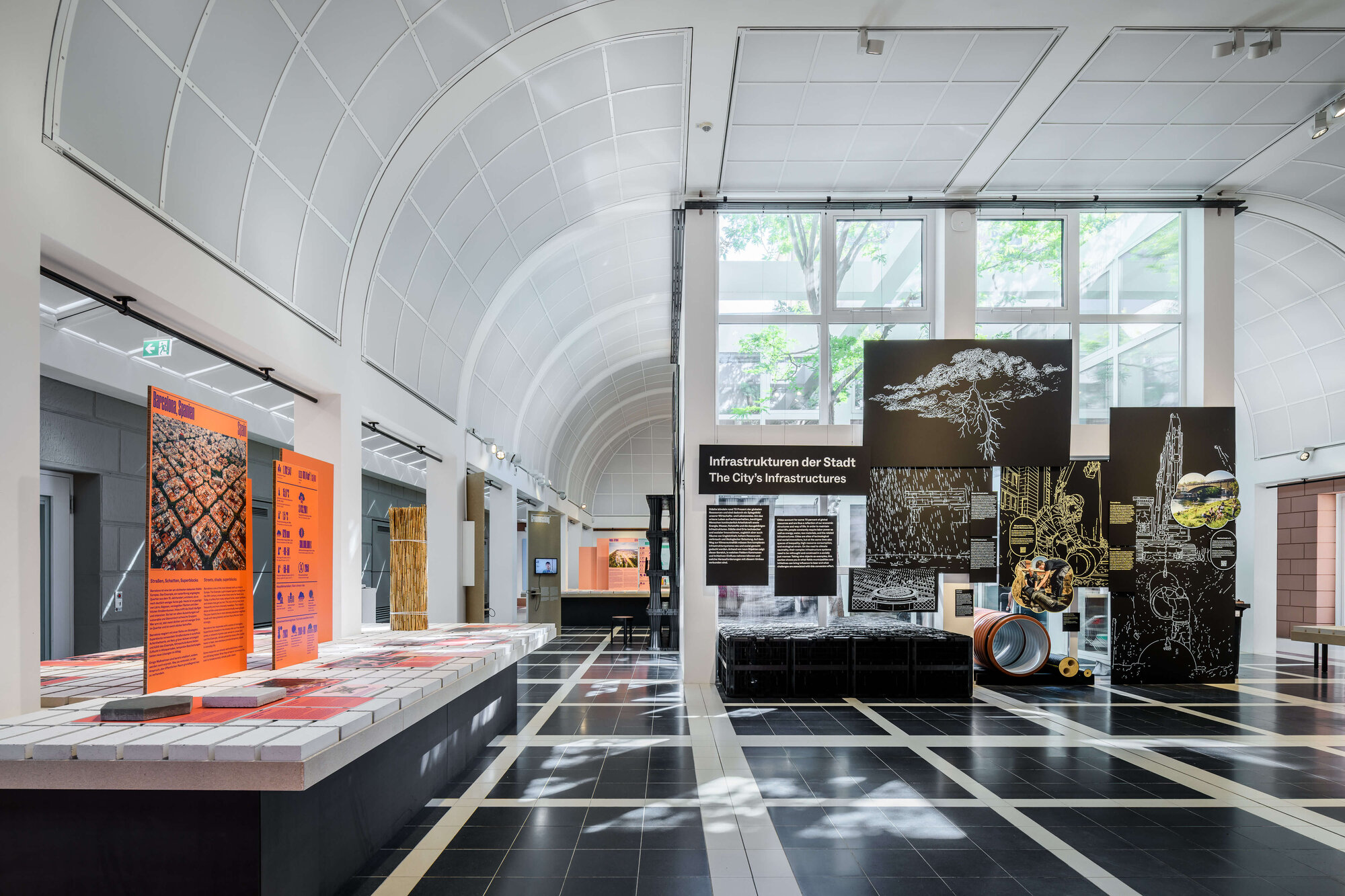
Until 7 February 2027, the German Architecture Museum (DAM / Deutsche Architekturmuseum ) in Frankfurt am Main presents the exhibition ‘Too Hot! Scorching Cities, New Ideas’. Through examples from thirteen European cities across five regions, the exhibition examines how municipalities are responding to the impacts of global warming and developing strategies for both climate mitigation and climate adaptation. It highlights a range of climatic conditions alongside practical measures in urban planning, infrastructure and public space.

Between Infrastructure and Urban Transformation
The exhibition brings together projects from a variety of climatic contexts, ranging from Nordic port cities to Mediterranean metropolises. It showcases architectural interventions, strategic urban development plans and civic initiatives designed to address heat, water scarcity and extreme rainfall.
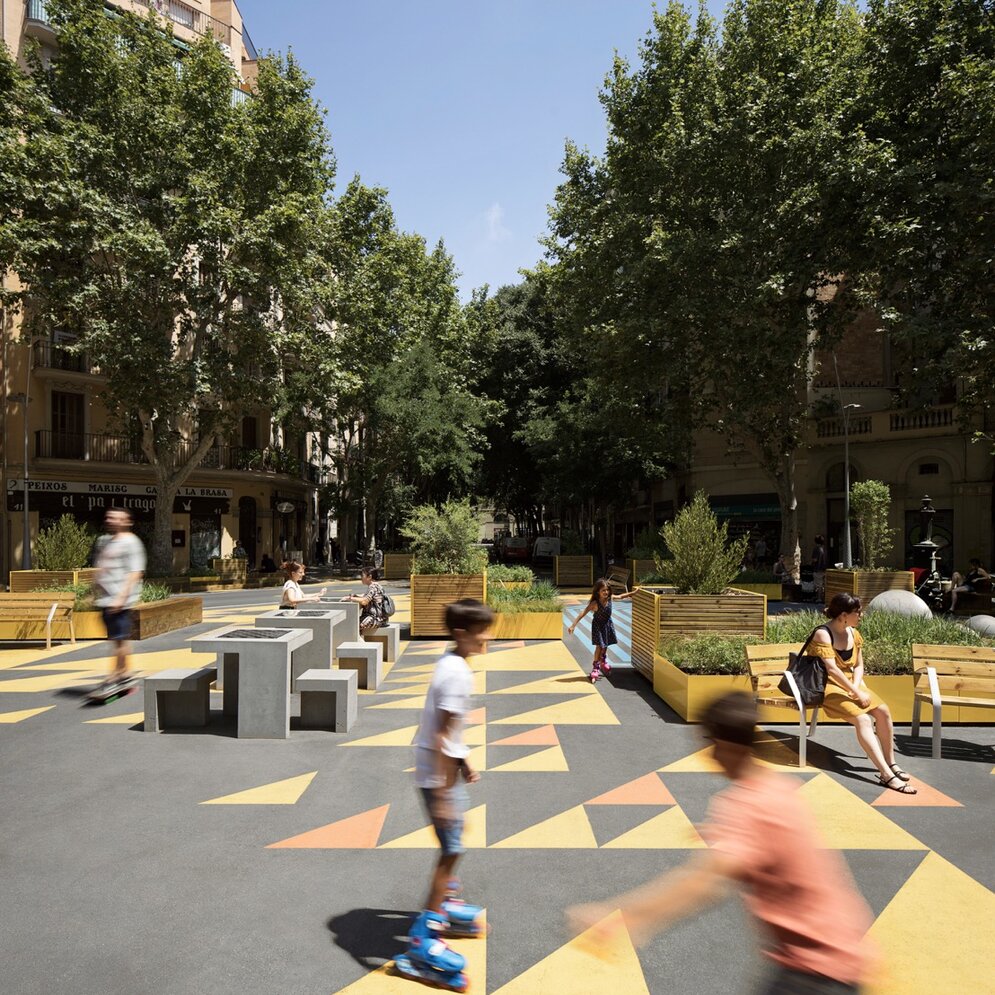
In Copenhagen, for example, parks and public squares have been transformed into retention areas for heavy rainfall, while in Vienna an entire residential block is supplied with solar and geothermal energy. Paris is investing in green roofs and the removal of sealed surfaces, while Barcelona is creating green corridors and new public spaces. Liepāja and Lappeenranta demonstrate structural changes in transport and energy infrastructure.
Alongside completed projects, the exhibition also presents long-term strategies, including the restoration of urban rivers in Łódź, the transition to renewable energy in Totnes, and the competing demands of urban development, green spaces and climate adaptation in Frankfurt am Main.
Designing the Urban Climate
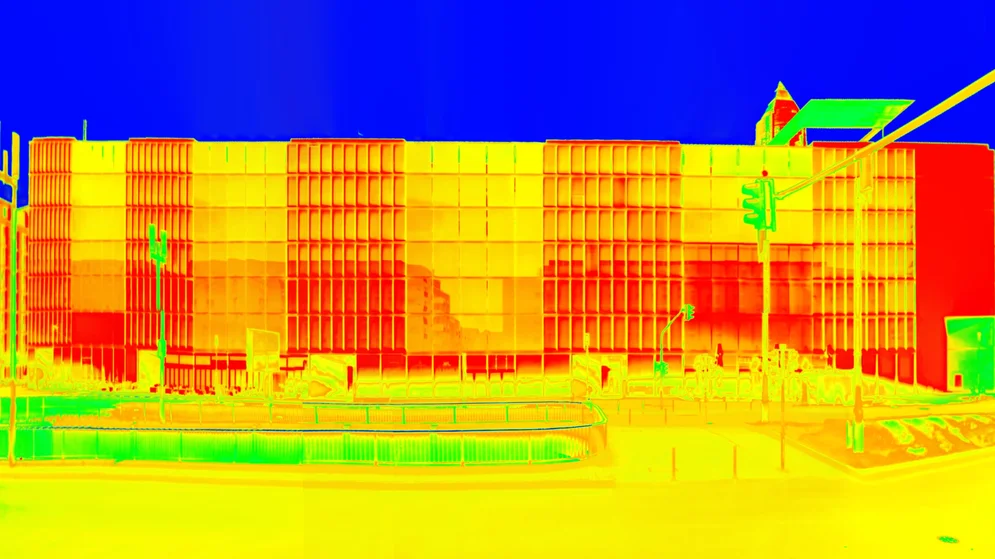
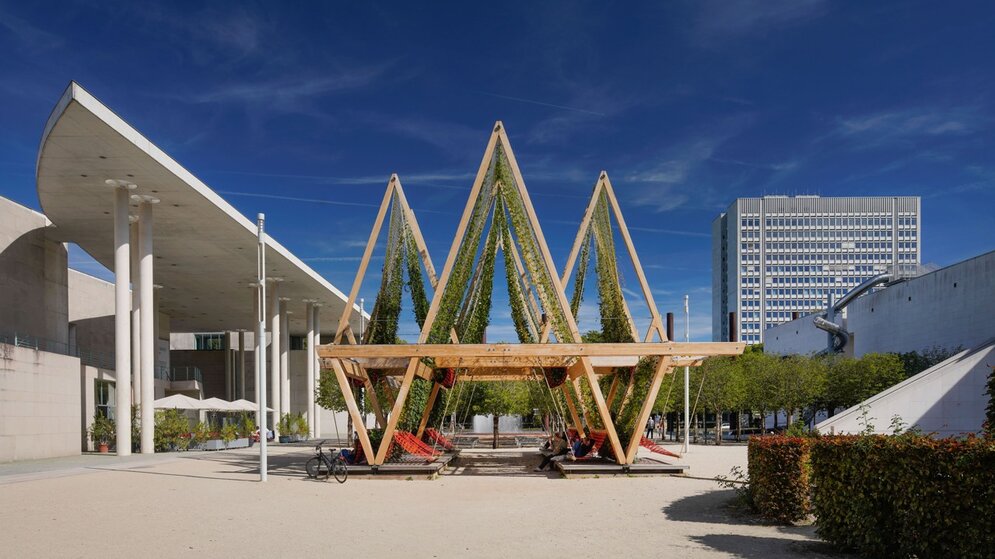
The exhibition is complemented by scientific and artistic works that make urban climate processes visible through measurements, models and installations. Together, they offer a multifaceted perspective on how cities can adapt to the climate crisis—not only through technical innovation, but also through social and political change.