

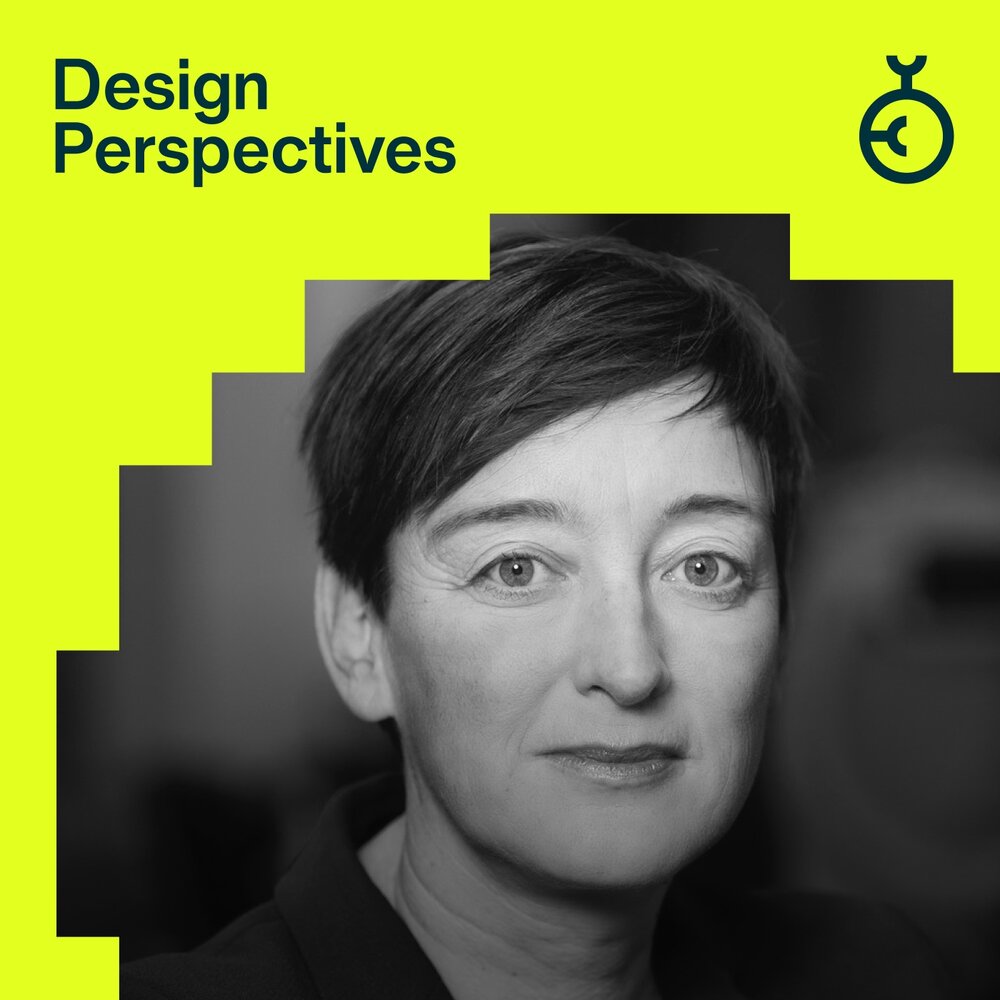
How Do We Design Products That Last a Lifetime?
The conversation focuses on the practical challenges of circular design – from repair and reuse to ownership models, and the question of why circularity always requires a rethink of business models and supply chains. Conny Bakker also talks about how design education is changing and why sufficiency could become a more prominent part of the sustainability debate in the future.
Takeaways
Produkte verschwinden nicht nach ihrer Nutzung
Conny Bakker beschreibt, wie Produkte während ihrer Designausbildung praktisch „aus dem Bewusstsein verschwanden“, sobald sie genutzt waren. Circular Design beginnt genau an diesem Punkt: Produkte so zu gestalten, dass sie repariert, wiederverwendet und langfristig im Kreislauf gehalten werden können.
Circularity ist komplexer als viele Unternehmen denken
Recycelte Materialien allein machen noch kein zirkuläres Produkt. Im Gespräch wird deutlich, warum Circularity immer auch Geschäftsmodelle, Lieferketten, Rücknahmesysteme und Nutzerverhalten betrifft – und weshalb viele Unternehmen daran scheitern, alles gleichzeitig verändern zu wollen.
Warum die Frage nach dem „Genug“ wichtiger wird
Zum Ende der Episode stellt Conny Bakker eine radikalere Frage: Reicht Circularity allein aus? Neben Recycling und Effizienz könnte künftig auch Suffizienz stärker in den Fokus rücken – also die Frage, wie viel Konsum und Innovation tatsächlich notwendig sind.
More Information
Guest:
Conny Bakker – Professor Circular Product Design, TU Delft
Host:
Martin Pauli – Director Global Circular Economy Services at Arup
Further links:
TU Delft – Circular Product Design: https://www.tudelft.nl/
Faculty of Industrial Design Engineering, TU Delft: https://www.tudelft.nl/io
Chapters
01:04 – Conny Bakker’s introduction to circular design
03:27 – Why systemic change takes time
08:29 – What circular design means in practice
13:11 – The gap between ambition and implementation
16:10 – Common mistakes made by companies
19:00 – Design for multiple life cycles
21:02 – Ownership, repair and Product-as-a-Service
24:32 – The role of designers in complex systems
31:43 – Circular design in education
34:00 – What success for circularity might look like
37:00 – Why sufficiency is becoming important
Design Perspectives Podcast
How can design act as a lever for transformation and economic success? In Design Perspectives, we talk to leading voices from design, business, sustainability and architecture about how transformation, innovation and long-term value creation can go hand in hand. Insightful, relevant and inspiring.