Council Night 2026: How Design Leads Brands
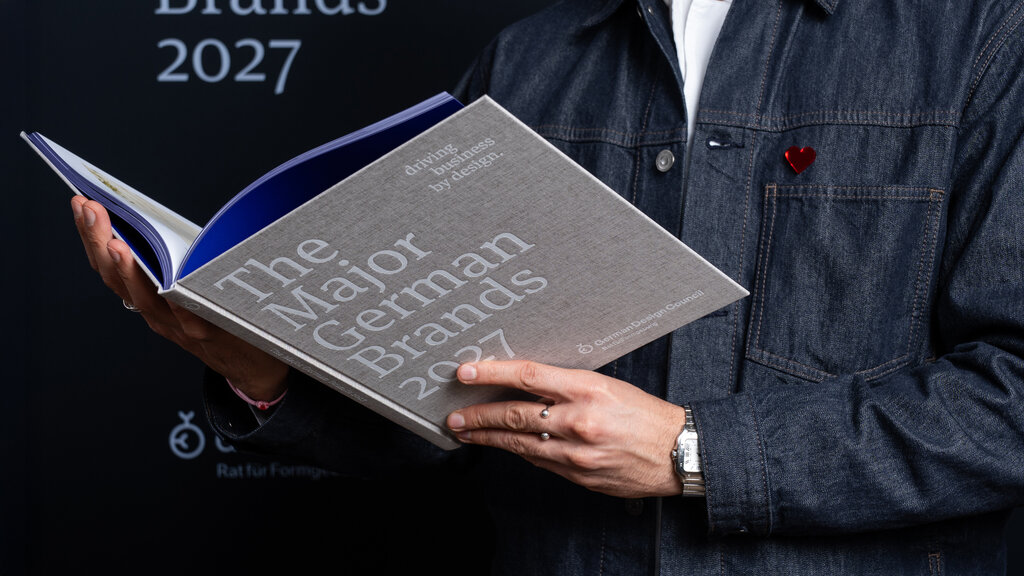
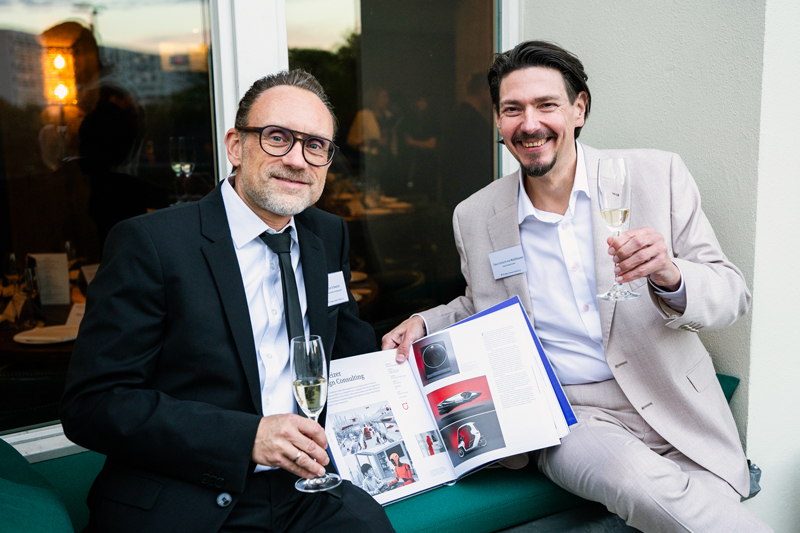
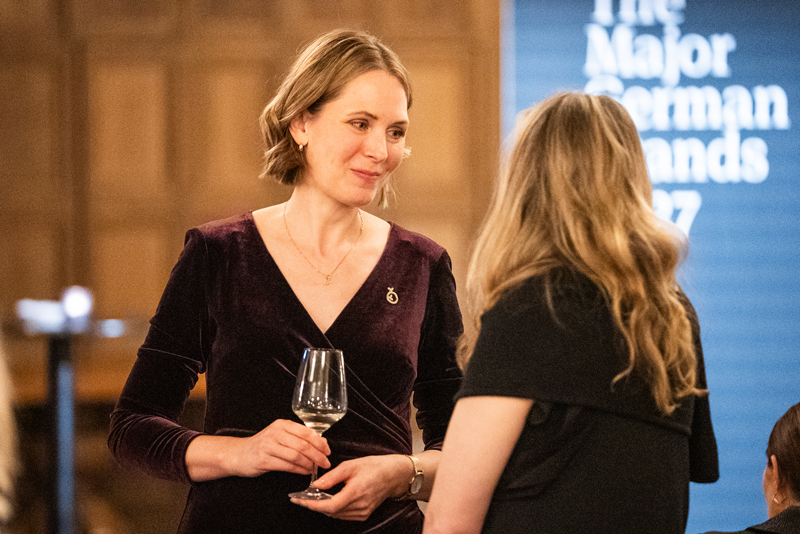
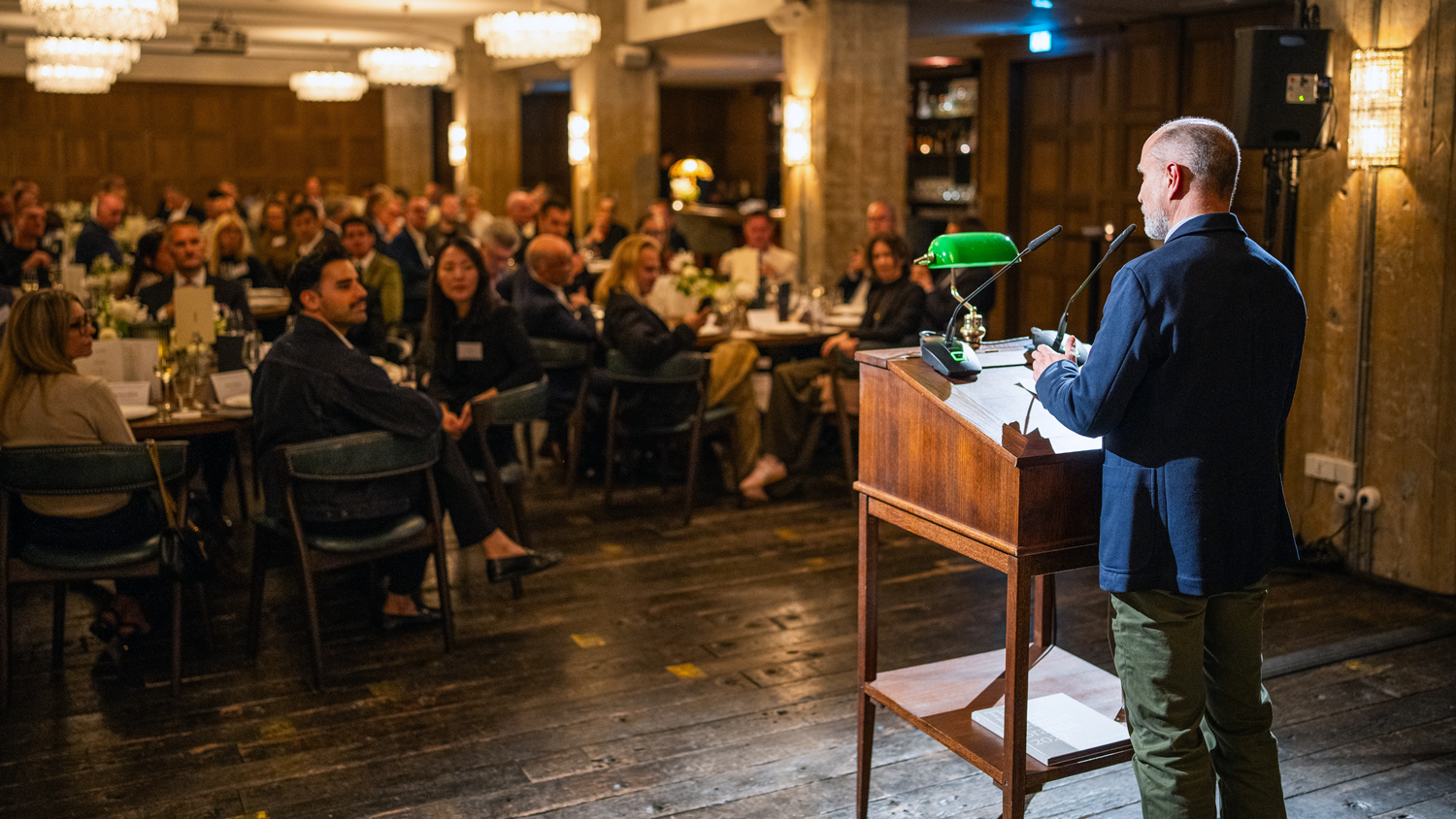
Bringing people together, fostering exchange and opening up new perspectives: that is what defines the events of the German Design Council. The Council Night 2026 at Soho House Berlin was no exception. In October, we celebrated the launch of the brand book “The Major German Brands – driving business by design” there. Around 80 guests attended, including leading figures from design, business, culture and politics, to honour the companies that use bold design strategies to strengthen the country's economy and advance their capacity for innovation and circularity.
Why Design Matters Economically
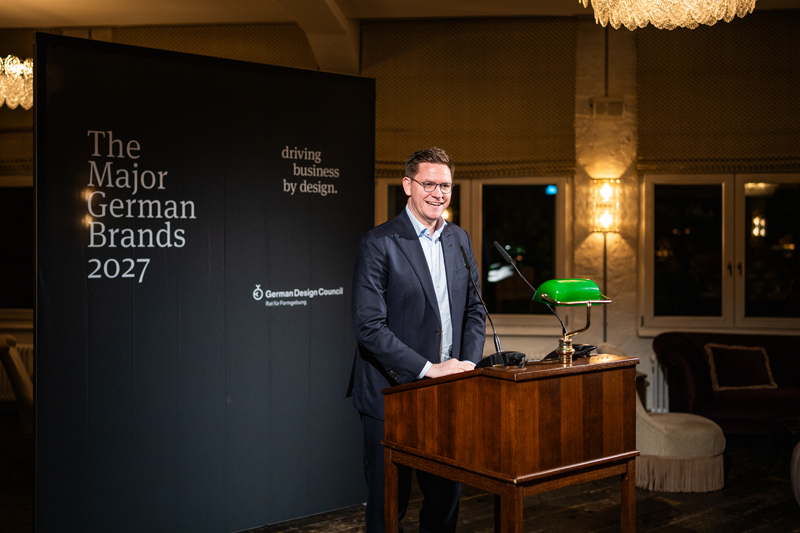
Johannes Steiniger (Parliamentary State Secretary, Federal Ministry for Economic Affairs and Energy), underlined this in his welcome address: “Good design is not a nice-to-have, but a hard economic factor.” Design builds recognition and trust in a product's quality. The ministry has supported “The Major German Brands” for a long time and regularly contributes a foreword to the publication.
Speaking from a business perspective, Mike Richte (chair of the board, German Design Council), added:
“For companies, design is not decoration. It helps translate something new so that people can understand and accept it. At its best, it opens up new markets.”
Brands Between Vision and Heritage
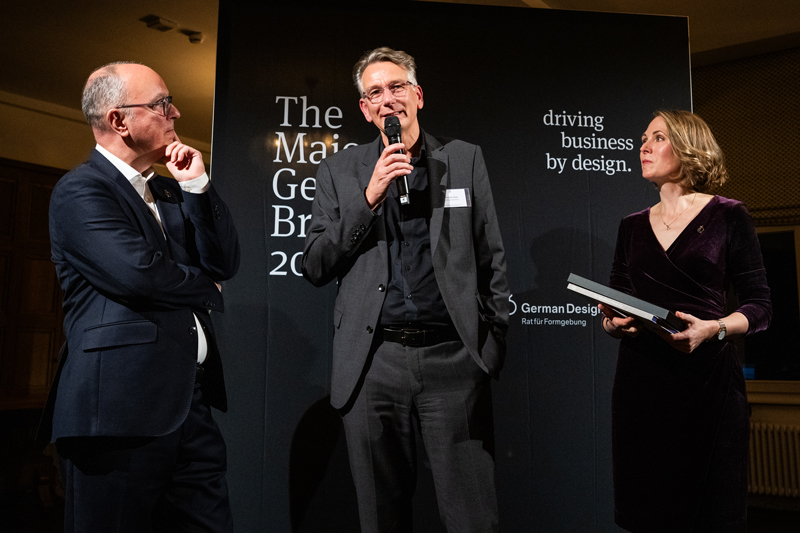
In his speech, Lutz Dietzold (CEO, German Design Council) outlined not only the ambition of the evening but also that of the German Design Council Foundation: “For us, design is not merely a question of style. Design is a strategic capability. It connects business, culture and politics. Design and brand don't decorate, they lead.”
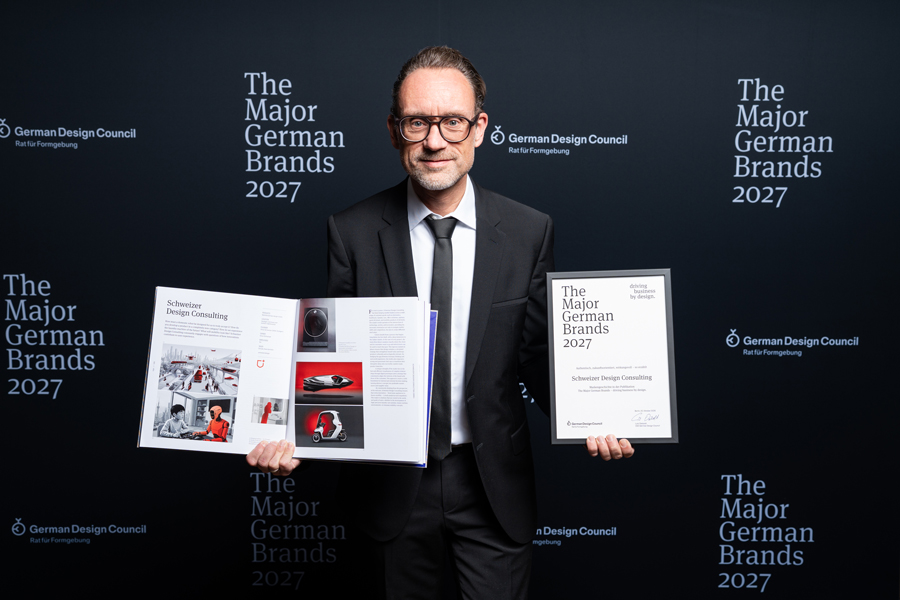
Each year, the German Design Council shows how design and brand work together in the publication “The Major German Brands”, in which German brands tell their success stories.
“Design and brand don't decorate, they lead.”
– Lutz Dietzold (CEO, German Design Council)
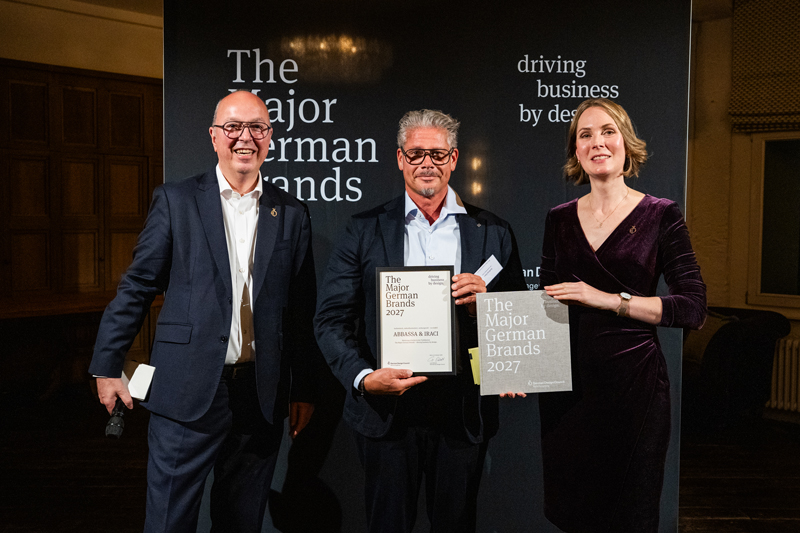
A highlight of the Council Night was the presentation of selected brands between vision and heritage, including:
- Eduard Gerlach (Lübbecke): Since 1868, Gehwol has stood for foot health. According to the company, it is Germany's best-known foot care brand.
- Feuerschutz Jockel (Remscheid): The family-owned company has developed and manufactured fire extinguishers and fire protection solutions for more than 75 years.
- Grohe (Hemer): The brand combines quality, technology, design and sustainability in solutions for bathrooms and kitchens. It has been part of Lixil since 2014.
- Hettich (Kirchlengern): For around 140 years, this family-owned company has developed and manufactured furniture fittings. It has subsidiaries in 27 countries.
- Hewi (Bad Arolsen): Founded in 1929, Hewi today offers system solutions for architecture and interior design, including fittings, sanitary products and solutions for barrier-free construction.
- Häcker Küchen (Rödinghausen and Venne): The family-owned company has been producing fitted kitchens since 1898. PEFC certification and a climate-neutral product portfolio attest to its sustainable production.
- Iraci Visuelle Medien (Neu-Ulm): Founded more than 45 years ago, this photo lab now specialises in large-format print solutions, manufactured entirely in Germany.
The stories of these brands inspired guests and sparked lively conversations. The Council Night thus brought design into dialogue with representatives from business, politics and society.