'AI is kind of like an encyclopaedia that we can use to explore ideas'
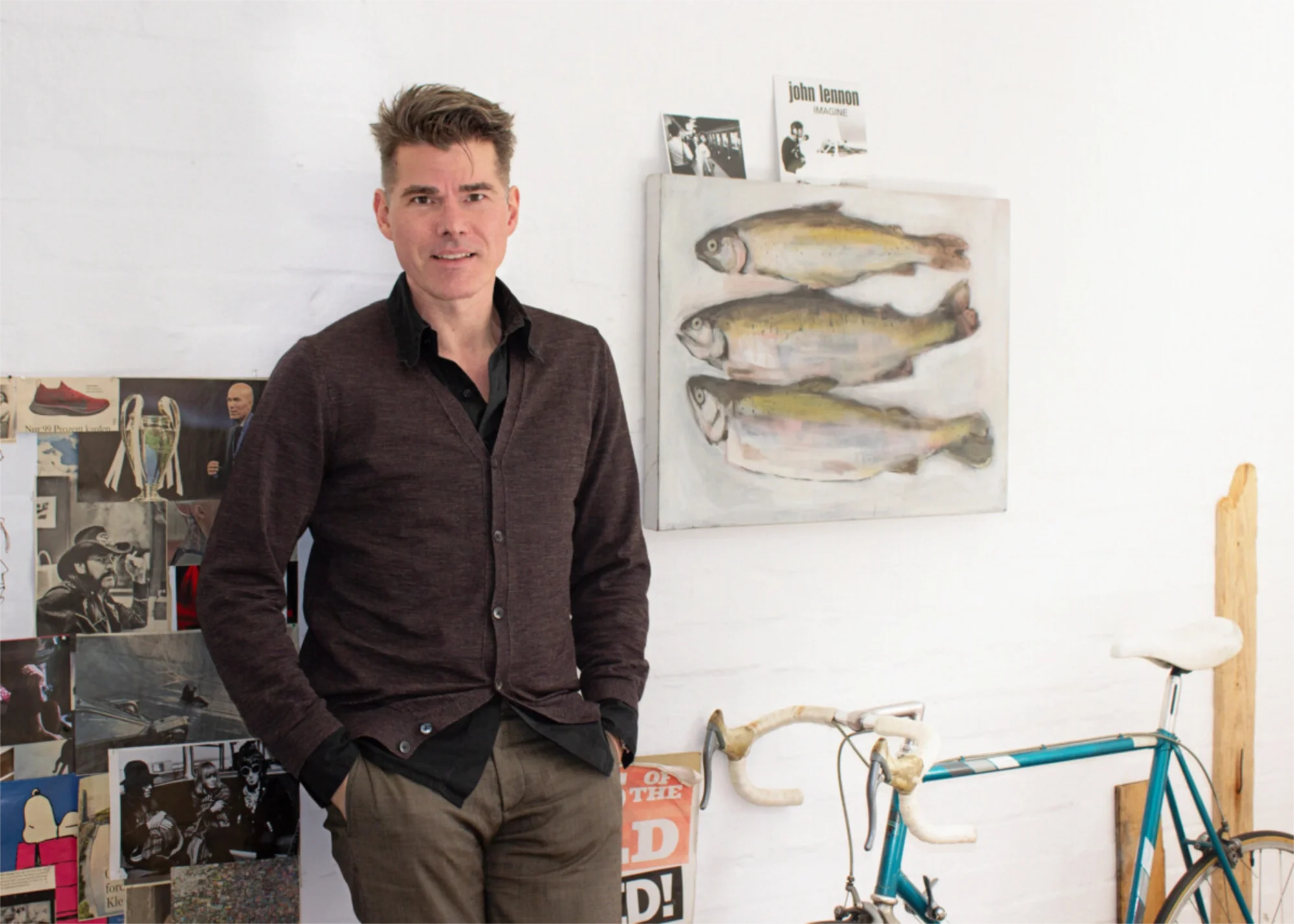
Founded in Esslingen 70 years ago, Teams Design now operates independent studios at five locations around the world, employing around 100 people in total. Ulrich Schweig, who studied at the Muthesius Academy of Fine Arts and Design in Kiel, has led the Hamburg studio since 2009. When he joined, there were just four people working there, but today the team numbers around 30. Schweig is now Global Managing Director, making him a key point of contact for Kearney, the company's new owner. Teams Design currently has studios in Esslingen, Hamburg, Chicago, Shanghai and Amsterdam.
We spoke to Schweig via video call in Hamburg.
Teams was founded in Esslingen 70 years ago, in 1956. I hope you celebrated in style.
Unfortunately, we missed the opportunity. Firstly, we are currently heavily involved in transformation projects, and secondly, given the subdued market conditions, we decided to postpone the celebrations. But yes, we really should celebrate! After all, we are the oldest design agency in Germany, and our new owner, Kearney, has just turned 100.
We'll come back to Kearney later. Where does Teams Design stand today?
We work across three main areas: industrial design, digital design and strategic design. The latter is important because clients rarely come to us with a fully developed product brief. Nowadays, we are more likely to present the finished product to the client, along with its strategic positioning, trend analysis and future prospects. The business has changed. We are in the midst of a major transformation which is progressing at a rapid pace.
You're referring to the second wave of digitalisation, which seems to pose an overwhelming threat.
That's right. The first wave of digitalisation in the 1990s progressed slowly, which gave us time to adapt. This also resulted in the creation of a vast array of new products, particularly in the telecommunications sector. Today, we are in the midst of a second transformation. Over the coming years, much will change in terms of both the physical and digital aspects of products. Almost every product will have a digital interface that will need to be designed as carefully as the product itself. Then there are issues such as AI, sustainability, energy, technology and circularity to consider. We need to ask ourselves which materials will be available to us in the future for making products, for example. While all of this is extremely exciting, collectively it can seem like too many issues to deal with at once. The challenges we face are becoming more complex, but that doesn't mean we can't design good products anymore.
Teams Design now operates across five locations. Why?
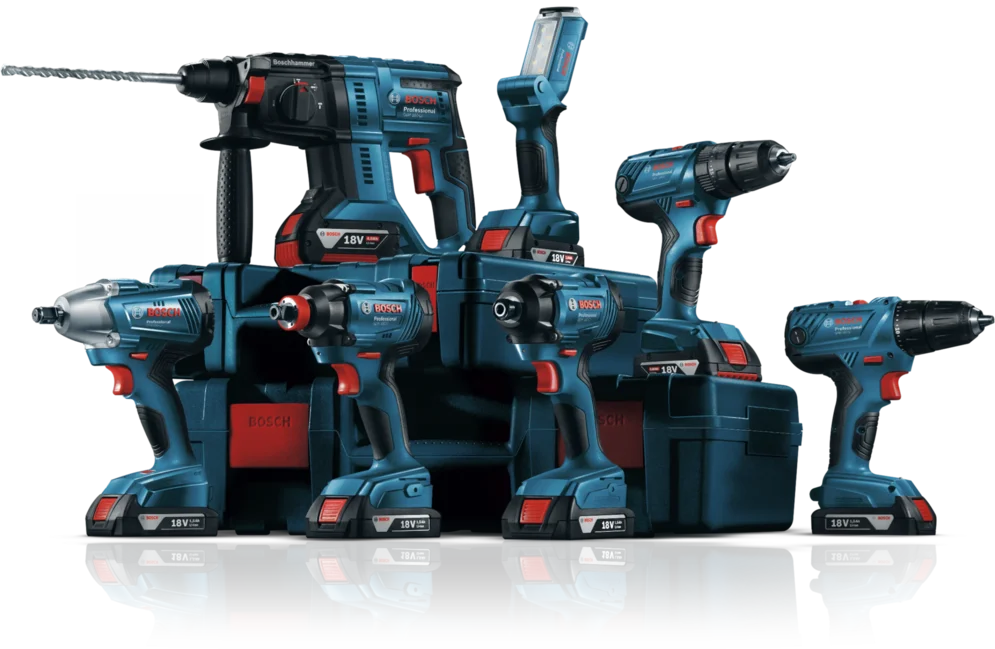
All of our locations have developed in response to our clients' markets, each growing out of our original studio in Esslingen. Each location includes colleagues who originally worked in Esslingen, so we all know each other. We entered the American market alongside Bosch, which had a development centre in Chicago. Shanghai developed in a similar way. Meanwhile, Hamburg is closely connected to our client Still.
Each location operates independently, with around 80 per cent of its work serving its own market. We support clients such as Bosch and Hitachi across markets, with several locations working in parallel. For example, when Hitachi launches a product in Europe, we help to identify the use cases and user experience requirements that need to be considered to ensure that a Japanese product works in the European market.
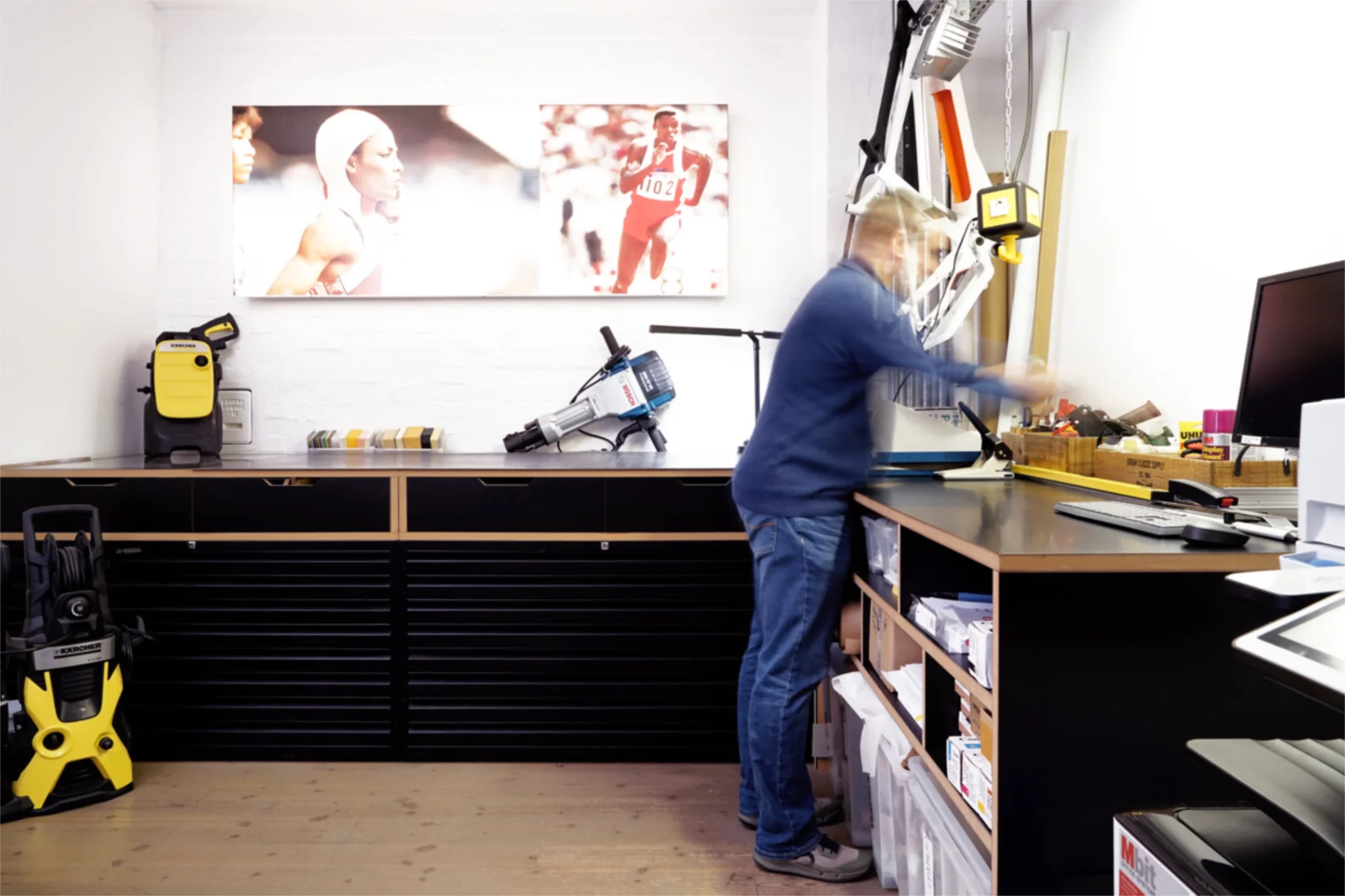
Each location also has its own particular strengths. Here in Hamburg, we specialise in digital design. We are in constant communication with one another, which helps us to understand the requirements of markets such as Asia, India and America for power tools.
And what's the story behind Amsterdam?
National boundaries still play a significant role in shaping the European design market. For example, French companies tend to work with French designers, and Italian companies with Italian designers. In Amsterdam, however, we position ourselves as an international design studio for Europe. The city attracts people from all over and is a creative place to be. We also collaborate closely with Kearney as part of its Product Excellence and Renewal Lab (PERLab).
Teams Design was acquired by the US management consultancy Kearney in 2023. Other agencies that took a similar route disappeared from the scene. What was different in your case?
In short, other consultancies incorporated 'design thinking' so extensively into their agencies that the latter were absorbed and ceased to exist as independent entities. We had already been working closely with PERLab in the US market for many years. Our collaboration was so successful that Kearney wanted to secure the model and acquired Teams Design.
This acquisition occurred at a time when we needed to organise our internal succession, making the timing ideal. Remaining independent was a prerequisite. If our name disappeared, so would our identity, client relationships and history. Kearney is mentioned very discreetly on our website, but we are keen to develop strong synergies. In practice, Kearney has given us access to new industries, including aviation, cosmetics and IT. Our market has definitely broadened.
The industrial design sector is currently facing challenges in terms of incoming orders. Do you see any light at the end of the tunnel?
Global uncertainty has caused companies to focus almost entirely on their cash flow, despite a clear need for new developments. This year has been characterised by a wait-and-see approach. However, I am optimistic that things will pick up again next year. In the meantime, we can start working on internal projects with Kearney to help advance product development and the use of AI.
And there it is. The ever-present buzzword: AI. So, how is Teams Design approaching it?
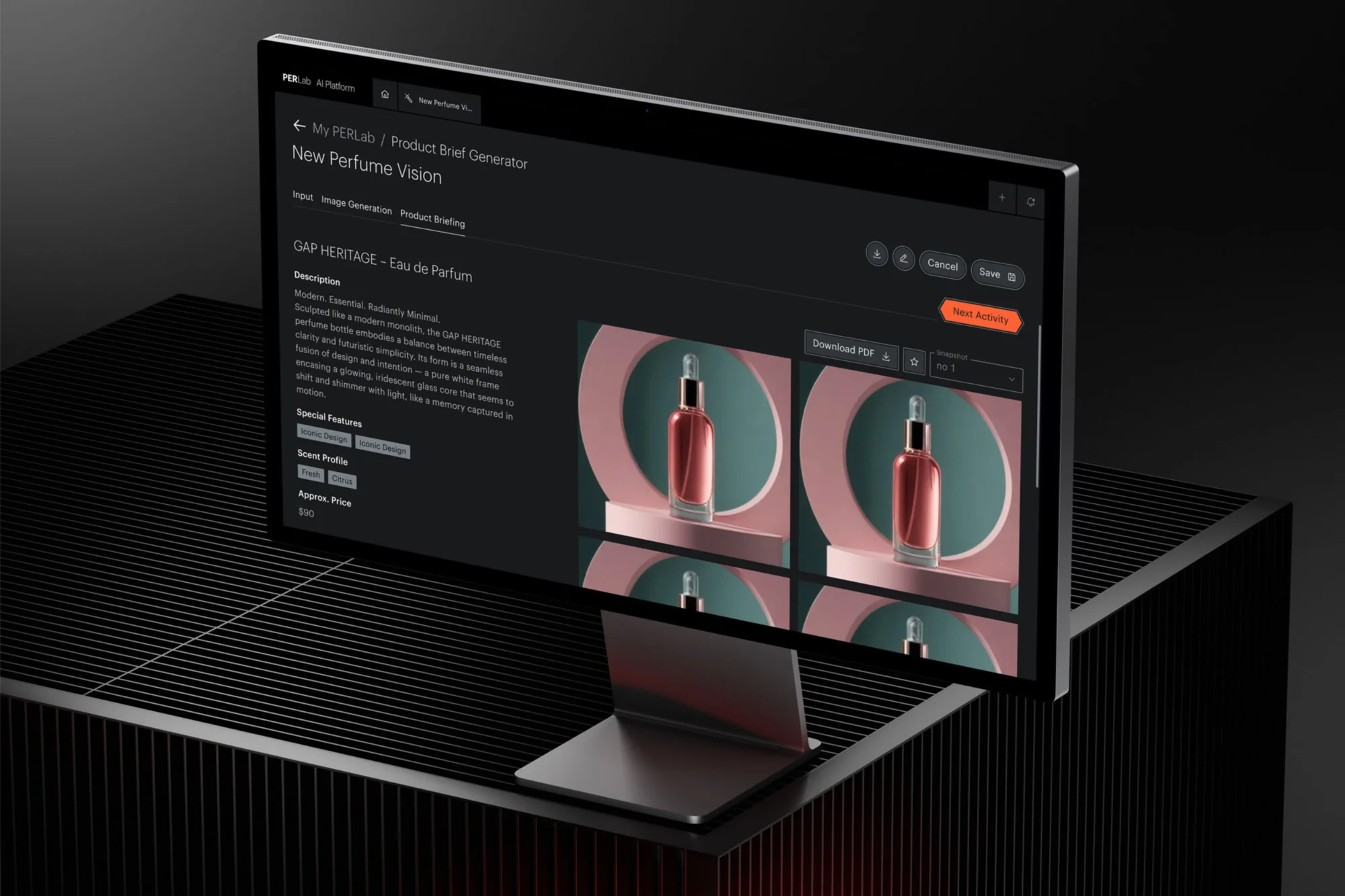
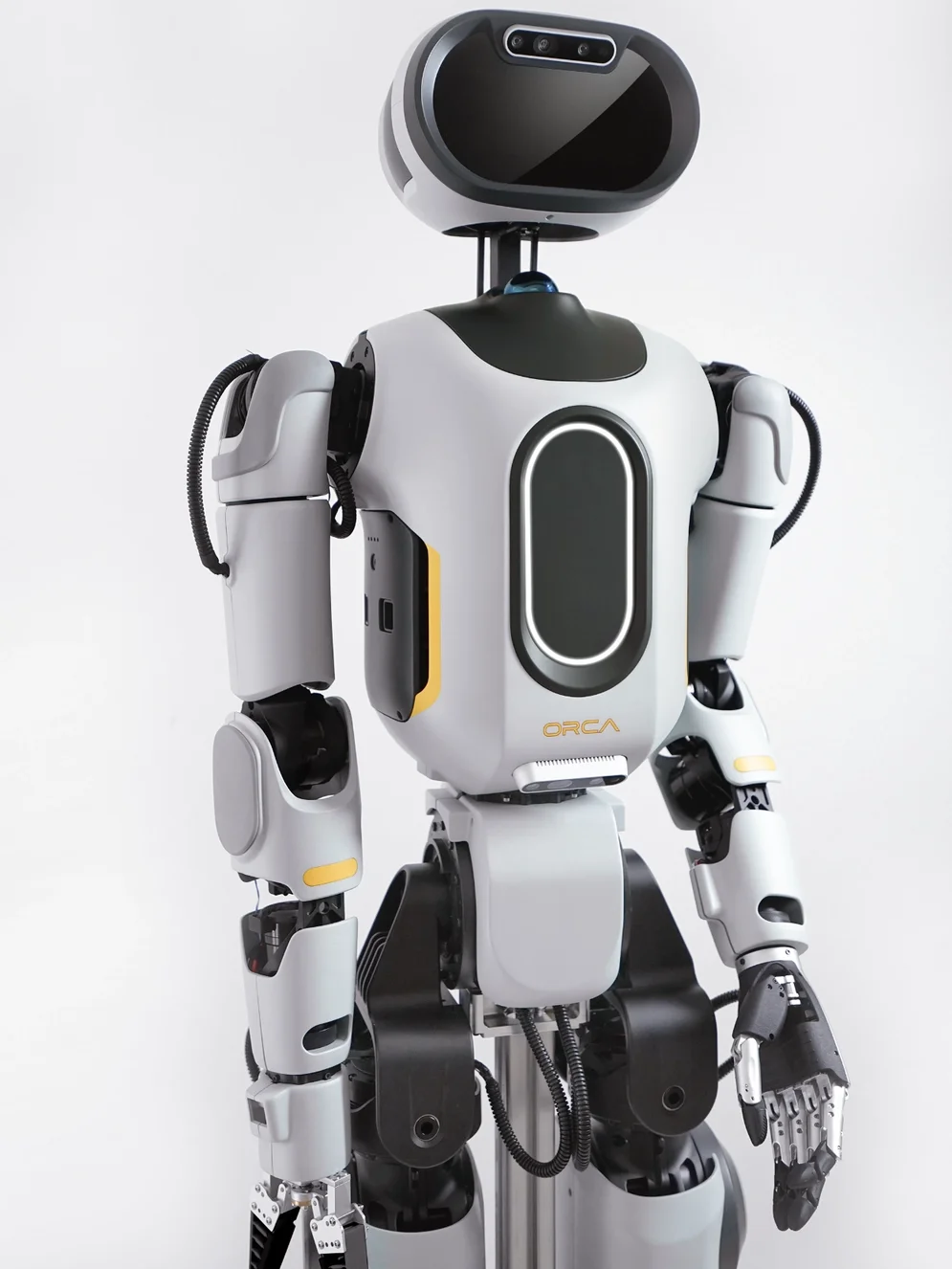
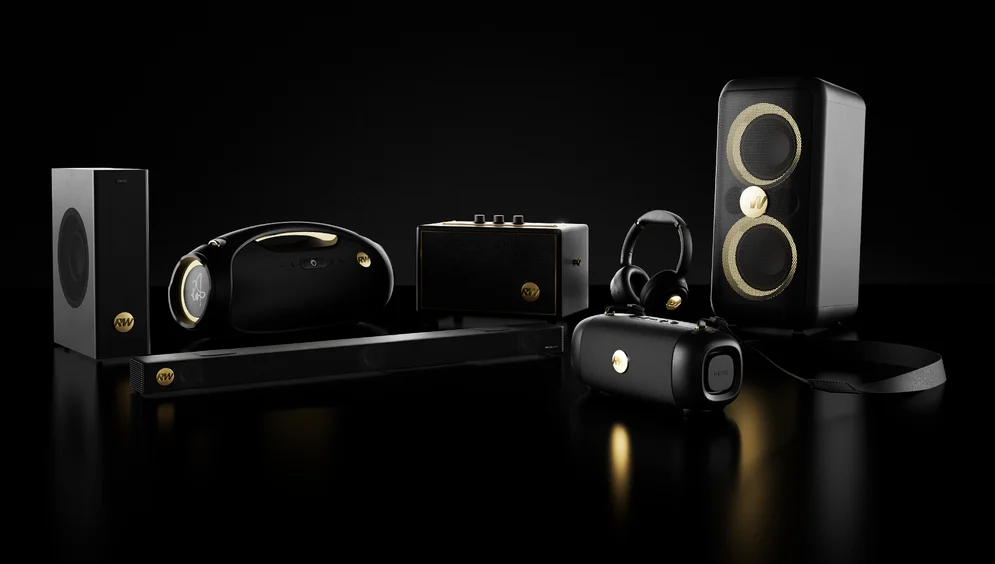
We use AI as both a powerful tool and a generator of knowledge. Creating images in CGI used to be much more labour-intensive. We demonstrate to major clients what is possible, particularly those who are unable to make extensive use of AI themselves for security reasons. AI is essentially a kind of encyclopaedia that we can use to explore ideas together and think more broadly about innovation. It also helps us to focus on the question of which solution best meets the requirements of a particular use case. In the past, we built an enormous number of physical models, consuming huge amounts of time and resources in the process. AI is an excellent tool in this respect.
Does German design still carry the same weight in the global market as it once did?
Absolutely. However, we need to be bolder and experiment more without compromising on quality. Expecting a product to perform well for ten years is no longer realistic given the pace of technological change. No one is going to spend a lot of money on a product whose technology will become obsolete within two years.
Do we need to redefine longevity in light of the pace of innovation?
Yes, but with a focus on circularity. The question is how a product needs to be designed today to remain viable within a circular system. How can components be replaced? How can the product be returned to the cycle?
Resources are finite, as we know, and some are difficult to obtain. This raises the question of how to make sensible products if raw materials can no longer be sourced globally and must, ideally, come from domestic sources instead. This challenge presents a major opportunity for us as German designers. But we need to move quickly — China isn't standing still.
Looking ahead, which markets will be particularly interesting in the future?
Traditional manufacturing and mechanical engineering have yet to complete their digital transformation, so there is still considerable potential in these areas. In short, the question is this: do we still need physical buttons, or should they be replaced by touchscreens? Or will AI control the processes while the machine itself is simply monitored? Robotics, digitalisation and AI will clearly change use cases. The same applies to medical technology. In the power tools sector, we must ask ourselves whether we are selling a tool or its use. As our professional and private lives continue to overlap, the distinction between B2B and B2C design will become less pronounced. These two areas will increasingly influence each other, with consumer design acting as the driving force.