Architecture Between Departure and Arrival
For a long time, airport planning was guided by the principle of getting passengers to their gate via the shortest possible route, so they could spend their waiting time there as comfortably as possible. To this end, architects and airport planners experimented with a variety of concepts during the 1960s, 1970s and 1980s. Examples of these approaches can be seen at Berlin Tegel Airport, designed by Meinhard von Gerkan and Volkwin Marg (GMP), and at Terminal 1 at Paris Charles de Gaulle Airport, designed by Paul Andreu. Von Gerkan and Marg organised their design around a polygonal courtyard that accommodated parking areas, creating a decentralised layout. By contrast, Andreu placed the car park on the roof of his circular terminal, with six satellite buildings containing gates accessed via underground walkways. While both airport buildings are iconic today, neither approach was followed up conceptually. This is partly due to the changing requirements that terminals now have to meet.
Airport terminals: high-security zones, shopping malls or transport hubs?
Today, planners must ensure not only that passengers reach their flights quickly and safely, but also that they enjoy their time at the airport. The design of retail zones has also become almost as important, as they have become an integral part of the business model of every major airport. They are intended to be perceived as an attraction rather than a nuisance. Additionally, security checks have become so complex that they require a great deal of space. Under these conditions, decentralised screening directly at the gate, as implemented at Berlin Tegel, is no longer feasible. Furthermore, the number of air travellers has increased significantly since the 1970s, and aircraft have also grown in size. While the first Lufthansa Boeing 737 in 1968 could seat just 95 passengers, the latest version of this aircraft can carry up to 190. Waiting and dwell areas must take these developments into account.
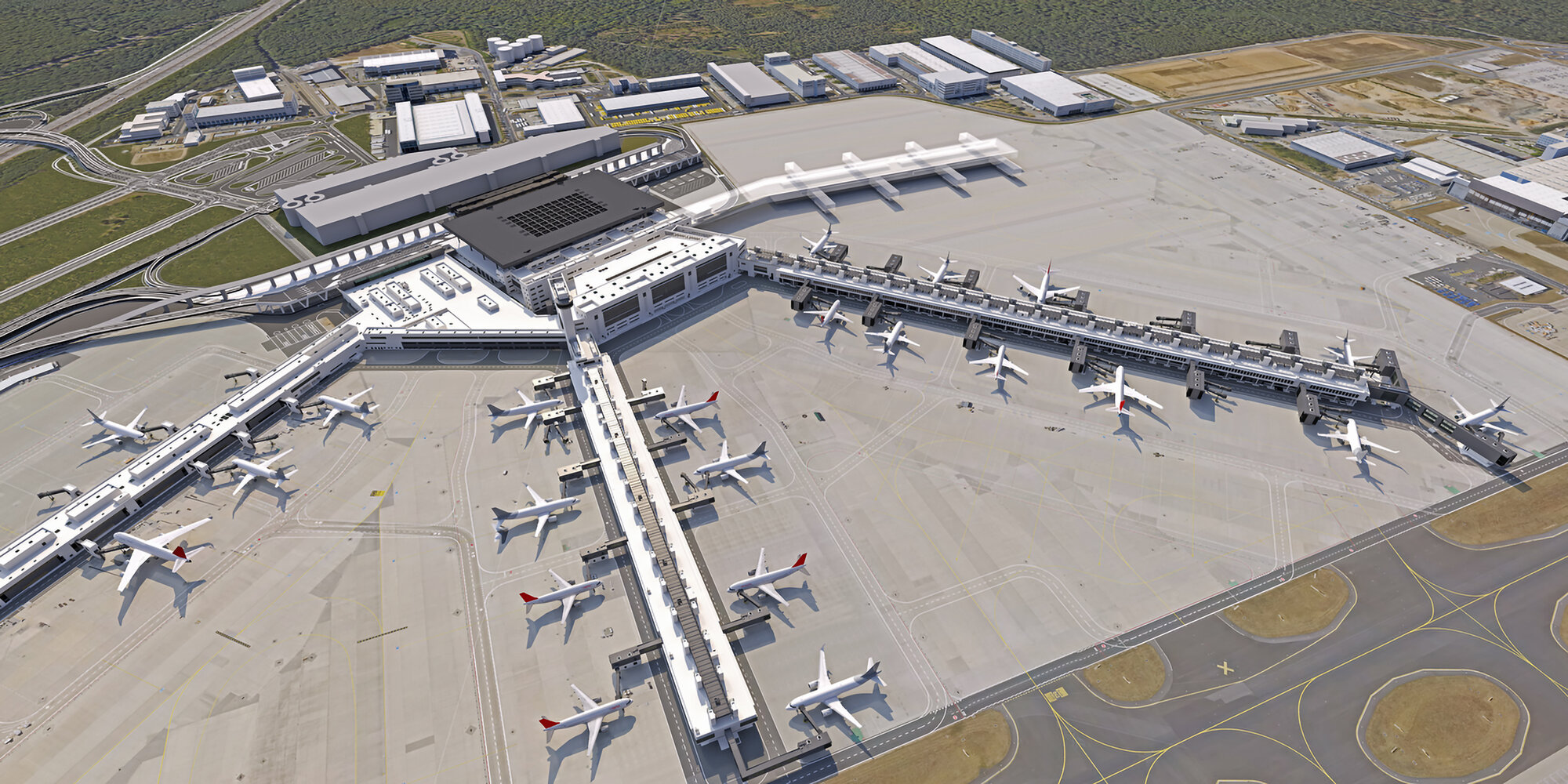
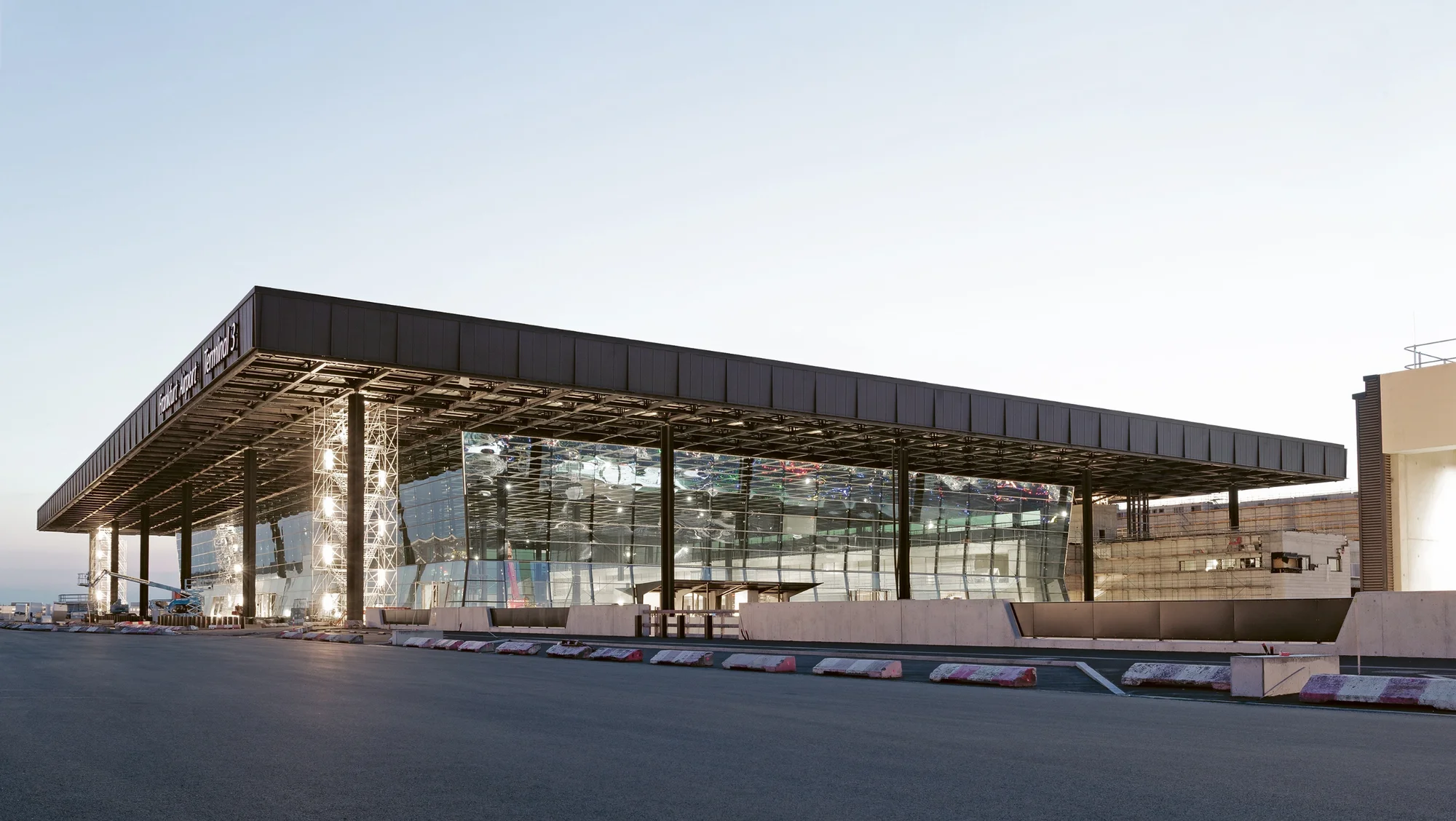
The so-called pier design is now most commonly chosen for new airport terminals. From a central area housing the check-in hall, security screening and shopping zones, elongated extensions containing the gates branch off. Additional piers can be added for subsequent expansion, or existing ones can be extended. Where this is not possible, freestanding satellite buildings are usually constructed and connected via underground pedestrian tunnels or people movers. Christoph Mäckler Architects also opted for the pier design for the new Terminal 3 at Frankfurt Airport. Three radial piers containing a total of 33 gates extend from the large main hall and its adjoining retail area. Future expansion has already been anticipated: one pier can be extended or an additional one built. Once fully expanded, Terminal 3 will be able to handle up to 25 million passengers per year.
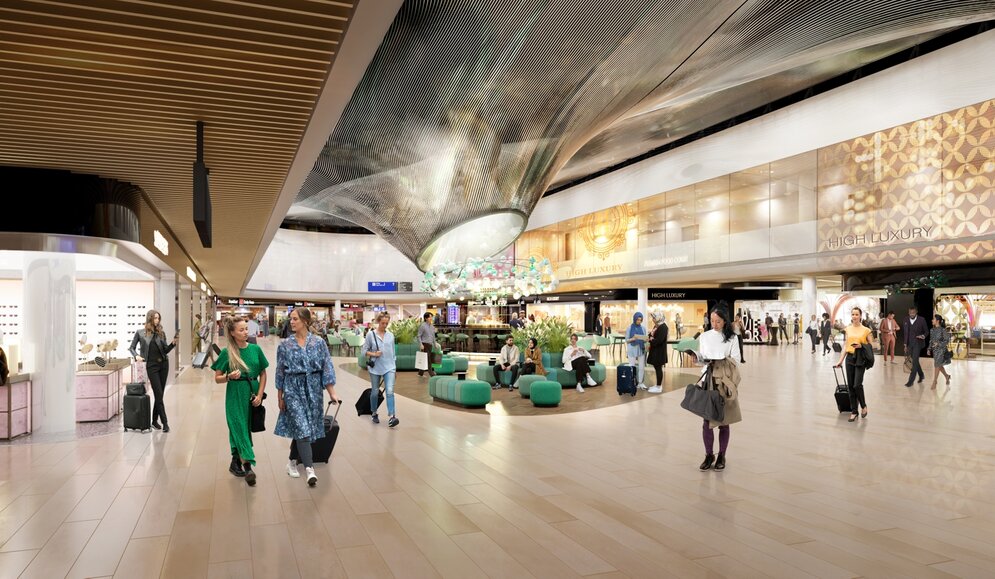
How does the passenger find their gate – and a new swimsuit?
Compared with concepts developed in the 1960s and 1970s, pier design now requires passengers to cover significantly longer distances. This makes it more challenging for planners to guide passengers to their aircraft in an intuitive way. At the same time, the emergence of large-scale retail areas within terminals has made wayfinding considerably more complex. It is neither sensible to route travellers around shopping zones nor to leave them stranded in labyrinthine malls. The solutions are not always effective, particularly in older airport buildings that have extensive retail areas added on. In some cases, it seems as though wayfinding is more about leading passengers laboriously through shopping arcades than helping them reach their gate quickly.
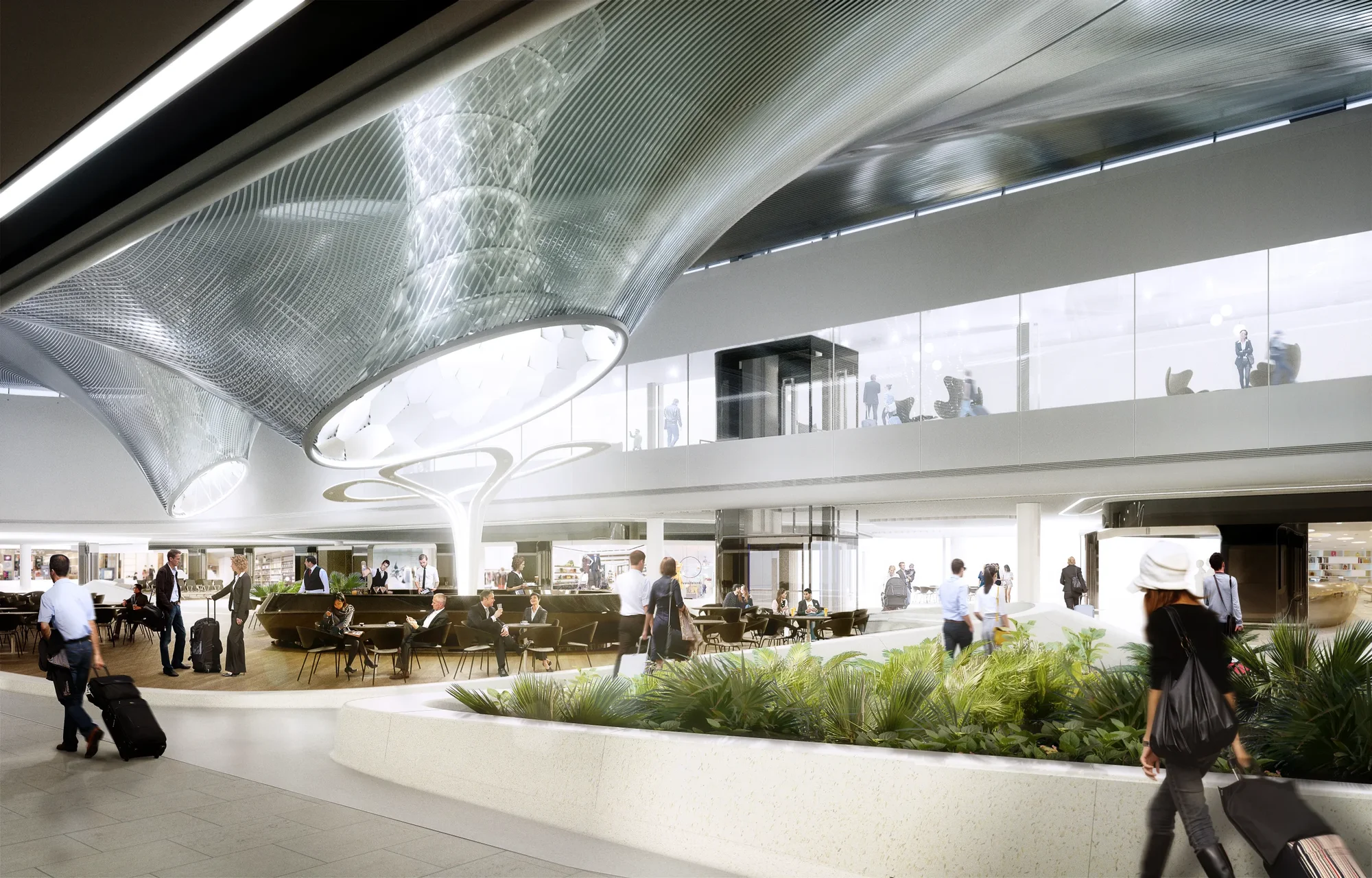
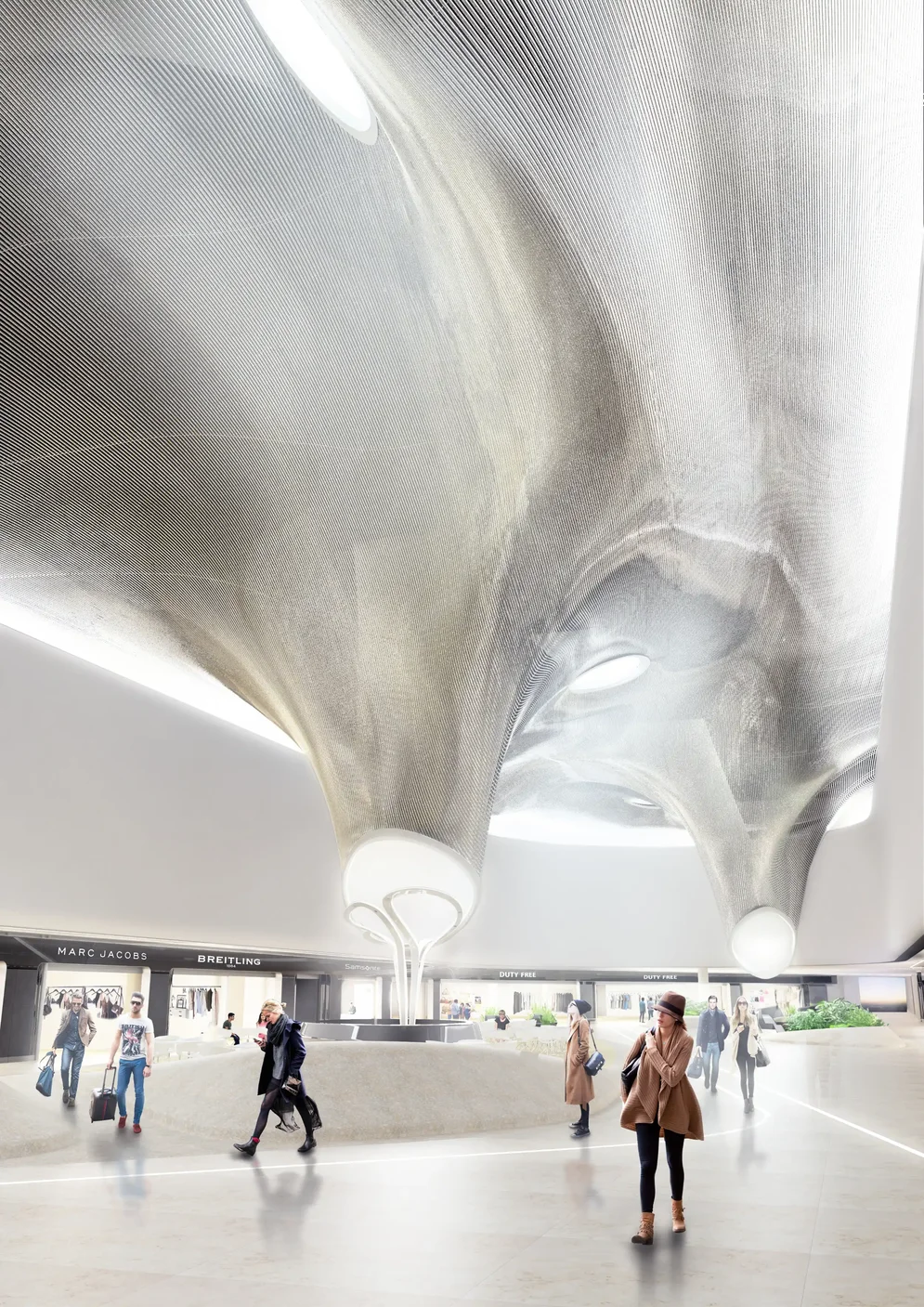
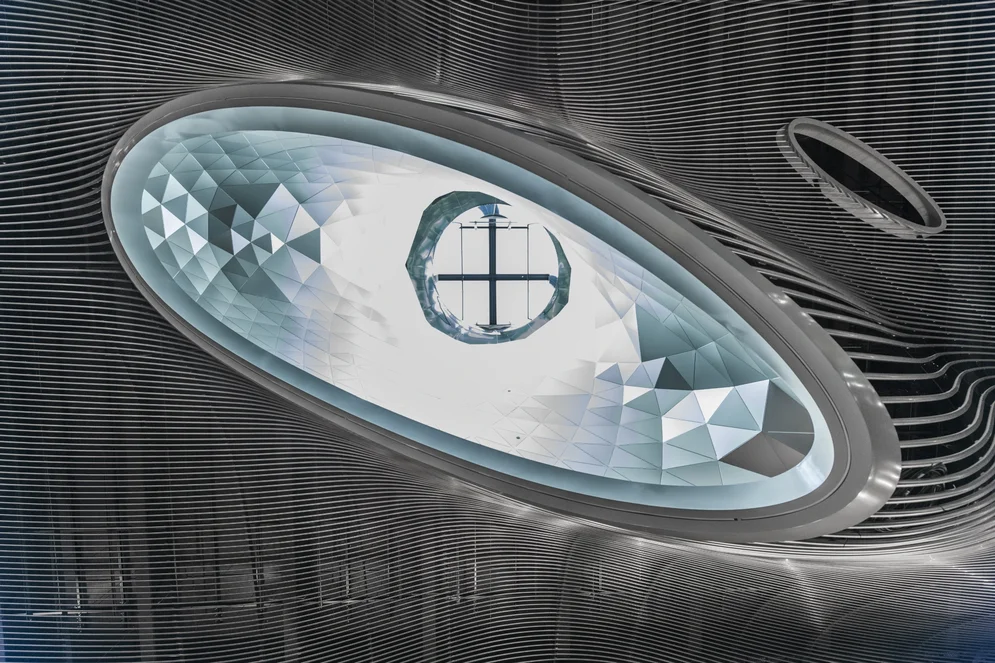
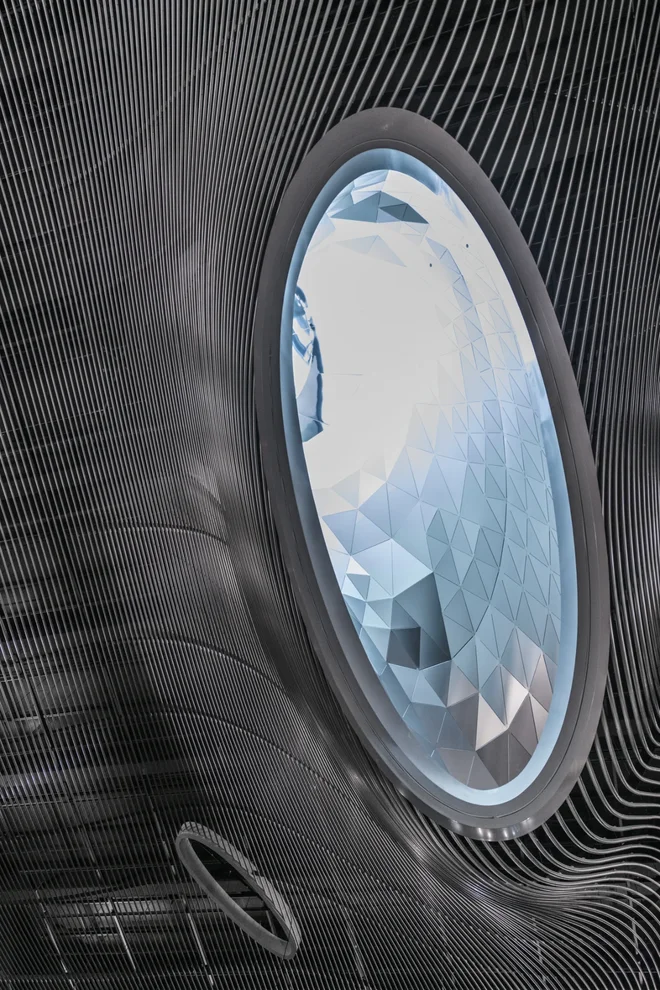
At Frankfurt Airport's new Terminal 3, Christoph Mäckler Architects positioned the shopping and catering area directly behind the security checkpoint. In collaboration with the architecture firm LAVA, Mäckler’s team developed this zone as a so-called 'marketplace'. The retail units are arranged around a spacious open area, which is lit by sculpturally shaped skylights.
As with several other elements of their design, the architects drew inspiration from urban typologies. The square is structured by 'islands' that accommodate seating areas and food outlets. These were designed using complex computer simulations of pedestrian movement across the marketplace. These islands ensure that the intended passenger routes remain clear.
Unique: identity through design and architecture?
Optimising passenger flow in terminals is a challenge that architects face. Communication designers are also responsible for developing reliable wayfinding systems despite an ever-increasing number of visual stimuli. This task is further complicated by the expectation that an airport’s corporate identity should be reflected in its signage.
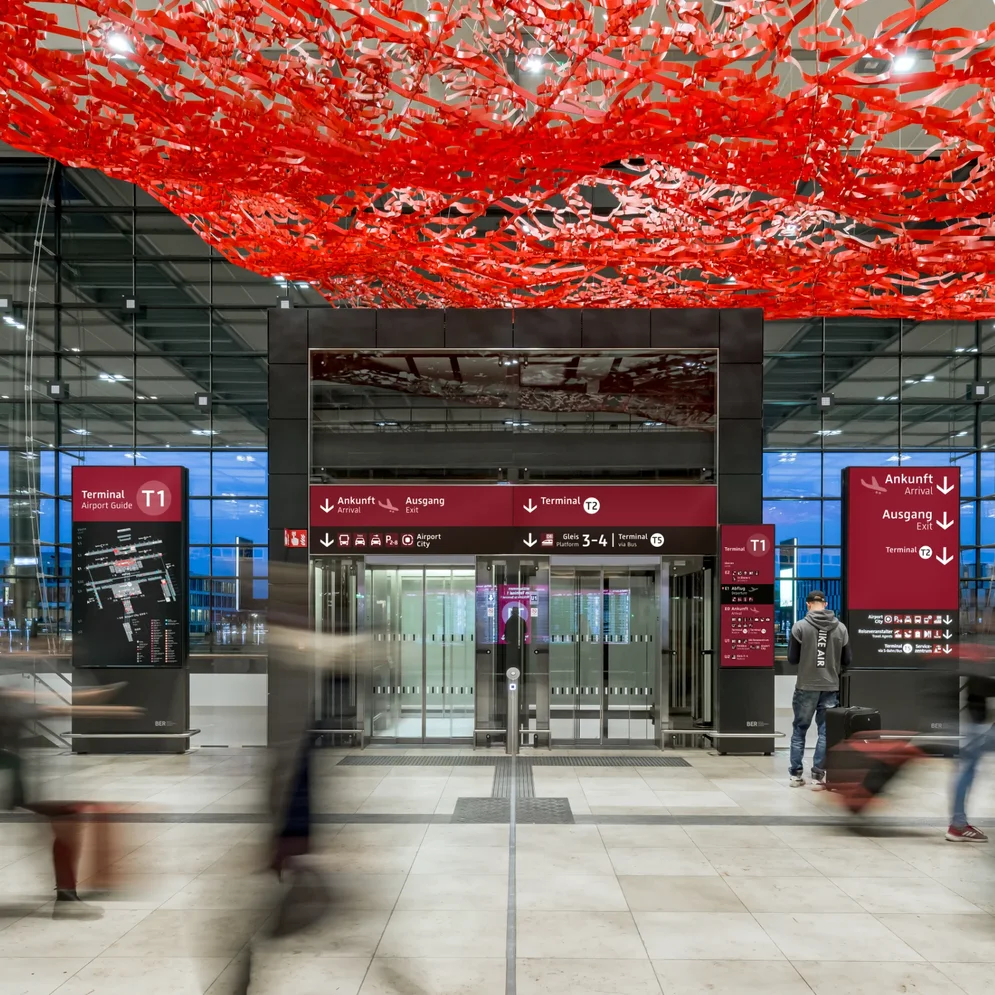
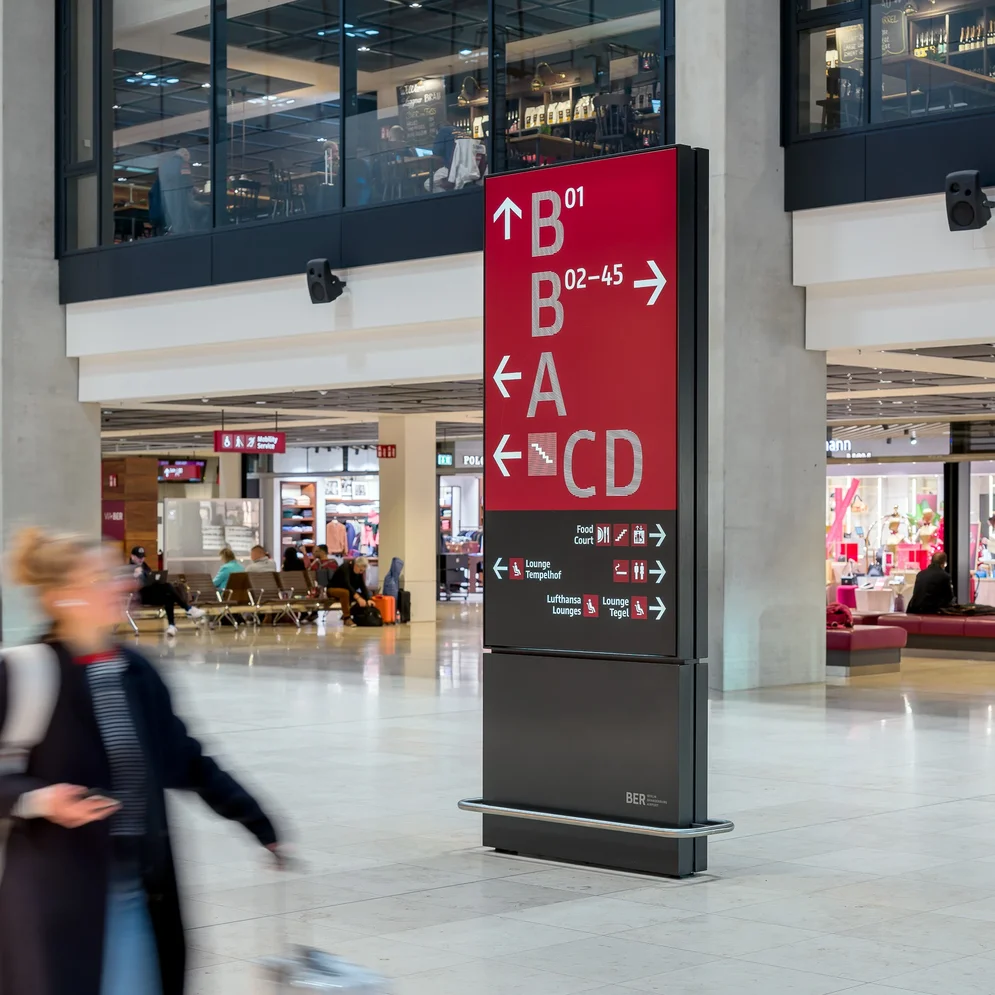
For a long time, black on yellow was considered the international standard for airport signage, but today this is often departed from. Berlin Brandenburg Airport (BER) demonstrates how a wayfinding system can still function reliably. For the new airport, the Berlin-based studio Moniteurs developed a guidance and signage system featuring a clear typology and a dominant dark red colour. This colour strongly shapes the perception of the airport and is now immediately associated with BER in Berlin.
Star architecture or regional reference?
Creating identity has become a central task for airport architects. Many operators rely on big names: Norman Foster, Richard Rogers, Zaha Hadid, Renzo Piano and Massimiliano Fuksas are just a few of the “star architects” who have designed entire airports. It's not just about planning expertise; many clients are looking for spectacular, highly recognisable designs.
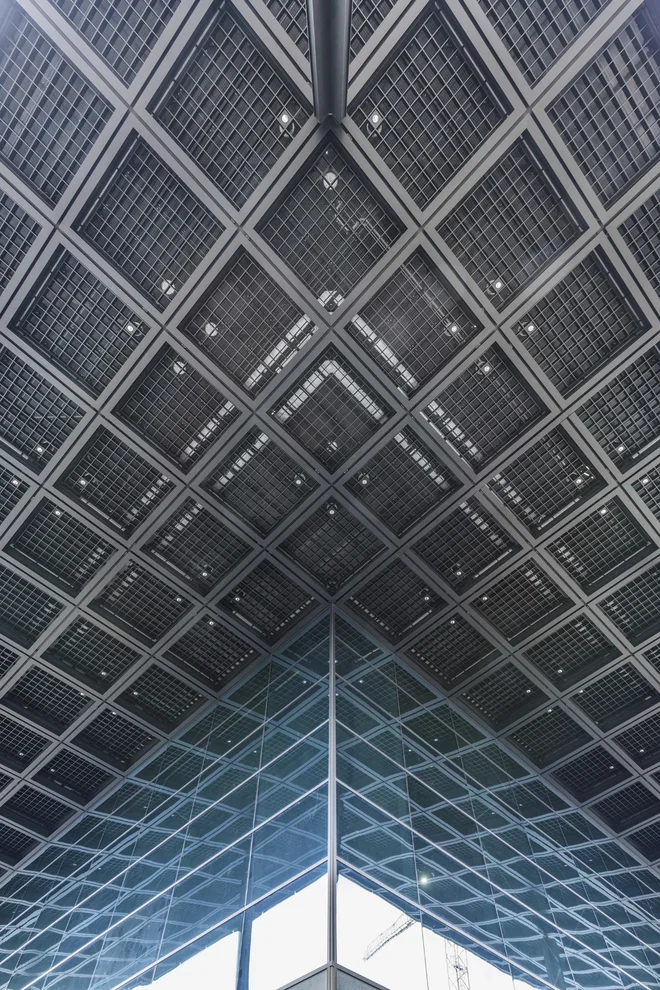
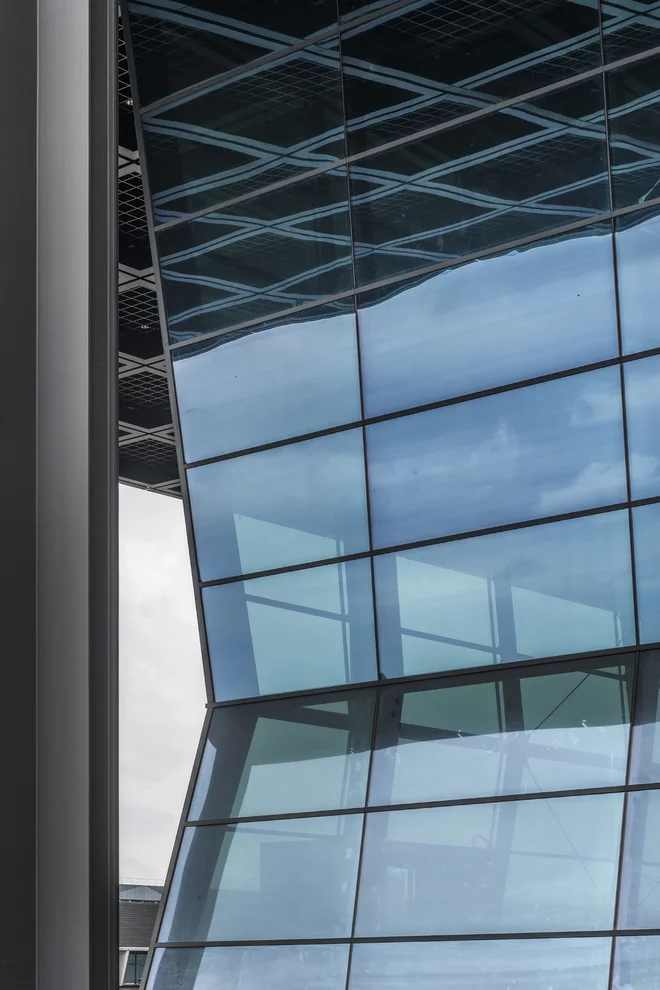
In the competition for Terminal 3 at Frankfurt Airport, Christoph Mäckler and his team won with comparatively restrained architecture that makes use of abundant daylight and high-quality materials. The identity is conveyed subtly through references to German modernist architecture, particularly Ludwig Mies van der Rohe’s Neue Nationalgalerie in Berlin. Mäckler references this in both the overall form of the reception building and in details such as the ceiling design. The new building therefore sees itself not only as a functional terminal, but also as an architectural entrée that reflects the country's culture.
Amsterdam Airport Schiphol takes a different approach to integrating national identity into terminal operations: since 2002, the Rijksmuseum has had a satellite location there with temporary exhibitions.
To mark the opening of the four-part “Moving Business by Design” talk series as part of World Design Capital 2026, the German Design Council and the IHK Frankfurt am Main are hosting a talk on the topic on 26 February 2026.
Speakers will include Christoph Mäckler, architect of Terminal 3; Kaweh Mansoori, Hessian Minister for Economic Affairs, Energy, Transport, Housing and Rural Areas; Stephanie Pudwitz, Chief Commercial Officer at Fraport AG; and Sibylle Schlaich, Managing Partner at Moniteurs and an expert in wayfinding systems and spatial user experience.

Terminal 3 at Frankfurt Airport: Design between infrastructure, identity and experience
26 February 2026
IHK Frankfurt am Main
Join the waiting list here