Architecture Icon Frank Gehry Has Died
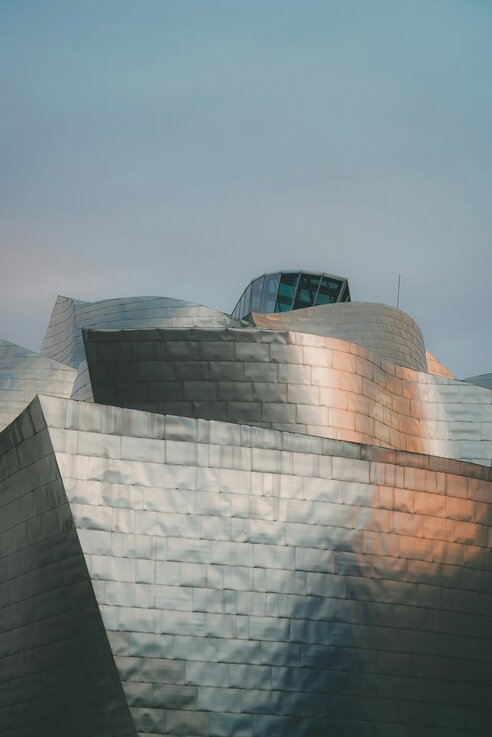
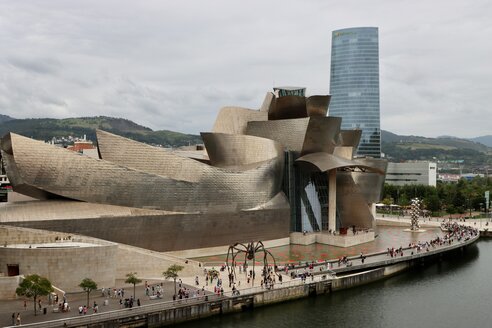
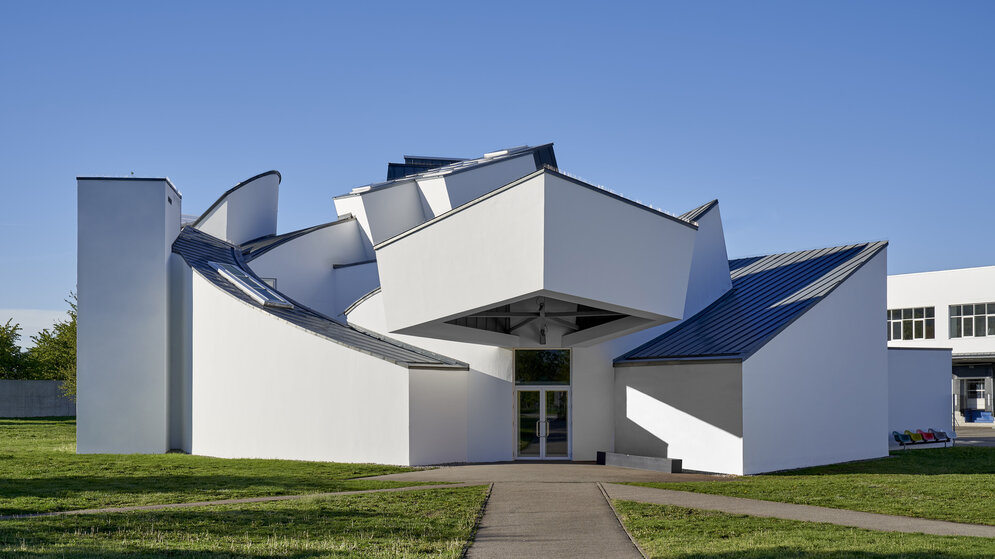
Gehry received wide international attention through the Guggenheim Museum in Bilbao, which opened in 1997. Its characteristic, titanium-clad forms made the city world-famous and contributed significantly to its cultural and tourist revival. The term Bilbao effect has since been used to describe the urban and economic momentum that arose from this museum building. As early as 1989, Gehry had realised the Vitra Design Museum in Weil am Rhein, a work that counts among his earliest and most important projects in Europe. The building, composed of geometric volumes and curved elements, is frequently described in specialist literature as exemplary of Gehry’s experimental phase in the late 1980s and marked his first construction project on the European continent.
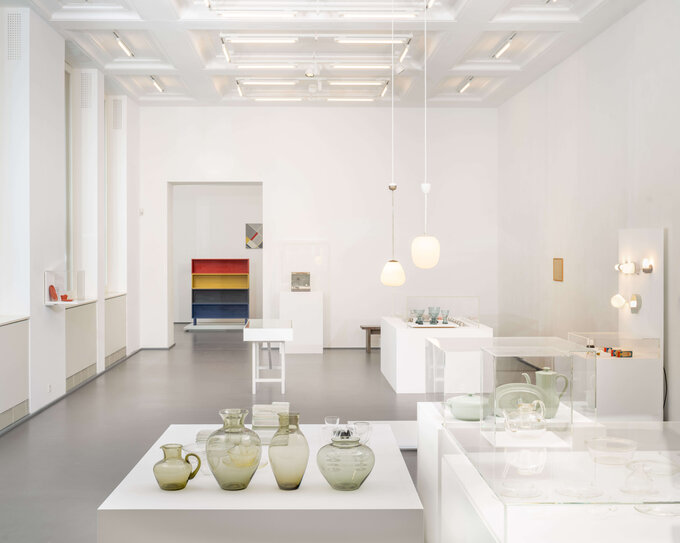
“When the Vitra Design Museum opened in 1989, it was like an UFO landed on the green lawn of a German suburb. It was Gehry’s first building in Europe and an architectural sensation. It made our museum famous overnight, even if we started with a small team and a small collection.”
Mateo Kries, director of the Vitra Design Museum
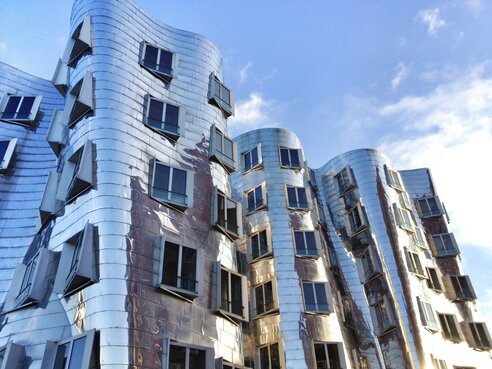
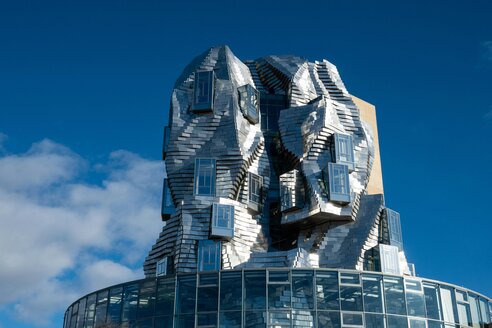
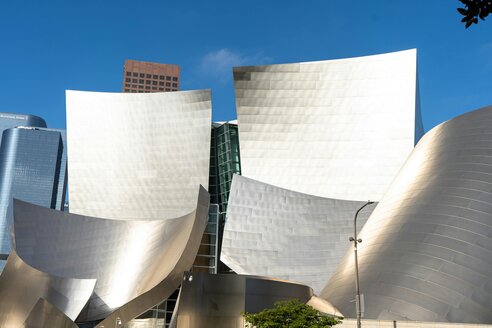
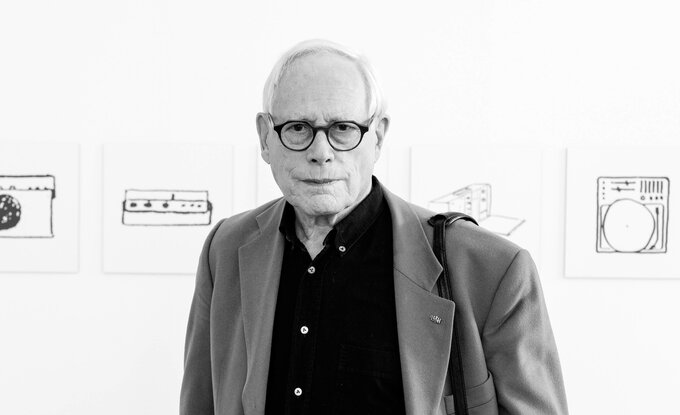
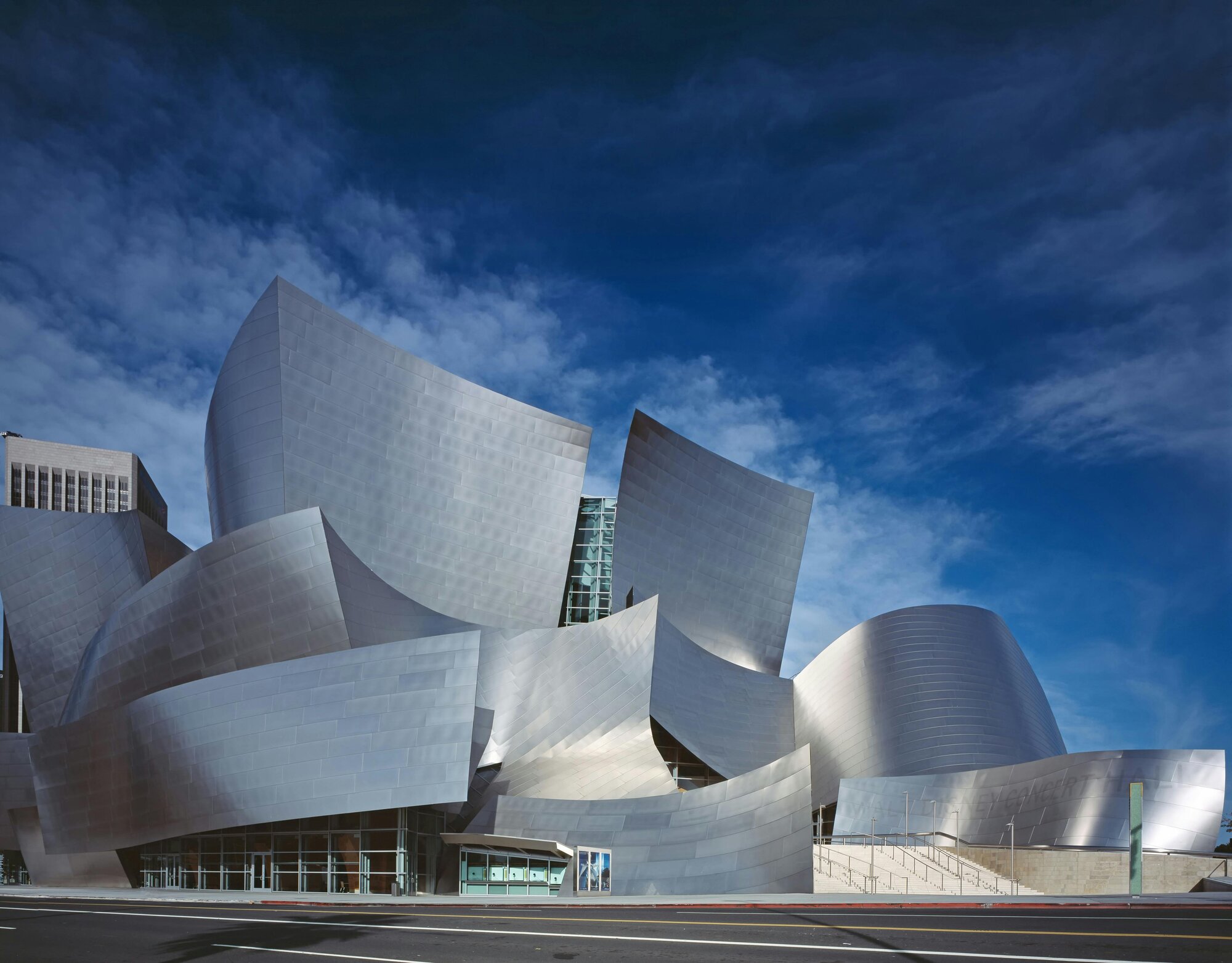
Among his other prominent works are the Walt Disney Concert Hall in Los Angeles, the Dancing House in Prague and the Fondation Louis Vuitton in Paris. These buildings received international attention and are regularly discussed in architectural scholarship. Frank Gehry was born in Toronto in 1929 as Frank Owen Goldberg. He grew up in Canada and later moved to the United States, where he studied architecture and, in 1962, founded his own practice. His working method was shaped by an engagement with materiality, form and spatial dynamics. Many of his designs are characterised by unconventional structures and complex constructions developed in collaboration with engineering teams. Gehry remained professionally active into old age and was involved in numerous projects. Over the course of his career, he received many awards, including the Pritzker Prize in 1989, one of the most prestigious honours in architecture worldwide. With his death, the international architecture community loses a formative figure. His buildings endure as visible testimonies to his extensive body of work and continue to influence research, debate and practice.