Better Together
Collaborative DNA
This shift is already evident in the names of many design studios. These days, studios are far less likely to be named after their founders. Nowadays, studios often opt for acronyms or abstract terms that encapsulate their design approach. This enables a studio to grow, evolve and integrate new members under the same name without being tied to a single individual.
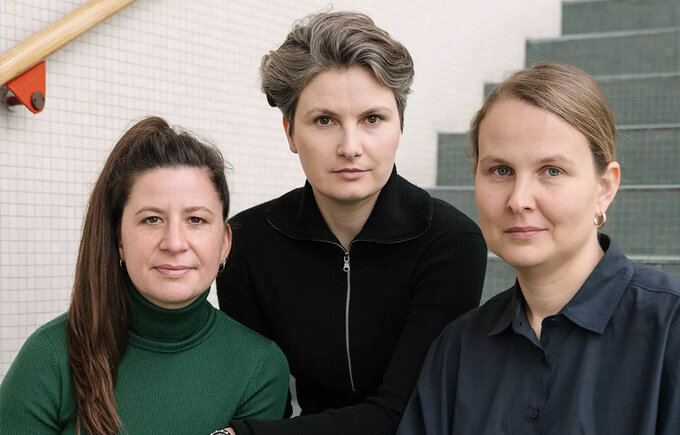
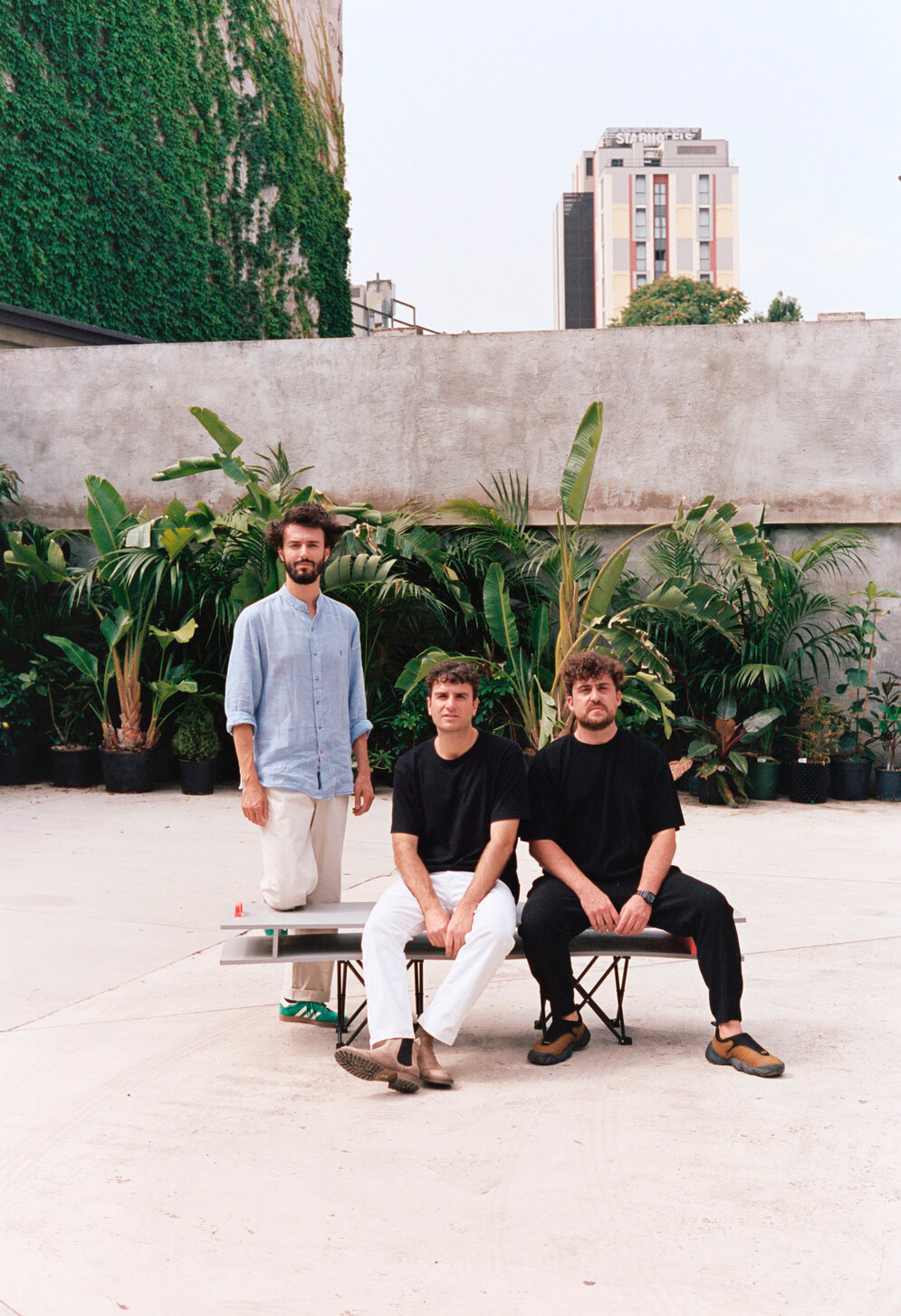
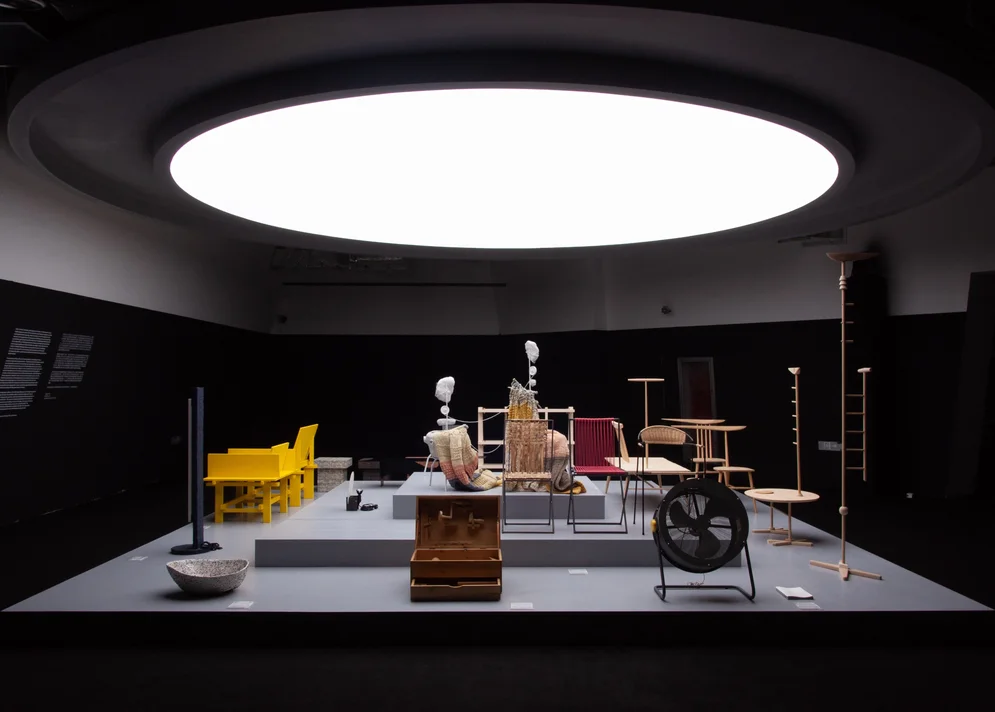
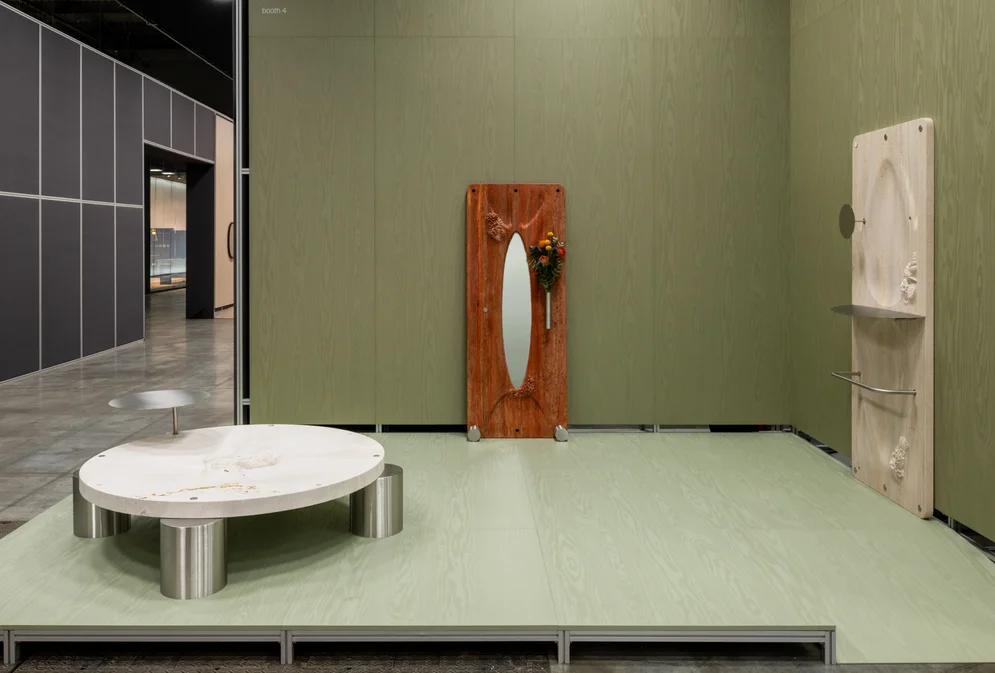
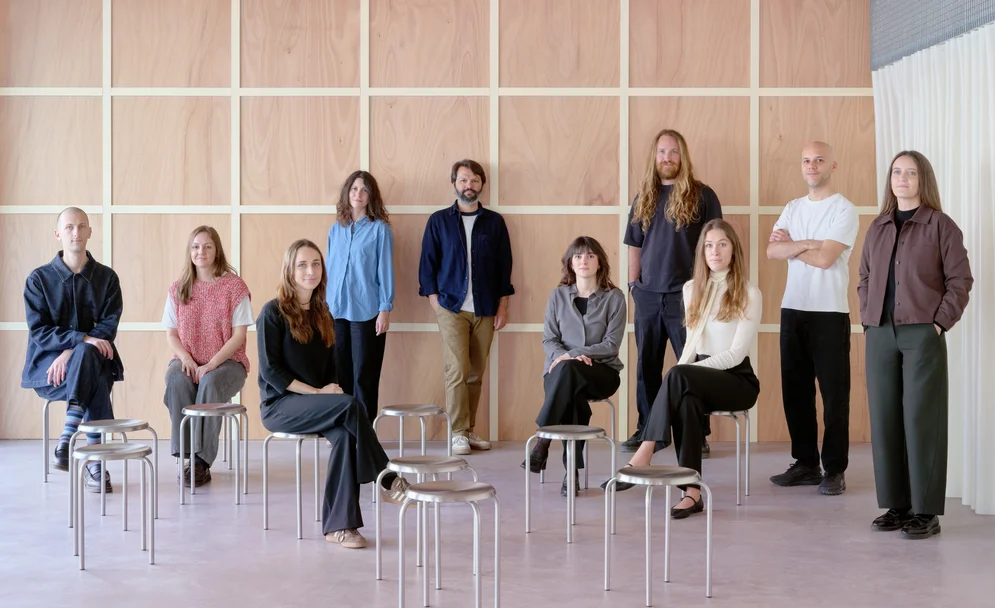
Behind the name 'Parasite 2.0', for example, is an interdisciplinary design studio based in Milan. Stefano Colombo, Eugenio Cosentino and Luca Marullo Viola founded it in 2010 with the aim of redefining their profession. Rather than focusing exclusively on designing buildings, they opted to work with open formats and experimental tools, analysing data on how spaces are used and developing possible future scenarios. Working in groups was something they were already accustomed to during their time at Milan’s Politecnico: “Even back then, we considered the idea of pursuing individual careers outdated.” They looked to architectural collectives that emerged in the 1960s and 1970s as role models, such as Team 10, as well as later groups like Archizoom, UFO and Archigram.
Trained to Be Team Players
Design schools are collaborative places by nature. Many projects would be difficult to manage alone, both in terms of organisation and technical aspects. Faculty boundaries can easily be pushed, and programmes offered as part of the wider curriculum encourage collaboration between different subjects. After graduating, some may initially yearn for the freedom and independence of a solo design career, while others continue to build on their collaborative foundations and networks, often setting up studios with former classmates.
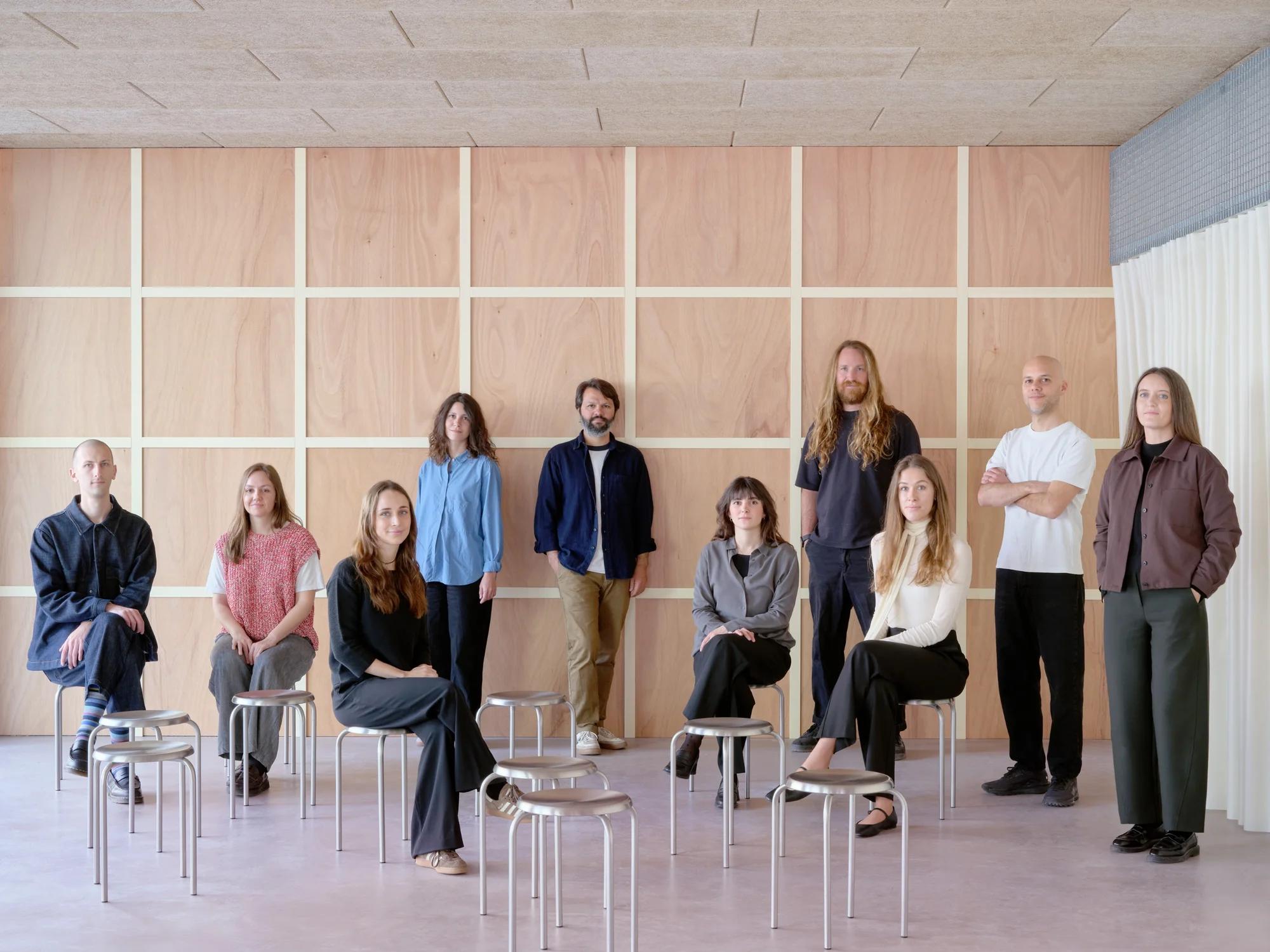
Colombo, Cosentino and Marullo Viola founded Parasite 2.0 while still at university. However, as the studio has grown from a flexible trio to a team of around ten in recent years, its working processes have had to be reorganised. "We still exchange ideas a lot, sit around a large table, and hold extensive brainstorming sessions where everyone contributes their skills and opinions to every project," says Marullo Viola.
A Greater Impact
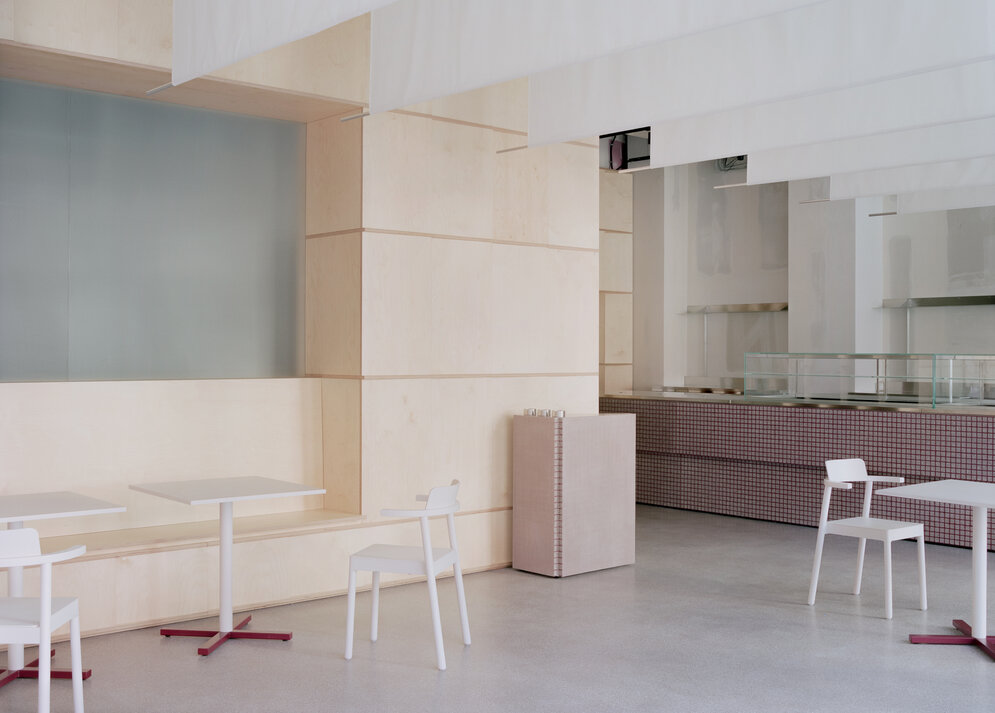
Studio Wok was founded in 2012 by Marcello Bondavalli, Nicola Brenna and Carlo Alberto Tagliabue. In recent years, the ten-person team has increasingly felt the desire to work on projects together with structural engineers, manufacturers and specialists, rather than simply commissioning them. This also helps expand their own knowledge. “We place great value on learning from the people who physically implement and build our designs,” says Nicola Brenna. The Milan-based Studio develops precise designs for restaurants, private homes and public institutions, and sees exchange as an added value from the very beginning of the design process: “Our daily collaboration extends to a broader network of external actors who orbit our studio like satellites.”
The younger generation has internalised the idea that greater things can be achieved by joining forces: “Many of us have realised that nurturing partnerships helps our entire generation of architects to grow and develop, while significantly strengthening our influence in terms of communication on an international level,” says Nicola Brenna of Studio Wok.
Competence? Communication!
The designers at Ten are also interested in what becomes possible when design is understood as a collective effort: “Different perspectives, experiences and areas of expertise do not simply add up; they challenge and transform one another.” This often leads to results that none of them would have arrived at alone.
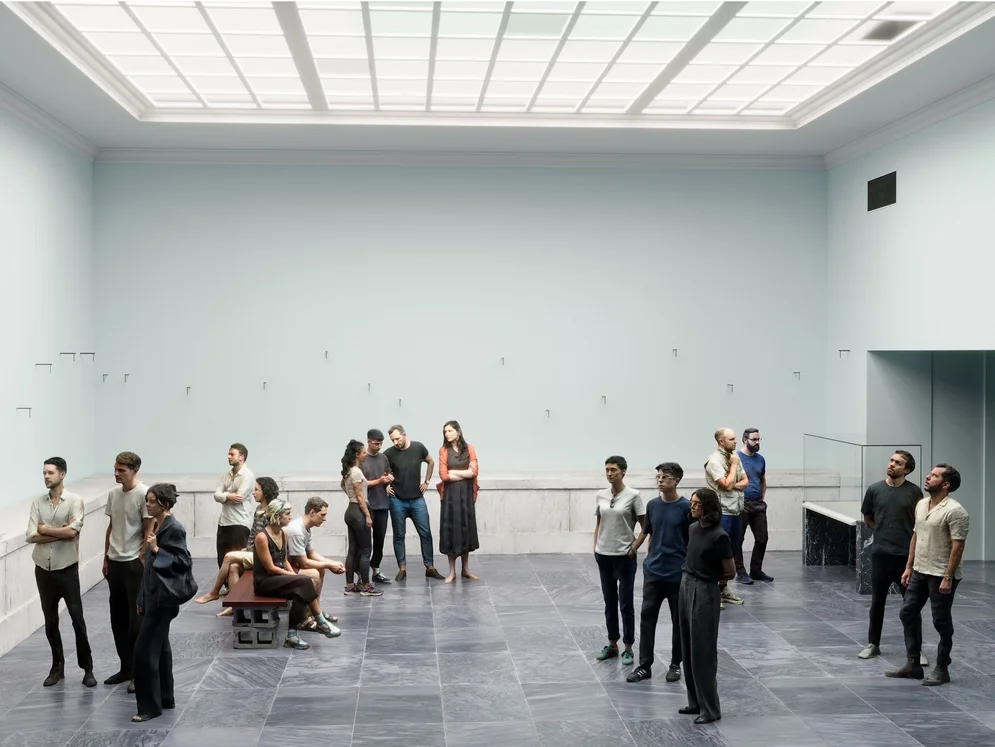
Ten, which was named “Creator of the Year” at the 2026 ICONIC Awards, was founded in 2015 by a group of architects as an association for architecture, design, and research. Today, it comprises an informal collective and an architecture practice with offices in Zurich and Belgrade. The organisation aims to conceive, research and implement ideas that define and expand new practices in the built environment. 'Our focus is on creating architecture within real socio-political conditions,' says Joel Zimmerli, who joined Ten in 2021. 'Working together also means learning directly and continuously from one another. To achieve this, we must articulate our ideas clearly, question our assumptions, and be open to changing direction.”
Collaboration takes different forms at Ten. 'Projects are generally developed by smaller teams, but we actively create opportunities for the work to be made accessible to the entire collective.' This can take the form of open studio sessions or targeted design sprints, in which people not directly involved in a project contribute new perspectives. Discussions do not take place behind closed doors here. Public Discord channels make decisions transparent and comprehensible to everyone.
Beyond Disciplines
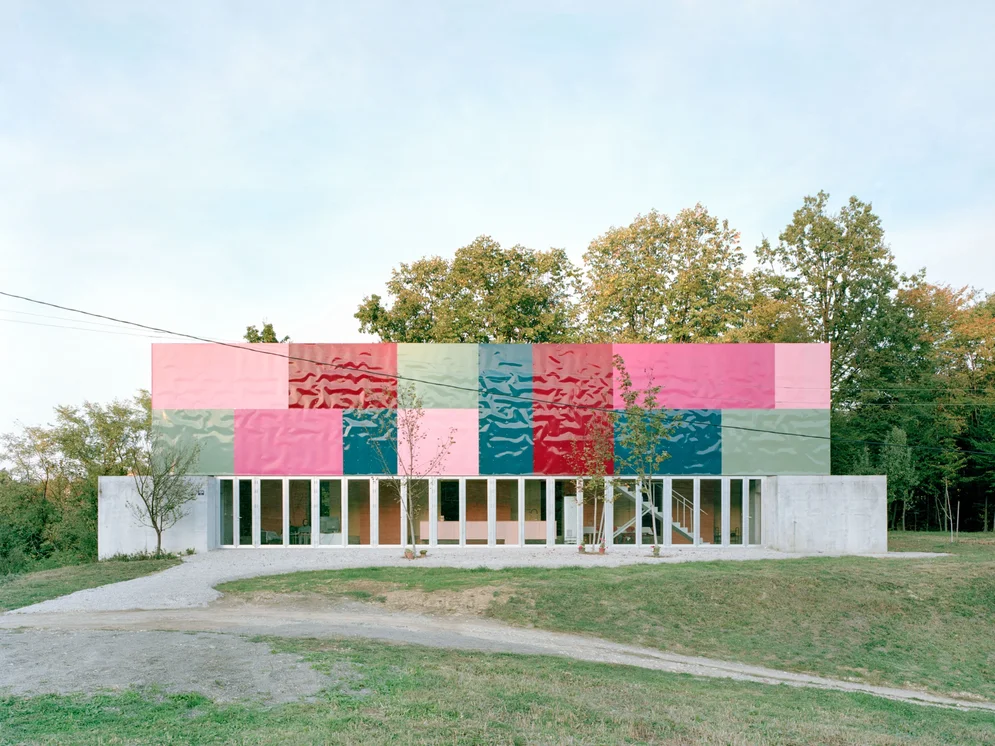
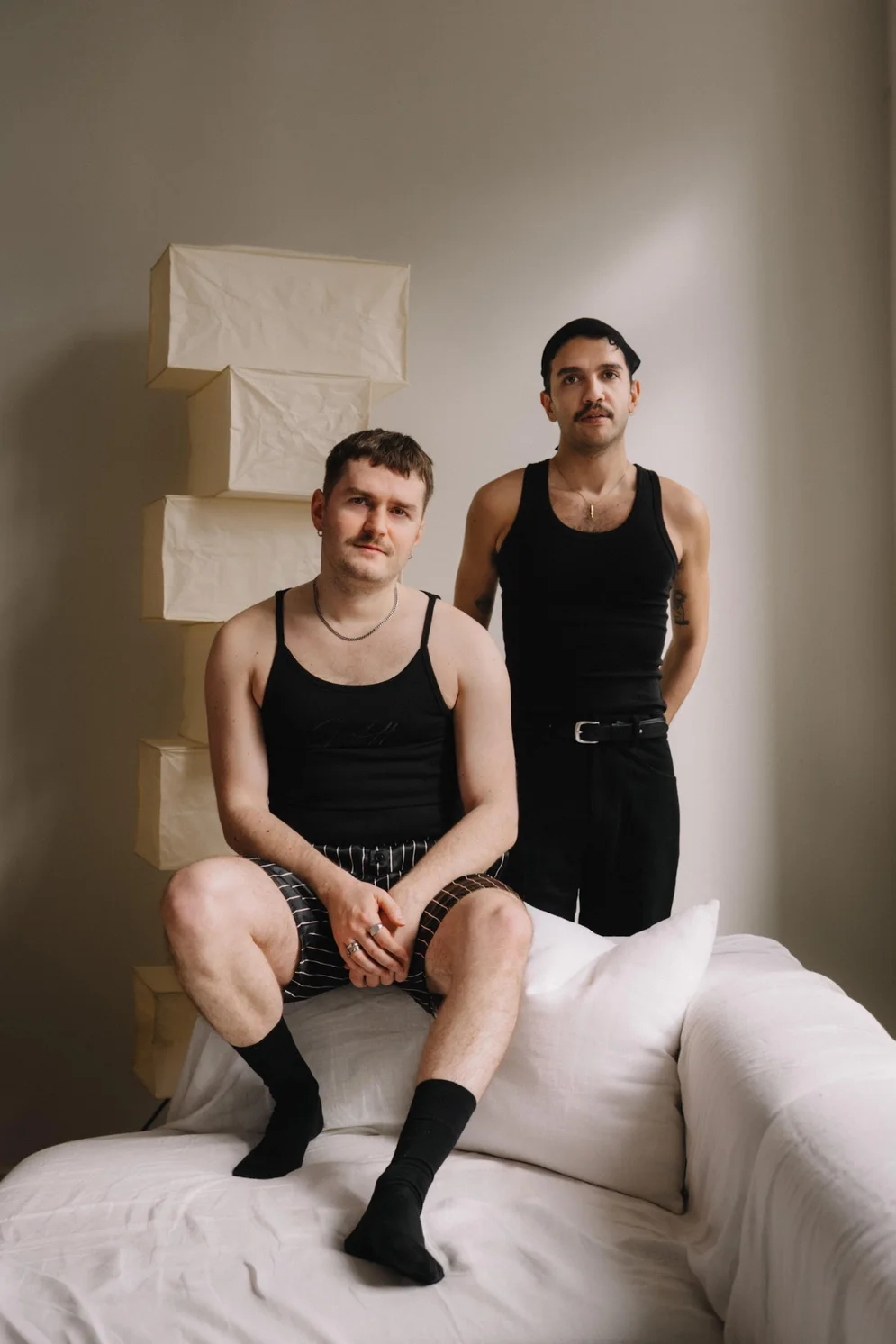
Berlin-based designers Serdar Ayvaz and Coşan Karadeniz founded Yont studio back in 2024. They work across interior and product design, focusing on acoustics and material experimentation. To them, collaboration has always been the most natural way of working, rather than a strategy. One of their first interior design projects was for the Berlin-based music label Seven, combining acoustic considerations with music culture and set design. The project also incorporated a network of service providers, manufacturers, artists and photographers.
This kind of collaborative work creates precisely these intersections between different practices and industries. “Sometimes we start by developing a shelving system, and then we move on to designing a sculptural sound object made from polystyrene with speaker developers, manufacturers and artists,” says Ayvaz. Different kinds of knowledge and varying conditions often lead to solutions that would not emerge from a single discipline.
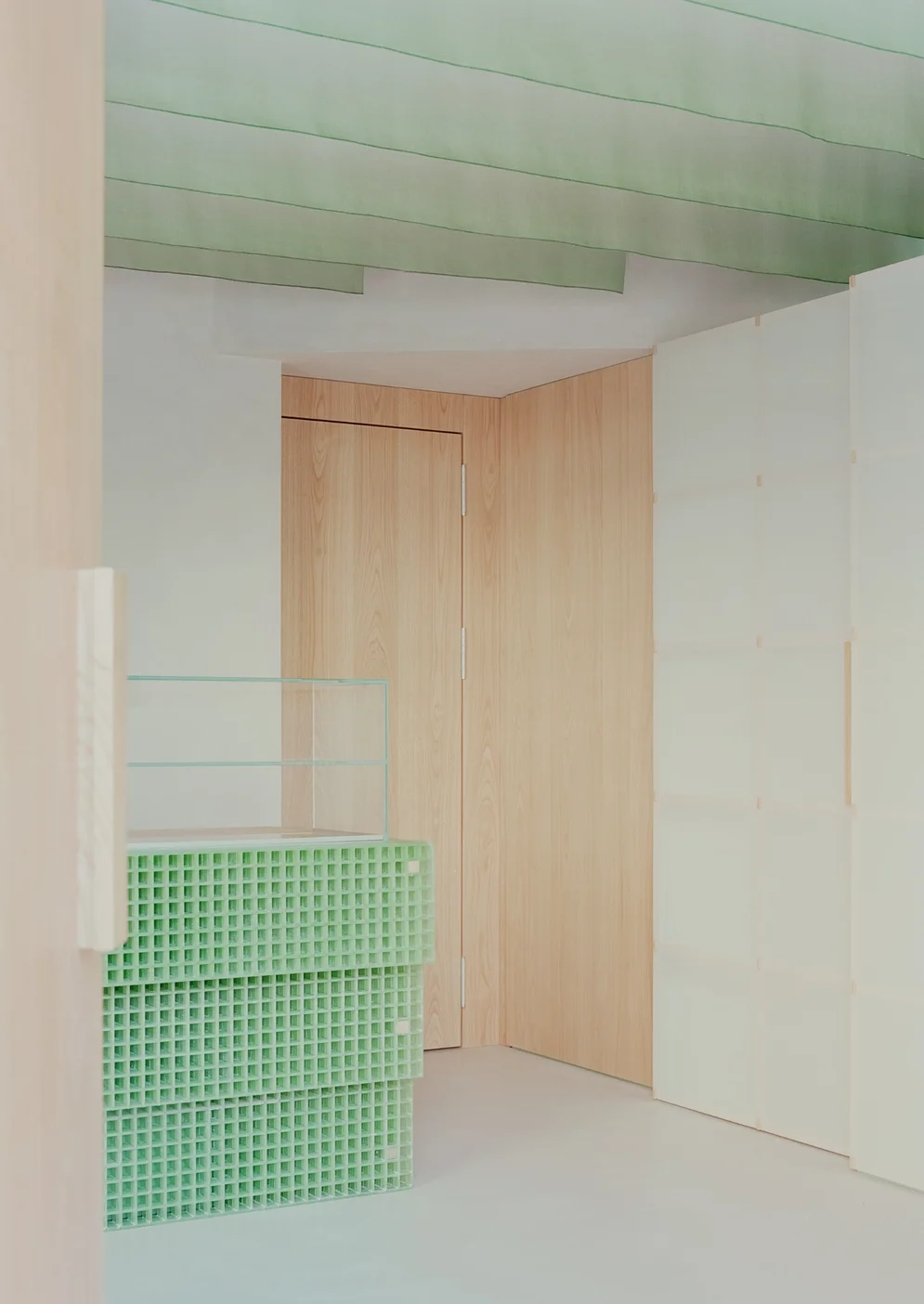
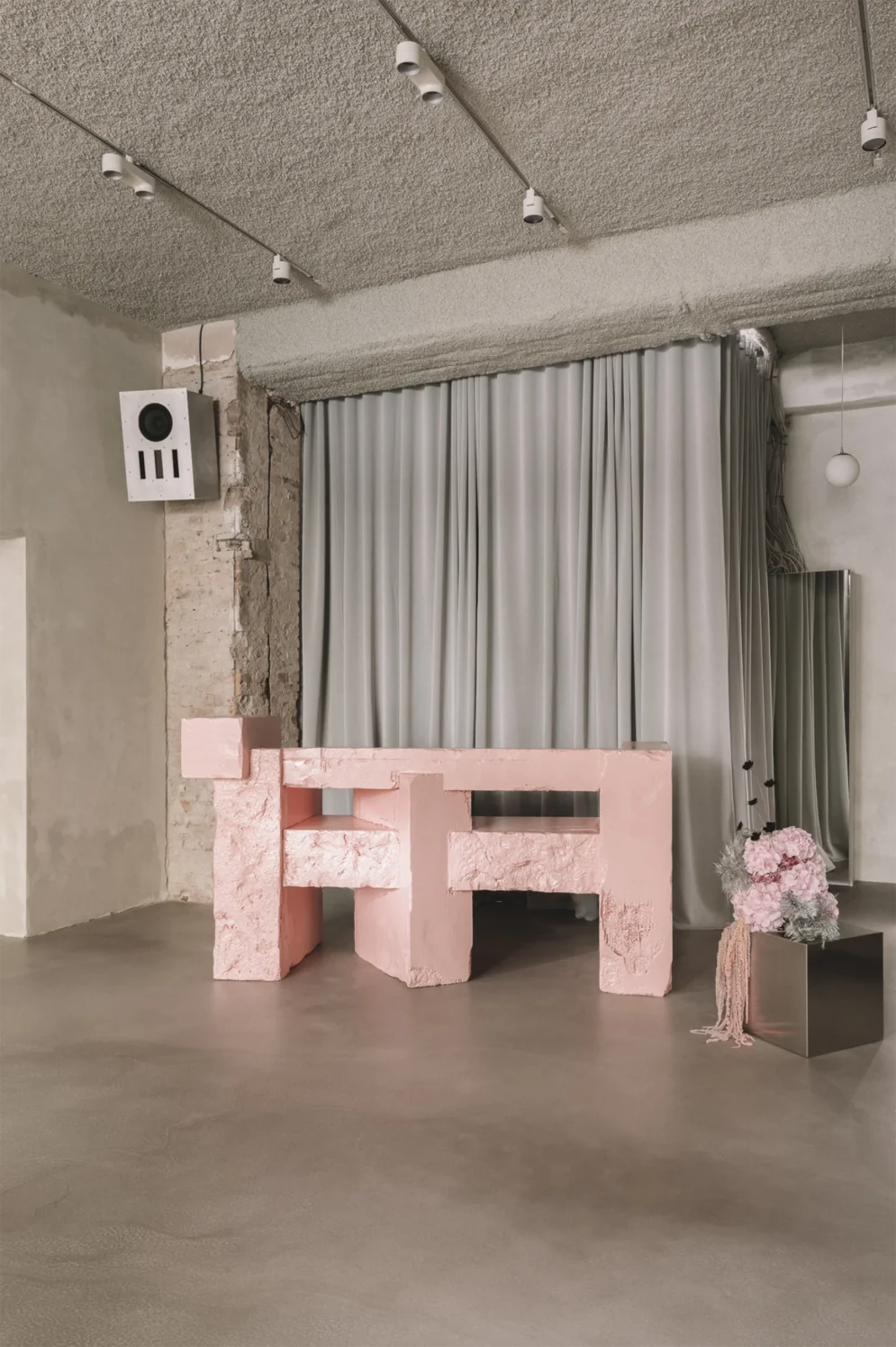
For Ayvaz and Karadeniz, collaborative projects are the logical consequence of their experimental approach to design, which currently focuses on sound and acoustics. The Berlin studio spaces they have recently worked on, which are dominated by a pink DJ booth, are a prime example of this collective experimentation. The Acosorb acoustic ceiling elements, which complement the partially exposed existing ceiling and reduce reverberation in this project, are likewise the outcome of interdisciplinary design.
Parasite 2.0 researched possible future scenarios in the hospitality sector for a private client. This collaboration enabled the studio to concentrate more closely on interior architecture, while also analysing complex economic and administrative data. This changed the way the studio understood its own role. On this project, the studio was able to focus more intensely on its core competence of interior design while simultaneously venturing into new areas such as data analysis.
It is no coincidence that all four practices take a research-based approach. Academic research is based on interdisciplinary collaboration. Ten advocates open research and design as dialogue, and have held a small teaching position at ETH Zurich since 2025. 'Research becomes much more interesting and valuable when it is shared with friends and respected colleagues,' notes Studio Wok. Luca Marullo Viola of Parasite 2.0 has also been teaching at the Design Academy Eindhoven for the past six years.
So perhaps the future of architecture does not begin in the studio of a genius, but at a long table where ideas are discussed, discarded, supplemented and developed further. Somewhere where ideas are discussed, discarded, supplemented and developed further. A close connection with education also encourages creative collaboration between generations. It builds bridges to the studios where tomorrow's designs are being created. Not an epic of the lone fighter, but plurality and diverse ideas continually being challenged anew.
More visibility, more opportunities – the new ICONIC AWARDS provide a stage for tomorrow's ideas and projects. They open up networking and business opportunities and pave the way to new markets. They are aimed at architects, interior designers, designers and companies who are shaping the future with visionary projects, innovative products and sustainable concepts.