Circular Approaches in Copenhagen
What happens to a product once it has reached the end of its useful life? This was a recurring theme at this year's 3daysofdesign in Copenhagen. Not in a preachy sort of way, though. Rather, it permeated showrooms, backyards, and factory halls, manifesting itself in the objects themselves. Examples include a lounge chair with no adhesives, lamps made from salt crystals, and furniture crafted from branches left over from street tree pruning.
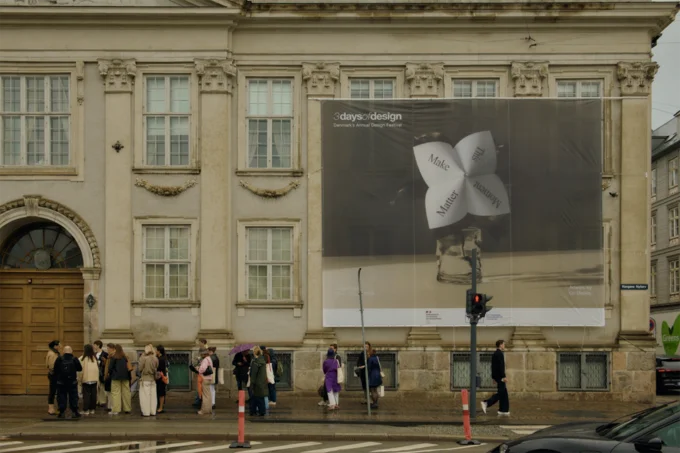
The theme of this year's event was 'Make This Moment Matter': “We invite people to reflect on the so-called ‘ripple effect’, or the impact their actions have on the environment and society as a whole,” explains Signe Byrdal Terenziani, founder and director of 3daysofdesign. ‘Those who take our theme seriously make conscious decisions about how they shape their living environment – with products that do not harm the environment, spaces that promote well-being, and places that create a sense of belonging.’
Sustainability as a Framework
What is particularly noteworthy is that sustainability is embedded within the structure of the festival itself. “To be accepted as exhibitors at 3daysofdesign, participants must demonstrate their commitment to sustainable practices,” says Terenziani. Rather than appearing as a peripheral theme, sustainability was reflected throughout the showcased projects in Copenhagen, in terms of materials, processes and products alike. Approaches ranged from the use of natural and bio-based materials and components to innovative production methods and reduction, reuse and urban mining strategies.
Disassembly and Alternatives to Foam
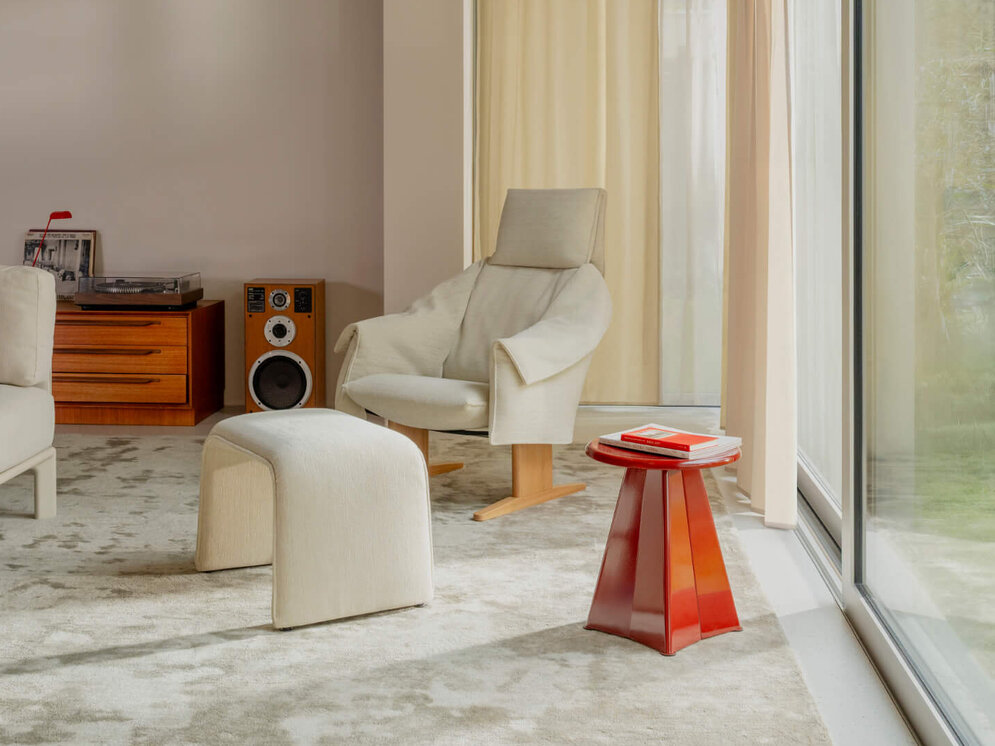
“A future-proof armchair treats its materials honestly. When it comes to upholstered furniture, it's important to question the use of conventional materials such as PU foam and permanently bonded components, and instead opt for sustainable, recyclable solutions whose elements can easily be separated and returned to a circular system,” explain Lisa Ertel and Anne-Sophie Oberkrome of Berlin-based Studio Œ.
They developed a new lounge chair for Vitra, which was unveiled in Copenhagen. Inspired by the cocooning comfort of a jacket, ‘Bascule’ combines an innovative mechanism with a circular design. The chair requires no adhesives, relying instead on separable, repairable and replaceable components with a high proportion of recycled material. The cover is removable, and the cushions are made from recycled fibres or the recyclable PU foam V-Foam.
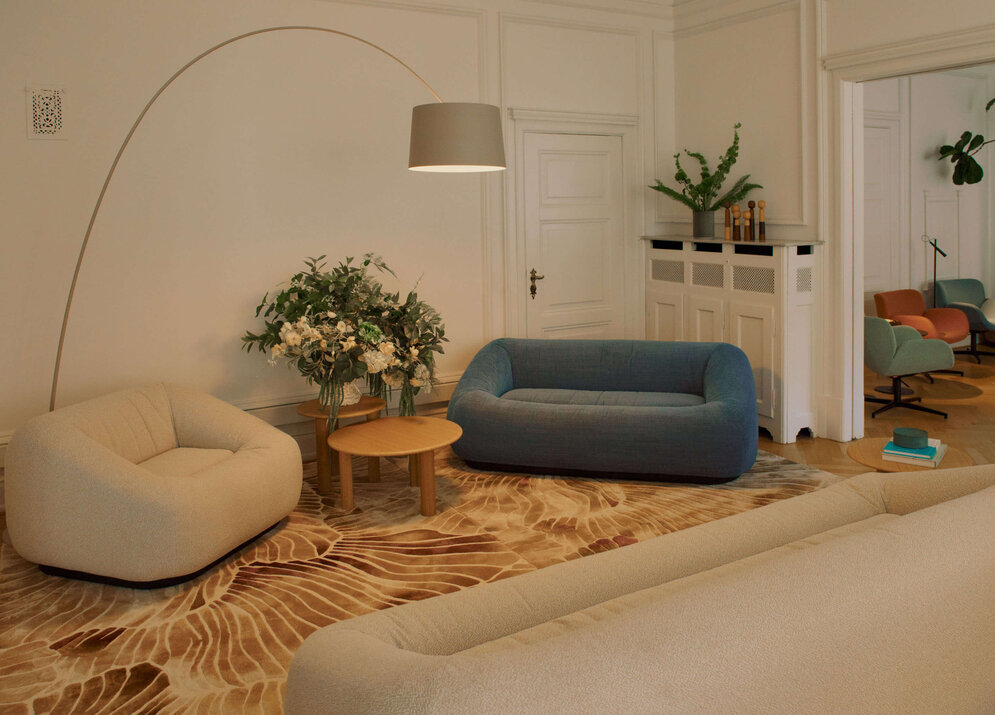
The new “Aom” seating range by Jean-Marie Massaud for Arper also follows this approach: minimalist, lightweight, mechanically separable and designed using recyclable materials such as Breathair or V-Foam.
Nomadic Knowledge
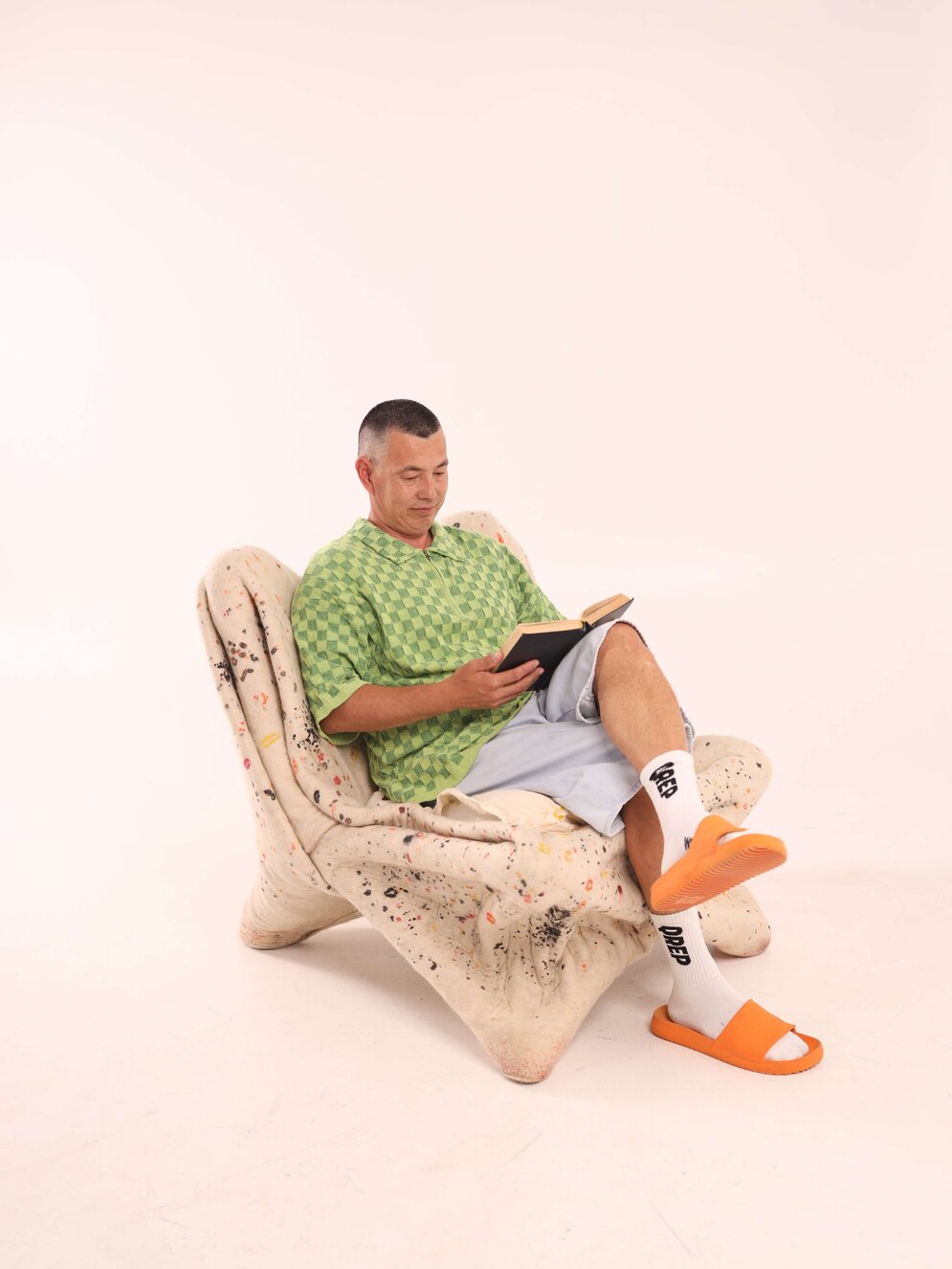
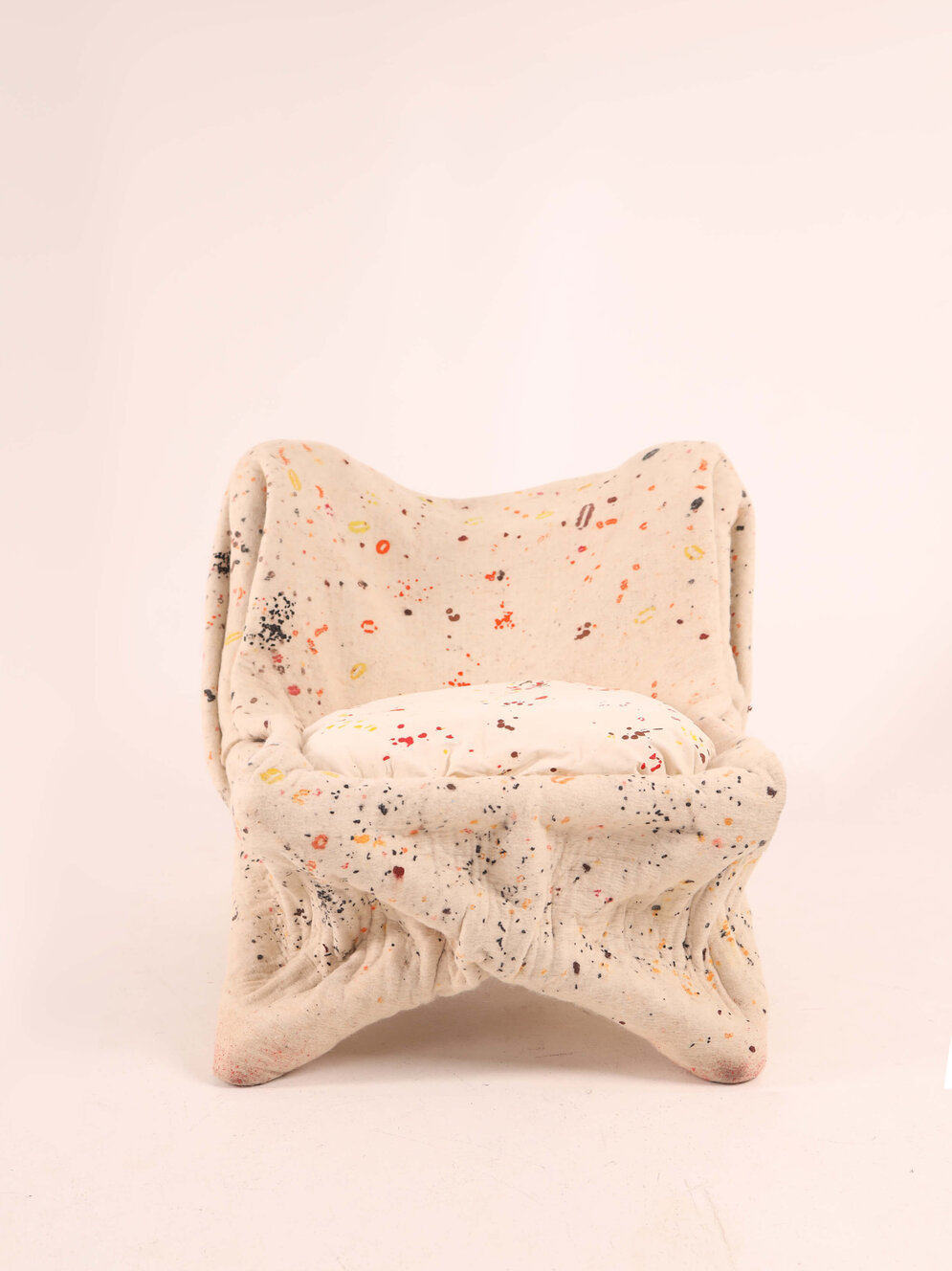
The „10 Nodes Chair" by Kazakh designer Daniyar Uderbekov translates these principles into a minimal structure consisting of just ten connection points. Its frame is made from reclaimed wooden garden tools, while the upholstery is crafted from hand-felted sheep’s wool. Through the use of felt, Uderbekov deliberately references nomadic building traditions, where durability, repairability and climate adaptation have long been taken for granted.
Timber and Reuse
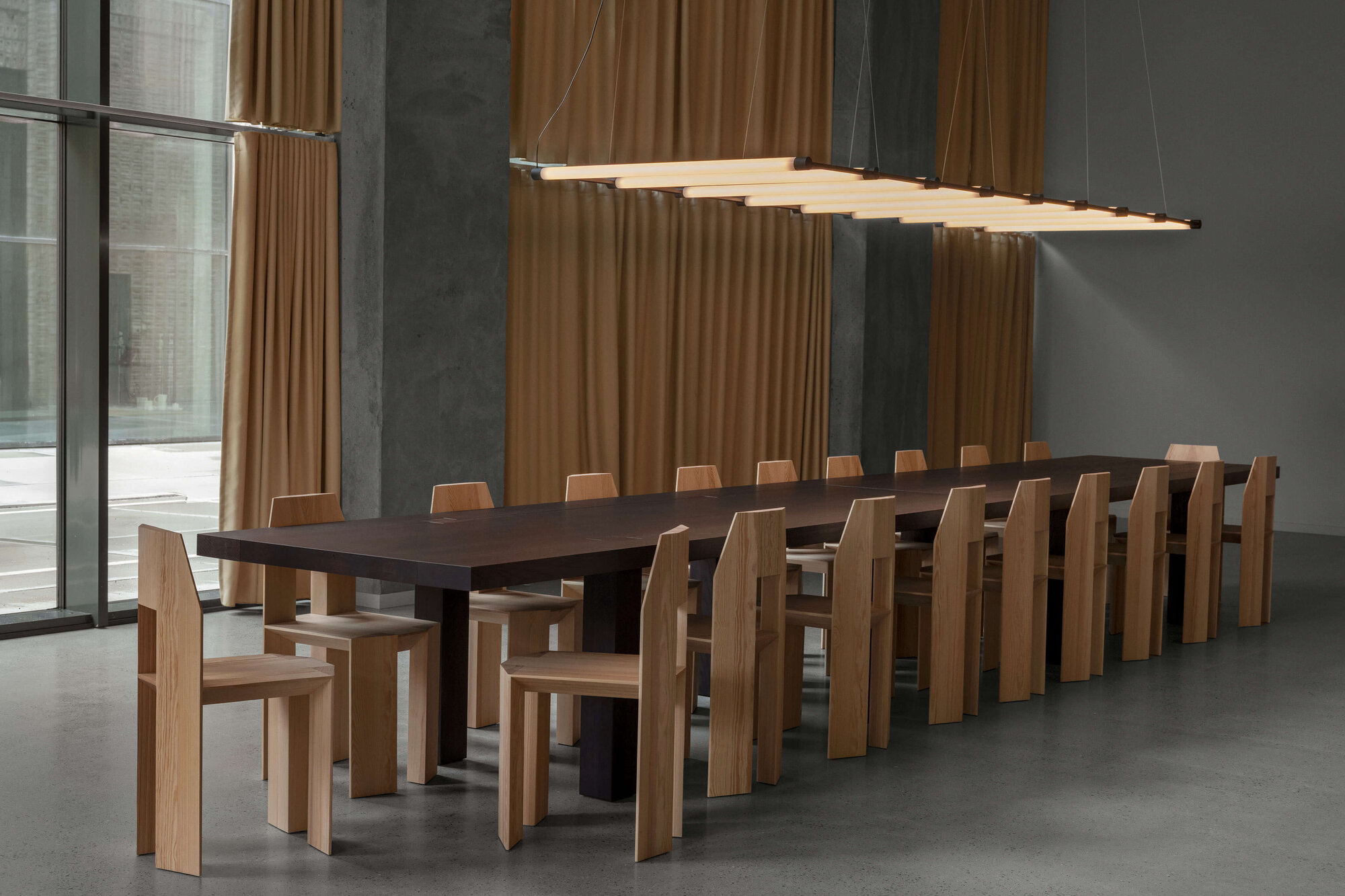
The brand Hem marked the debut of ‘Min Chair’ by Max Lamb, a new chair made from solid pine that is defined by reduction, functionality and material honesty. Although adhesives prevent complete material separation, the chair can still enter timber recycling streams at the end of its life and be processed into MDF or other engineered wood products. Its solid-wood construction also makes it well suited to reuse, repair and repurposing. Components can be refinished, adapted or upcycled, extending the chair’s lifespan.
Another example of thoughtful wood use is the 'Uneri' collection by Japanese studio Sotanaka. The furniture legs are made from branches left over from Tokyo street tree maintenance, as well as deadwood from local parks. The twisted, gnarled textures of the wood contrast with the precisely crafted seats, demonstrating how a material that was previously mostly regarded as waste can be put to good use.
Material Development and Applications
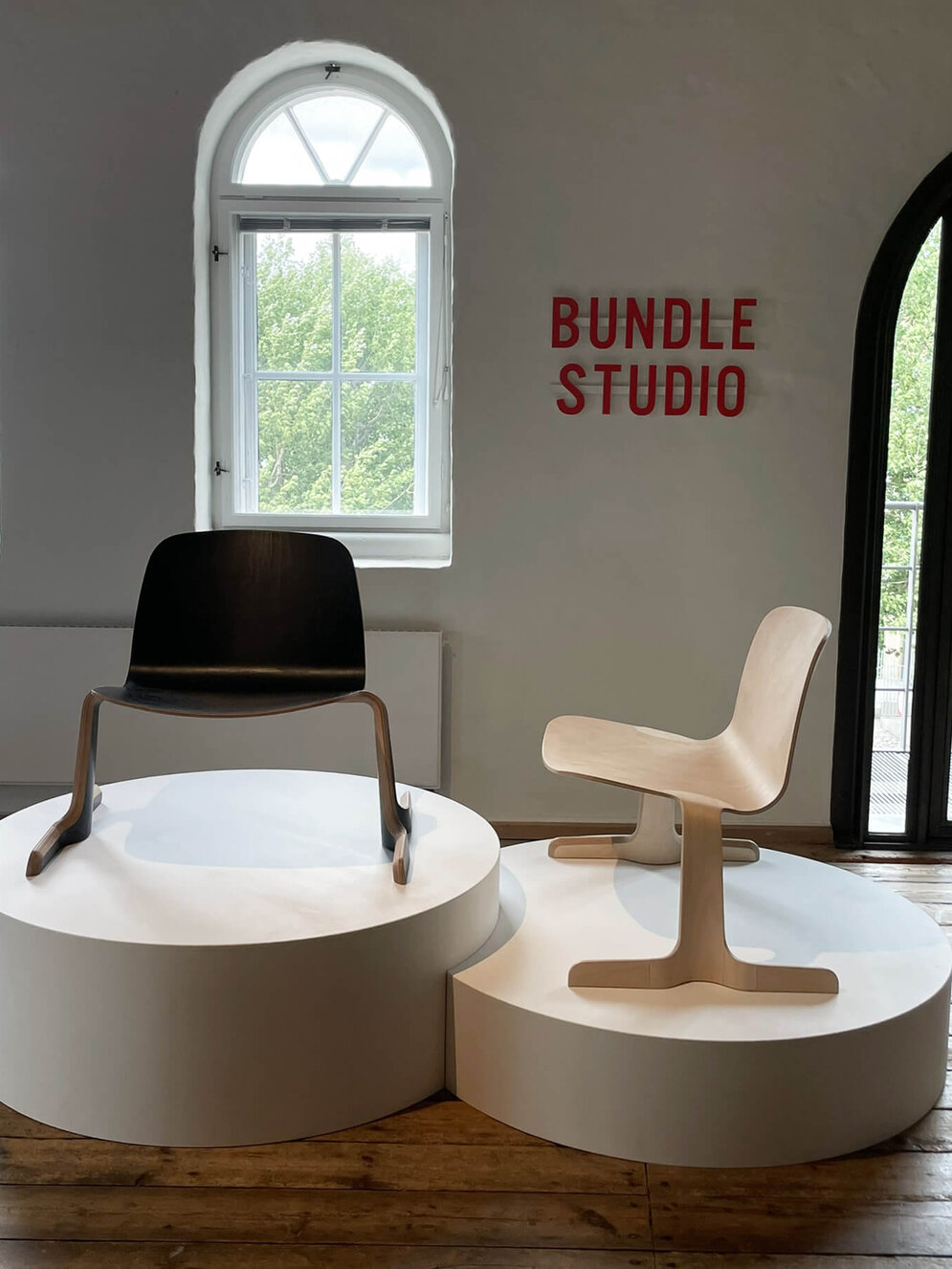
The platform Material Matters brought together 19 international exhibitors with a focus on material expertise, sustainability, craftsmanship and innovation. Copenhagen-based Bundle Studio presented the lounge chair ‘Jacana’, developed in collaboration with Stora Enso. At its core is NeoLigno®, a bio-based, formaldehyde-free binder derived from lignin, a by-product of the pulp and paper industry. Unlike conventional adhesives, it is dark brown rather than transparent. What might normally be considered a disadvantage becomes a deliberate design feature here. The adhesive joints remain visible, articulating and structuring the layered timber construction.
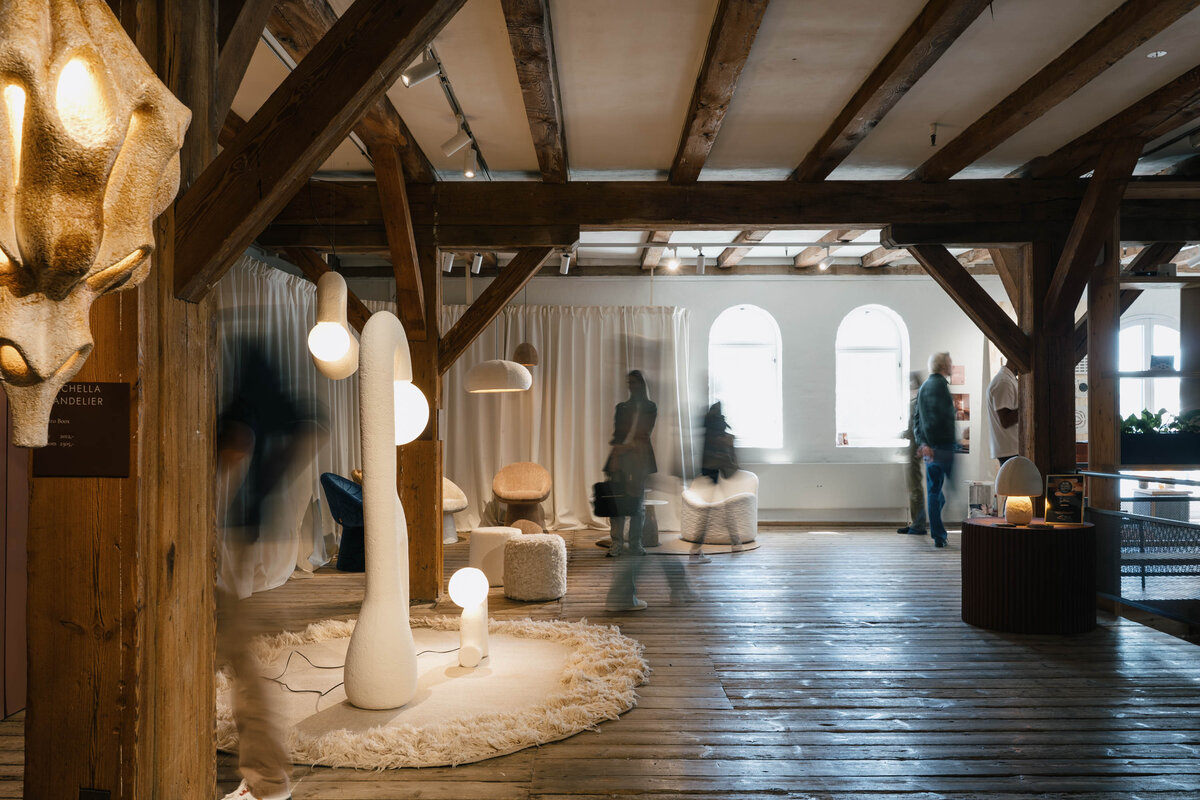
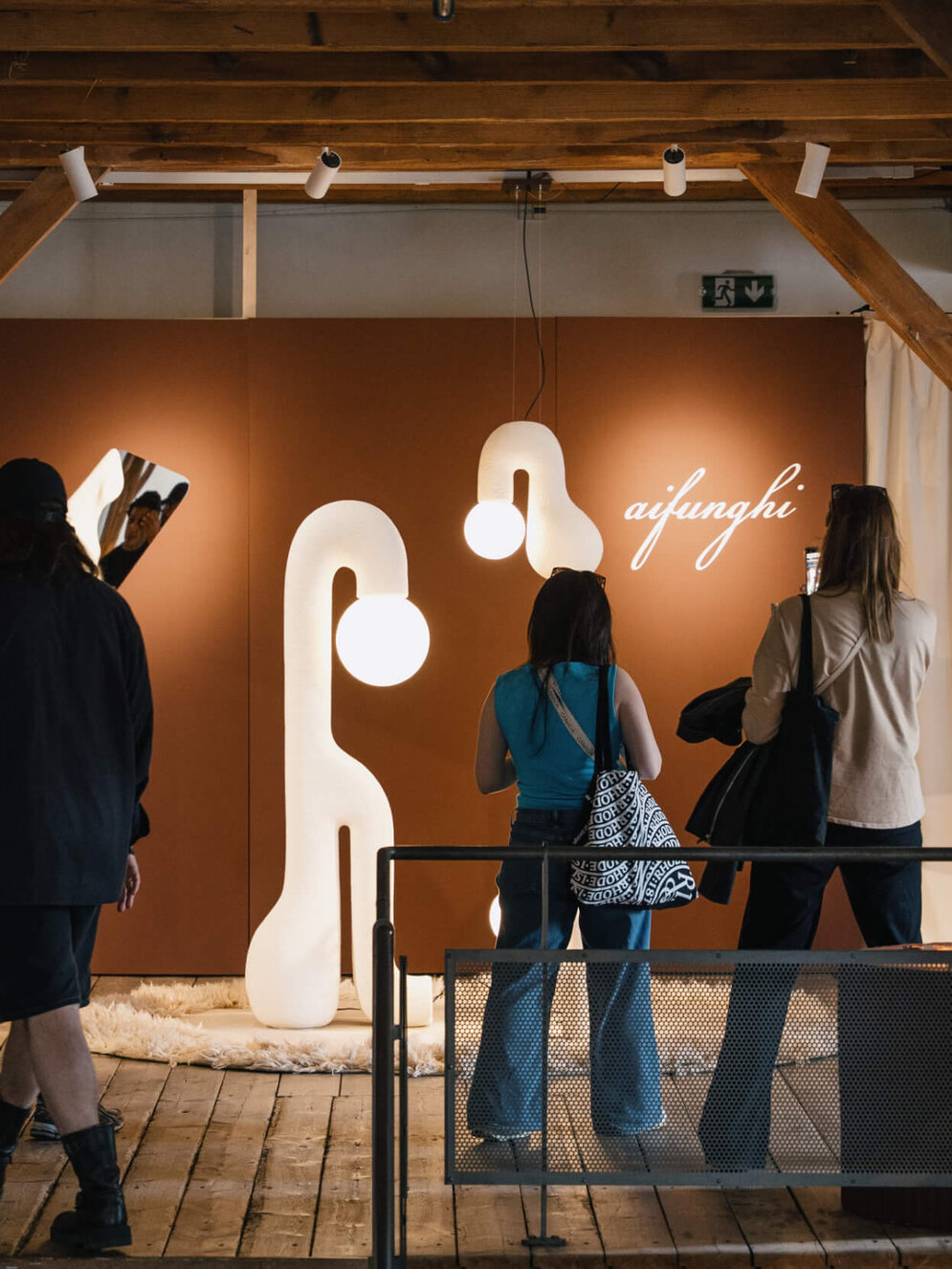
Another example came from the Dutch brand Aifunghi, which explores the possibilities of mycelium-based composites (MBC). In collaboration with designers Vito Boox and Elisa Uberti, the company created a series of furniture and lighting objects that are both sculptural and visually striking.
Circular Boards
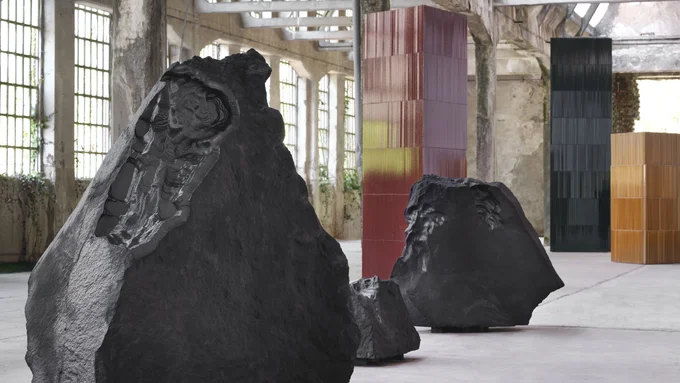
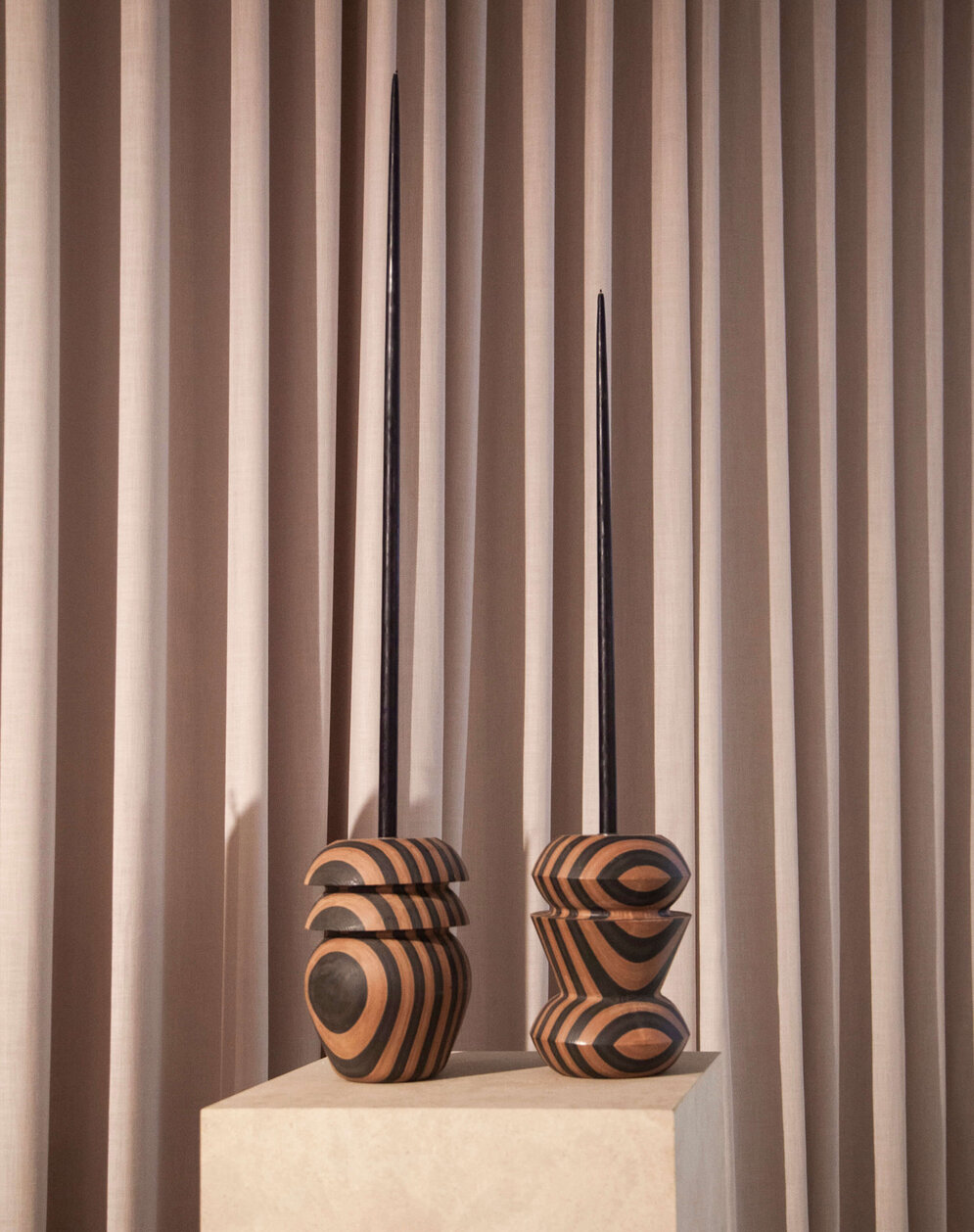
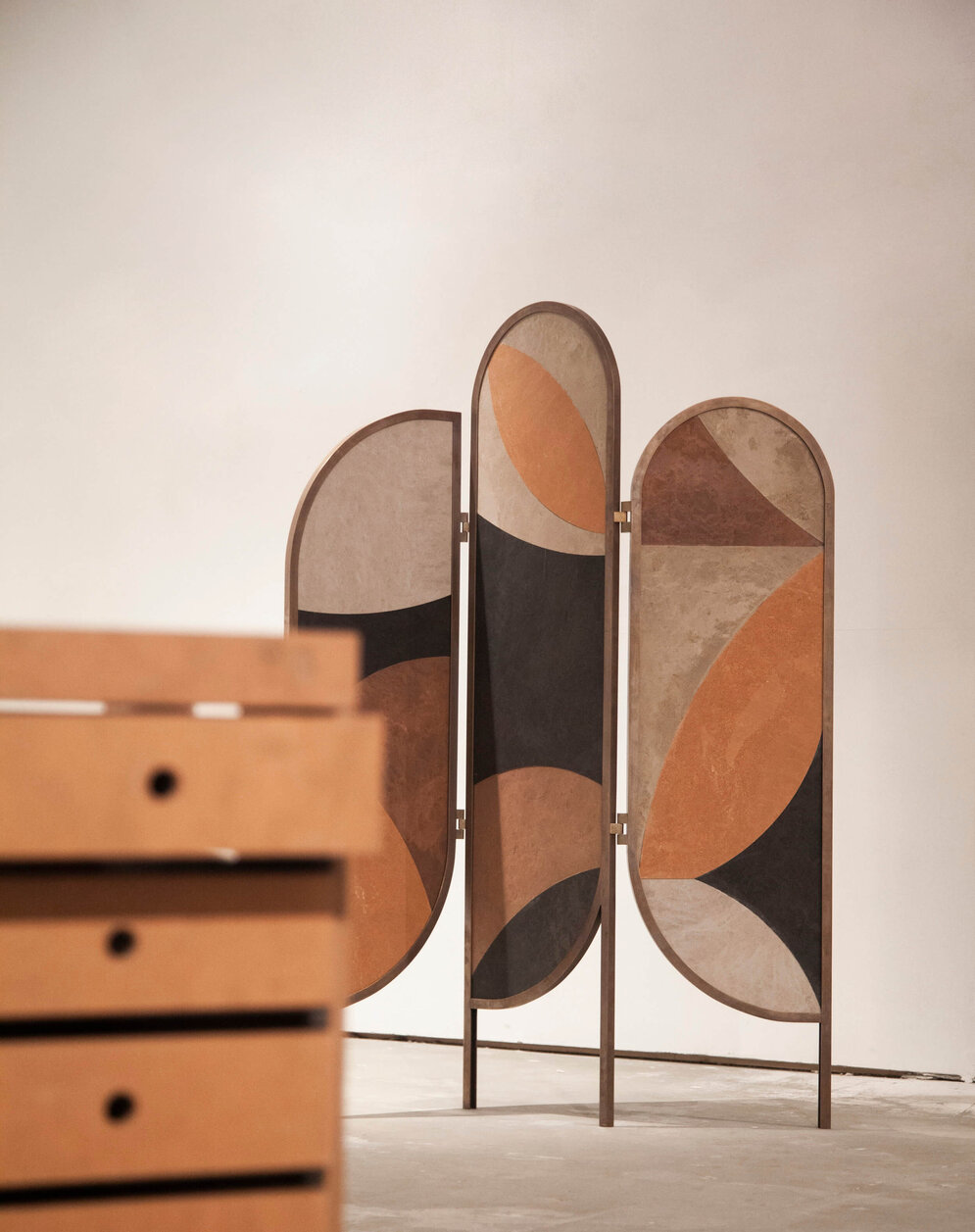
The exhibition Materia x Mater 2026 – a project by Danish design company Mater, curated by Edition Solenne and Tableau – introduced Matek™, a new circular composite material made from waste streams including coffee husks, sawdust and recycled plastic. Developed for industrial furniture production, the dense sheet material was interpreted by nine international designers. The resulting furniture, sculptures and objects explored how this circular material might support a wide range of future design expressions.
Materials from Waste Streams
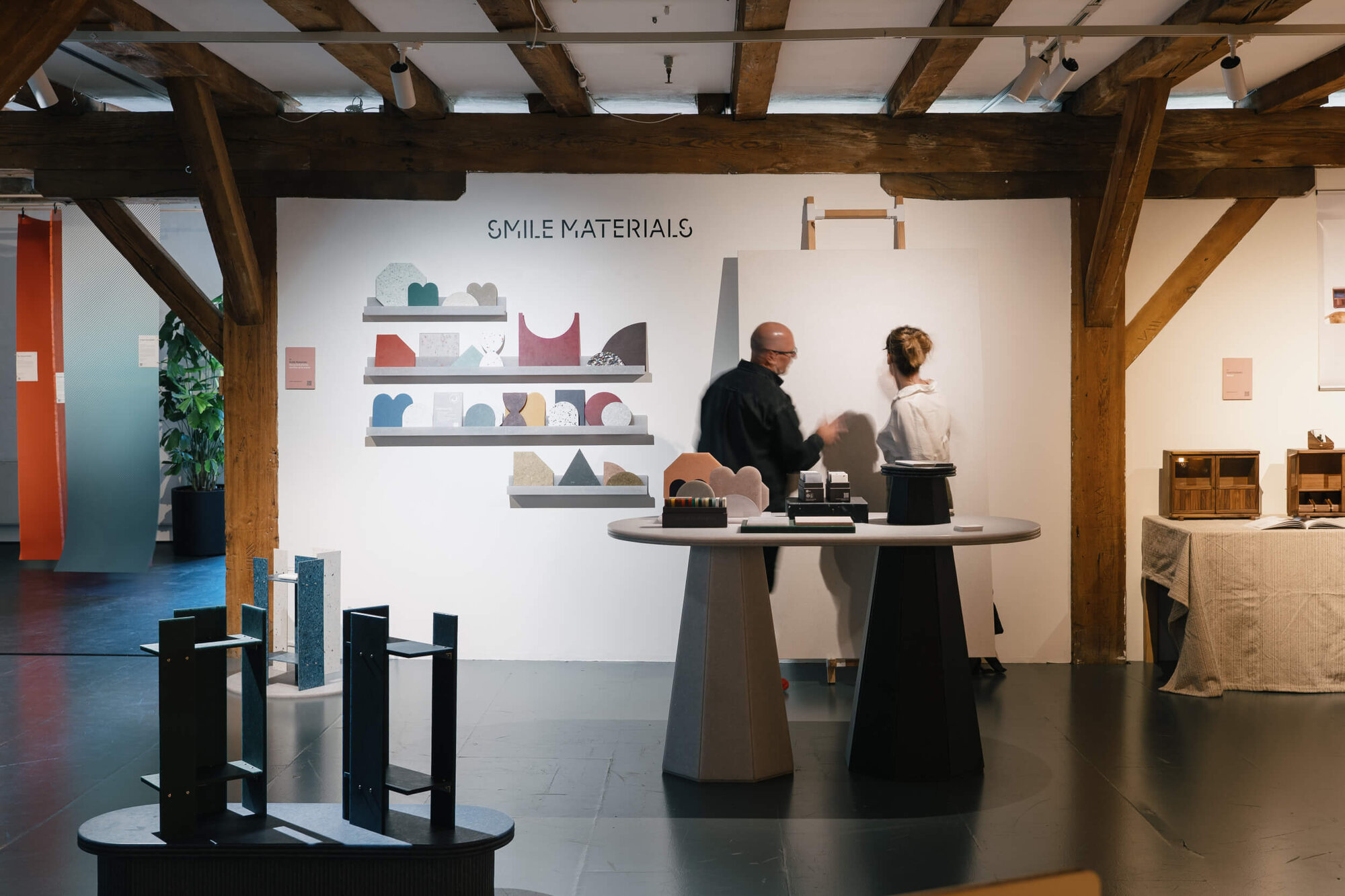
Smile Materials also transforms industrial waste streams into surfaces suitable for architecture and interiors. The company introduced the world’s first solid-surface material made entirely from recycled content and fully recyclable at the end of its use. Following its rebranding from Smile Plastics to Smile Materials, the company has broadened its focus. “We are opening up to a wider spectrum of expressive, design-led materials rooted in circular economy principles. Designers today are looking for surfaces that not only perform well but also tell a story – and that is precisely what Smile Materials offers,” says Rosalie McMillan, co-founder and Creative Director of Smile Materials.
An In-House Process
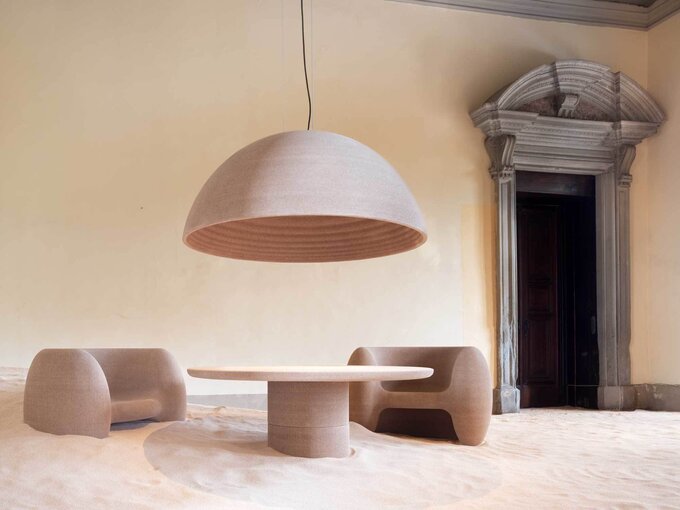
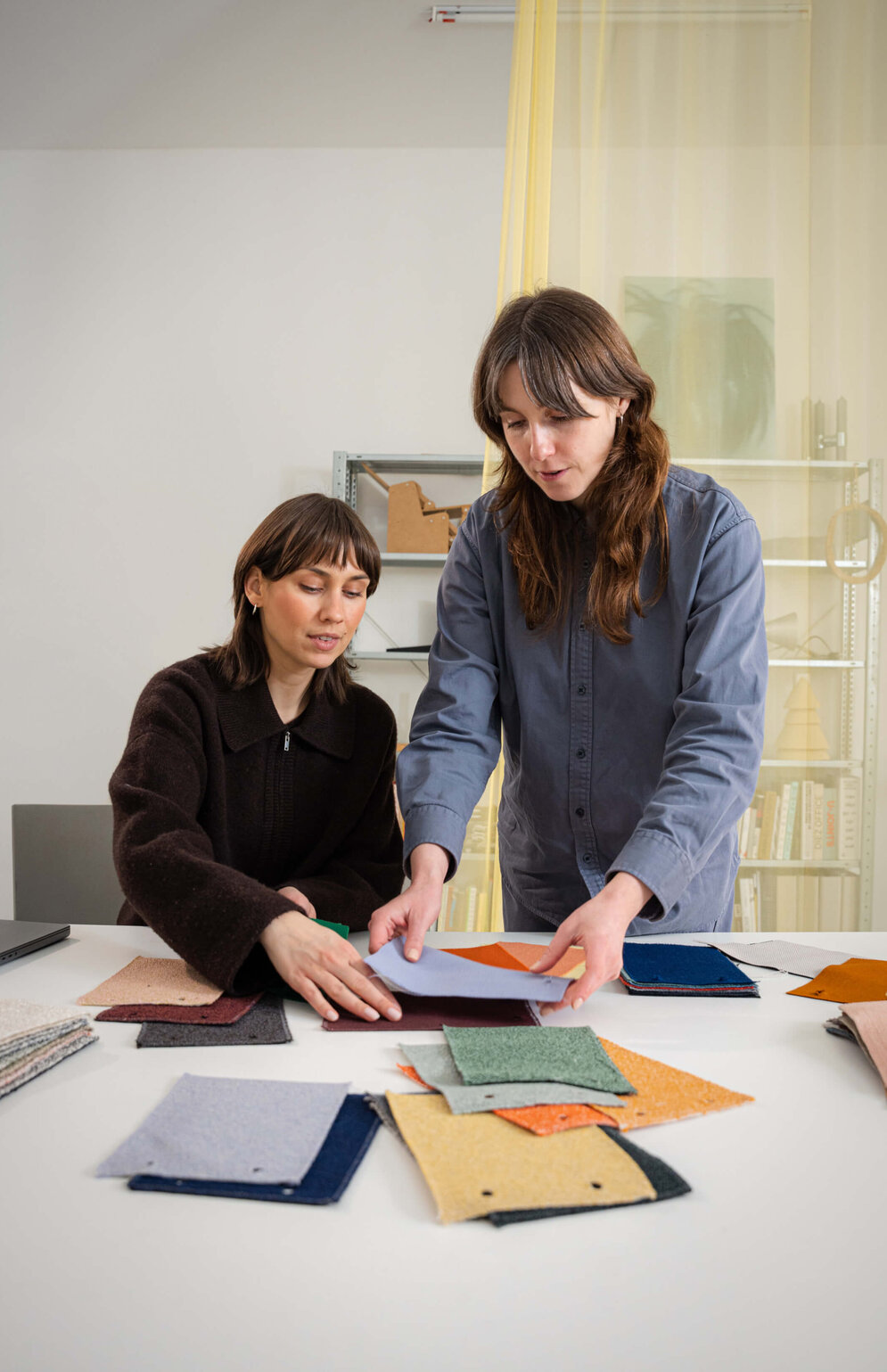
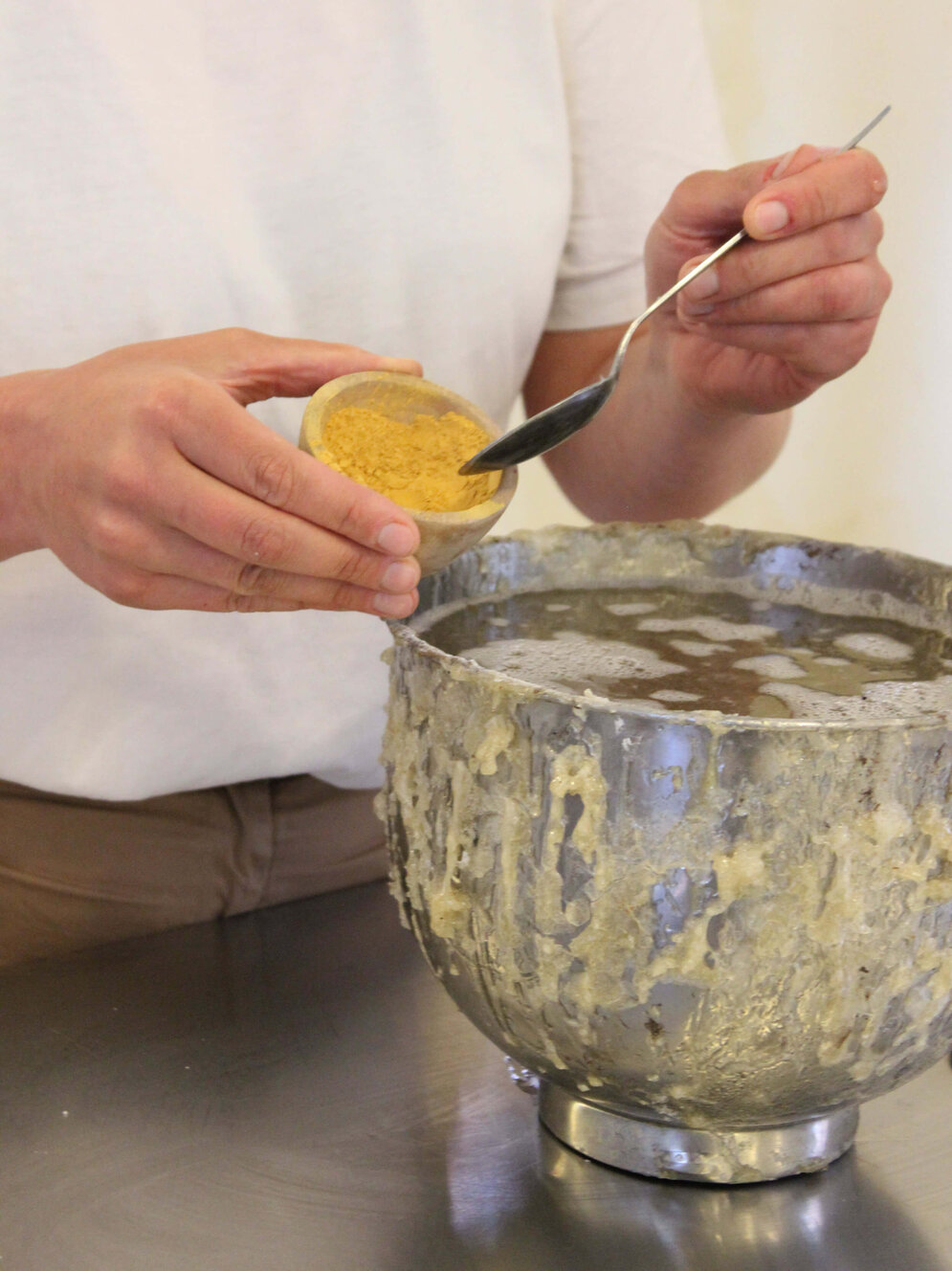
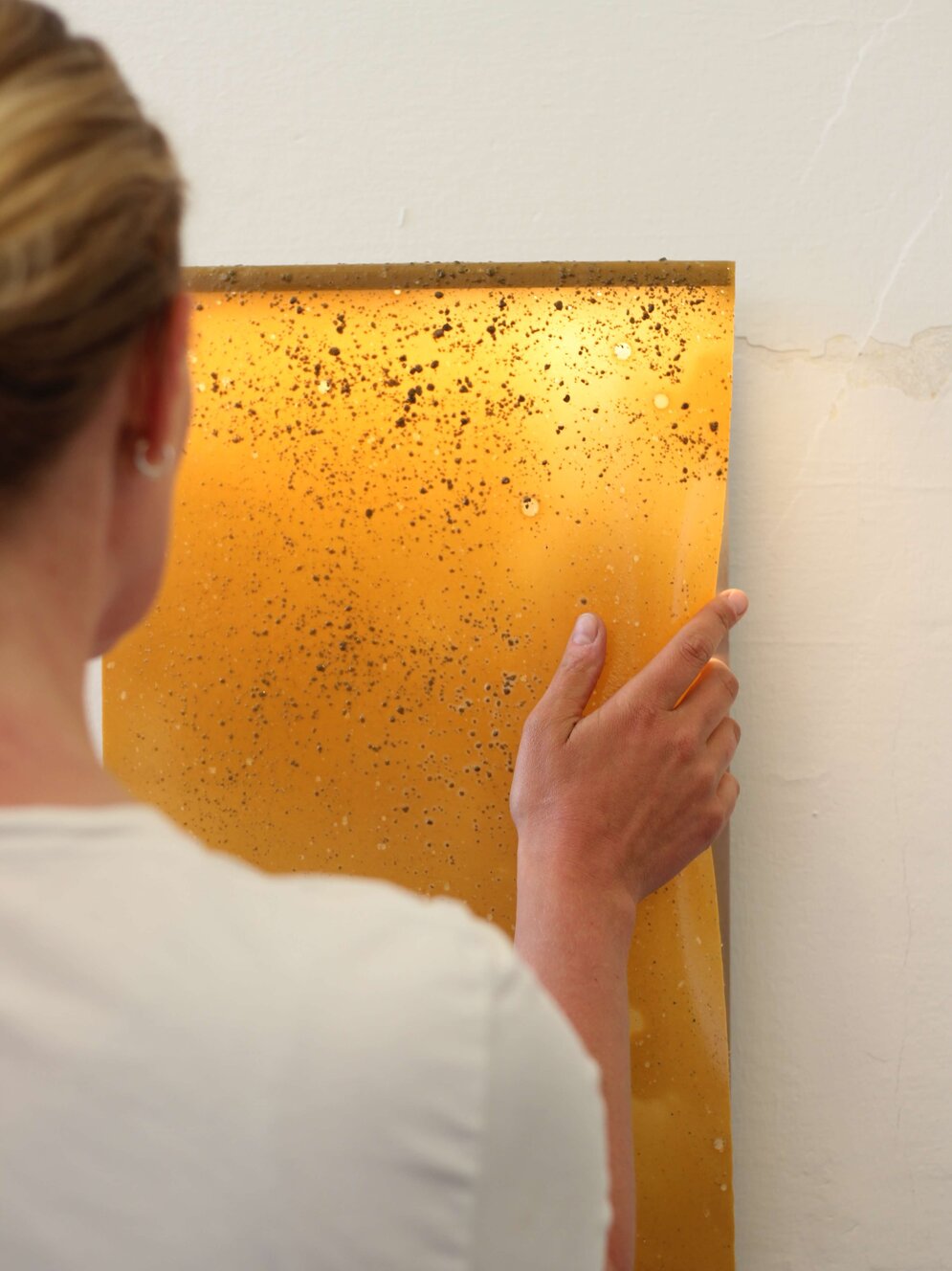
Danish practice Natural Material Studio works with materials sourced directly from its immediate surroundings. Shells, seaweed, sand, chalk, pine needles and moss collected in Copenhagen are integrated into the material-making process. The result is a range of bio-based textiles produced using Procel, the studio’s proprietary process based on a biodegradable blend of natural polymers, seaweed and chalk. “We integrate our surroundings directly into our work,” says founder Bonnie Hvillum, whose studio has collaborated with brands including Dinesen, Adidas and Calvin Klein, as well as architectural practices such as Snøhetta and Gehl Architects.
Salt Crystallisation as a Process
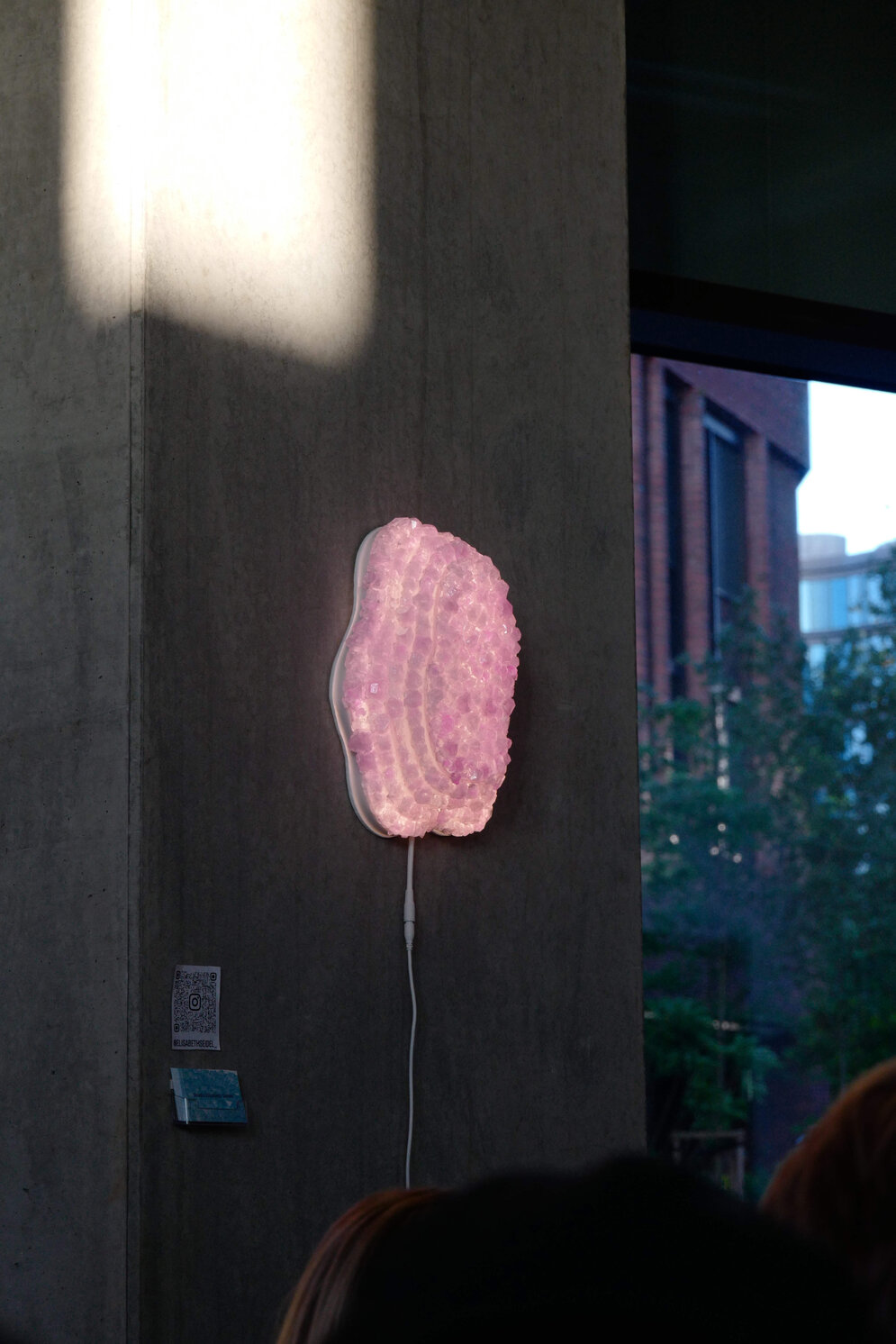
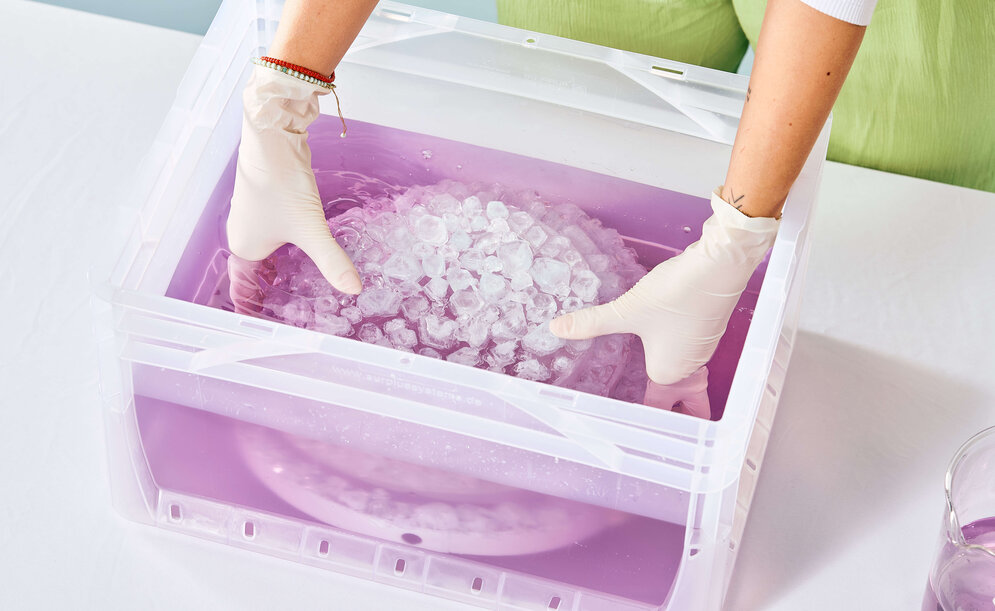
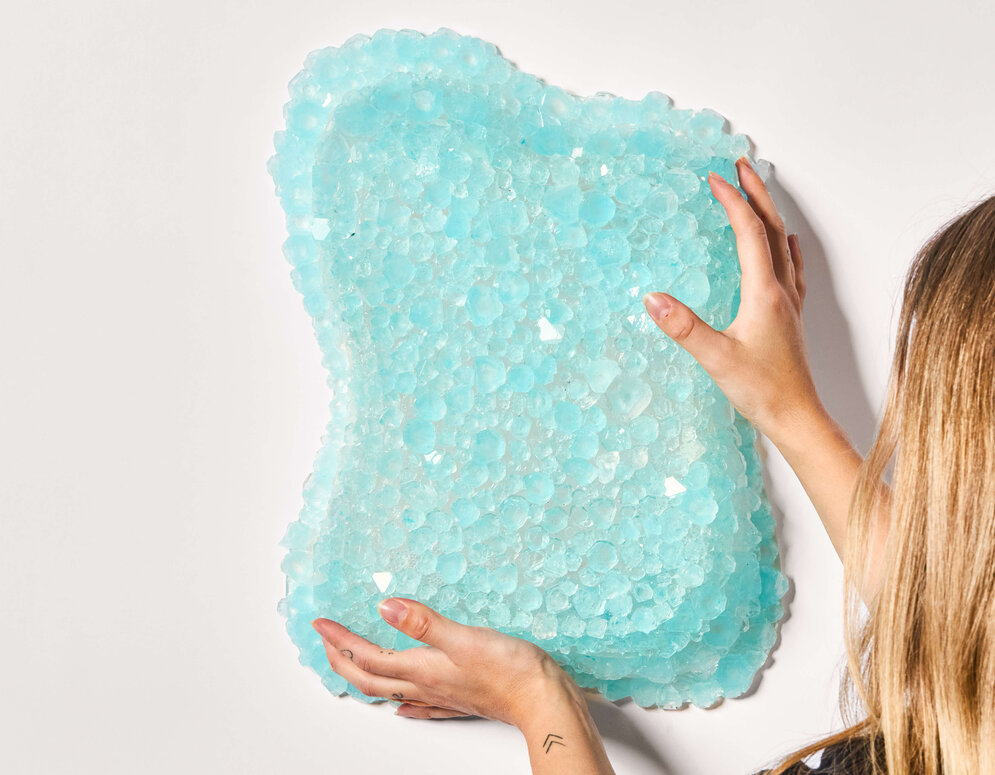
Cologne-based designer Elisabeth Seidel presented another unique process with her 'Crystals, Baby!' lighting collection, which is based on the resource-efficient design method of salt crystallisation. Salt crystallises at relatively low temperatures, creating ideal conditions for an energy-efficient and sustainable manufacturing process. When the process is carried out under carefully controlled conditions, the material effectively forms its own shape. Her research demonstrates how naturally occurring structures can be translated into scalable, functional design objects.
At 3daysofdesign, the diversity of circular approaches was on full display, including bio-based materials, separable constructions and innovative processes that transform waste streams into valuable resources.