Forms of Adaptation: Arts and Crafts and Design under National Socialism
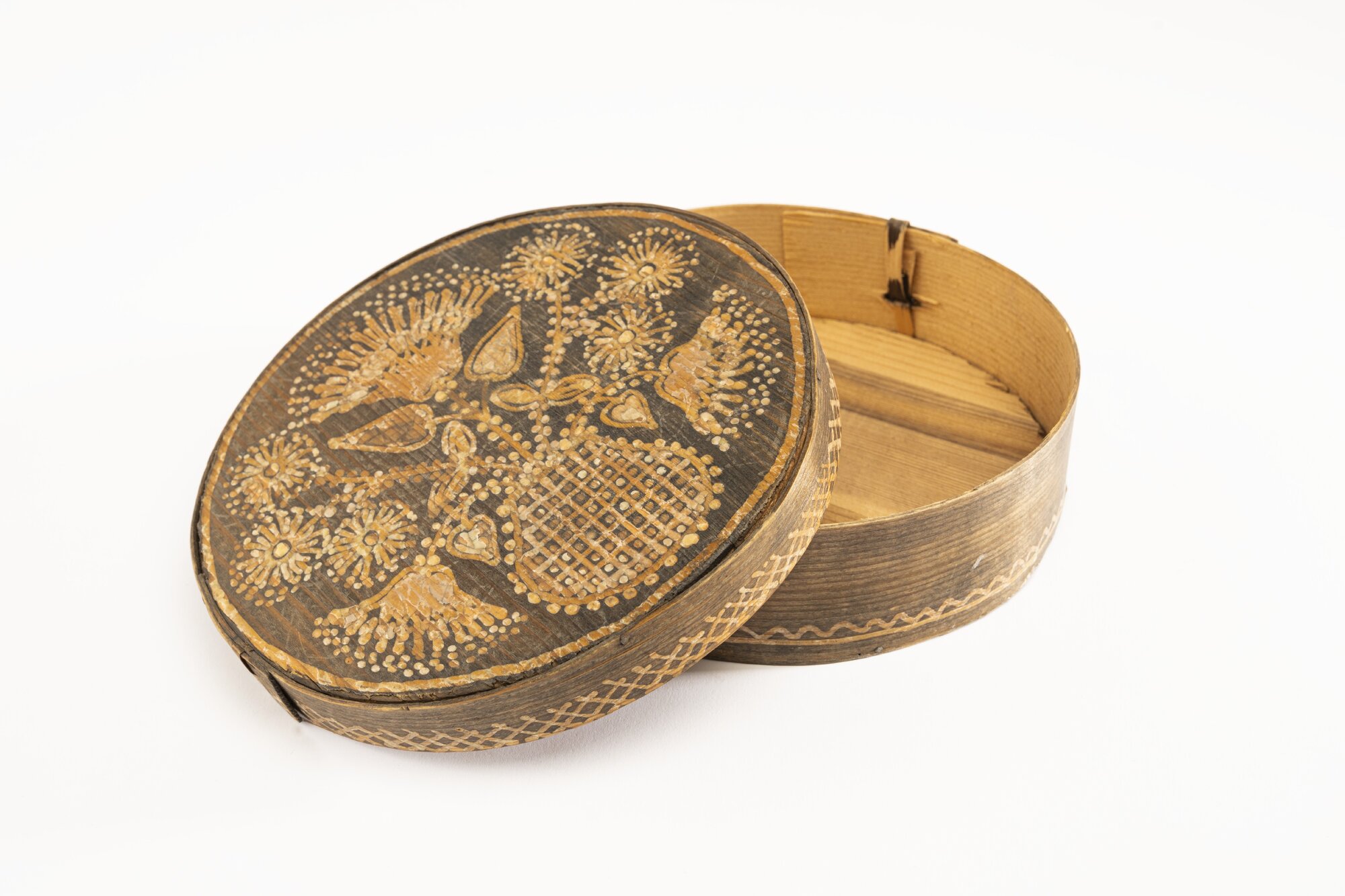
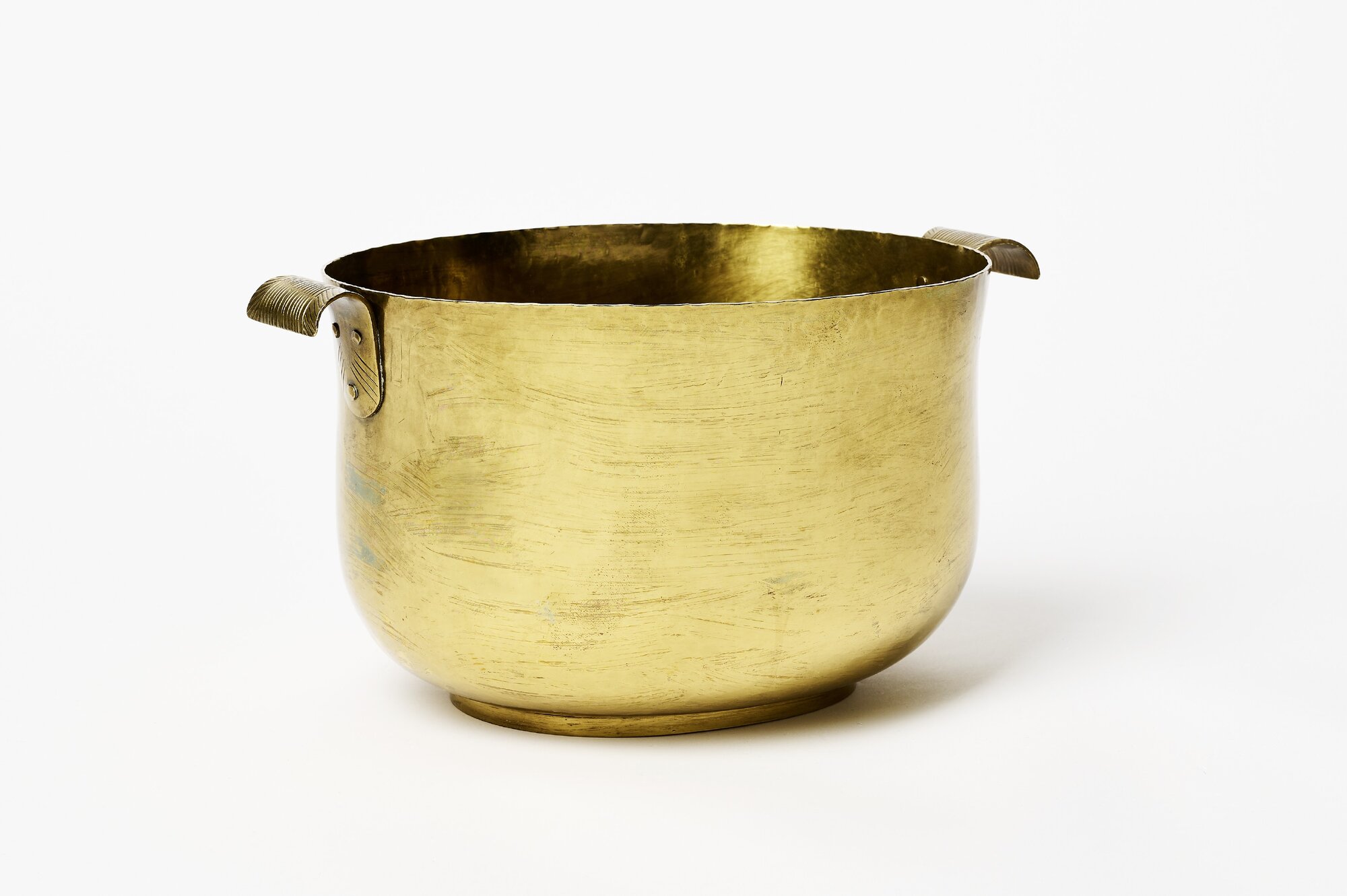
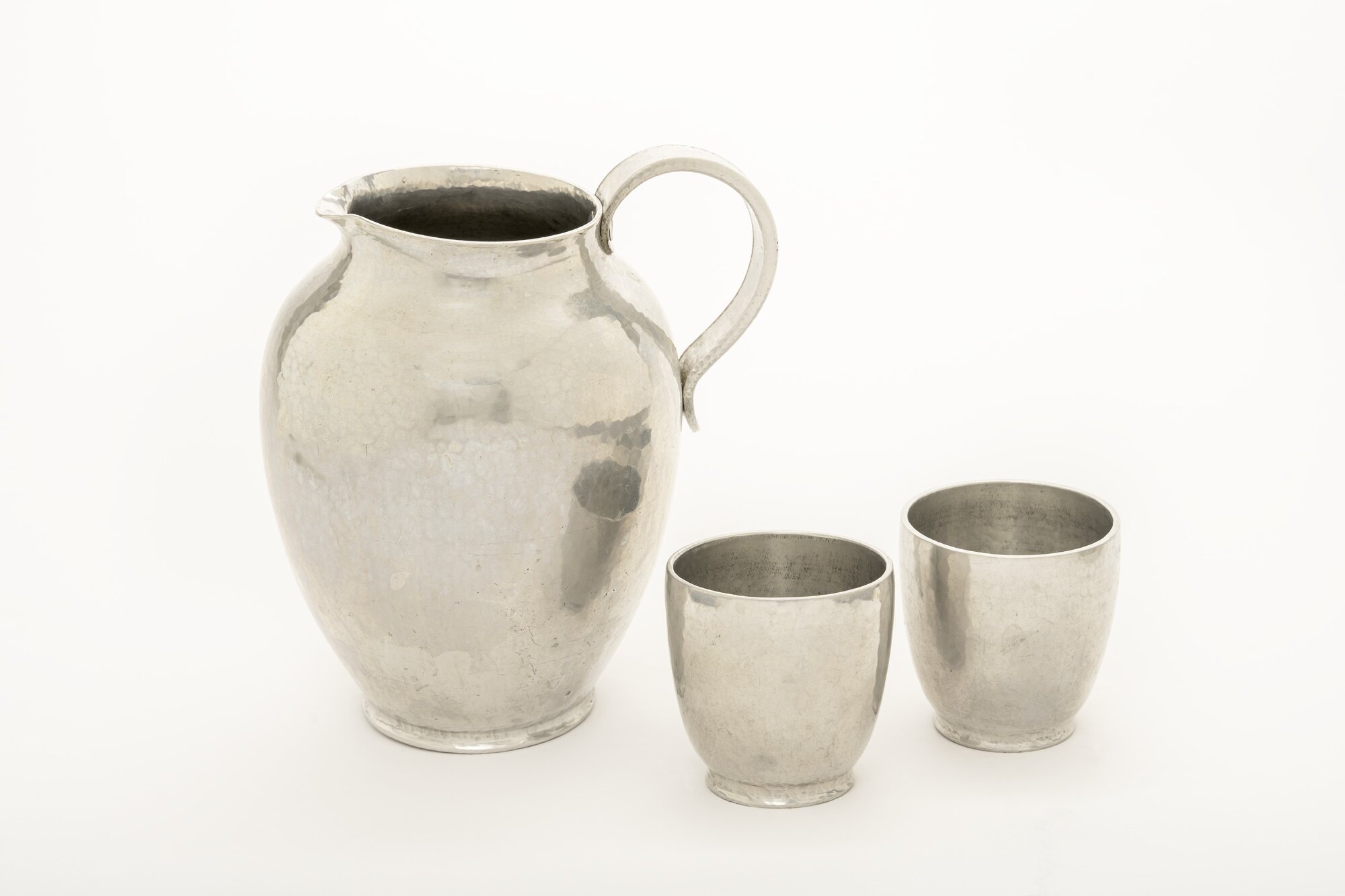
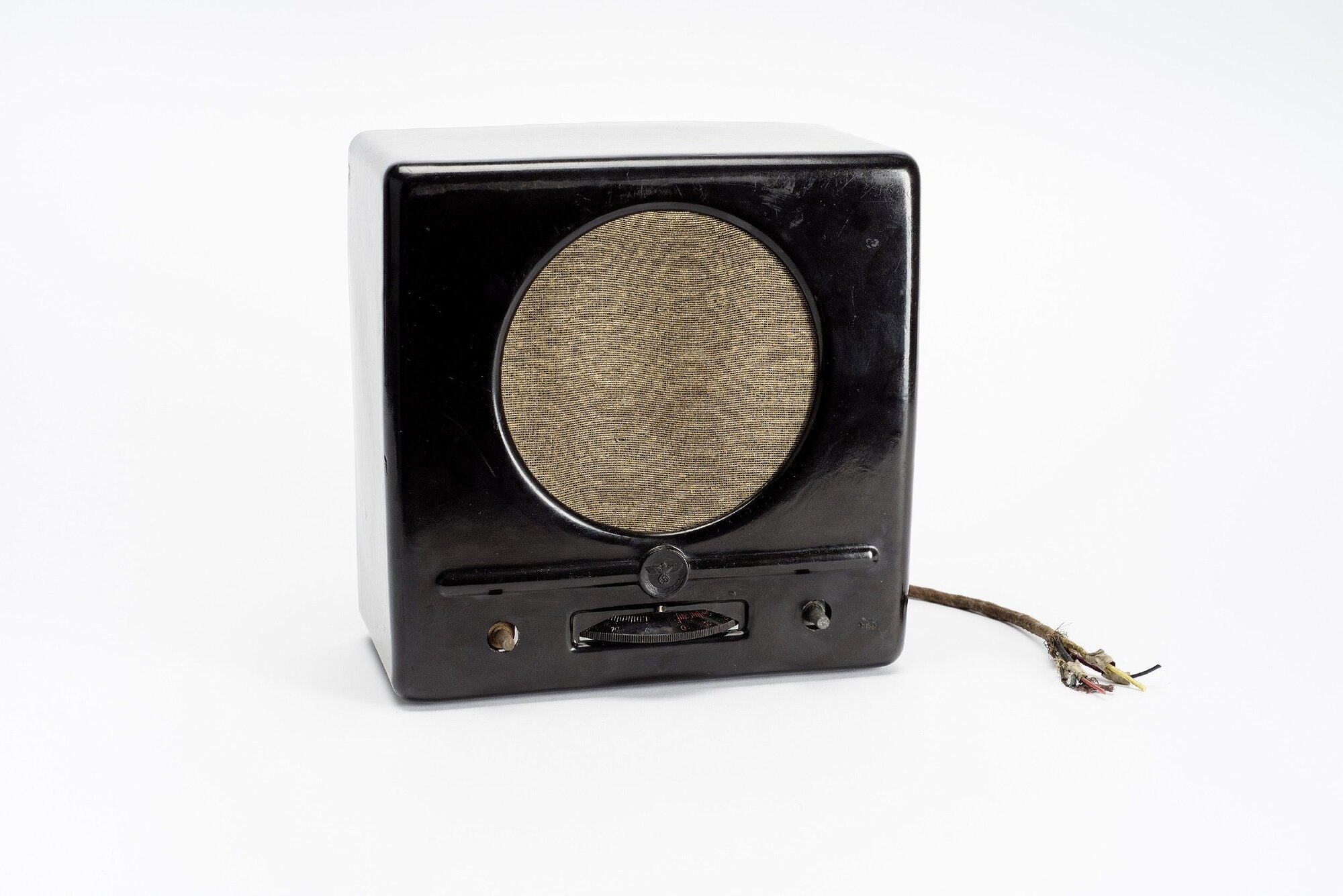
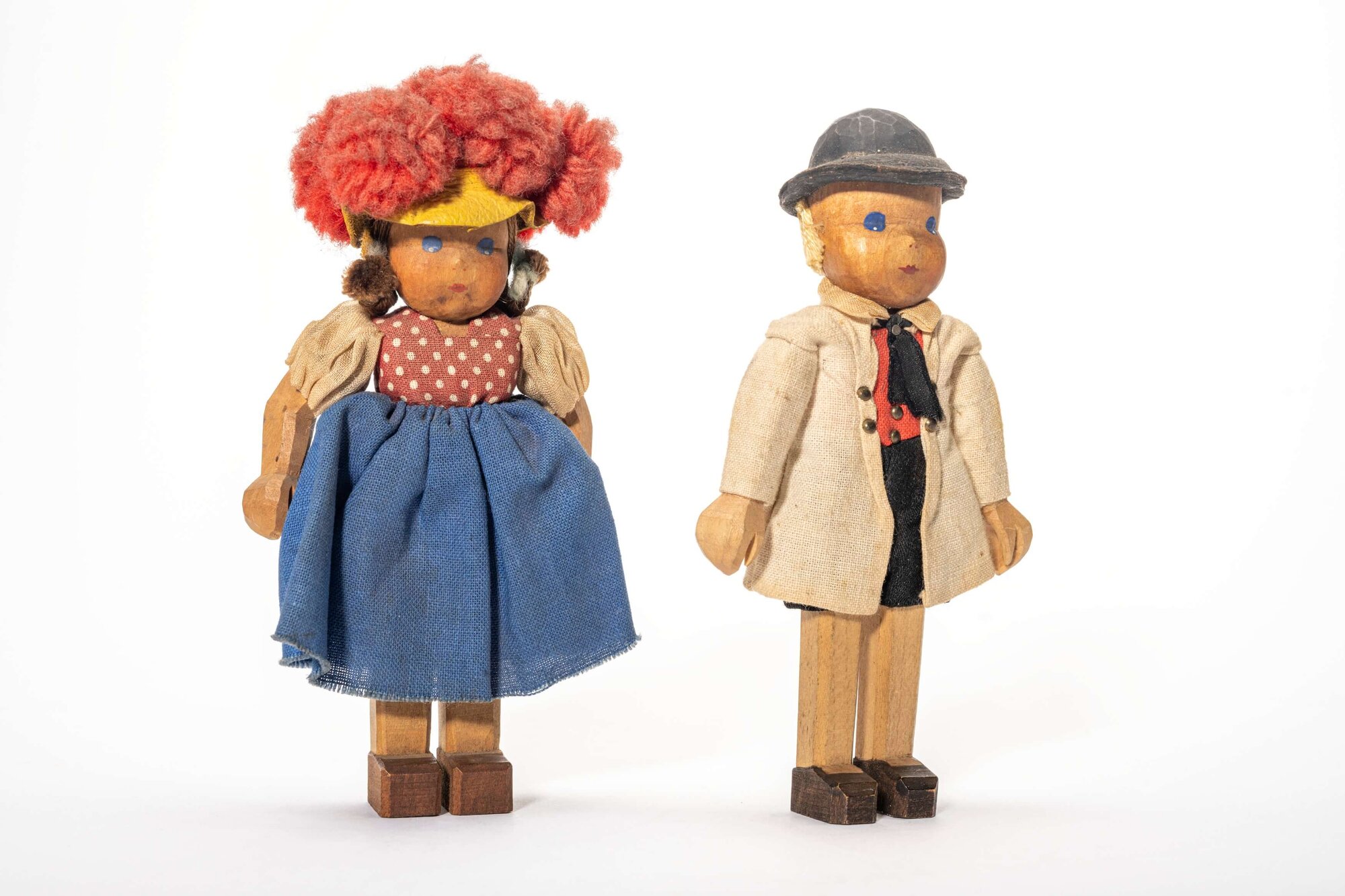
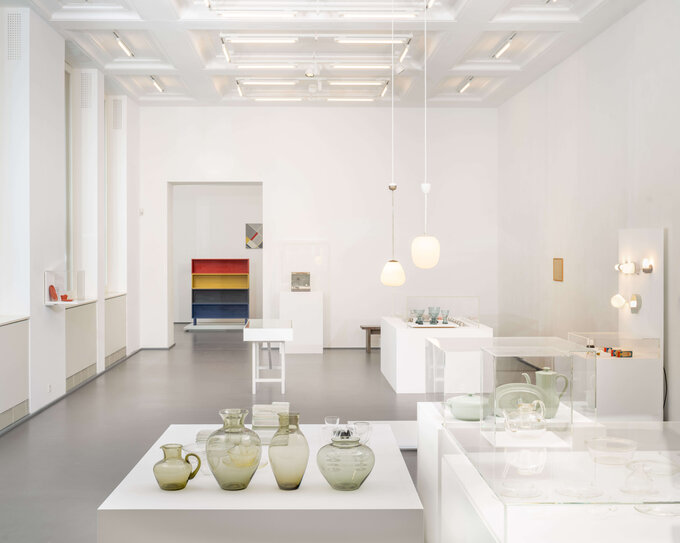
The exhibition ‘Forms of Adaptation’ at the GRASSI Museum of Applied Arts focuses on everyday objects such as tableware, textiles, furniture and metalwork, whose design language was subject not only to aesthetic but also ideological norms. Complemented by honorary awards and representative gold and silver smithing works, the exhibition illustrates the spectrum between functional design and propagandistic staging. The exhibits come from museums and archives throughout Germany as well as from the GRASSI Museum's own collection.
Insights into design dictates and forced labour
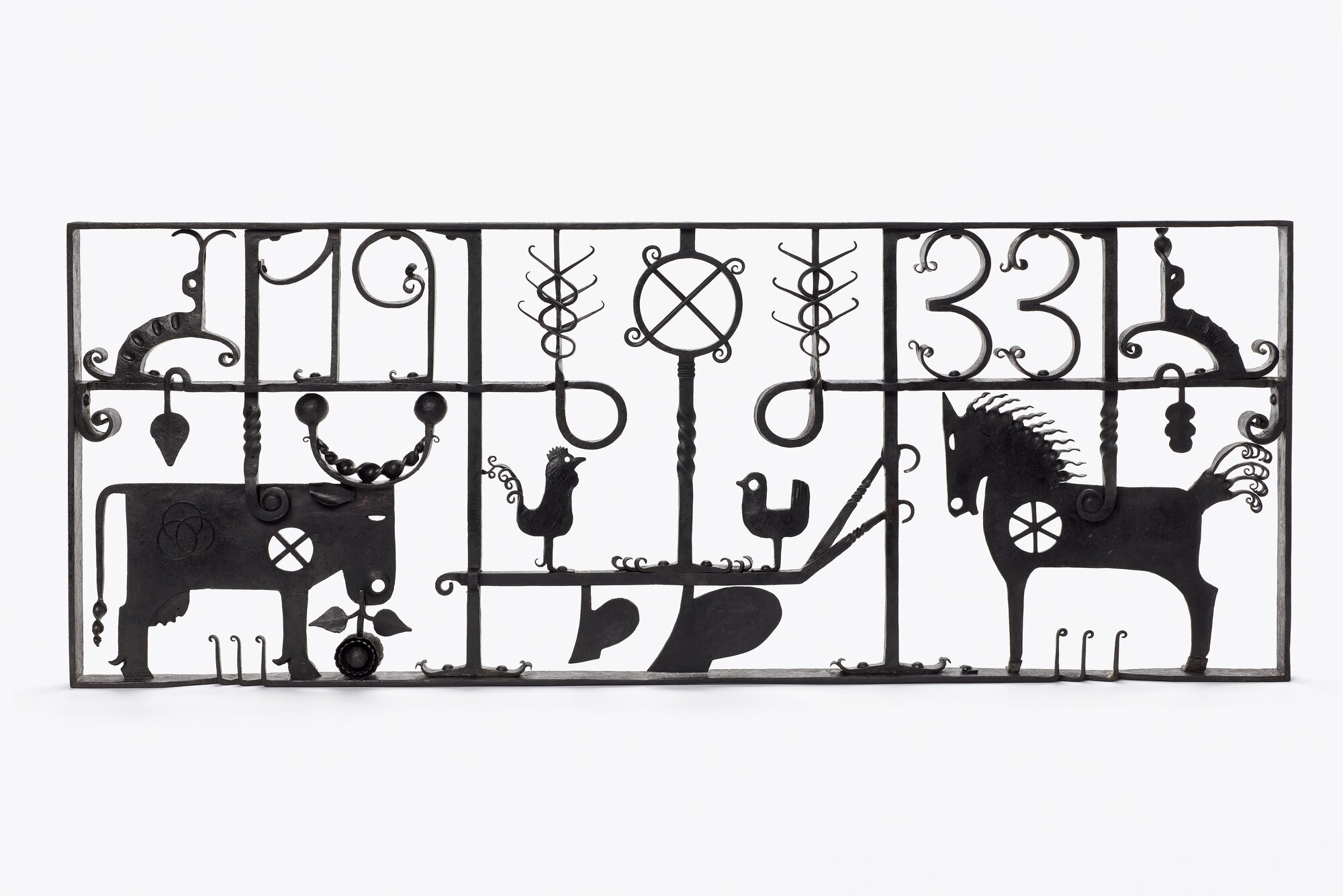
The first part of the exhibition highlights the transition from Weimar Modernism to the Nazi era and addresses the regime's structural interventions in material selection, production processes and design ideals. Promoted materials such as pewter, wrought iron and amber were considered ‘German,’ while folk art motifs became the dominant aesthetic. Photographs, posters and documents show how deeply ideology and control intervened in design – even to the extent of using forced labour in workshops. Another focus is on the regime's international self-presentation through design, for example at the World Exhibition in Paris or the Milan Triennials. The exhibition thus also refers to the global stage on which design served as a tool of political communication.
The GRASSI in the mirror of time
A second part of the exhibition focuses on the museum itself and its role during the Nazi era. The Grassimessen between 1933 and 1941 not only served as a presentation platform for ‘Aryan’ design, but also enabled a coexistence of different styles – from traditional craftsmanship to moderate modernism. Biographical case studies of exhibitors show how differently designers dealt with the pressure to conform.