Hands-On
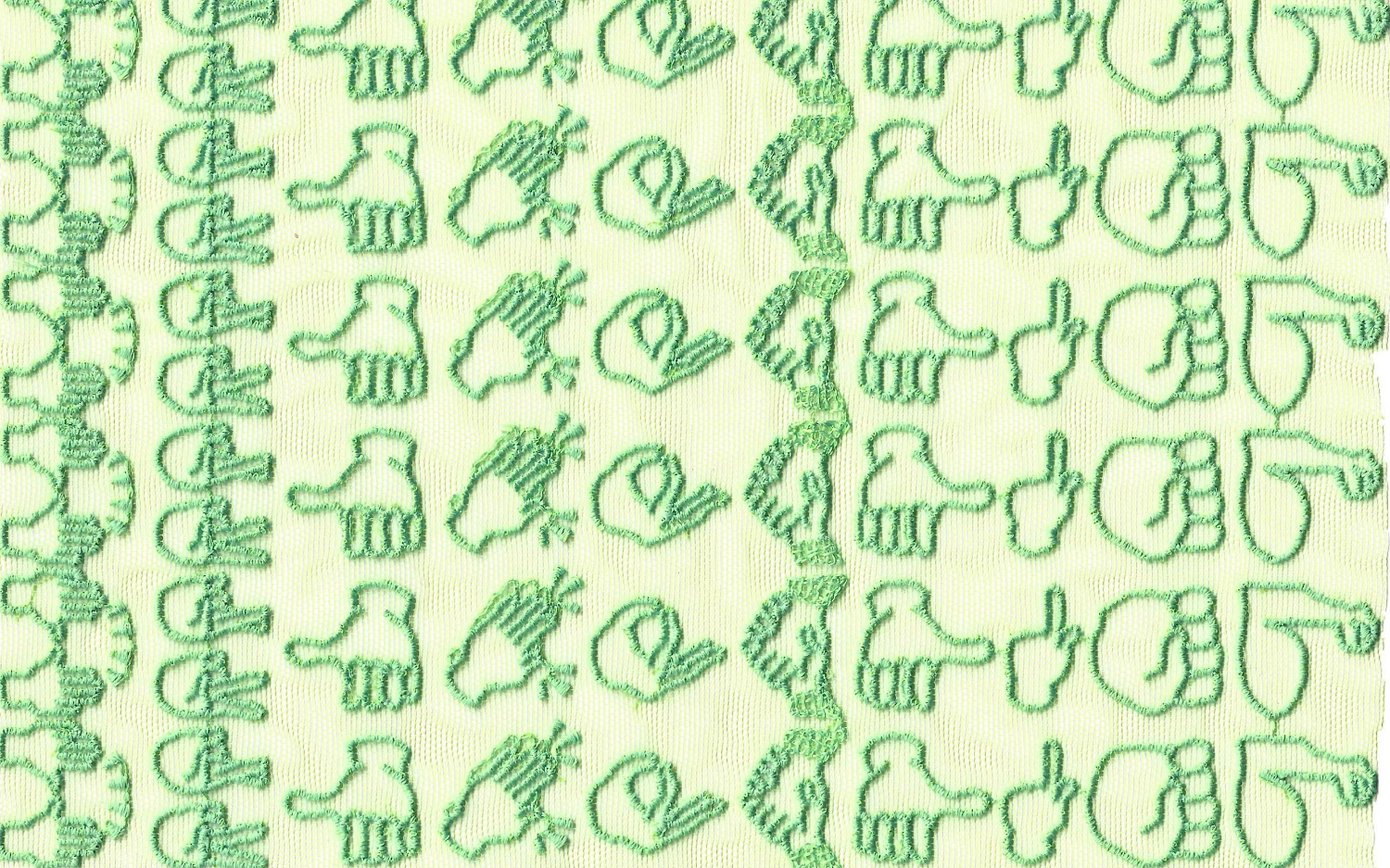
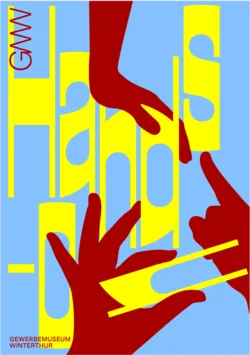
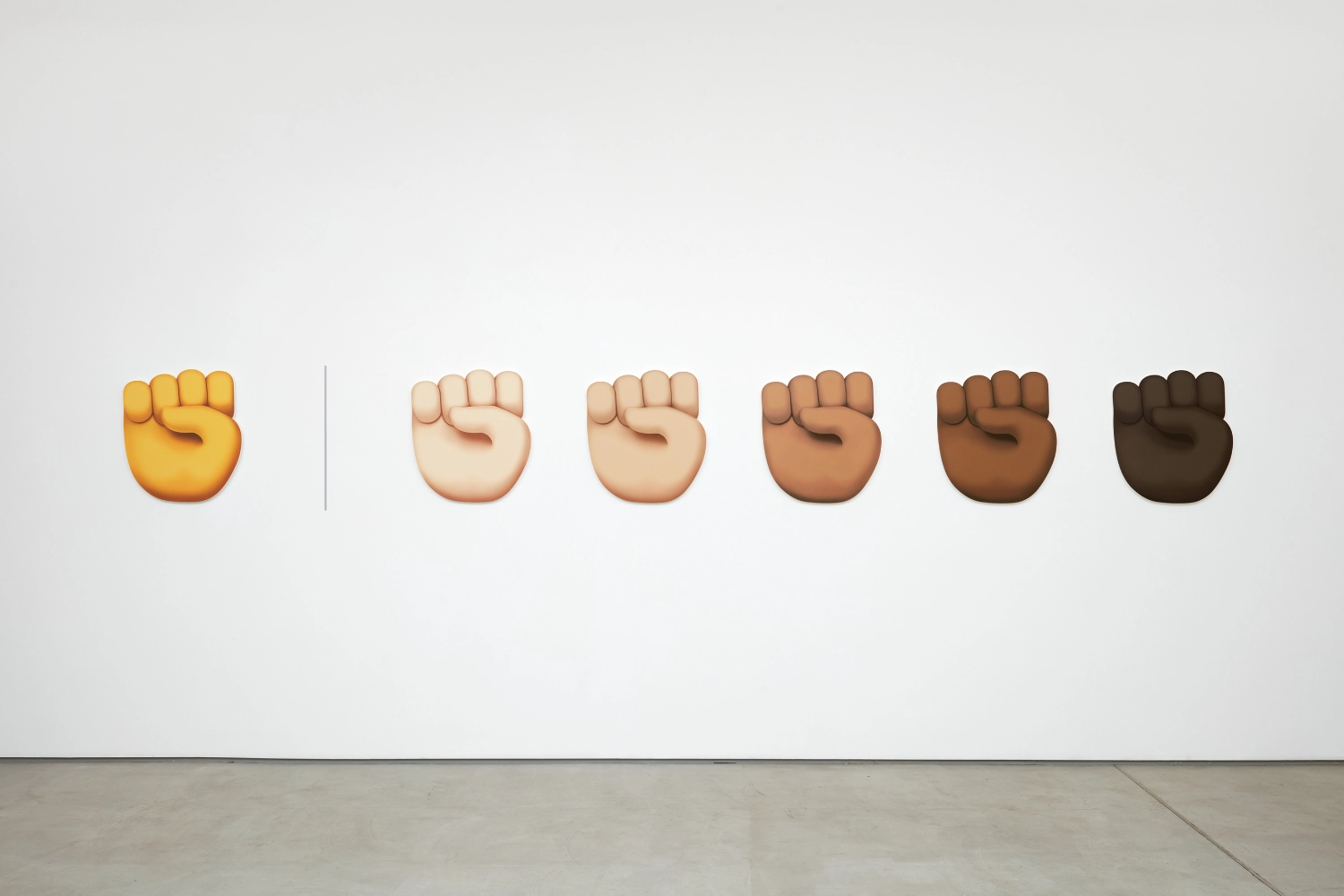
The human hand is much more than a tool. Hands tell stories, touch, create meaning and communicate knowledge. Whether through a thumbs-up, a fist bump, emojis or ritual gestures, few parts of the body are as integral to our visual and social communication. Yet in a world where machines are ubiquitous and artificial intelligence is transforming everyday life, one question arises: what do we still use our hands for today? With the exhibition Hands-On, Gewerbemuseum Winterthur explores the many uses and cultural meanings of the human hand from 27 November 2026 to 17 May 2027.
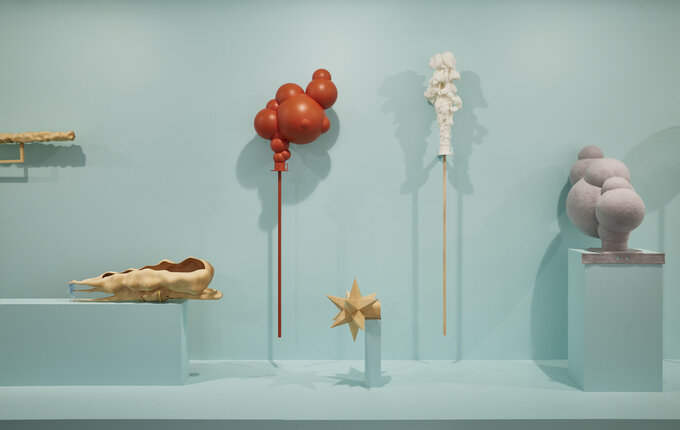
Across six chapters, the exhibition examines the hand at the intersection of design, technology and society, bringing together international artistic perspectives, research projects and historical artefacts. Numerous interactive stations invite visitors to grasp, touch and put the capabilities of their own hands to the test.
Every Hand Is Unique
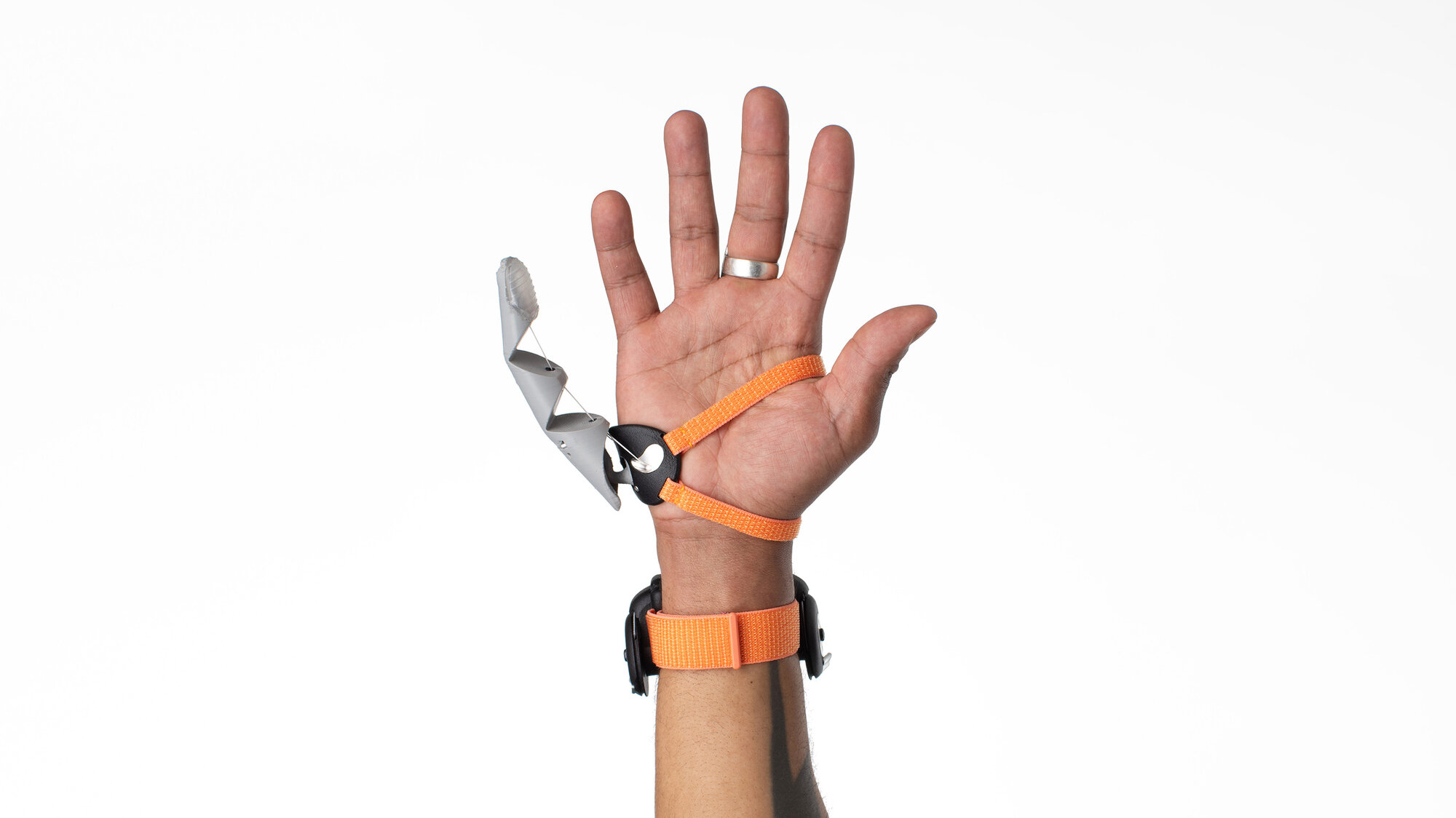
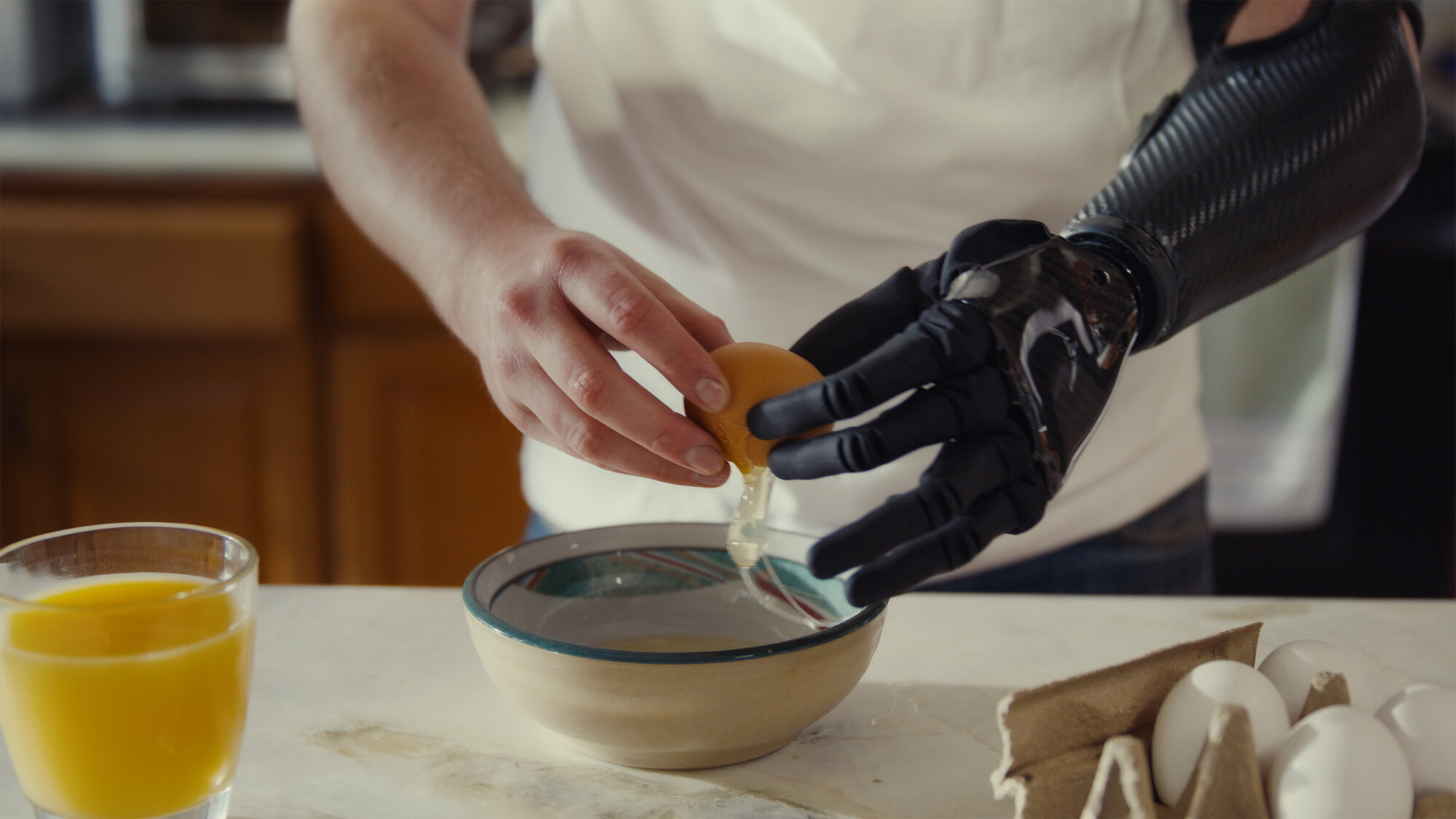
Beyond their anatomical characteristics, individual experiences and habits also shape the ways in which hands can express themselves. Gestures and hand signals are important forms of social and cultural communication: they can establish intimacy, signal belonging, express power and pass on stories. At the same time, the exhibition challenges the notion of a standardised hand that continues to shape design and technological developments. Where do these assumptions create barriers – for older people, left-handed people or those with limited mobility or disabilities, for example? Projects such as the Third Thumb Project by British designer Dani Clode explore how human capabilities can be extended through the addition of an extra thumb. Other works focus on prostheses, assistive devices and robotics, examining both the possibilities and limitations of technologically replicating human skills.
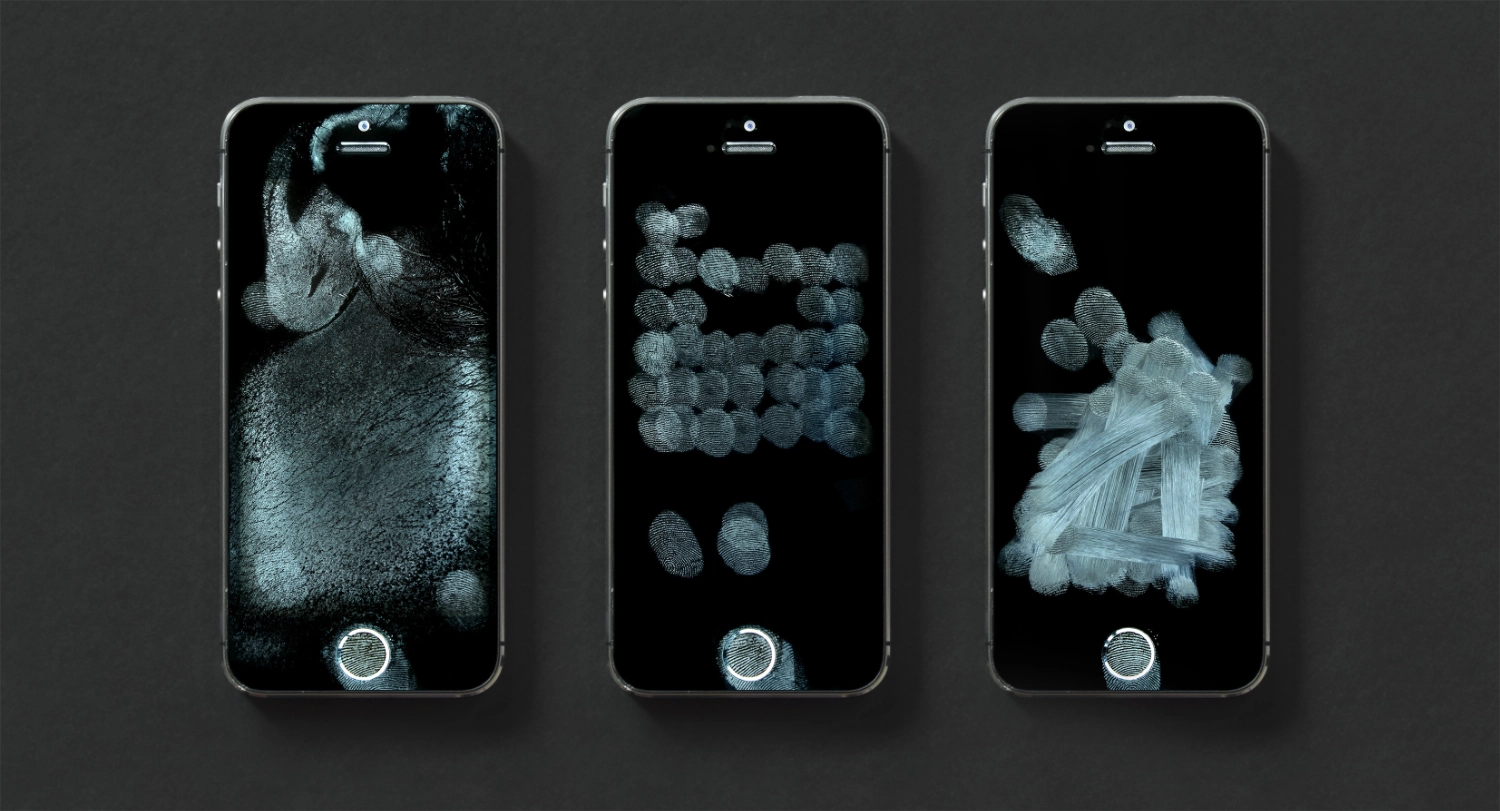
Touch and haptics are another key focus. Photographic works, material experiments and collections of everyday objects demonstrate how touch creates connections and shapes our perception of things.
Grasping Systems
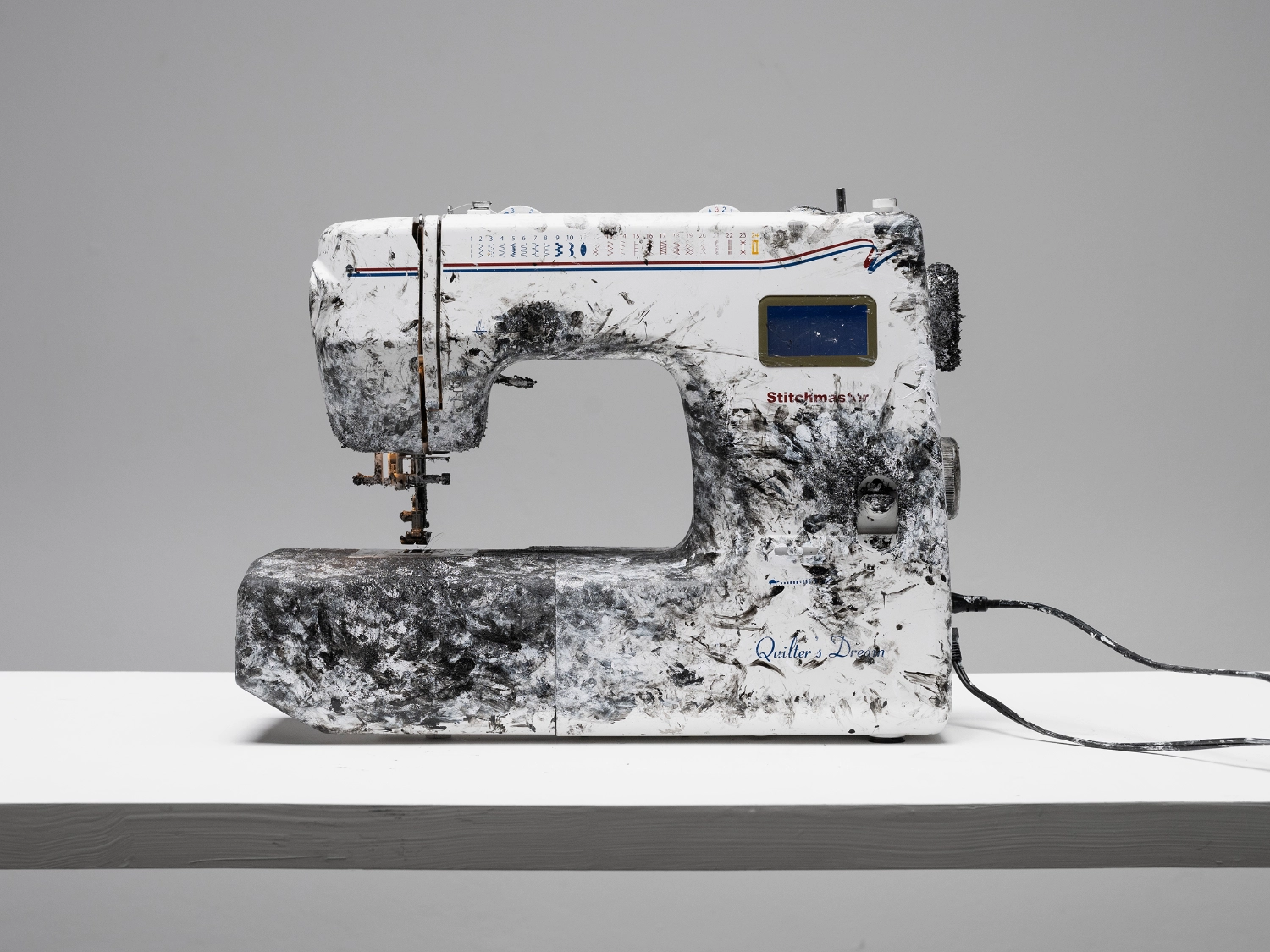
For a long time, humans have operated machines with their hands. But what happens when machines increasingly take over the work once performed by human hands? How are craftsmanship and industrial production processes changing as a result of automation and technological advances? The exhibition explores these questions through a range of artistic and design projects. In addition, Hands-On examines the intersection of technology, biology and design: from assistive devices and prostheses to the robotics research of ETH Zurich’s Soft Robotics Lab, and the question of how far the human hand can be replicated through technology.