How BMW Is Driving Into the Future With the Neue Klasse
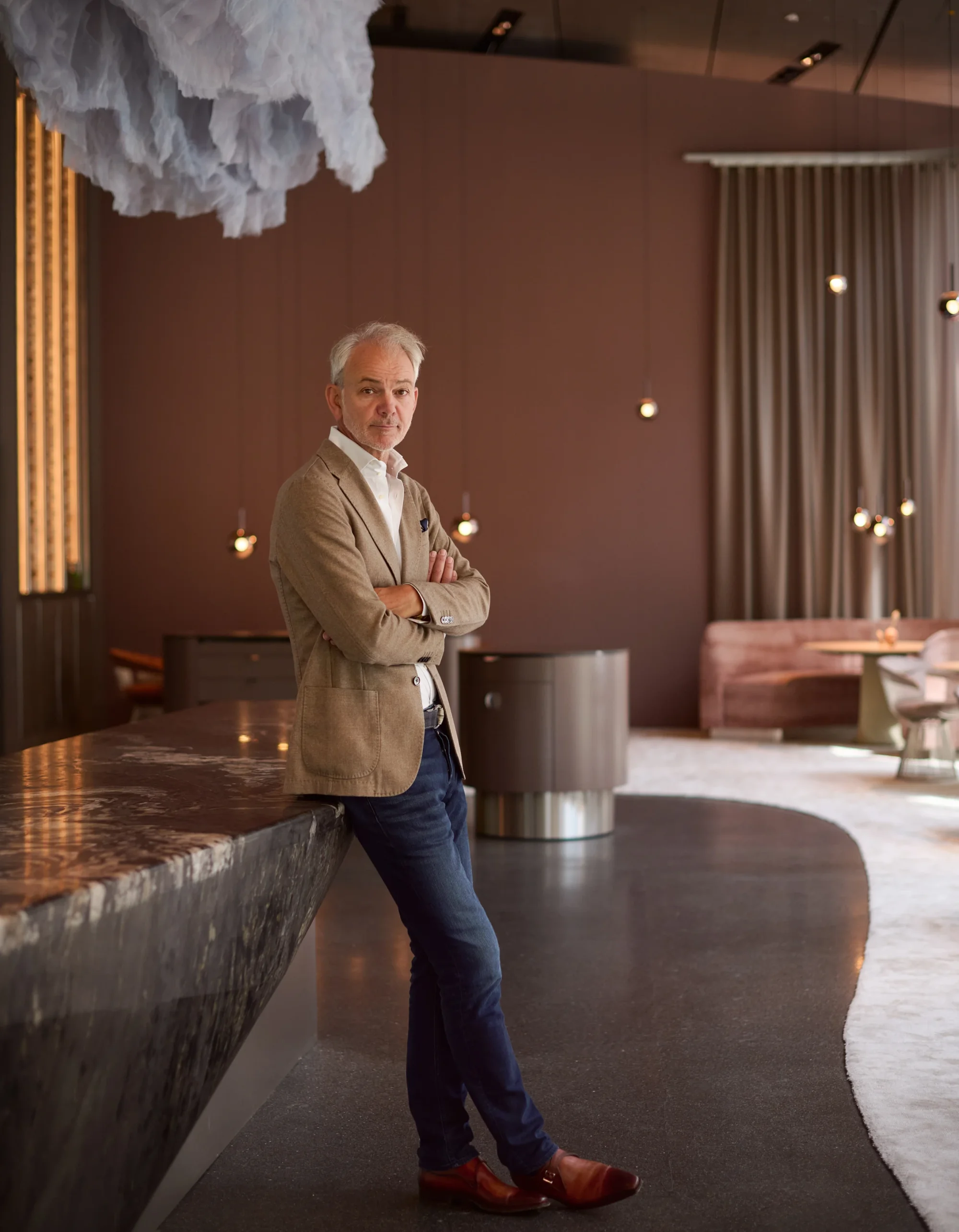
BMW presented more than just a new car in Munich with the iX3. The whole industry is in crisis, but the fully electric SAV (Sports Activity Vehicle) is the start of a new generation of models. It is called the “Neue Klasse” and has a simple, attractive design, as well as an innovative display and control concept in the interior. We learned how the new BMW identity came about from BMW Group Design Director Adrian van Hooydonk himself. The Dutchman has been designing for BMW since 1992. From 2000 to 2001, he was head of the automotive design department and then president of the BMW Group Designworks design and innovation studio in Los Angeles. In 2004, he moved to Munich to become Head of BMW Design. Since 2009, he has been in charge of BMW Group Design, which means he is responsible for the BMW, MINI, and Rolls-Royce brands.
The BMW iX3 is more than just a new vehicle model. BMW also wants to start a new chapter with the Neue Klasse. This sounds like a big project. Where do you even start?
The first thing to do is to think about the problems you want to solve. We thought about what would happen in the future. One thing was clear: technology will advance quickly. We will be taking bigger steps in electric mobility, as well as in sustainability. We want to use more recycled materials so that we can become more circular. We want to find a new design language that works all over the world. We wanted the new design to look very modern to younger people, but we also wanted it to look modern to older people too. It's modern in the sense that it looks like a modern car, but it's also got our company's history in it. Then we got started, talked about our ideas with the engineering department, and sketched and modelled. This helped us to achieve our goals.
What were these goals specifically?
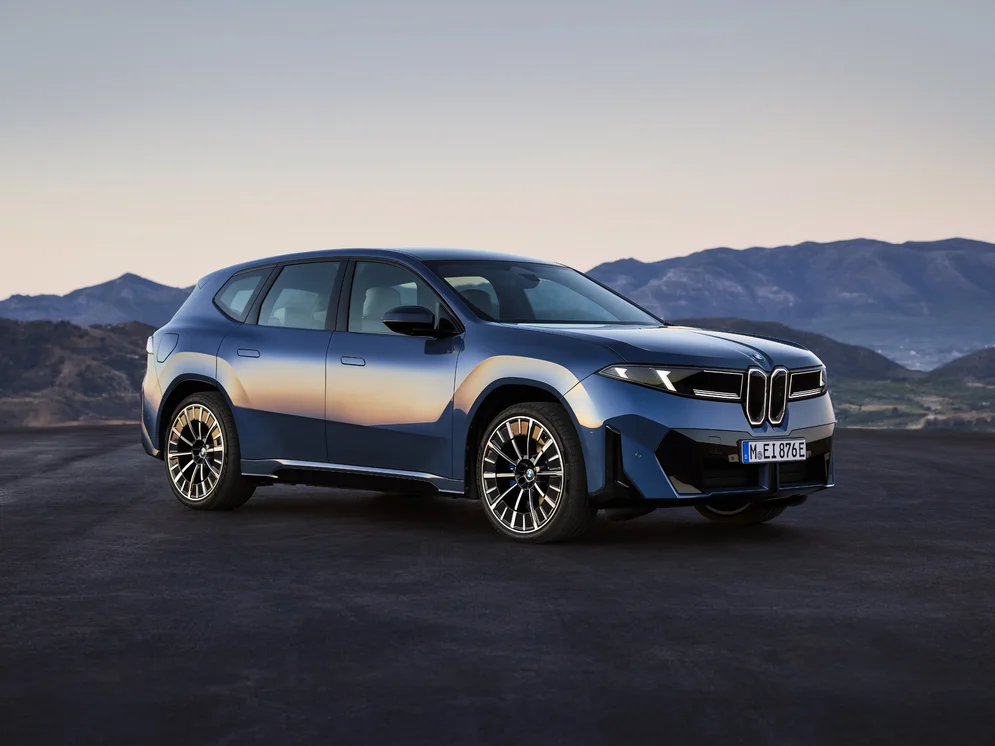
We wanted to find a form that was very distinctive, but also simple. This seems strange, but it was actually a good idea. It helped us to make a design that would last a long time. We also wanted to be very modern, to show that we understood what was important to our customers in terms of digital aspects.
At what point were you sure that you had found the right design for the next ten years?
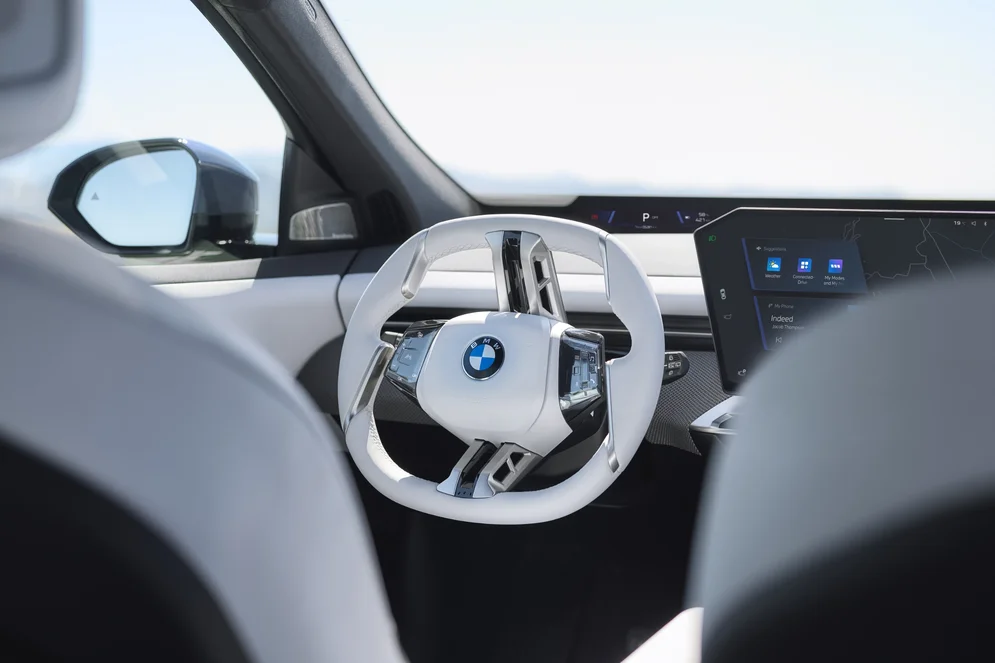
The honest answer: there was no such point. At some point, you have to decide whether the design is right or not. After an internal design competition, we had to make a decision. There was still a lot of development work to be done before the launch, such as achieving design-technology convergence, building prototypes, and testing. For us, that meant deciding here and now on the new way we will operate, the new design language, and the proportions. That's always a very exciting moment. You have to think about what your customers want now, and for the next eight years. In the digital world, I think we have taken a big and brave step with the BMW Panoramic iDrive. We are clearing the whole dashboard: there is no longer a combination instrument behind the steering wheel, but a continuous control display at the bottom of the windshield. There is also a touch display above the middle part of the car.
Can you sum up the new design language in a few words?
The Neue Klasse design is clean and simple, with a warm interior. You could call it "shytech". It has the latest technology on board, but you can't see it at first. We didn't want it to feel overwhelming. Passengers should feel comfortable and in control of the technology.
In the next few years, about 40 new car models with the features of the Neue Klasse are going to be released. Will all of them look like versions of the iX3?
We are introducing the iX3 as the first series-production vehicle in the new class. Then things will move quickly: in 2026, more cars will feature these technologies and – in all their individuality – also reflect this design language. In two to three years, the whole look and feel of BMW will be different.
The iX3 is an electric car. Will the new design language be used for all engine types?
We will also roll out this new design language to combustion engines. This will allow customers to choose freely according to their preferences or charging options.
In which areas is BMW ahead of other car brands?
We always want to beat the competition when it comes to driving. We also want people to see us as very modern in terms of design and technology. And that's despite the fact that we are older than many of the new players. But we believe that we are still quite far ahead with certain technologies, such as the Panoramic iDrive display and control concept.
Which details do you hope will be particularly durable?
The Neue Klasse will include a one-year reduction in the life cycles of the vehicles compared to our previous cycles. This will help us to spread the investment across more products and keep them on the market for longer, which will also help us reach our sustainability goals. But this will only work if we add new technology and design features. We believe that a simpler design can also be durable. If you look at an i3 (launched in 2013) today, for example, it still looks very modern, even though it has long since stopped being made. I hope the same will be true of the New Class.
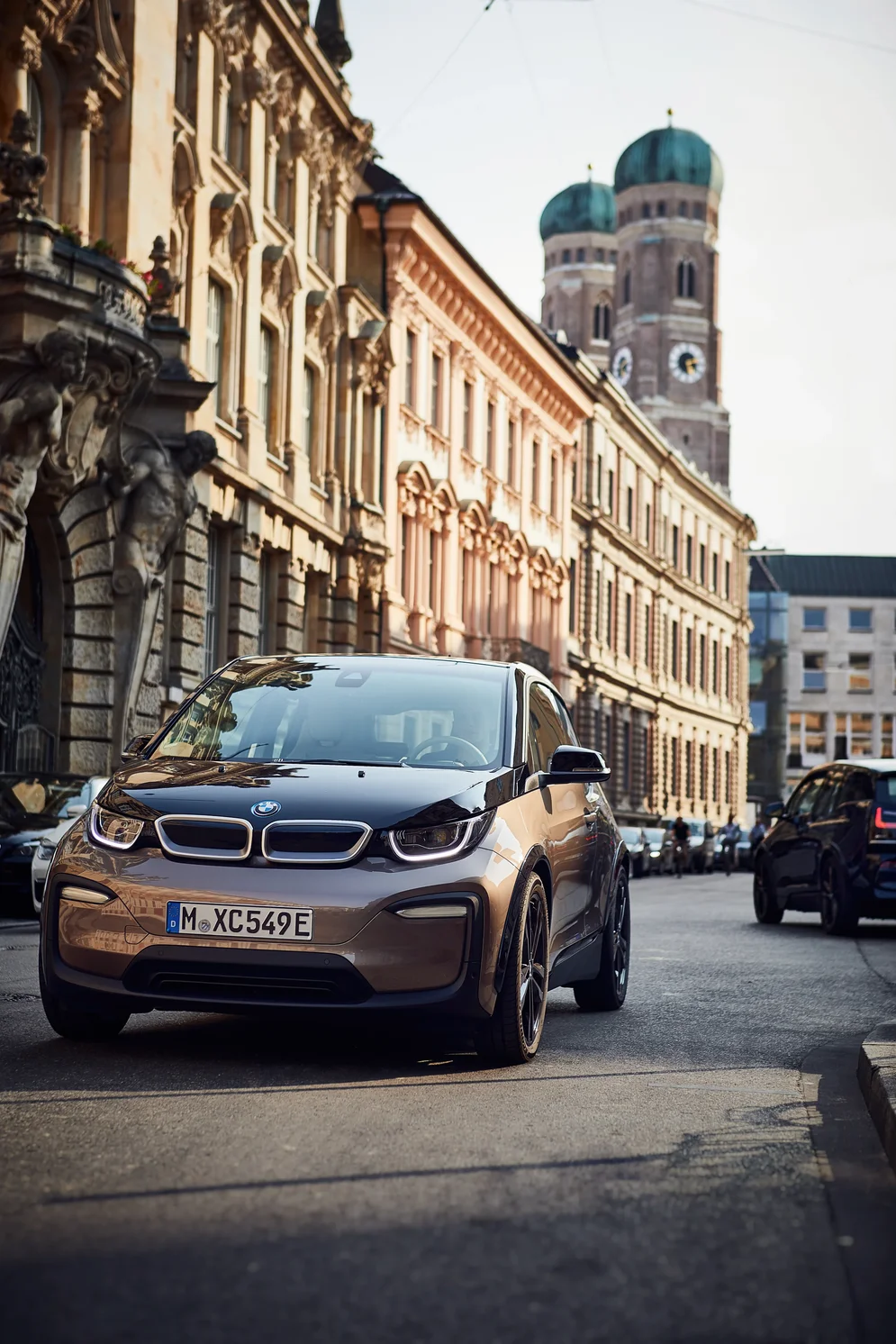
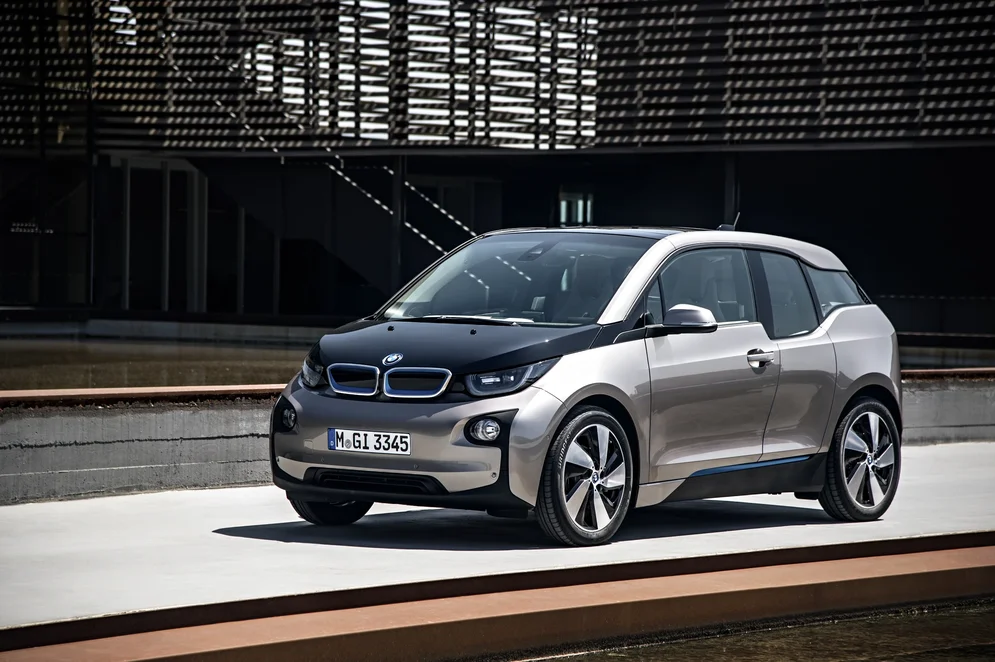
That's a good cue. With the i3, you were responsible for the look of the first generation of BMWs with electric drives about 15 years ago. At first, people either loved or hated it. Do electric cars need to look more ‘normal’ again today to appeal to buyers?
It depends on the part of the industry you're in. Time is also important. When we developed the i3, very few BMW customers had any experience of electric vehicles, except perhaps with a golf cart. This was completely different from what BMW was used to. To put it simply, the i3 was something they had no experience of and it was not seen as being part of BMW. Even so, people were still interested. And then there was the effect that people who had never driven a BMW before and saw the i3 said, ‘Hey, I wouldn't have expected that from you. Now BMW is interesting to me.’ At the time, it had exactly the effect we needed: it led to people talking both within and outside the company, even though the i3 was a niche product in our range. Today, we're talking about the iX3. It's the most important part of our range of models, and we don't want to change it. We would like our loyal customers to accept it quickly.
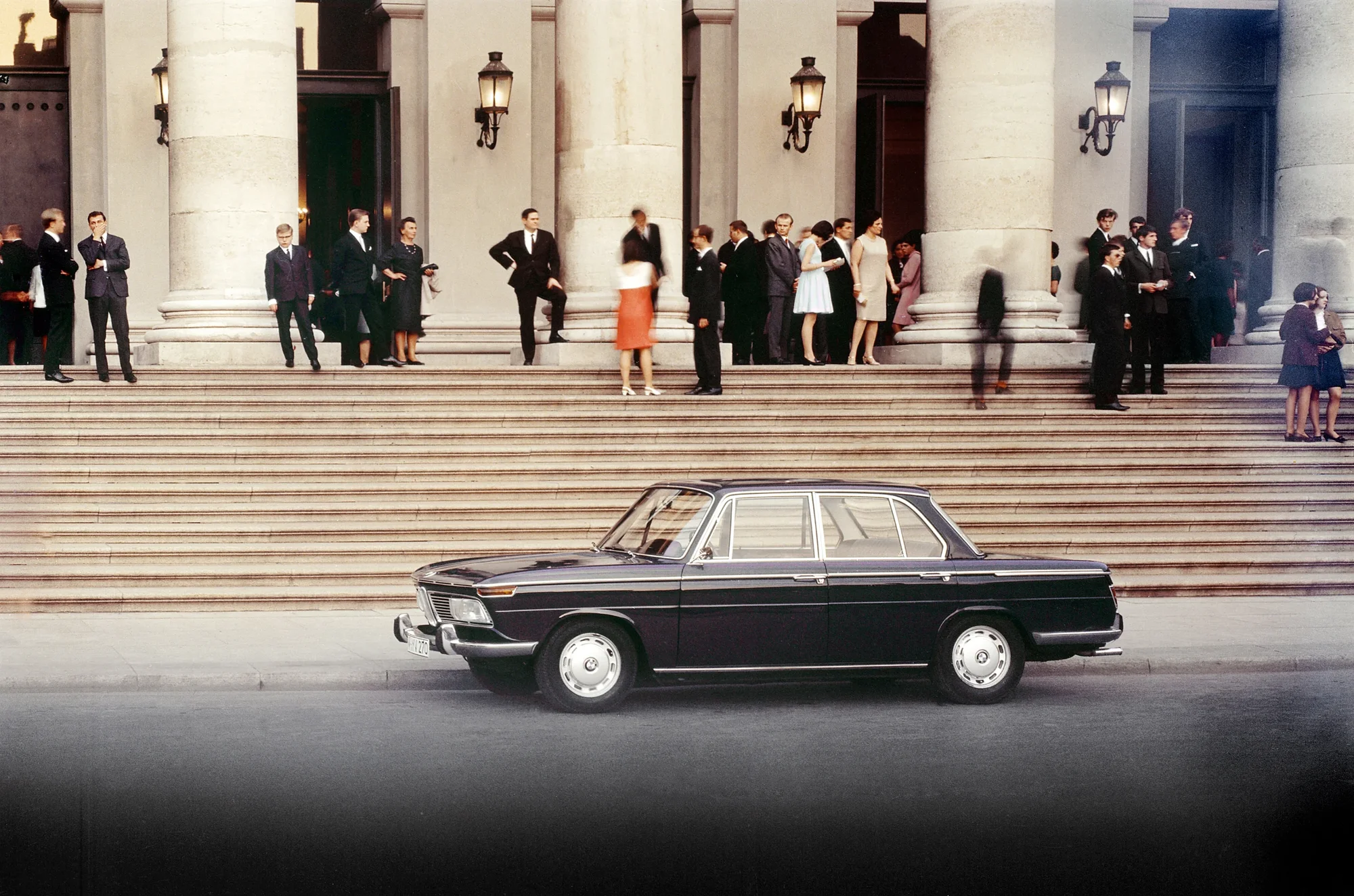
The Neue Klasse also references a number of old BMW icons. In what way?
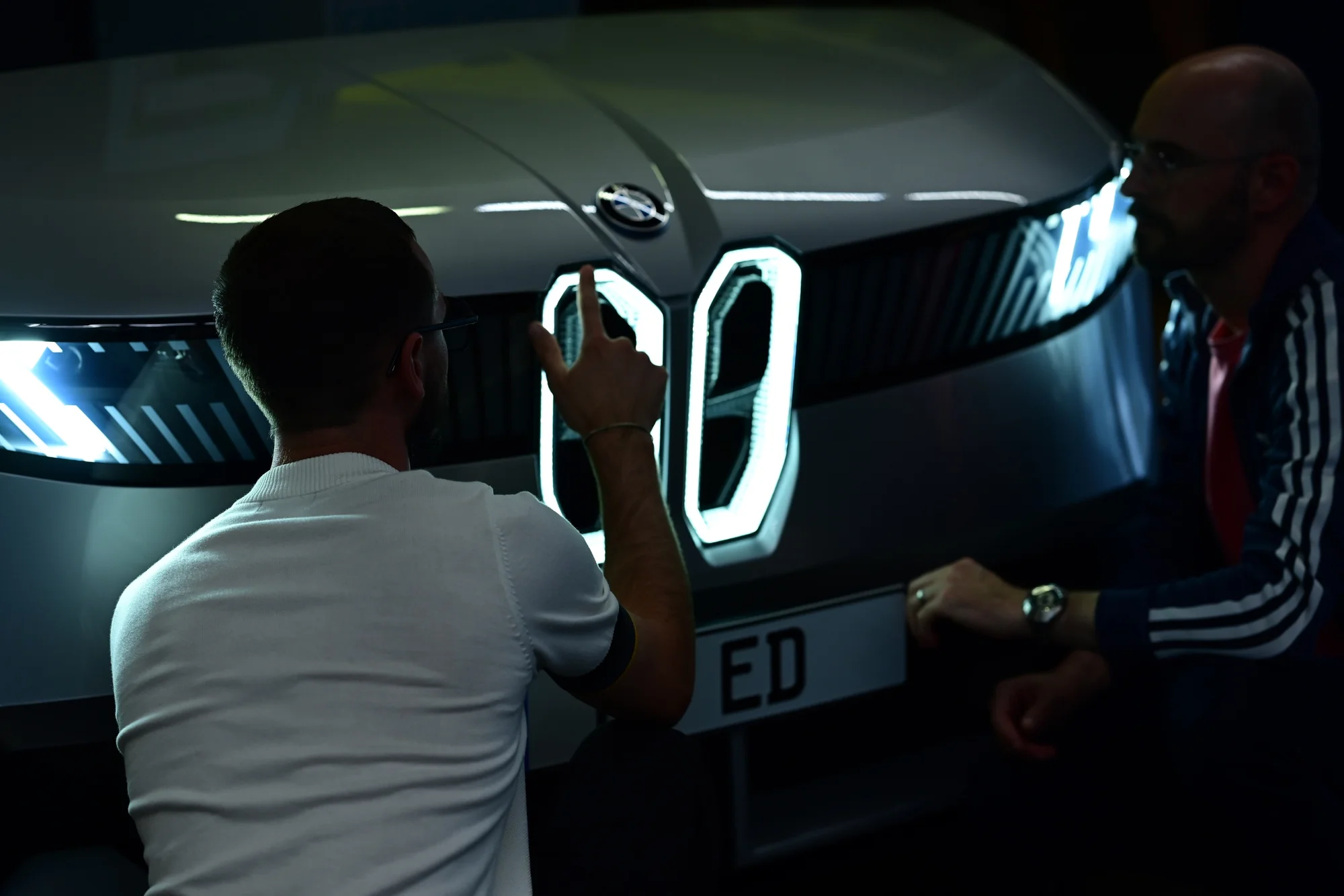
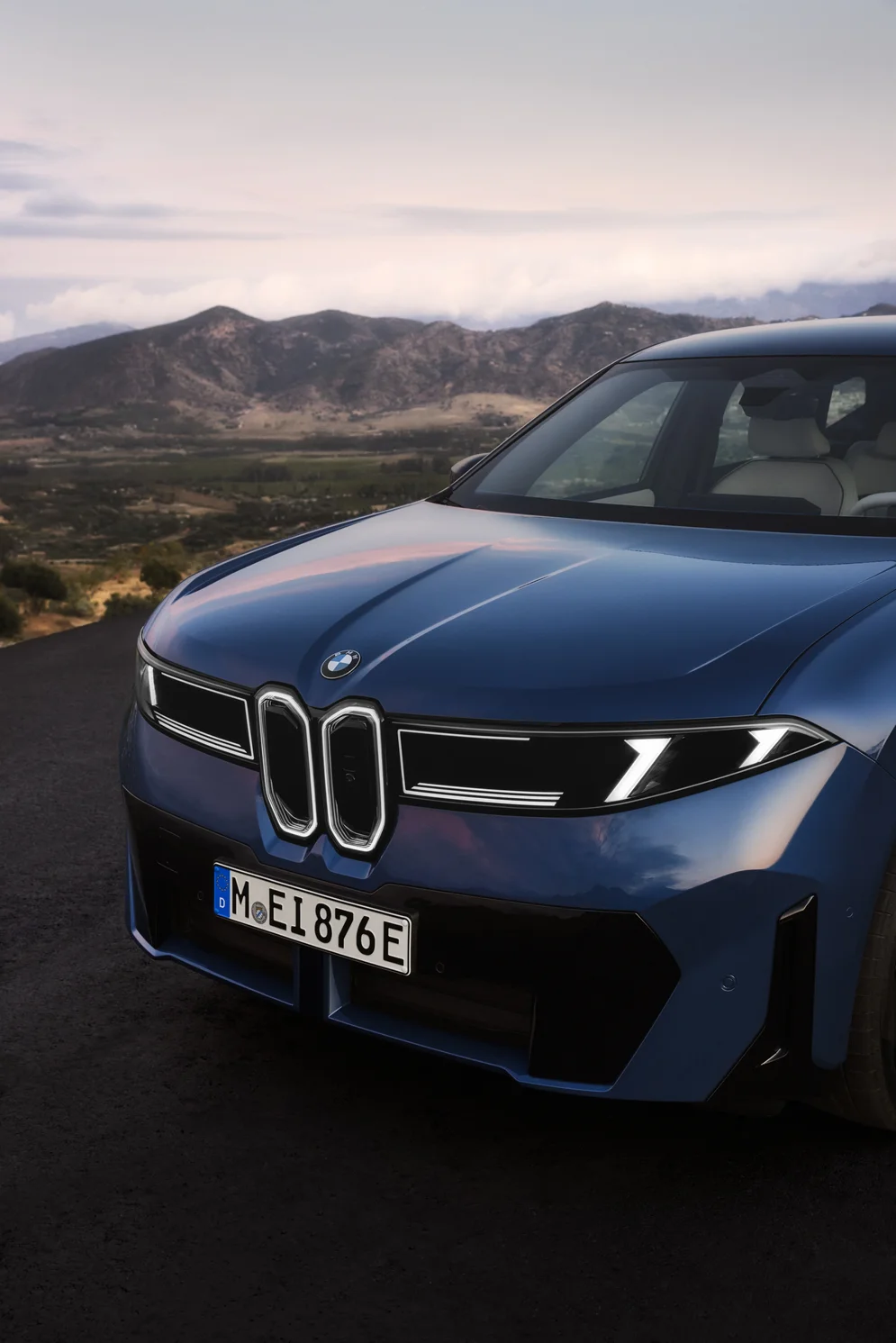
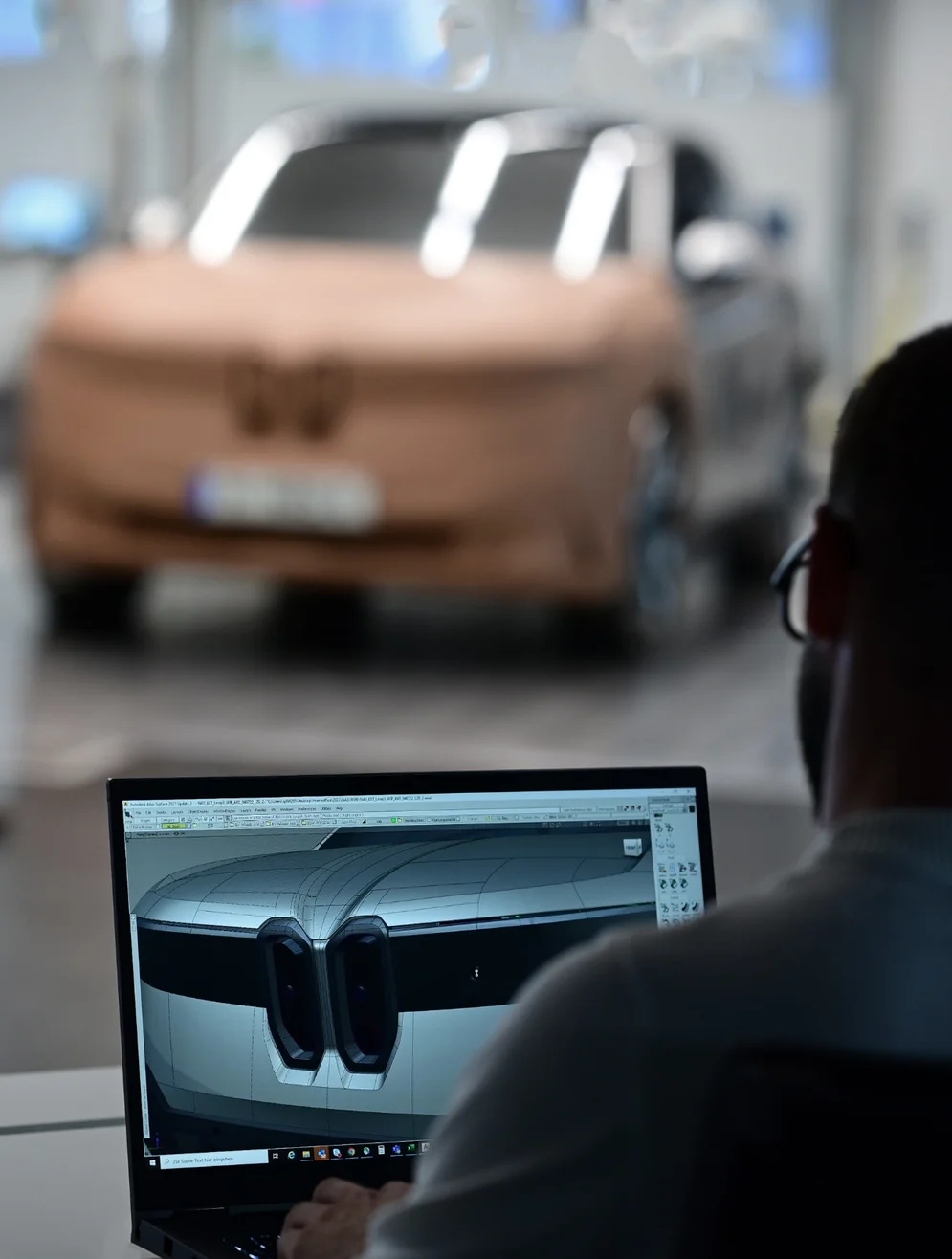
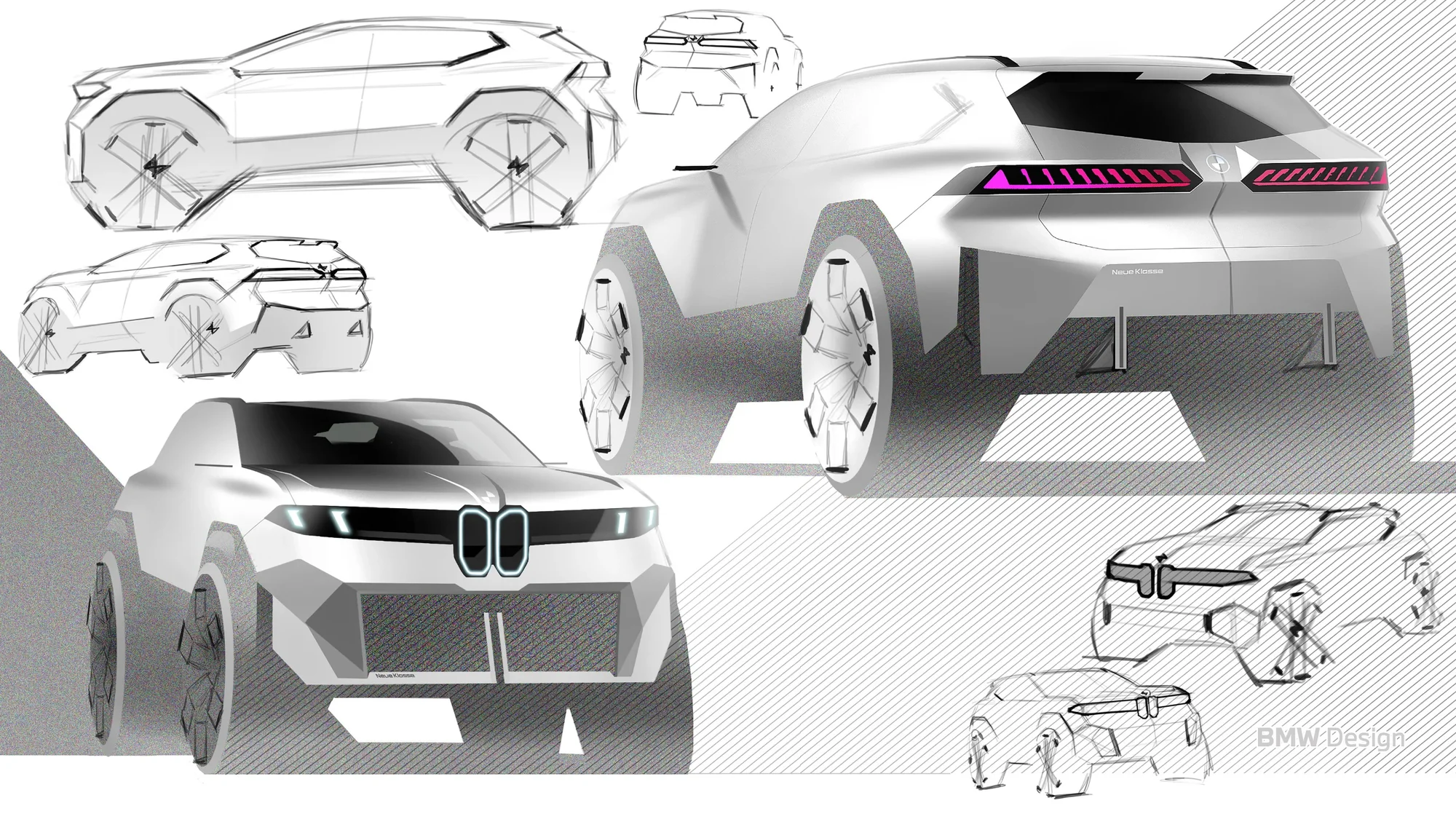
The front of the iX3 features a reinterpretation of the typical BMW look, as we know it from the old Neue Klasse, the BMW 1800 (1963) or the 2000 (1966). Just like back then, we have brought the kidney grille and headlights together to form a graphic unit, but now we have integrated much more technology. Sensors and cameras are hidden behind it – everything you need nowadays to make the car intelligent and enable semi-autonomous driving. We no longer use chrome around the kidney grille, but have now framed it with light.
What role does this emphasis on design heritage play in the future of the brand?
A quote like this is very important to us. But this is less important for the rest of the world than it is for us in Europe. People here should still be able to identify with the brand, but at the same time be excited about the new type of BMW. I am sure that anyone who knows our history will recognise it in this front end. On the other hand, it is always good to have this connection to history in other markets.
What influences do architecture, urban planning, fashion, furniture design and art have on the appearance of cars?
This question is always very important to me. I like all kinds of creative stuff because we want our products to be useful in future cities. That's why it's important to understand a little bit about how architects think, what they plan and what they think. Modern art is another creative field that looks at society in a critical way. You can get a lot out of it. Not only can you enjoy it as a source of inspiration, but you can also listen to it and learn from it. What are they talking about right now? What do they want to tell us? Topics like fashion, colour and materiality are still important. We think car insides are getting more comfortable, and at the same time, cars are becoming more technologically advanced and smart.
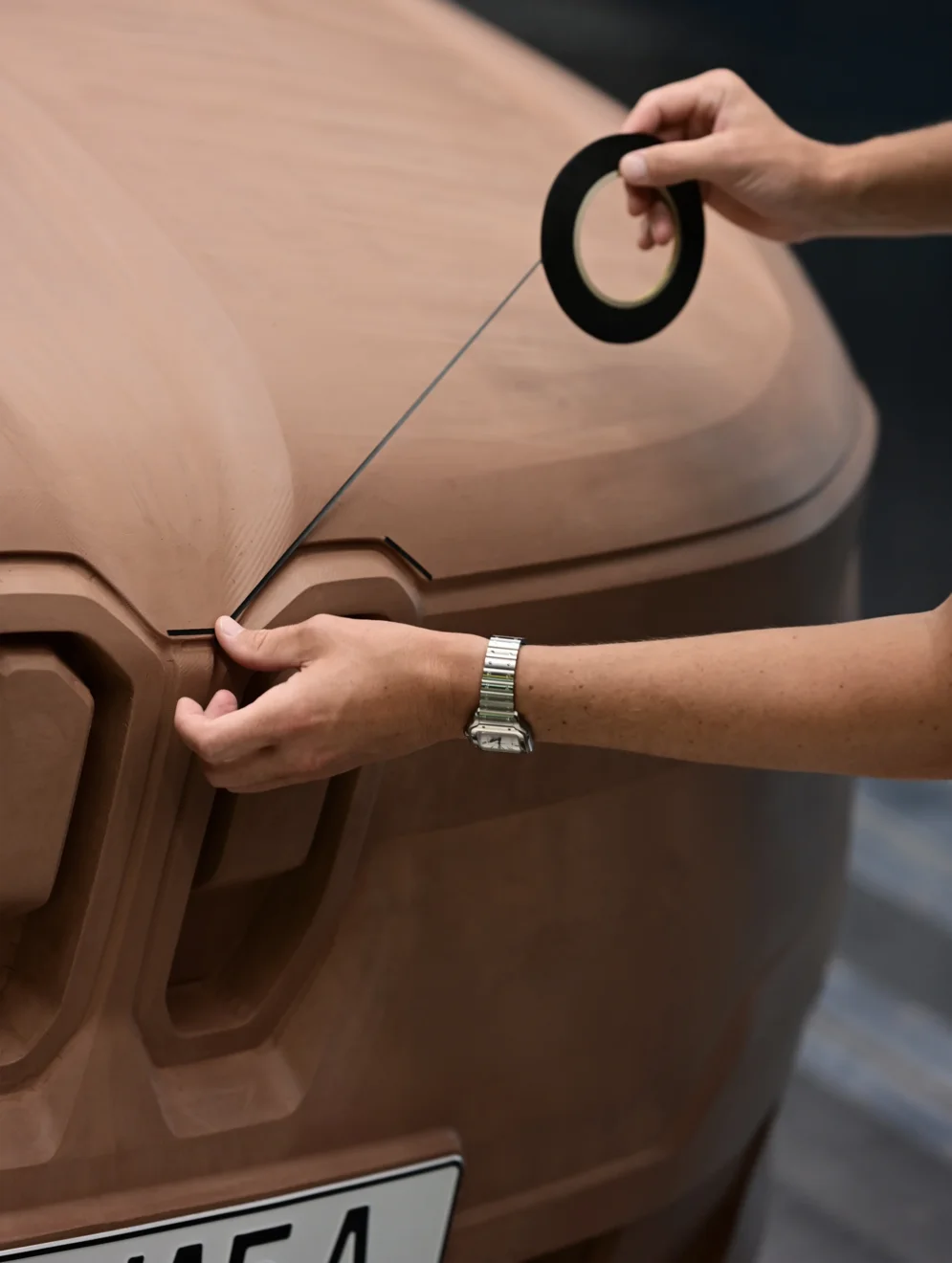
How will AI contribute to the vehicle design of the future?
We are not far from using AI in our design processes. With its support, you can turn a sketch into a model more quickly, and then animate the model. Before, this involved several steps. I think this will make us as a design team much better. Until now, only designers were able to understand sketches. But a film showing a car driving is something that many more people will understand. For me, it's not about getting faster, but about making better decisions. Many people who work with us will find it easier to understand what we are aiming for.
Your career at BMW began 33 years ago, in 1992. Before that, you got a master's degree in industrial design from Delft University of Technology and a degree in automotive design from the ArtCenter College of Design in Switzerland. Have you ever thought about trying a different brand or a different type of design?
Other brands have had the same idea, but I never went for it. While I was at Designworks, I met a lot of clients from outside the company. One of them was the American furniture company Emeco, which is known for its aluminium chairs. I designed a chair for them that is still being made today. I really enjoyed that, partly because it was a relatively quick process. I still consider myself an industrial designer, and I specialise in designing cars. But I don't have time to do everything. I would probably have to leave BMW to spend more time on other things. But that's not going to happen right now, because we're having some very exciting times in the world of mobility.
As Head of BMW Group Design, you are in charge of about 700 designers. How much of Adrian van Hooydonk's usual style can you see in each design? Have you ever had the chance to write with a pen yourself?
For me, drawing is a practical way to communicate. Sometimes it's quicker to make a few quick lines and use them to show what I mean or how I see things. As head of design, I am responsible for everything that comes out in the end. But I know that I should let these 700 creative people speak first. After all, it's always about designing a new BMW, a new MINI or a new Rolls-Royce together, not a new Adrian van Hooydonk model. There is a little bit of emotion involved in decisions, because it's not always possible to explain rationally why you like one sketch less than another.
Looking back on your career at BMW today, what makes you particularly proud?
I'm already very happy about the Neue Klasse. We are now ready to launch it. It was and still is a lot of work. But I can hardly wait to see the cars on the roads. During a design development like this, everything is a secret. First you see a sketch, then a model. Then you might see two models. At some point, you go to the factory where the vehicle is being built, and suddenly there are a few hundred of them. And then, at some point, you see the car turning the corner in New York, Tokyo, Paris or London. I find it interesting to see who's inside, what features they've chosen, and how they're using the vehicle. The fact that our products are sold all over the world is really special.