Museum of the Future
For conservation reasons, many items in museum collections can only be displayed to a limited extent. The ‘Museum of the Future’ exhibition at the Museum für Gestaltung Zürich embraces this limitation as a design challenge, transforming the exhibition space into a laboratory of the future. Seventeen experiments explore how digitalisation and AI can enrich, expand and democratise the experience of objects. The spectrum ranges from interactive setups to data-based visualisations, focusing on how communication and preservation can be rebalanced.
Digital Proximity to Fragile Originals
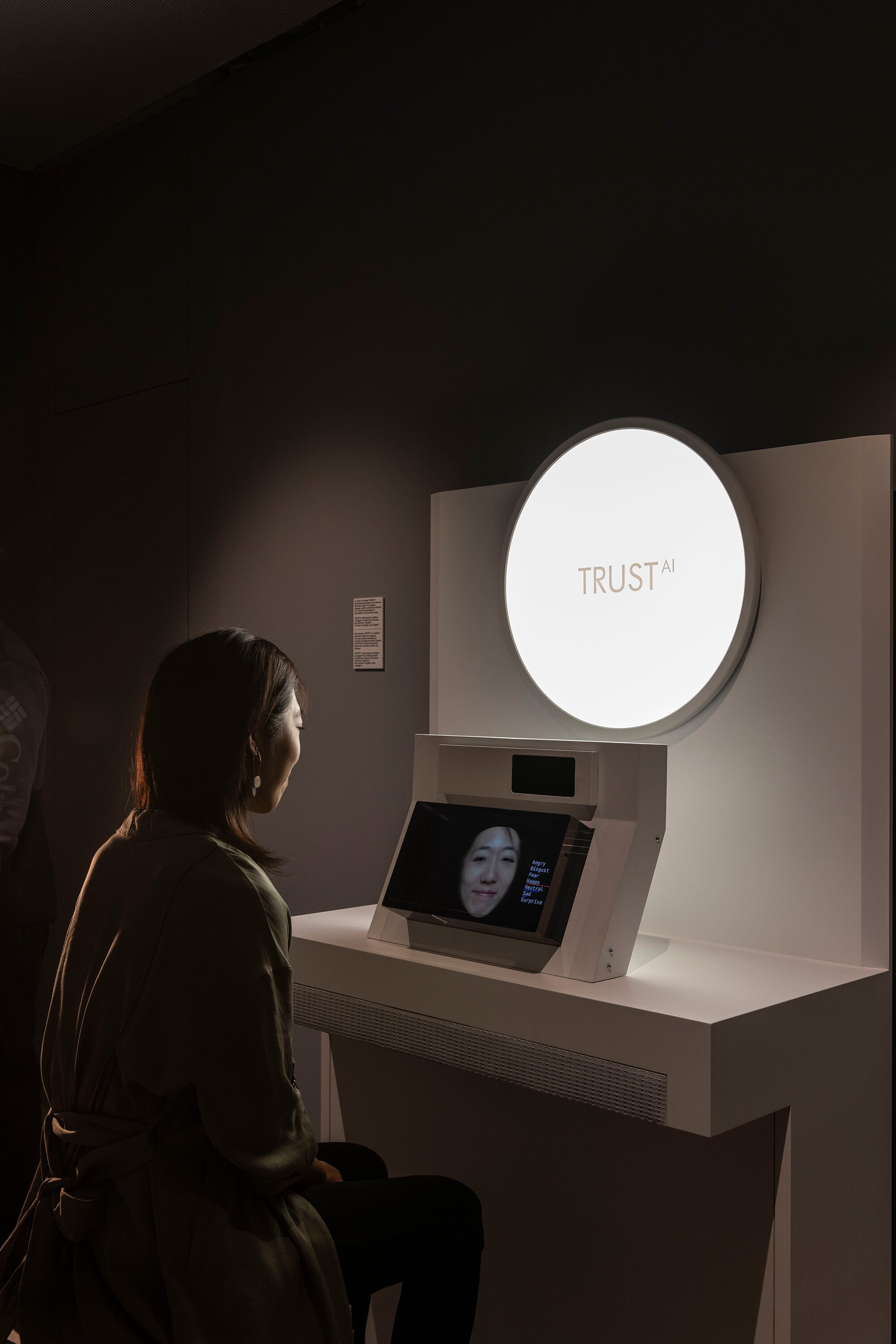
The tour begins with AI-driven projects. ‘TRUSTAI’ mirrors its human counterpart by scanning its ‘identity’ and blurring the boundary between humans and computers. In a series of case studies, the research potential of AI is demonstrated by making charred scrolls from Herculaneum and letters from the reformer Heinrich Bullinger legible. There is also an entertaining exploration of image generators and prompt battles.
A particular highlight is the digital panorama of the Battle of Murten. Created by the EPFL Laboratory for Experimental Museology, this 1.6-trillion-pixel reconstruction is currently the world’s largest digital image. It enables viewers to experience the 360-degree painting in full detail interactively.
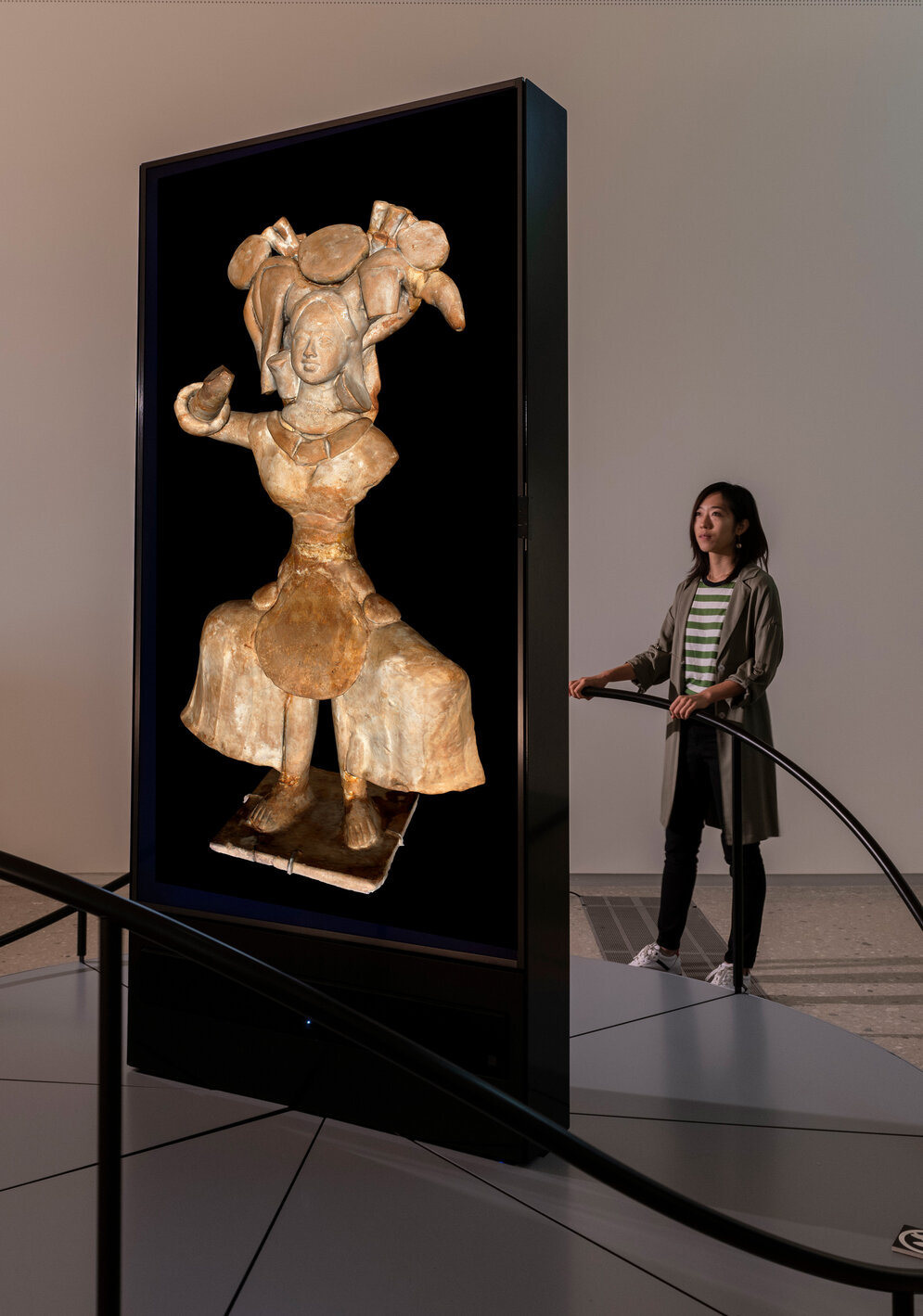
The exhibition also explores the potential of replication. Exhibits that cannot be transported are presented as ‘digital avatars’ in the gallery. ‘Double Truth II’, for example, invites visitors to view large Indian sculptures from all angles. Bronzes from Benin demonstrate various techniques that can be used to create high-quality reproductions. Visitors can fly through a virtual reconstruction of Le Corbusier’s unrealised concrete pavilion design, while immersive microscopies reveal new perspectives on tiny insects.
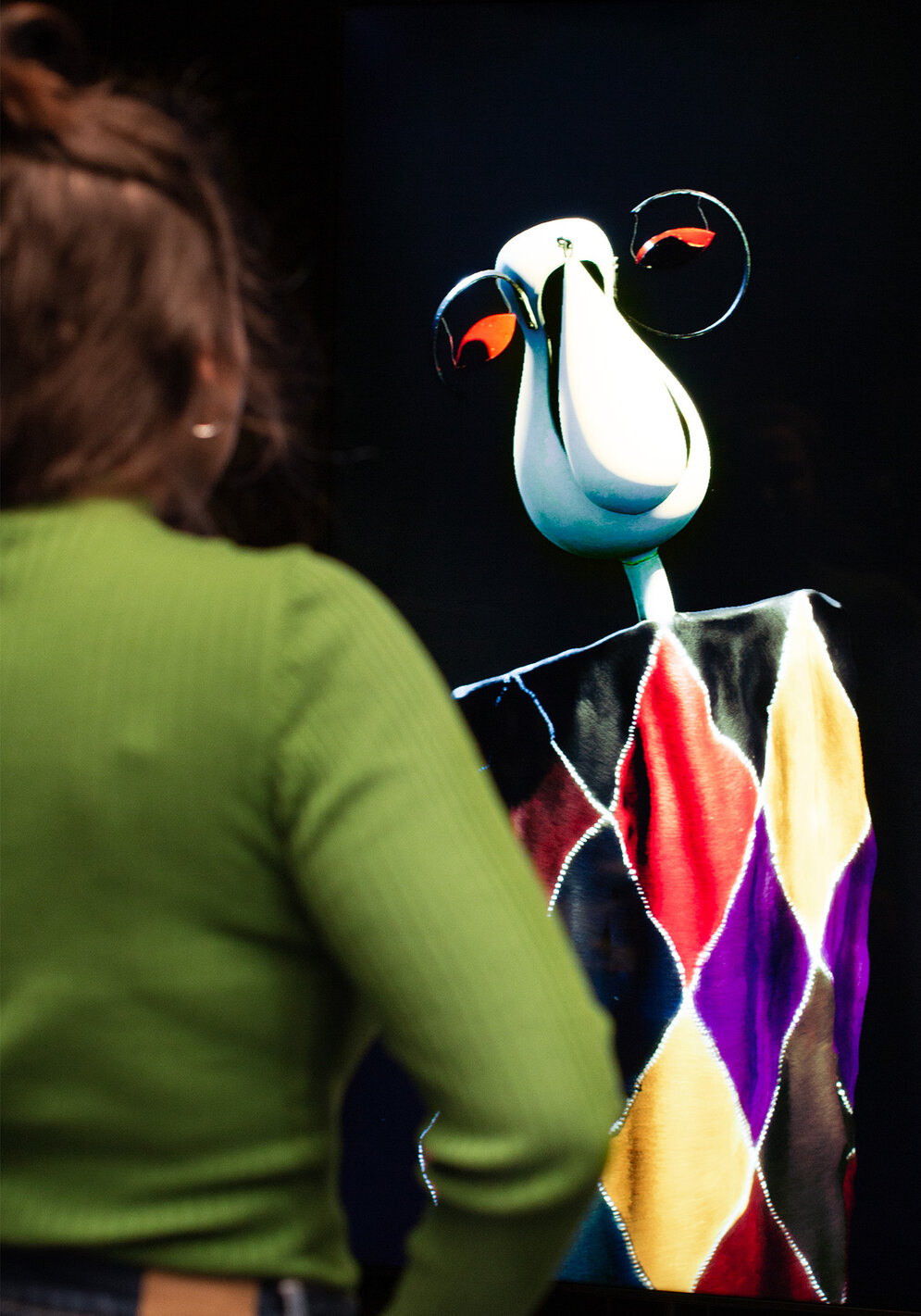
Key objects in the collection include: – Sophie Taeuber-Arp’s delicate marionettes, which ‘dance’ and react to audience movements as digital twins. Students from ZHdK also enhance the experience with artistic reconstructions and a short film. In the dialogue room, visitors can converse with Fred Schneckenburger’s stick puppets, which are brought to life by a large language model. The exhibition is the result of a multi-year research project by the Zurich Digitisation Initiative DIZH (Zürcher Digitalisierungsinitiative) in collaboration with partners including the Laboratory for Experimental Museology (eM+) at EPFL Lausanne, ZHdK, the Natural History Museum Zurich, the University of Zurich and ETH Zurich. International input has also been provided through a collaboration with Swissnex, in which six designers and artists from Brazil, China, India, Japan, South Africa and the USA have developed new approaches to the collection.