No-Go or Business-As-Usual?
At first glance, a lunchbox seems like a completely harmless product, but it can be both remarkably simple and surprisingly complex. It is functional and easy to use, and it keeps its contents fresh. You might call it an everyday object of convenience. But does that change when a soldier takes it into a trench? Does it suddenly become military and ethically questionable? Depending on its context, the very same object can be judged in entirely different moral terms.
“Design is always context-dependent,” says one professor of industrial design, using the seemingly innocent lunchbox to illustrate the industry's obvious dilemma. The real question, then, is this: should designers create products for defence purposes – or might there even be an ethical obligation to do so in light of the threats facing liberal democracies?
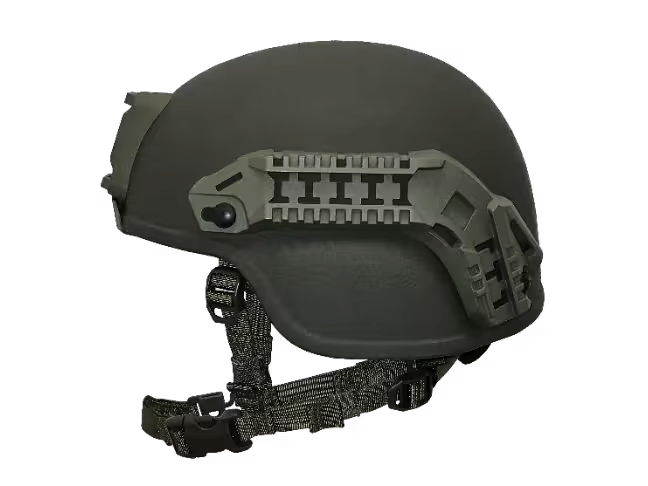
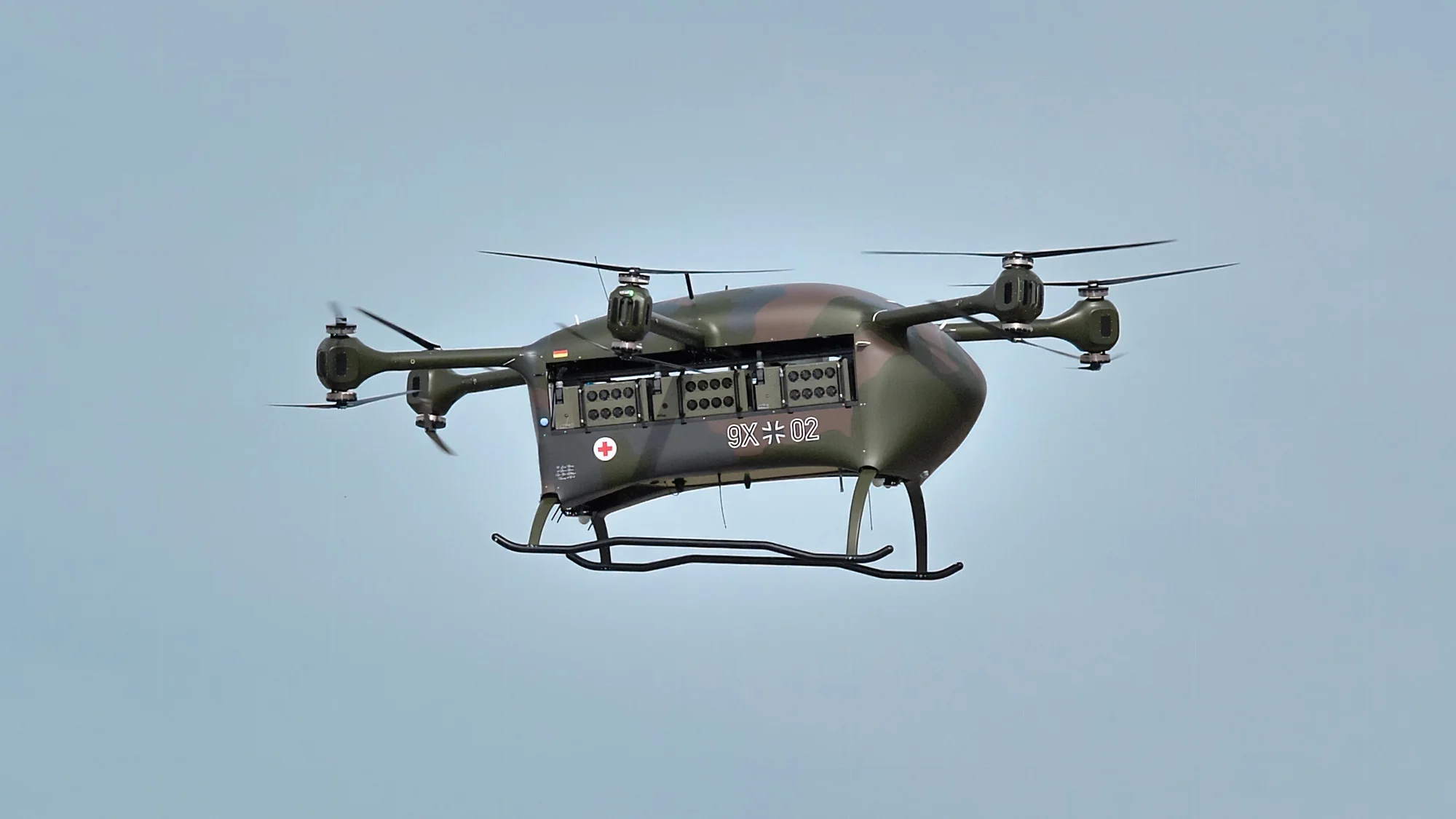
And defence design is not solely about battle tanks or rifles. There is an enormous range of products that are not intended to kill but rather to do the opposite: to protect, rescue and support their users, or simply to improve their chances of survival in the field. Is a medical kit for first aid on the battlefield ethically problematic? What about an autonomous rescue vehicle that could, in theory, be converted into a weapons platform in the future? Or the gunner’s workstation inside a Leopard 2 tank? Clearly, designers with expertise in ergonomics have been involved in creating these systems. Designer Ralf Jakubowski refers to this as “combat compartment ergonomics” in a remarkably detailed article published in the specialist journal Europäische Sicherheit & Technik in 2022. He remains the exception.
The Great Silence
We wanted to understand how defence companies approach design. Every enquiry went unanswered, except for one company that tersely replied that it had nothing to say on the matter. At least it responded. Evidently, the defence industry has little interest in discussing the role of design in its public communications. Perhaps because design is regarded as secondary, perhaps because confidentiality requirements make open discussion impossible – or perhaps both.
Silence prevails on the designers’ side as well. Agencies working for defence clients do not talk about it, and neither do studios that refuse such commissions. “Nobody wants to expose themselves,” one designer admitted privately. We spoke confidentially with several others, and one thing became clear: nothing is clear.
There appear to be three camps: agencies that handle defence work like any other assignment; those that categorically reject it; and those that remain undecided. One recurring sentiment was: “I refused military service when I was younger, and I still stand by that decision. But reality has changed.” Even the VDID – the Association of German Industrial Designers – has so far remained cautious. Internal discussions are reportedly taking place, but no official position has been adopted. Perhaps there never will be one, and perhaps that would be appropriate. For now, however, the association’s silence reflects the silence of the wider industry.
It’s the Economy
One factor exacerbating the dilemma is the economic downturn. German and European companies are struggling or shifting investment towards in-house capabilities, resulting in fewer commissions for external design agencies. Many studios are attempting to shrink sustainably; others are disappearing altogether.
The impact of empty order books is immediate. “Everyone is looking at the defence sector,” one designer who spoke to us confidentially observed. And with good reason: the defence market is booming. Europe is rearming, Germany is investing heavily, and security infrastructure has become a political priority.
The design industry is fully aware of this but is responding quietly, without any clear strategic direction. Anyone viewing defence as a potential way out should also consider another aspect. “The public image of designers is already under pressure,” reports one practitioner who once worked on the design of a logistics vehicle. “People generally suspect us of prioritising aesthetics over substance. It’s comparable to the way mechanical engineering was perceived thirty years ago.”
Dual Use: The Convenient Grey Area
What makes the issue even more complicated is the principle of dual use. Technologies with both civilian and military applications increasingly blur the boundary between ethical spheres. Drones, communication systems, simulation software, protective equipment, medical devices and robotic kitchens all occupy overlapping territory where distinctions between civilian and military use become less clear.
“Dual use leads to a merging of industries and makes it increasingly difficult to draw boundaries. We cannot prevent a medical product we designed from being manufactured in olive green the day after tomorrow,” one designer explains. Another designer working with inflatable sheet-metal structures has experienced a similar shift. Originally conceived fifteen years ago as purely civilian urban furniture, these structures are now being reconsidered as potential protective shelters.
One of the defining characteristics of designers is their ability to think beyond existing contexts – transferring insights, processes and concepts from one field to another. Yet in this area, such transfer suddenly appears unacceptable. Once again, context becomes everything.
Start-ups Think Differently
“There are already some really exciting start-ups that we’re watching very closely,” another designer admits – exciting in terms of both innovation and business strategy.
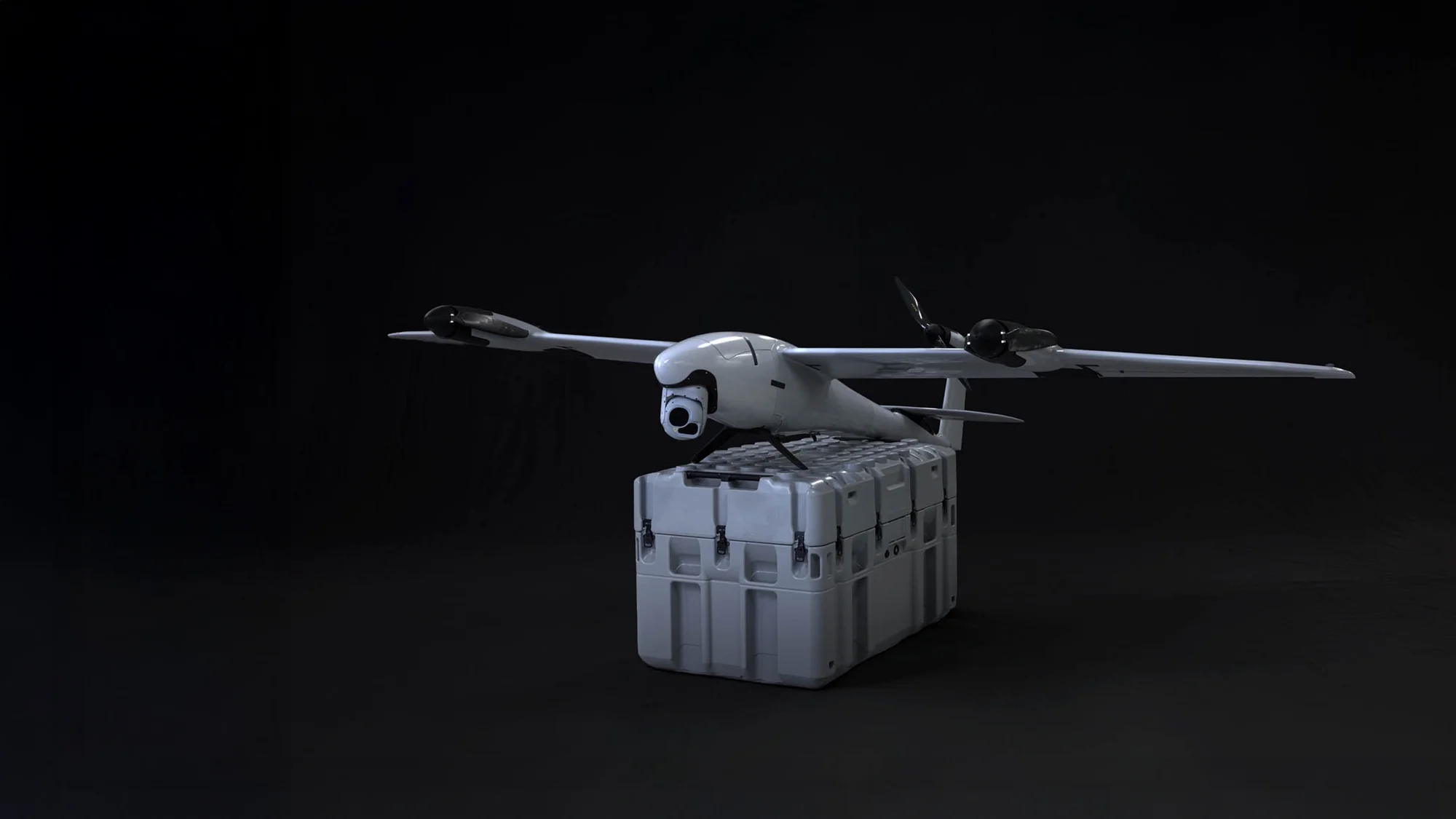
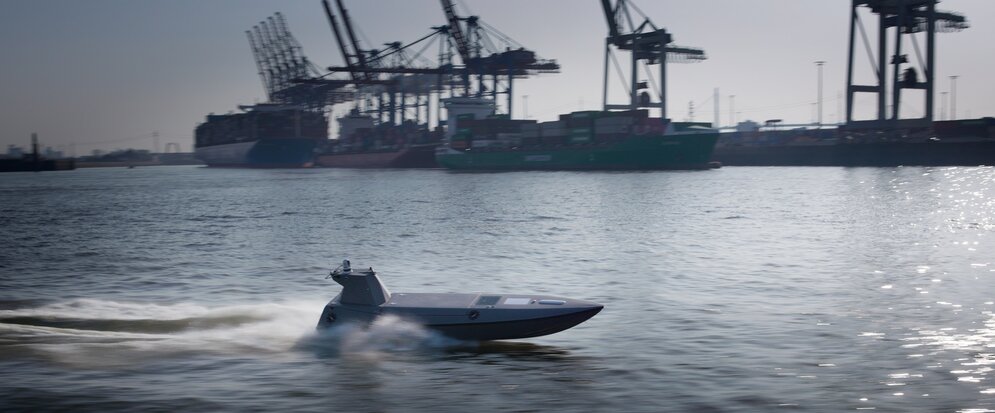
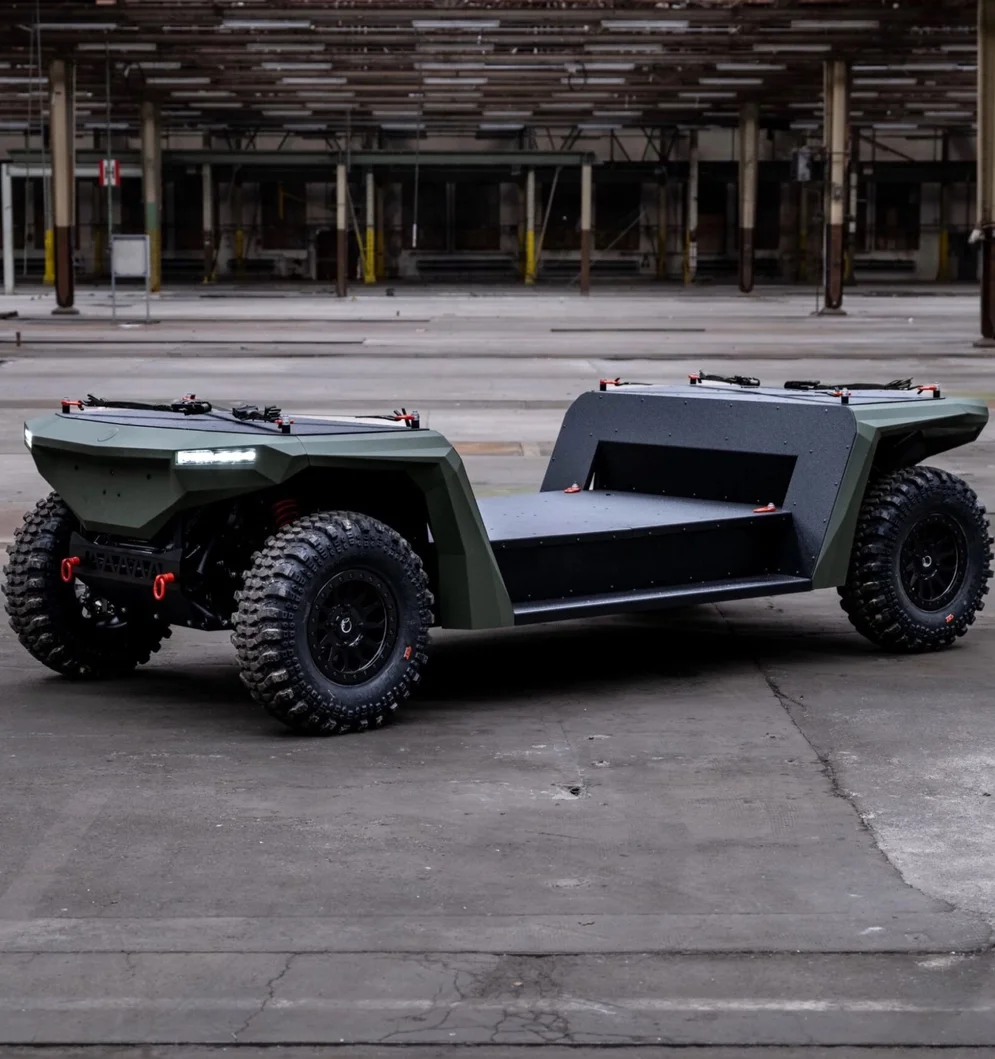
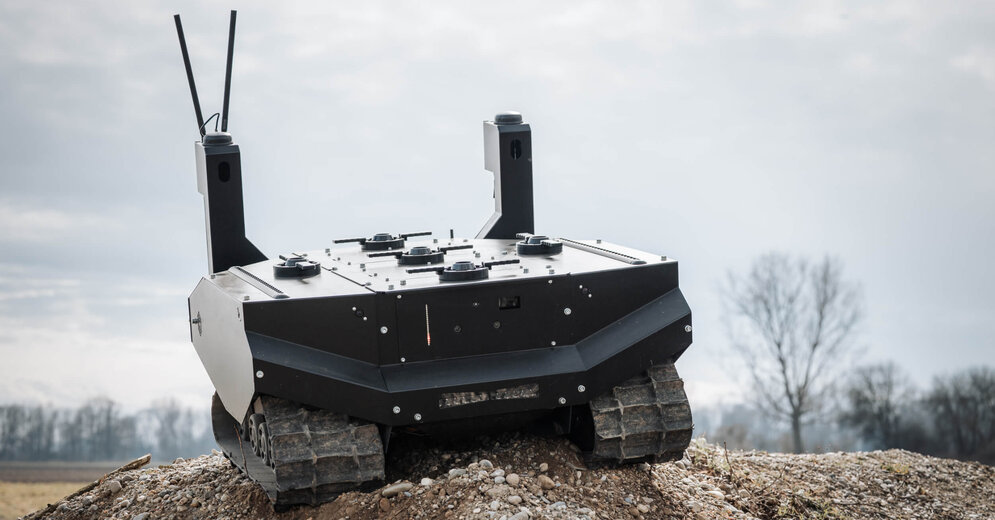
Particularly in the field of land-, sea- and air-based drones, development is currently accelerating at remarkable speed, including market expansion. Established defence companies traditionally waited for procurement specifications from military bureaucracy, spent years developing products, manufactured them, and then repeated the process once their service life ended. They essentially fulfilled orders. – young companies such as Quantum Systems, ARX Robotics or AVILUS take a different approach. They develop technologies in advance, are intensely technology-driven and subsequently bring their products to market. That means they compete with one another. As a result, design acquires a new function: differentiation – of the company itself, its products, its services and its brand.
These new defence-sector players follow a different market logic and must persuade investors. To do so, they require differentiation, and therefore design. For perhaps the first time, design in the defence industry is no longer regarded as mere styling but as a strategic instrument. New defence companies are investing in visual identity, user experience and product aesthetics. Yet for design consultancies seeking entry into this world, access remains difficult. “You need the right contacts,” is the succinct explanation. The sector is highly closed, operating through networks, trust, confidentiality agreements and strict compliance procedures.
And What About Universities?
While industry remains silent, universities are beginning to develop their own vocabulary for addressing the issue – significantly, through the concept of resilience.
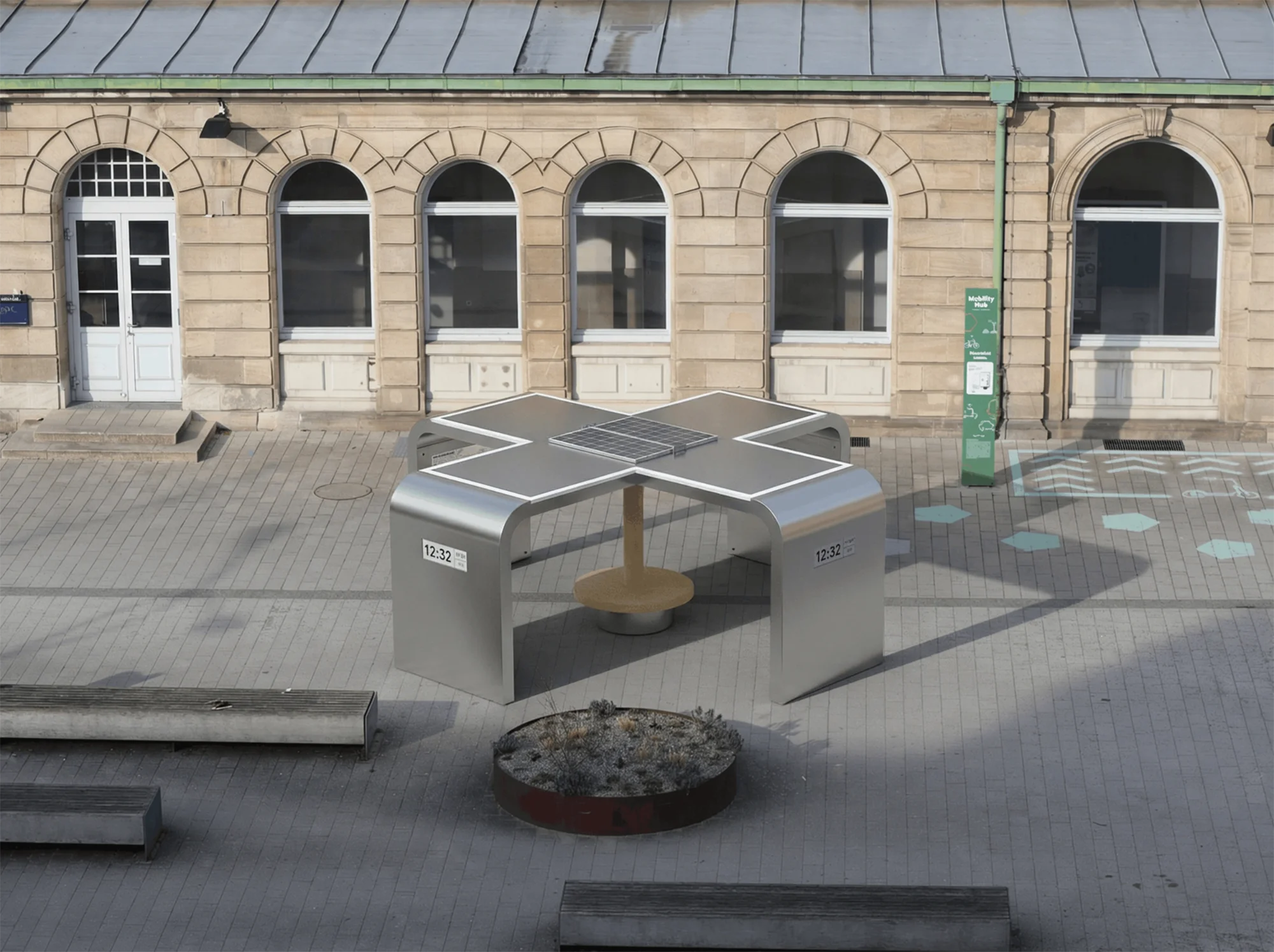
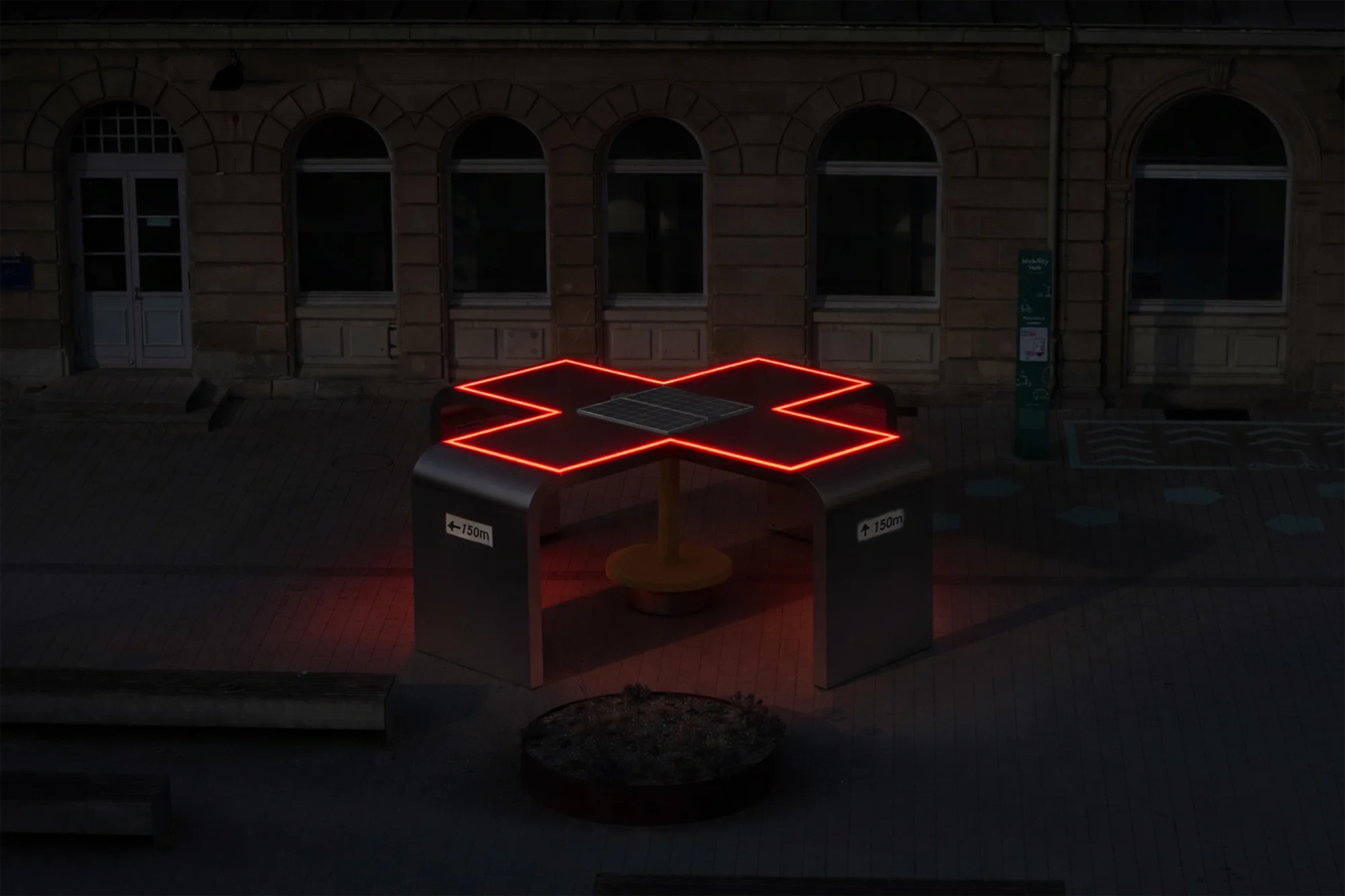
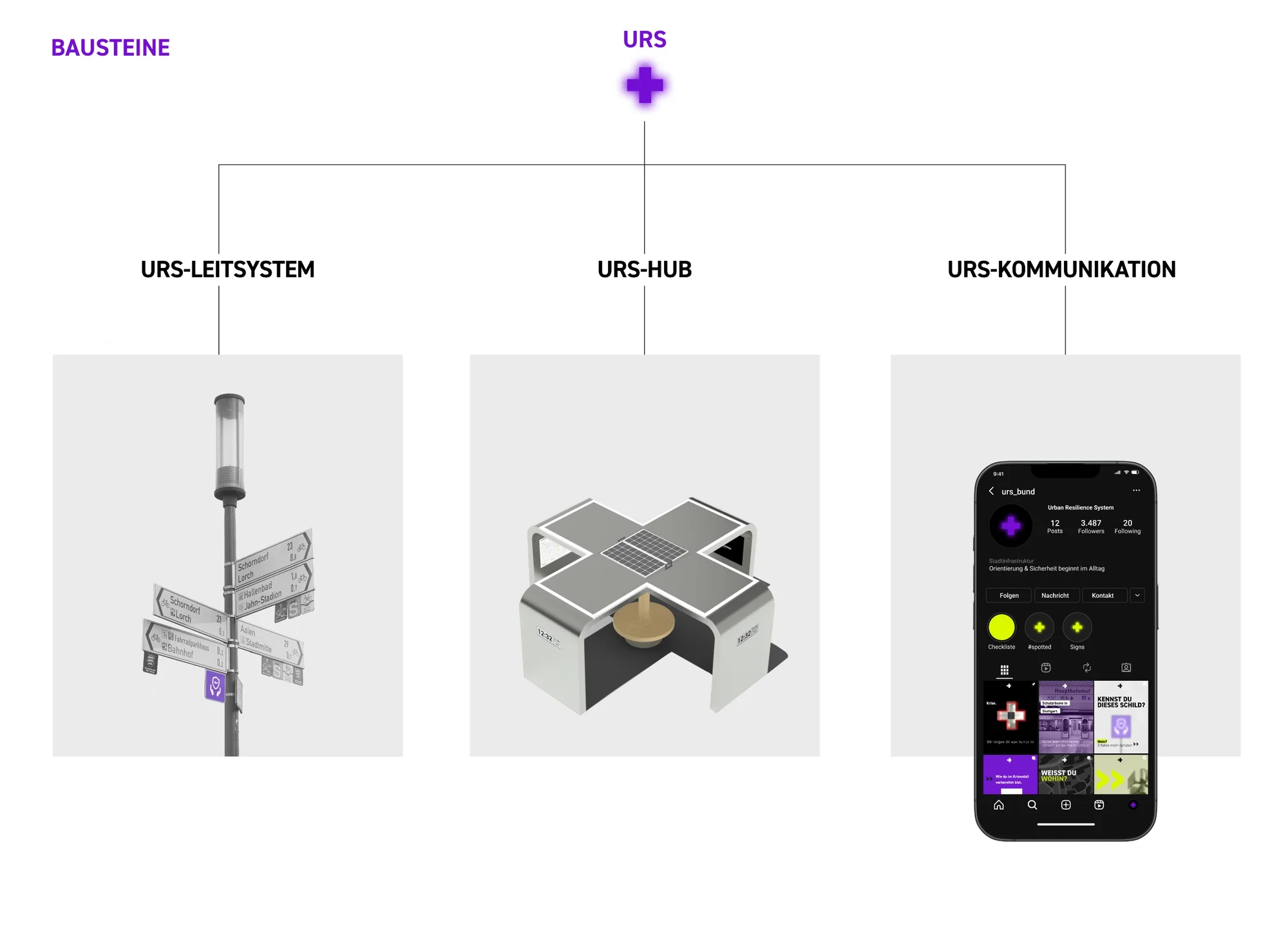
At HfG Schwäbisch Gmünd, defence does not appear explicitly in the curriculum. Nevertheless, students are developing projects on urban protection systems, emergency preparedness, decentralised disaster response and mobile accommodation for emergency personnel. These are projects with potential relevance to both civilian and military contexts. “Students are sceptical about the militarisation of design,” the professor remarked during our conversation, once again using the lunchbox as his illustrative example.
The Real Problem Is the Silence
An industry undergoing profound transformation while refusing to discuss that transformation – that is the true dilemma.
Whether one chooses to work for the defence sector is a legitimate and complex question that can only be answered individually. The greater problem is that the question itself is not being debated publicly. Everyone decides in isolation, without any shared frame of reference. In doing so, the opportunity to establish conditions and boundaries is lost. Those who remain silent, who fail to define their own position, risk having others define it for them. The spectrum between first-aid equipment and weapons systems is vast. Precisely for that reason, guidance is needed. This is particularly true when it comes to something as seemingly innocent as a lunchbox.
A Note on Our Behalf
“Design for Defence” touches on a sensitive and complex subject area that gives rise to differing perspectives and even controversial viewpoints. With this article, we aim to provide an initial introduction and spark a discussion – not to conclude it.
We welcome feedback, experiences and practical insights, and we particularly encourage critical or opposing viewpoints to be sent to design-perspectives@gdc.de
We will continue to explore this topic. We see this article as the start of a dialogue that we would like to continue together with the design community.