Positions on Freedom. Design and its Boundaries
The term ‘freedom’ is frequently used and just as frequently debated. Even the Basic Law, which mentions it 64 times, does not define a clear meaning. It is precisely this complexity that forms the starting point for the exhibition ‘Positions on Freedom: Design and its Boundaries’.
From 14 May to 28 June 2026, the Museum Angewandte Kunst presents the interdisciplinary project as part of World Design Capital Frankfurt RheinMain 2026. The exhibition was initiated by designer, curator and journalist Anton Rahlwes, in partnership with the thing Magazine and USM Haller.
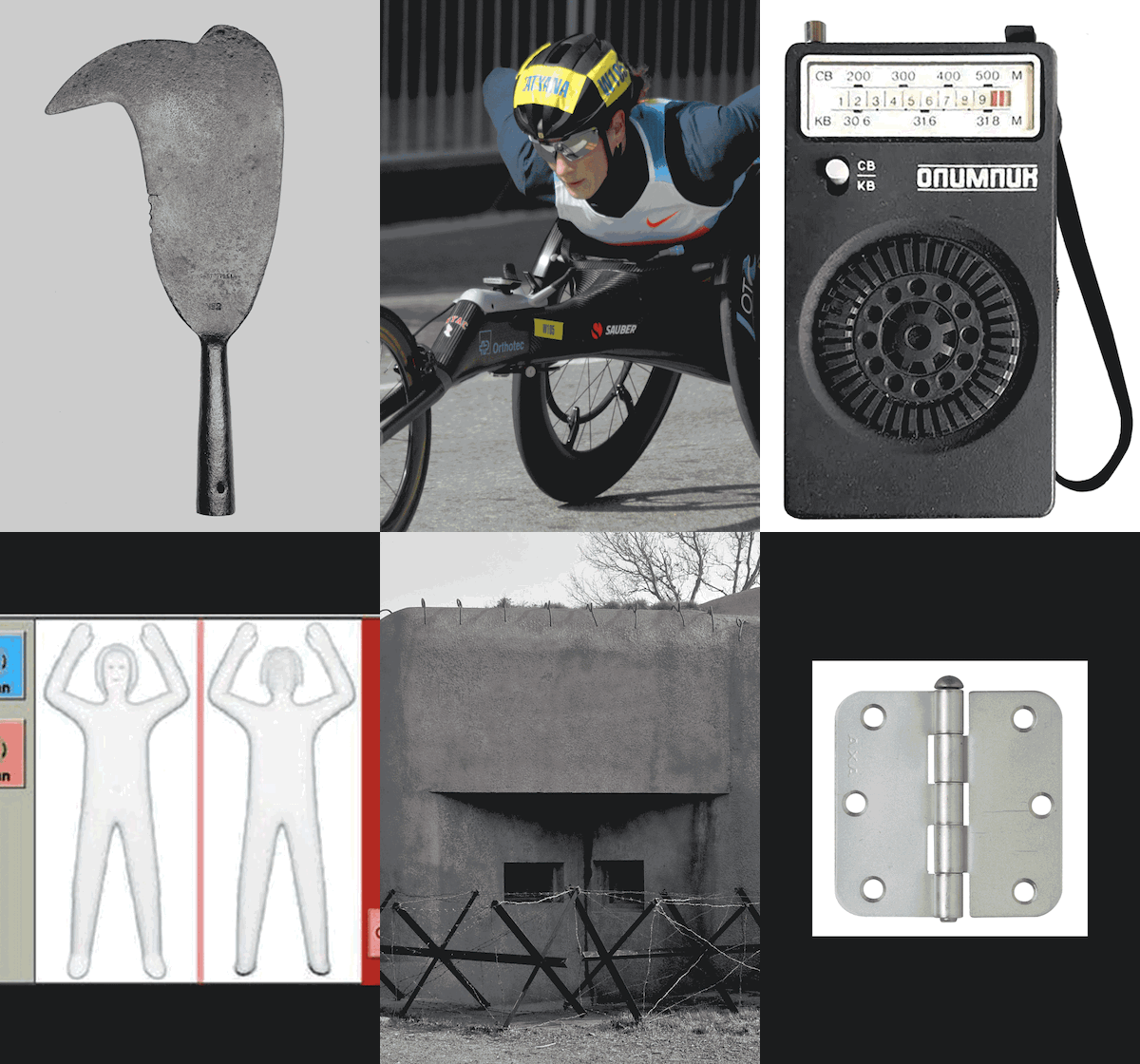
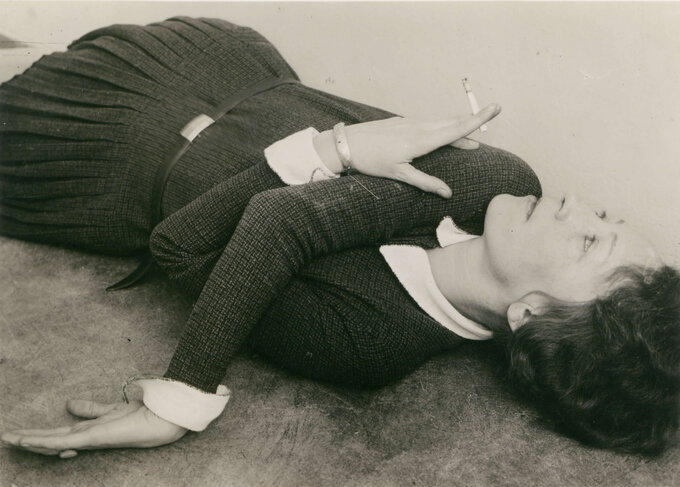
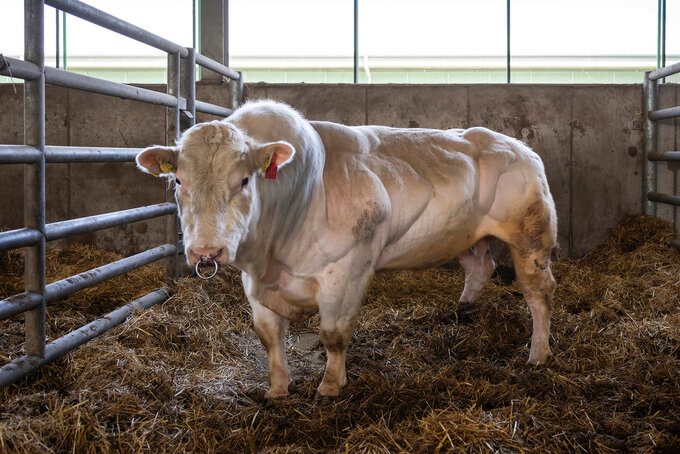
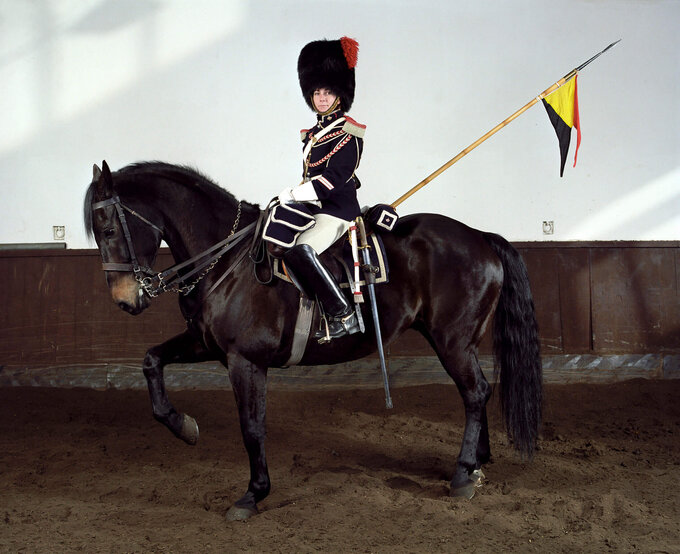
It combines commissioned works, an international open call and pieces from the museum’s collection. The starting point is the question of how freedom is not merely conceived, but made tangibly experienceable through design. Objects, systems and images do not merely depict freedom; they also actively structure it and influence what is possible and what is not. The exhibition therefore understands freedom not as a fixed state, but as a field of tension between autonomy and dependence, the individual and the collective.
Three Approaches to the Topic
The exhibition is divided into three interconnected sections:
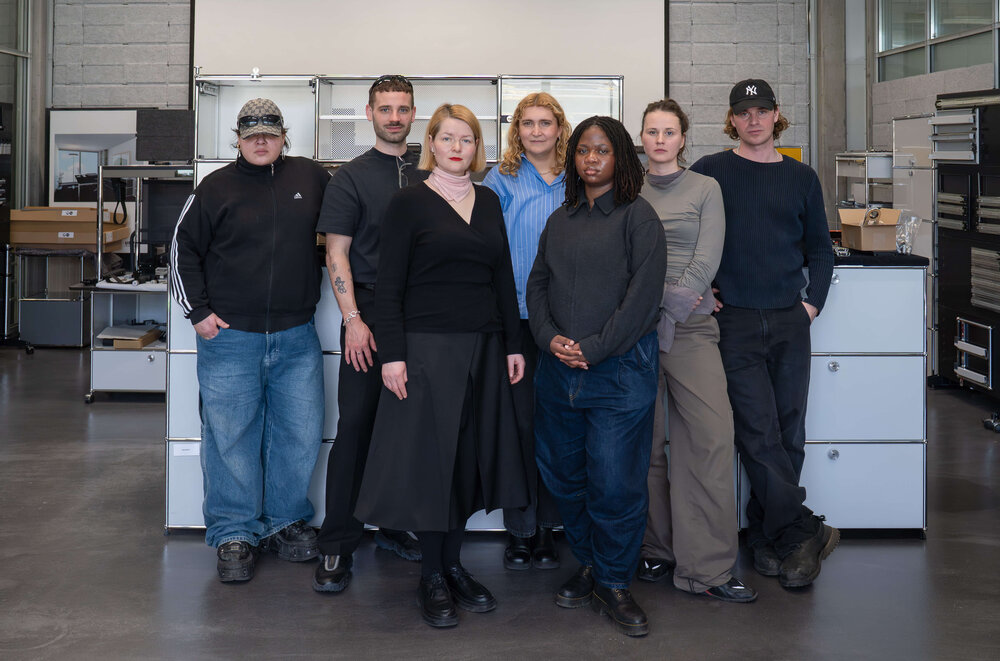
In collaboration with USM Haller, Fatma Cankaya, Mawuto Dotou and Johanna Seelemann are developing new works. Their starting point is USM’s modular shelving system, which they are transforming and reinterpreting.
An international open call, curated by Anton Rahlwes and Vera Sacchetti, brings together further contributions from the fields of design, architecture and art.
A third section presents objects from the museum’s collection in new contexts, highlighting how differently freedom is understood historically and culturally.
Exhibition as a Collective Space for Thought
A reader, edited by Anton Rahlwes and Nina Sieverding, explores the exhibition’s themes in greater depth. The scenography by Anton and Lotti Defant and the visual design by Autostrada Studios translate the content into the exhibition space. At the heart of the exhibition is the idea that design, curatorial work and education contribute equally to the exploration of the theme.