Repair as a Business Model?
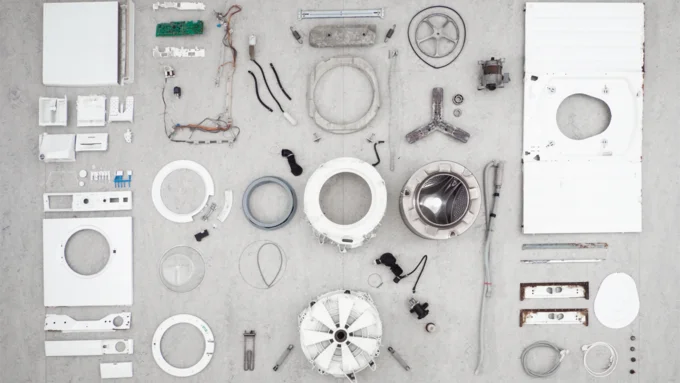
We’re all familiar with the worst-case scenario: one morning, the washing machine breaks down. It falls silent and refuses to work. It may not be the newest model, but the timing couldn't be more inconvenient. We ordinary people stand there helplessly, wondering what to do. The thought of trying to figure out what might be wrong with the old appliance is overwhelming. Pragmatists may simply accept that around five years is a reasonable lifespan for a standard, mid-range washing machine. They quickly order a replacement model online with delivery and installation within 24 hours, as well as disposal of the broken machine included. Before long, the first wash cycle is running again in the splendid replacement. The problem is solved. Out of sight, out of mind. One could get used to that.
In any case, support for a ‘right to repair’ currently exceeds the actual repair rate: 89 per cent of consumers consider such a regulation important. However, according to figures from the Federation of German Consumer Organisations (VZBV), currently, only 23 per cent of broken appliances are being repaired. These figures, based on various surveys, highlight a clear discrepancy between public support and current practice. The main obstacles are cost, a lack of spare parts, and difficulty finding a suitable repair option. (5, 6)
How Could Things Have Turned Out Differently?
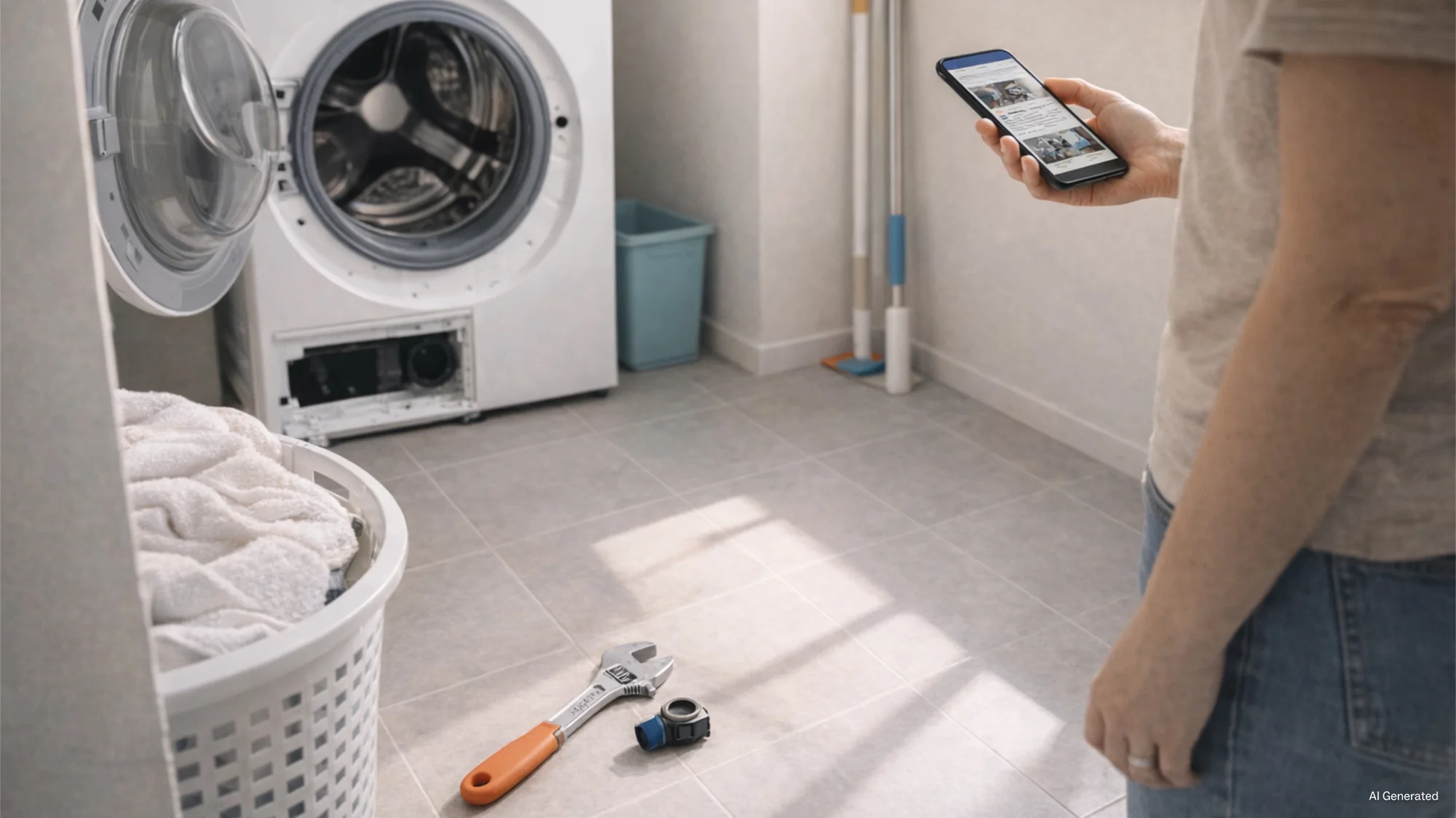
Once the initial shock had passed, a quick online search of the many available tutorials would probably have helped identify some initial troubleshooting steps. One could certainly have dealt with a blocked lint filter or drain pump, as solutions to such minor faults are usually incorporated into the design from the outset. The process is incredibly simple and self-explanatory. However, a limescale-encrusted heating element or a broken motor would have prompted those who are less technically minded to call a professional repair service. After obtaining a diagnosis and transparent cost estimate, consumers can then decide whether the repair is worthwhile or if it makes more sense to replace the machine with a new one. The key factors here are cost, time, the availability of spare parts, and how likely it is that the repair will be successful.
The Right to Repair
The German regulations implementing EU Directive (EU) 2024/1799 have been in force since 31 July 2026. These regulations strengthen consumer rights by obliging manufacturers of certain product groups to offer or facilitate repairs, as well as provide spare parts, tools, and repair information. The specific requirements and deadlines vary depending on the product category. (1, 2)
In the transition to a circular economy, a product's repairability is becoming a key factor, as is transparent information on repair conditions, spare part availability, and the services offered by manufacturers and repair workshops. Two aspects converge here: good design makes products repairable, while expert craftsmanship ensures their longevity. Whether this results in a viable business model depends on the interplay between design, technology, workshop practice, and customer expectations.
Designing for Reparability
Whether repairability is considered when making a purchase also depends on whether this information is communicated clearly and comprehensively. According to a recent study by the Nuremberg Institute for Market Decisions (NIM), only 35 per cent of respondents considered it important in the case of smartphones, whereas for battery life, the figure was 85 per cent. However, in a hypothetical product comparison, 65 per cent of respondents opted for the device that was easier to repair. (7)
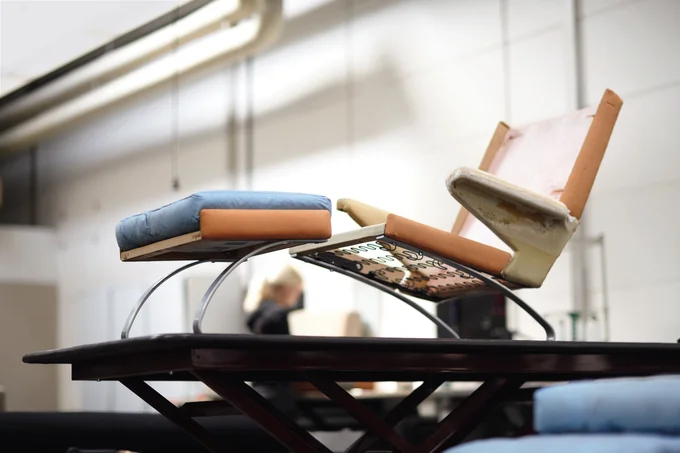
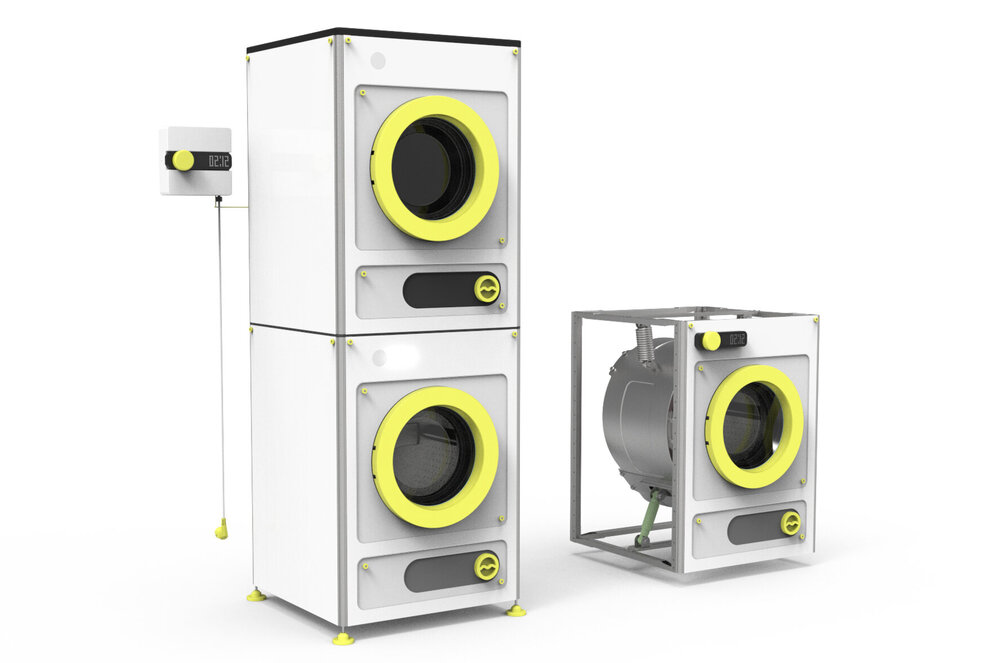
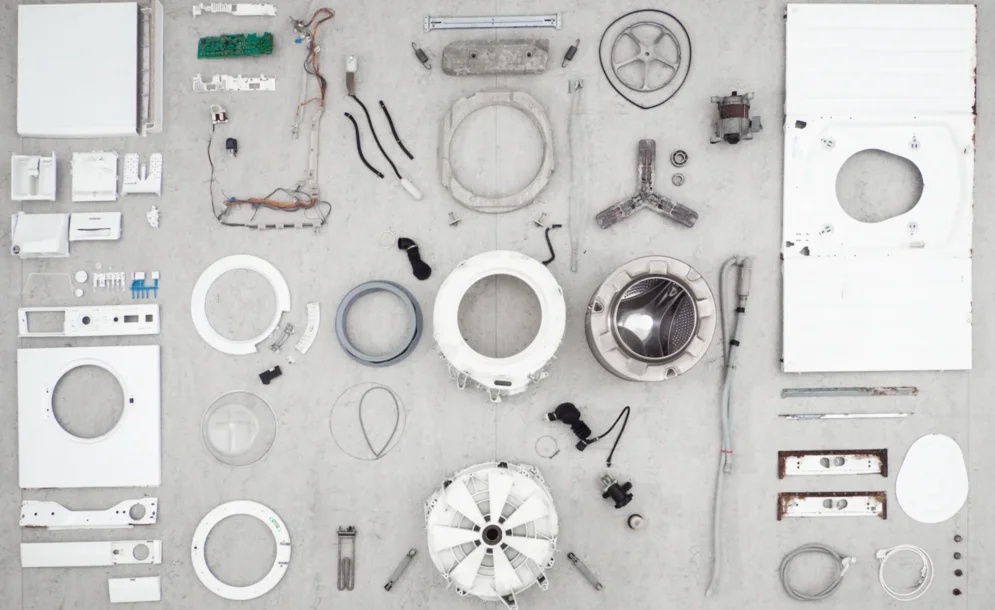
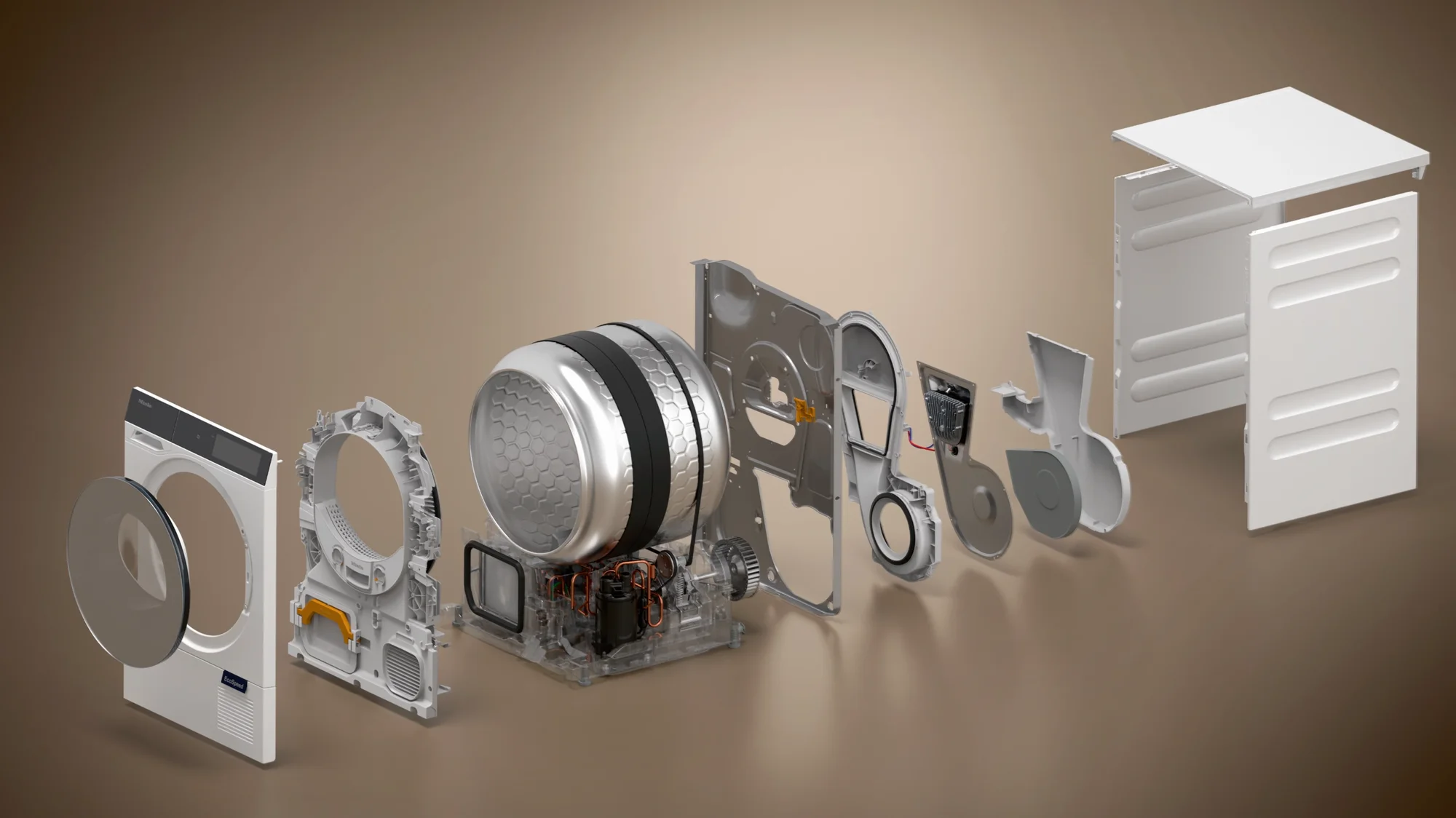
Good design must therefore not only enable repair, but also communicate this clearly. Instead of glued-in batteries or highly specialised screws, easily disassembled modular systems should be used. They should also be made from recyclable, high-quality materials whose usage and transformation cycles can extend far into the future. Yet high-quality, durable household and electrical appliances are expensive, and cheap imports are gaining ground in a global context. Short product life cycles and significant income disparities make it difficult to implement sustainable repair models. Providing long-term software updates, spare parts and technical documentation for complex, connected products is becoming challenging for manufacturers.
What Role Does Craftsmanship Tradition Play in the Circular Economy?
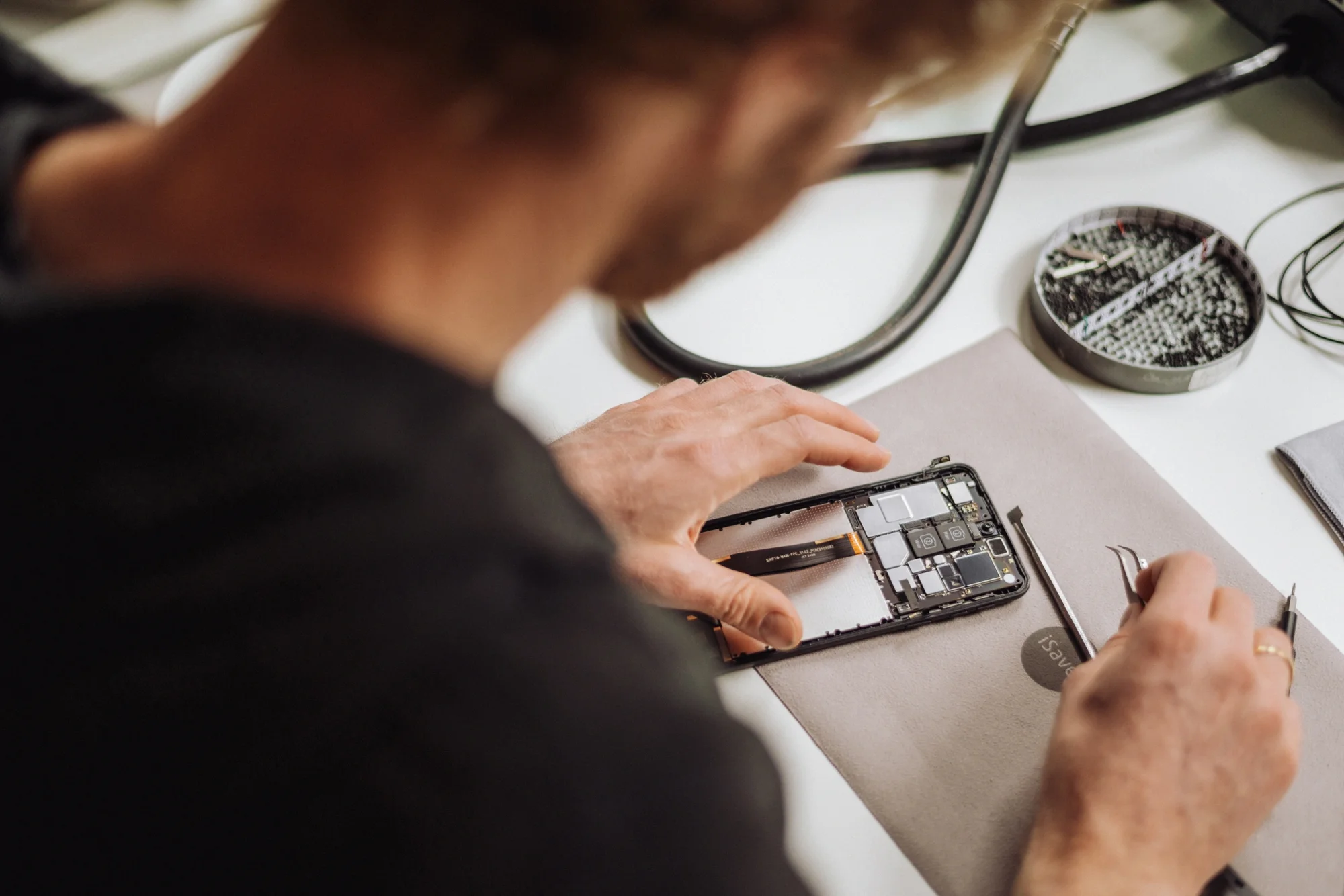
The German Confederation of Skilled Crafts (ZDH) recognises the important role of skilled professionals: "We repair, restore, refurbish, preserve, modernise, and impart the necessary skills for the transformation process." The ZDH is committed to the principles of the circular economy, as well as the quality, durability and performance values inherent to the skilled trades. (3)
But where exactly do the opportunities and risks for the craft sector lie? Professional repairs, including statutory guarantees, have always formed part of the core competencies of various trades. However, depending on the product type, technical requirements, economic conditions, and the level of social acceptance of repairs, these factors can vary. The abundance and falling prices of consumer goods and equipment are reducing our appreciation of these everyday items. Repairing them is often considered too expensive and inconvenient. Therefore, we must strengthen the culture of repair, which was originally an integral part of our economic, environmental and social systems, so that it can play a decisive role in the circular economy.
The Value of Professional Restoration Work
A study published in spring 2026 by the Institute for Business Management at the German Craft Institute (itb) and commissioned by the ZDH examines the structures, conditions, and support services required by repair trades. (4) From the perspective of the surveyed trade associations, there is a clear discrepancy between political expectations and business practice: while repairs are politically touted as a growth sector, businesses are grappling with a dearth of spare parts, slim margins, unpredictable working hours, and a dearth of skilled workers. Added to this are customers’ expectations; many still tend to compare repair costs with the price of a new item. Depending on the product group — ranging from shoes and windows to smartphones and technical devices — repairs entail very different technical, economic, and organisational requirements. Effective measures to promote repairs must take these differences into account. High hopes are therefore pinned on an online platform due to be established by 31 July 2027 to connect consumers, repair shops and manufacturers, and to make repair services more transparent and accessible.
Repair as a Business Model
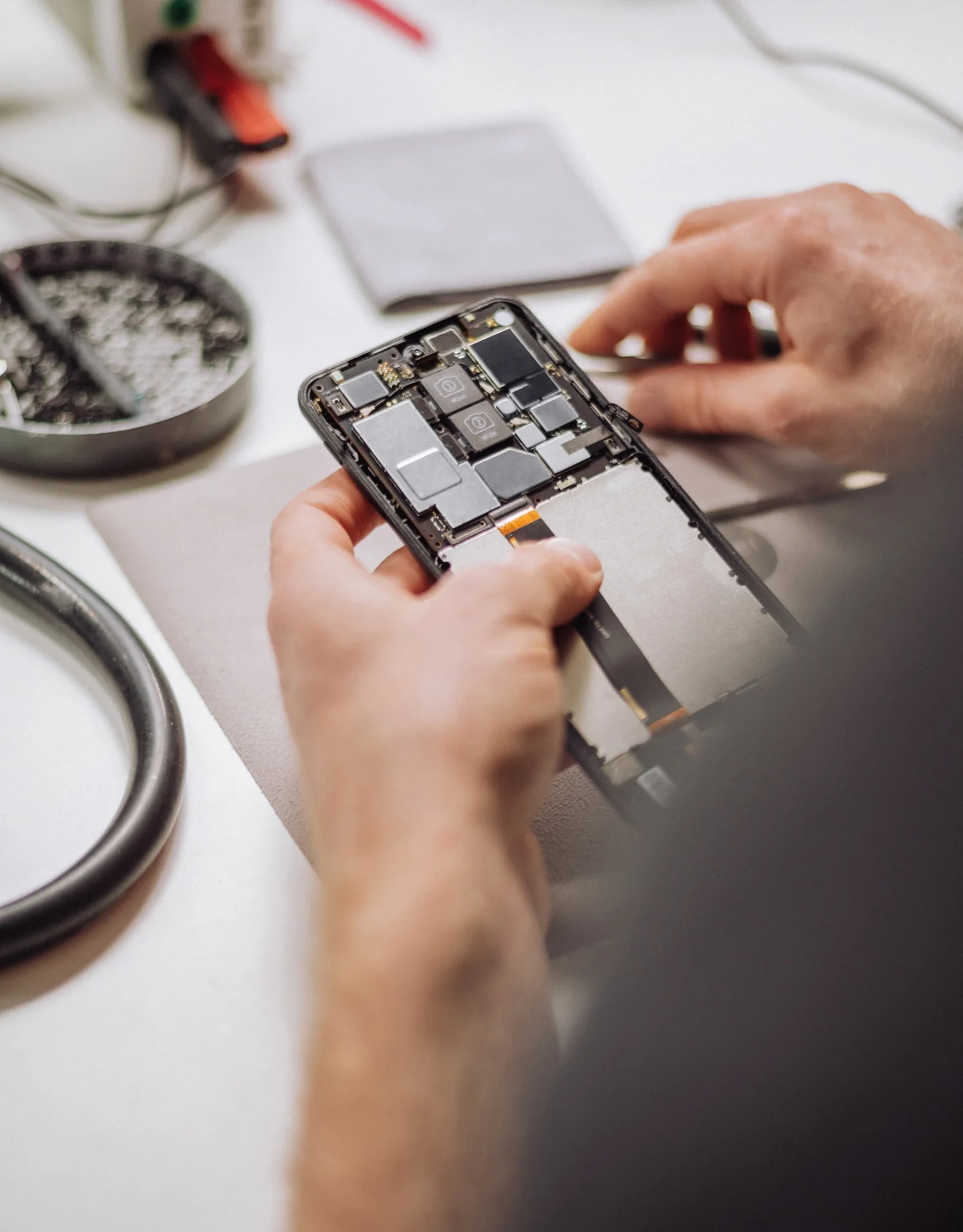
Demand alone does not make repairs a viable business model. According to NIM, the majority of those surveyed are willing, in principle, to pay up to 20 per cent of the new price for a repair. However, fewer than one in ten people would accept 40 per cent or more. Therefore, for businesses, it is not just a question of whether customers want their items repaired, but also whether the costs of diagnosis, call-outs, spare parts, and warranties can be accommodated within this budget. (7)
While 59 per cent cite lower costs compared to buying new and 53 per cent cite confidence that the product will work afterwards as reasons for having it repaired, the analysis also reveals a stronger link between repairs and the possibility of carrying out repairs oneself, as well as the existence of a warranty or insurance. Therefore, repairs must be affordable, simple, secure and reliable. (7)
The ‘EU Right to Repair’ could boost the economy by increasing demand for repairs and improving repair conditions. For craft businesses, it opens up the possibility of venturing into new areas, although achieving sustainable profit margins is not guaranteed. The success of traditional after-sales service providers, independent service providers acting on behalf of manufacturers, and providers of maintenance, take-back and refurbishment services hinges on several factors, including reliable and transparent suppliers, readily available spare parts and technical updates, and a well-trained workforce.
Greater networking could therefore be a potential solution, with orders being pooled and targeted connections being facilitated between end customers, workshops, and manufacturers. This could strengthen the repair industry, encourage young people to pursue this career path, and establish a sustainable infrastructure for long-lasting products. In June 2026, the Bundestag recognised non-commercial repair initiatives as 'technically competent repairers' under the new Ecodesign Act, thereby granting them access to certain spare parts and repair information. While they are expanding the repair infrastructure, depending on the product group and scope of services, they are also operating alongside commercial providers.
In the circular economy, craft businesses are much more than just providers of repair services. They are the operational link between repairable products and their continued use. They can also feed experience gained in the workshop back into product development. Their economic opportunity lies in providing predictable, networked services. The environmental and economic benefits of the ‘right to repair’ are not solely decided in Brussels, but at the moment of repair. Is the diagnosis clear? Is the price predictable? Is the spare part available? Is the workshop accessible? The desire is there. The crucial factor is whether policy-making, legislation and the craft sector can facilitate this and make it a simple, economically viable decision.
The New Right to Repair
The German regulations for implementing EU Directive (EU) 2024/1799 have been in force since 31 July 2026. The regulations are intended to facilitate and encourage repairs, thereby extending the lifespan of products.
Manufacturers must facilitate repairs for certain product groups and provide spare parts at reasonable prices.
Consumers will have better access to information about repair options and costs.
If they opt for a repair within the statutory warranty period, the warranty period will be extended by twelve months.
In future, a European online platform will connect repair businesses, manufacturers and consumers. It is expected to be fully operational by 1 January 2028.
The aim is to reduce electronic waste, increase the number of repairs and strengthen the circular economy.
Sources
(1) EUR-Lex: Richtlinie (EU) 2024/1799 über gemeinsame Vorschriften zur Förderung der Reparatur von Waren und zur Änderung damit verbundener Rechtsvorschriften eur-lex.europa.eu/DE/legal-content/summary/common-rules-promoting-the-repair-of-goods-and-amending-related-eu-legislation.html
(2) tagesschau: „Recht auf Reparatur – Neue Pflichten für Händler und Verkäufer“, 31. Juli 2026 www.tagesschau.de/wirtschaft/verbraucher/eu-recht-reparatur-102.html
(3) Zentralverband des Deutschen Handwerks e. V.: „Recht auf Reparatur“ www.zdh.de/ueber-uns/fachbereich-organisation-und-recht/wirtschaftsrecht/recht-auf-reparatur/
(4) Institut für Betriebsführung im Deutschen Handwerksinstitut e. V.: „Reparaturförderung im Handwerk: Neue Studie“, 14. April 2026 https://www.itb.de/reparaturfoerderung-im-handwerk-neue-studie/
(5) Verbraucherzentrale Bundesverband: „Recht auf Reparatur“ www.vzbv.de/recht-auf-reparatur
(6) Verbraucherzentrale Bundesverband: „Reparieren muss einfacher, schneller und kostengünstiger werden“, 26. Juni 2026; sowie „Recht auf Reparatur: Mehrheit wünscht sich politische Regelung“, 14. Januar 2025 www.vzbv.de/meldungen/reparieren-muss-einfacher-schneller-und-kostenguenstiger-werdenwww.vzbv.de/pressemitteilungen/recht-auf-reparatur-mehrheit-wuenscht-sich-politische-regelung
(7) Nürnberg Institut für Marktentscheidungen: „Das ‚Recht auf Reparatur‘ im Realitätscheck“, NIMpulse 20, 2026 www.nim.org/studien/detail/das-recht-auf-reparatur-im-realitaetscheck
(8) Deutscher Bundestag und Netzwerk Reparatur-Initiativen: Erleichterungen für Reparatur-Cafés und Anerkennung nicht-gewerblicher Reparateure www.bundestag.de/presse/hib/kurzmeldungen-1178698www.reparatur-initiativen.de/post/bundestag-staerkt-die-zivilgesellschaftliche-reparaturbewegung