Documentary on Sep Ruf: How the Architect Shaped Post-War Modernism
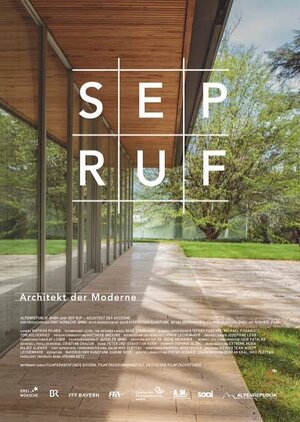
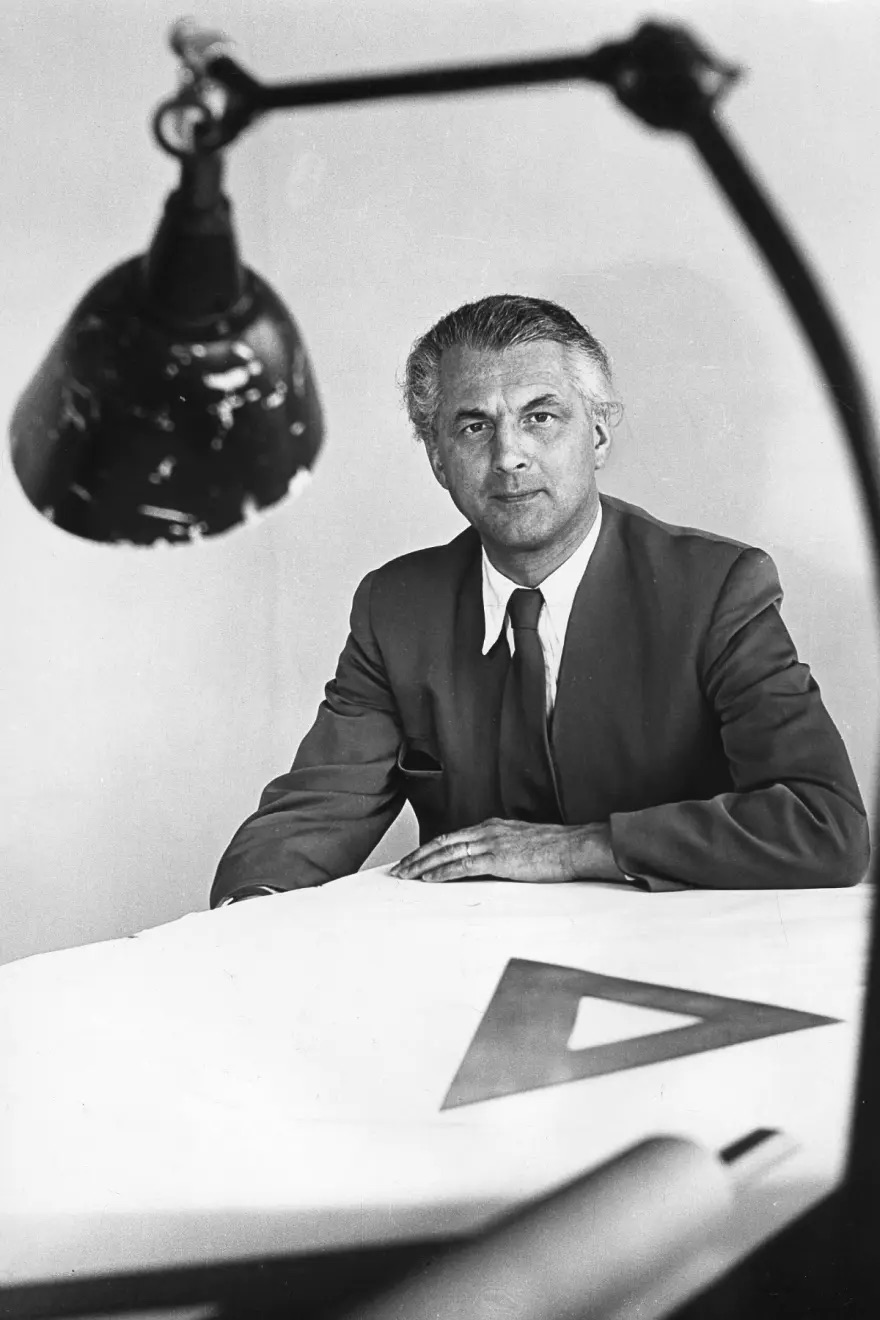
Sep Ruf (1908–1982) is regarded as one of the most influential architects of German post-war modernism. Few architects left such a lasting mark on the appearance of German cities after the Second World War as he did. The 2025 documentary Sep Ruf – Architekt der Moderne, produced by Bavarian public broadcaster Bayerischer Rundfunk (BR), traces a career spanning almost five decades. Striking footage of some of his best-known buildings – including the Chancellor’s Bungalow in Bonn, the Academy of Fine Arts in Nuremberg and the Neue Maxburg in Munich – offers fresh insight into Ruf’s visionary understanding of architecture and his influence on the architectural identity of the young Federal Republic of Germany.
An Architect for a New Era
Despite receiving a largely conservative education, Ruf was already looking towards the principles of Neues Bauen (New Building) during his architecture studies at the Technical University of Munich (1926–1931). He did not understand modernity as a break with history; instead, he incorporated regional building traditions and historical contexts into his designs.
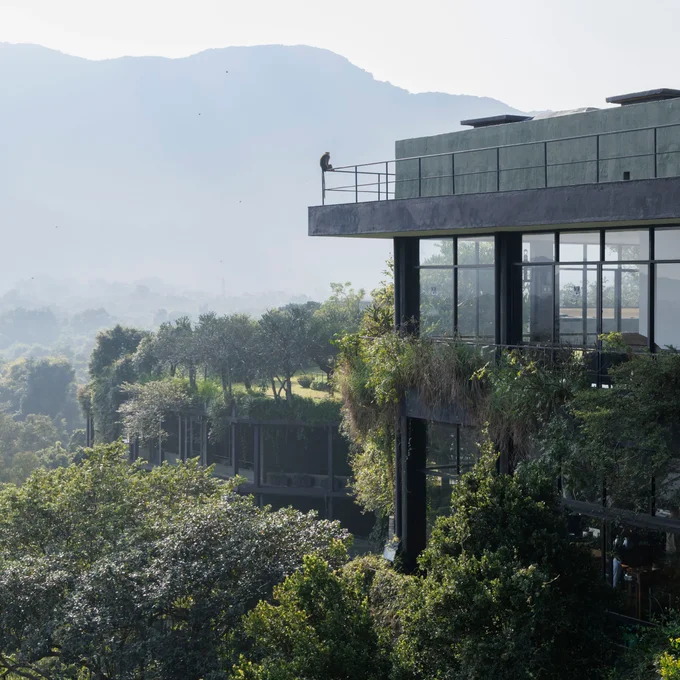
After the Second World War, Germany faced the challenge of political and economic renewal. Alongside rebuilding its devastated cities, the country needed to explore new architectural approaches and express the identity of the young Federal Republic through the built environment. For Sep Ruf, by then an established architect, the answer lay in an architectural language that deliberately distanced itself from the monumental architecture of National Socialism, embracing openness and transparency instead. Enclosed façades and imposing structures gave way to generous expanses of glass, clean lines and fluid transitions. Whether designing government buildings or private homes, Ruf applied these principles to a wide range of architectural projects. He did not see architecture as an enclosed space, but as part of an interplay between people, the built environment and nature. His buildings were intended to go beyond mere functionality and enable new ways of living and working.
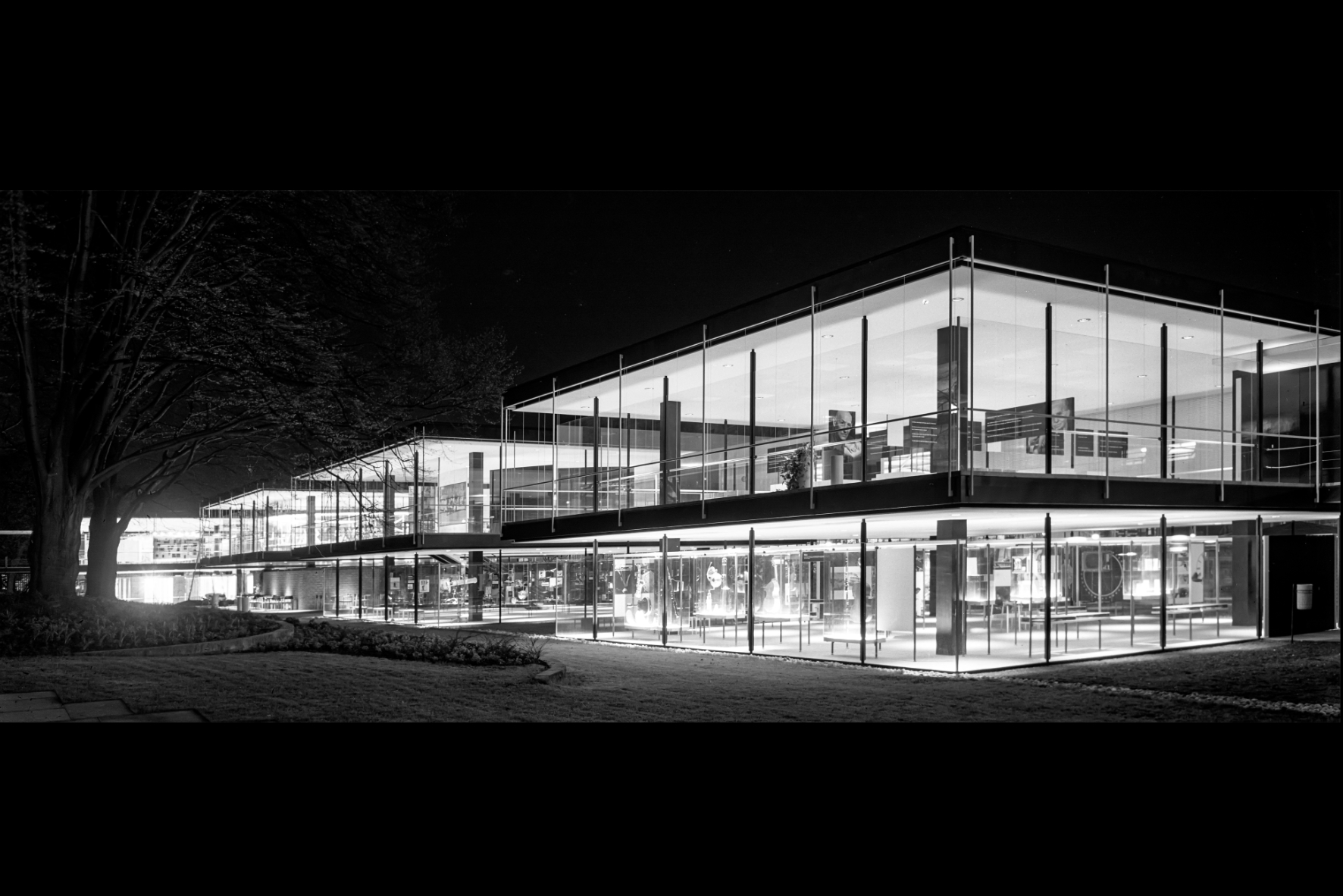
A striking example of this approach is the German Pavilion at the 1958 World’s Fair in Brussels, which Ruf designed in collaboration with Egon Eiermann. The complex consists of several low-rise structures connected by a lightweight steel framework. Expansive glass surfaces open up the interior to its surroundings, giving the architecture an open and permeable quality. Through its open design, the pavilion became an architectural expression of a democratic and outward-looking post-war Germany.
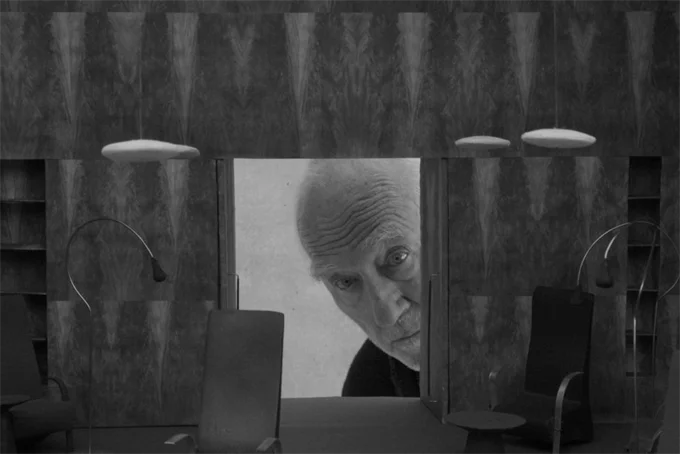
Munich-based director Johann Betz builds on this perspective, exploring Ruf’s life and work from various angles. Alongside examining the architectural qualities of his buildings, the film also places them within their wider social and political context. Through architectural footage, historical images and interviews with contemporary witnesses, architectural experts and people who knew Ruf personally, the 96-minute documentary creates a nuanced portrait of an architect ahead of his time.