‘The Eames House Is a Place of Beauty, Solace and Inspiration’
The Eames Family
Charles Eames (1907–1978) had a daughter from his first marriage, Lucia Eames (1930–2014). He was later married to Ray Eames (1912–1988). Their legacy is carried on by five grandchildren: Eames Demetrios, Llisa Demetrios, Carla Atwood Hartman, Byron Atwood and Lucia Dewey Atwood – all involved in different aspects of the Eames legacy. With great-granddaughter Jackie Cassel, the fourth generation is already active.
The Eames Institutions
At the heart of the Eames cosmos is the Eames Office in Los Angeles, founded in 1941 and now run by the five grandchildren, who are the custodians of the work. The cosmos also includes the Eames House in Pacific Palisades, founded in 1949, with its original furnishings and studio, the newly founded Charles & Ray Eames Foundation and the Eames Institute of Infinite Curiosity run by granddaughter Llisa Demetrios. Other collections can be found in the Library of Congress and the Vitra Design Museum, among others.
What fascinates you personally most about Charles and Ray Eames?
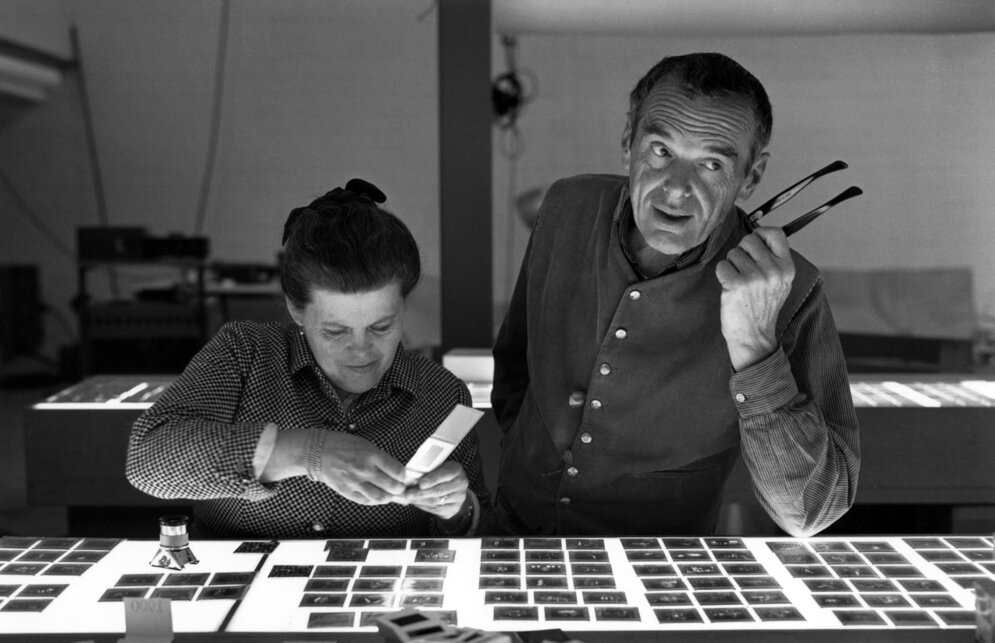
Adrienne Luce: There’s so much, but I’d sum it up to three things. First, their authentic creative partnership – a true fusion of intellect, imagination and intuition. Second, their extraordinary productivity. Many people have ideas, but the Eameses realised so many of them – across media, disciplines, contexts and countries. That’s absolutely astounding. And third, their understanding of design as a tool for solving the challenges of their time. Their optimistic, joyful, playful spirit is so uniquely Californian.
Could you explain the structure of the Eames estate? There seem to be a number of institutions and people involved.
It’s not as complex as it may appear. The Eames Office, the family’s business, was founded in 1941 and is still active today, run by the five grandchildren. They continue to produce Eames designs and reinterpret their ideas in new ways. They also hold the intellectual property and are founding sponsors of the new Charles & Ray Eames Foundation. This new foundation has absorbed the existing Eames House preservation foundation. The family recognised that beyond the house – as extraordinary as it is – there’s so much more to do.
What other institutions are involved?
There’s the Eames Institute of Infinite Curiosity, founded by Llisa Demetrios. It holds a significant collection of Eames objects and is a relatively recent addition to the Eames ecosystem. Other institutions such as the Library of Congress, the Vitra Design Museum, MoMA Museum of Moden Art and LACMA Los Angeles County Museum of Art also preserve large parts of the Eames legacy.
The foundation was also created to separate the commercial from the cultural activities. What are its core goals?
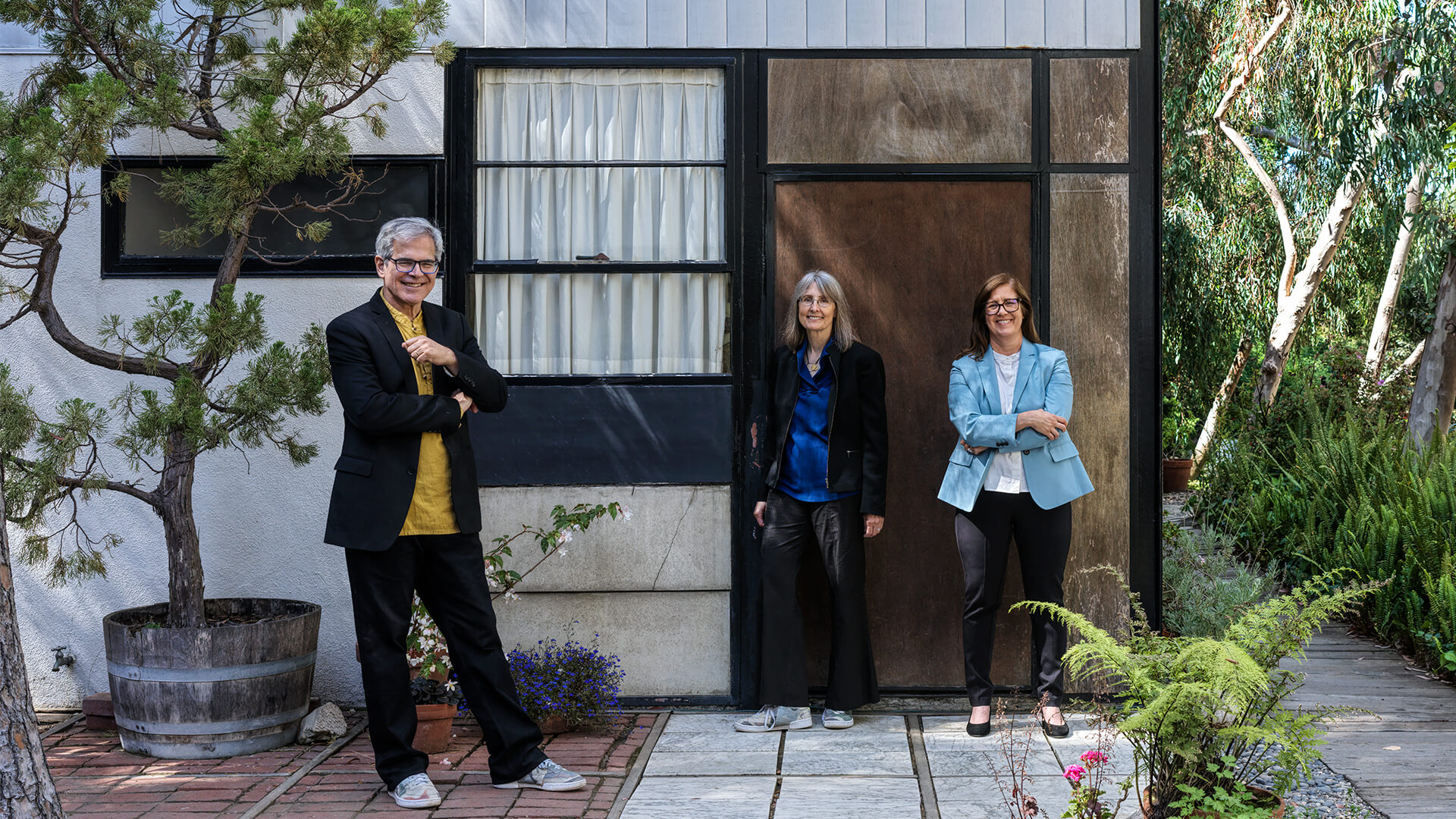
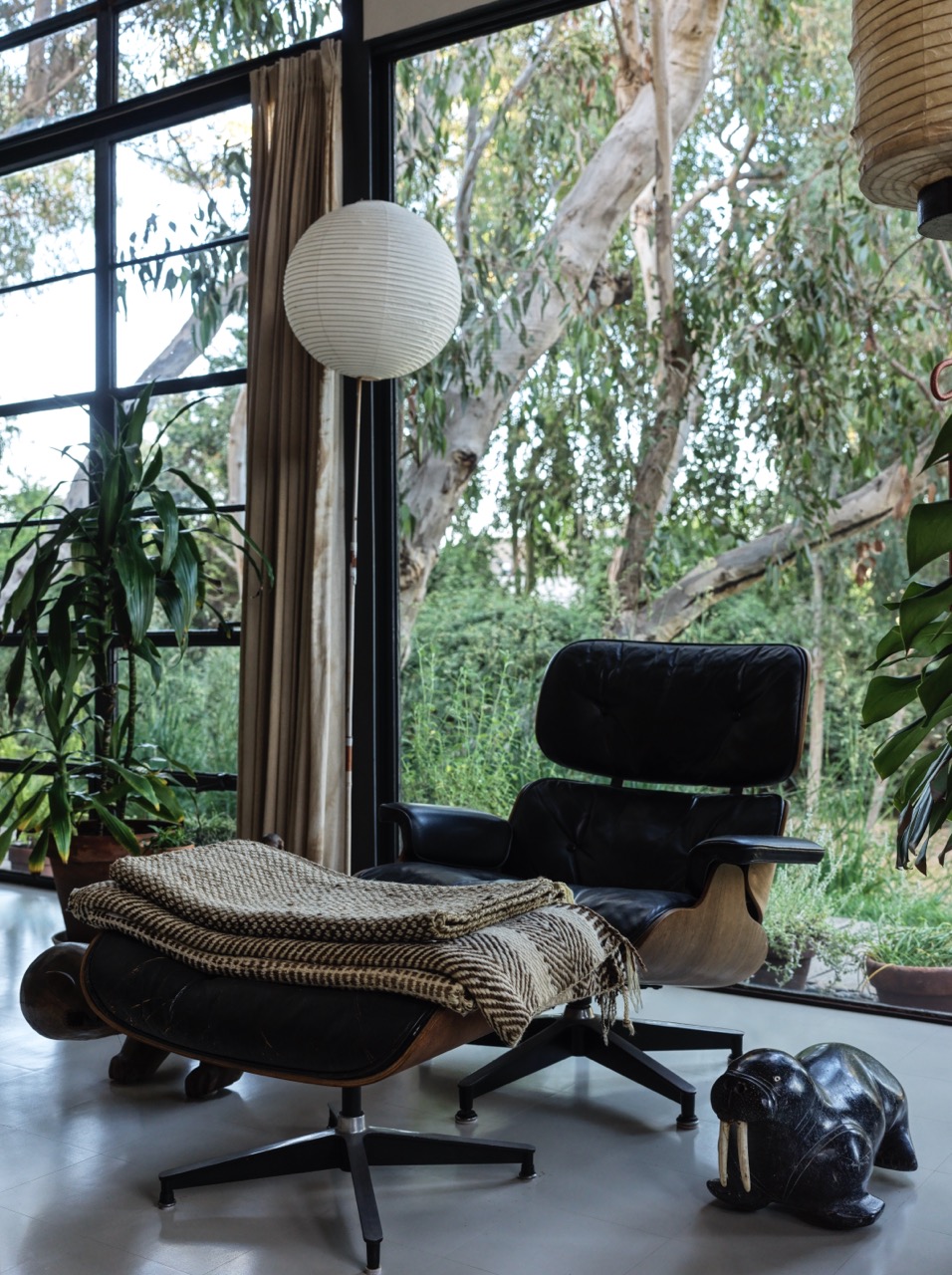
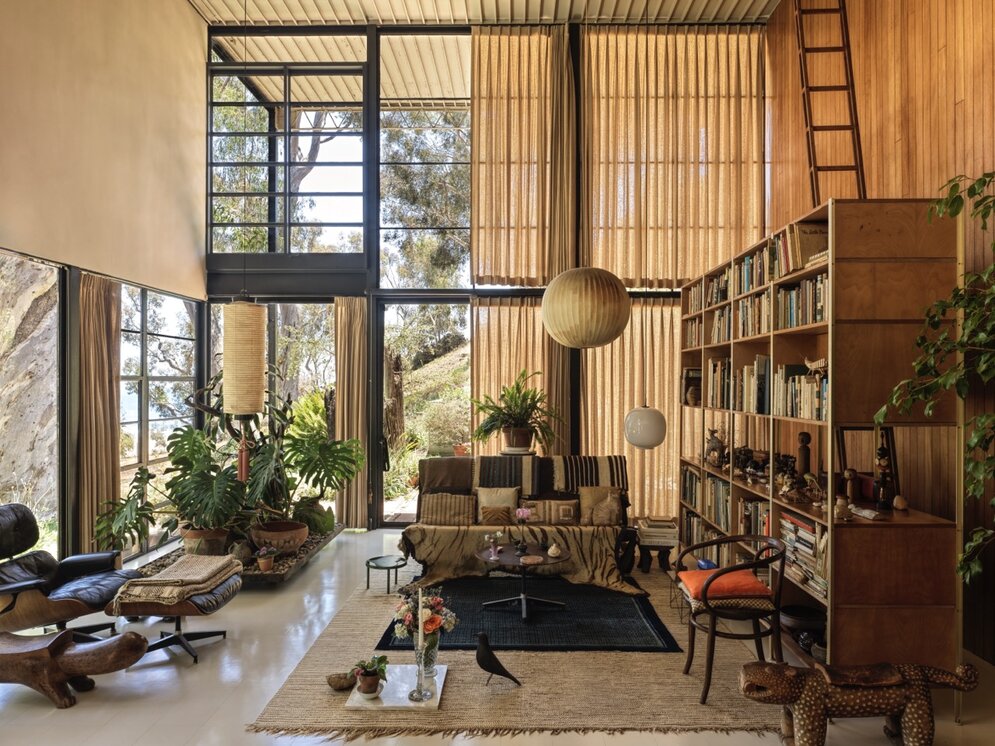
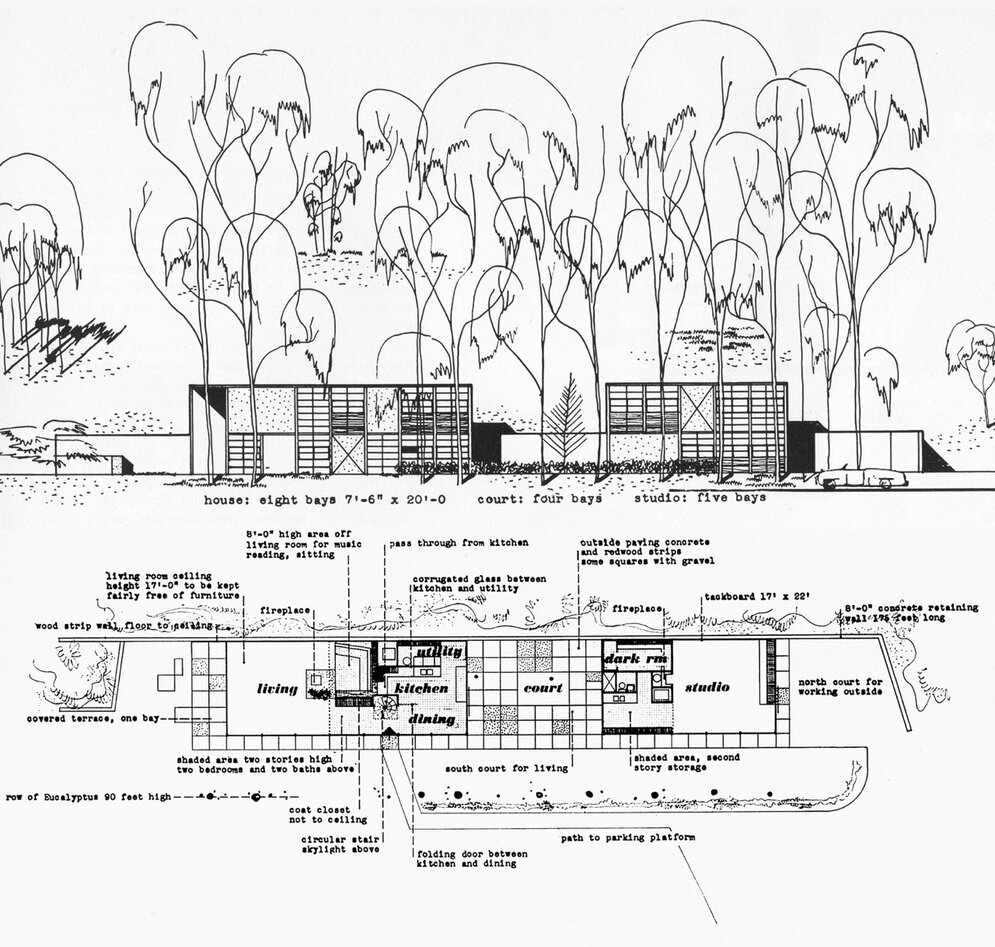
The foundation has taken on most of the cultural responsibilities of the Eames Office and the existing house foundation, bringing them together under one roof to increase impact. There are things a foundation can do more effectively than a commercial entity. Our goals include preserving and sharing the multidisciplinary nature of Charles and Ray’s work – so much of which is still largely unknown. Our collections include the Eames House and everything within it. We’re also launching new programmes: a three-year Eames Fellowship (with Catherine Ince as the first fellow), a planned Eames conference, and educational initiatives. We see ourselves as stewards of the Eames House – the physical manifestation of their ideas. Their thinking is embedded in the house, the studio, the objects. It’s an irreplaceable anchor. Experiencing an event there is truly incomparable.
You mentioned that there are things the foundation can do that the Eames Office cannot. Could you give an example?
There are so many forms of partnership – for instance, with other non-profit organisations. In Los Angeles, we’ve started working with the American Institute of Architects to launch youth education programmes. As a foundation, we can collaborate on equal footing with other non-profits, which opens up many new possibilities.
What is the current state of the Eames House following the recent wildfires?
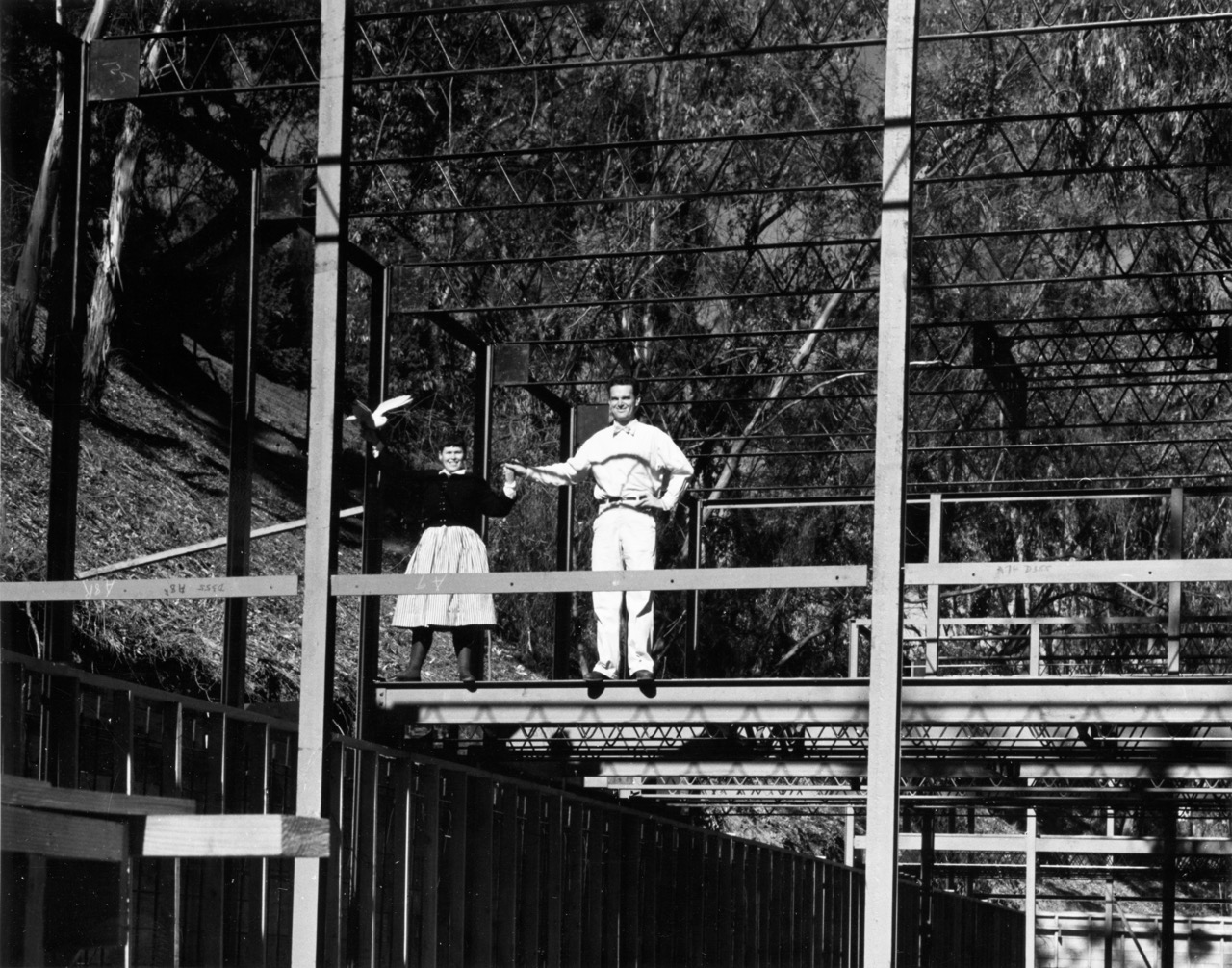
It quite literally stands as a beacon of hope in the Pacific Palisades. There was smoke and ash damage, and it took a team six days to clean the exterior by hand. Conservation efforts will continue. Thankfully, Lucia Eames had a rigorous landscaping plan in place, prioritising resilience over many years. The house remains a place of beauty, solace and inspiration. Our first post-fire event was a gathering for neighbours affected by the fires – an informal but meaningful get-together at the end of June. There has been so much loss. We wanted to offer a space for connection and community, which can be hard to maintain when people are dispersed and no longer see each other.
Are there plans to improve the infrastructure for visitors?
Yes, we’re rethinking all our public offerings – tours, events, how we activate the space. At the neighbourhood gathering, we opened the studio to the public for the first time. We’ll use it as a space for learning and inspiration to deepen appreciation for the Eames legacy.
So the studio wasn’t open to the public before?
That’s right. Since the late 1950s, it served as their second workspace and was constantly evolving. Now, for the first time, we can offer public access – which adds an entirely new dimension to the campus.
You have studied Ray and Charles Eames in depth and travelled to the places and institutions associated with them. What was particularly impressive?
For example, the Norton Lectures – Charles gave a total of six lectures in this series at Harvard University in 1970 and 1971. But they weren’t just lectures – they were a multidimensional, multidisciplinary experience, similar to their presentation for IBM at the 1964/65 World’s Fair with the ‘Think’ film. We are now publishing the Norton Lectures for the first time. One of Charles’ statements from the lectures particularly strikes me. He talks about the aquarium in the Eames Office and the different needs of the fish in it. Some of them cannot tolerate strong currents. ‘These animals are, in a sense, geared towards maintaining the status quo,’ he said. And then he talks about the fish from the pelagic zone, the open sea. They needed constant currents, they were dependent on change and felt safe with it. ‘And in a way, I feel that as a society and as a group, we are gradually becoming pelagic in our sensibilities. That if anyone really wants to feel safe, they must not insist on the status quo, but must feel safe in change.’ I love this quote because in our rapidly changing world, the ability to adapt, the ability to innovate and think creatively is more important than ever. Charles reminds us that true security does not come from rejecting change, but from embracing it. With curiosity, creativity and resilience.
New Eames Location in San Francisco
Shortly after announcing the establishment of the Charles & Ray Eames Foundation, the Eames Institute announced the construction of a new location in San Francisco: on the former Birkenstock campus, the architectural firm Herzog & de Meuron is planning a new design museum in collaboration with EDDH. The plans include rooms for exhibitions, workshops and research related to the work of Charles and Ray Eames.