‘The Museum Is a University For Everyone’
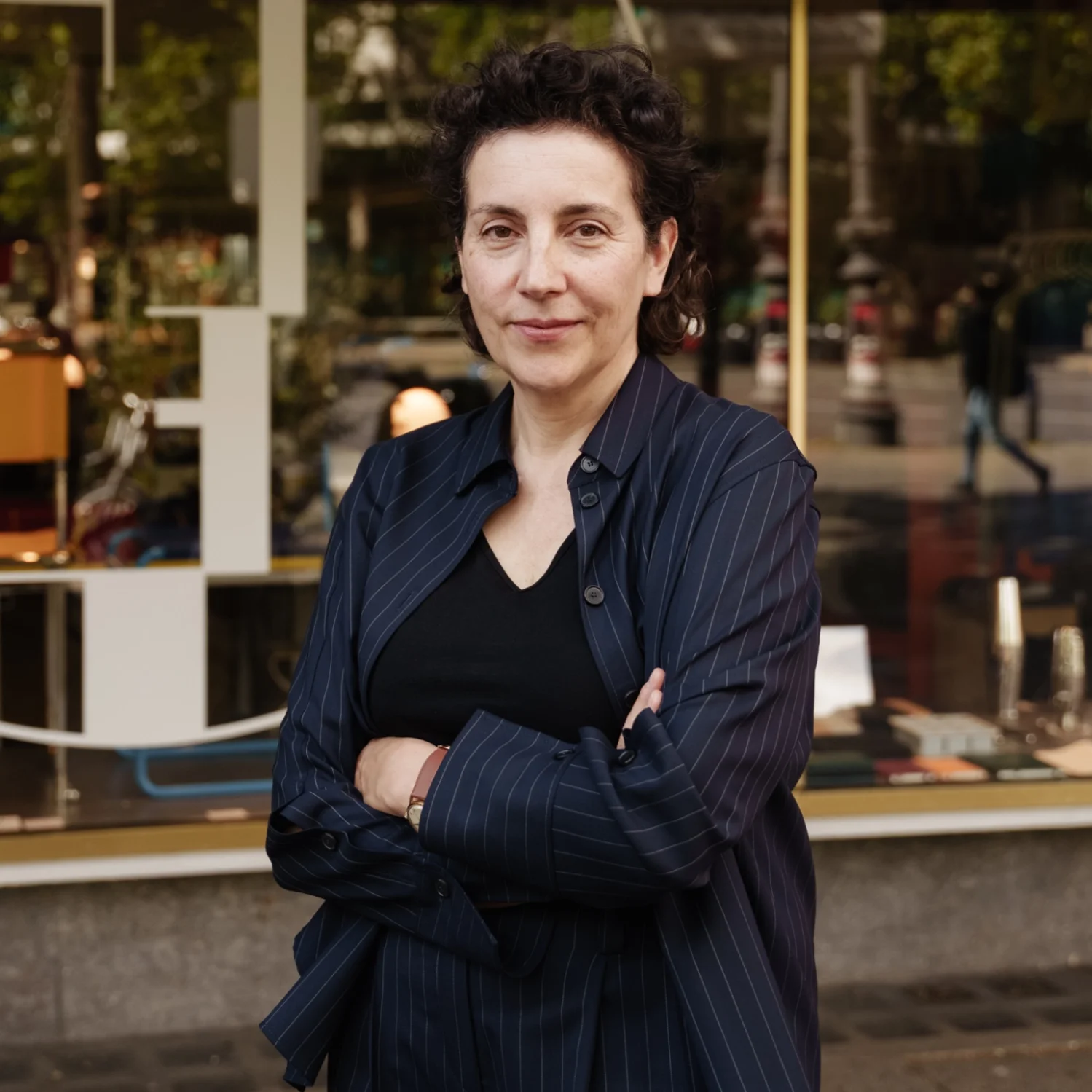
You took over a major construction site when you assumed office — quite literally. Where are you starting first?
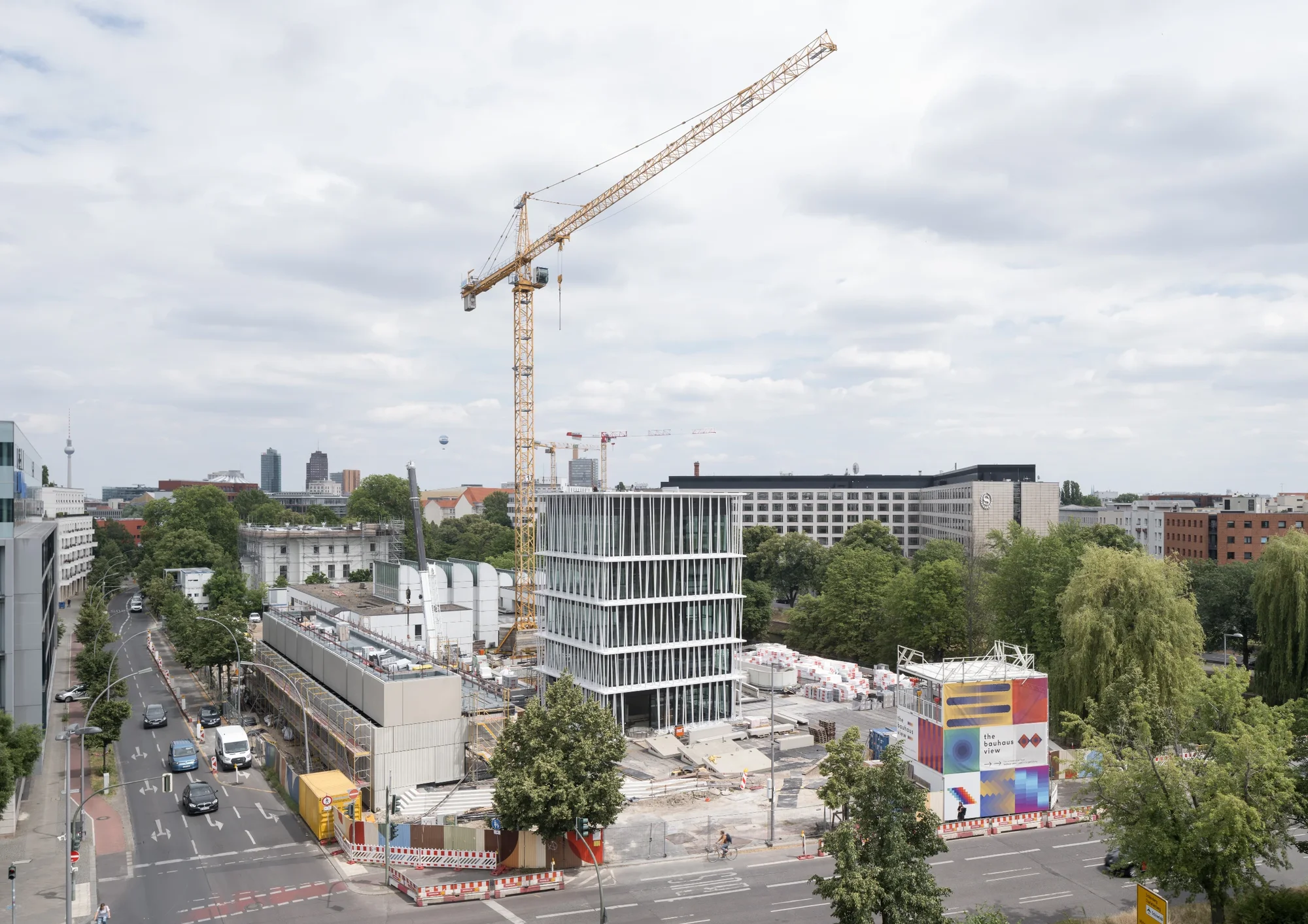
Brigitte Franzen: The Bauhaus-Archiv is a complex institution, though fortunately not everything is a construction site. But the new extension and the renovation of the existing building are among the main issues occupying me at the moment. I’m delighted that we are on the home straight. Right now, it’s about very concrete questions: redesigning the exhibition, further developing the collection, and planning exhibition projects for the next two to three years. Projects like these require considerable lead time, decisions have to be made now.
When will we see the first exhibition in the renovated and expanded Bauhaus-Archiv?
The reopening will take place at the end of 2027. That is also when the permanent collection display, the major long-term exhibition, will open. Although the term “permanent” is understood rather differently today than it was perhaps twenty years ago. The exhibition is conceived as a long-term presentation, but individual elements will continually change — for conservation reasons, for instance, because certain objects cannot be exposed to light for extended periods. Or for conceptual reasons: we want to create recurring occasions for people to visit the museum. In future, we will also have space for temporary exhibitions. The first of these will open around one and a half to two years after the reopening, the first major change of scene. In addition, there will be several smaller temporary exhibition spaces that we will programme alongside the permanent exhibition from the outset.
What themes would you like to focus on?
One central question is: what exactly is an art school — and what can it be today? We are launching a project to connect with ten to fifteen think tanks and art schools around the world. Naturally, exhibition projects may also emerge from this. The Bauhaus was so distinctive in its philosophy of teaching and learning. How can that way of thinking be continued today? At the same time, I think it is important to focus on women artists — as is currently demonstrated by the exhibition on Bauhaus photographers at Berlin’s Museum für Fotografie. Equally important is the question: what came after the Bauhaus itself, after 1933? Considerable research has already been carried out on the continuation of the tradition under National Socialism. In West Germany, the Bauhaus legacy was received through the Schools of Applied Arts and the Ulm School of Design. But what about reception in East Germany? How did the story continue there?
Once the new building opens, what are you most looking forward to?
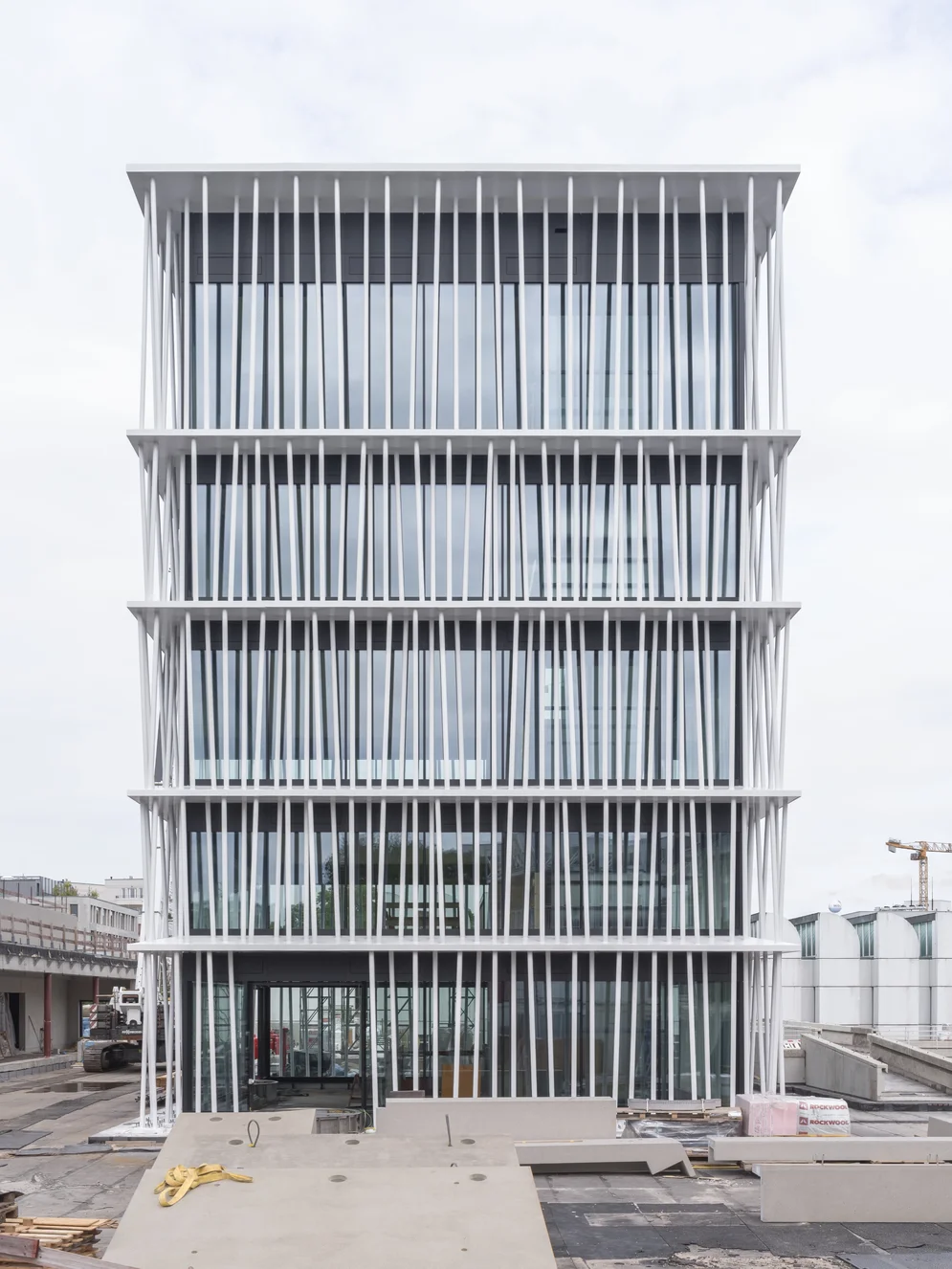
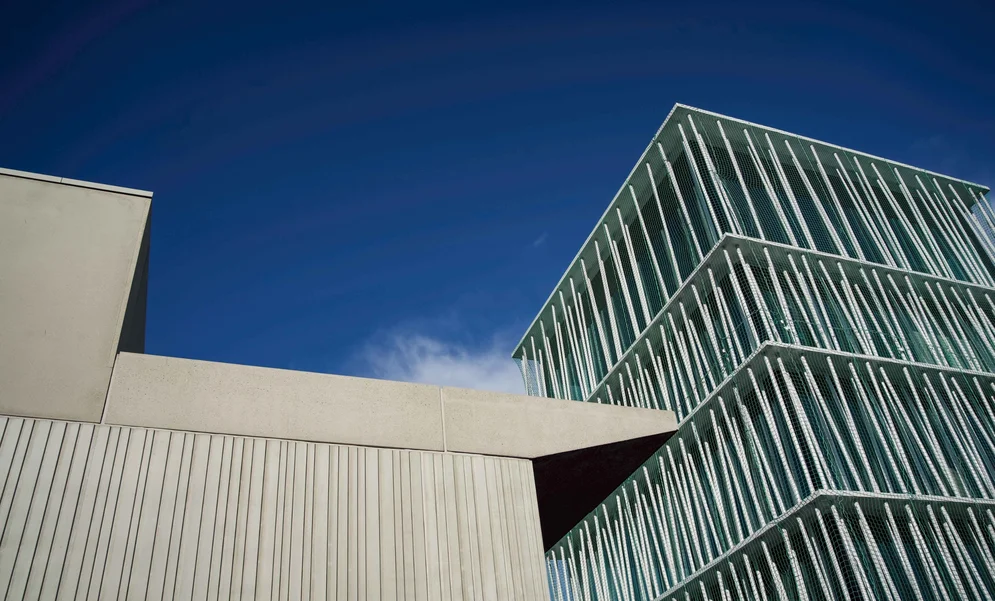
To the institution becoming visible again. And I’m excited by the architectural concept: spatially and structurally, it has been conceived like a campus rather than an architecture of authority. That would contradict the Bauhaus spirit. It is not a single monumental block. As I approach the building, I see different entrances. I find that very fitting for a place that represents experimental and open thinking.
My impression during last year’s open construction site day was that the building opens itself up towards public space.
Absolutely — and that is also part of the programme. We are not addressing only tourists or visitors to Berlin. We have very broad target audiences in mind and are trying to create specific offers: for the very youngest visitors, for teenagers, and for older people. We want to engage with the local neighbourhood and the city’s wider public in all its diversity. We also want to involve Berlin’s large design scene.
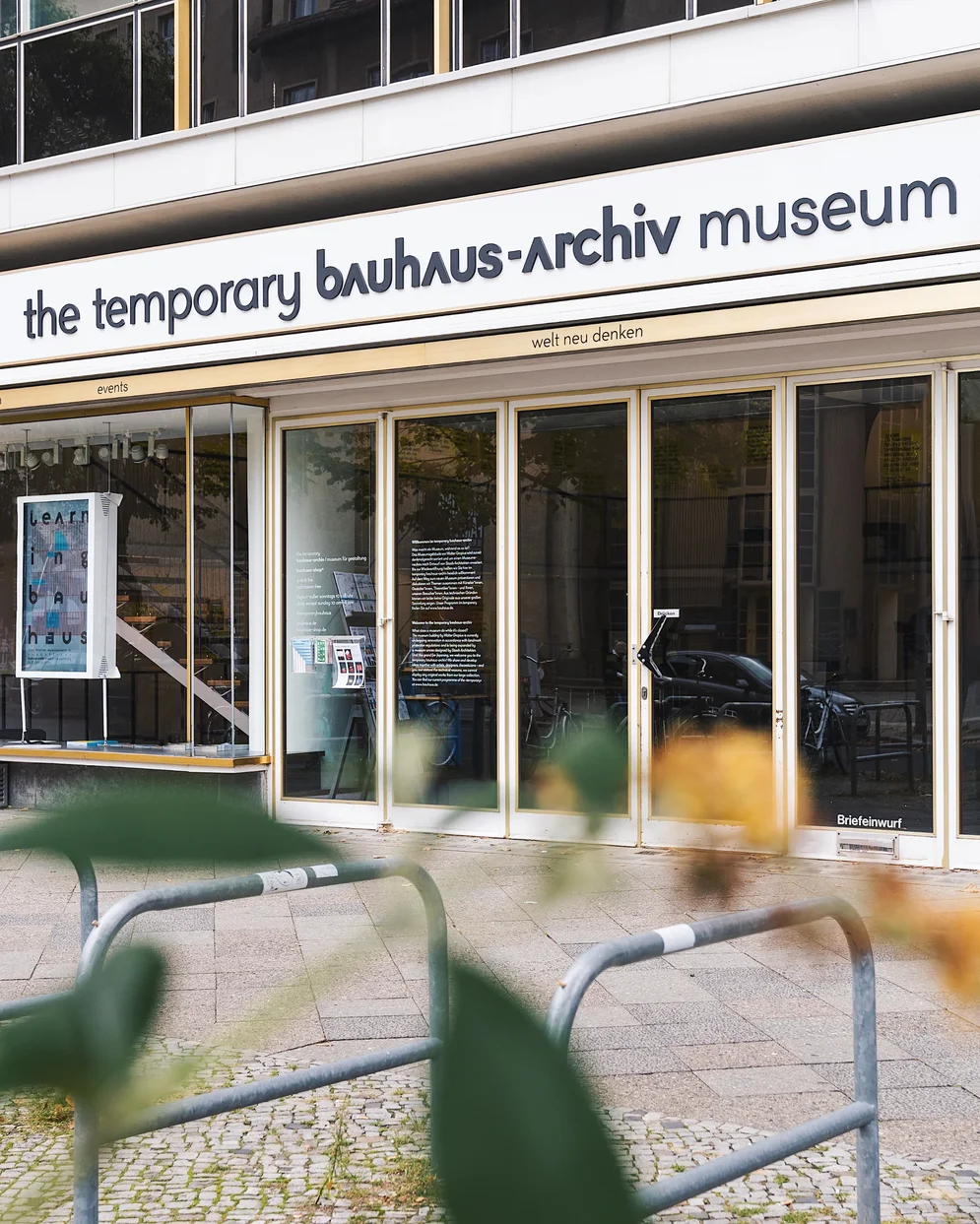
Despite the interim venue in Charlottenburg, the “Temporary Bauhaus-Archiv”, the institution has not been especially visible in recent years. How do you intend to make it visible again?
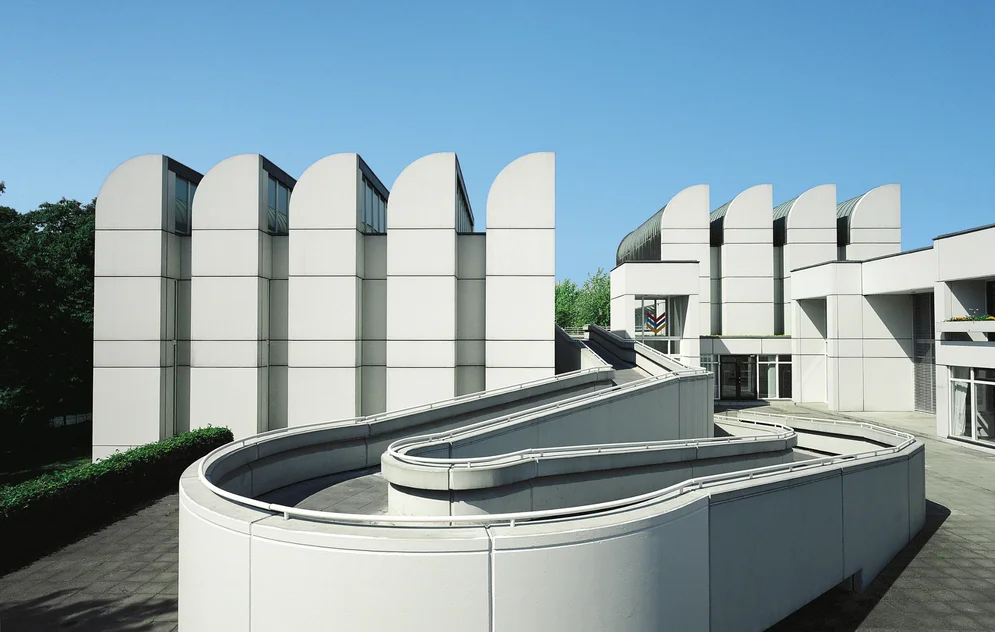
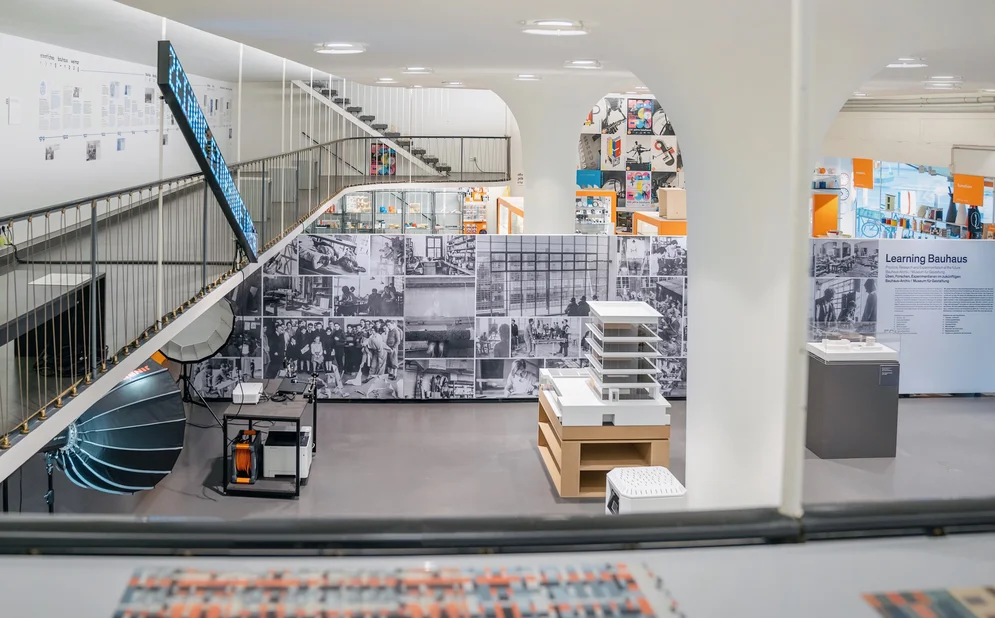
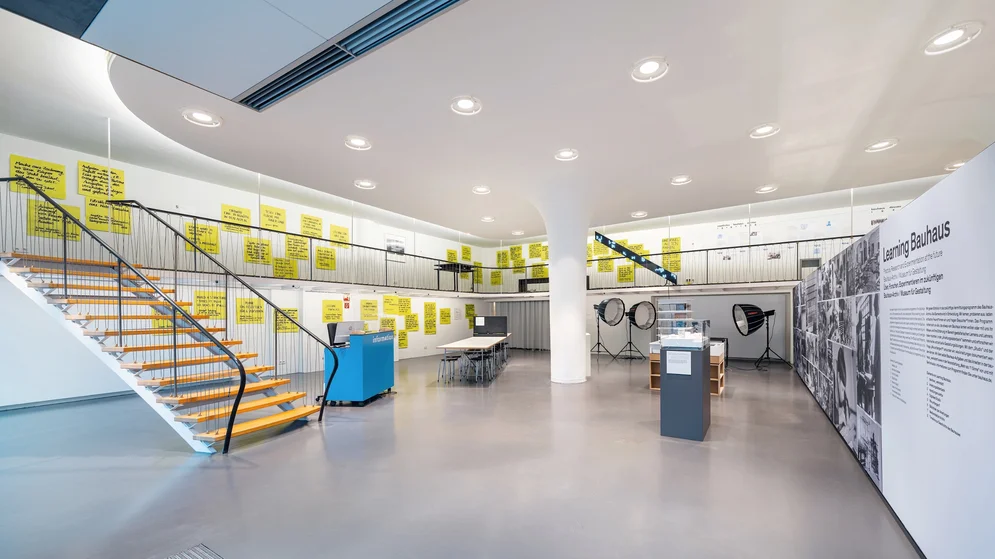
We were present, but mainly for those who were looking closely. During these seven years since the closure, we participated in major international exhibitions — in Paris, for example, but also in the United States. Perhaps we need to communicate more strongly just how internationally connected we are and how sought-after our collection is. Despite the tremendous commitment behind it, the Temporary Bauhaus-Archiv was simply too small to represent the institution in its full breadth. But it did allow us to develop and test different formats — including a wonderful project in Gropiusstadt together with the local Gropius School. We want to continue in that direction. The question of how we reach people — and how people, in turn, find their way to us — is something we think about a great deal. One tool for that is going out into the city.
Going out meaning: leaving the institution and appearing throughout the city?
Exactly. Appearing elsewhere, being present in the city. But at the same time, practising “inreach”: how do we encourage the people we reach outside to come to us? A museum is something like a university for everyone. You do not need A-levels — you can simply come in and allow yourself to be carried away by the art and the questions it raises. That is what is special about the Bauhaus: art was always connected to questions with public relevance. What is society? What is good design? What did the “New Human” mean in the 1920s? These are the kinds of questions people can explore with us.
The Bauhaus-Archiv collection is considered the largest collection of Bauhaus objects in the world.
Yes, that’s true — it comprises around one million objects. These include both documents — an watercolour, for instance, or a letter from Walter Gropius — and real three-dimensional objects. We also hold forty thousand photographs, meaning photographic prints, as well as Europe’s largest collection relating to the New Bauhaus, the successor institution in Chicago.
What strategies are there for further developing the collection? Are you still acquiring works?
We are currently discussing that very intensively. What should our priorities be in the future? We have a fascinating history as a collection because the institution emerged from the initiative of the art historian Hans Maria Wingler. As early as the 1950s, he recognised the importance of preserving the Bauhaus legacy, and he was in contact with many people who had studied or taught there. We maintain close relationships with many families of former Bauhaus members, and we are trying to expand the collection. For a publicly funded museum institution, however, it is not easy to keep pace with prices on the art market. We are also thinking very carefully about how far into the present day we should continue collecting. What should the priorities of a museum of design be?
So it is possible that you might acquire objects with no direct biographical or historical connection to the Bauhaus?
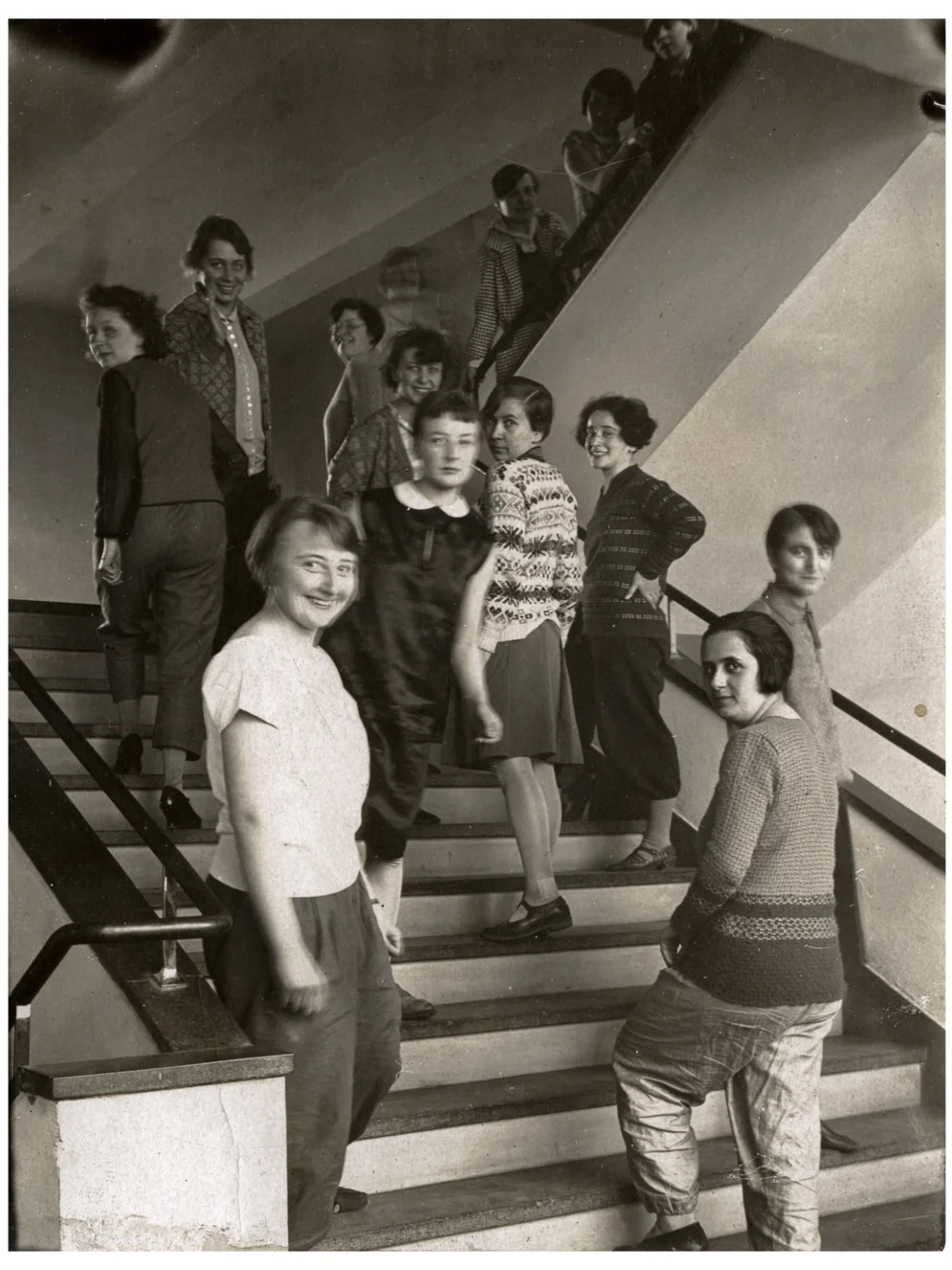
That is certainly possible. It is important to us to continue telling the history of the Bauhaus through personal stories. What did Bauhaus students go on to do? Whom did they themselves teach? From this, a kind of genealogy emerges.
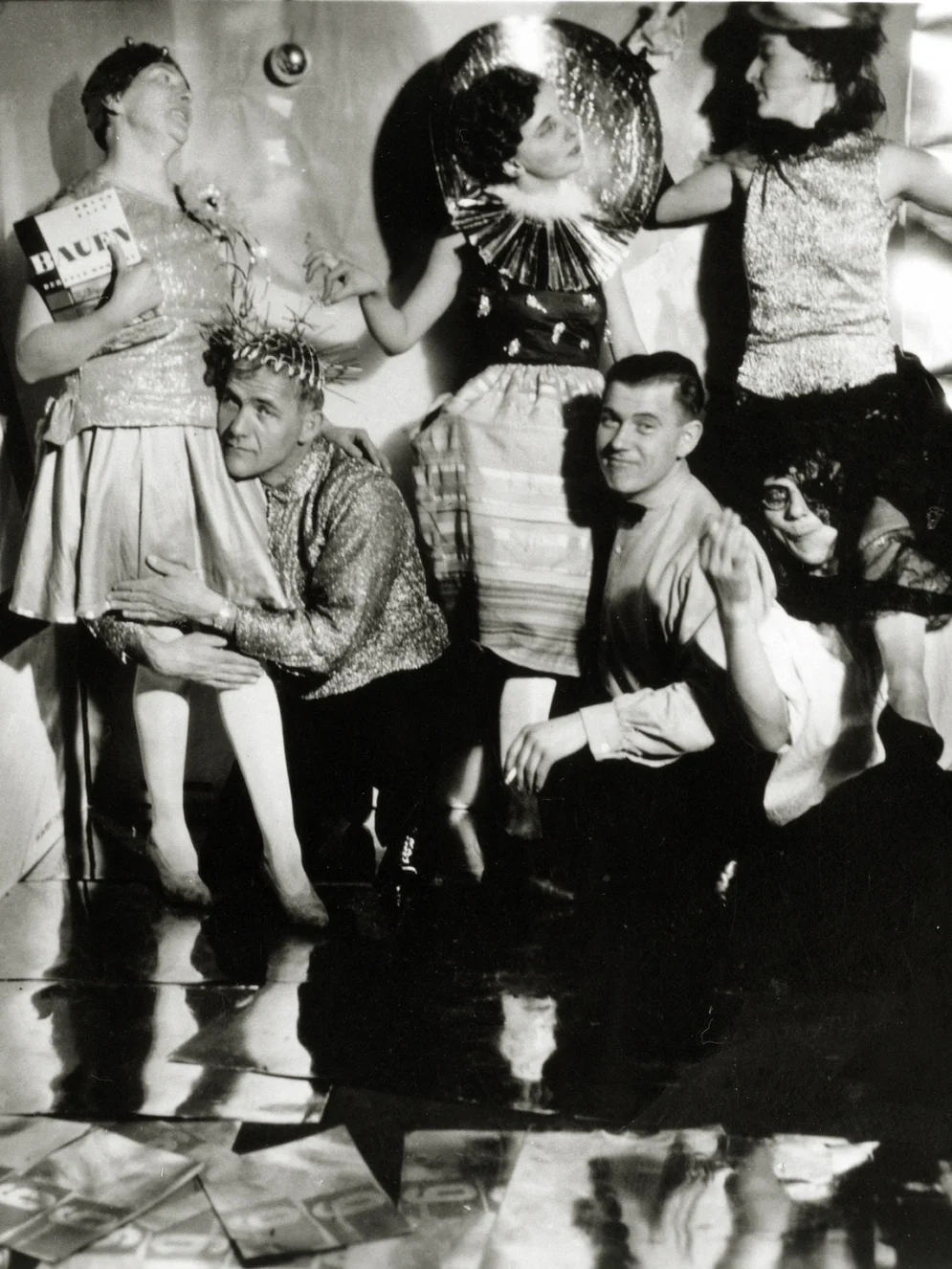
Which Bauhaus ideas are still relevant after 100 years?
The question of the relationship between art, craft and technology is still highly compelling — it quickly leads to discussions about modern materials, sustainability and resources. Also, the idea of not beginning from pure specialisation: that is an orientation that is very valuable today. That is what I mean when I speak about interdisciplinarity or transdisciplinarity. One comes from a particular specialism, but grants oneself the freedom to look at a situation from a more generalist perspective. And finally, there is the question of what constitutes good form, and what effect it has on us — on our wellbeing and on living together. How important it is that everyday objects — a bus stop, a car or a fork — possess a form that makes life easier for us.
Throughout your career, you have repeatedly engaged with pre-war modernism. What fascinates you about that period?
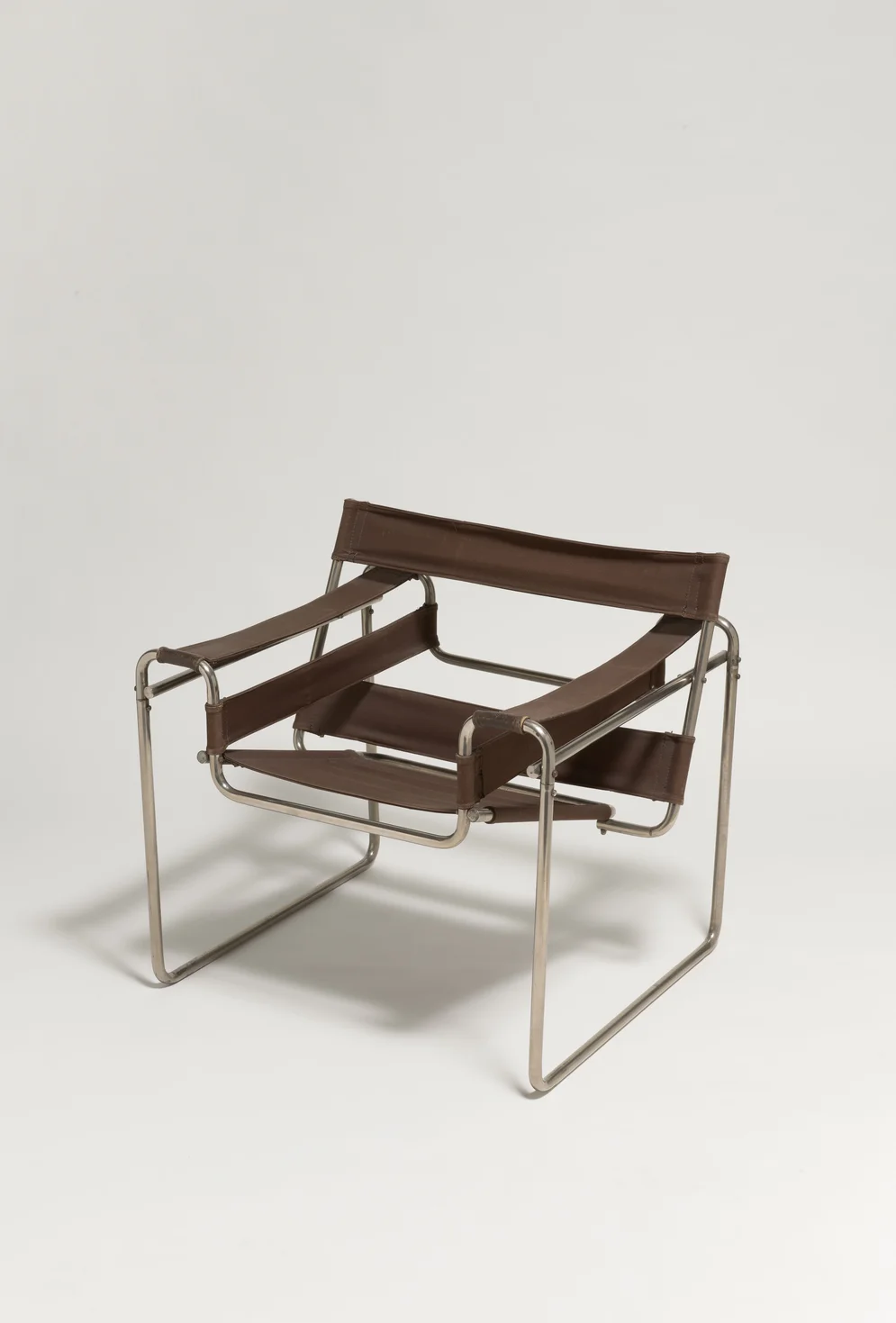
I think I feel much the same as many people do: whether one listens to the music of the time or looks at tubular steel furniture, one is struck by how open this brief democratic phase of the Weimar Republic was to new ideas, to new forms of living together and new concepts of identity. Seeing how exemplary ways of thinking emerged from Germany during that period has always fascinated me.
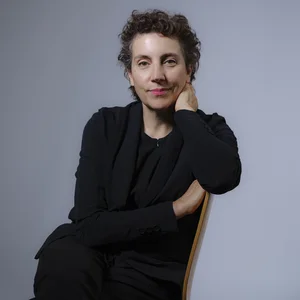
About Brigitte Franzen
The art historian Brigitte Franzen, born in Freiburg im Breisgau in 1966, has been responsible for more than 100 exhibition projects since 1993, including skulptur projekte münster 07, the Triennale Kleinplastik Fellbach 2019, and The Cool and the Cold at the Martin-Gropius-Bau (2021/22). From October 2024 to March 2026, Professor Dr Brigitte Franzen served as President of Hochschule für Gestaltung Offenbach. Prior to that, she directed the Senckenberg Naturmuseum Frankfurt, the Ludwig Forum für Internationale Kunst in Aachen, as well as the Peter und Irene Ludwig Stiftung with its 28 museums and institutions worldwide.