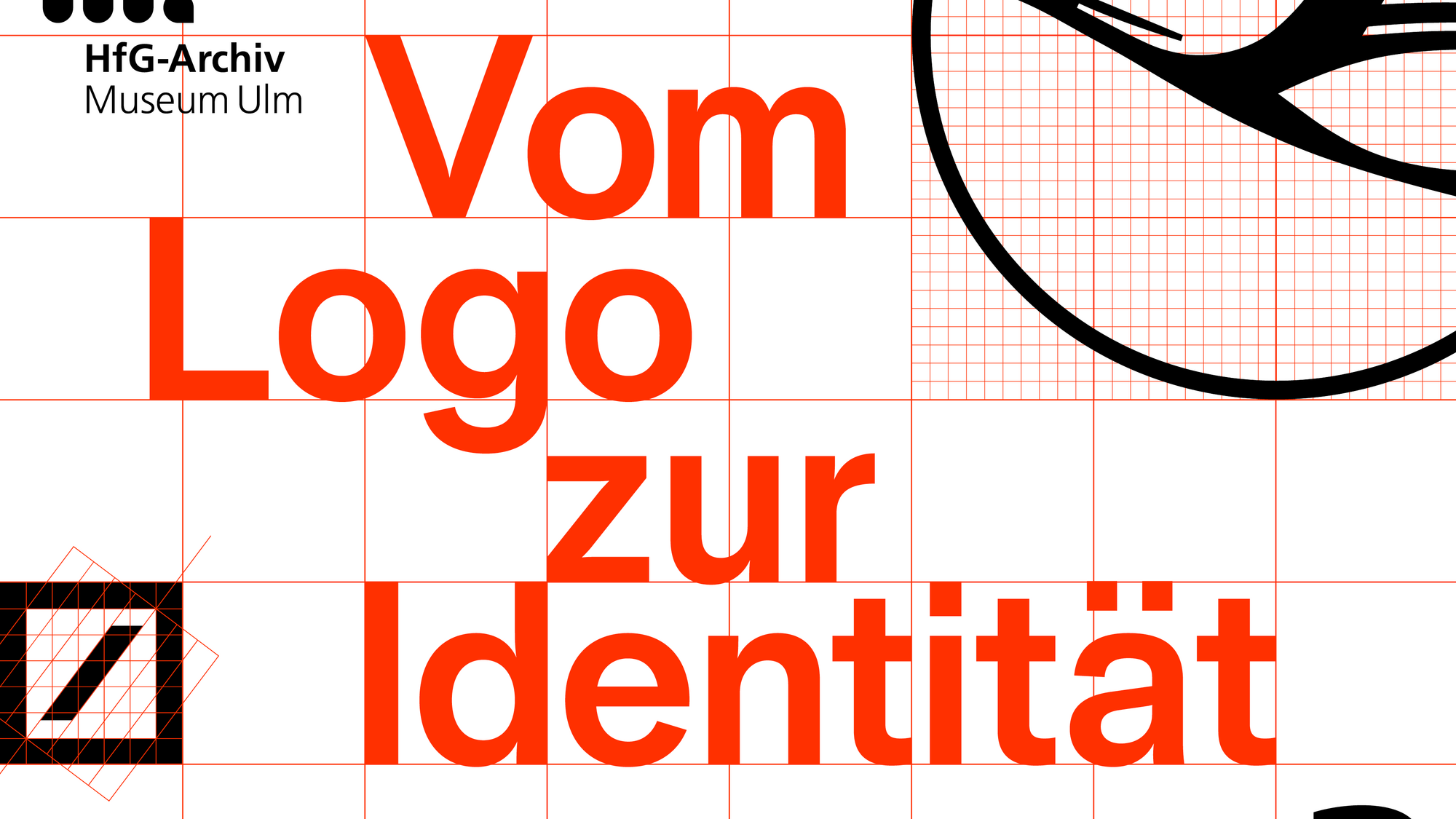
Identity Systems Germany: Visual Identities of the Federal Republic of Germany
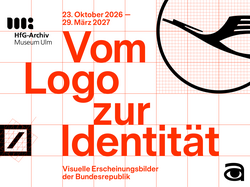
The exhibition ‘Identity Systems Germany: Visual Identities of the Federal Republic of Germany’ at the HfG-Archiv, part of Museum Ulm, explores the visual identities of West German companies and institutions. Following previous presentations in Kyoto and Tokyo, the exhibition will be shown in Germany for the first time from 23 October 2026 to 29 March 2027. Through logos, typefaces and visual systems, it traces how designers developed a new visual identity for the Federal Republic of Germany after the Second World War.
A New Visual Beginning
The systematic development of visual identities in Germany began as early as 1900. In 1896, Henry van de Velde designed coordinated packaging, posters and advertising materials for the food manufacturer Tropon. Between 1907 and 1914, Peter Behrens developed this approach further at AEG, bringing graphic design, product design and architecture together in a unified design concept.
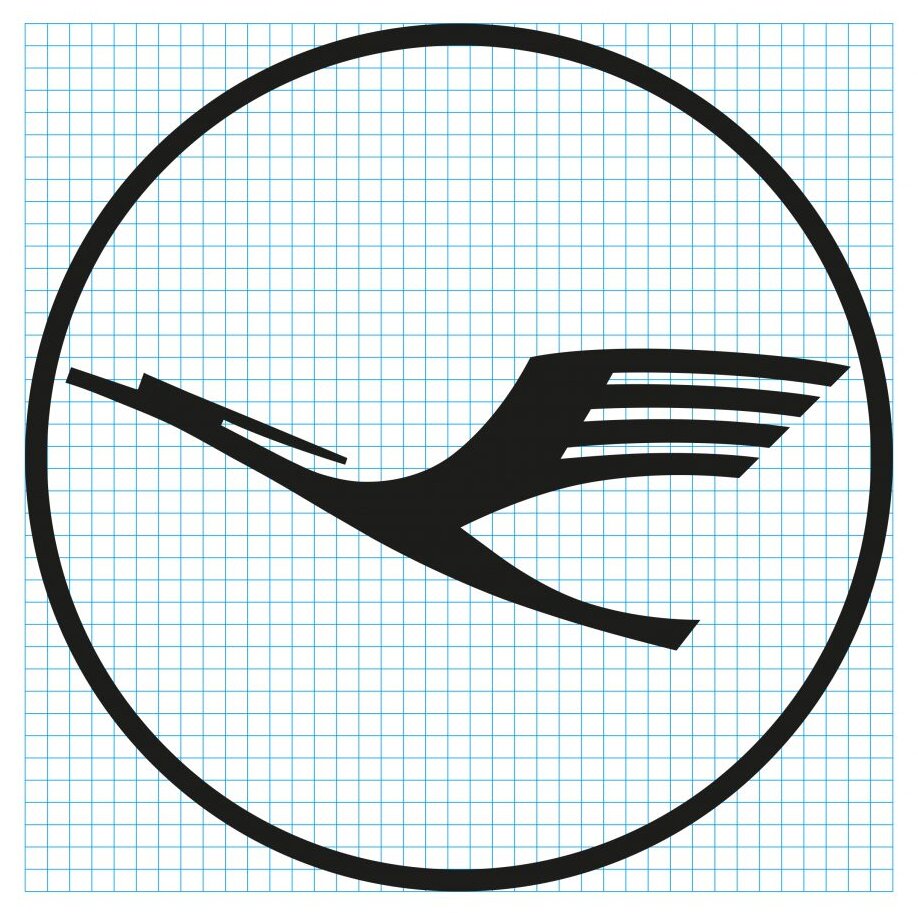
After the Second World War, this approach to design continued to evolve in response to changing political and social conditions. As Germany rebuilt, the Federal Republic developed a new visual identity. Companies and institutions sought to strengthen their brand identities through greater visual consistency and recognition. At the same time, designers aimed to establish new standards that distanced their work from the aesthetics of National Socialism. Clean lines, sans-serif typefaces, simplified silhouettes, geometric forms and vivid colours helped define this new visual language. Among the influential designers of the period were Anton Stankowski, who designed logos for organisations including Deutsche Bank and the German Design Council, and Otl Aicher. Under Aicher’s direction, the ‘E5’ group at the Ulm School of Design developed the systematic visual identity for Lufthansa AG in 1961–62.
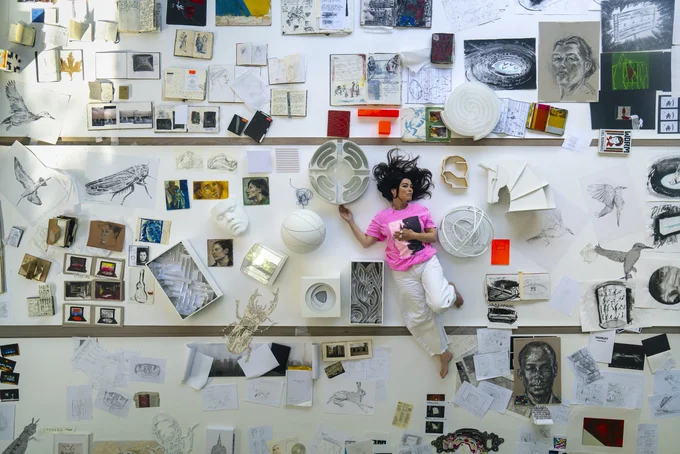
To trace these developments, the exhibition presents not only individual designs but also the visual systems of which they formed part. In collaboration with the A5 Collection in Düsseldorf, it showcases sketches, posters, printed materials, manuals and other original artefacts. Together, these materials illustrate how individual graphic elements evolved into comprehensive visual identities.
The exhibition not only tells a story of design in the Federal Republic of Germany, but also reveals how political and social upheavals shaped the communication needs of companies and institutions. Above all, it explores how these iconic designs continue to inspire subsequent generations of graphic designers and why the democratic design principles of the post-war period are gaining renewed relevance today.