‘We Need to Move Away From Fast Lighting'
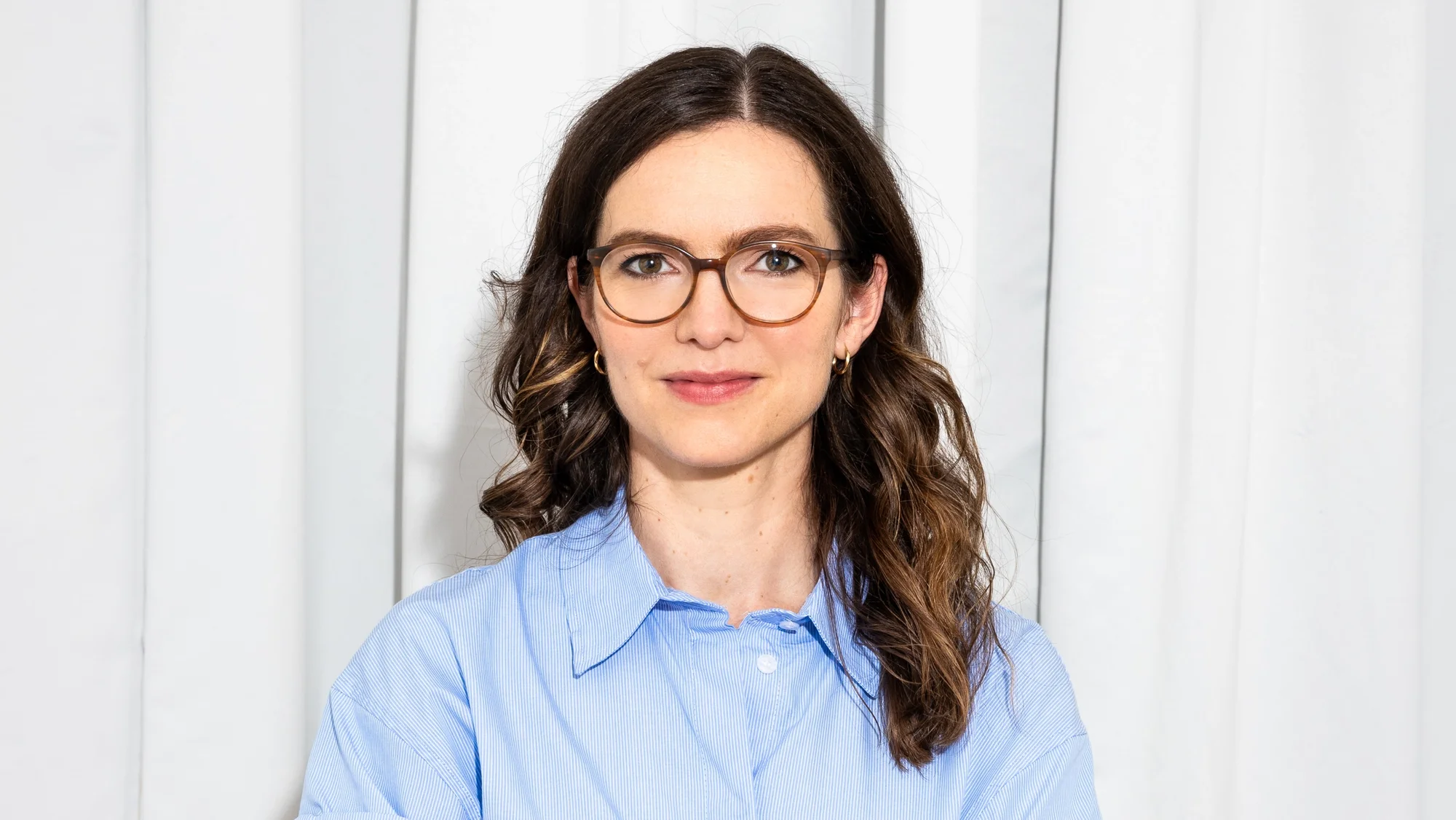
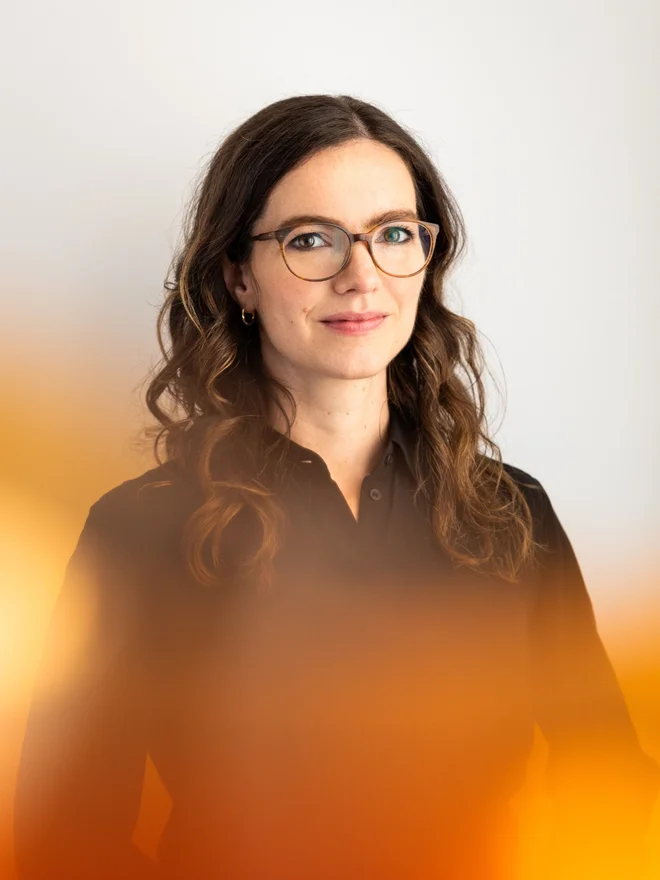
Sabine De Schutterhas contagious energy. One moment she is laughing, the next she is serious, clearly articulating what matters to her. 'Simply installing luminaires wouldn't require lighting designers,' says the trained architect. Light creates atmosphere, provides orientation and can enhance or diminish a space. The Belgian-born, Berlin-based designer advocates circular lighting design and female empowerment within the lighting sector. Since setting up her studio in 2015, she and her small team have collaborated with renowned architects and designers, including Werner Aisslinger, LXSY, Kinzo, and Axel Vervoordt, to create lighting landscapes.
She always begins her projects with architecture because, as she puts it, 'Light only becomes visible when it is reflected.' Therefore, the design of the ceiling, the positioning of the light outlets, and the materials used for the walls are all fundamental considerations. She considers how daylight changes throughout the day and the different seasons for every lighting concept. Shadow also plays a significant role in her work: she even wrote her Master's thesis on the subject at the University of Applied Sciences in Wismar. Given this, it is perhaps unsurprising when she says, 'Berlin is a dark city – and I love that.' De Schutter is committed to preventing light pollution and implementing dark-sky-friendly systems.
Inspired by Ingo Maurer
Her decision to specialise in this architectural niche was no coincidence. As the daughter of photographers, she developed an awareness of light from an early age. It was the renowned Belgian Art Nouveau architect Victor Horta who inspired her to study architecture in the first place, after she discovered his work at the age of twelve. ‘That atmosphere!’ she enthuses to this day. While still at university, she worked at a large architectural firm in Antwerp, where she grew up. As part of the Conix Architects team renovating the Atomium in Brussels, she collaborated with Ingo Maurer on the lighting design. It was a moment of revelation. She was immediately captivated by the imaginative luminaires of the German lighting designer. De Schutter emphasises how important it is for architects to incorporate lighting into their designs, as this profoundly impacts the effect and perception of a space. ‘How can we leave such an important component to others?’

Feeling, Intuition and Experience
The lighting designer never lacks a clear position or a pragmatic approach. 'Working solely according to standards and guidelines is far from sufficient,' says De Schutter, who also studied Design Thinking and Innovation at the Hasso Plattner Institute in Potsdam. Lighting design and architecture, as taught at universities, are highly technical subjects, she explains. By contrast, her own work is shaped by feeling, intuition and experience. 'The quality of light cannot really be measured.' For instance, workplace regulations may stipulate an illuminance of over 500 lux in working environments, but this value could be lower in relaxation areas. She describes her approach as 'very analogue'. She and her team always start a project by sketching and creating models and mock-ups.
‘Light Hacks’ for Sustainability
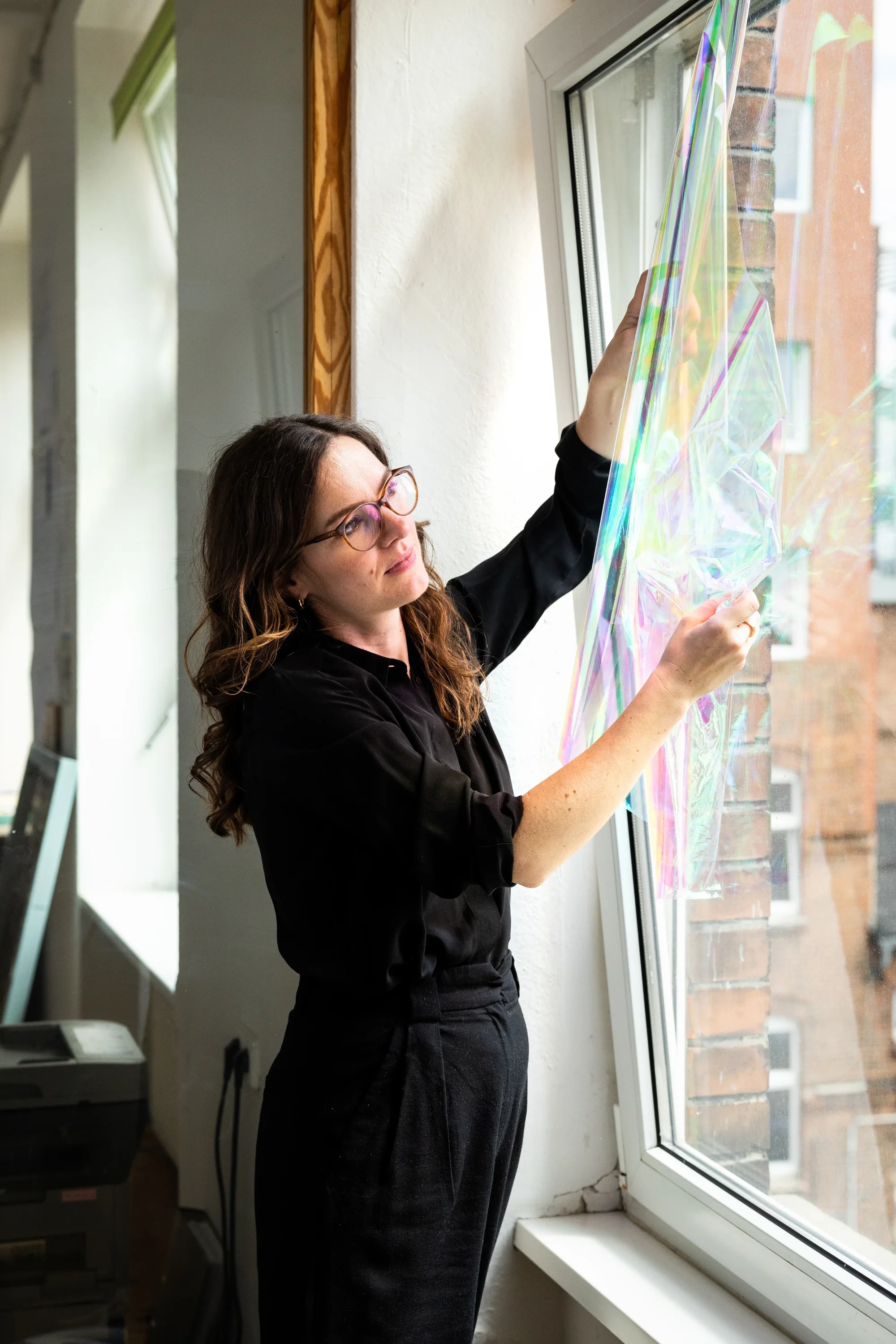
Sabine De Schutter is renowned for her circular lighting designs and 'light hacks'. By 'circular', she means the way she reconfigures existing lighting systems. This could involve installing new drivers, circuit boards or LEDs into existing fittings. At other times, she creates new luminaires from simple materials purchased from DIY stores, then builds her own prototypes. Her ability to find solutions when others would give up is invaluable.
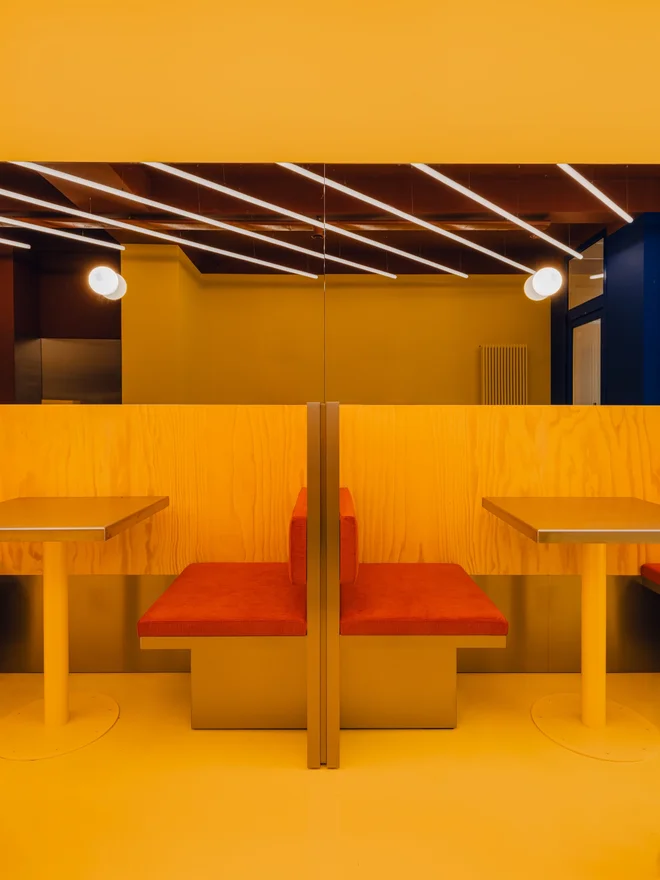
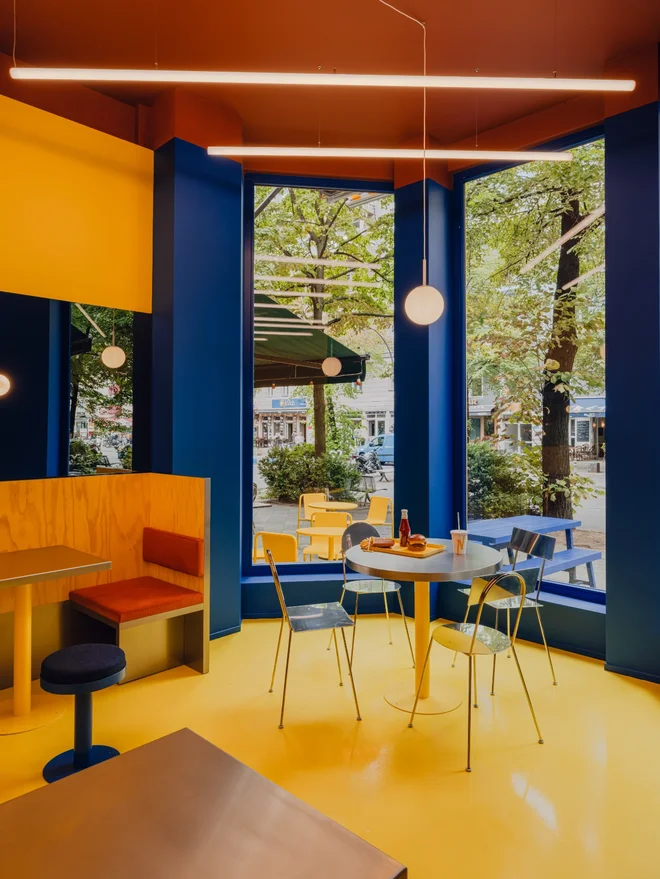
For example, in one of her most recent projects — the 'Flip-N-Fry' burger restaurant in Berlin, created in collaboration with architects Esther Bruzkus and Peter Greenberg — she rebuilt the luminaires on site with the client because the contractors had assembled them incorrectly. “They didn't have a soldering iron, so I drove back to the studio to fetch one.”
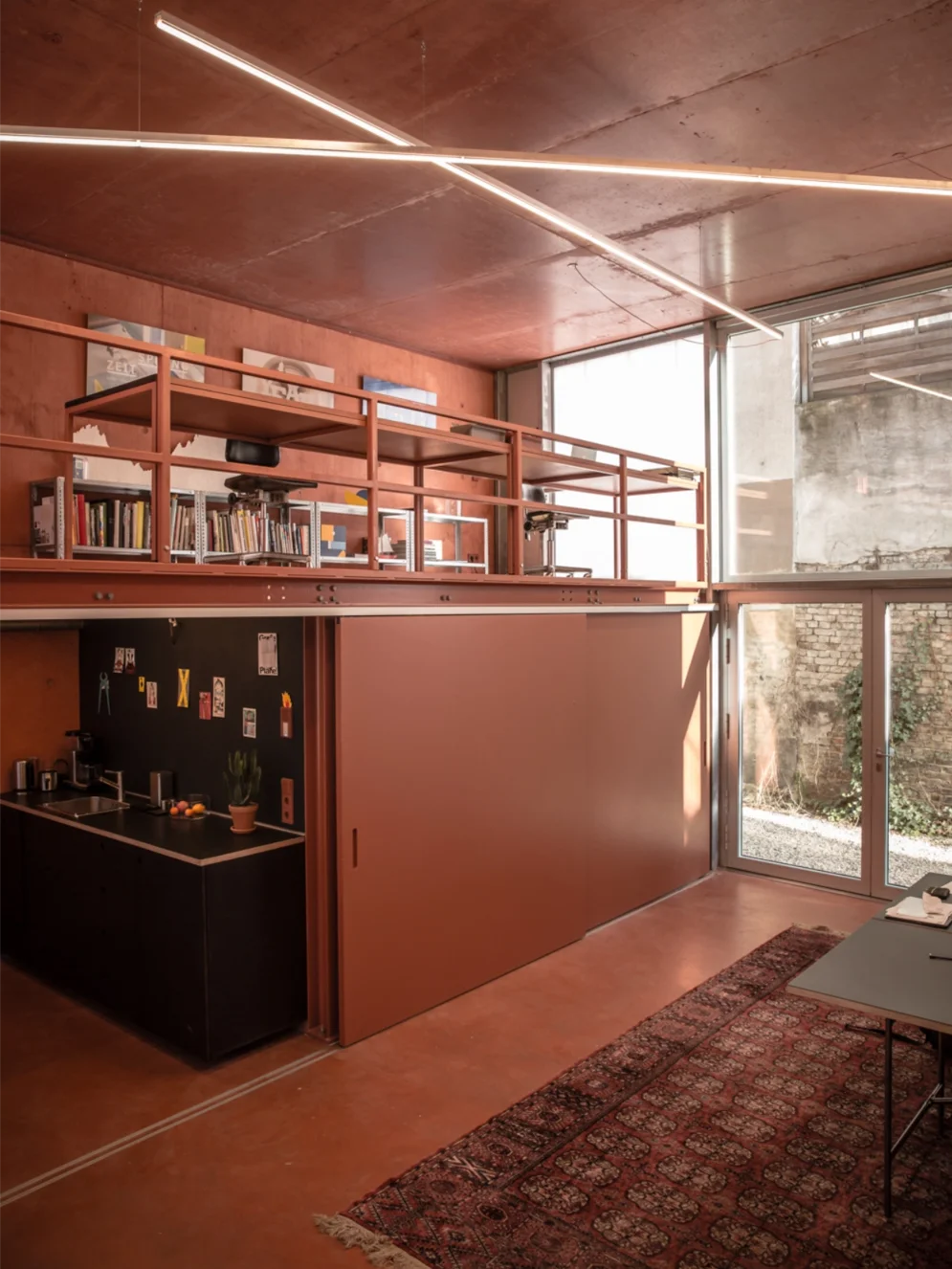
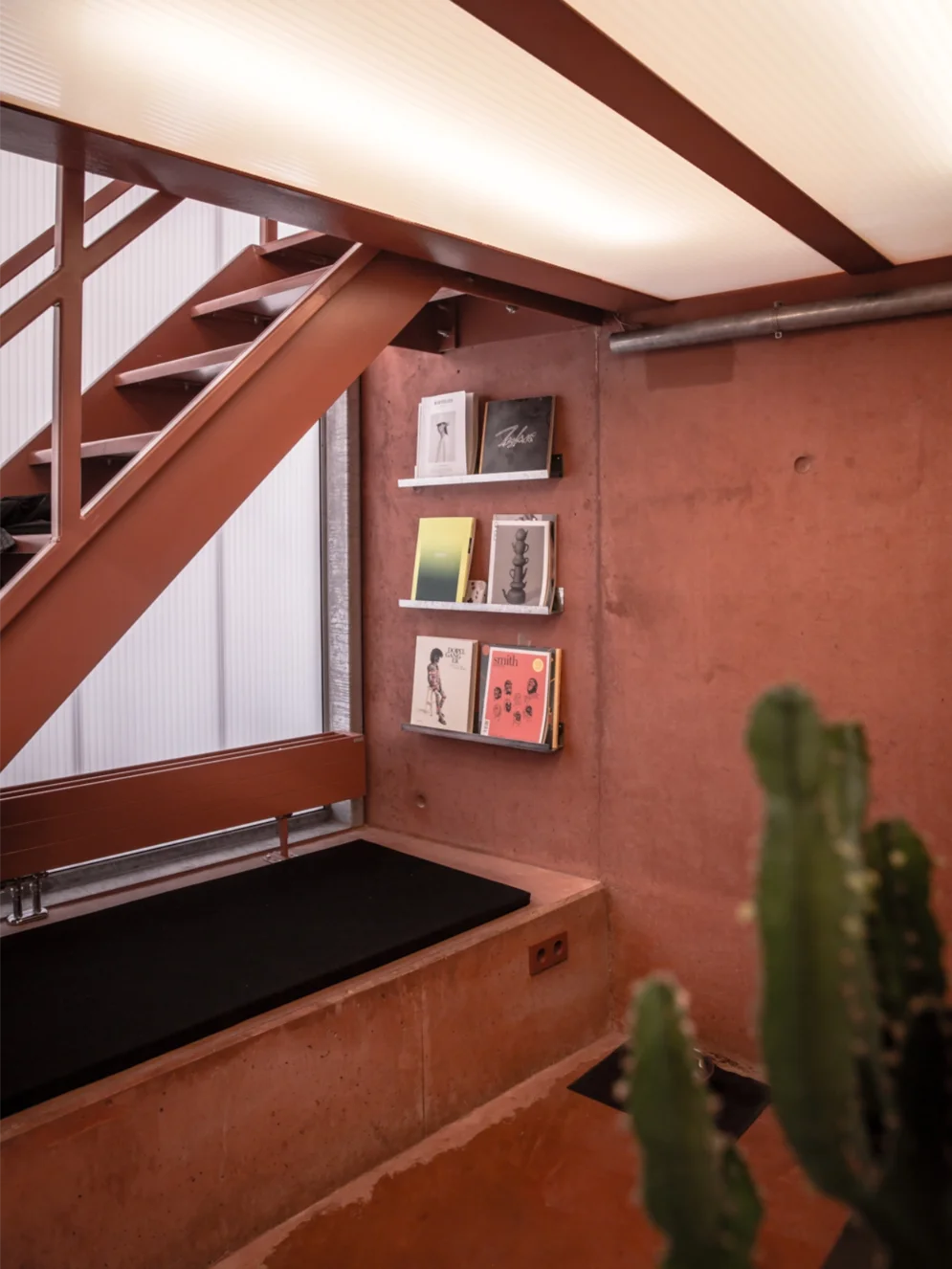
For 'The Loop', a showroom and workplace environment commissioned by general contractor Office Group in cooperation with Dutch furniture manufacturer Ahrend, an especially innovative 'light hack' was employed. Rather than powder-coating it, Studio De Schutter wrapped the housing of the existing linear office luminaire. This can be done directly on site, and the material remains more suitable for circular use.


Luminaires With Integrated AI
As is often the case, original luminaire manufacturers do not offer conversion kits for switching from fluorescent to LED lighting. However, her team found an alternative solution elsewhere that comes with CE certification. These refurbished luminaires now adorn the showroom, giving it a strong identity. De Schutter considered their long-distance effect, too: from the street, the diagonals are clearly visible in the evening. The team pre-programmed the lighting control wirelessly via Casambi Bluetooth technology, meaning users only need to worry if they want to select different lighting scenes, such as 'event lecture' or 'event cocktail'.
The issue that concerns her the most is the large number of products with glued-in LEDs. These cannot be updated and have a limited lifespan. She believes that the industry engages in a great deal of greenwashing and is moving far too slowly, though there are signs of improvement, such as EU regulations like the 'Right to Repair'. She therefore prefers to work with small European manufacturers, such as Georg Bechter from Vorarlberg, to produce customised luminaires. When selecting new luminaires, she makes sure that the housing can be separated from the light source or that each component can be replaced.
At Light + Building, which is taking place at Messe Frankfurt from 8 to 13 March, she will be searching for such luminaires, as well as fittings with integrated artificial intelligence that can measure colour values and optimise colour rendering.
Women in Lighting
As if that were not enough, this mother of a two-year-old son is also a prime example of female empowerment. She is an active member of 'Women in Lighting', an organisation dedicated to raising the profile of women in the lighting industry. While one might be familiar with female architects such as Zaha Hadid or lighting designers such as Olafur Eliasson, female lighting designers are less well-known. This is something that urgently needs to change, according to the German ambassador for the international network.
At Light + Building, a 'Women in Lighting' conference will take place for the first time on International Women's Day, 8 March 2026. 'We should join forces to transform the lighting industry.'
'Women in Lighting'
8 March 2026
2 - 5 p.m.
Light + Building
Messe, Frankfurt am Main
Design Plaza
About Sabine De Schutter
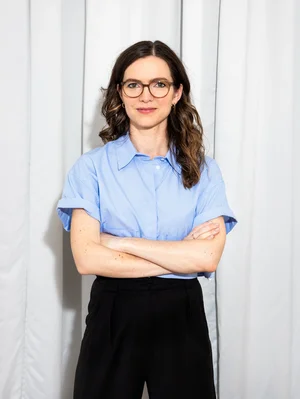
Belgian-born lighting designer Sabine De Schutter founded Studio De Schutter in 2015, with offices in Berlin and Antwerp. Her studio creates immersive lighting concepts for workplaces, hospitality, retail and public installations — infused with creativity and blurring the boundaries between architectural lighting, engineering and art, always guided by perception and the emotional experience of space.
Committed to circularity, Sabine advocates for resource-conscious, reuse-driven strategies that strengthen the circular economy in lighting design. Her work demonstrates how thoughtful lighting can shape identity, enhance atmosphere and add lasting value to the built environment.
As the Women in Lighting Ambassador for Germany, she champions visibility and empowerment in the field. She shares her expertise internationally, including on the stage of TEDxBerlin, continuously pushing the discipline forward through holistic thinking, curiosity and collaboration.