Bubbles of Time: Bathroom Architecture Through the Ages
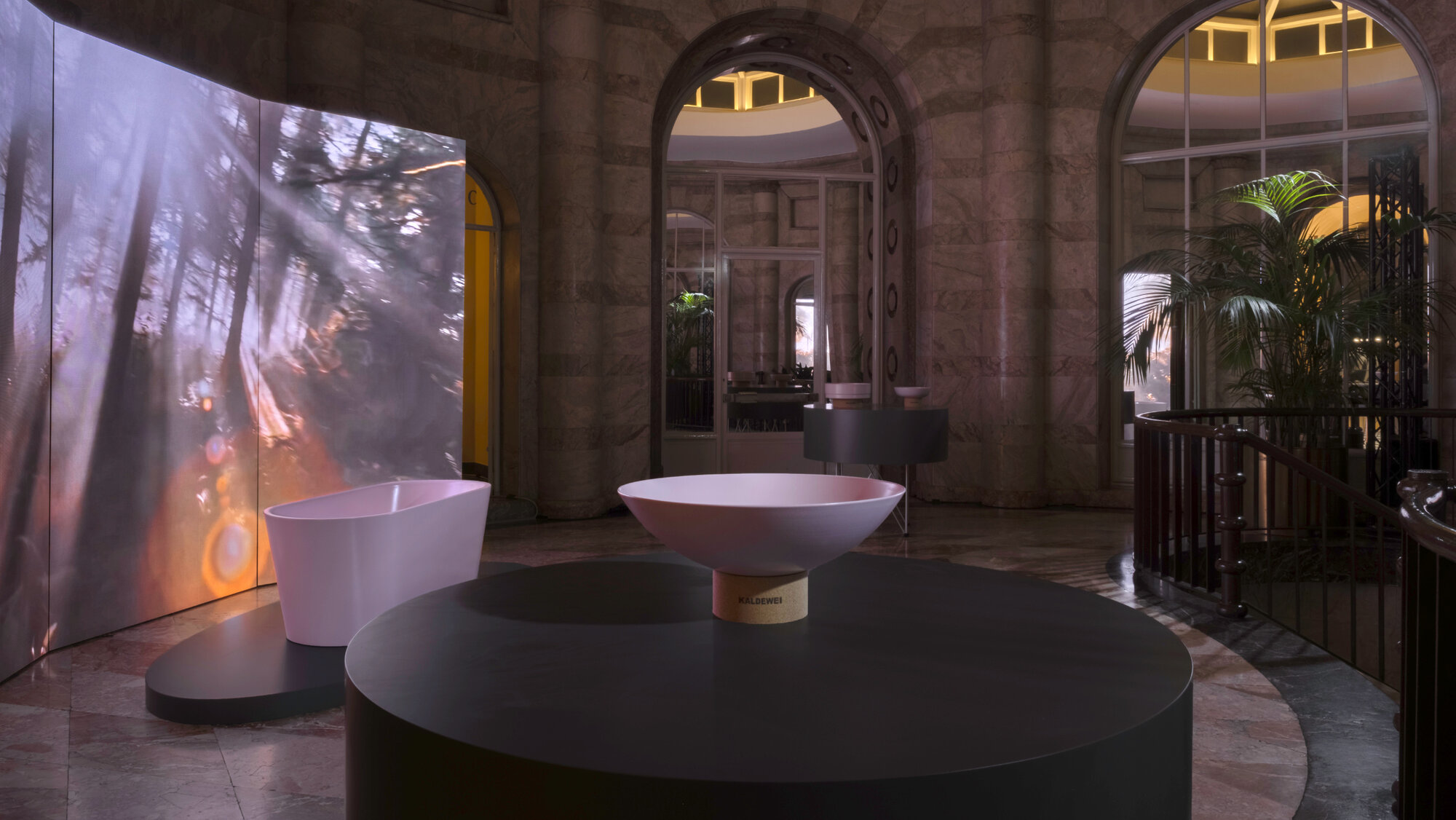
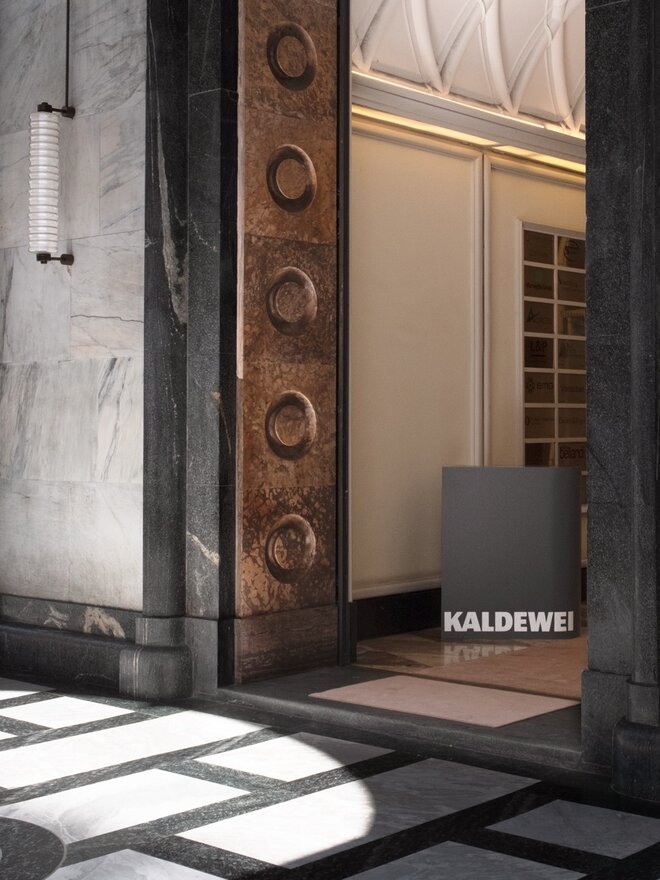
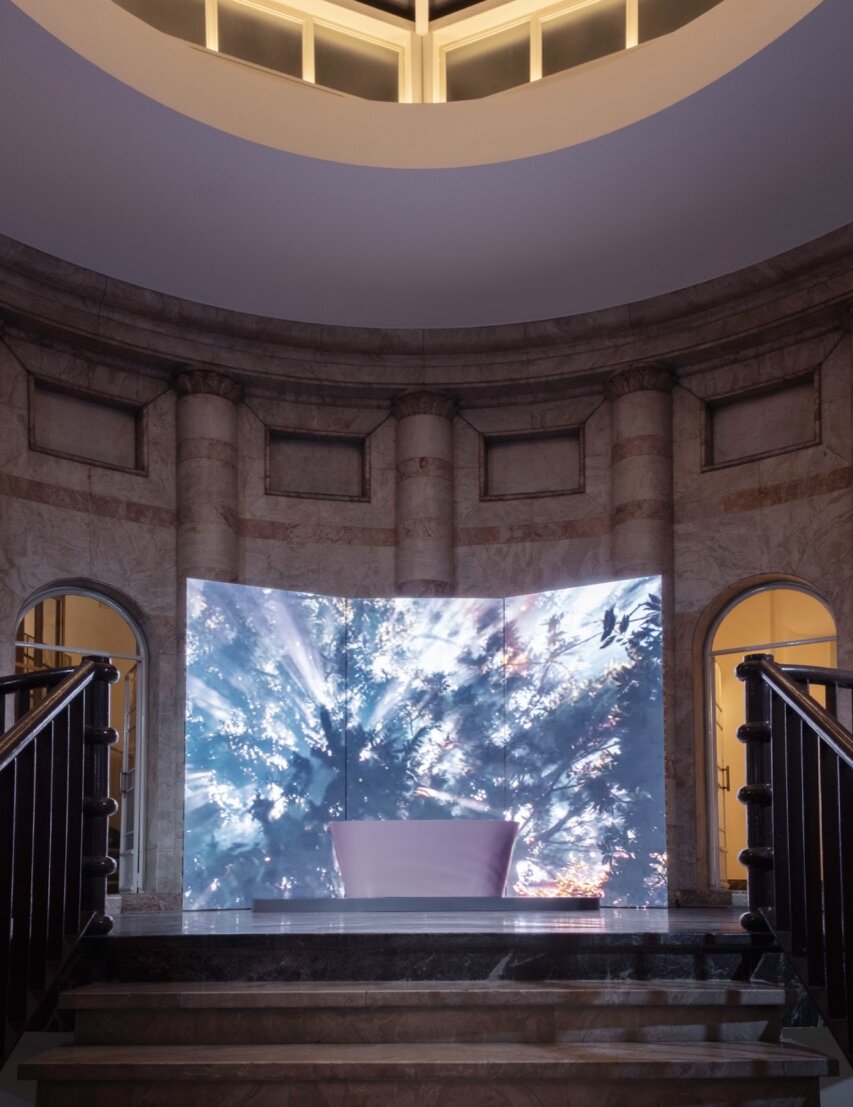
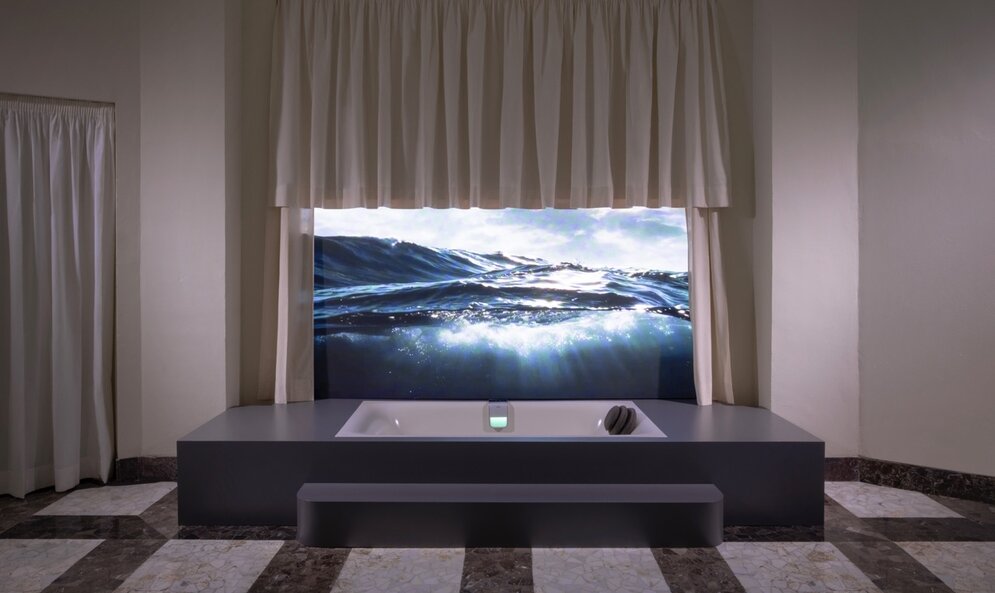
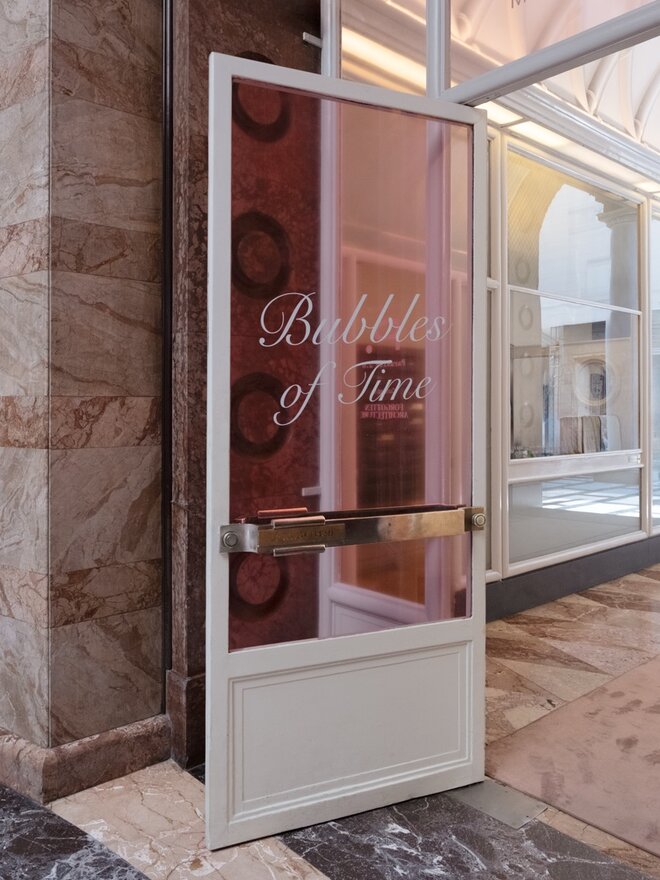
Had the term existed back then, the bathrooms designed by the Milanese architect Piero Portaluppi (1888–1967) would have been the perfect example of 'quiet luxury'. Here, the finest materials are combined with a minimalist design to create an atmosphere of luxurious tranquillity. As part of Milan Design Week 2026, design studio Parasite 2.0 collaborated with Kaldewei to create the 'Bubbles of Time' installation at Palazzo Crespi, paying homage to Portaluppi’s extraordinary bathroom designs.
Portaluppi’s Alternative to Modernism
For Portaluppi, progress meant an increase in comfort above all else, not a strictly rationalised living environment. While Le Corbusier designed strictly functional bathrooms for his Parisian villas in the 1920s and 1930s, to promote health and well-being, Portaluppi created sophisticated bathing sanctuaries. Whereas Mies van der Rohe used white, square tiles to clad the bathrooms in Villa Tugendhat, Portaluppi employed magnificent, multicoloured marbles to create a stunning contrast with the clear, minimalist design. In Villa Necchi Campiglio (built 1932–1935), the master bathroom is almost entirely clad in large slabs of Arabescato Orobico marble. The only decorative feature is the narrow strips of dark marble that divide the floor. Numerous mirrored surfaces further expand the spacious room.
At Casa Corbellini-Wassermann, Portaluppi used magnificent green-veined Carrara marble, creating a striking contrast with the black and white natural stone door frames and flooring. Once again, the architect limited himself to a minimum number of materials and forms. During the renovation of Villa Menafoglio Litta, now known as Villa Panza, he incorporated his fixtures and fittings into the exquisite 17th-century décor of the country house. The result was a modern, luxurious bathroom, which he integrated into a richly painted room as if it were a marble-clad module. These austere forms provide the greatest possible contrast to the Baroque splendour of the wall and ceiling paintings. The strongly veined natural stone mirrors the painted marble above, linking the two historical layers.
Architecture as a Bridge Between Eras
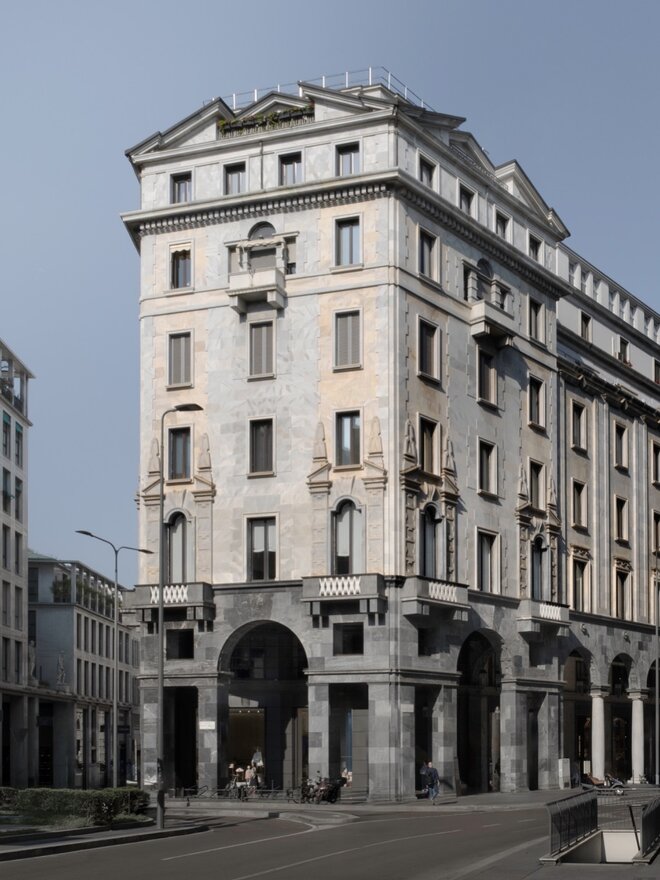
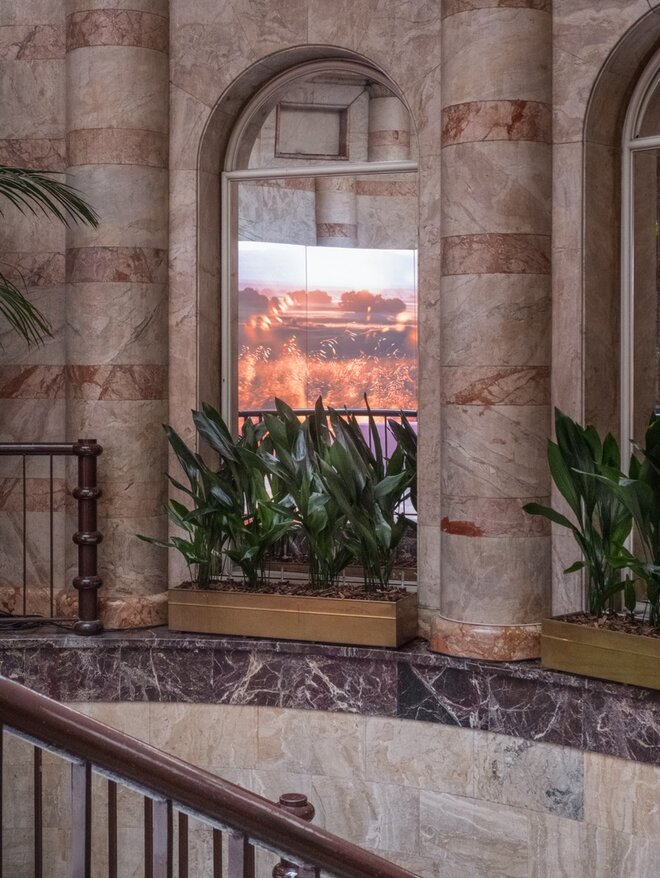
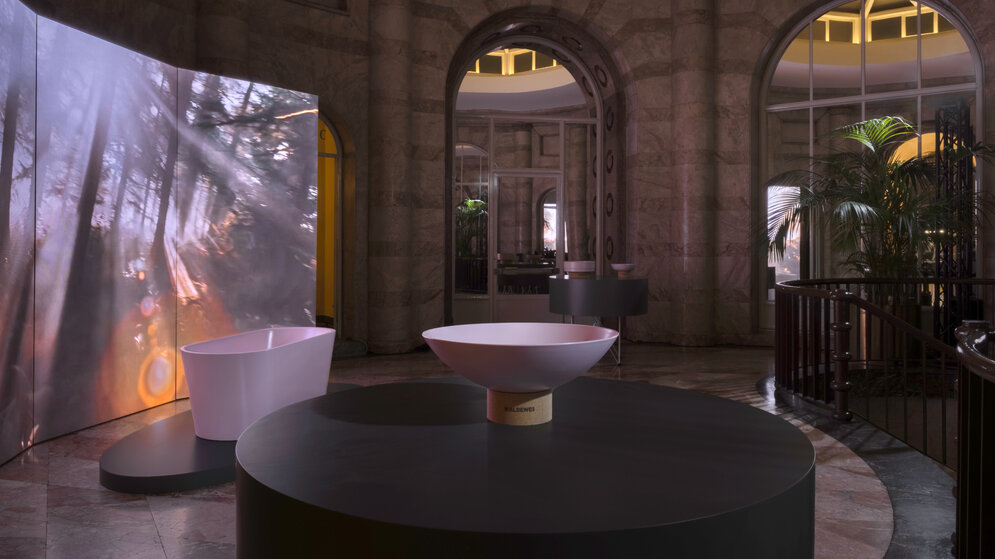
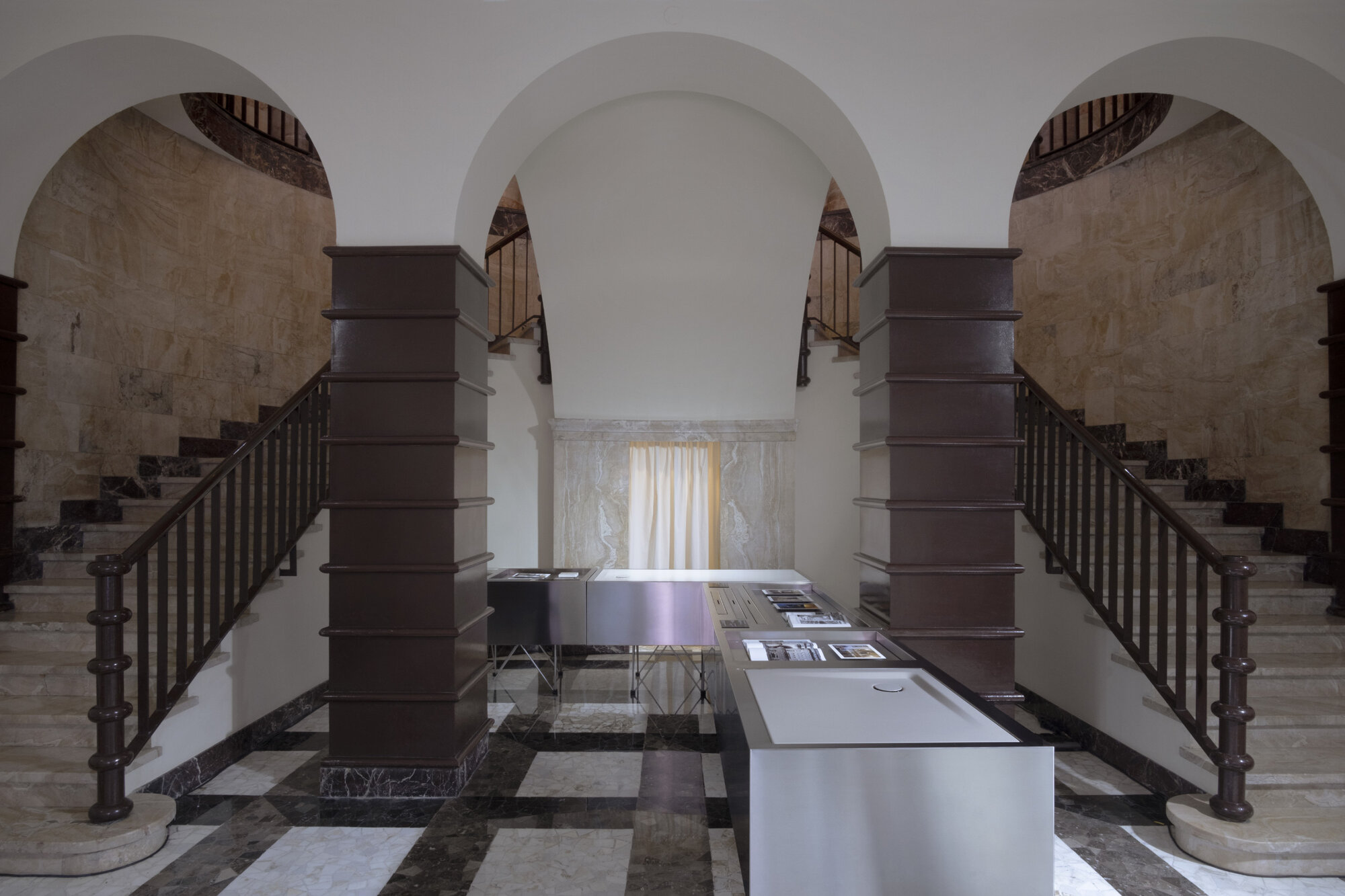
In his architecture, Portaluppi sought to combine modern and historical elements. Unlike the radical avant-garde of his time, he did not want to completely reject the past. The stately commercial building Palazzo Crespi, which Portaluppi built in the centre of Milan between 1928 and 1932, illustrates the architect’s aim to create a modern style that is simultaneously rooted in history. Inside, Portaluppi created a vast rotunda surrounded by half-columns to serve as a reception hall. A palatial double-flight staircase leads down from here to the basement. This impressive spatial creation by Portaluppi provides the setting for the Parasite 2.0 and Kaldewei installation, 'Bubbles of Time'.
An Inspiration to This Day
How does the design group respond to the architectural splendour? With restraint and subtlety. During the panel discussion organised by Kaldewei in collaboration with the ICONIC AWARDS, Luca Marullo Viola, co-founder of Parasite 2.0, explained, "Our starting point was the question: what story do we want to tell in these spaces?" The designers at Parasite 2.0 argue that traditional product presentations are outdated. “These days, anyone who wants to see products goes online,” says Marullo Viola. He adds that the experience and the story that a showroom can offer are far more important.
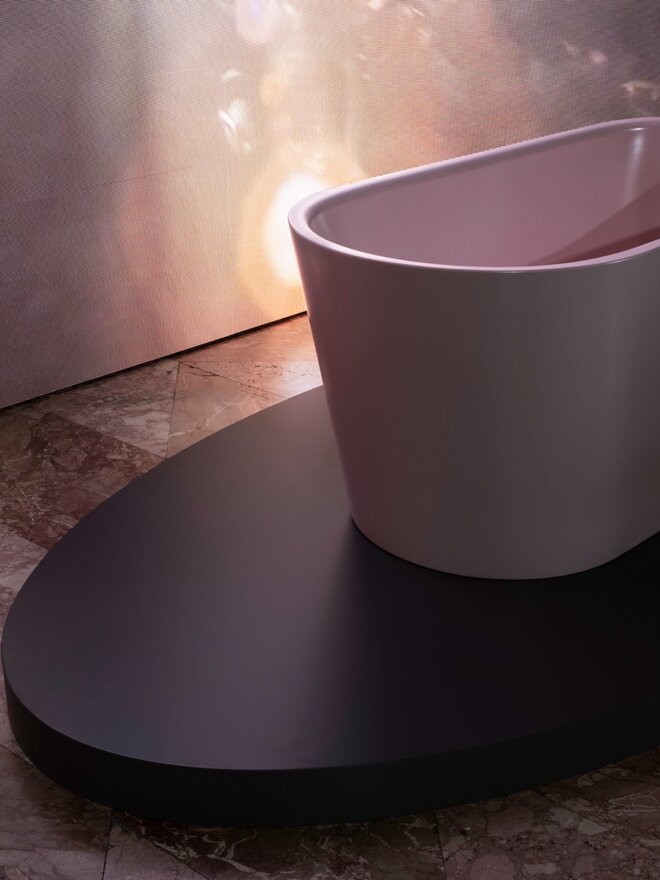
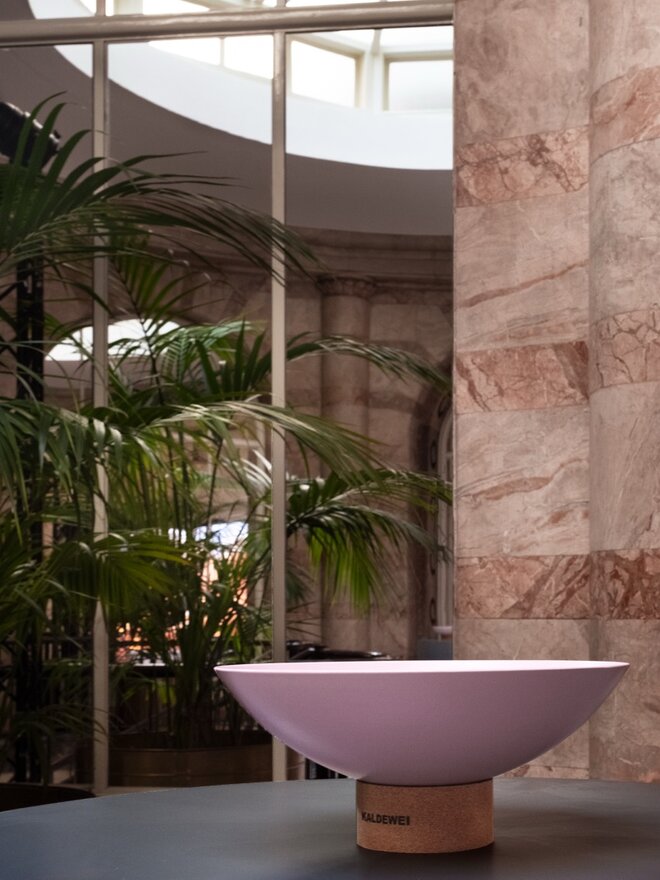
For this exhibition, Kaldewei, a manufacturer based in Ahlen, produced a delicate, powder-pink, freestanding bathtub for Parasite 2.0. The bathtub is positioned at the centre of a rotunda. Elevated on an oval plinth, it lends Parasite 2.0 an elevated presence. Its colour and form allude to Baroque interiors, providing a contrast to Portaluppi’s monolithic rotunda. While Portaluppi uses historical references to create monumentality, the designers use them to express delicacy and openness. The basement interior architecture has a distinctly more modern Art Deco design. Parasite 2.0 is presented differently here, too. The designers present images and materials from Portaluppi’s bathroom designs on modular stainless steel displays. These relate to individual Kaldewei product elements. Here, shower trays and panels are almost transformed into art objects. The opulent marbles further enhance the minimalist aesthetic of Portaluppi’s bathrooms in Parasite 2.0.
Voices From the Panel Discussion
The designers of Parasite 2.0 are not the only ones who are enthusiastic about Piero Portaluppi’s magnificent bathroom designs. During the Kaldewei and ICONIC AWARDS panel discussion, Werner Aisslinger also expressed his admiration for Portaluppi’s work. The Berlin-based designer, who is a proven expert in innovative bathroom design and has designed several Kaldewei products, describes the Milanese architect’s designs as “inspiring”. “His floor plans were extremely progressive,” he explains. Furthermore, Portaluppi’s handling of light and surfaces is simply masterful. However, the designer knows from experience that it is not solely down to the brilliant designer. “I also admire Portaluppi’s clients for their foresight and open-mindedness.”

More visibility, more opportunities – the new ICONIC AWARDS provide a stage for tomorrow's ideas and projects. They open up networking and business opportunities and pave the way to new markets. They are aimed at architects, interior designers, designers and companies who are shaping the future with visionary projects, innovative products and sustainable concepts.