Can my company still be saved?
Phase 1: The Before
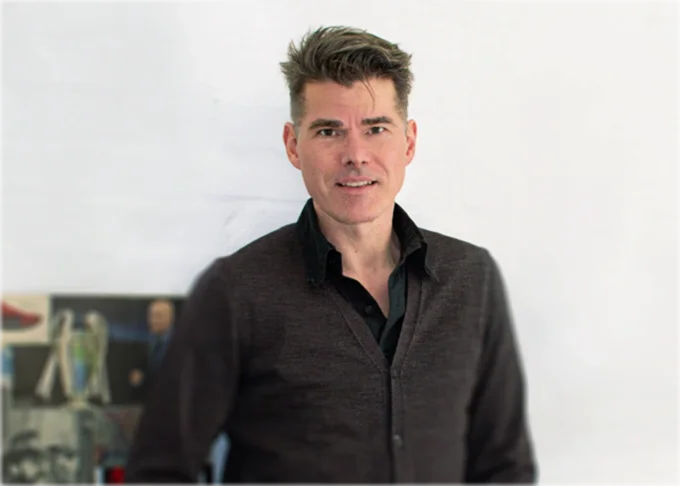
Claus Fischer could already tell from the tone of voice: “The way he spoke to me made me realise that something serious was going on.” Fischer, then the sole shareholder of a creative agency he had founded 30 years earlier, was sitting in his office when his managing director asked to speak with him. What Fischer did not yet know was that, shortly before Christmas, his agency would file an application to open insolvency proceedings with the competent local court.
More and more companies in Germany are filing for insolvency. In 2025, local courts recorded 24,064 corporate insolvencies – 10.3 per cent more than in the previous year. The number had already risen by more than 20 per cent in both 2024 and 2023. The creative sector is also badly affected. Fischer’s experience illustrates how an entrepreneur can respond when their life’s work is at risk.
Claus Fischer, who describes his situation in a video call, is not permitted to disclose details of his insolvency proceedings. In the meeting room, however, his managing director had “laid out the situation clearly and plainly”. Shortly afterwards, at the end of December 2025, he informed his 20 employees: “But I was only allowed to communicate the situation as it stood. It would have been disastrous to raise hopes at that moment. All I could do was sit down and say: ‘I have no experience of this either. I don’t know what’s going to happen here.’”
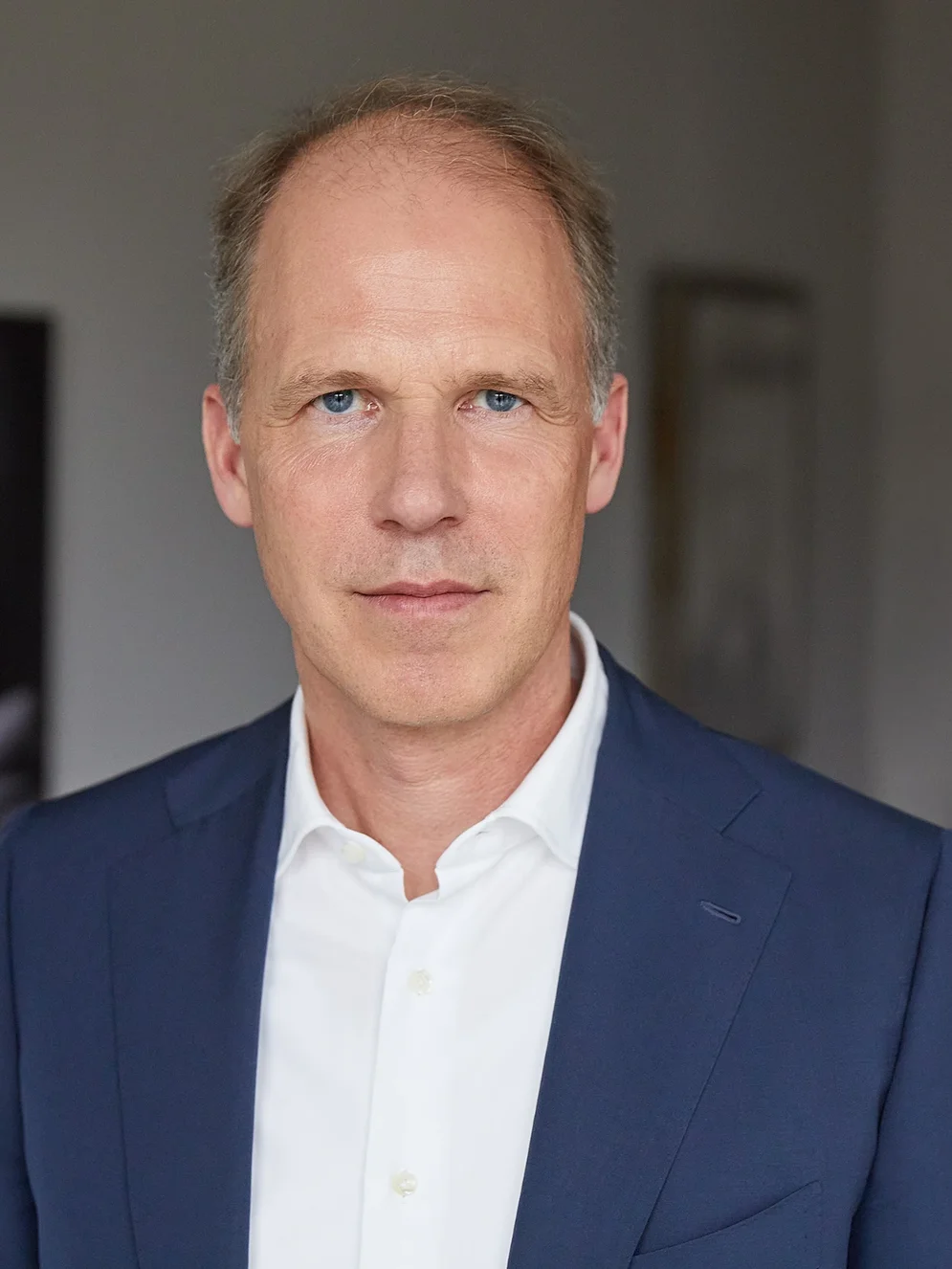
Dr Tjark Thies of Reimer, a law firm specialising in insolvency proceedings with a team of 140 employees, explains: “The first is the phase before the insolvency application is filed. The second is the preliminary insolvency proceedings. And the third is the insolvency proceedings themselves. The first phase is the riskiest for the company’s management, as this is when they are most likely to make mistakes that could later result in personal liability.”
Phase 2: The In-Between
He personally called creditors and suppliers one by one to inform them.” On 22 December 2025, the agency Voss+Fischer filed an application to open insolvency proceedings with Frankfurt Local Court. In January 2026, Fischer went public, informing several trade magazines about his situation: “That was also an attempt to deal with the situation proactively and retain control over the narrative.”
The period between filing the application and the opening of insolvency proceedings is no more than three months. This time is intended to initiate a “restructuring”, as it is known in professional jargon. Or, more simply, to save the company. Insolvency administrator Thies describes it as “the most interesting phase, because this is when the crucial decisions are made”. He usually visits the company as soon as he receives the call from the court, in order to “gain an initial overview of its financial situation and reassure employees, suppliers and customers”. Looking back, however, Claus Fischer describes this period as a race against time. Or, to put it more vividly: “It’s like a drowning person trying to keep their head above water, without having any idea how they could possibly learn to swim in time.”
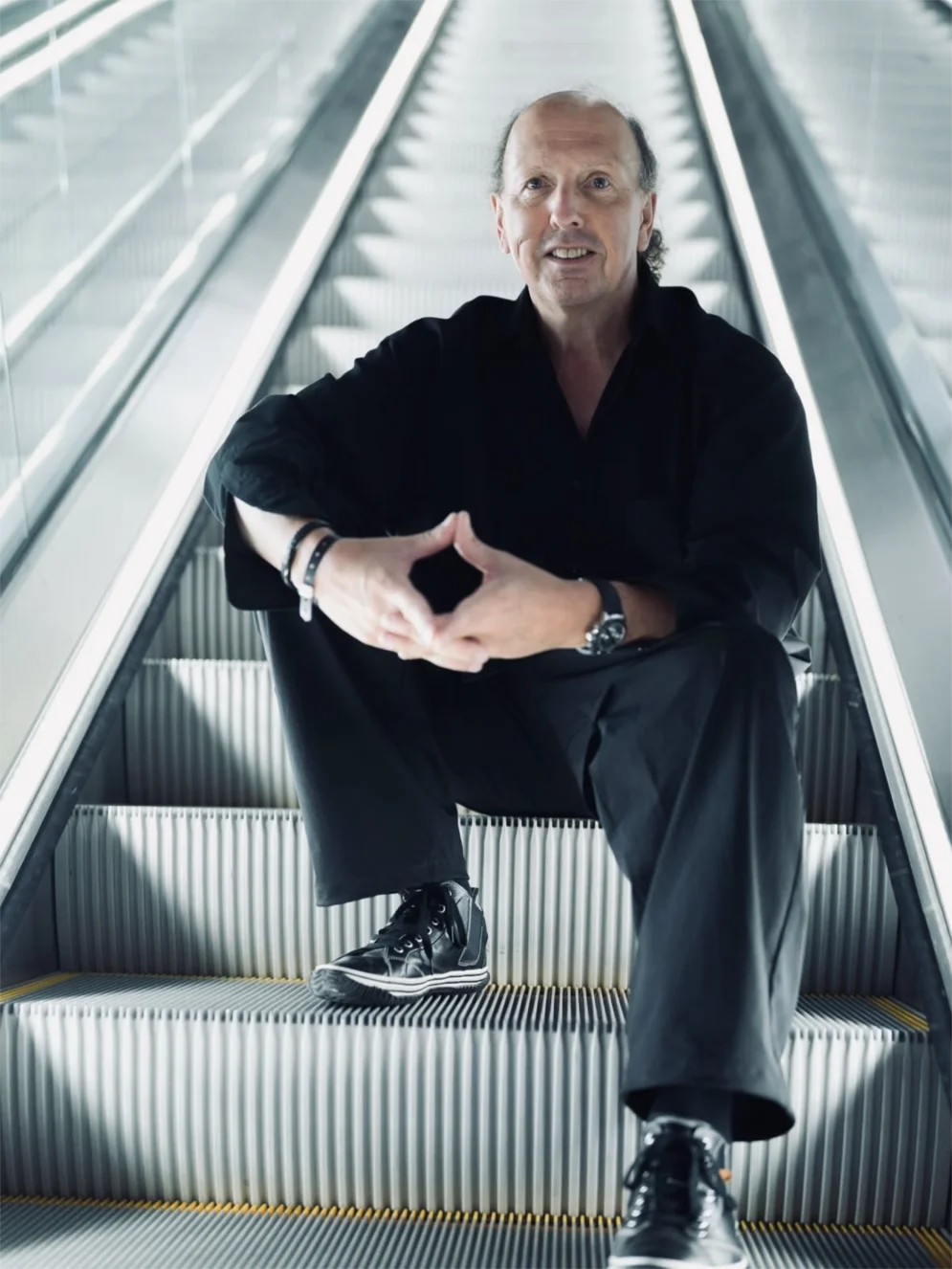
“Creative businesses often only come to me when they are already facing an acute liquidity crisis,” says Ralf Strehlau, “when it becomes clear that salaries or social security contributions can no longer be paid on time.” Strehlau, a qualified business economist, has been advising companies for more than 30 years on what he calls “challenging processes of change”. These include businesses such as the agency Voss+Fischer. But why do so many creatives only seek help when it is almost too late? “Many refuse to acknowledge the situation and keep hoping for a major commission right up until the end,” Strehlau explains. A lack of business and financial expertise is also often a factor: “One fundamental problem in the creative industries is that the people at the helm are, naturally, often creatives, while business and financial expertise is frequently underrepresented within the company. And in cases like these, tax advisers are usually unable to offer much help.”

The creative sector as a whole is also under pressure. Even renowned international agencies such as Kesselskramer in Amsterdam filed for insolvency this year. Strehlau and insolvency administrator Thies see artificial intelligence as the greatest threat: 'Nowadays, many small and medium-sized businesses are using AI instead of hiring a creative agency, as they used to.' says Strehlau. ‘And then, of course, there’s the sluggish economy. In many cases, insolvency proceedings aren’t even initiated. Instead, the company ceases operations immediately or is liquidated right away.’ Thies is even more forthright: “From an economic perspective, the current situation in the creative industries offers little cause for optimism.”
Phase 3: The After
When Fischer looks back on the insolvency proceedings today, he often uses the impersonal “you” rather than saying “I”. It is almost as if he still cannot quite grasp what happened to him at the time: “It feels like being inside a centrifuge: something new is happening all the time. You keep hoping that a door will open somewhere – and as soon as one does, the next one slams shut again.”
But in the end, a door really did open. A new partner was found through an insolvency portal. “In May 2026, I moved to another agency with most of the team. It was an incredible stroke of luck.” What advice would Fischer give other creatives today? “Trust your gut. If you have doubts about something, pay attention to them and take a closer look. And as creatives, keep an eye on the numbers, too.”
What does consultant Strehlau recommend to creatives and agency owners to prevent things from reaching this point in the first place? “The creative industries are an asset-light business. That means many studios and agencies provide services only and have no stock or anything of that kind. But if I also run an online shop and sell licences – for example, for typefaces – or physical goods, that creates a business model that is more resilient in a crisis.” He also advises creatives to build their networks: “People always say it’s good to have a lawyer and a doctor among your friends. I’d advise creatives to add a business and finance expert to that circle, too.”