Locations as Resources
For decades, architecture has mirrored global trends. The skyline of Singapore is barely distinguishable from those of London, Dubai or Frankfurt. Materials such as steel, glass and concrete became universal constants and design languages became increasingly similar across continents. While this exchange of ideas was enriching, it also resulted in a tendency towards arbitrariness: cities lost their distinctiveness; historical references disappeared behind anonymous surfaces; and climate and topography played a minimal role.
However, there is growing resistance to this homogenisation. Now, architects are seeking ways to view a site as more than just a building plot; they are looking at it as a source of inspiration. They are paying attention to cultural and geographical particularities, layers of history, and locally available materials. They are also asking how all of these factors can be translated into contemporary forms.
This shift is not a nostalgic response, but a way of addressing the challenges of our time. Climate change demands the responsible use of resources. Social transformation requires architecture that fosters identity and strengthens local communities. There is also a growing need for buildings that integrate with their surroundings while retaining their individuality.
‘Contextual architecture’ lies precisely at this intersection: it is an architectural approach that does not only reference the genius loci in a superficial way, but actively continues its narrative, establishing a new relationship between space and building.
Architecture That Takes Root: Topography as a Design Principle
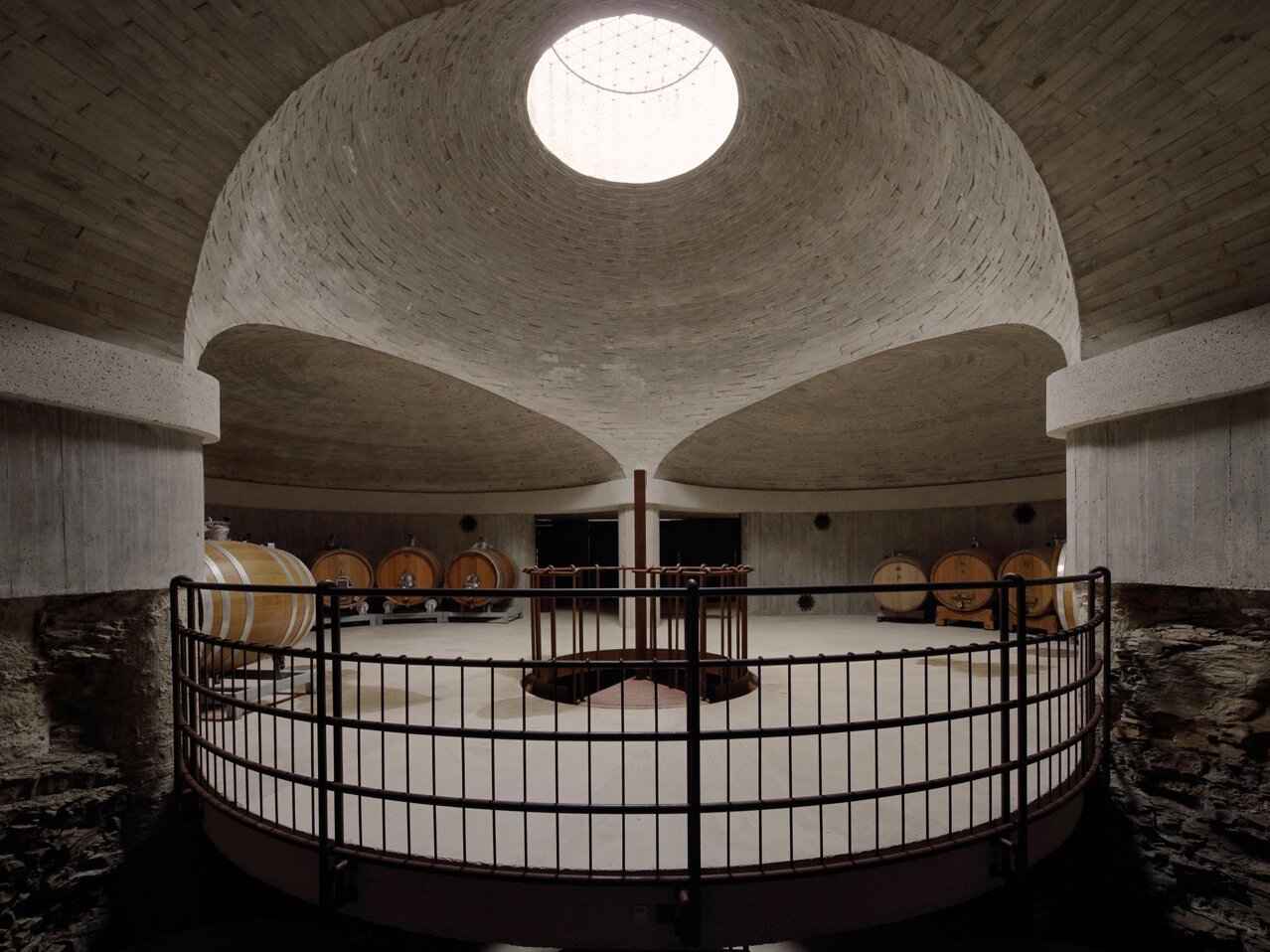
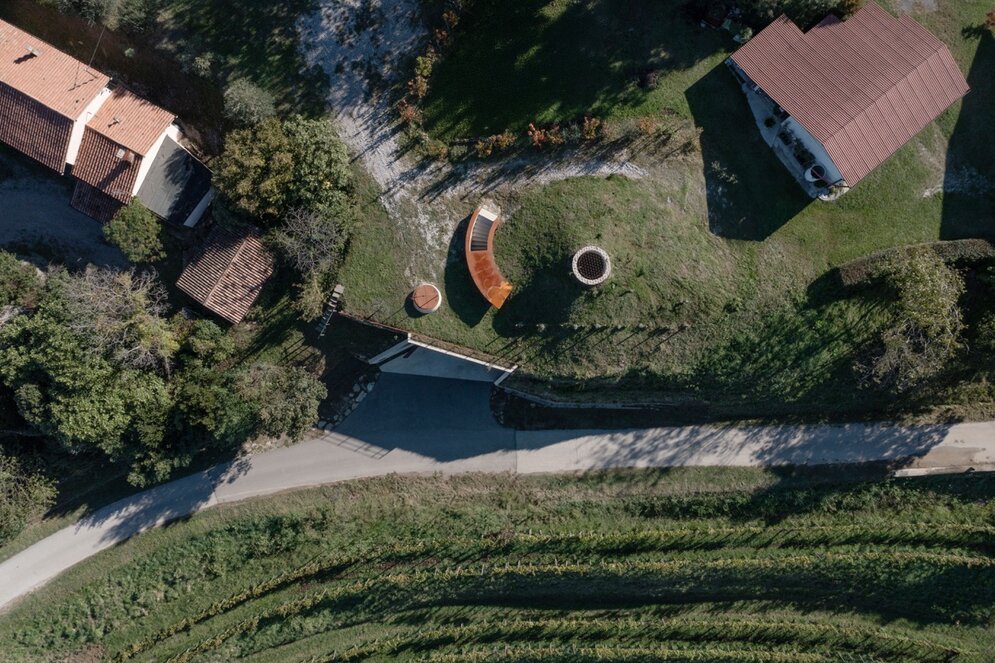
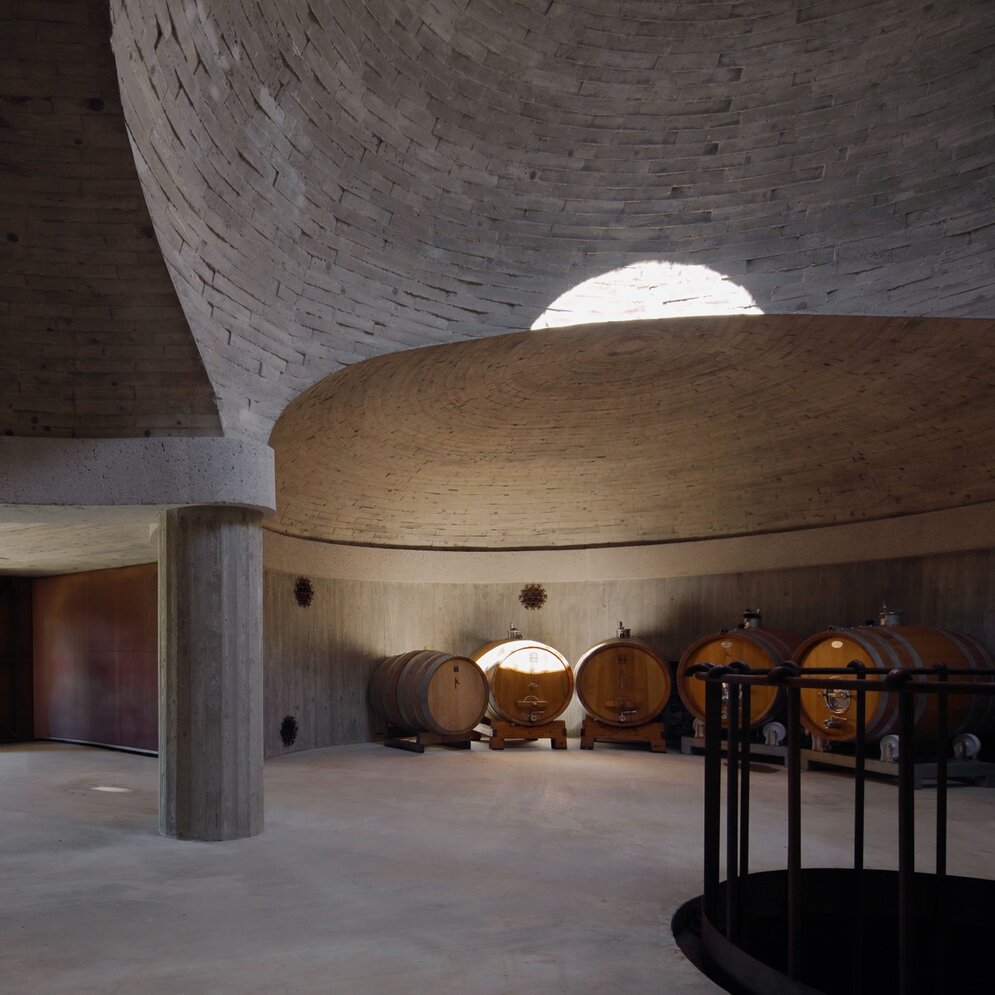
A landscape is much more than just a backdrop for architecture. In many contemporary projects, it is the starting point of the design process. Topography, vegetation and geological conditions are not obstacles to overcome, but rather resources that influence form, materials and spatial design. An example of this approach can be seen in the Trifolium Wine Cellar in Slovenia’s Goriška Brda, which was designed by Lendarchitektur. Rather than sitting on top of the wine landscape, it grows out of it. The cloverleaf-shaped ground plan follows the natural contours of the hill, and the fragile flysch rock remains visible, defining the space. Rather than using massive earthworks and technical reinforcement, the architects relied on a minimally invasive pile system to support the terrain without destroying it. The result is a building with an imposing presence, achieved through restraint. Architecture that blends with its surroundings — yet tells a new story.
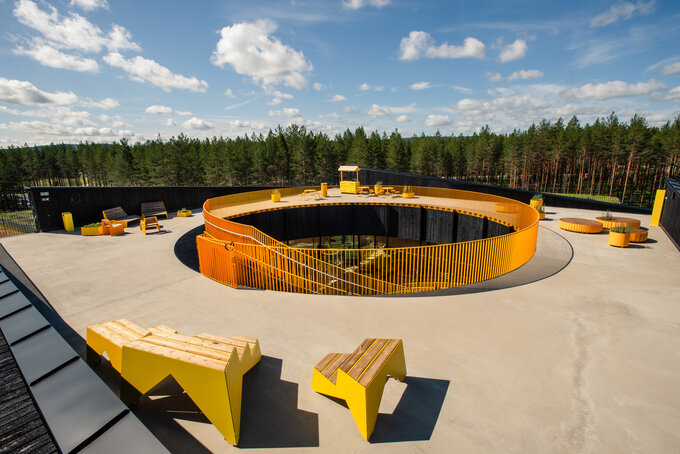
This dialogue is perhaps even more evident in the Tekâkāpimək Contact Station in Maine. Here, working in close collaboration with indigenous communities, Saunders Architecture has created an architectural design that inseparably links nature and narration. The wooden structure is not only a visitor centre, but also a meeting point where landscape, local tradition and the present converge. It conveys knowledge, preserves stories, and translates the site’s spiritual significance into a tangible form. In this way, architecture itself becomes a medium that builds bridges between the past and the future, and between human intervention and nature.
The Past as a Valuable Resource
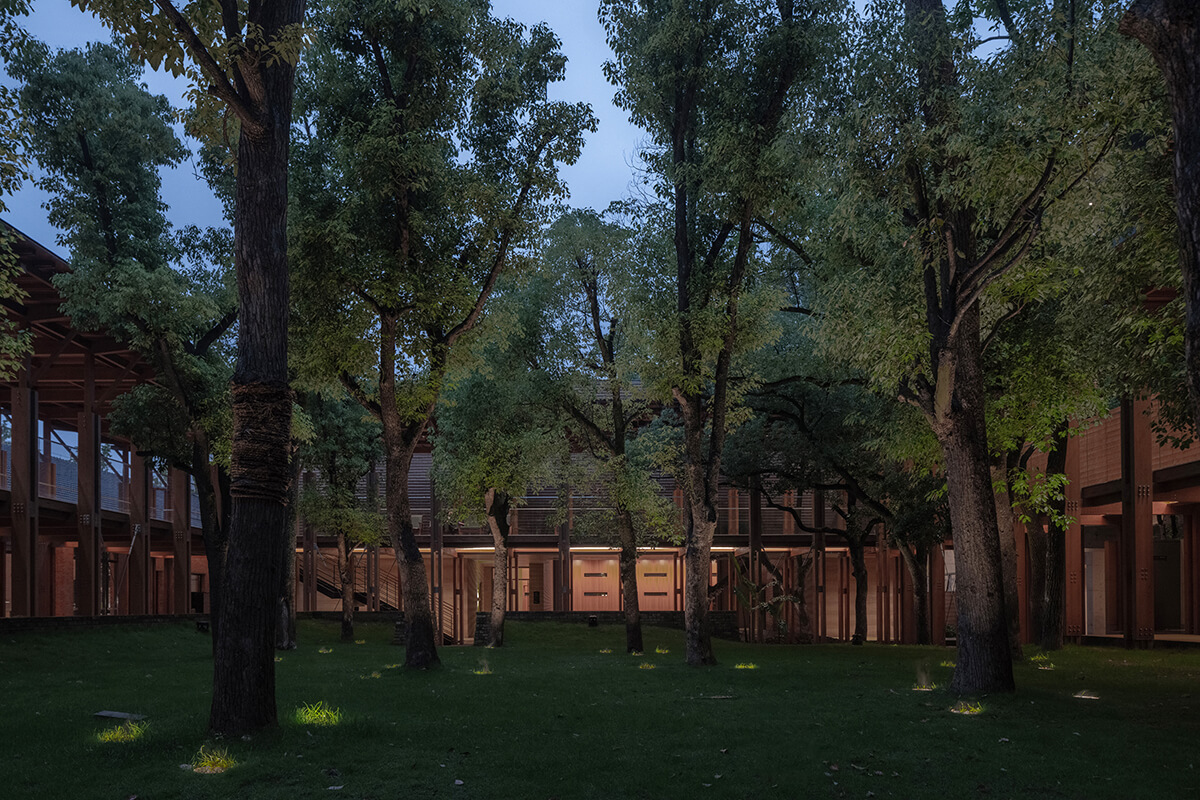
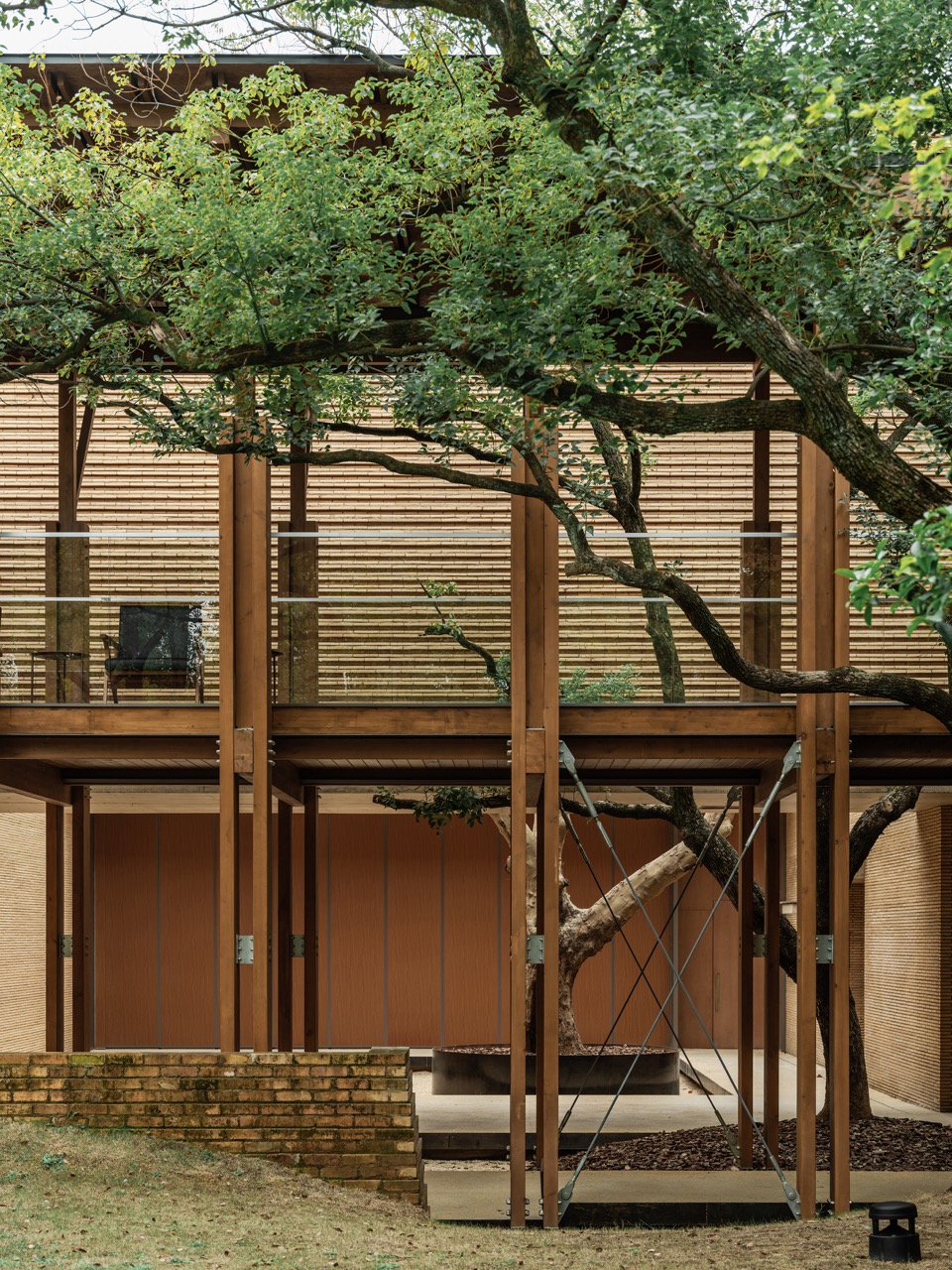
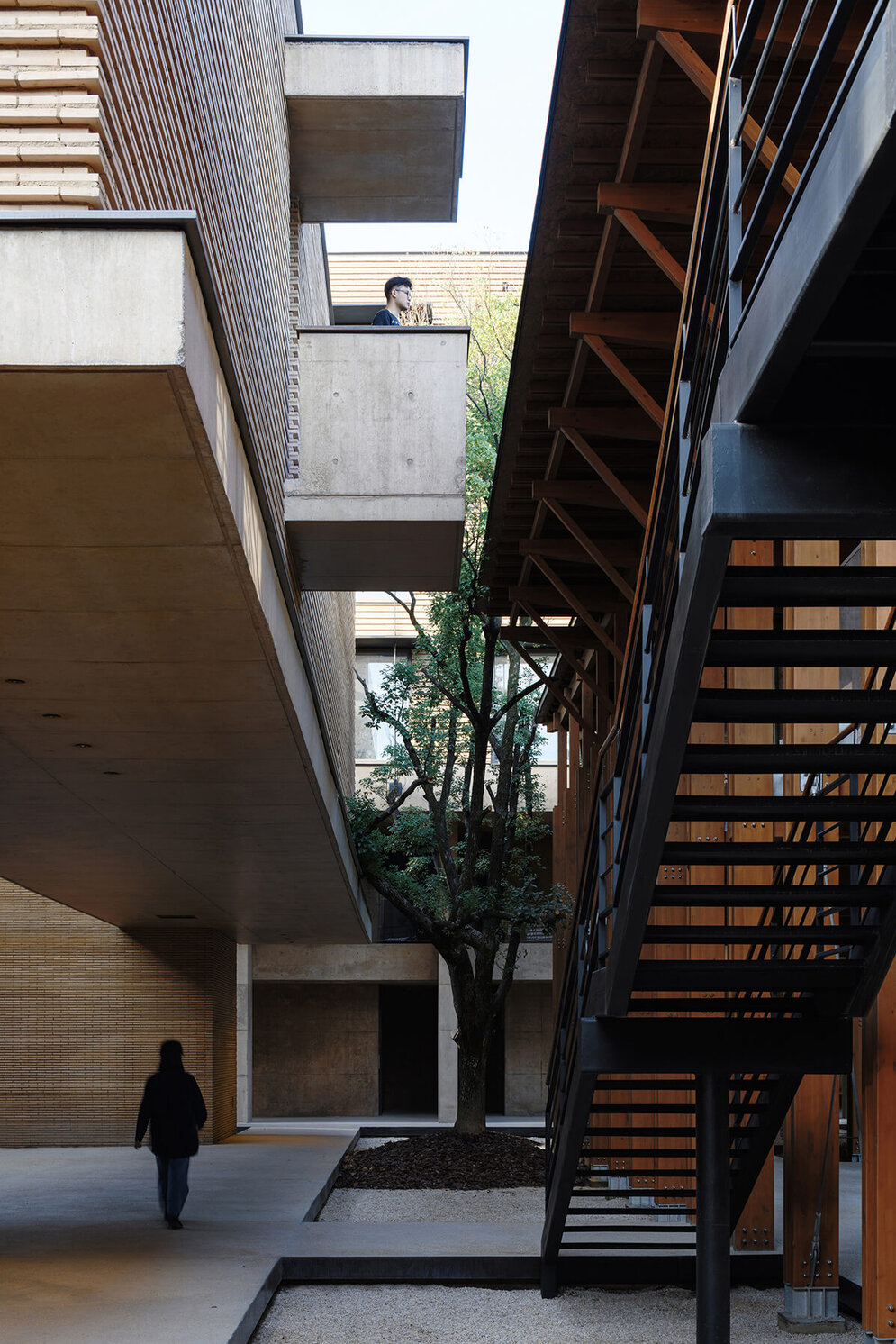
The architectural heritage is a form of cultural capital that cannot be reproduced. Elements such as walls, patina, spatial sequences and industrial relics carry memory and identity, qualities that cannot be generated by a new building. This is why there is an ever clearer demand not to displace existing structures, but to transform them for contemporary use. The Jingyang Camphor Court in Jingdezhen, China, is an example of this approach. Vector Architects developed a hotel complex from a former porcelain factory that not only preserves the existing fabric, but also integrates decades-old camphor trees as a central design element. The combination of historic brick walls with new structures made of terracotta, concrete, and recycled materials establishes a dialogue between the past and the present, presenting architecture as a continuation rather than an erasure. A similarly consistent approach was also taken in the renovation of Stadthaus Fink in Brixen. Centuries-old stone walls and vaults became the focal point of the redesign. The intervention is restricted only to what is necessary, establishing a dialogue between the monastic austerity of the past and contemporary minimalism.
Densification: Yes, but Done Responsibly
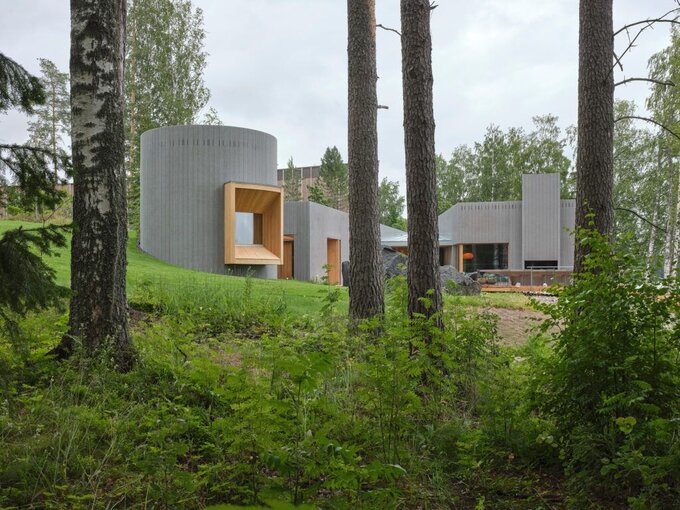
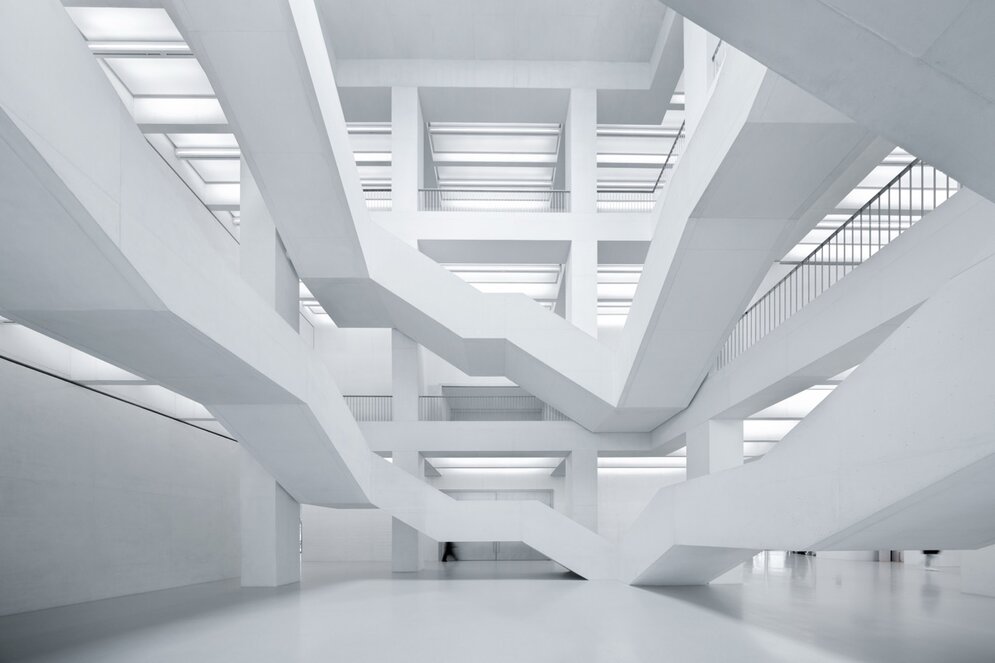
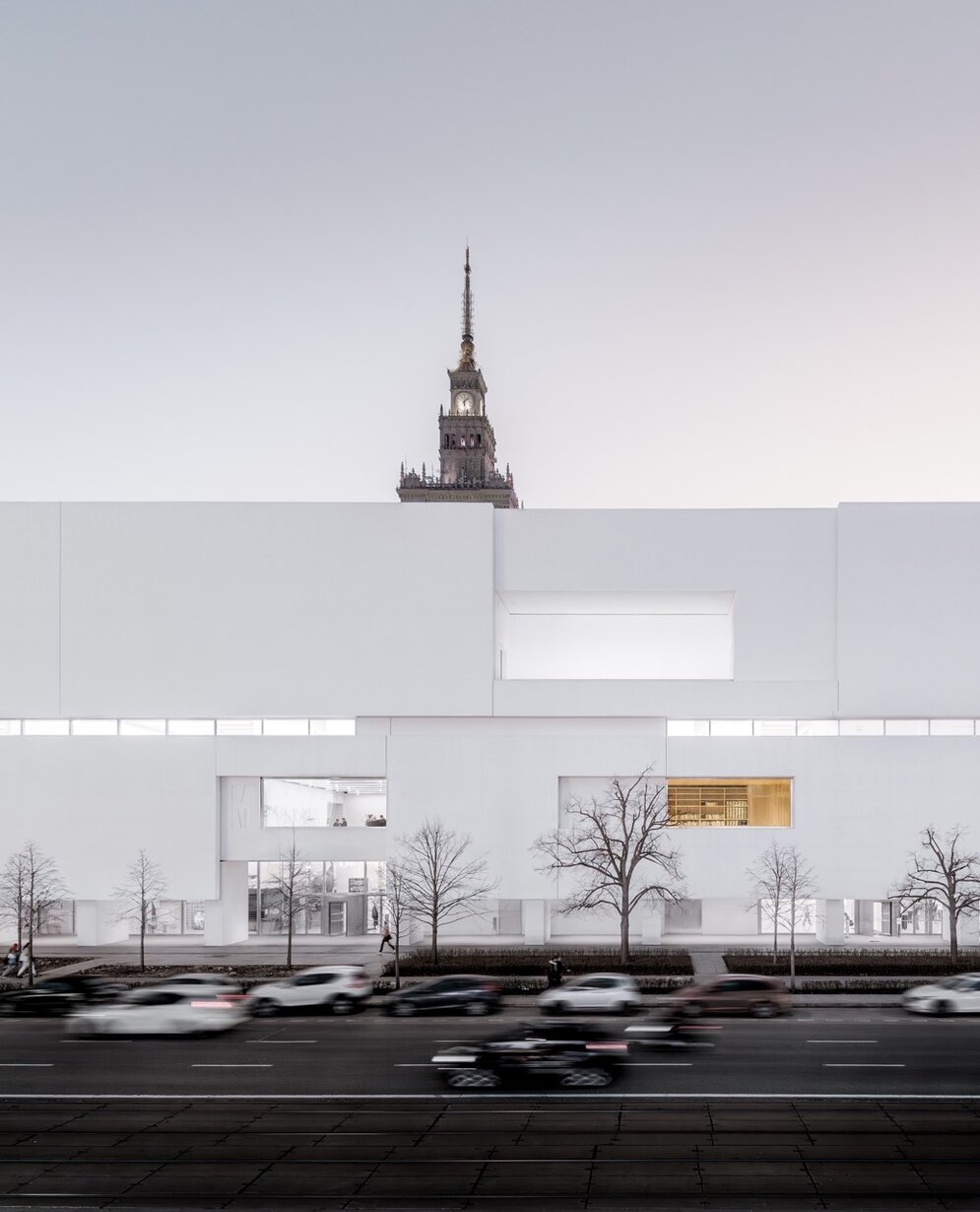
Building within an existing infrastructure does not necessarily mean renovating it. New constructions, such as the Museum of Modern Art in Warsaw designed by Thomas Phifer and Partners, can also embrace a contextual approach. The museum, which opened in 2024, does not see itself as a spectacular, isolated landmark, but as an integral part of the urban landscape connected to the city. Even temporary architecture, such as the ArtPlay Pavilion in London, demonstrates the variety of construction processes. The pavilion adds a contemporary, playful element to the historic Dulwich Picture Gallery, enabling new uses while ensuring the existing structure remains the focal point.
In growing cities, the issue of density needs to be considered. All too often, this leads to land being exploited to the maximum, resulting in a loss of quality. The Ferrocarril de Cuernavaca 780 high-rise in Mexico City demonstrates an alternative approach. Rather than building on every square metre, the architects returned part of the site to the city, creating an extension to an adjacent park. The tower itself adheres to the classic high-rise typology and references the industrial past with its steel structure. Its ground-floor amenities bring life to the neighbourhood. Here, densification enriches the context rather than destroying it. A similar approach can be seen in the Sydney Metro Stations project, completed in 2024. Rather than being mere infrastructure, the stations were designed as urban spaces that foster mobility, public life and neighbourhood life in equal measure. This demonstrates that densification can enhance quality of life!
Building Onwards, Not Over
When looking at many of the projects mentioned – for instance in the context of the ICONIC AWARDS 2025 – it becomes clear that “Contextual Architecture” is not a style but an attitude. Freeing itself from individual authorship, it is dedicated to the interplay of nature, history, and material, forming a whole that is greater than the sum of its parts. Rather than erasing or overshadowing spaces, the goal is to build onto them. These outstanding examples demonstrate that architecture can be a medium that shapes identity, preserving continuity while carefully opening up new spaces.
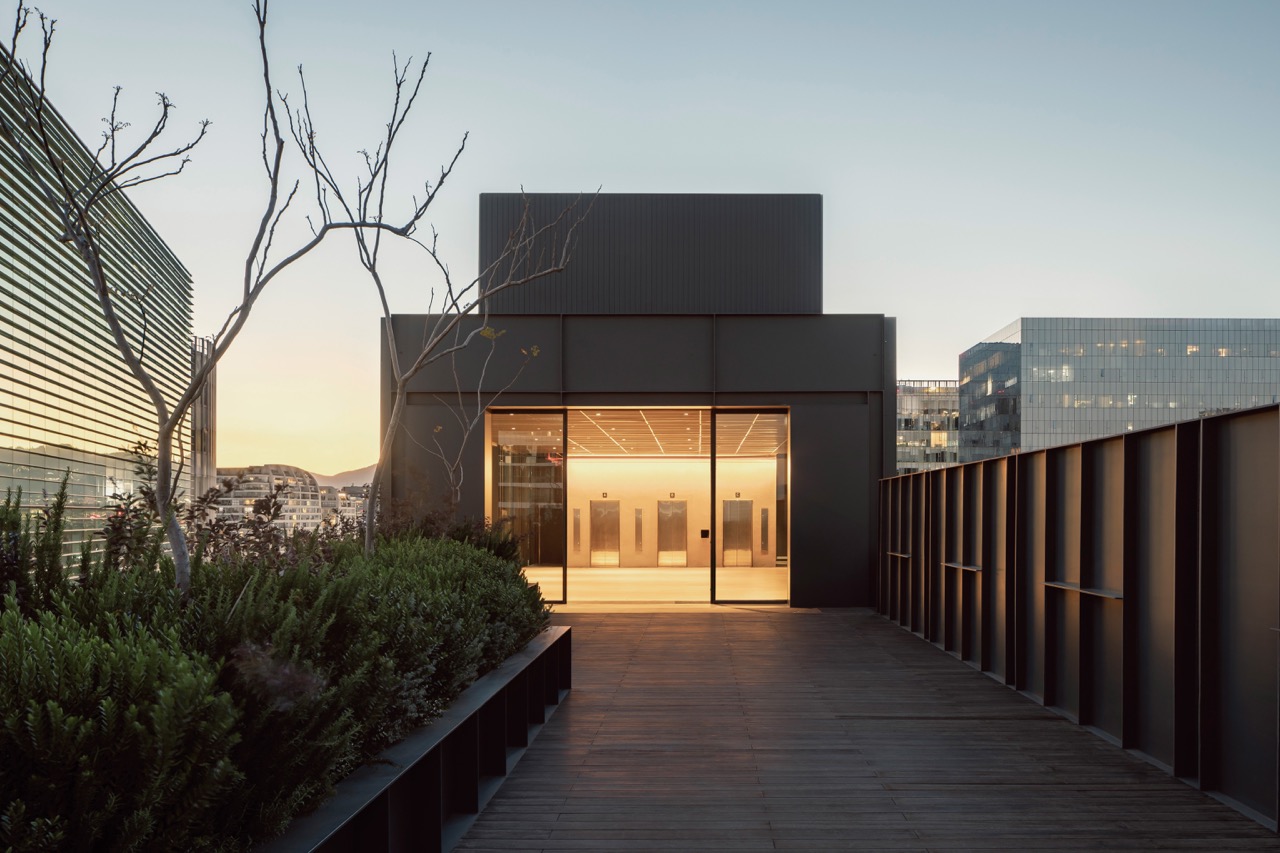

More visibility, more opportunities – the new ICONIC AWARDS provide a stage for tomorrow's ideas and projects. They open up networking and business opportunities and pave the way to new markets. They are aimed at architects, interior designers, designers and companies who are shaping the future with visionary projects, innovative products and sustainable concepts.