Copenhagen Makes the Most of the Moment
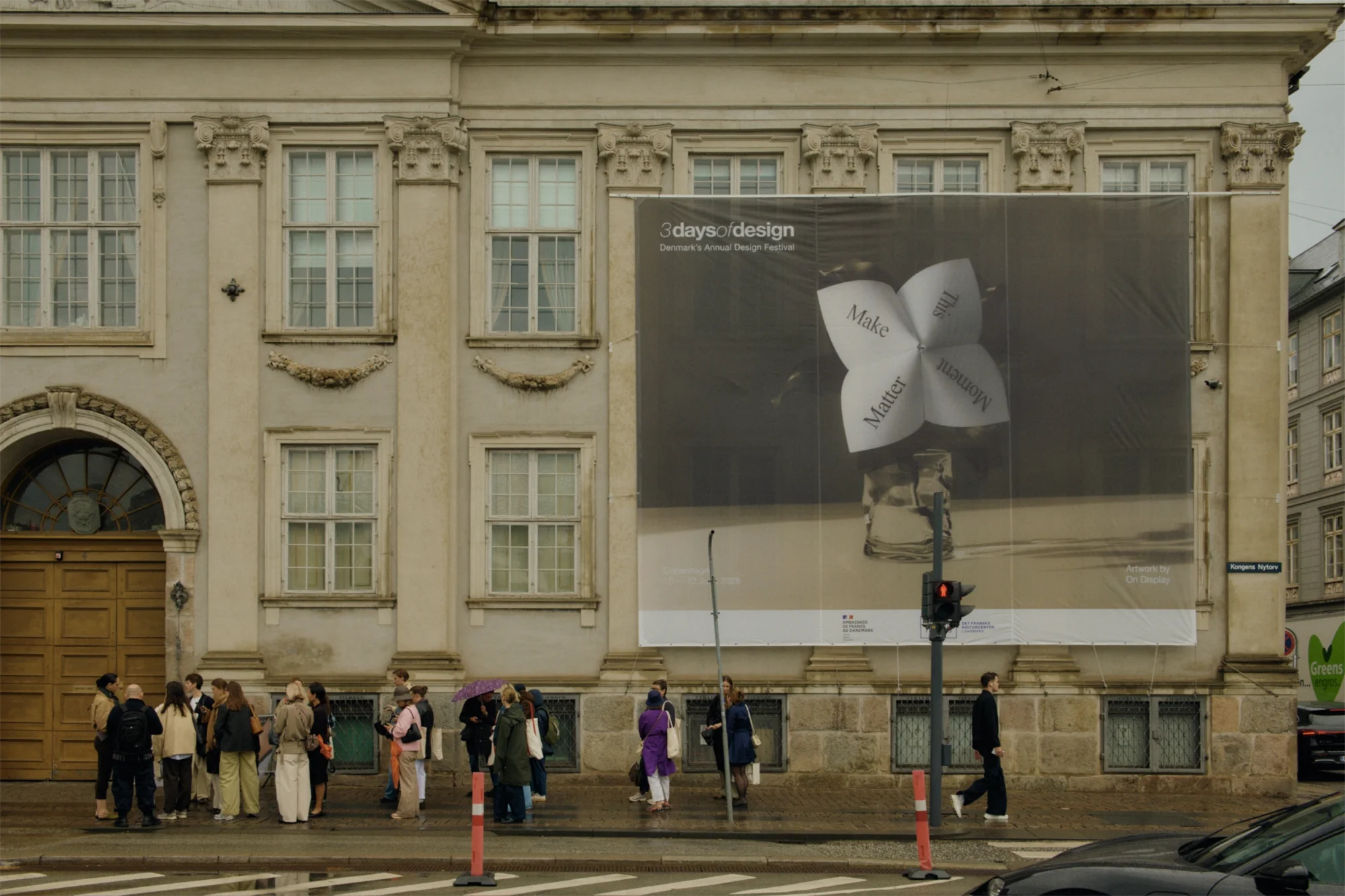
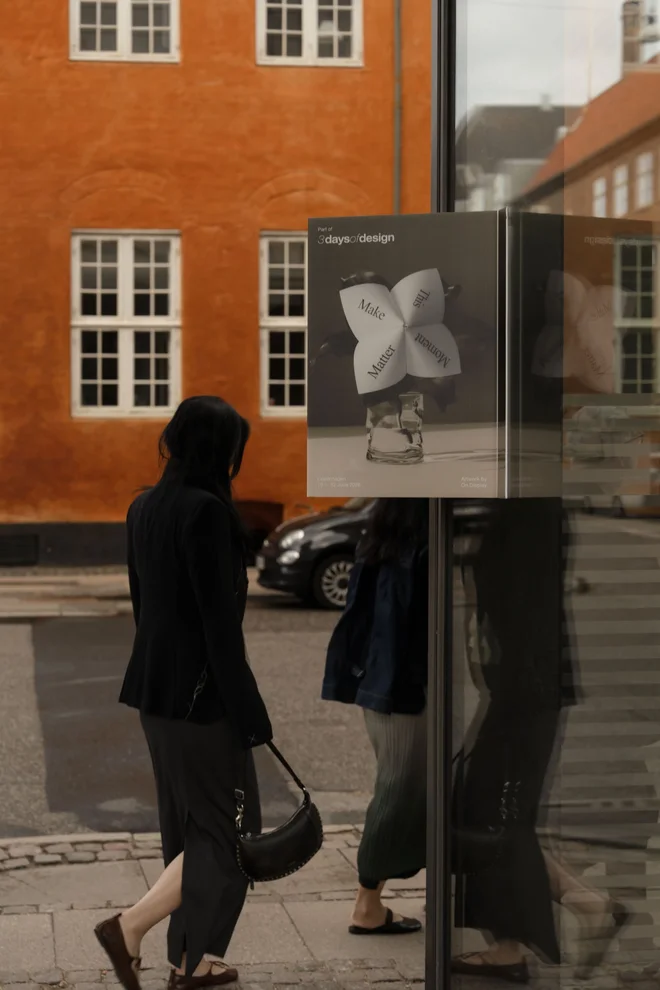
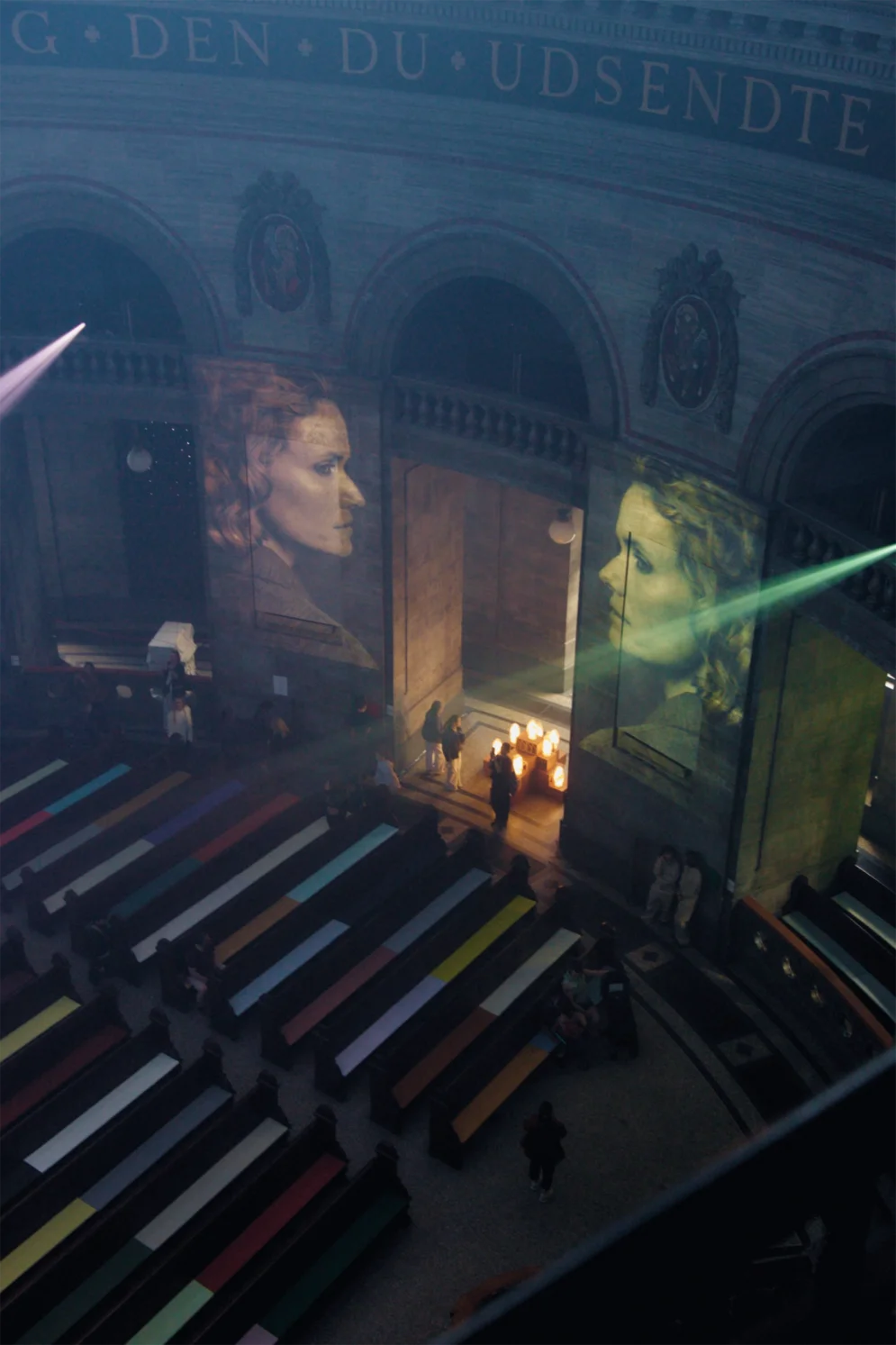
From 10 to 12 June 2026, 3daysofdesign invited visitors to Copenhagen under the theme "Make This Moment Matter". What began in 2013 as an initiative by four Danish brands in a former warehouse in Copenhagen's Nordhavn district has evolved into one of the world's most important design events. The festival remains committed to a decentralised format: showrooms, galleries, studios, museums, hotels and retail spaces across eight Design Districts become temporary exhibition venues for furniture, lighting, home accessories, materials and textiles.
"‘Make This Moment Matter’ is about creating meaning through connections – between ideas, creatives, spaces and places," explains Signe Byrdal Terenziani, CEO and Managing Director of 3daysofdesign. While the weather alternated between sunshine and heavy showers, the festival itself appeared remarkably stable. Between 2023 and 2026, the number of participating brands grew from around 290 to more than 460 – an increase of approximately 59 per cent. This makes 3daysofdesign one of Europe's fastest-growing design events, at a time when many comparable formats are having to reassess their relevance.
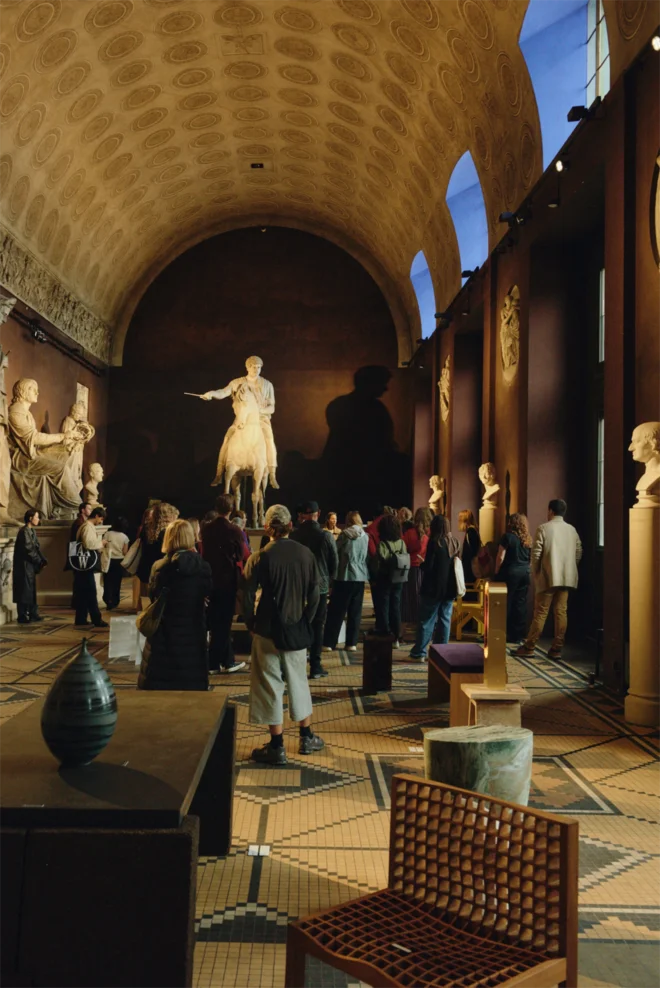
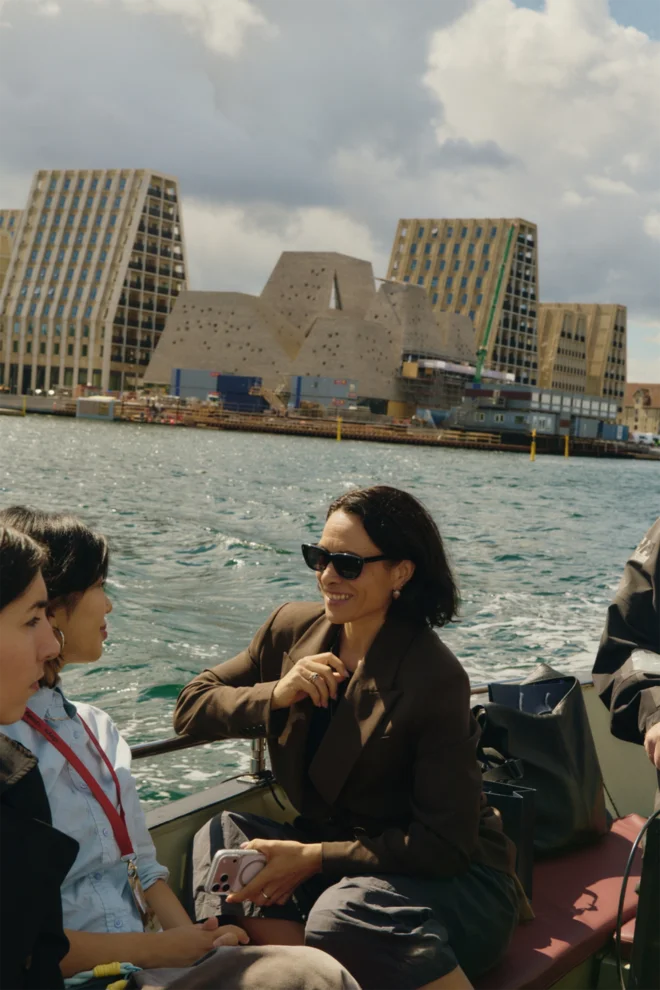
An Expanded Urban Route
Among the additions was Postbyen, a new district developed on the site of the former postal headquarters next to Copenhagen Central Station, which officially opened during the festival. Characterised by its distinctive round towers, the area combines hospitality, restaurants, office spaces and galleries. Here, Copenhagen-based Studio Fanzi presented ‘Welcome. Slow Down’, featuring work by around 18 emerging international designers. Across the harbour canal, Islands Brygge became another newly integrated district. At Fabrikken for Kunst og Design, the exhibition Ukurant showcased process-oriented work by young talents, deliberately shifting attention from finished objects to the creative process itself. The exhibition quickly became one of the emerging design scene's insider recommendations.
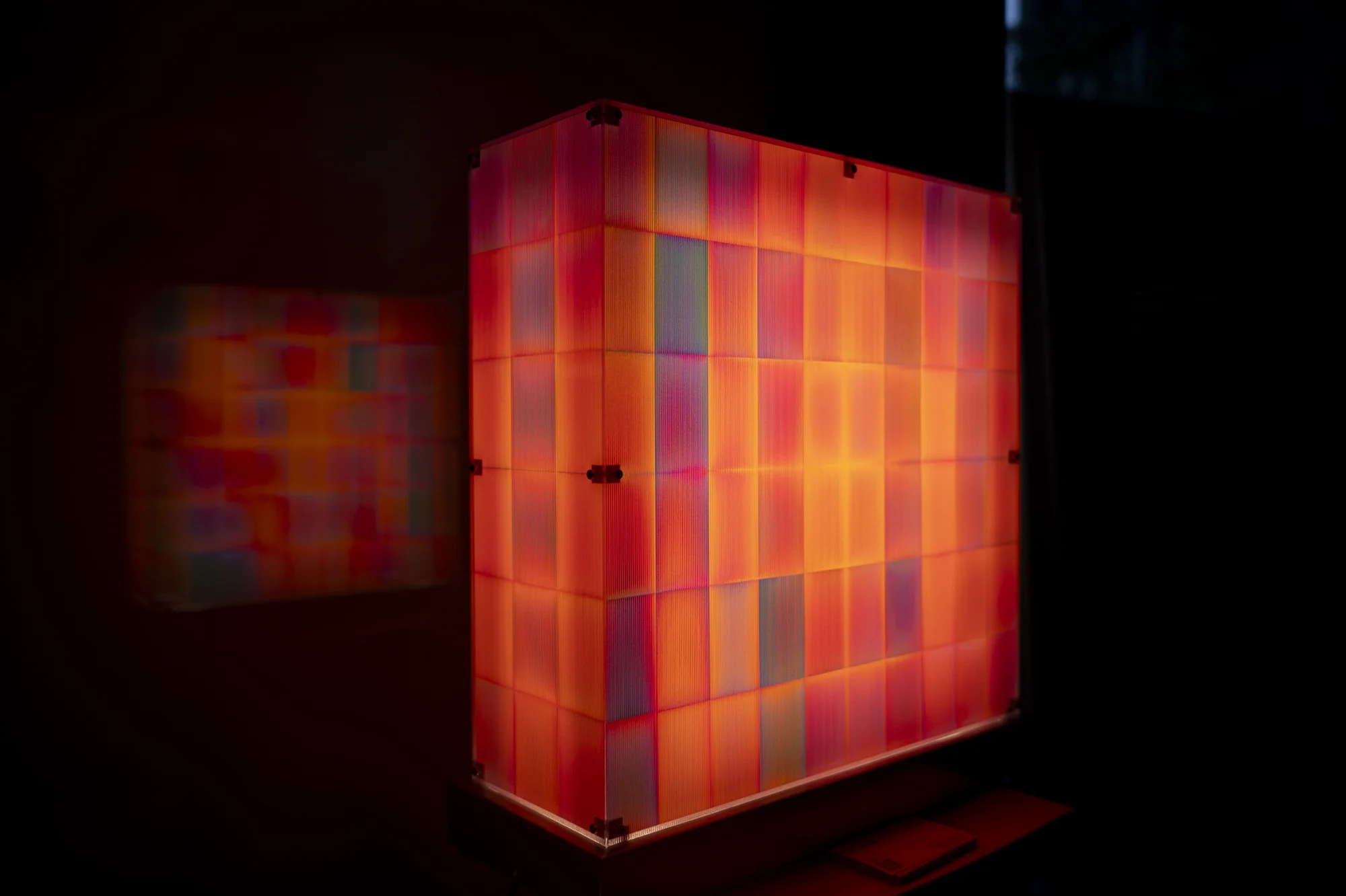
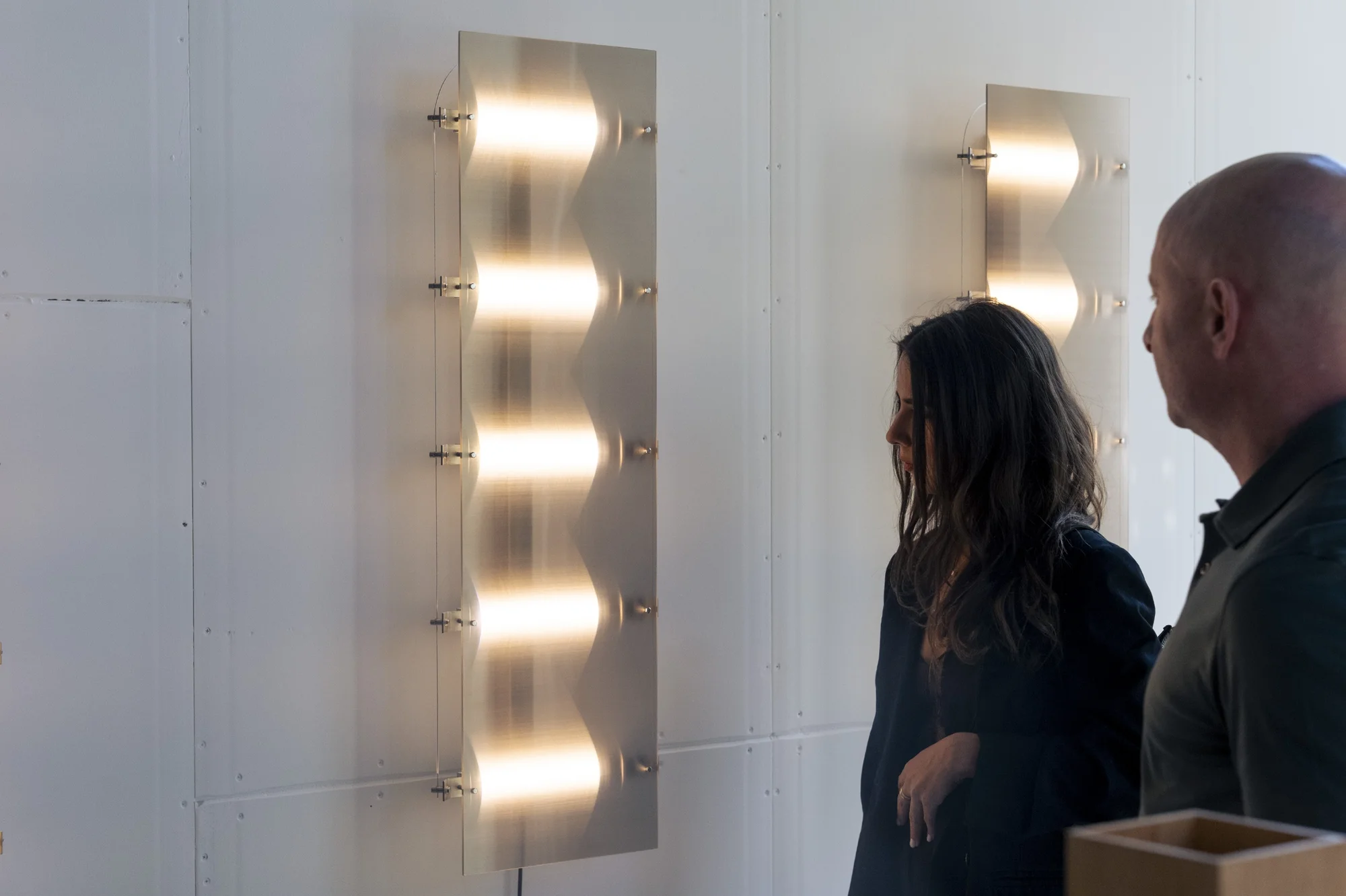
Room for Interpretation
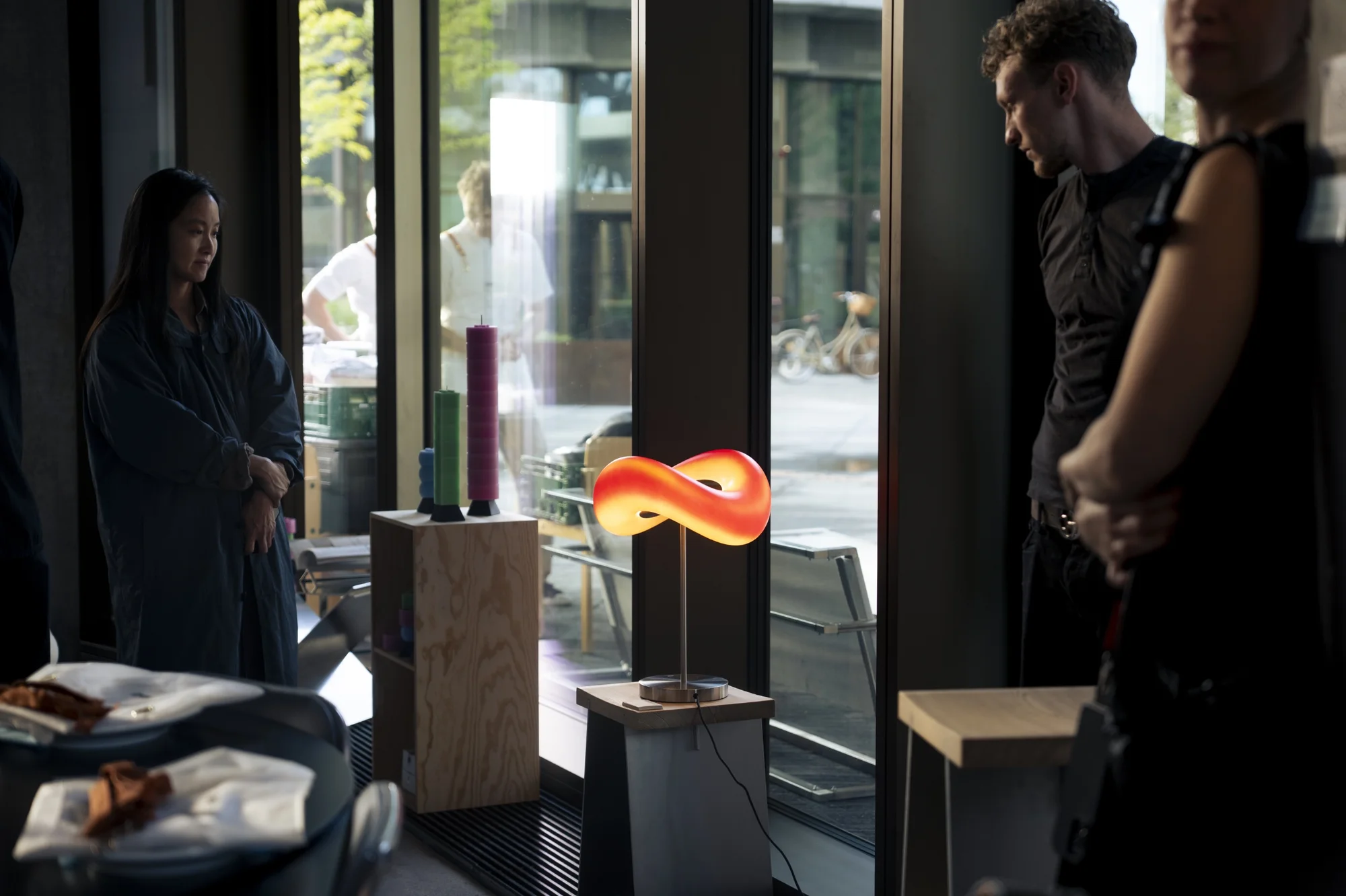
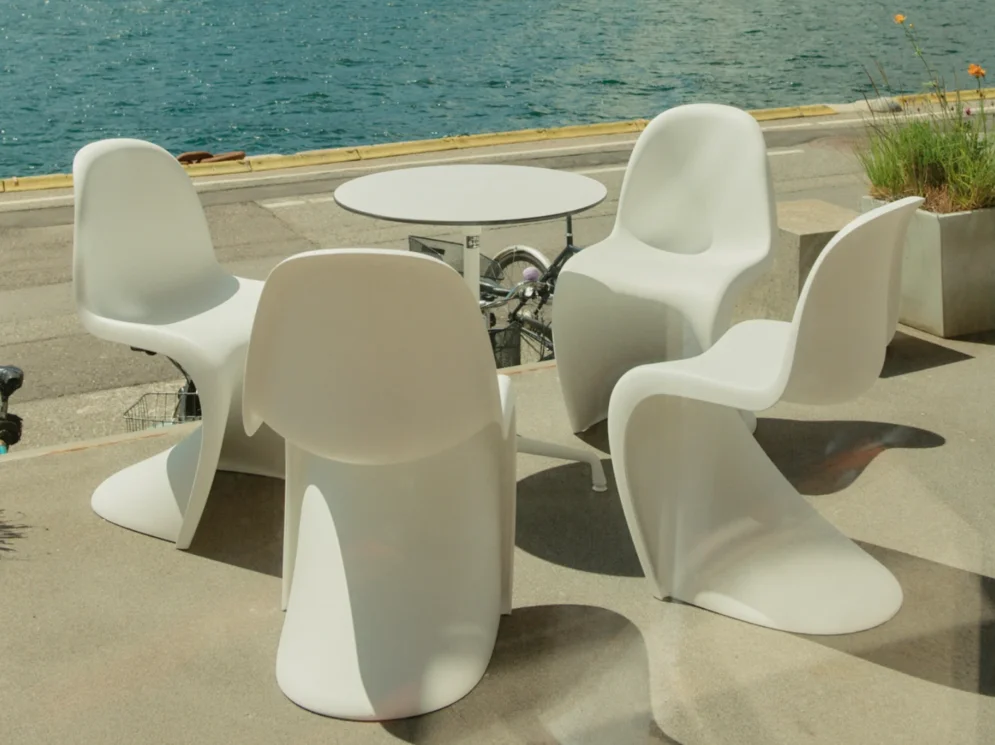
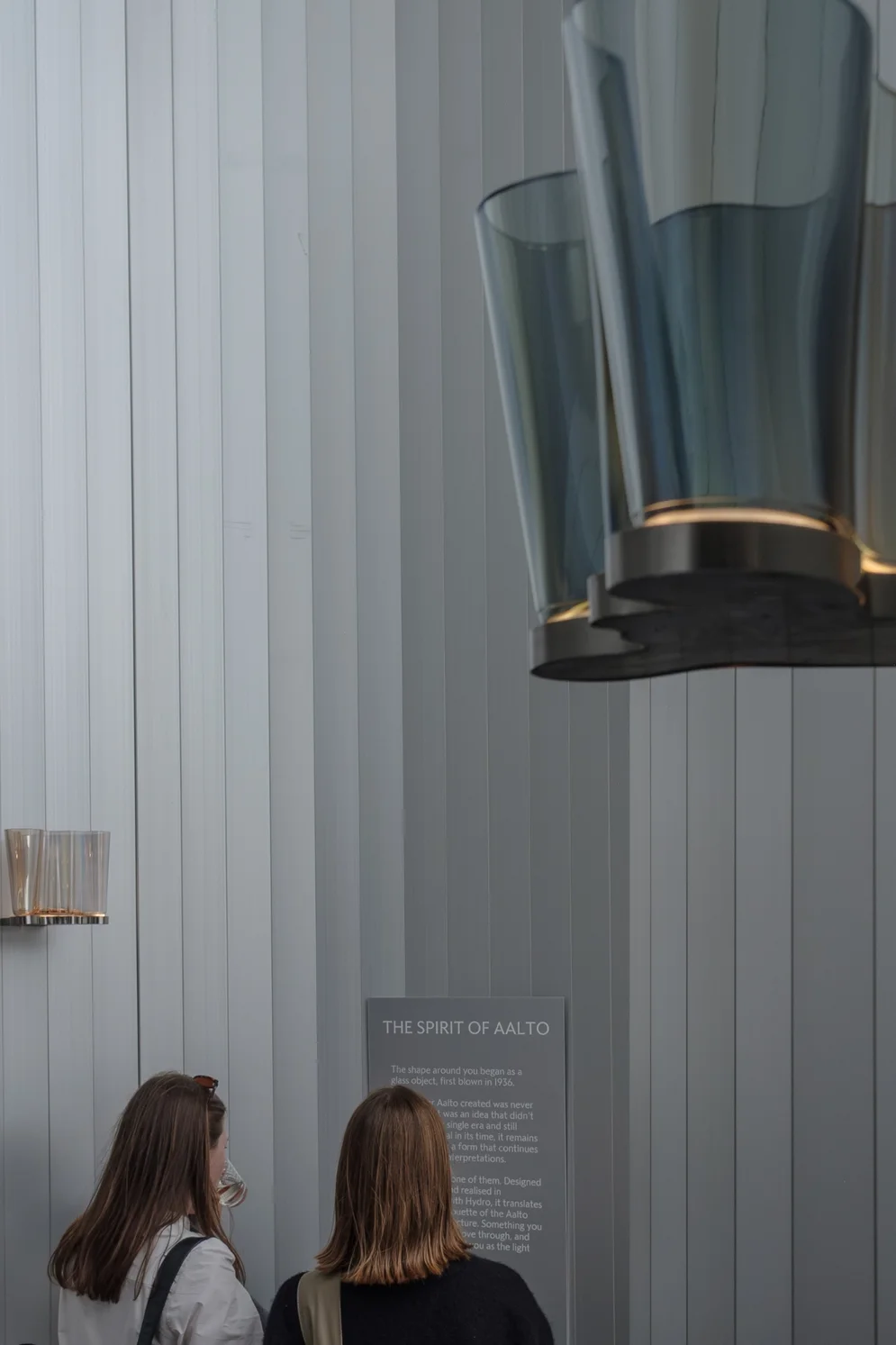
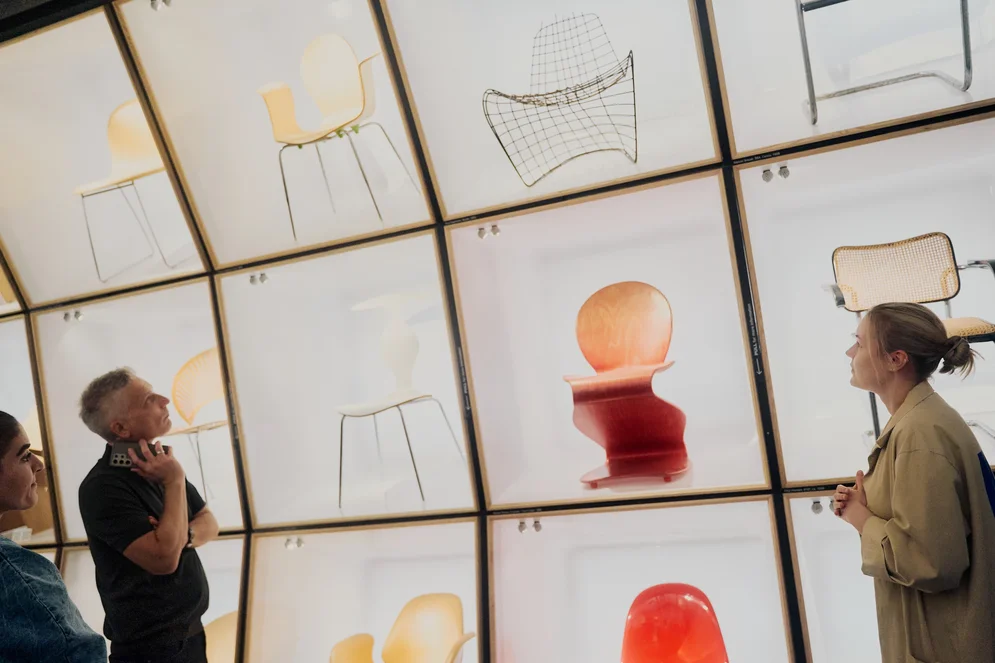
The overarching theme allowed for a wide range of interpretations. Product launches, line extensions and openings sat alongside anniversaries celebrated by brands such as Muuto and Ferm Living. Verpan marked the 100th anniversary of Verner Panton's birth with a major exhibition at the Danish Design Museum. Meanwhile, Iittala celebrated the 90th anniversary of the Aalto vase with a seven-metre-high walk-in pavilion made from recycled aluminium by Hydro, shaped like the iconic vase. Positioned along the harbour canal, the structure became a striking architectural statement.
Design as a Catalyst for Connection
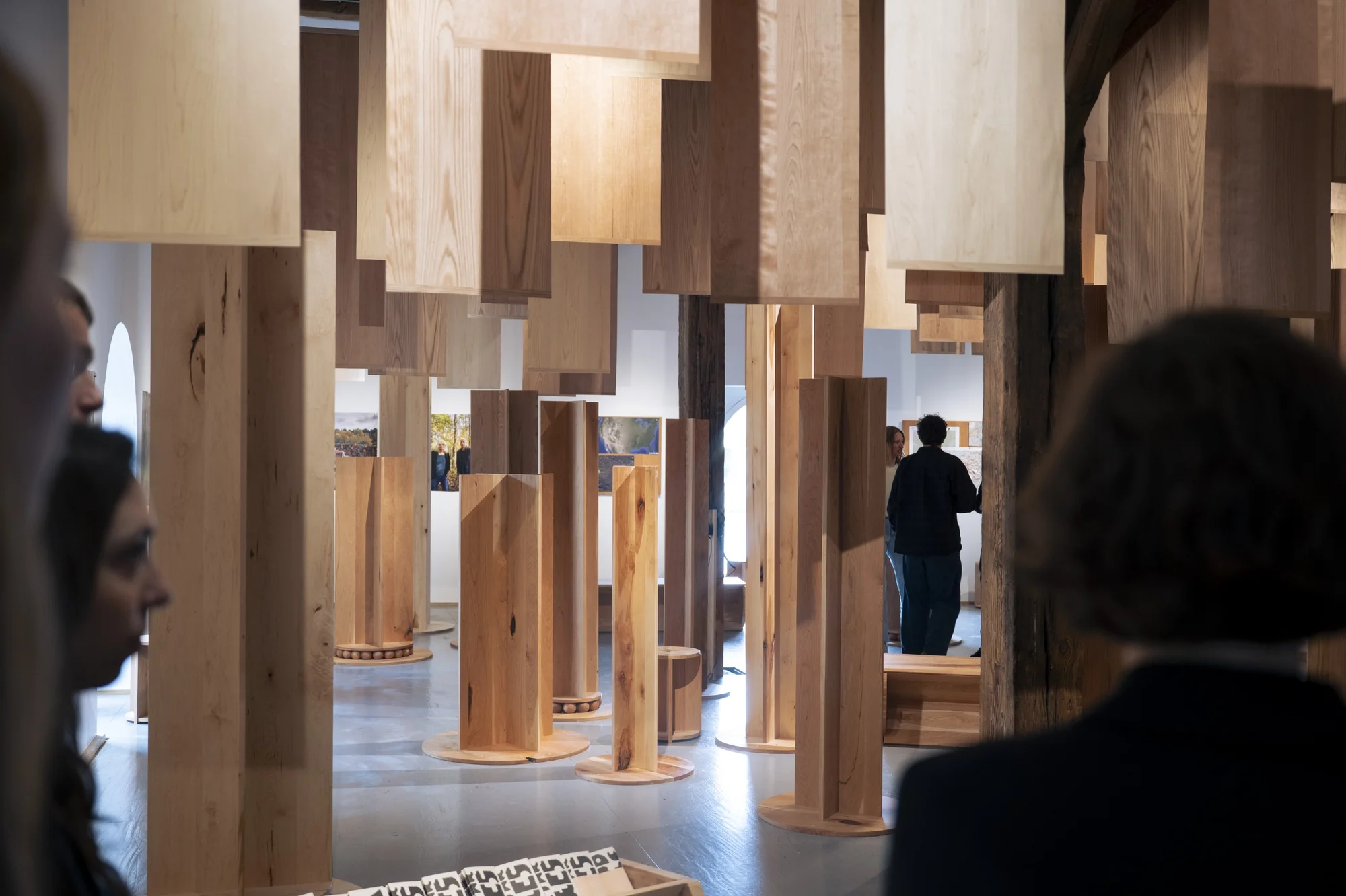
"In Denmark, we see ourselves as strong advocates of a democratic understanding of design. As a collectively funded festival, we are also united by a strong sense of community. The role of 3daysofdesign is evolving into a platform for profound, multi-sensory experiences where new design narratives can emerge collectively," says Terenziani. Group exhibitions are becoming increasingly important. Deoron, the international platform for emerging designers that has already established a strong presence in Milan, made its Copenhagen debut. Material Matters, the British initiative dedicated to material innovation, brought together exhibitors from a wide range of countries at Ukraine House, including start-ups from India and Cyprus. Framing presented around 40 national and international brands within the impressive Rococo setting of Odd Fellow Palæ. Design/Dialogue, curated by Ark Journal, brought leading international brands, designers and creative voices together in a culturally driven exchange. Participants at Den Frie, the independent centre for contemporary art, included Acerbis, cc-tapis, MDF Italia, Molteni and Moroso, while German furniture manufacturer COR also made its Copenhagen debut there. Swedish brands Baux, Blond and Hem collaborated on Paper Island. Hem unveiled a new sculptural wooden chair by Max Lamb, crafted from a single piece of wood, while Blond presented Solaris, a table lamp designed by arguably the youngest participant at 3daysofdesign: Sol Rybakken Kallin, the 12-year-old daughter of designer Daniel Rybakken. The design is based on two light sources and a clear geometric language.
Design in Real-Life Contexts
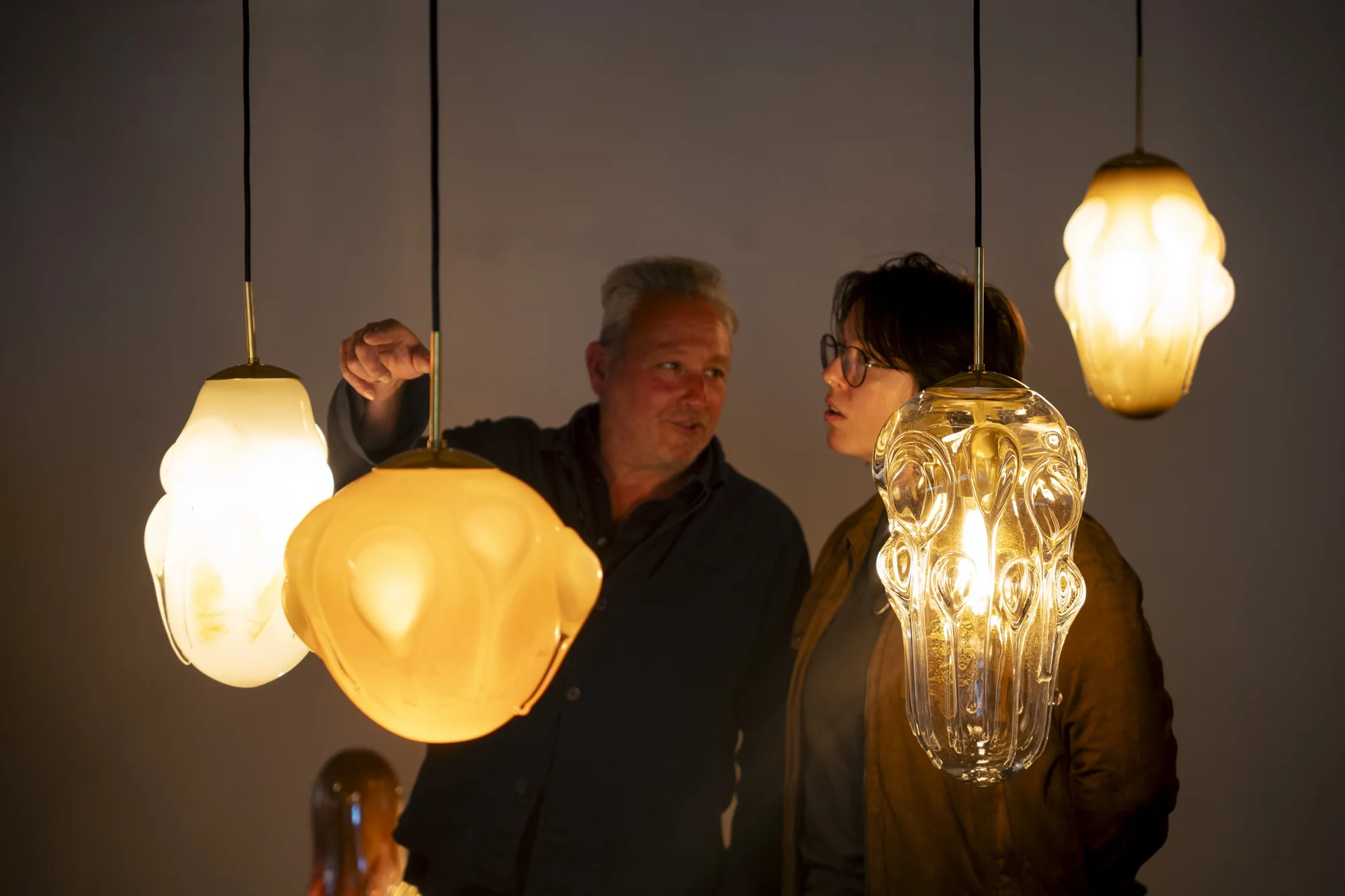
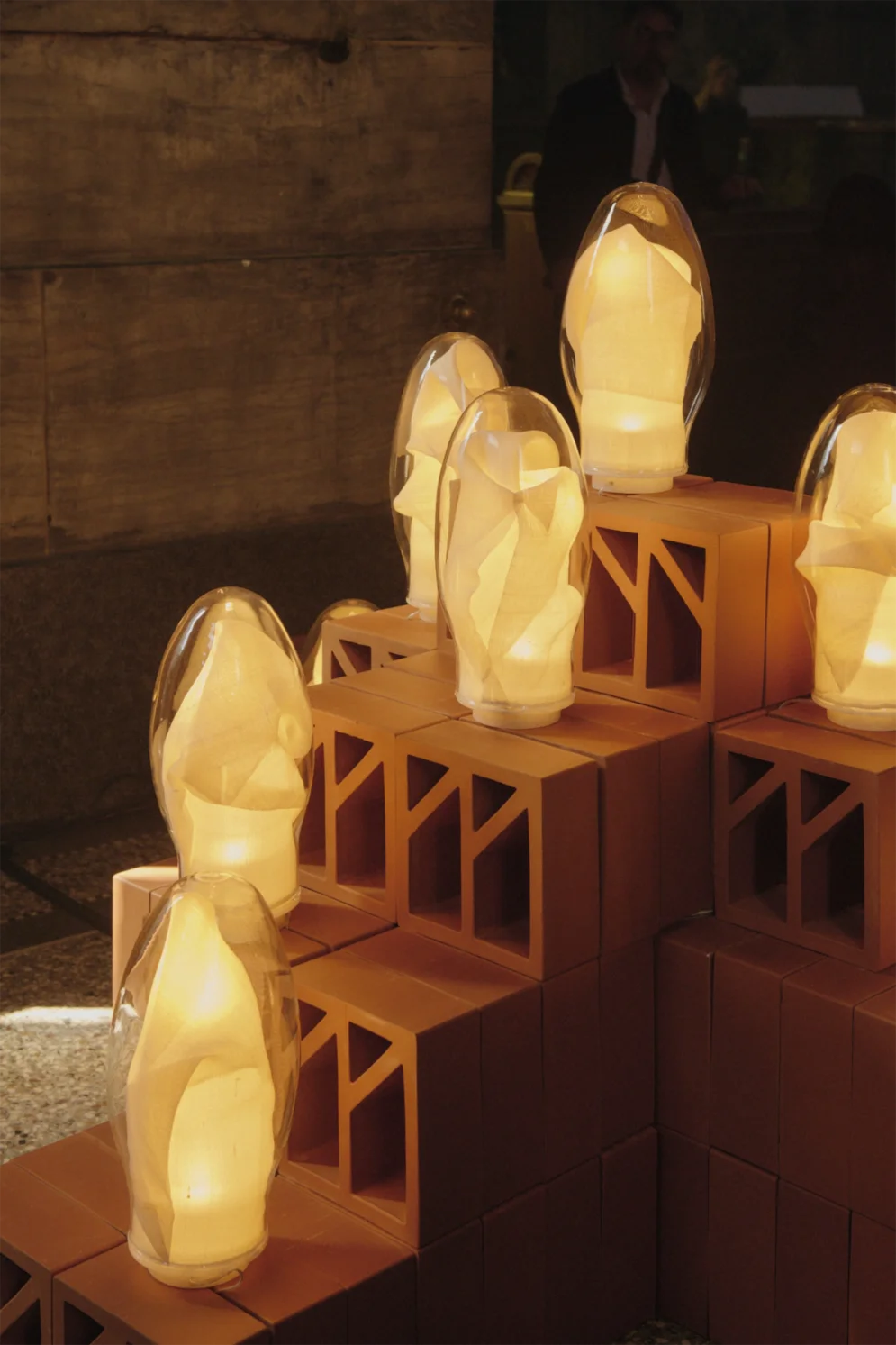
Many brands used hotels and hospitality venues to showcase their latest products. Duni Lighting Solutions staged its new hospitality collections at the design hotel Herman K, including luminaires made from coffee grounds and willow waste. Bed manufacturer Dux celebrated its centenary at Hotel D'Angleterre, Denmark's oldest and most prestigious grand hotel. Japanese brand Kinto introduced new tableware and textiles at Studio X Kitchen, a hybrid space combining café and showroom. "We invite visitors to experience design where it belongs: in real places, among people and within vibrant communities," says Terenziani.
An International Community and the Return of Craft
While Scandinavian brands continue to form the core of the festival, international participation has increased significantly as 3daysofdesign expands. Particularly noticeable was the growing presence of Asian brands and emerging designers, whose sensitivity to materials, craftsmanship and understated aesthetics offered a natural complement to Scandinavian design culture. This perspective was especially evident in ‘The House of Making’, curated by Gabriel Tan. Bringing together Ariake, Ladies & Gentlemen Studio, Origin Made, Parachilna and Zimmer + Rohde, the exhibition united five craft-driven brands within the historic Asia House.
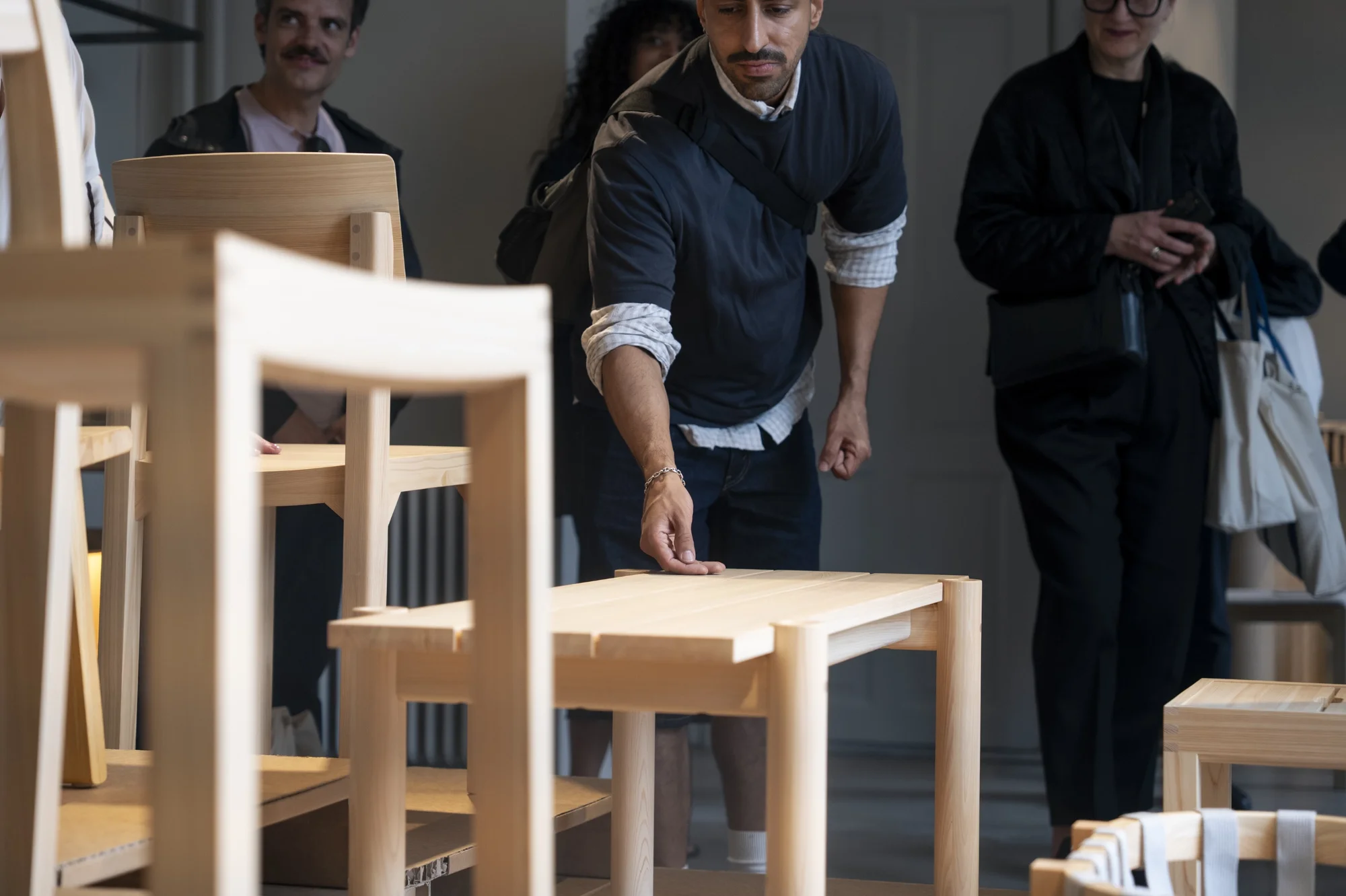
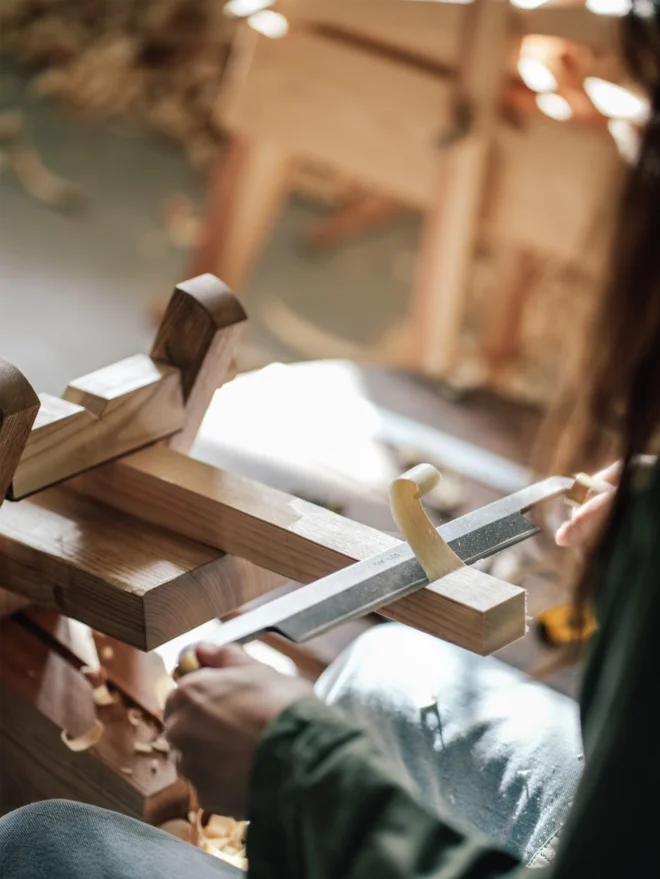
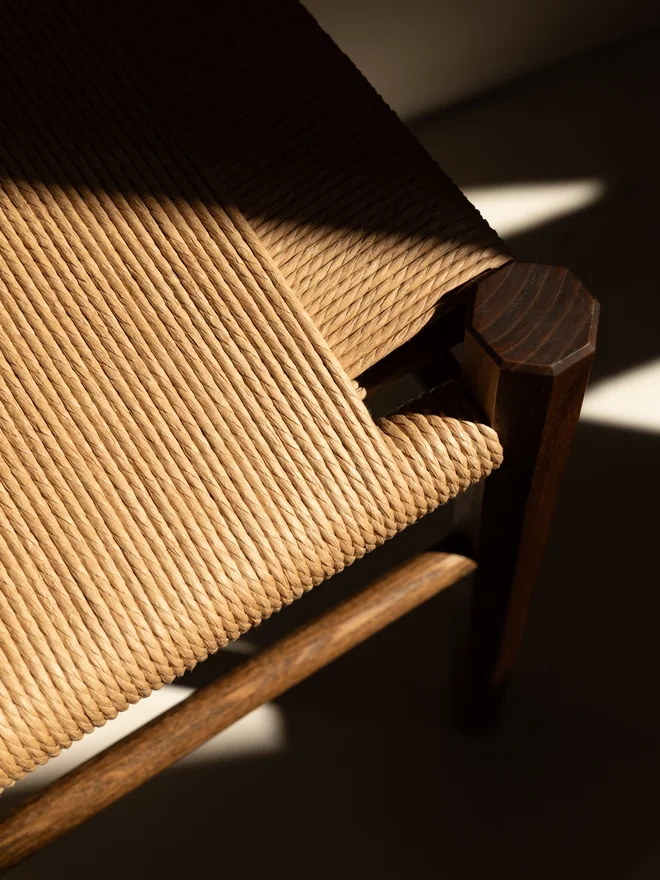
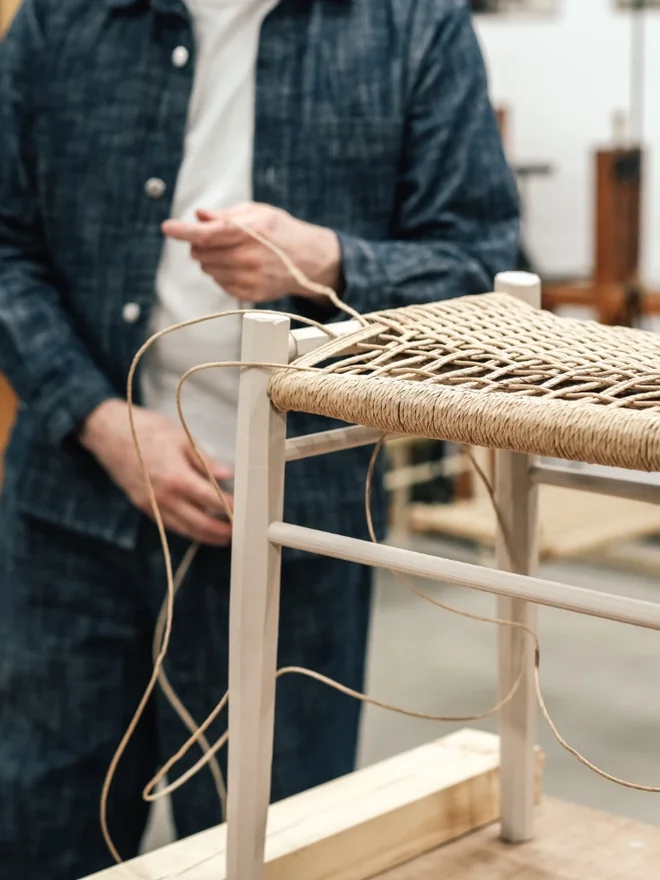
More broadly, craftsmanship emerged as a recurring theme throughout the festival. Increasingly, the combination of technology, innovative or natural materials and sustainable practices is being used to make artisanal expertise visible within products. One example was Makale, a young Indo-Danish brand that draws on traditional Indian production techniques and translates them into contemporary furniture. Similarly, the Estonian studio House of Pärnamets deliberately stitches together wooden chair components and combines dry and fresh timber to achieve structural stability without adhesives. The third edition of Værktøj (Danish for "tool")—a format in which designers work with a specific tool—focused on sewing machines as a starting point for new furniture and lighting concepts, featuring contributions from Erwan Bouroullec, Louis Campbell and Pearson Lloyd. Even the auction market reflects this shift. At Bruun Rasmussen, for example, craftsmanship rather than designer names increasingly takes centre stage. Anonymous pieces are successfully sold within eclectic interior settings.
The Rhythm of the Moment
It is easy to see why 3daysofdesign has become one of Europe's most dynamic design events. The festival combines international reach with a carefully curated experience embedded within the urban fabric of Copenhagen. This year's edition also revealed a noticeable shift away from simply presenting novelties and towards craftsmanship, material quality, sustainable production and collaborative content-driven formats. "The challenges of our time – whether ecological, social or technological – cannot be solved by individuals alone. Conversations and community-oriented formats create space for different cultural perspectives. They remind us that design is ultimately always made by people, for people," says Terenziani. The key question now is whether, amid the continuous growth of new formats and participants, the festival can maintain its distinctive three-day rhythm and relaxed atmosphere in the years ahead.