Between Material, Time and the Longing for the Real
As the 64th edition of the Salone del Mobile was approaching, the industry found itself under pressure due to rising material and energy costs, fragile supply chains, and shrinking budgets. Many manufacturers appear to be curating their displays more selectively, or even avoiding fairs altogether. At the same time, attention is shifting deeper into the city. The Fuorisalone has long served as the fair’s true echo chamber, comprising a dispersed network of showrooms, temporary installations and historic Palazzi. Here, design is treated not just as a product, but as a system of materials, spaces and time.
The Fuorisalone at the Heart of It All
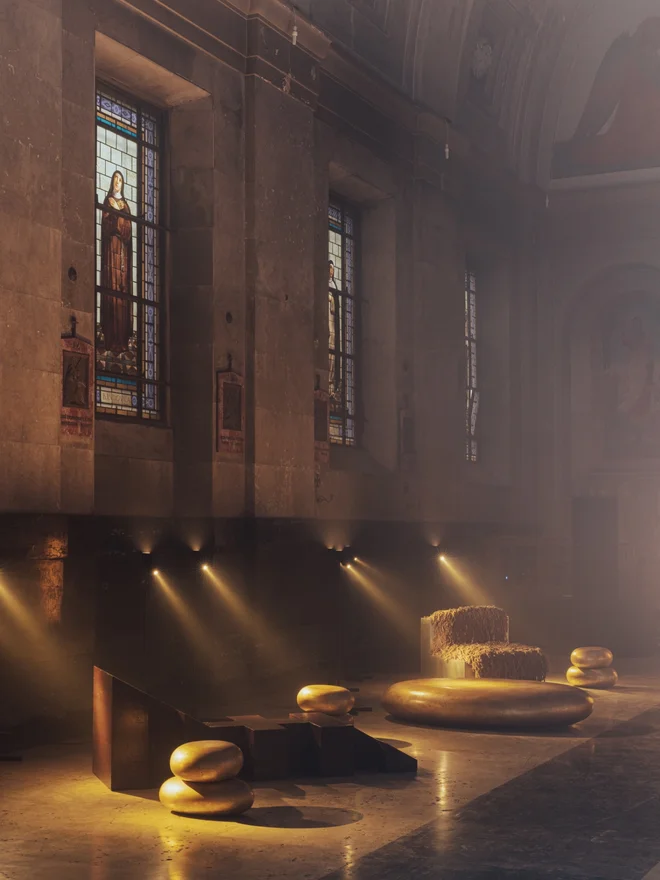
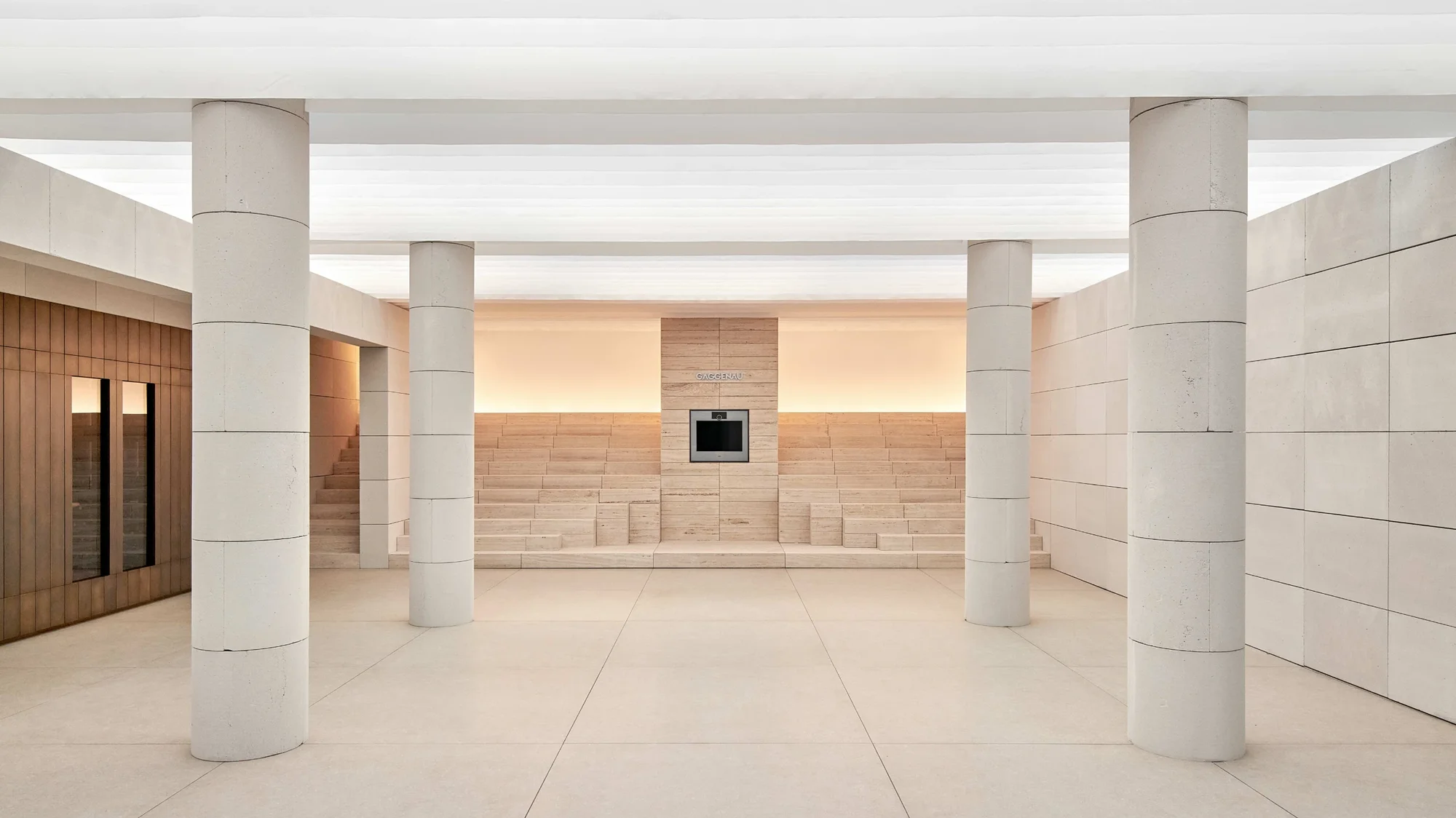
Gaggenau once again presented its 2026 collection at EuroCucina. This time, however, it was not a traditional product showcase, but rather a Zen-like experience in the garden of Villa Necchi Campiglio. Titled 'Presence', the installation deliberately focused on minimalism and concentration. Rather than being displayed in a flashy manner, the kitchen appliances were embedded in a composition of light, material and proportion within the architectural setting of a glass pavilion. Rather than focusing on the products themselves, the emphasis was placed on the experience: contemplation as a design principle. This approach follows a trend among manufacturers who now emphasise spaces, atmosphere and emotion rather than objects alone.
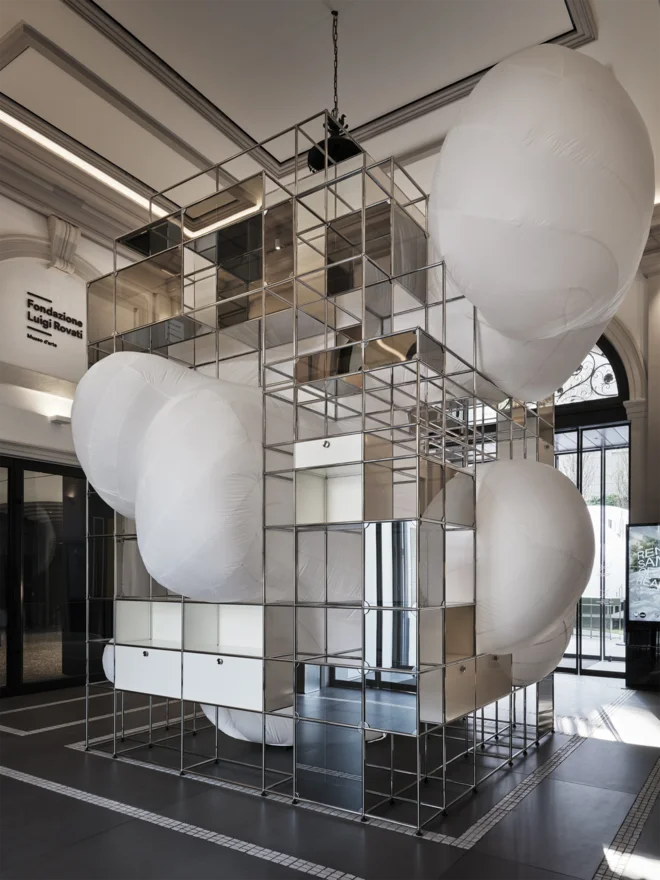
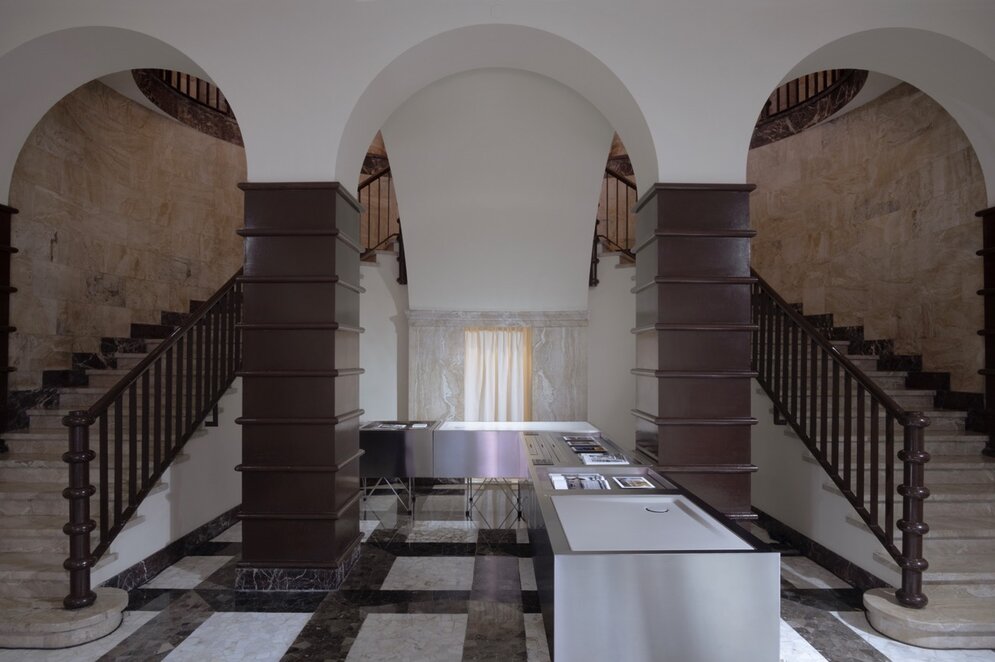
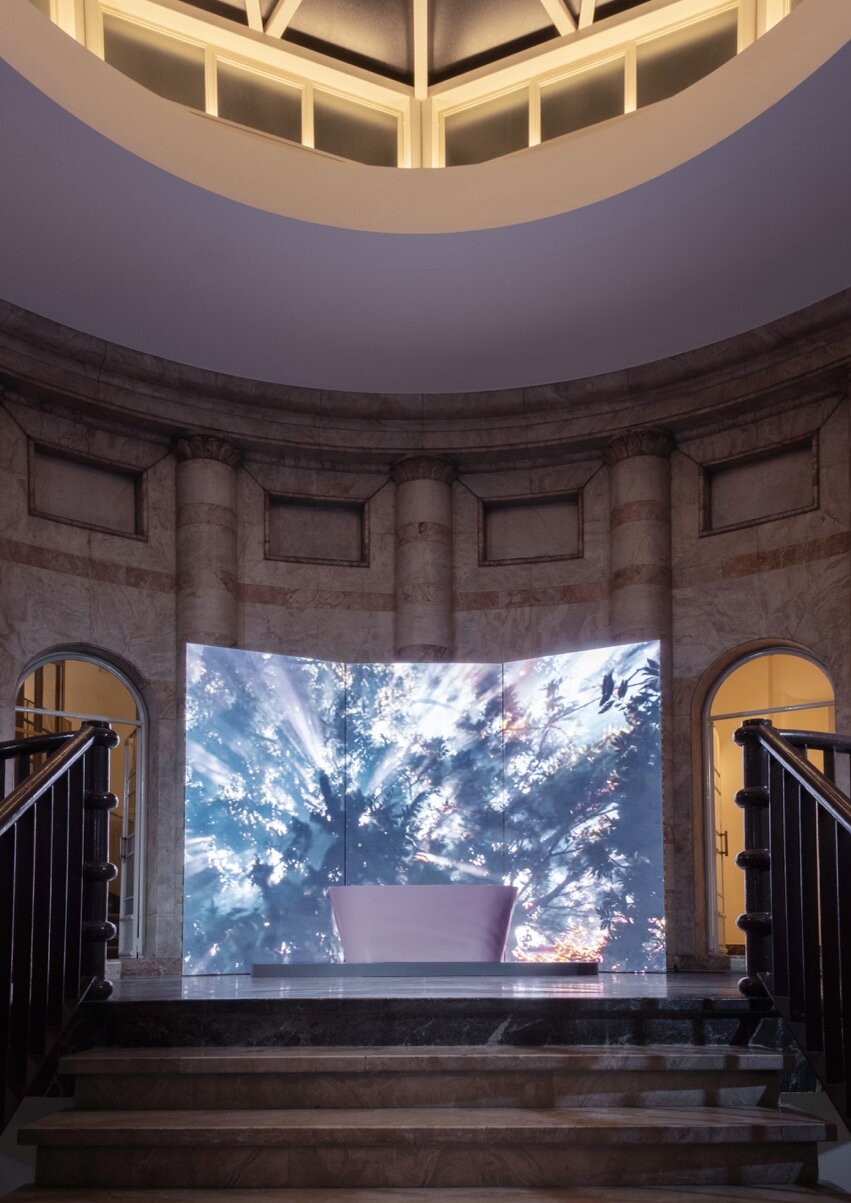
Kaldewei also collaborated with Milan-based design studio Parasite 2.0 on a project exhibited at the historic Palazzo Crespi. The installation, 'Bubbles of Time', was inspired by the work of architect Piero Portaluppi and demonstrated how the bathroom can serve as a vessel for history. This concept was further explored during an evening talk with Franz Kaldewei and Werner Aisslinger. Kaldewei views its products as enduring architectural elements designed for long-term use.
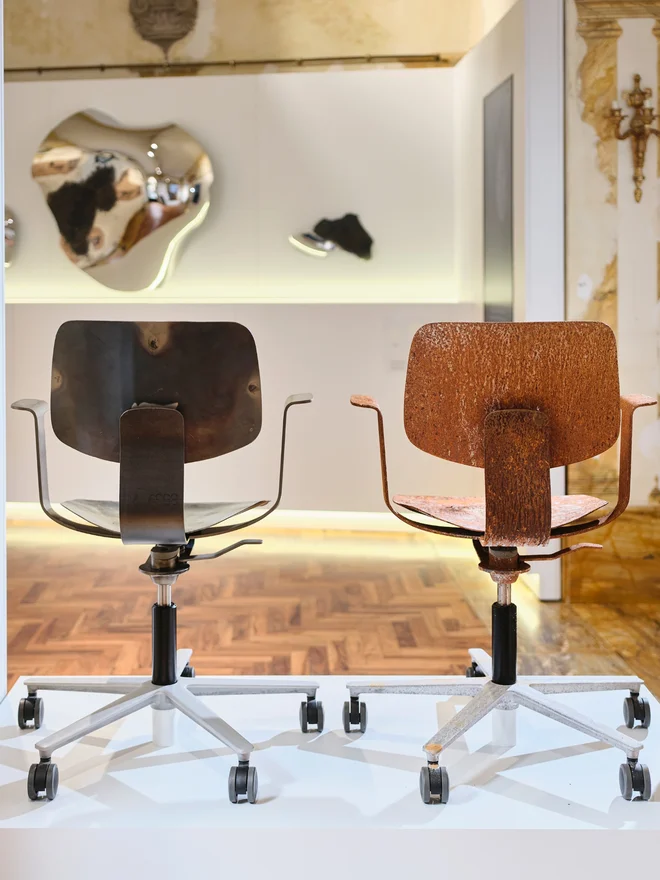
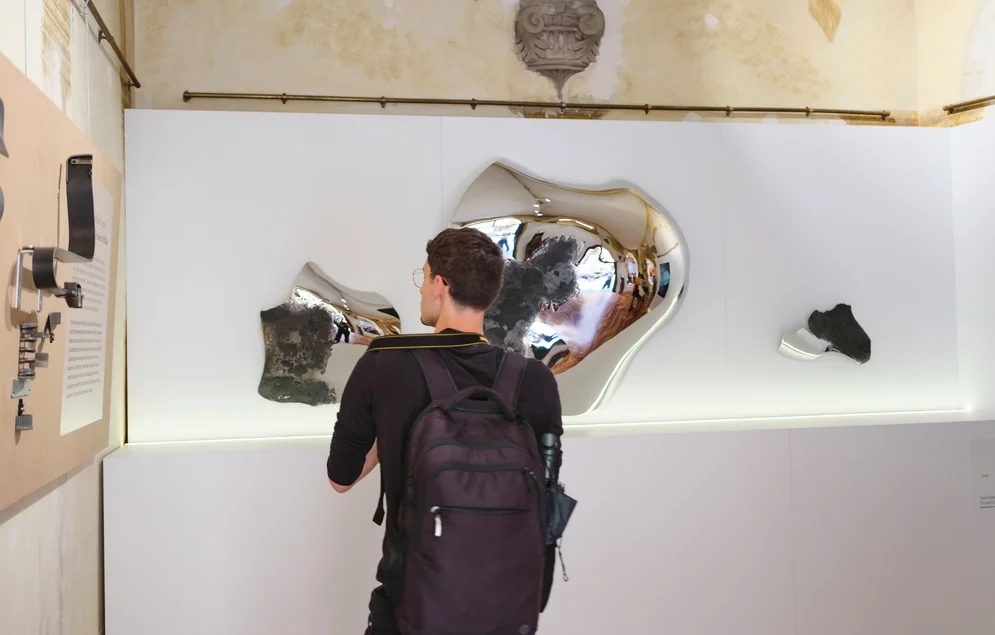
As part of the exhibition 'What the Surface Remembers', office furniture manufacturer Wilkhahn also examined the relationship between material and time in Brera. The focus was on steel as a material that visibly retains traces of use, manufacture and change over time, eventually developing a patina. On display were the circularly designed WiChair swivel chairs, which are made from a high proportion of steel, as well as artistic works by Aya Sasakura and photographs by Frank Schinski.
Raritas and Re-Editions
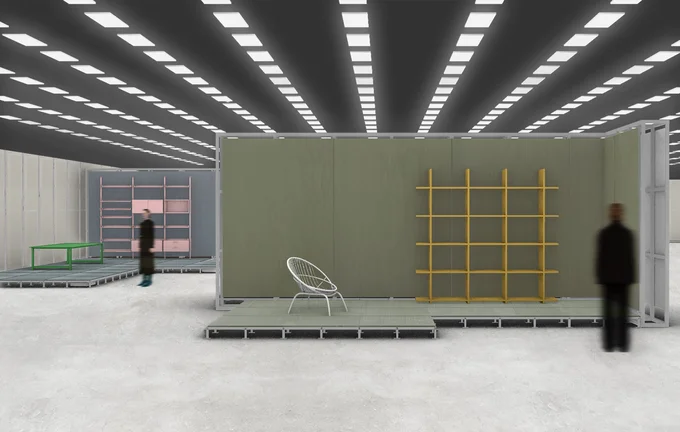
For the first time, collectible design was integrated into the programme with Salone Raritas. Curated by Annalisa Rosso and presented in an exhibition designed by Formafantasma, this section showcased art galleries, design studios and manufacturers that focus on craftsmanship, unique pieces, small-batch production, antiques and context-specific objects. These were displayed at the heart of the fair, not on the sidelines, and this was no coincidence. Collectible design defies the logic of scale and comparability, focusing instead on context, authorship and material individuality. A unique piece embodies time and decision-making processes, as well as values that are increasingly being lost in an accelerated, standardised, and digitised production world. The more homogeneous products become, and the more automated processes are, the greater the longing for difference.
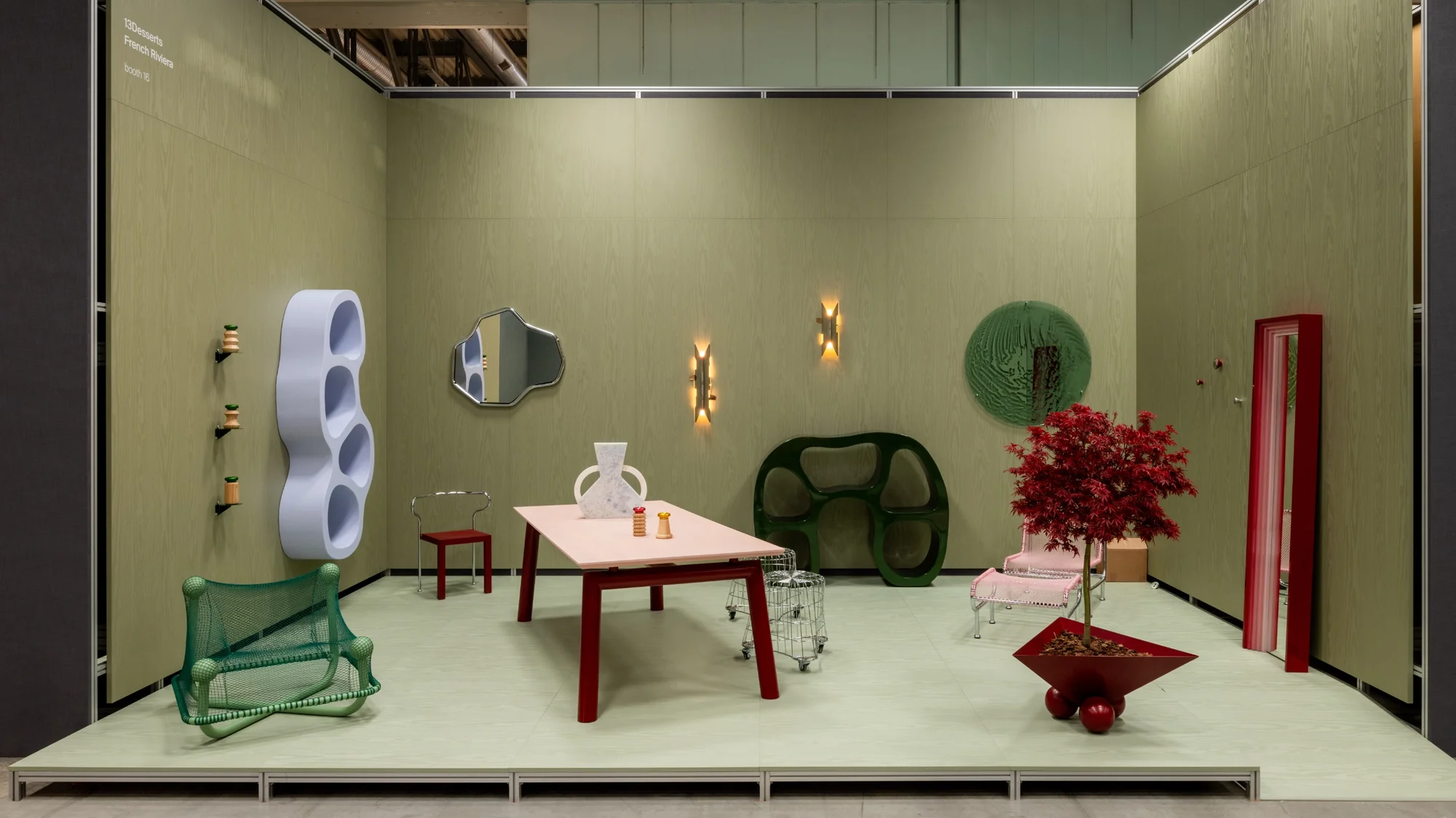
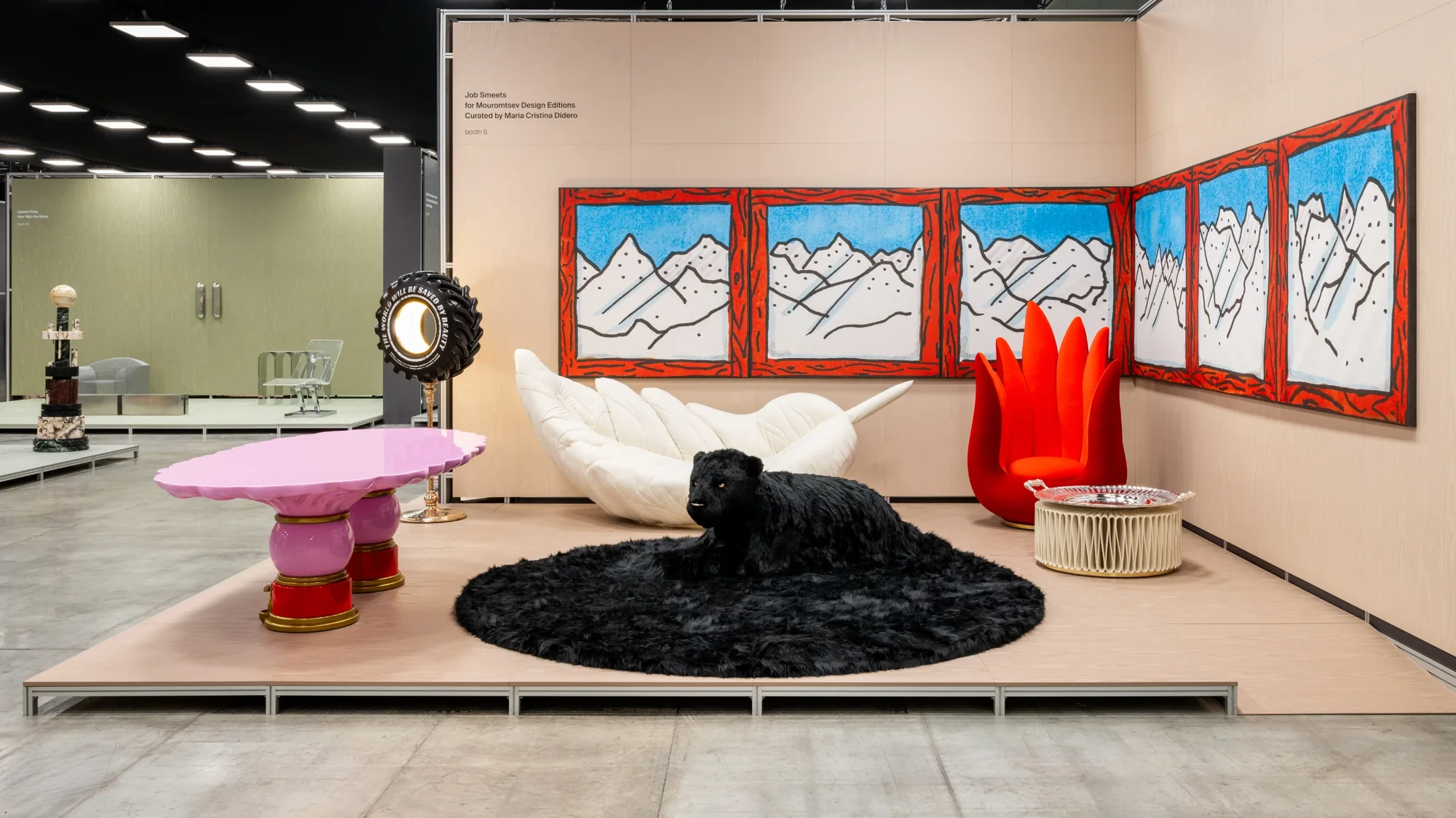
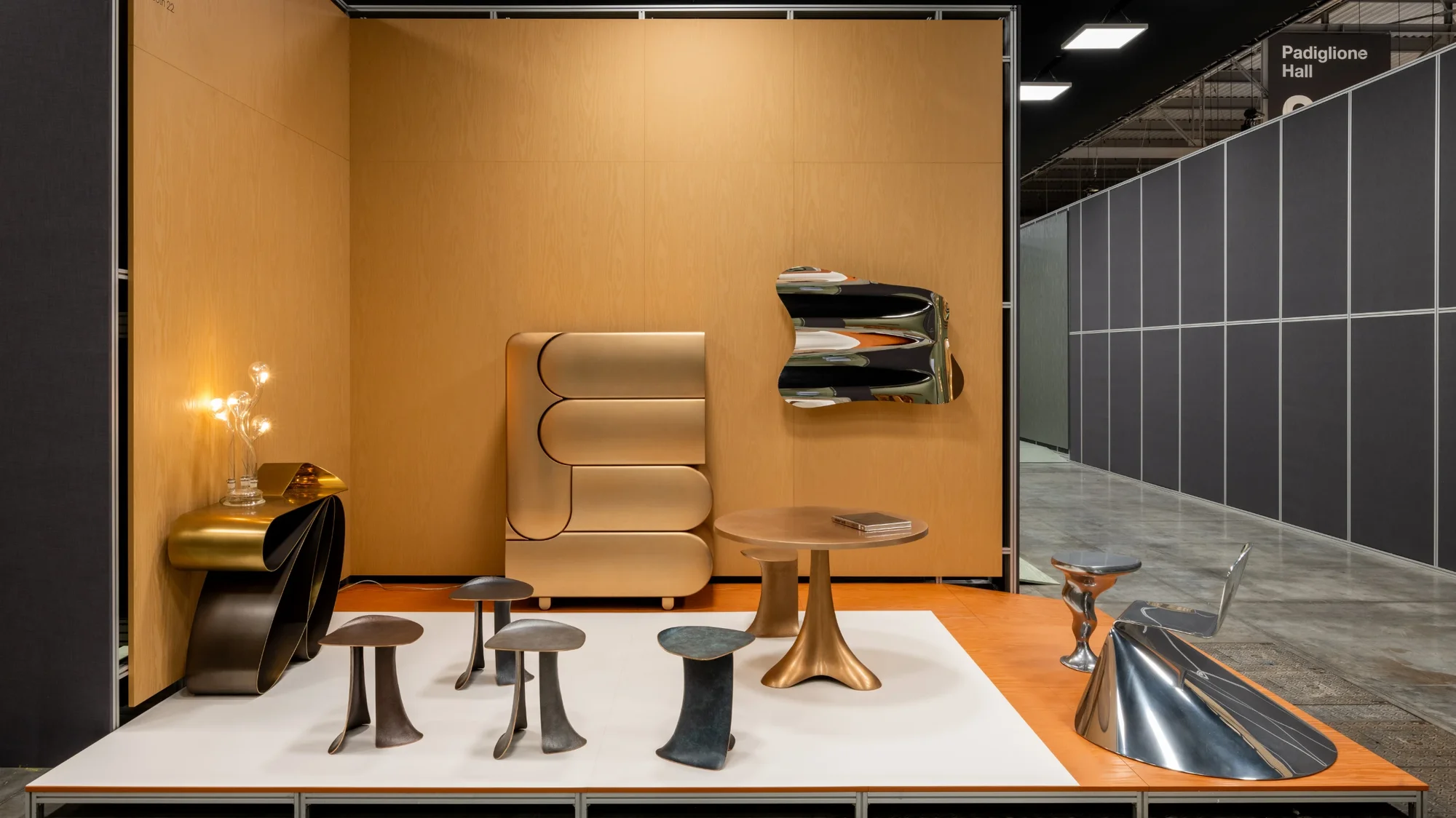
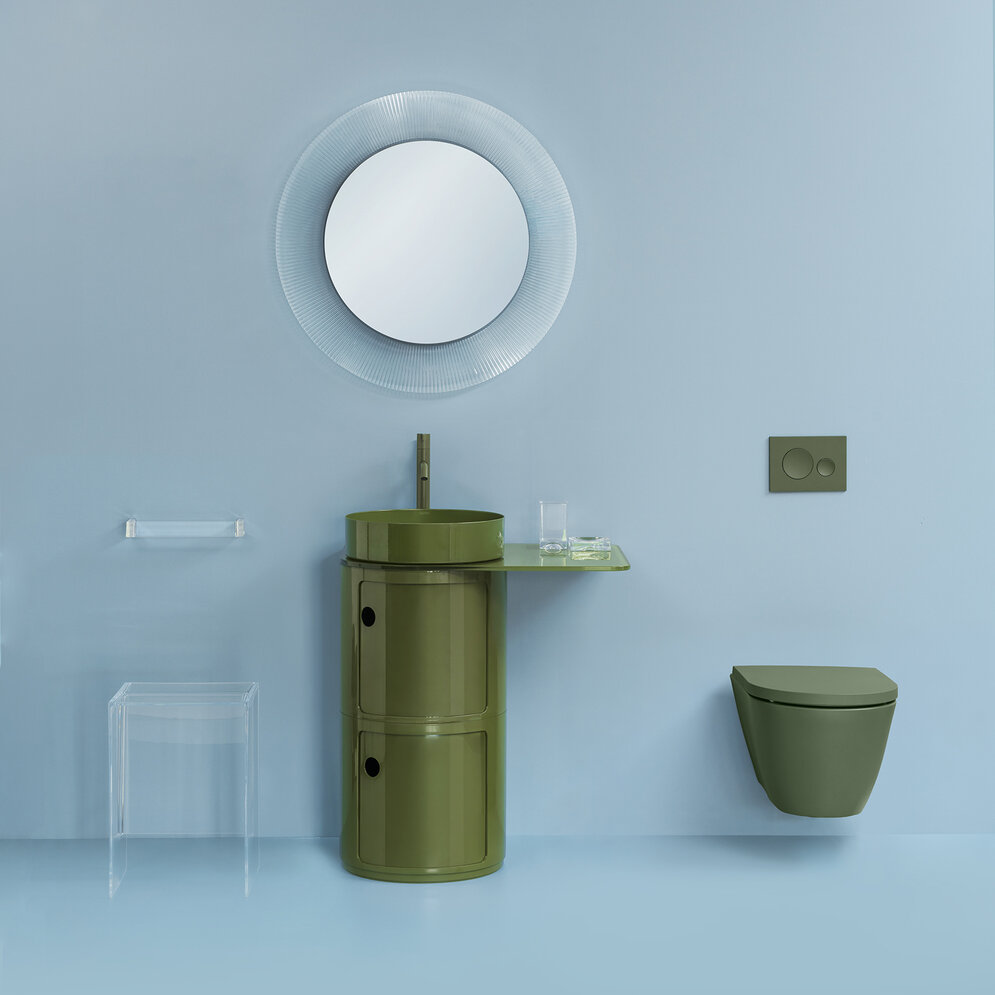
For manufacturers outside Raritas Hall, this development poses a challenge. Their current business model is based on mass production and global distribution, a strategy that is under increasing pressure. They are now seeking alternative strategies, such as re-editions of iconic designs, limited editions and growing personalisation. Leading the way is the Italian furniture manufacturer B&B Italia, which is back at the fair for the first time in 25 years and occupies a stand of the same size all on its own, situated directly across from the new format. To celebrate its 60th anniversary, the spotlight was on Richard Sapper’s Nena folding chair from 1984. In the next hall, the bathroom manufacturer Laufen showcased a new edition of its 2013 collaboration with Kartell, crafted from a new type of steel called Vitreon. There were many similar examples at the fair.
Materials, Craftsmanship and Man-Made Objects
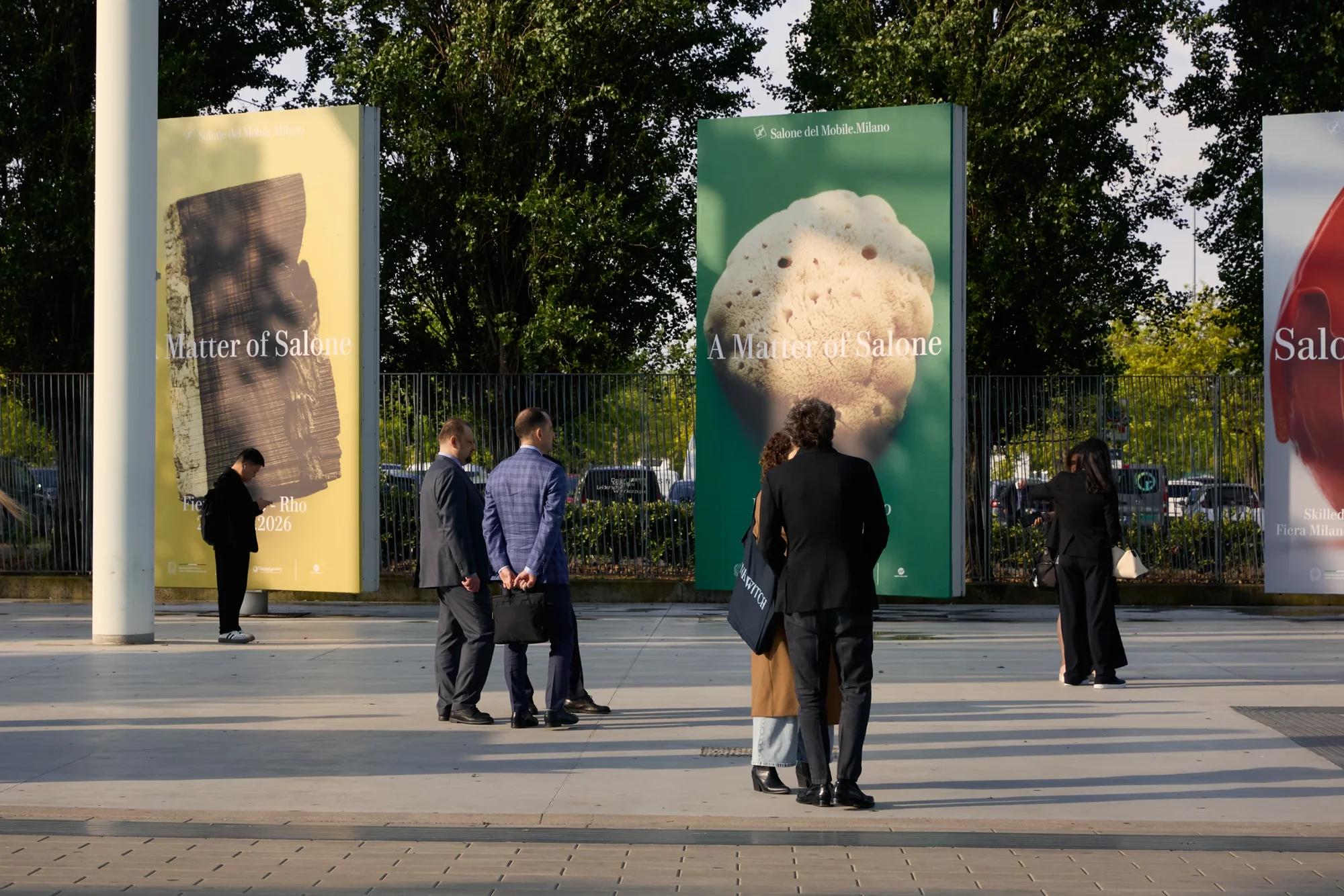
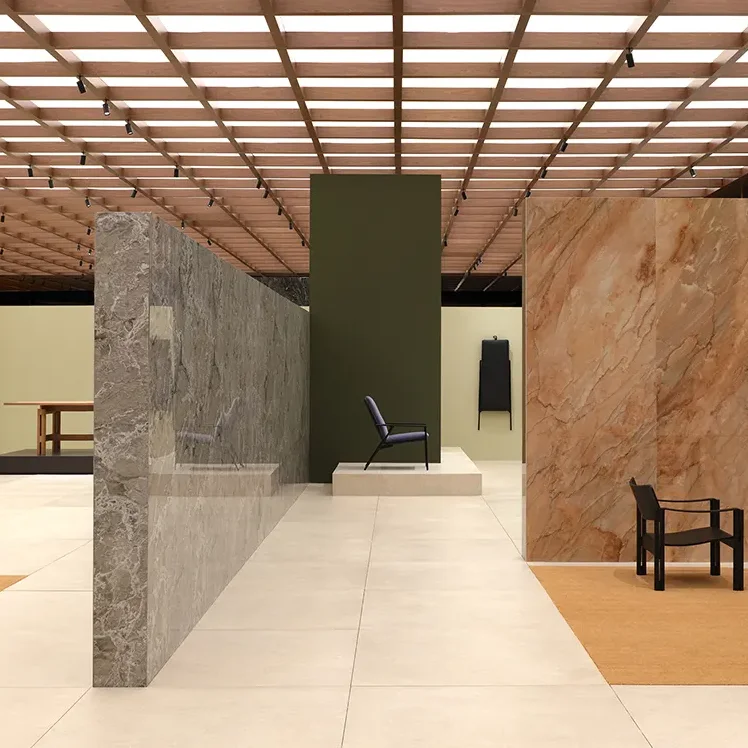
The Salone del Mobile campaign already highlighted materiality as the theme of this year's event. Stone, wood, and bio-based materials dominate the visual language. Many manufacturers also presented a more minimalist, material-driven approach within the exhibition halls. This focus on materials is particularly evident in the Alcova area, with exhibits featuring charred wood, lava rock, cork and clay. Surfaces remain raw, textures are visible and craftsmanship is evident. Added to this is a focus on craft processes such as glassblowing, ceramics, woodwork, and textile techniques.
Making traces of production visible conveys authenticity and genuineness. In an increasingly digitalised world, staging the handmade takes on particular significance, either as a counterpoint or as a strategy to make physical presence and materiality tangible once more.
Raw Spaces at Alcova
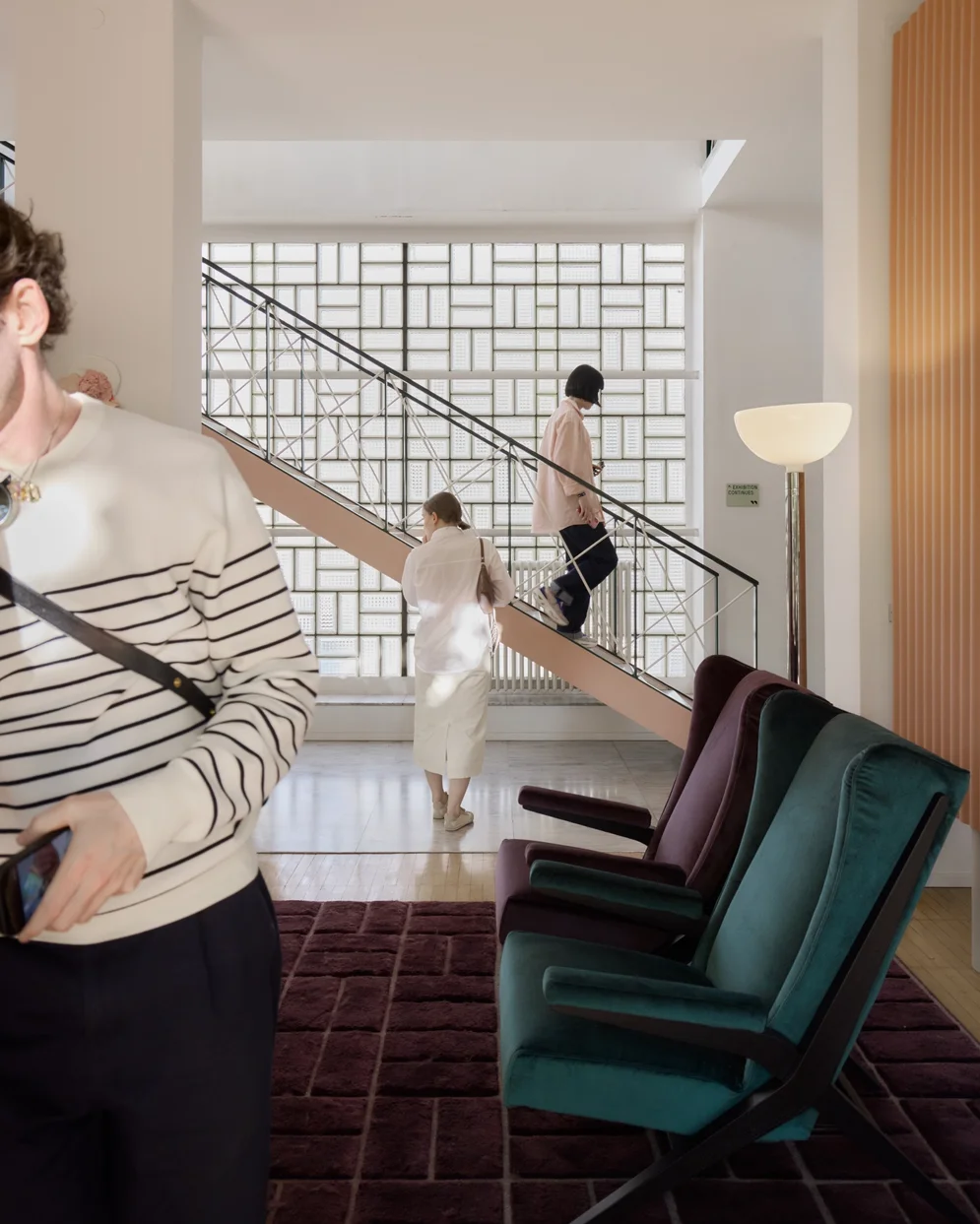
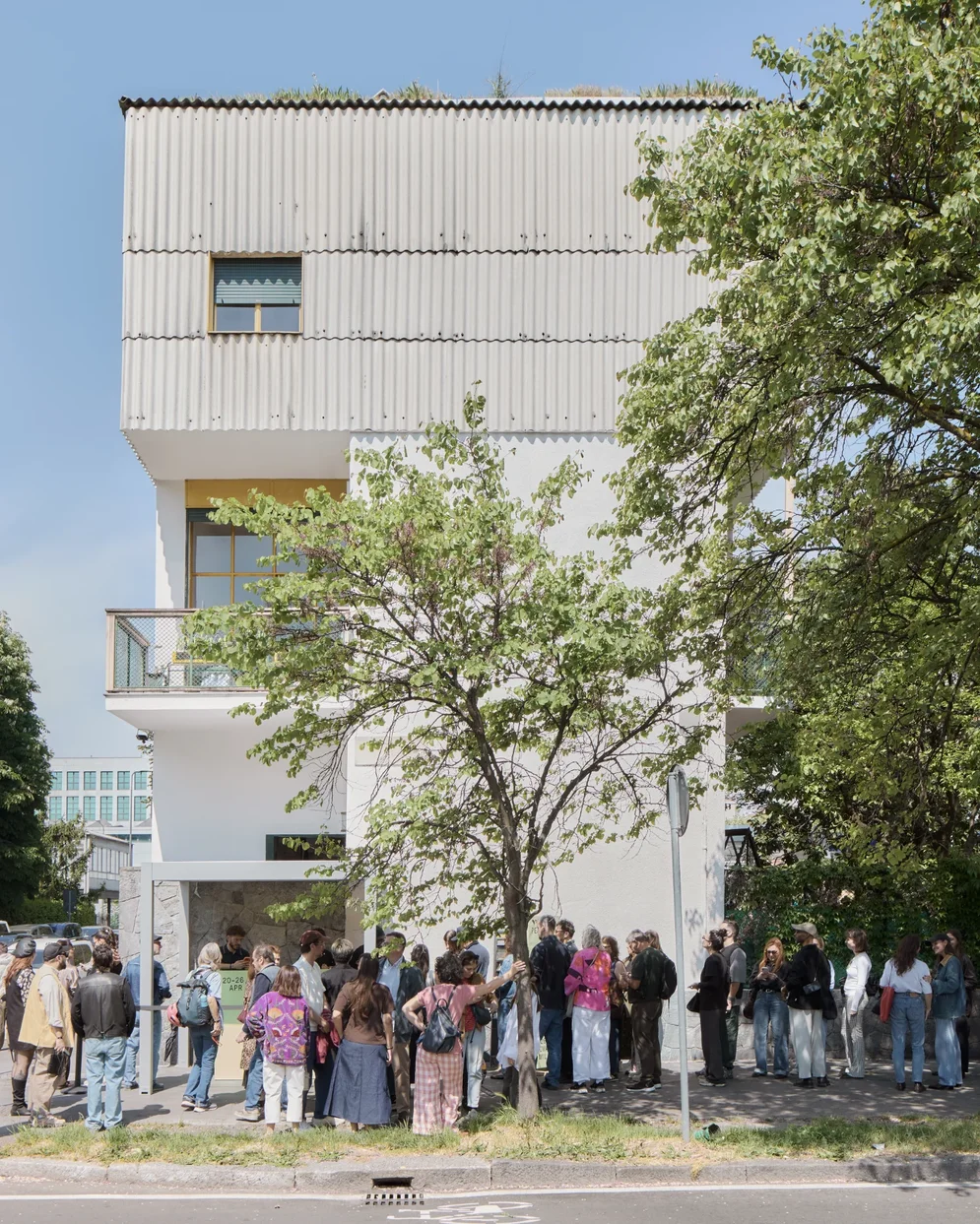
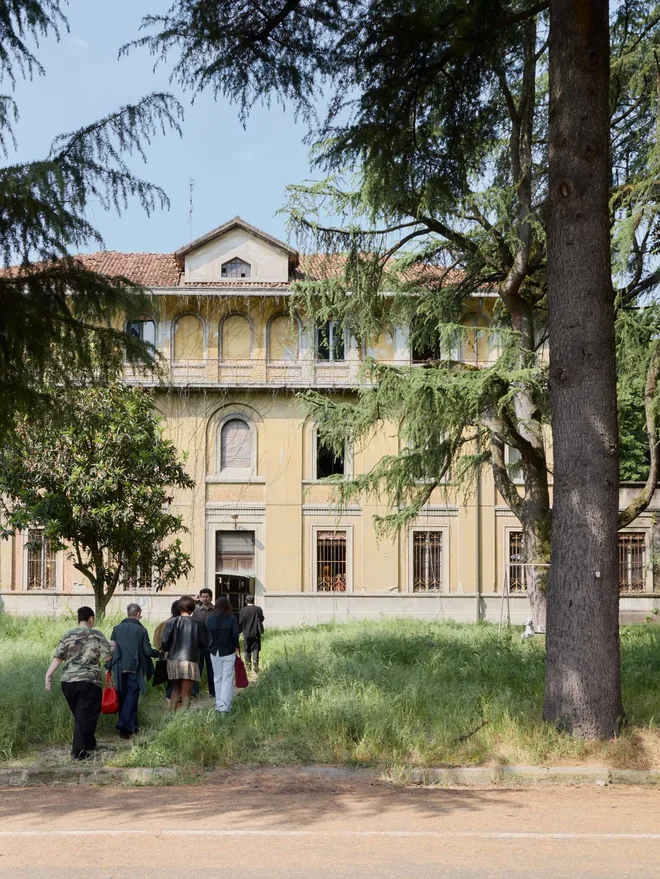
The Alcova design platform showcased two architecturally radical venues: Villa Pestarini, a rationalist residential building designed by Franco Albini, and the former military hospital in Baggio. Villa Pestarini was opened to the public for the first time to showcase 'Albini in Present Tense', an installation curated by Patricia Urquiola for Cassina and Haworth. Re-editions of Franco Albini’s designs, including an unpublished piece from 1947, were on display alongside the historic architecture.
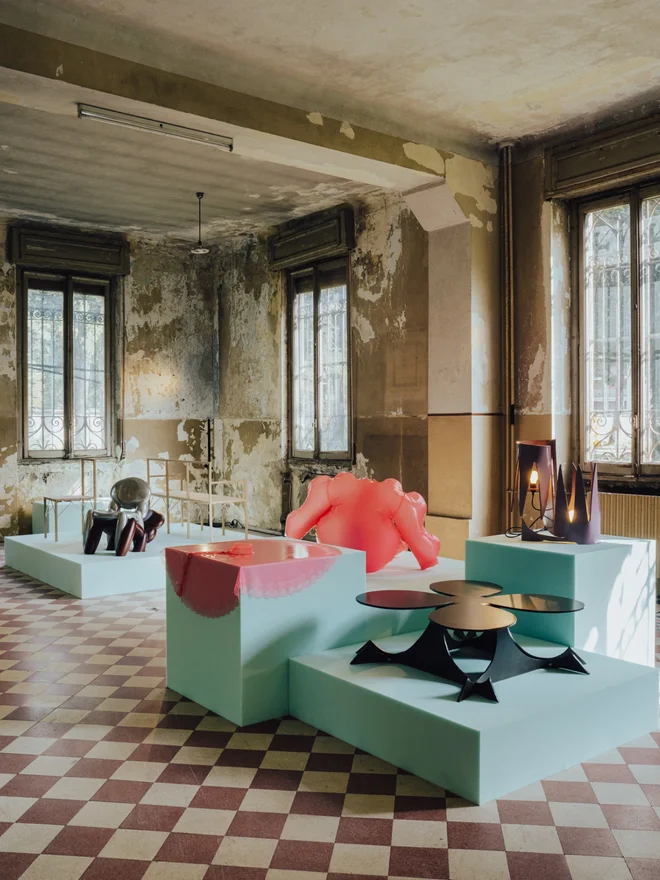
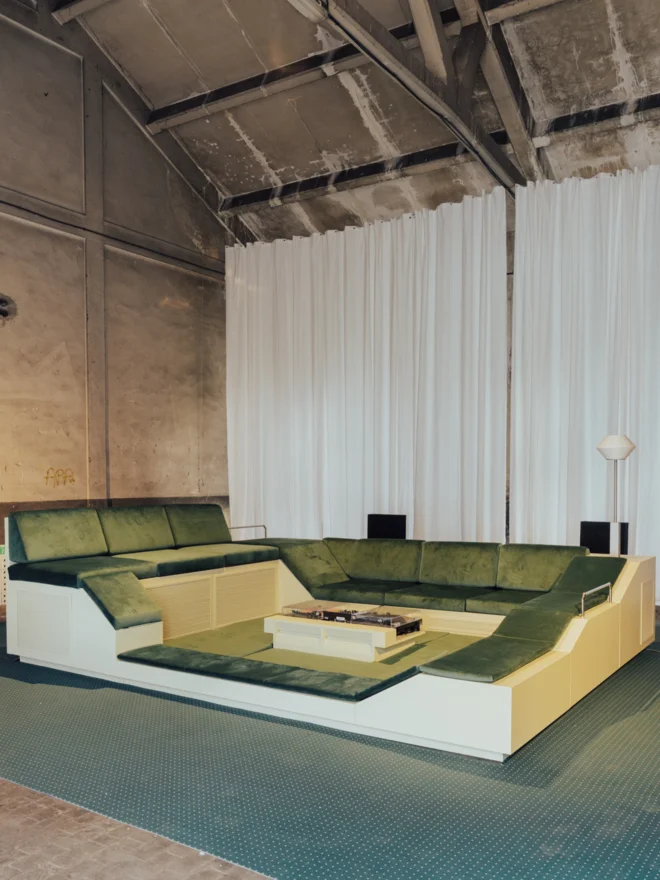
In Baggio, large-scale installations present new spatial and social scenarios, shifting the scale. In 'Threshold', Objects of Common Interest and the Italian brand Dooor transform an industrial setting through minimal intervention. Using only orange plastic room dividers, they create a brightly lit, almost sterile space that clearly stands out from its surroundings. The product itself takes a back seat in favour of the spatial situation.
In 'Seat in Touch', Supaform presents a series of modular seating objects that can be combined to create flexible seating arrangements. The focus is on how design can organise social interaction within a space.
Archives as a Strategic Resource
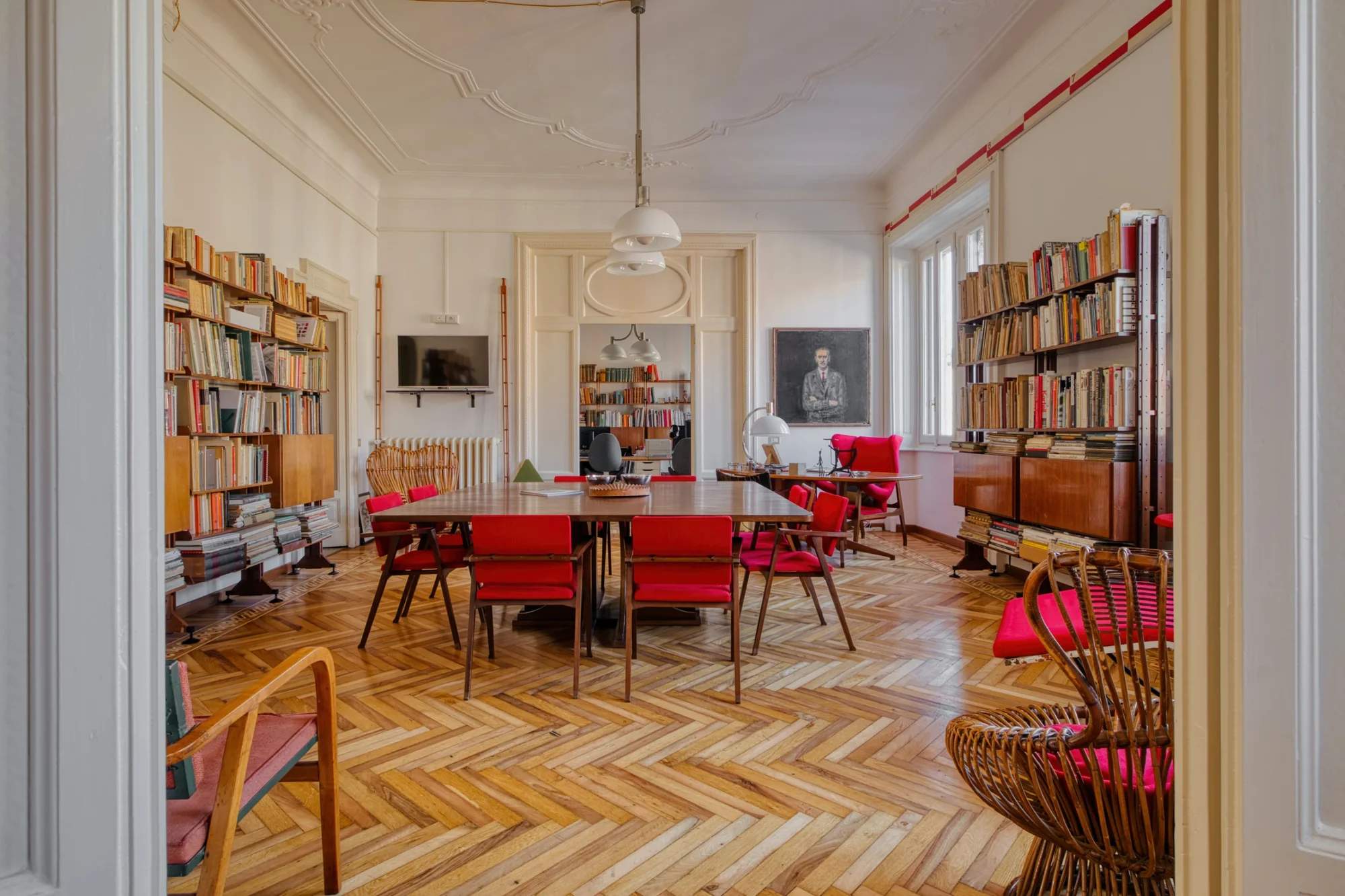
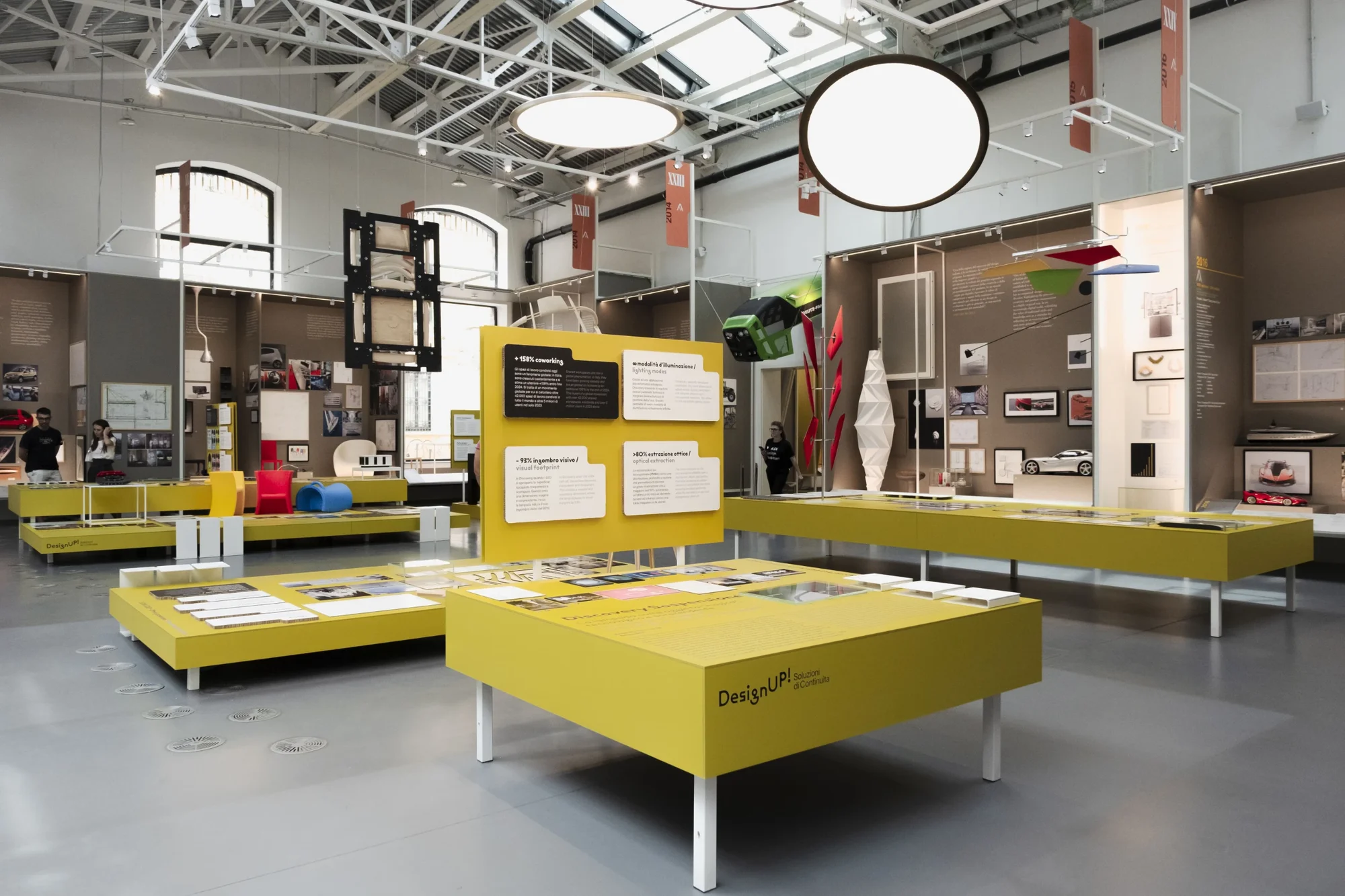
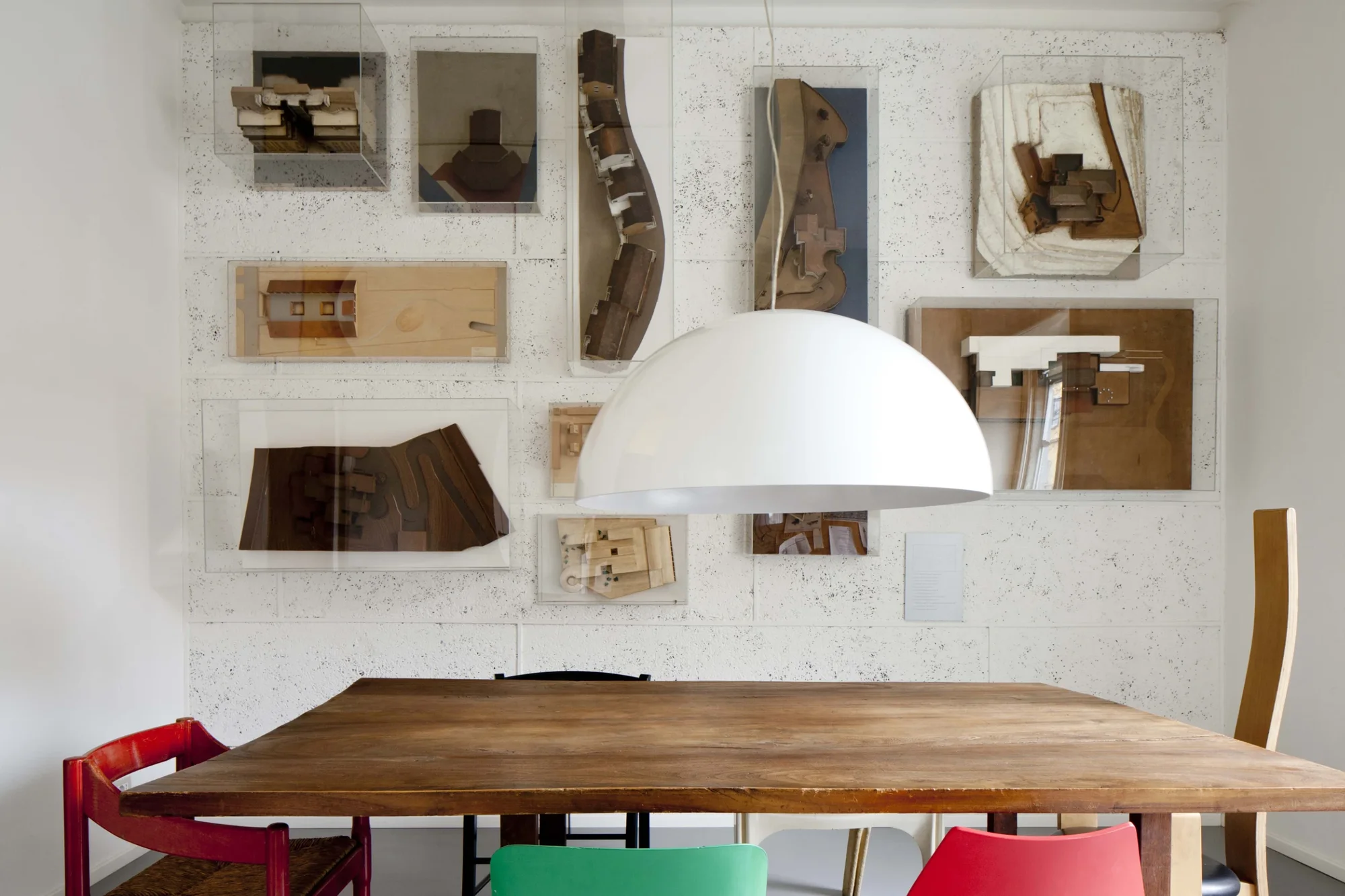
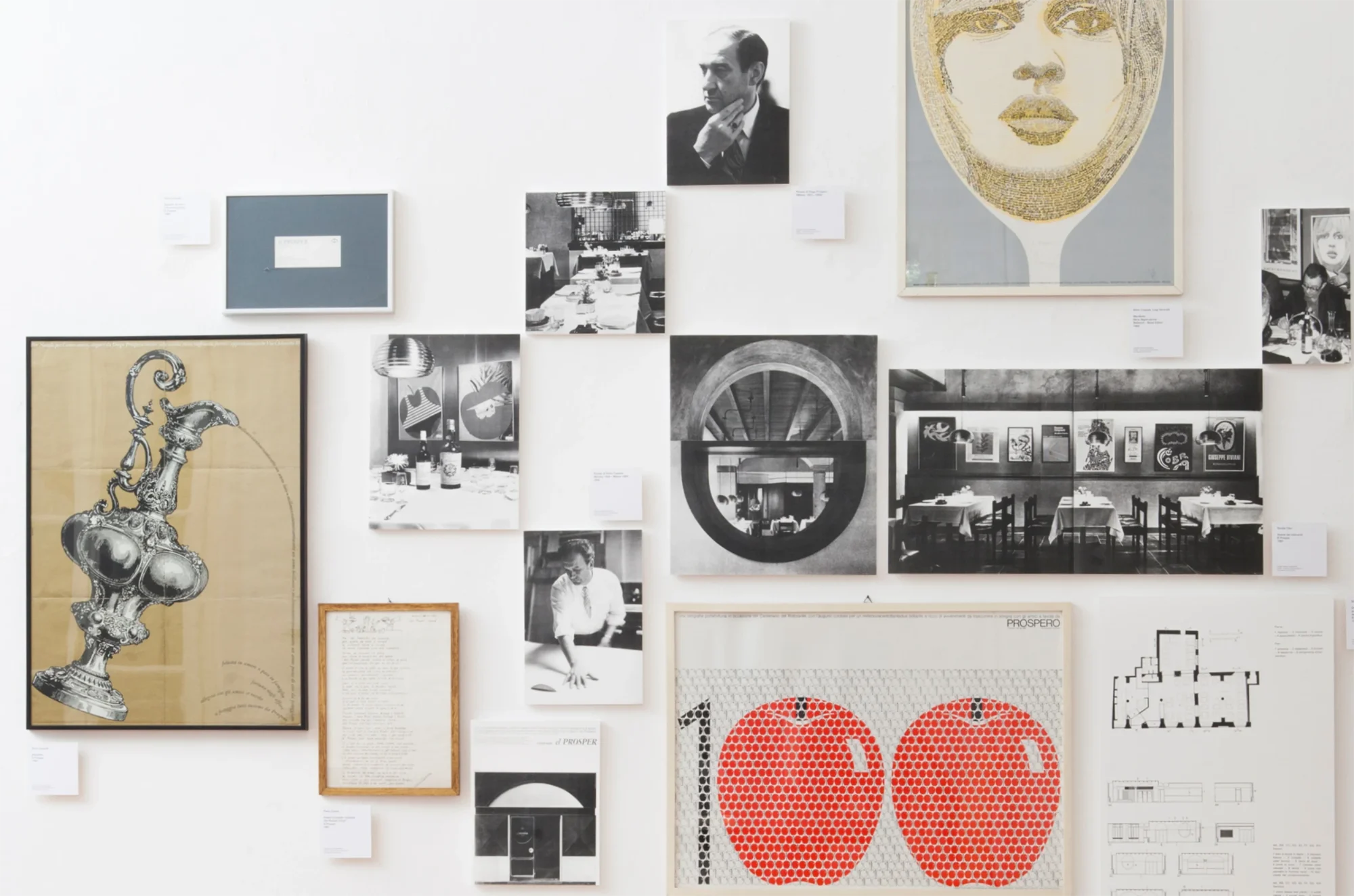
With the Common Archive format, Salone del Mobile 2026 shifts its focus to the fundamentals of design. For one evening only, a city-wide network of design and architecture archives open their doors to the public for the first time, including renowned institutions such as the Triennale Milano and the Politecnico di Milano, as well as numerous private collections and archives. Drawings, models and materials document the design process, revealing the journey from initial sketch to finished object. The spotlight moves from the final products to the craftsmanship and intellectual processes that brought them to life.
This format also demonstrates that the future emerges not only from constant reinvention, but also from the deliberate continuation of existing ideas, materials and processes. Archives serve as a resource in this regard. They also provide a foundation for new designs.