“Design Is a Form of Knowledge Production”
‘Make It Make Sense’ is the title of the 2026 German Design Graduates exhibition, which will showcase around 70 final projects selected from approximately 30 German higher education institutions from 16 October onwards. This year's venue is Die Neue Sammlung – The Design Museum in Munich.
The exhibition's title alludes to the online catchphrase ‘Make It Make Sense’, which has become a cultural phenomenon widely used to express feelings of contradiction and overwhelm. It is typically accompanied by exaggerated images or memes representing the moment when something no longer adds up and an explanation is needed. Design Perspectives spoke to four experts about the role design can play in dealing with such situations and making sense of complexity. Drawing on their experiences in education and museum work, the experts describe ways of moving from passively experiencing something to actively shaping and acting upon it, thereby creating meaning.
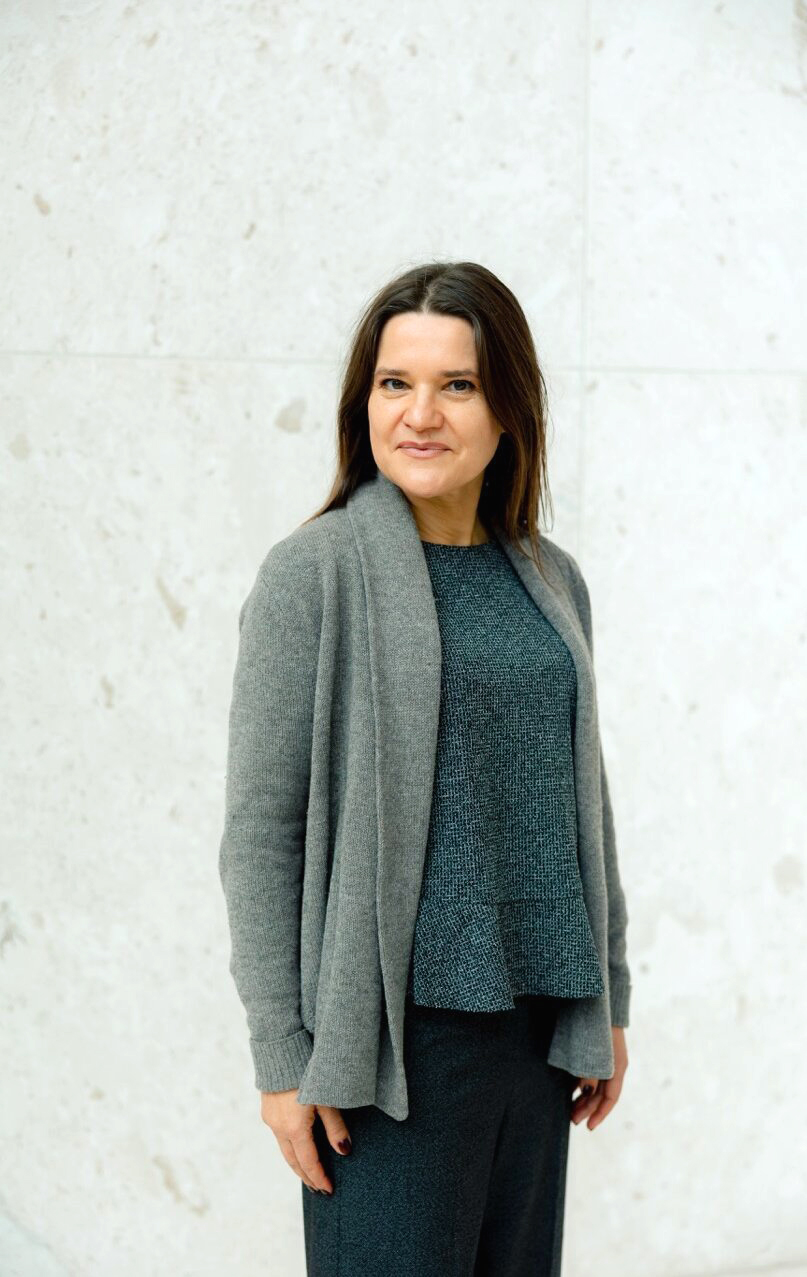
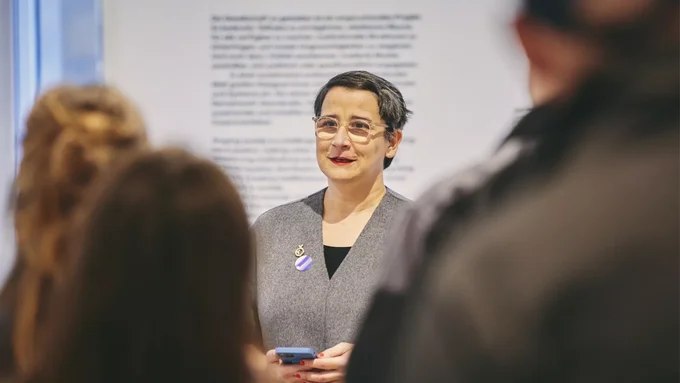
Zane Berzina
Do you share the diagnosis that we live in a time characterised by major contradictions and seemingly impenetrable complexity?
Zane Berzina: We are experiencing a simultaneity of profound processes of transformation – climate change, resource scarcity, digitalisation, geopolitical changes and social change – all of which are closely interconnected. At the same time, many connections are becoming increasingly invisible: supply chains, material flows and data flows elude our immediate perception. Design operates precisely within this field of tension. It cannot resolve complexity, but it can help to make it visible, tangible and therefore open to negotiation. For me, design is a form of knowledge production. It creates access to complex interrelationships through materials, surfaces, processes and spatial experiences.
What role does the increasing digitalisation of many everyday processes and routines play in this?
Zane Berzina: For me, mastering digital tools is an essential skill for the future. What is crucial, however, is how we use digital technologies and what questions we ask of them. Particularly in material and textile design, I am interested in the interplay between digital and material processes: How can digital tools help us use resources more consciously, design processes, make material cycles more transparent or enable new forms of collaboration? At the same time, we should not forget that digitalisation is always tied to physical infrastructures, energy and materials. It is therefore by no means immaterial. A reflective approach to digitalisation consequently also means considering its ecological and social impacts.
How do you experience the situation at the university? Are students engaging with experiences of being overwhelmed?
Zane Berzina: Many students experience an abundance of information, acceleration and uncertainty as a normal part of everyday life. At the same time, I observe a strong interest in understanding contexts and taking responsibility. Questions of sustainability, material cycles, artificial intelligence and digital technologies are not considered in isolation, but in relation to wider social developments. Students are less interested in simple answers than in developing positions that can stand the test of time. They want to understand design as a means of actively contributing to social change.
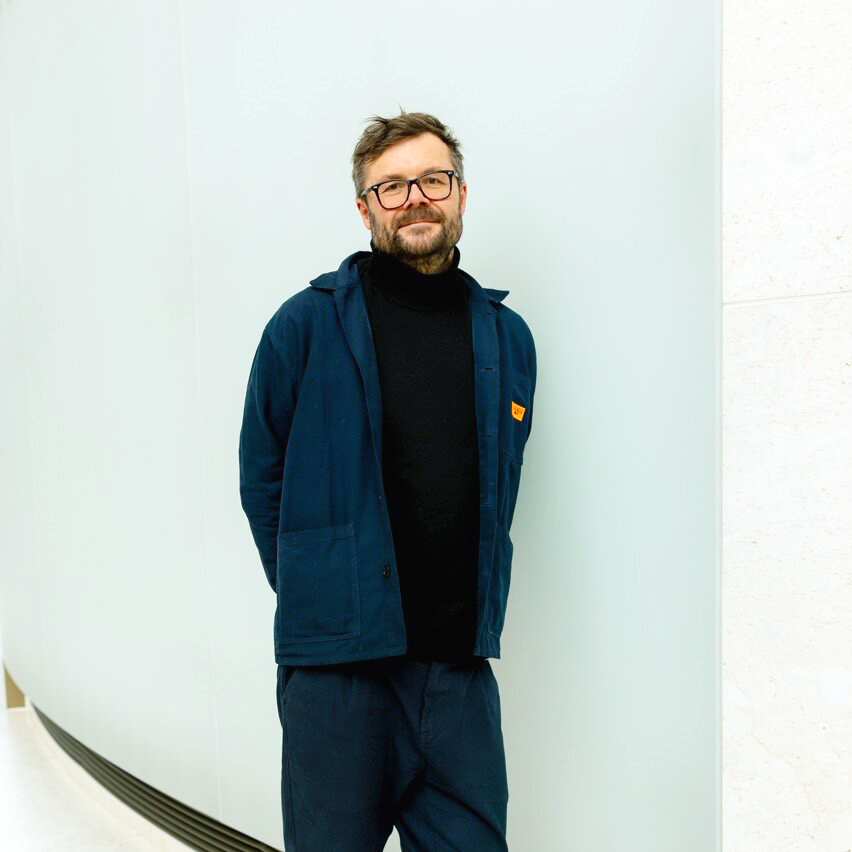
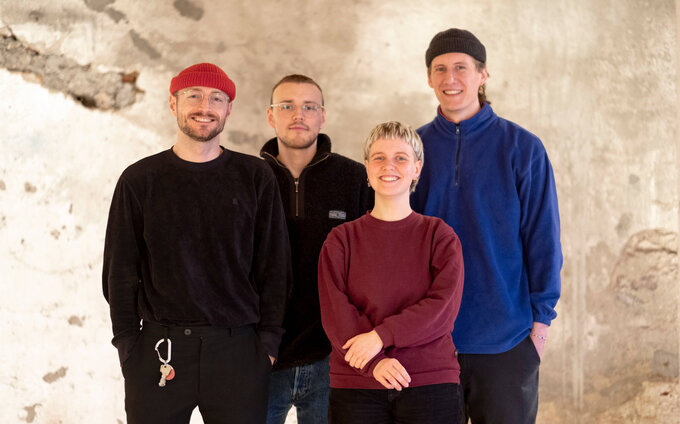
Christian Zöllner
Do you agree that our time is characterised by profound contradictions and a complexity that is difficult to overcome?
Christian Zöllner: The world is complex. That’s a good thing. Wonderful, even. Simplifying it would be wrong and would lead us into darkness. Accepting complexity, helping to see it, understand it, structure it for moments and navigate it – that is what design can do. And then everything falls back into entropy… and it all starts again. But I don’t know whether things are really so different from the past. Social media has made many things more direct, closer and more pressing. This simultaneity creates a sense of being overwhelmed that feels like complexity. But perhaps it isn’t complexity at all.
Have you noticed this phenomenon at university? Do students talk about feeling overwhelmed?
Christian Zöllner: Here at the university, we regularly see projects emerge that focus on comprehensive sensory experiences. Digital detox is also a topic of discussion – sometimes explored in greater depth, sometimes more superficially. Often, however, it is an attempt to find one’s bearings. This is because digital services and tools are often overwhelmingly dominant due to their design and functionality. Think ‘dark patterns’ and ‘nudging’. 3D printing is no longer just an innovative concept, but has become a standard tool. Robotics and cobots are next. AI is also being used extensively, for example in ‘vibecoding’.
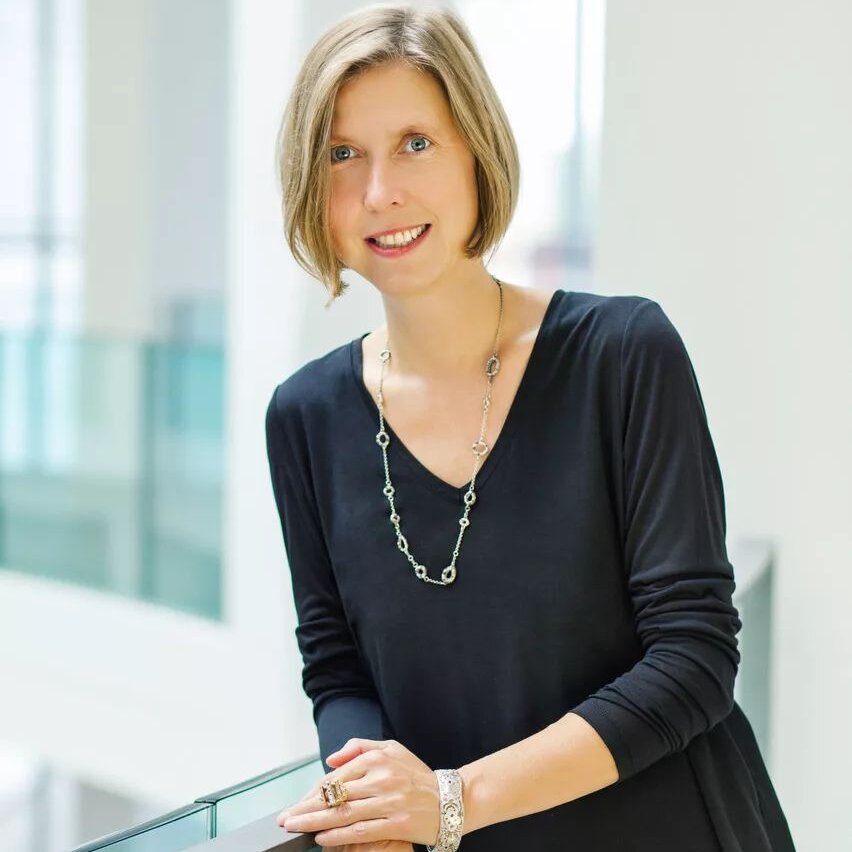
Angelika Nollert
Do you believe that design can help make complex interrelationships easier to understand?
Angelika Nollert: Our time is characterised by major political, social and ecological changes and crises such as climate change, migration and wars, as well as the development of new technologies through AI. Design fundamentally engages with these issues in order to offer solutions. Digitalisation is part of the current Industry 4.0 and therefore shapes our lives in all areas. A life without digitalisation is hardly imaginable anymore.
How does your museum approach digital formats? How do you evaluate design achievements in the digital sphere, and how do you collect digital products?
Angelika Nollert: As a design museum, our programme focuses on contemporary product developments. We utilise and develop new digital media. For example, this autumn, we will offer visitors an avatar. We have provided a digital touch table for several years, and we have just developed a digital design game for schools. We are also working with the University of Bayreuth to develop museum applications using artificial intelligence.' We are currently working on a long-term storage solution for ‘digital-born objects’. We have already added the first such objects, such as digital posters, to our collection.
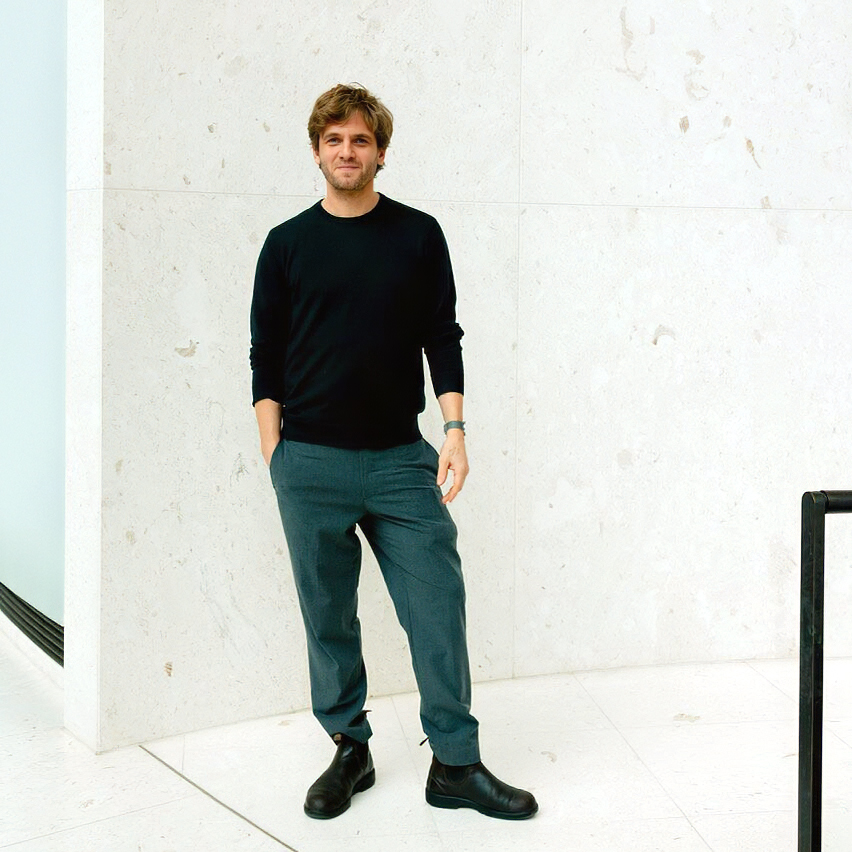
Mark Braun
Do you agree that we are living in an age characterised by major contradictions and almost insurmountable complexity?
Mark Braun: I agree with that view. However, as an interdisciplinary field, design can play an important role here. Designers can identify the simple within the complex and the complex within the simple, and create new, solution-oriented systems. Digital technology is omnipresent and dominant. This has its advantages, but I believe it always requires a critical assessment of whether it is truly necessary. Digital technology therefore also needs analogue technology as a counterbalance.
How do you perceive the situation at the university? Do students feel overwhelmed?
Mark Braun: Students see digitalisation as an opportunity. When it is accessible or well communicated, it finds its way into workflows and design processes. It is important to remain a self-determined actor and maintain a high level of personal competence. Then AI and digitalisation can be innovative drivers that can be competently navigated. However, I also see that many students yearn for analogue self-efficacy. In other words, they actively seek out craft-based processes and workshops. This strikes a healthy balance.