What Kind of Design Do We Need Today?
More functions, greater convenience, increased efficiency: for decades, technological progress has shaped product design. But the criteria are shifting. An innovative material is not necessarily sustainable, and an intelligent application is not necessarily useful. Design education around the world is responding to this shift.
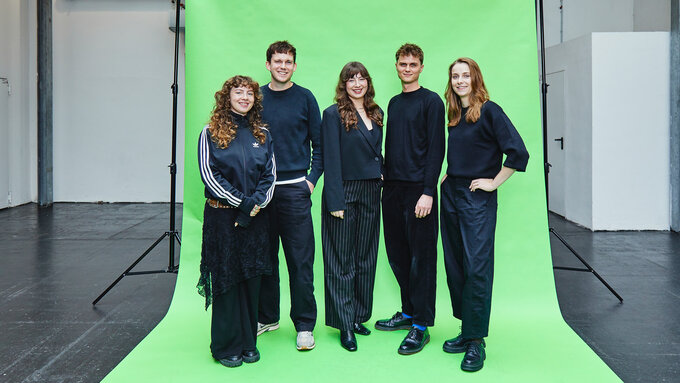
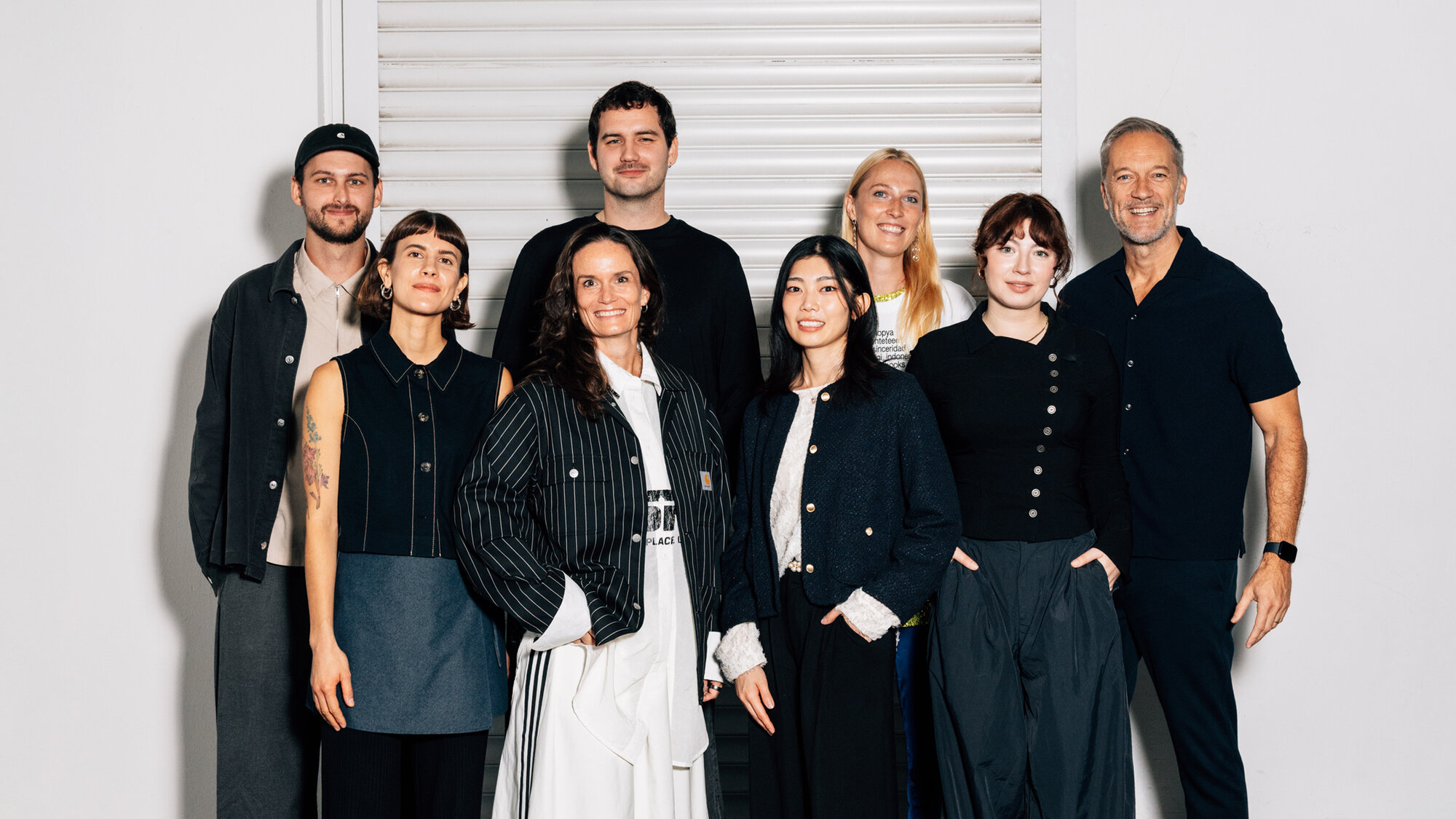
The finalists for the German Design Award – Newcomer of the Year come from Burg Giebichenstein University of Art and Design Halle, Weißensee Academy of Art Berlin, Potsdam University of Applied Sciences, Umeå Institute of Design in Sweden, and Zurich University of the Arts. What connects them is less a shared design school than an understanding of design that brings together material research, technology and contemporary social issues. Equally important is their ability not only to develop compelling solutions, but also to recognise which problems call for a design response in the first place.
When Waste Becomes a Material
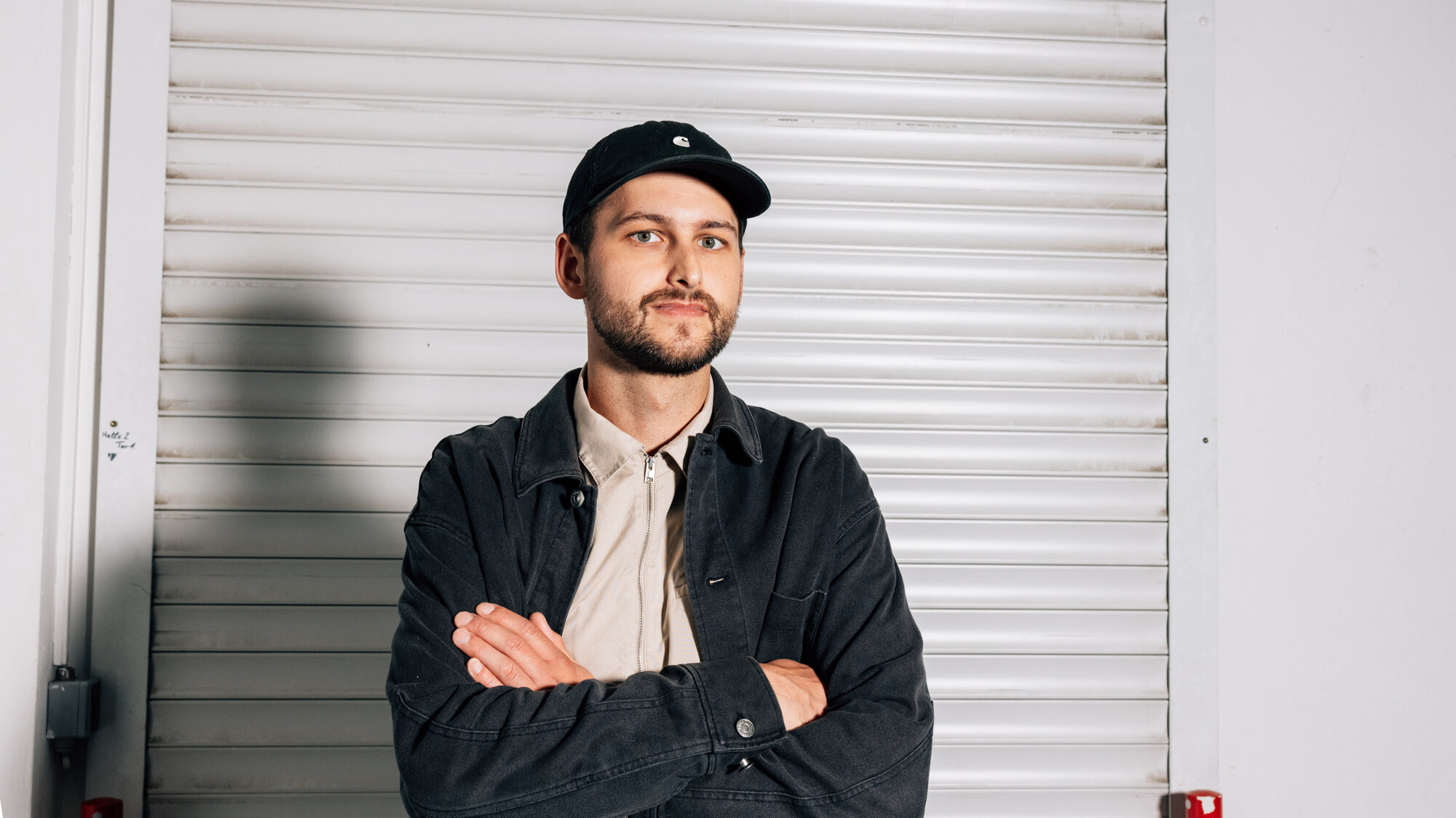
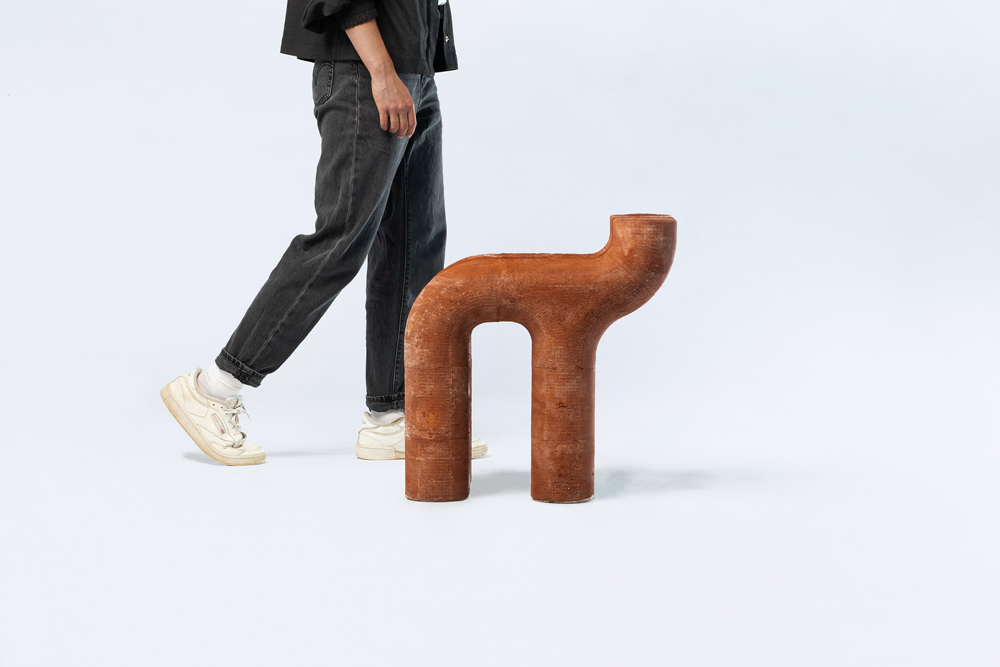
Friedrich Gerlach from Burg Giebichenstein University of Art and Design Halle explores these questions through materials research. Together with Julia Huhnholz, he developed the Biocement Chair, a chair made from mineral waste materials solidified through bacterial processes, eliminating the need for an energy-intensive firing process. The Lumo Sofa System also explores alternative production methods: its seat shell is 3D-printed from sawdust residues and a mineral binder, while a removable wool cover makes it easier to separate the materials. Gerlach’s work demonstrates how sustainable material cycles can work in practice. He sees translating research findings into industrial applications as a key role of product design.
The Beauty of Imperfection
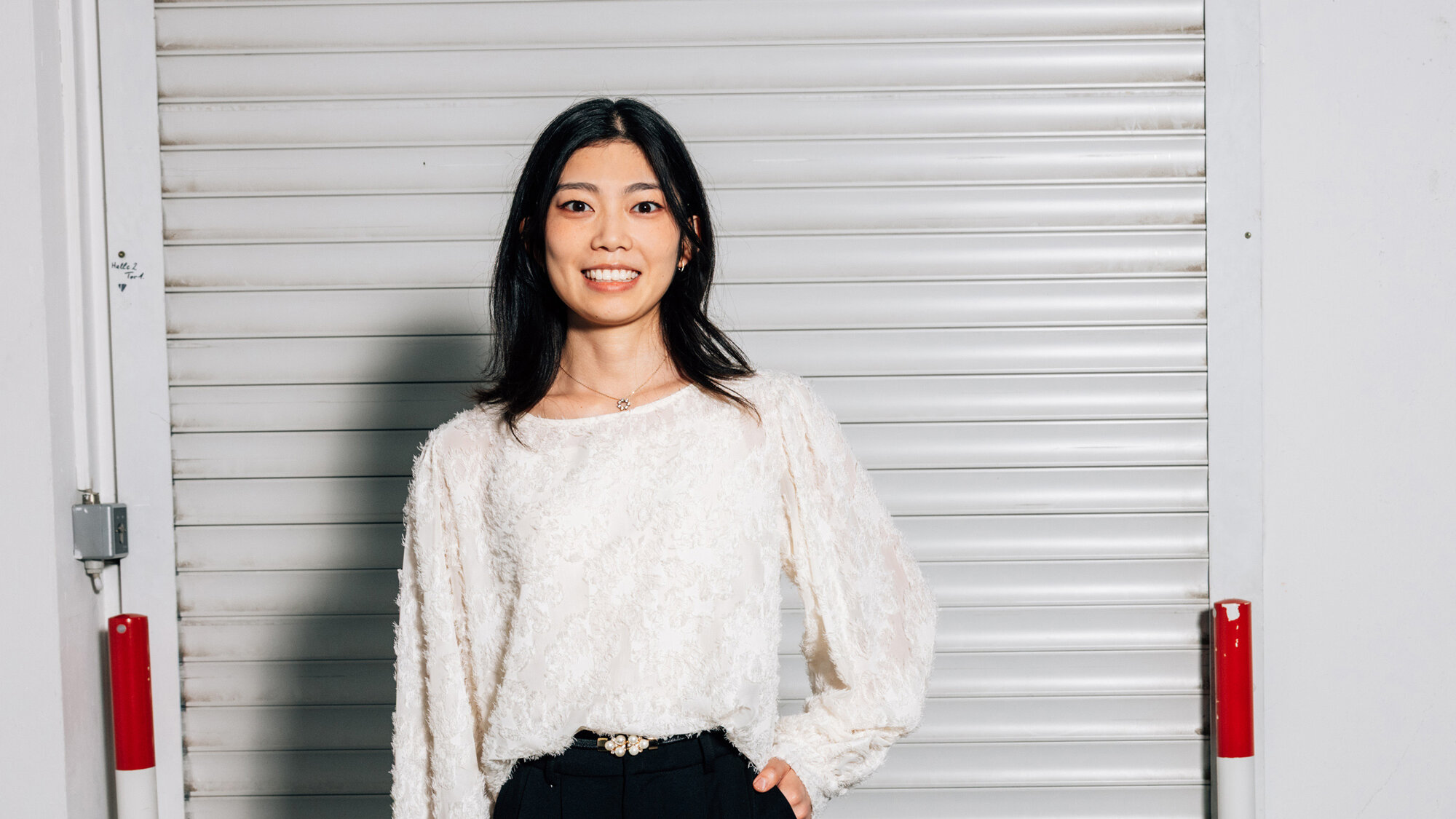
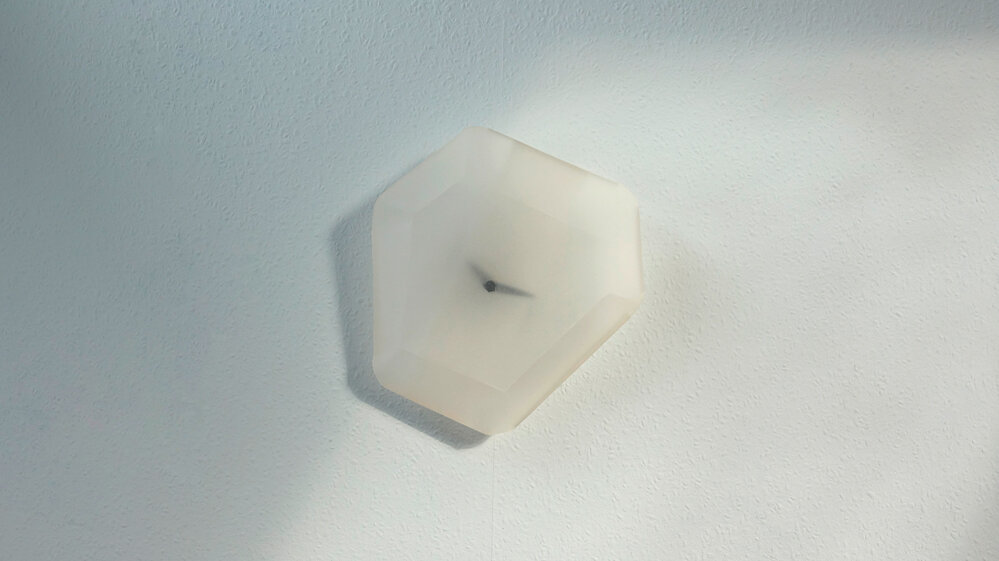
Fumino Hasegawa from Weißensee Academy of Art Berlin offers a different perspective on the pursuit of longevity. Her project Sugarid features a delicate sugar lid that slowly dissolves over a hot cup. Its disappearance is an integral part of the design. Inspired by the Japanese concept of impermanence, Hasegawa explores the emotional relationship between people and objects. In The Space Between, a washi paper lid moved by water vapour transforms the waiting time while drinking tea into a mindful experience. In her Bubla series of glass vases, air bubbles, usually considered an unwanted production flaw, become a defining design feature.
Giving Textiles a Voice
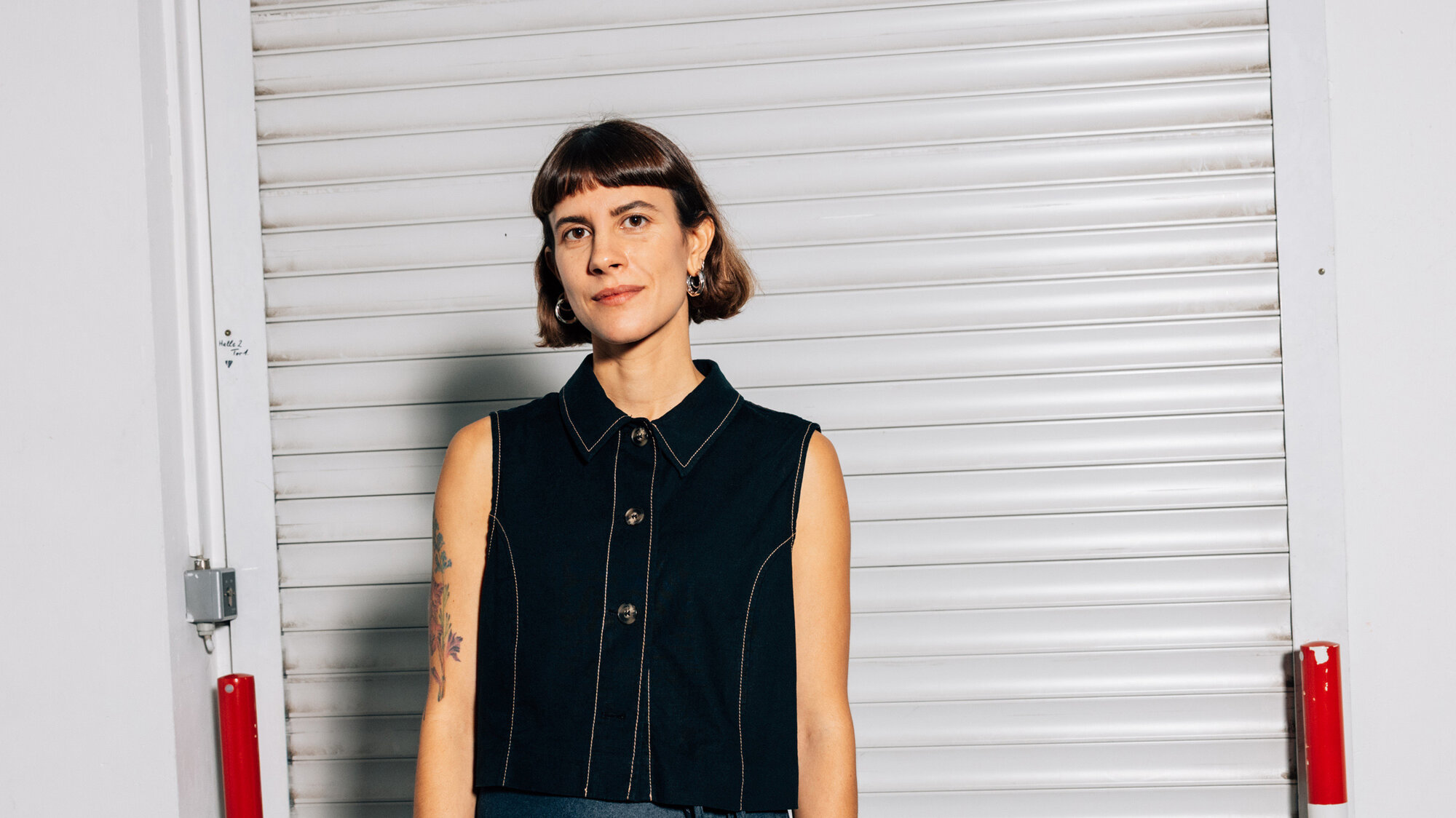
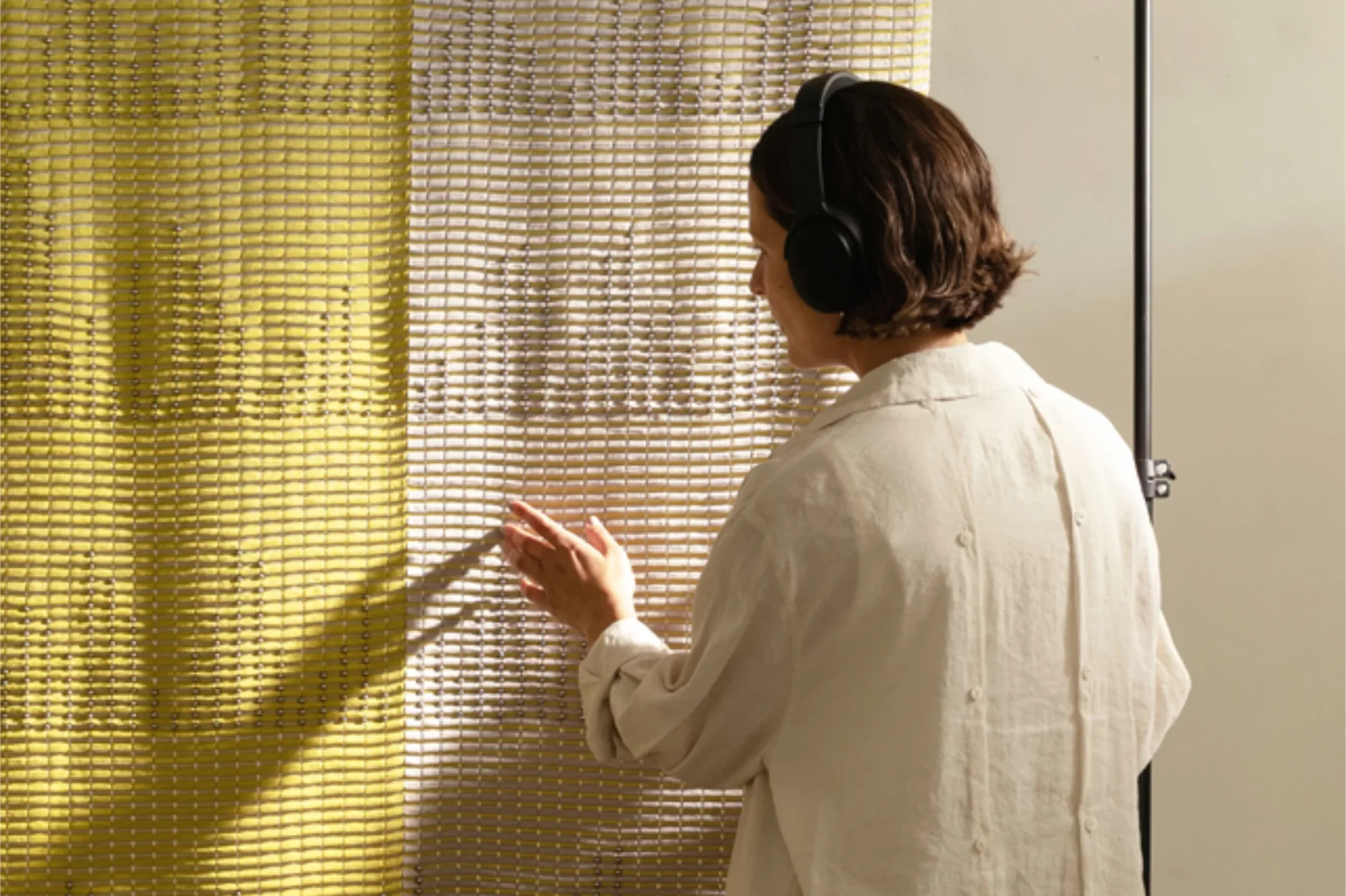
As more and more functions migrate to screens, the question of what digital interfaces can learn from physical experience becomes increasingly relevant. Nicole Schönherr from Weißensee Academy of Art Berlin explores a little-noticed quality of textiles in her master’s thesis, Talking Textiles: their sound. A doormat, a blanket and a cushion combine textile structures with conductive yarns and sensors. Touching them produces different sounds inspired by ASMR. “Textiles can create a multisensory relationship that a screen cannot,” Schönherr explains. She investigates the potential of such applications for relaxation and emotional self-regulation. Whether they achieve the intended effects remains to be established through scientific research. Her work lies at the intersection of textile design, human-computer interaction and health research.
Artificial Intelligence with Clear Boundaries
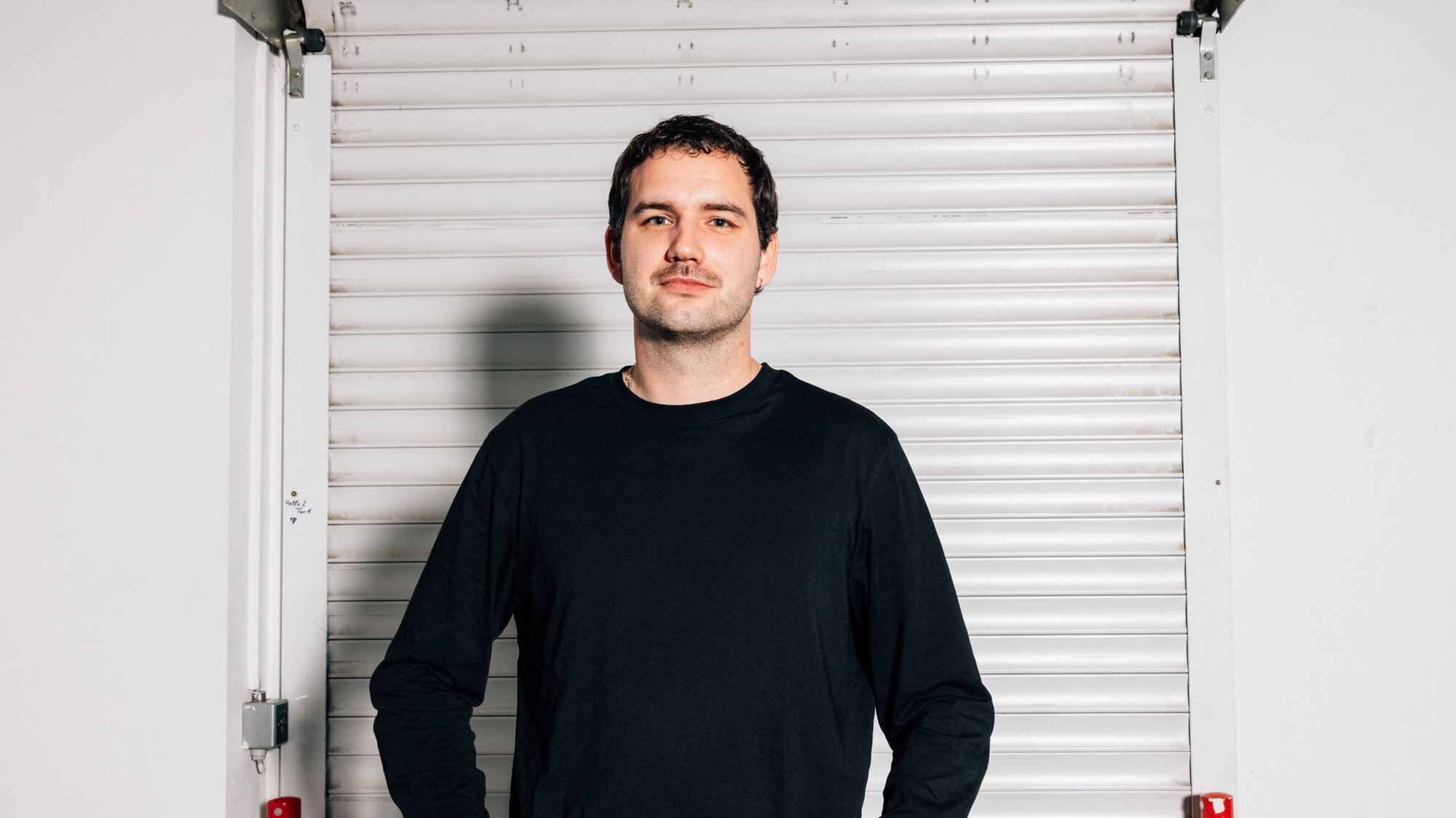
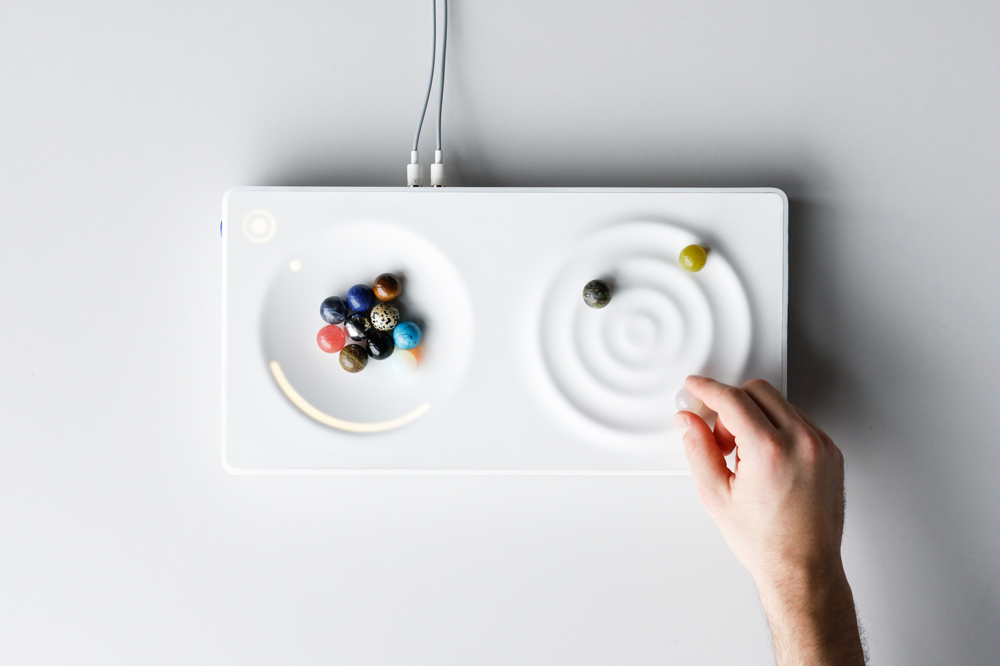
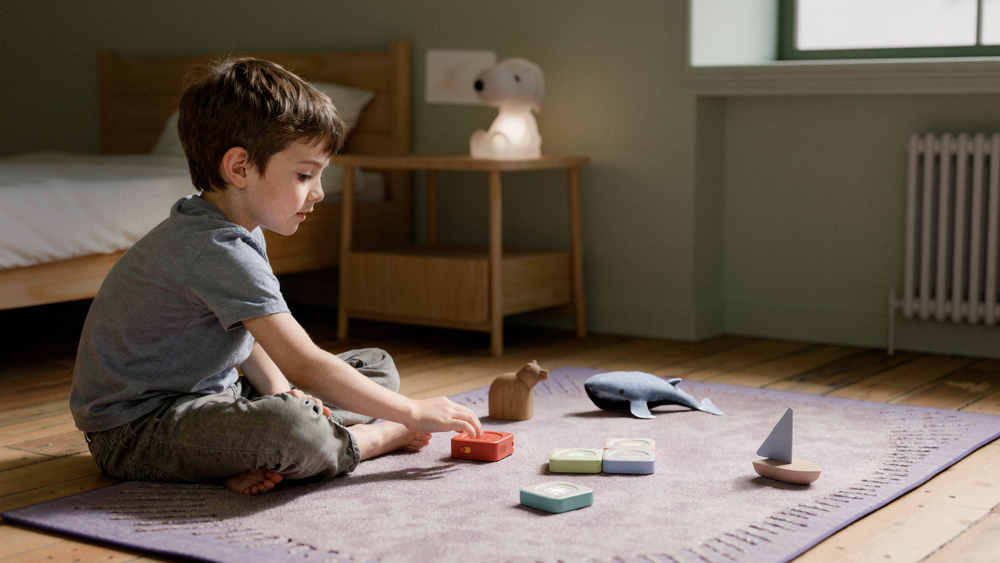
Benedikt Herzau, who studied at Berlin University of Applied Sciences (HTW) and is now studying at the Umeå Institute of Design in Sweden, is also interested in making digital technology tangible through physical interaction. His ambient synthesiser NOISE uses marbles containing integrated RFID chips to compose individual soundscapes. Familiar physical gestures replace abstract interface menus. The project MOJI, developed together with Clara Häggström Germann, Leon Burg and Pius Burkhardt, addresses a more fundamental question: what role should artificial intelligence play in children's bedrooms? The modular toy turns children's ideas into stories whose direction they can influence themselves. The concept deliberately avoids personal dialogue and an artificial personality. AI is intended to support children's imagination, not imitate human relationships.
Moving Beyond the Lone Genius
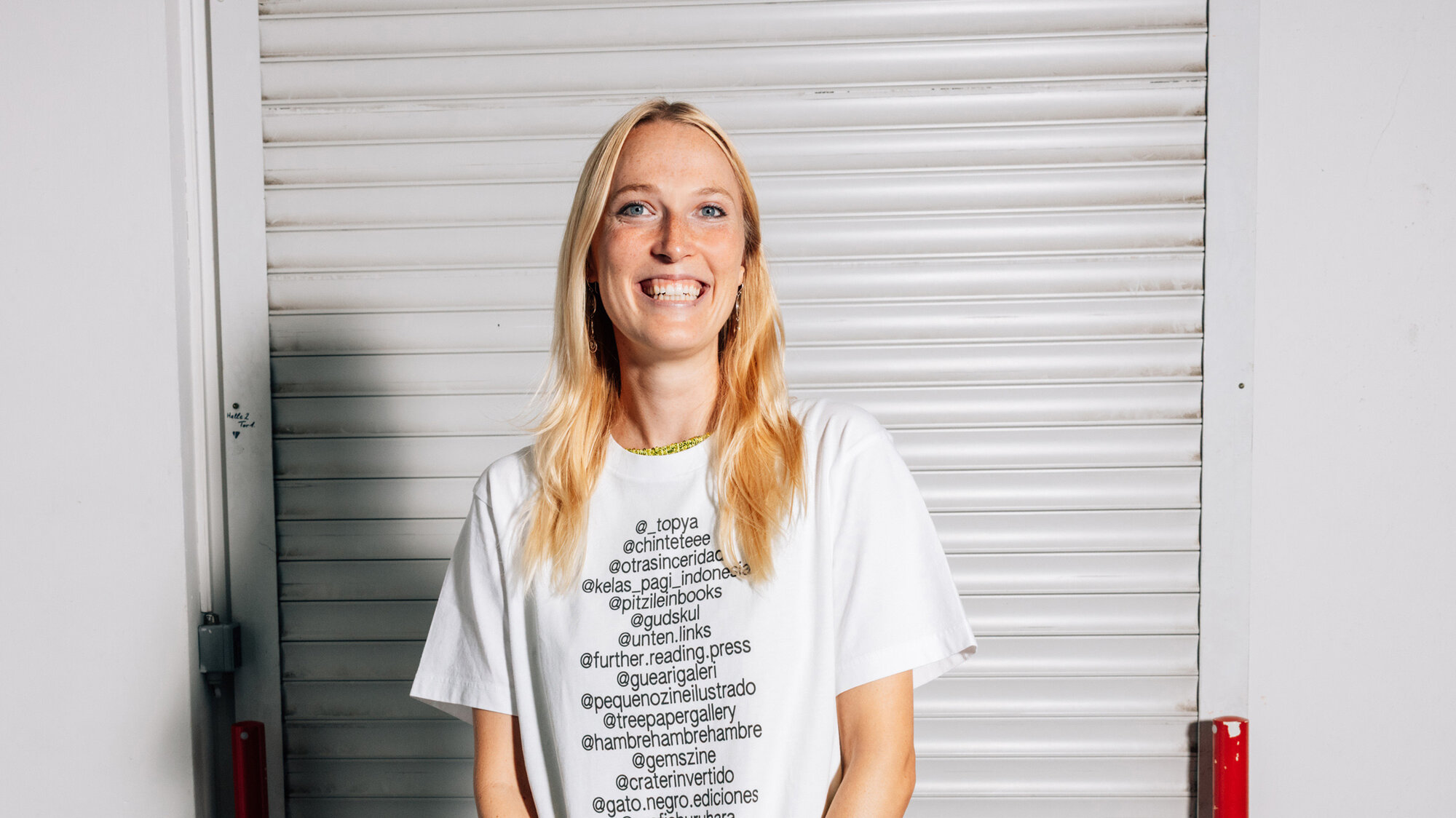
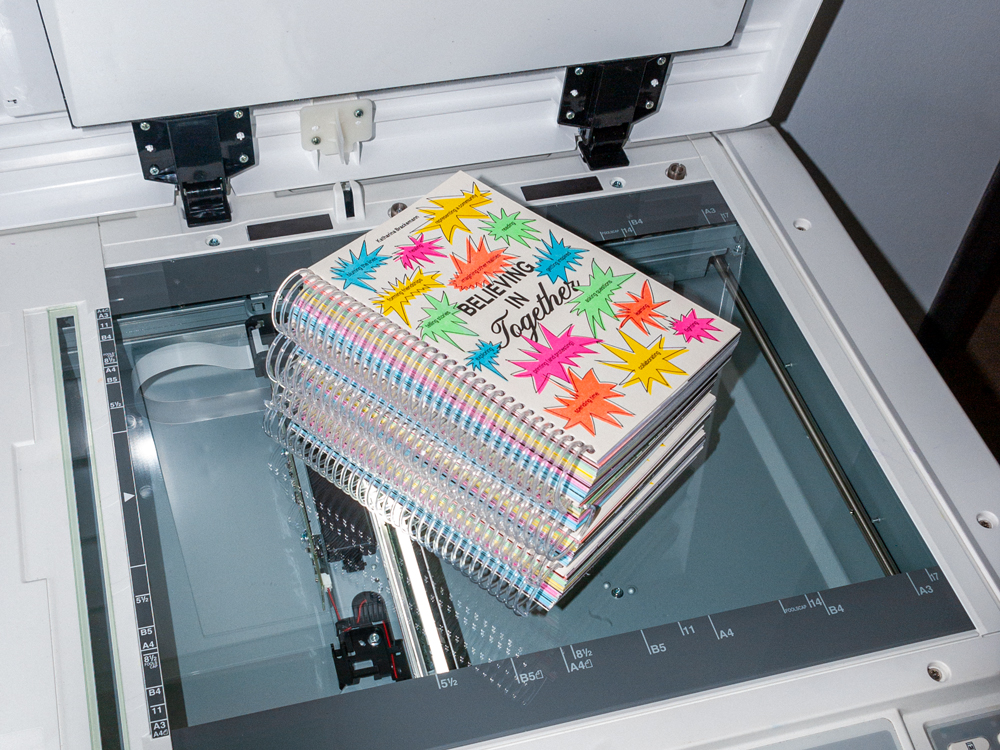
Katharina Brackemann from Potsdam University of Applied Sciences questions the very foundations of design. For her bachelor’s thesis, Believing in Together, she visited 16 creative collectives in Mexico, Chile, Australia and Indonesia. The result is a publication and a short film exploring collaborative ways of working in which knowledge, resources and responsibility are shared. With TOPYA, which she is developing further together with Mia Mahn and Lisa Wesseler, she puts this approach into practice. Open workshops bring people together to imagine possible futures, which are then published as self-designed booklets combining text, drawings and collages, known as zines. The focus is not on the finished outcome, but on the collaborative development of ideas. For Brackemann, this also means critically examining power structures and authorship. “Down with the myth of the lone genius!” she demands.
The five finalists do not share a single vision of good design. Their work ranges from experimental materials research and interactive product concepts to collaborative design processes. Their differences reveal just how much the demands placed on the discipline are expanding. New materials must demonstrate their environmental credentials, intelligent products must account for their social implications, and participatory approaches must deliver on their promise of inclusion. Design excellence is therefore measured not only by the quality of a concept, but also by the responsibility taken for its impact.
Perhaps the most pressing question is no longer what design can make possible, but what is actually worth pursuing. The winner of Newcomer of the Year 2027 will be announced by the German Design Council on 29 January 2027, during the German Design Award ceremony in Frankfurt am Main.