When Design Disappears
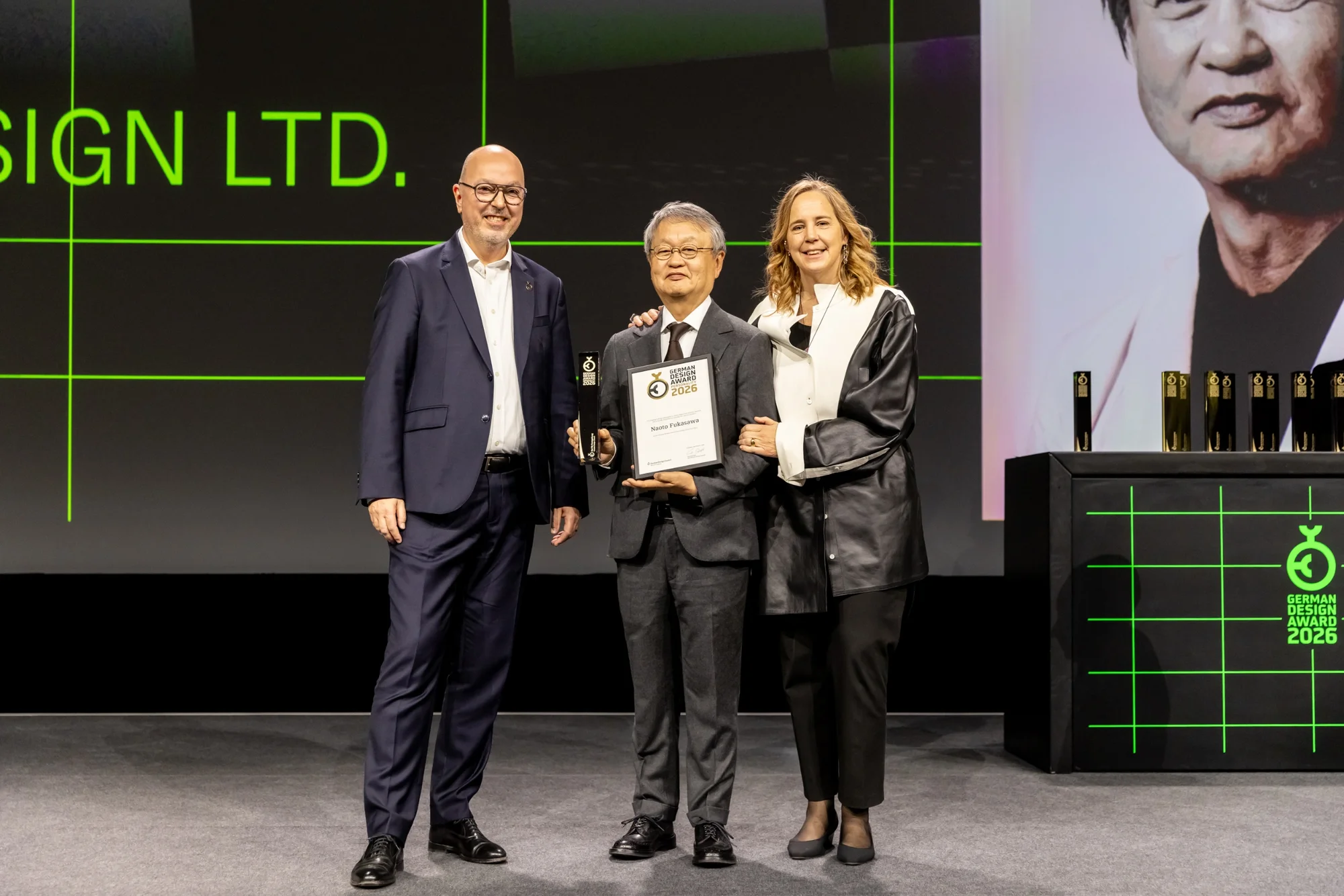
Congratulations, Naoto, on being named “Personality of the Year” at the German Design Awards 2026. This prestigious award from the German Design Council presumably holds special meaning for you, as German design has been an important influence on your work. Is that the case?
Naoto Fukasawa: German design philosophy forms a foundation for design as a whole. On top of this foundation, different cultures are layered, together with the thoughts, personalities, and sense of humour of individual designers. This layering gives design its broader meaning and richness.
Are there specific products designed in Germany that left a lasting impression on you when you were young?
ERCO lighting and LAMY pens. I am proud that I have been able to design for these great brands while engaging deeply with the origins, attitudes, and typologies of German design.
Your philosophy of “design without thought” is central to your work. Could you describe how intuitive, almost unconscious human behaviour guides your design process from the very beginning of a project?
I begin by asking myself how I would act or respond in a given state or situation. Then I check whether that response feels ordinary and natural for a human being. By doing so, I gain confidence that the common human reaction in this context is a universal one. Being aware that I myself represent a common type of person often becomes an important source of insight.
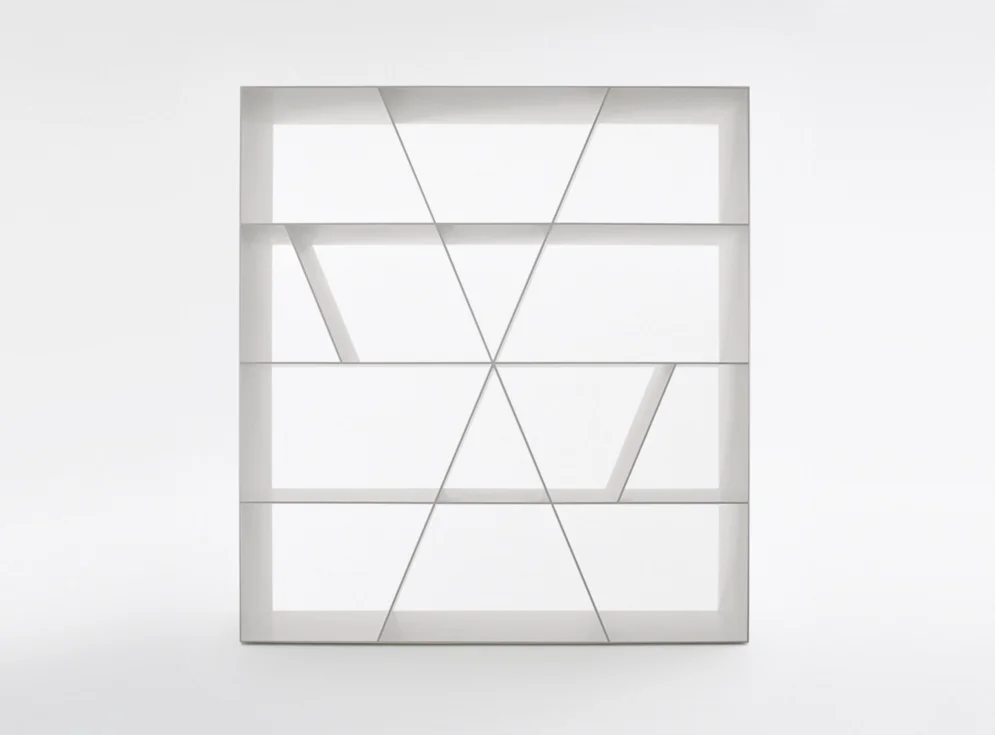
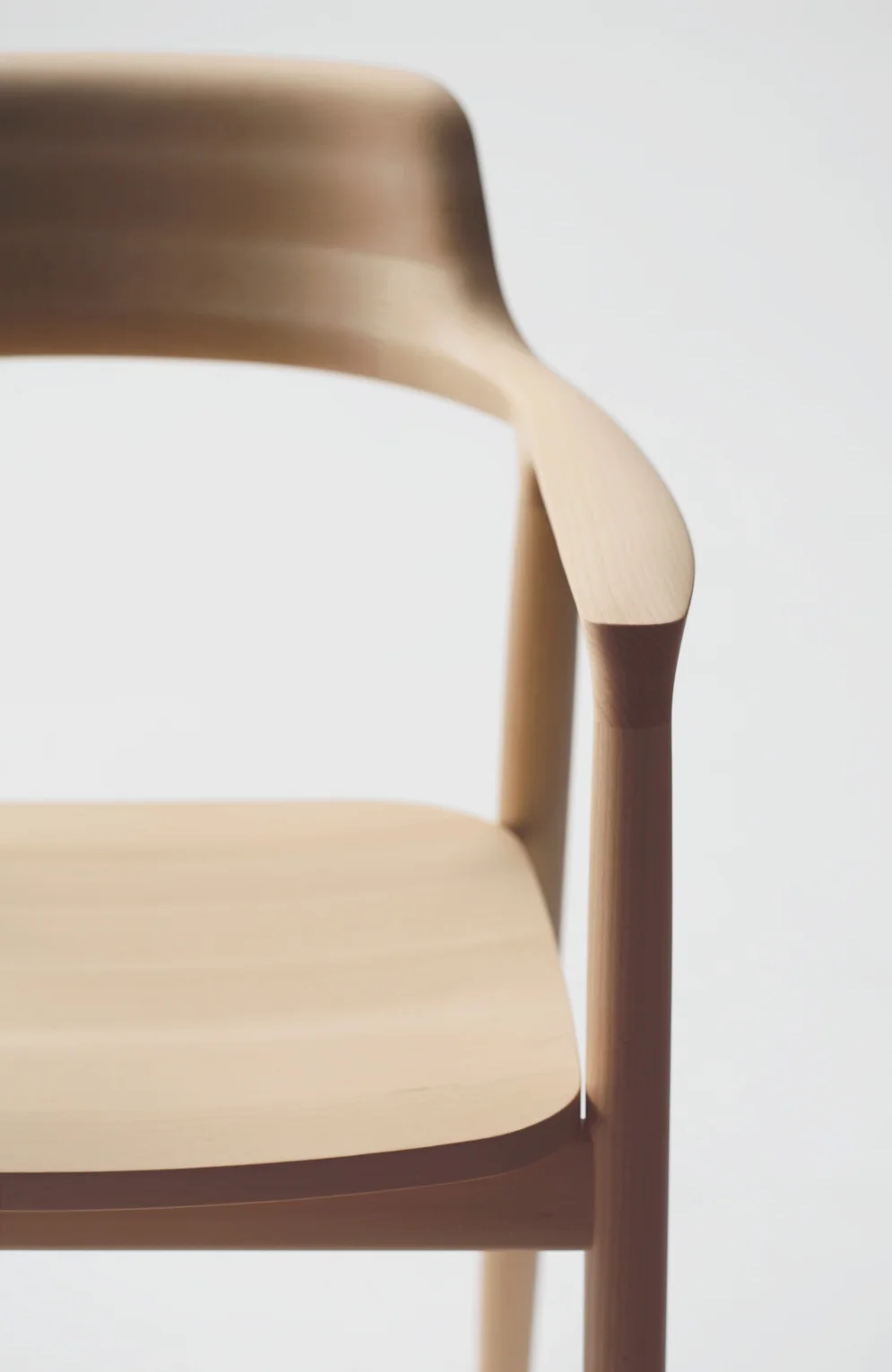
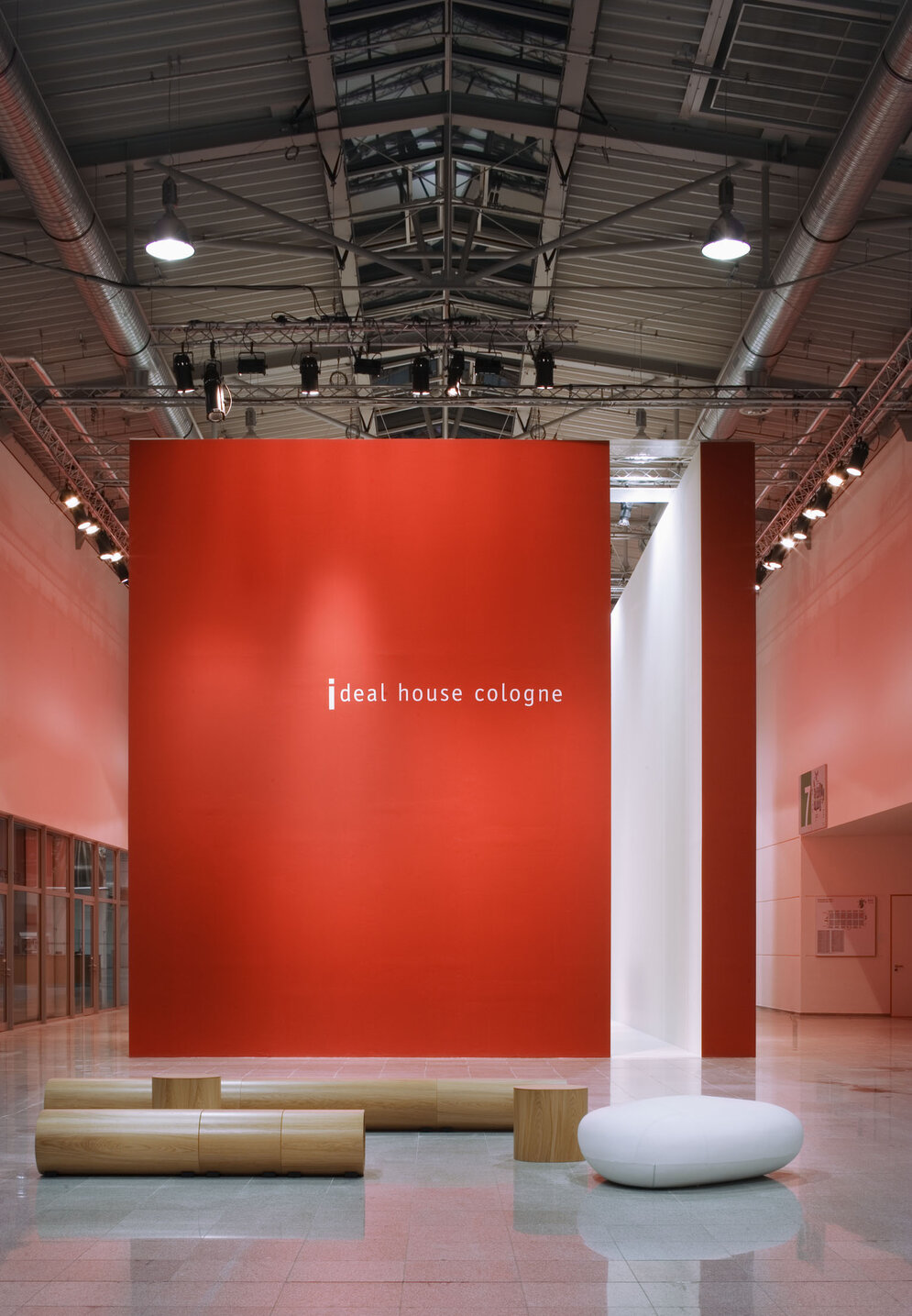
I remember the “Ideal House” you designed for the 2007 edition of imm Cologne. A project conceived and for many years organised by the German Design Council. At the time, Zaha Hadid was your counterpart, as there were always at least two Ideal House concepts presented at the fair. What are your memories of that project?
Zaha and I were looking in very different directions. I believed that what is universal in design does not change significantly, while I think Zaha was pursuing a universality that evolves and transforms toward the future. Both approaches, in my view, were grounded in strong and well-balanced design philosophies.
For decades, German design has been described as “rectangular and reliable”. Do you think that this image still holds true in today ́s global markets?
That perception remains relevant. It is comparable to sensing a certain kind of order within chaos.
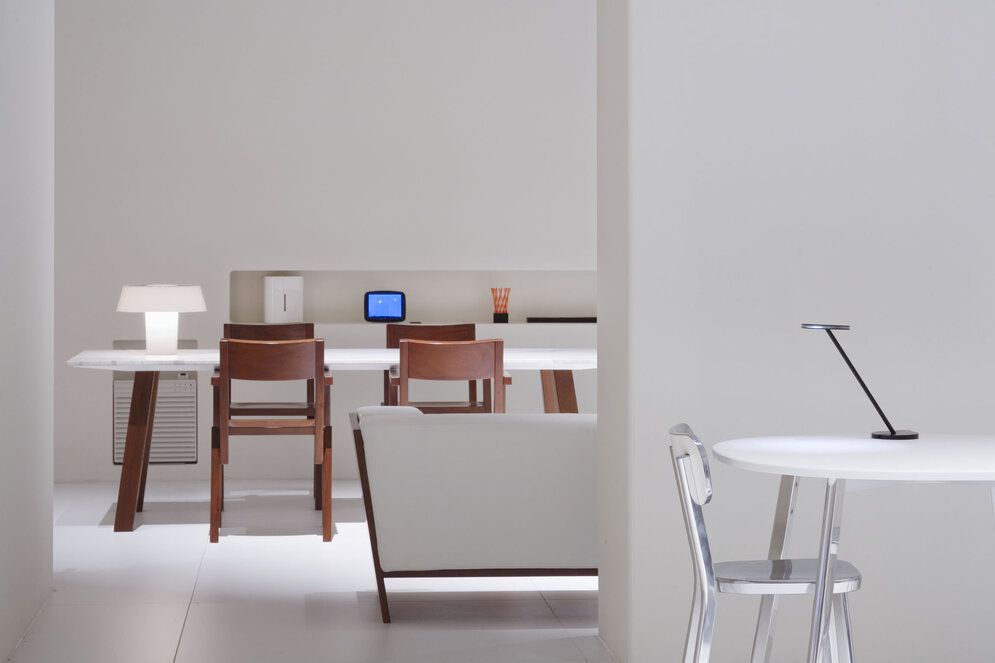
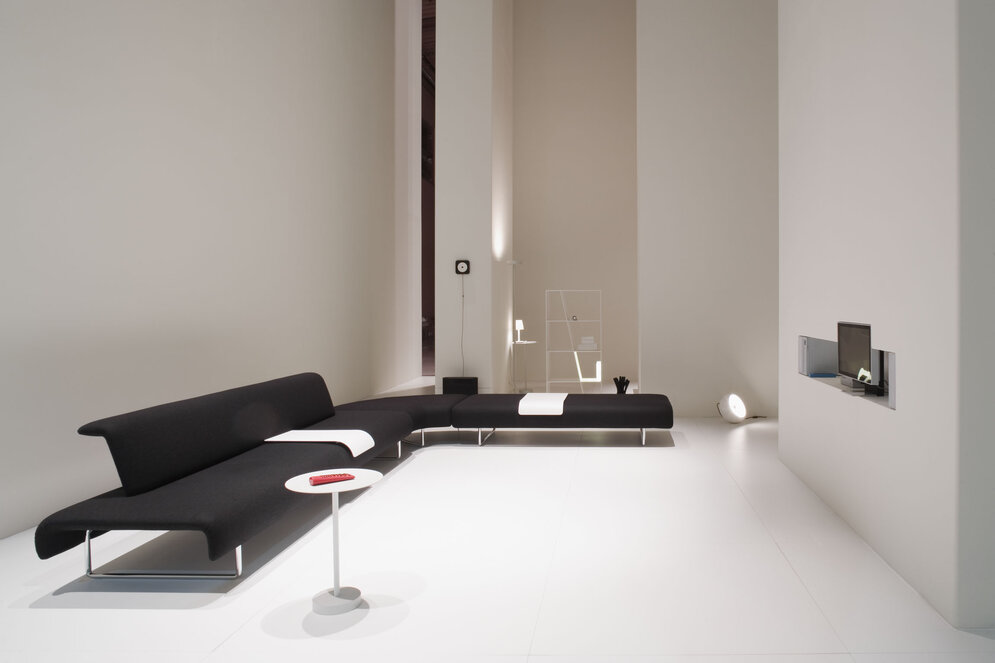
Together with Jasper Morrison, you coined the term “Super Normal” to describe very simple, unpretentious designs of tools and everyday objects. Do you still encounter products today that, in your view, fall into this category?
I often come across things that feel super normal. It is an act of rediscovering the ordinariness of everyday life. I am deeply involved with Muji, and our aim there is to create products that will eventually become super normal.
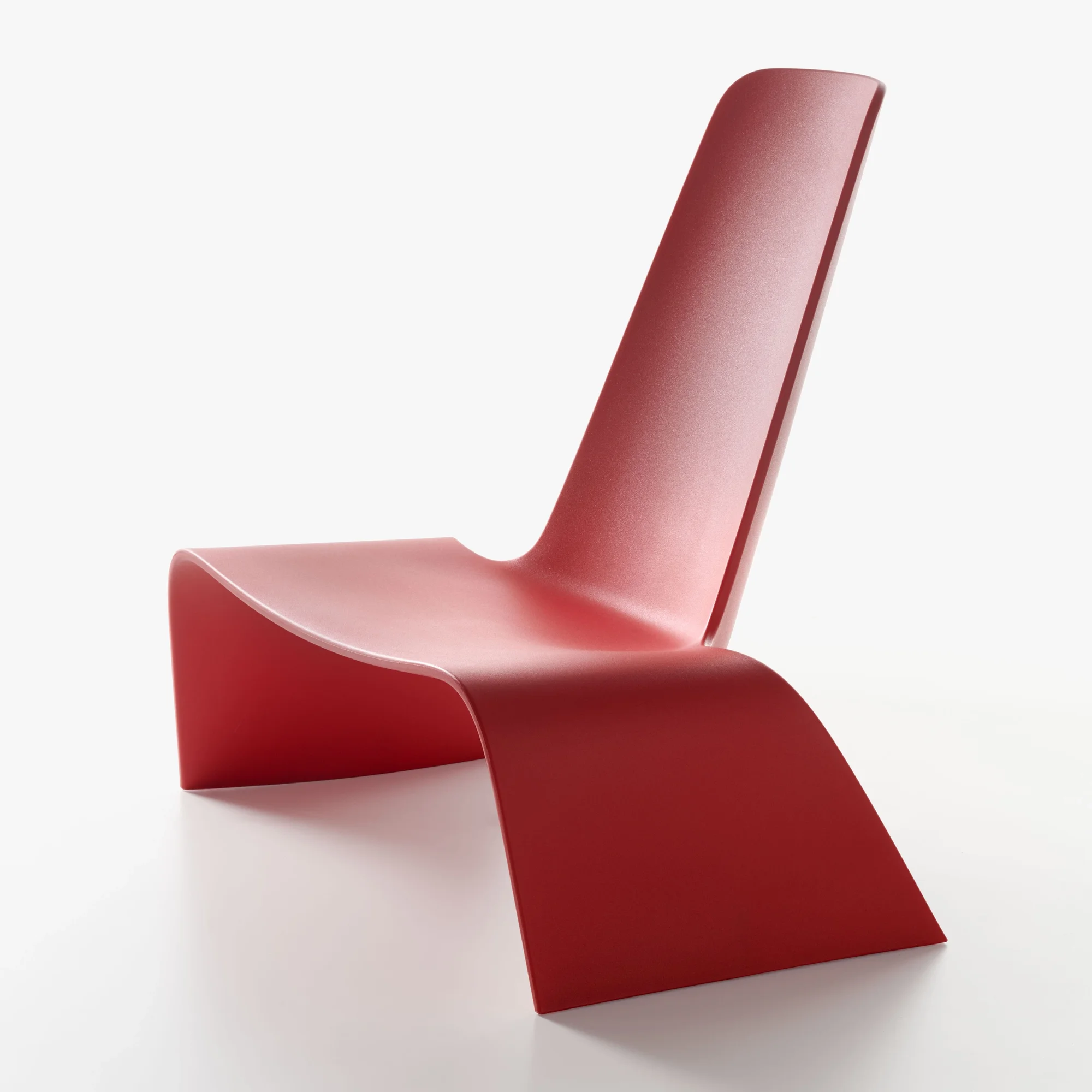
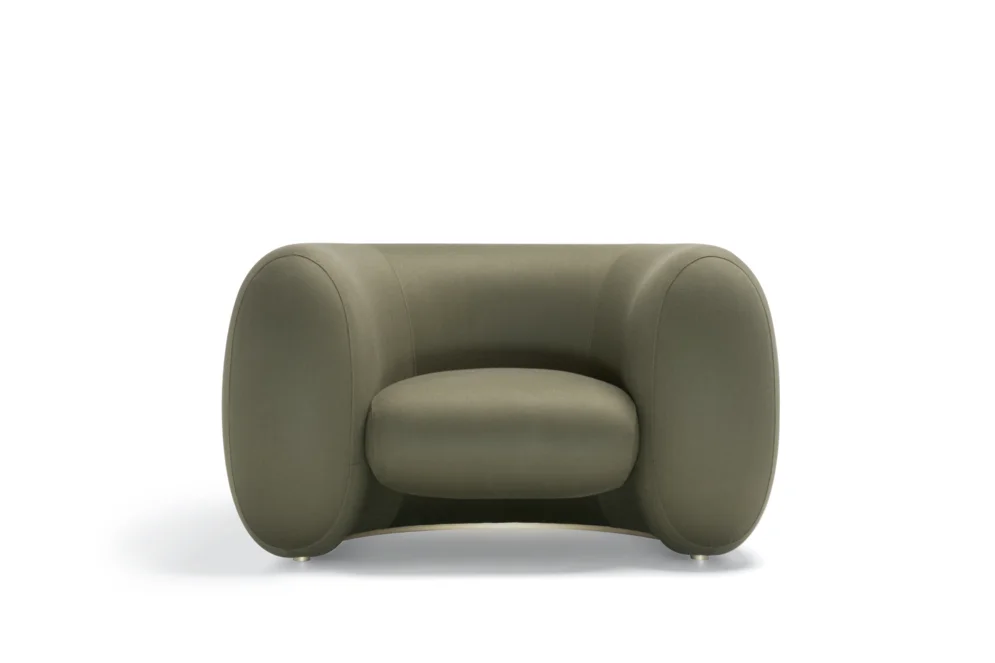
In 2023, your “Land” lounge chair for Plank received a German Design Award. To me, it feels almost sculptural: very distinctive, minimal, but not necessarily “super normal”. How do you see it?
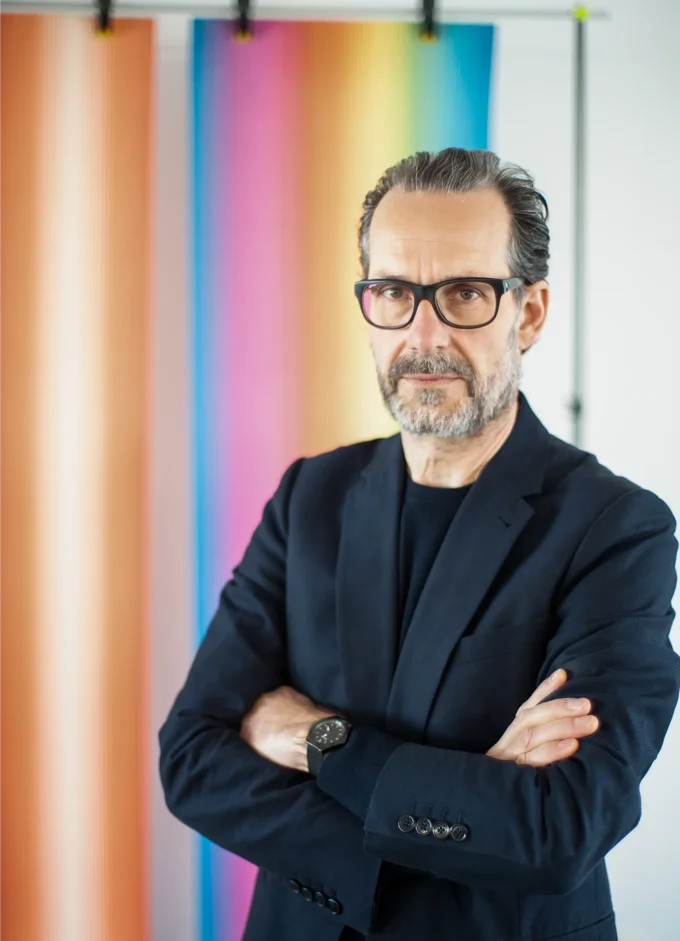
The design originated from images such as a landing spacecraft or a twin-hull boat. While the way of sitting is open and free, there was also the image of a cockpit or a pilot’s seat. This is different from the concept of super normal. Rather, I see it as aligning with the radical and bold proposals that Konstantin Grcic and I implicitly share in our work at Plank. I have great respect for Konstantin.
Many of your products embody the idea that good design should almost disappear into everyday life. How do you know when a design has reached that state of quiet, almost invisible simplicity?
For people who are interested in design, an object should offer a deep and inspiring experience. At the same time, if people use an object without even being aware that it has been designed – if they simply use it naturally – then it is truly fulfilling its function.
How challenging is it to transform a simple design into a truly elegant solution? Have some projects been particularly demanding in this respect?
When observing the world, it is important not only to look but to cultivate the habit of seeing poetically. An ordinary scene can become poetic simply through the presence or absence of music. This sensibility, I believe, is essential for transforming something that is simply designed into something genuinely elegant.
What is your view on AI in design?Can it help generate and shape ideas, or do you consider it a threat to the profession? And have you ever used AI in a design project yourself?
Artificial intelligence does not give birth to ideas. If an idea is a tender sprout rising from a field, then AI is the force that can instantly till the soil, transforming it into fertile ground. At times, it may scatter seeds by itself. Yet the act of sowing what truly matters must remain in the designer’s own hands. That is what we call humanity.
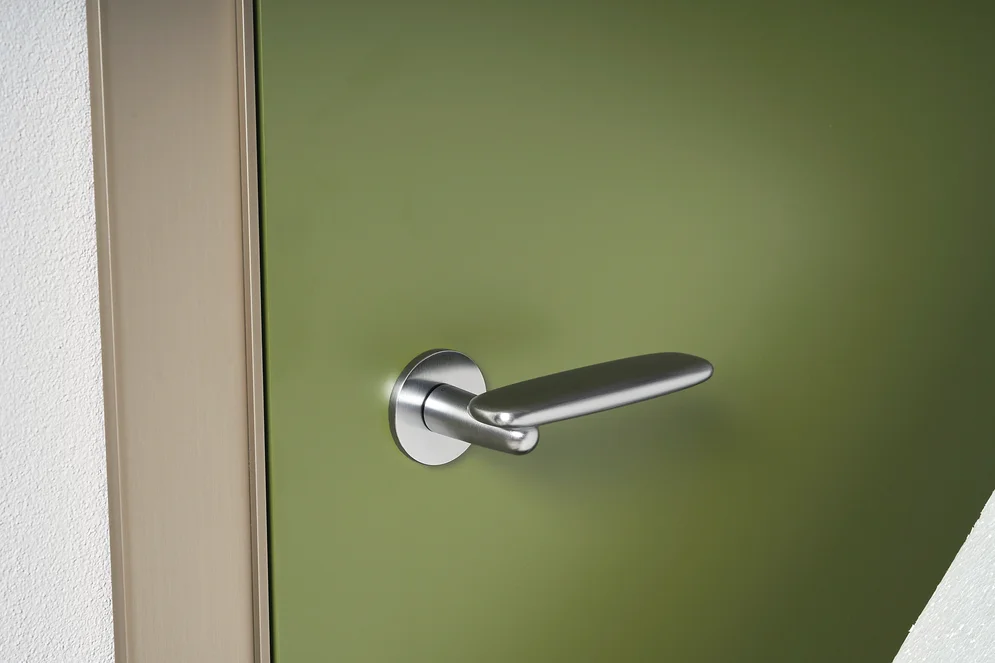
Observation plays a crucial role in your approach. Are there particular situations or behaviours you have observed recently that sparked a new design insight?
Observation is not so much about looking at something visible, but about touching the environment with your eyes. Even when our eyes are open, we only truly see what we consciously focus on. At the same time, all surrounding information is stored in our memory. Sometimes it suddenly resurfaces and becomes an insight—like realising, “Ah, I’ve known this before. This is why beer glasses are thick.”
Could you explain this a bit more please?
For me, observation is the act of the eye as a kind of tactile sensor, touching the grain of the world. Consider the difference between a thin wine glass and a thick beer glass. The pressure your fingers apply is not the same. A thin glass pushes back more strongly against your fingers than a thick one. This adjustment happens visually, before it becomes physical. That adjustment turns into a gesture—and ultimately, it changes the way we drink wine and the way we drink beer.
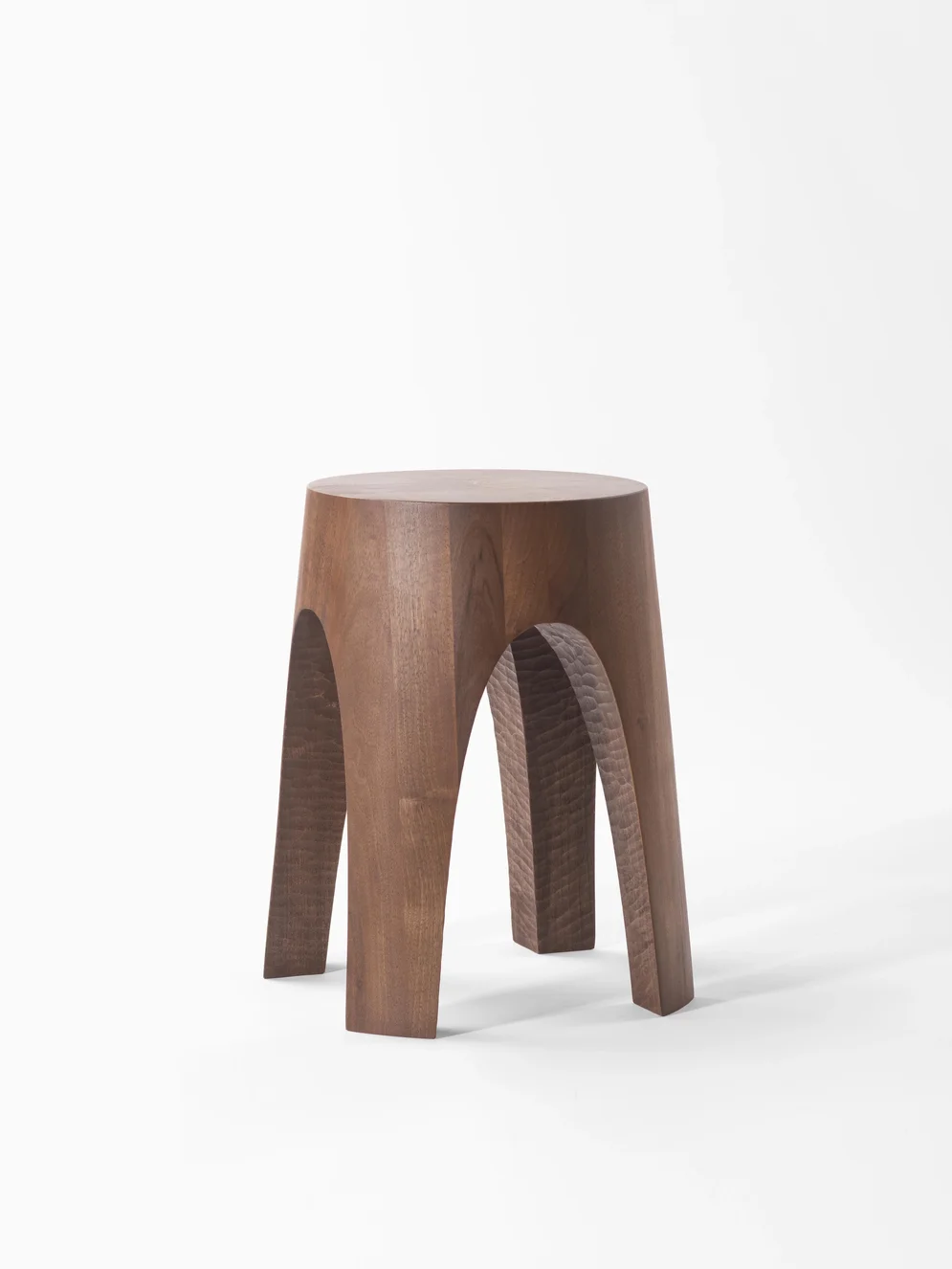
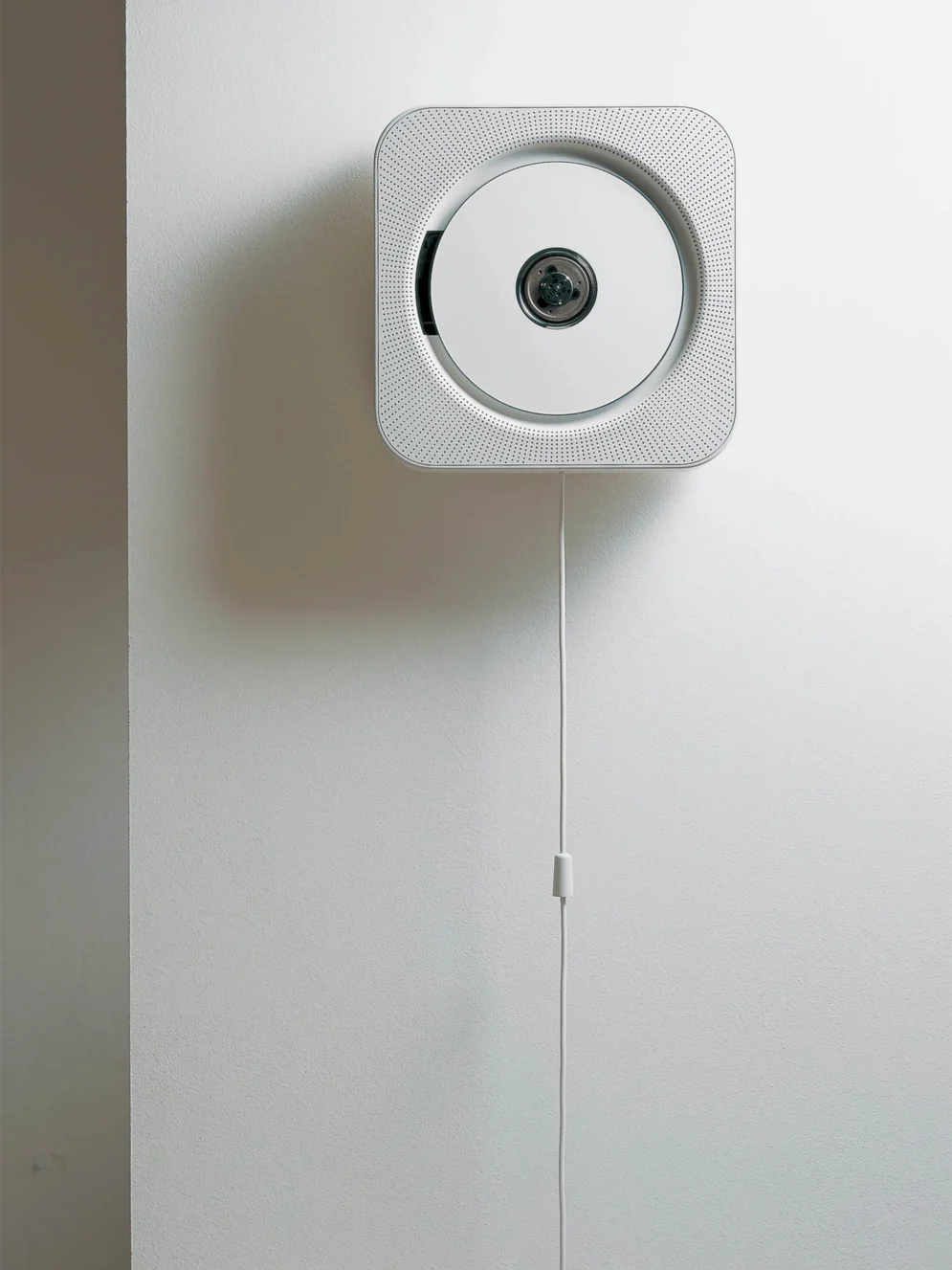
Aspects like longevity and ecological responsibility are often associated with your work. How do you define sustainable design today, and how do you ensure that products remain relevant over time rather than becoming disposable?
Do not produce more than necessary. Do not buy more than necessary. Use things for a long time. And do not use materials that are harmful to the environment. Eliminating waste by using only what is truly necessary is, in my view, a fundamental principle for everyone.
Is it still difficult to convince companies to adopt ecological materials and sustainable production methods?
Many companies still lack confidence when it comes to using environmentally responsible materials or adopting sustainable production methods. However, I do believe they are becoming increasingly aware of the issue and that this growing awareness is gradually helping their thinking to evolve.
What advice would you give to someone studying design today?
Both nature and human life exist within chaos. It is the kind of order that seems to arise naturally from within that chaos — almost as if it had simply emerged — that moves people deeply. Design, too, is an act of embodying things that appear to have come into being without intention or purpose. I would like young designers to understand this and to recognise that human beings themselves are part of nature.
About Naoto Fukasawa
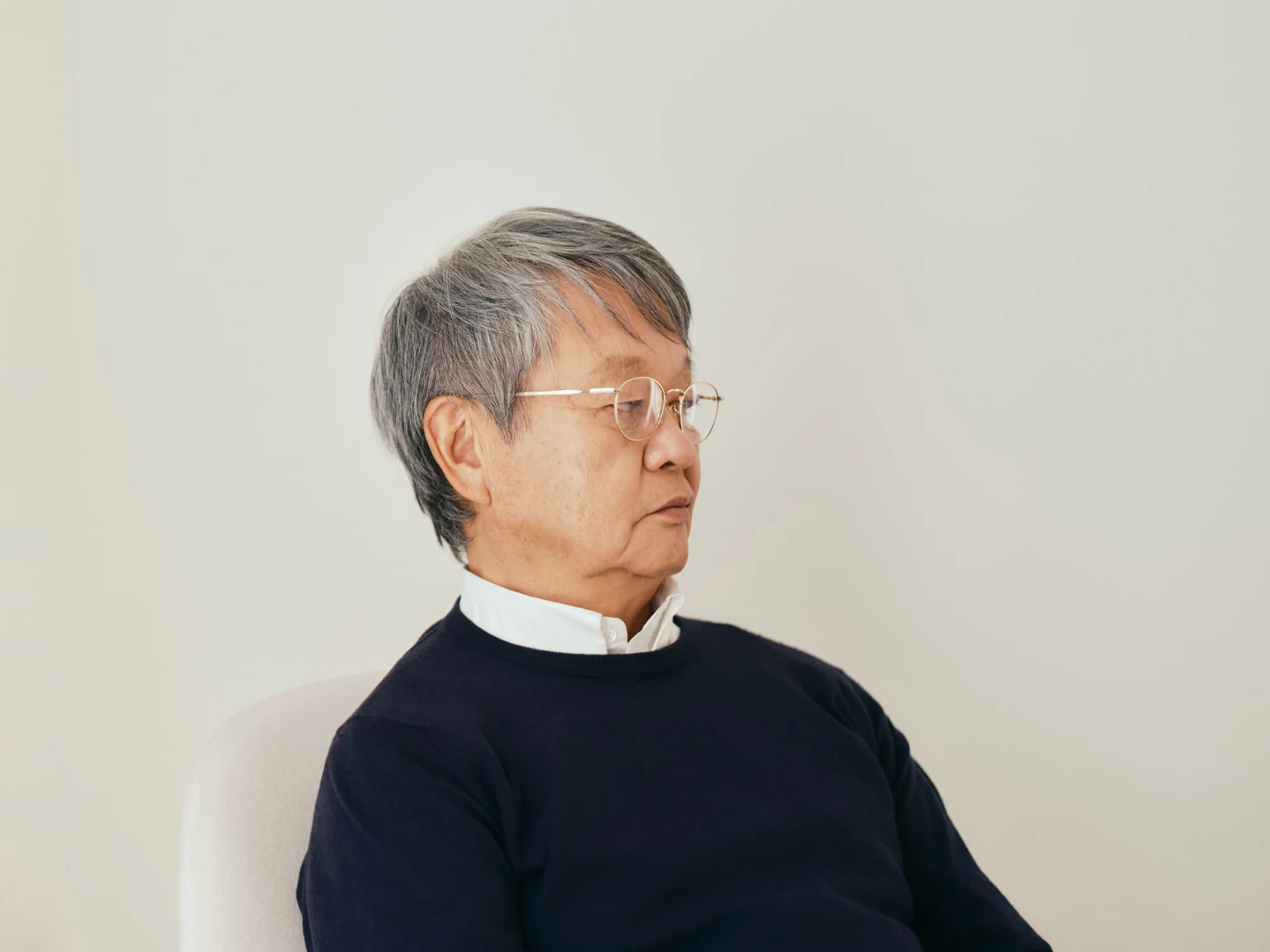
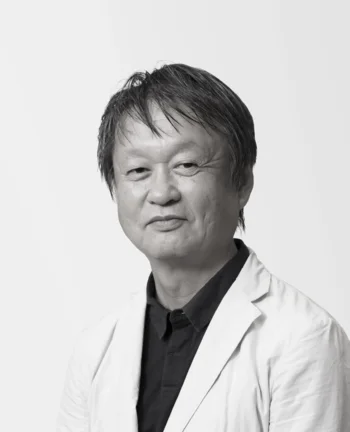
Naoto Fukasawa was born in Yamanashi Prefecture, Japan, in 1956. He studied design at Tama Art University in Tokyo and gained early professional experience as a designer. In the late 1980s, he moved to the United States, where he joined ID Two, the predecessor of IDEO, in San Francisco. After returning to Japan, he played a key role in establishing IDEO Japan before setting up his own studio, Naoto Fukasawa Design, in Tokyo in 2003. In addition to his international design practice, he was a member of the MUJI advisory board and founded the +/–0 brand, which is dedicated to designing functional everyday products. Fukasawa teaches product design at Japanese art colleges and works for international brands in Europe and Asia. In 2007, he realised the ‘Ideal House’ at imm cologne on behalf of the German Design Council. His work has received awards worldwide, most recently in 2026 as Personality of the Year at the German Design Award.

The 'Personality of the Year' category of the German Design Award recognises individuals who drive transformative change through innovative ideas. This special distinction is reserved for individuals whose work has significantly influenced design and had a positive impact on society and the environment. Previous winners include visionaries such as Paula Scher, Jil Sander, David Chipperfield, and Hartmut Esslinger.