Everything is Design
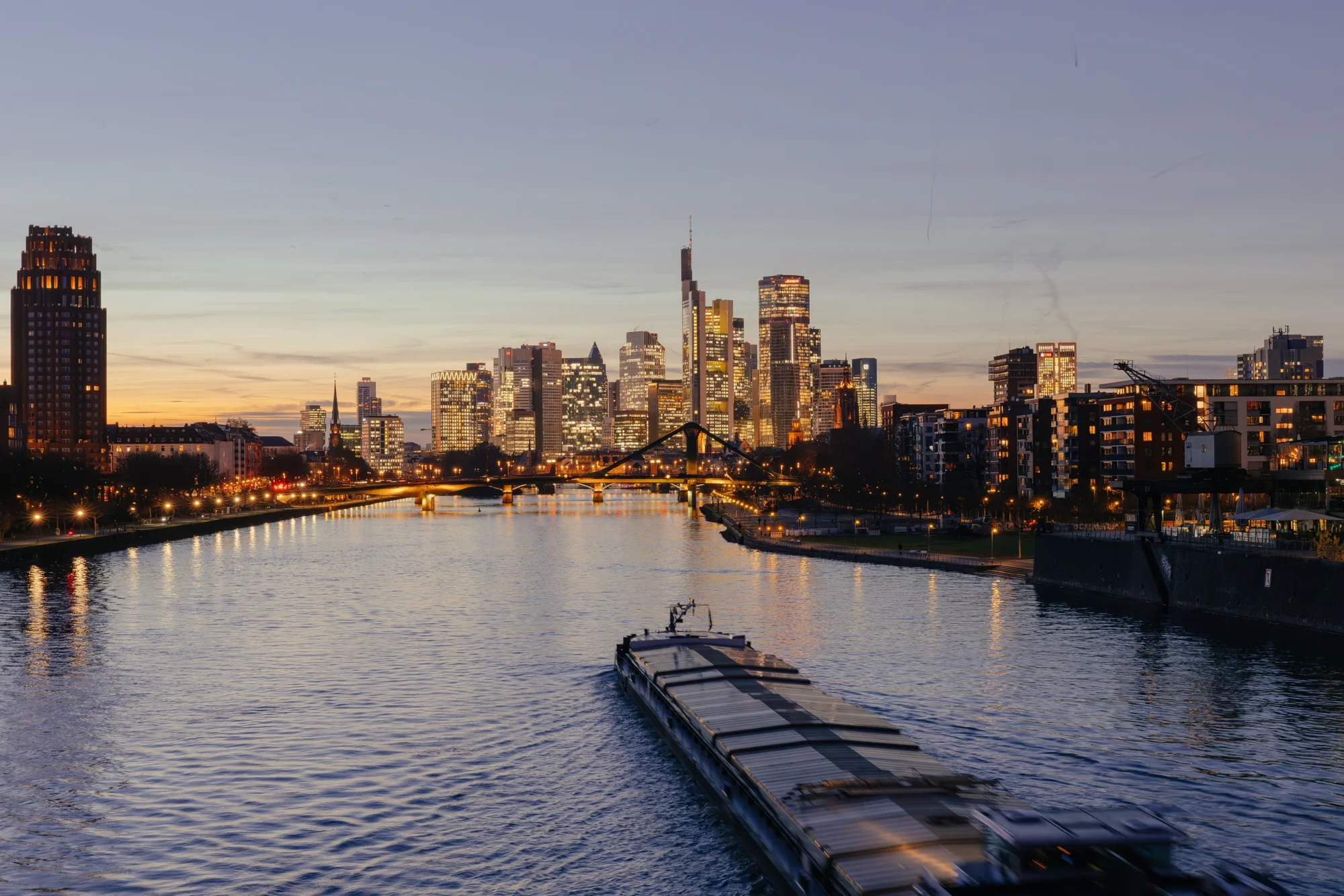
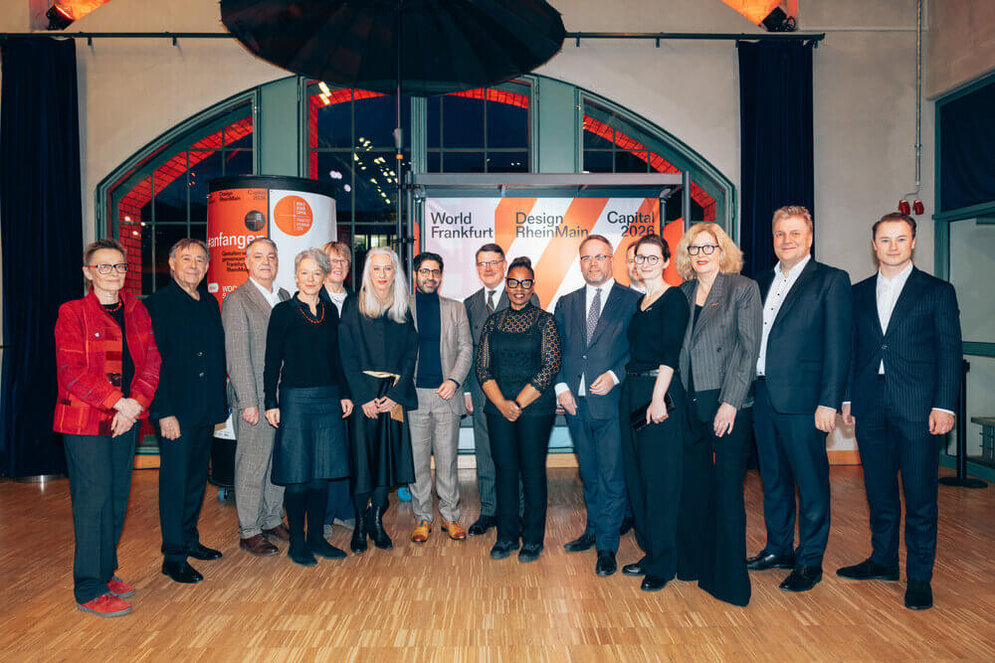
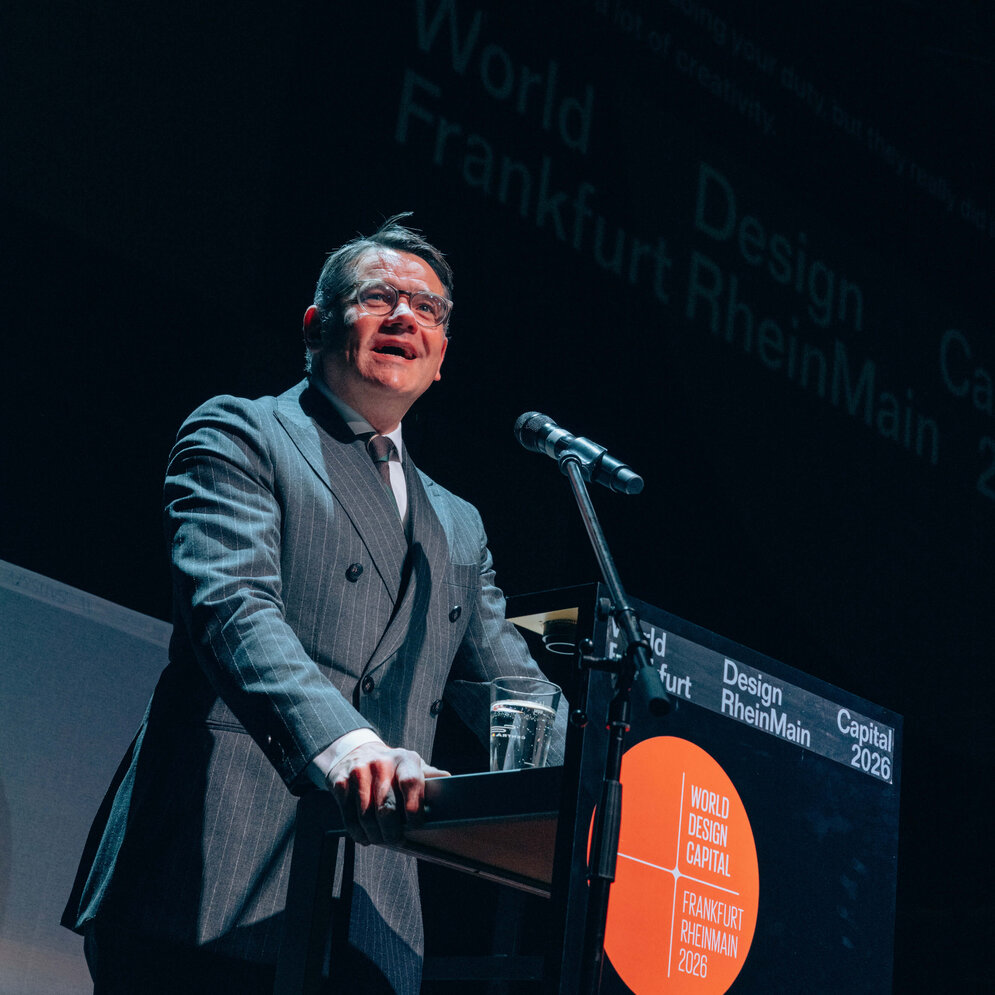
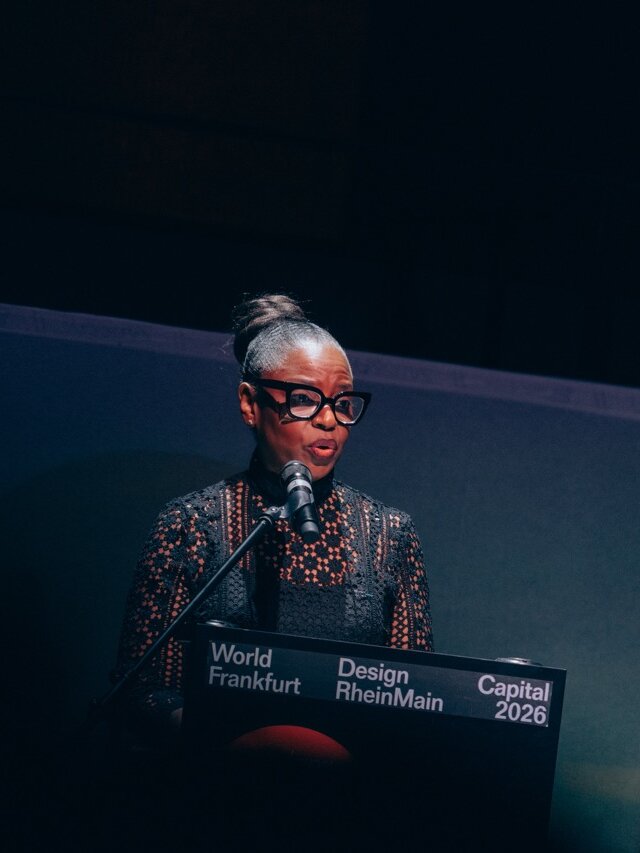
Anyone seeking to explain Frankfurt and its surrounding region cannot avoid mentioning commerce and culture in the same breath. Cosmopolitanism and an appealing sense of down-to-earth pragmatism coexist here more closely than anywhere else in Germany. Since last week, another pairing has been added to the mix: democracy and design. On Friday, World Design Capital Frankfurt Rhine-Main 2026 celebrated the official start of its programme year with a “Grand Opening” at the Centralstation in Darmstadt. Under the motto “Let’s shape Frankfurt Rhine-Main together”, the organisers aim to set a movement in motion over the coming months—one that explores how design can contribute to a future that is liveable, democratic and economically sustainable.
Since 2008, the non-governmental World Design Organization (WDO), based in Montreal, Canada—among whose founding members is the German Design Council—has awarded the title of World Design Capital (WDC). Every two years, the distinction is granted to a city that, through a competitive application process, commits to highlighting the social significance of design through a year-long programme. With Frankfurt Rhine-Main, a region is being honoured for the first time. It follows the US–Mexican neighbouring cities of San Diego and Tijuana (2024) and the Spanish city of Valencia (2022).
Demokratie durch Design
The Frankfurt bid was initiated as early as 2014 by the Werkbundakademie Darmstadt. With the appointment of Matthias Wagner K, Director of the Museum Angewandte Kunst Frankfurt, as project lead, the initiative began to take conceptual shape towards the end of 2020. The Frankfurt Rhine-Main region ultimately entered the international competition under the title “Design for Democracy. Atmospheres for a Better Life”—a deliberate reference to Frankfurt’s role as the cradle of German democracy. Which designer has not, at some point, been guided by the hope that the world, with all its natural and social complexities, might be democratised—and thus improved—through design? What is less often considered is that we are all part of what is meant by the frequently, and somewhat diffusely, used term “design”.
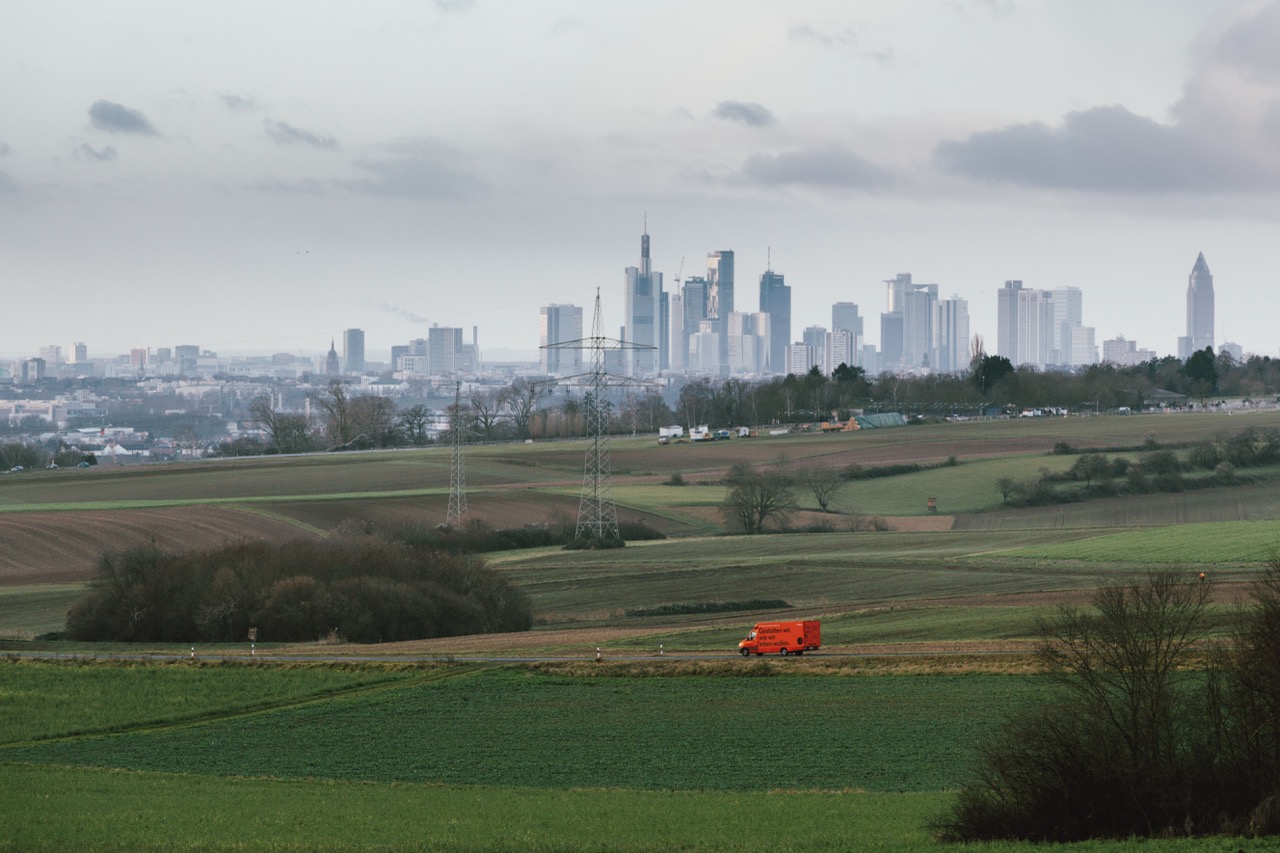
This mindset also formed the basis of Frankfurt’s WDC application. “We deliberately wanted to connect the roots of design with the social, societal and democratic processes in Frankfurt Rhine-Main. We saw this as a distinctive feature compared to other potential candidates—no previous World Design Capital had placed this at the centre of its bid,” says Anna Scheuermann, expert in architectural communication and co-author of the WDC application. “The WDC tour, during which we stopped at more than 20 locations across the region in autumn 2022 with the red workshop van, was the first truly tangible and motivating moment of the application process. Together with a young team, we drew attention to our ambition everywhere, gathered initial ideas and ultimately used these as the foundation for the application document—a vision for 2026 that Matthias Wagner K and I wrote together.”
“We deliberately sought to connect the roots of design with the social, societal and democratic processes of Frankfurt Rhine-Main. We saw this as a distinctive quality in comparison with other potential candidates—something no previous World Design Capital had placed at the centre of its bid.”
Anna Scheuermann, Co-author of the WDC bid
Frankfurt was able to impress the WDO’s independent selection committee, which brings together international experts from design, politics, academia and culture. As WDO President Pradyumna Vyas explains: “When we look at the applications submitted over time, we often recognise recurring strengths such as strong design industries, cultural institutions and ambitious programmes. At the same time, each cycle of the World Design Capital reflects its own moment,” he continues. “The Frankfurt Rhine-Main application stood out for directly addressing the current social and political context. Its focus on Design for Democracy. Atmospheres for a Better Life felt timely and necessary, as it acknowledges that design today is not only about form, style or innovation, but also about participation, civic engagement and creative solutions to the challenges we face.”
The Programm
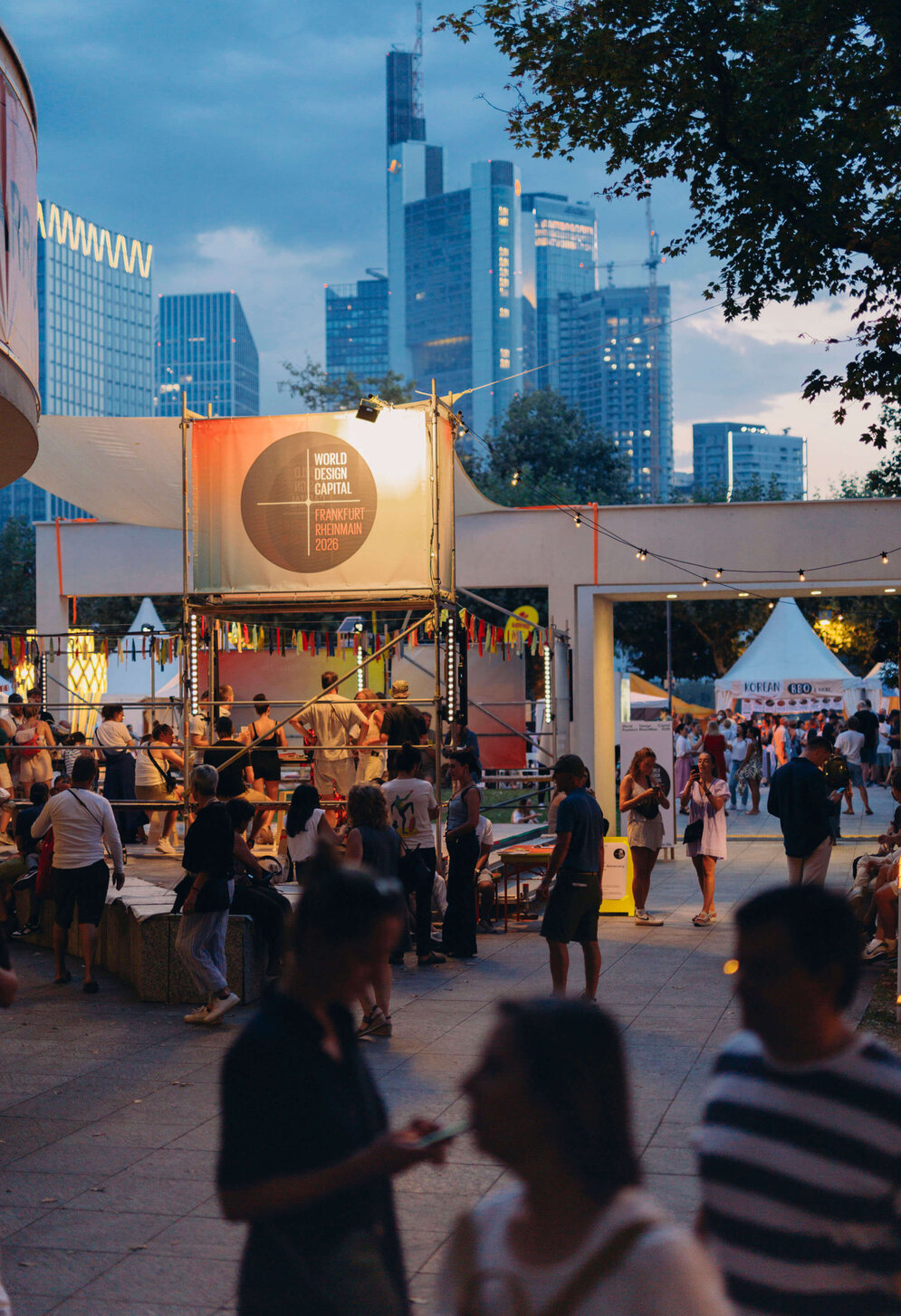
Anyone who has spent a morning at a local market in Frankfurt will sense how naturally people there choose a collaborative approach—engaging in conversation, exchanging ideas and supporting one another. Open, easy-going dialogue unfolds on equal footing, regardless of financial or cultural background or individual ways of life. This very openness is also reflected in the annual programme of this World Design Capital, which unfolds across Frankfurt am Main, Darmstadt and Wiesbaden, Hanau and Offenbach, as well as numerous other districts and municipalities. Alongside its own curated formats, the team led by Programme Director Barbara Lersch issued an open call in advance, resulting in nearly 2,000 events that form part of a total of 450 projects.
To ensure clarity and orientation, the programme is structured around five thematic focal points, each concentrated on specific months and brought to life through exhibitions, festivals, conferences, workshops and tangible urban projects. Under the theme “Shaping Living Spaces Together”, February, March and May will explore topics such as climate-adaptive construction, modular forms of housing and future-oriented mobility. In April and June, the focus shifts to “Rethinking Learning, Exploring Design”. June also addresses “Future Cycles: Design, Craft and Industry”. In August and September, the WDC year turns “With All the Senses”, highlighting democratic dimensions of culture, media, digitalisation and sport.
From November to December, the programme concludes on a design-theoretical note with the thematic focus “Design in Dialogue – in Politics and Society”. This includes the World Design Policy Days, which bring together decision-makers, designers and researchers at the invitation of the WDO to develop concrete recommendations for design-driven policymaking. In exchange with initiatives such as the New European Bauhaus, the EU Policy Lab and BEDA – the Bureau of European Design Associations, the conference aims to produce the Design Action Plan Frankfurt Rhine-Main, offering impulses for a future-oriented European design policy.
From Design Week to World Heritage
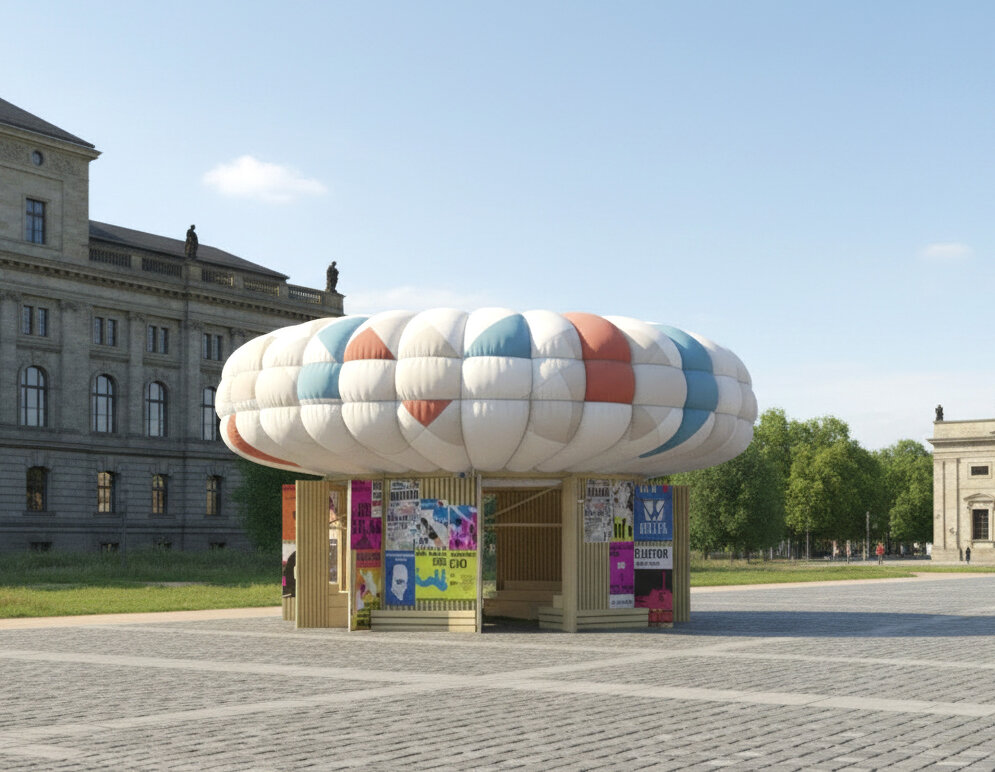
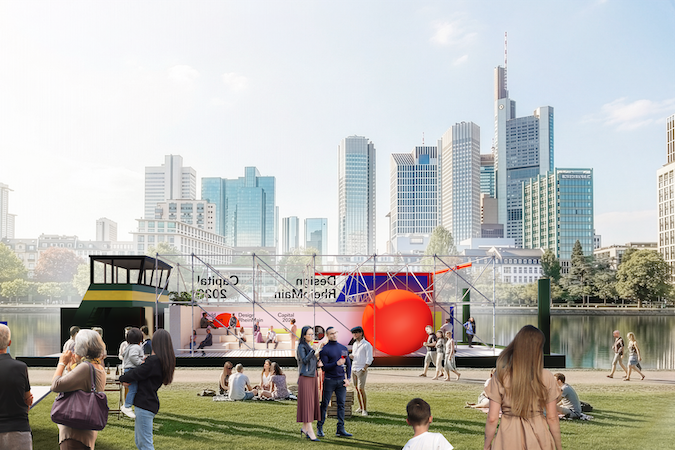
For visitors, it will be particularly worthwhile to explore the programme highlights later in the year. These include Open – Design Week Frankfurt Rhine-Main (5–14 June) and the Module Festival (13–16 August), which brings together music, design and social issues under the guiding theme Design for Democracy. Serving as a central point of reference throughout the entire WDC year, the WDC Hub opens on 24 January at the Museum Angewandte Kunst Frankfurt, featuring pop-up exhibitions and interventions. The WDC Campus, also located there (15 April–9 August), offers students, graduates and start-ups a platform to present innovative projects and visions for a sustainable future of society, business and politics.
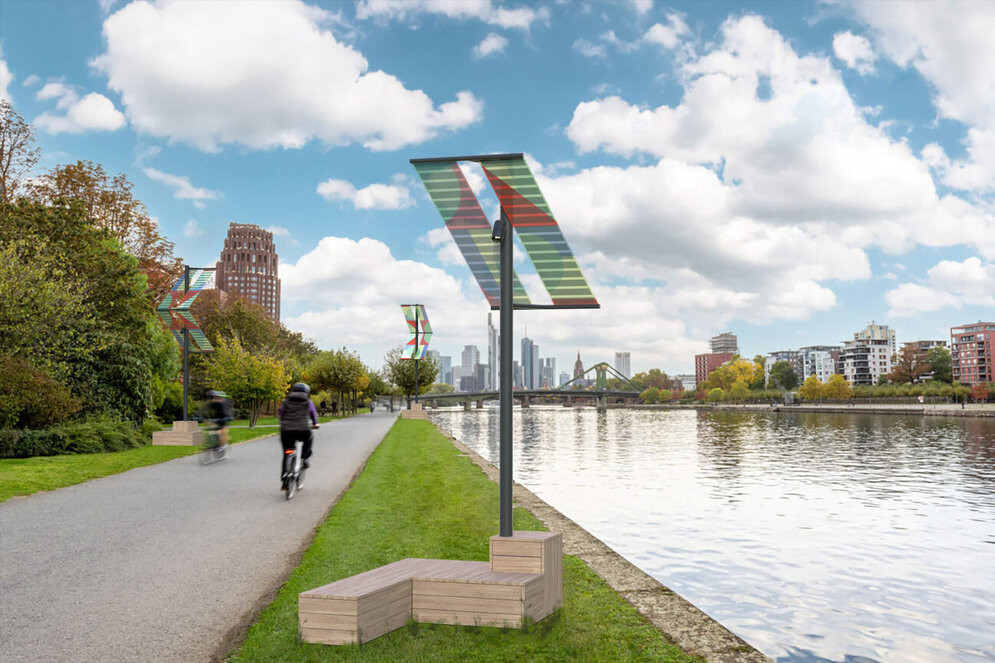
Over the course of spring, green installations can be discovered on the façades of residential buildings across Frankfurt, as the participatory project Schattengrün by OMC°C tests a reversible shading system. Between May and October, Tobias Trübenbacher and Andreas Lang will illuminate the riverside promenade beneath the iconic ECB tower with their self-sufficient lighting project Main-Light. From 28 May onwards, the exhibition A Step Ahead at the artists’ colony and UNESCO World Heritage Site Mathildenhöhe Darmstadt, marking its 125th anniversary, is an absolute must-see.
What Legacy the WDC Year Will Leave
What will remain of all this once the twelve months have passed? “Depending on local priorities and context, the designation as World Design Capital has had differing impacts, but in many cases it has led to lasting change,” emphasises Pradyumna Vyas. “The year in which Helsinki was World Design Capital (2012), for example, helped to reshape how design is embedded in public administration, political decision-making and public services. Design thinking became a tool for citizen participation and for the redesign of public services. Today, a Chief Design Officer and the Design Helsinki team oversee the effective implementation of design and design thinking across all levels of the city administration.”
The economic expectations associated with the title are also likely to be considerable. The WDC year is funded by three main public supporters—the State of Hesse, the City of Frankfurt am Main and the Kulturfonds Frankfurt Rhine-Main—alongside additional cities and municipalities across the region, together amounting to a shared public budget of €14.3 million. A further €1.7 million is contributed by various institutions, companies and foundations through co-financing, in-kind support and donations. This brings the total to €16 million—ideally a long-term investment in the creative hub of Frankfurt Rhine-Main. In Valencia (World Design Capital 2022), the long-term impact is clearly tangible. As Pradyumna Vyas reports, the city administration has since anchored design within government structures by establishing a design council. “The programme also generated measurable economic effects: every euro invested in the WDC programme returned approximately €1.80 in public revenue and €5.70 in income, attracting more than 350,000 visitors and stimulating both the city’s economy and the visibility of the design sector.”
Frankfurt Rhine-Main now hopes for similar outcomes. “World Design Capital 2026 is a future-oriented economic strategy for Frankfurt Rhine-Main. Design is a key competitive factor today. It drives innovation, strengthens businesses and enhances the attractiveness of our region for skilled professionals and investment,” says Stephanie Wüst, Frankfurt’s Councillor for Economic Affairs. Ideally, this year will therefore help to establish design as a societal tool that fosters democratic coexistence while also delivering economic value—rather than continuing to be misunderstood as mere aesthetic embellishment, a view that has long failed to do justice to its true significance.
Moving Business by Design
We are accompanying World Design Capital Frankfurt Rhine-Main 2026 with a range of initiatives. The programme opens with the first event in our talk series Moving Business by Design, held in cooperation with the Frankfurt Chamber of Commerce and Industry (IHK Frankfurt).
You can find all events organised by the German Design Council in the context of WDC 2026 here