‘My Mother Taught Me Not to Be Afraid of Big Ideas’
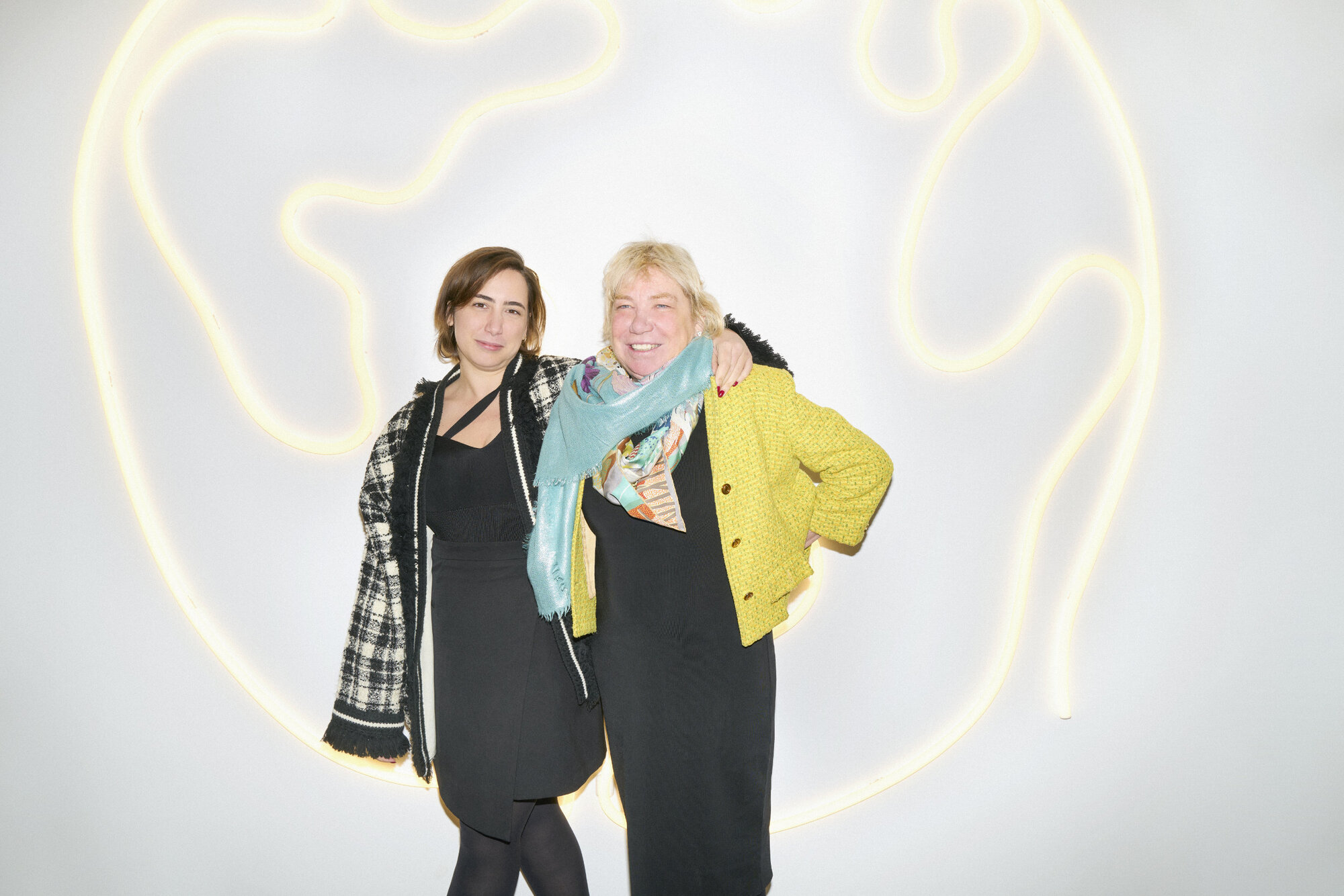
The doors are open, and the final preparations are underway. In just a few hours, the opening will be celebrated here. Only a few metres from the previous showroom, Artemide has relocated to a generous corner space at Baseler Platz. Two floors, double the window frontage, and considerably more room than before. Even before the first guests arrive, Carlotta de Bevilacqua and her daughter Carolina Gismondi de Bevilacqua welcome us. Warmly, attentively, and with the natural ease of hosts who want not only to show this place, but also to tell its story.
A tour of the light-filled ground floor follows. Carlotta de Bevilacqua repeatedly pauses to explain the development of individual luminaires, emphasising the extensive research that lies behind their seemingly simple forms. Her husband’s name comes up again and again: Ernesto Gismondi, co-founder of Artemide, whose technical perspective and tireless curiosity remain part of the company’s DNA to this day. Carolina Gismondi de Bevilacqua adds her comments calmly and precisely—sometimes with an architectural reference to the space, sometimes offering insight into how a project has evolved over the years.
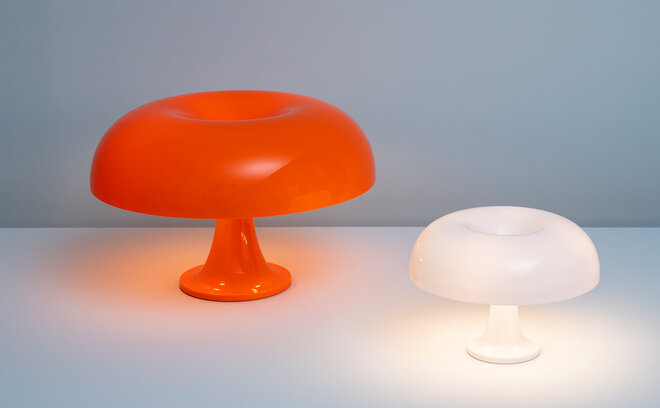
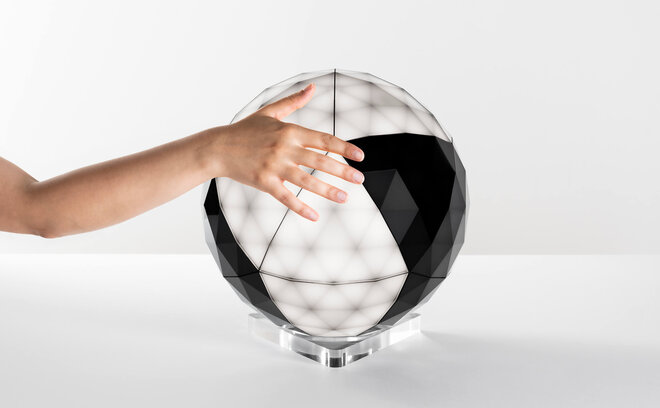
The exhibition in the Frankfurt showroom reads like a history of the brand: from well-known classics such as Eclisse, Tizio and Tolomeo to more recent designs such as Empatia and Ixa and the latest developments, including the sculptural luminaire Iperbole by BIG (Bjarke Ingels Group). Even during this short tour, it becomes clear what this conversation will revolve around: light as research, as design, but above all as a fundamental condition of life. And a company in which two generations work together on the next idea.
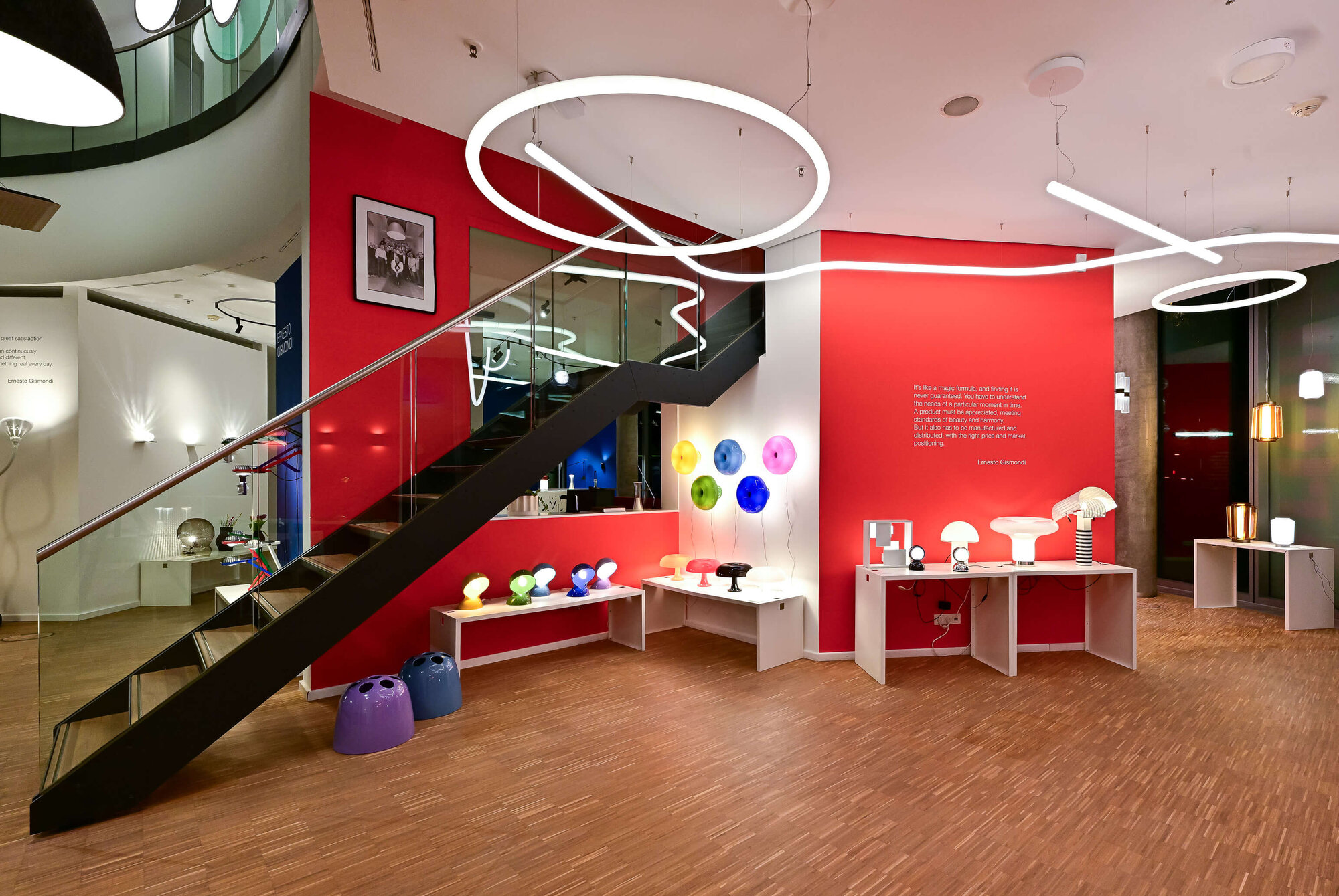
We are here in your new Frankfurt flagship store. The official opening is taking place this evening. Which products are at the centre of your presentation? What can you reveal today about Artemide’s current direction?
Carlotta de Bevilacqua: Almost all the luminaires presented in our new flagship store illustratewhat Artemide stands for: research, optical innovation and dialogue with architecture. Some of the products were introduced last year and are now available, while others are entirely new.
Many of our luminaires appear very simple at first glance. Yet behind them, there lies an enormous research effort. Optical systems, new geometries and patented technologies enable us to develop extremely slender lighting elements that shape spaces in an almost immaterial way. For us, it is not only about designing form. What truly interests us is exploring the role of light within architecture.
Artemide follows the concept of “The Human and Responsible Light”. What role does light play in human well-being?
Carolina Gismondi de Bevilacqua: The idea of “The Human Light” has been part of our research since the 1990s. My father studied extensively how light influences human well-being. Today, this research has become even more significant. With new technologies, we can now control light far more precisely. For example, we can support the circadian rhythm by recreating the qualities of natural daylight indoors. Light can help people wake up, enhance concentration, encourage relaxation, or prepare the body for sleep. Carlotta de Bevilacqua: Light affects us both psychologically and physiologically. It shapes our perception, our emotions, and our relationship with space. For Artemide, light is not merely a technical element. It is fundamental –essential to life, like water or air.

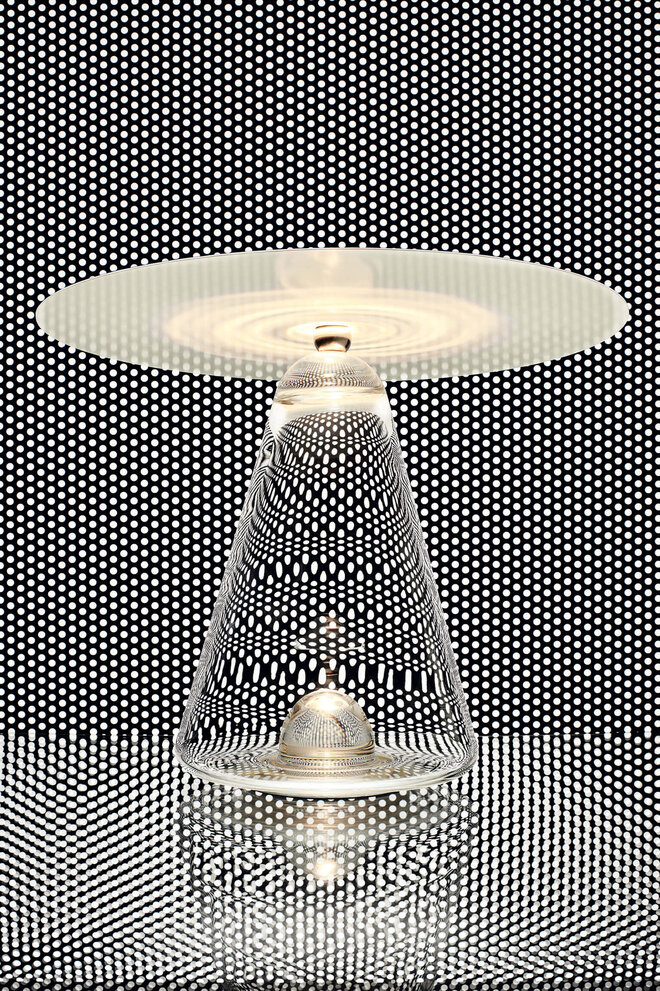
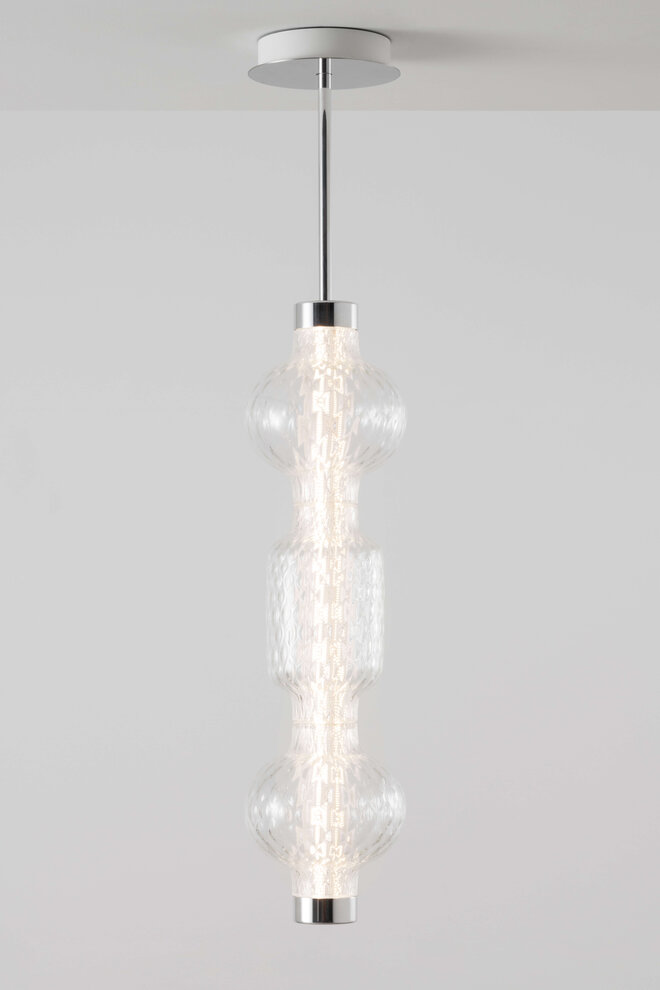
For decades, Artemide has worked closely with some of the world’s most renowned architects and designers –from Gio Ponti and Vico Magistretti to Norman Foster and BIG (Bjarke Ingels Group). What role do these long-term collaborations play in your research and product development?
Carlotta de Bevilacqua: Collaboration is deeply rooted in our history. Since Artemide was founded, my husband Ernesto Gismondi has built close relationships with architects—relationships shaped by friendship, dialogue and shared curiosity. With studios such as BIG, we continue to share common values today. It is never only about designing a single product, but about an ongoing exchange about architecture, space and the role of light. Architects often bring demanding ideas that push technology and production to their limits. They ask for things that initially seem impossible. Yet it is precisely from such challenges that the most important innovations often emerge.
Speaking of innovation: LED technology and digital control systems have greatly expanded the possibilities of light. How has this technological shift changed the role of designers?
Carlotta de Bevilacqua: LEDs, advanced optics, interaction, and digital control allow us to shape light with great precision. However, the fundamental understanding of design remains the same: it is about understanding how light interacts with people and space.
Has the meaning of “novelty” changed for you? Is it sometimes more important today to extend the lifespan of a product than to develop something entirely new?
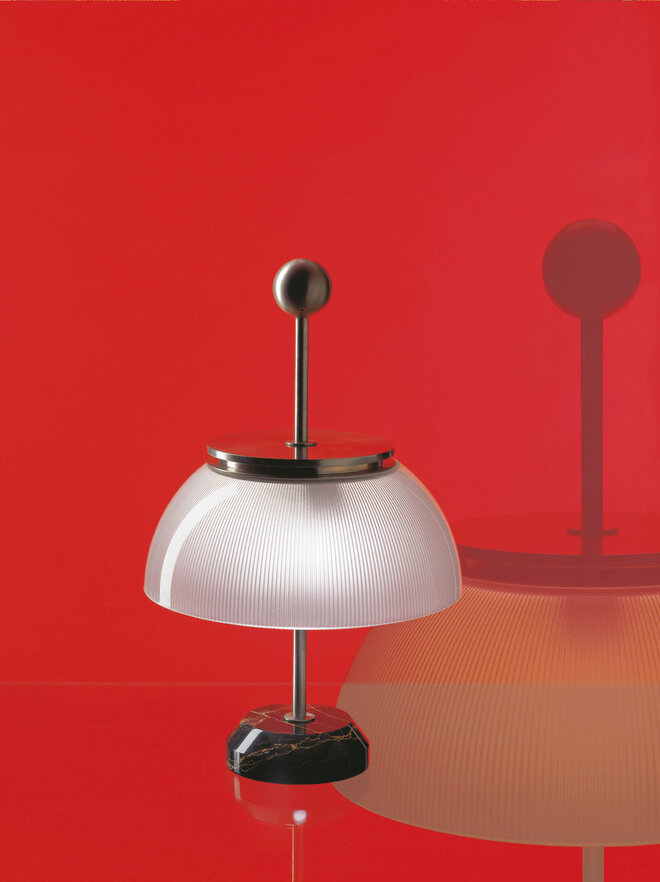
Carlotta de Bevilacqua: Yes, absolutely. We do not simply discard our history. Many Artemide designs were conceived as open systems that can evolve. We always preserve the original design idea while continuously updating the technological components. A good example is Hera, a table lamp by Ettore Sottsass from 1982. Or Sintesi, our very first luminaire, designed in 1975 by my husband Ernesto, which has now been reissued. Innovation, therefore, does not only mean creating something entirely new – it also means allowing existing ideas to continue evolving.
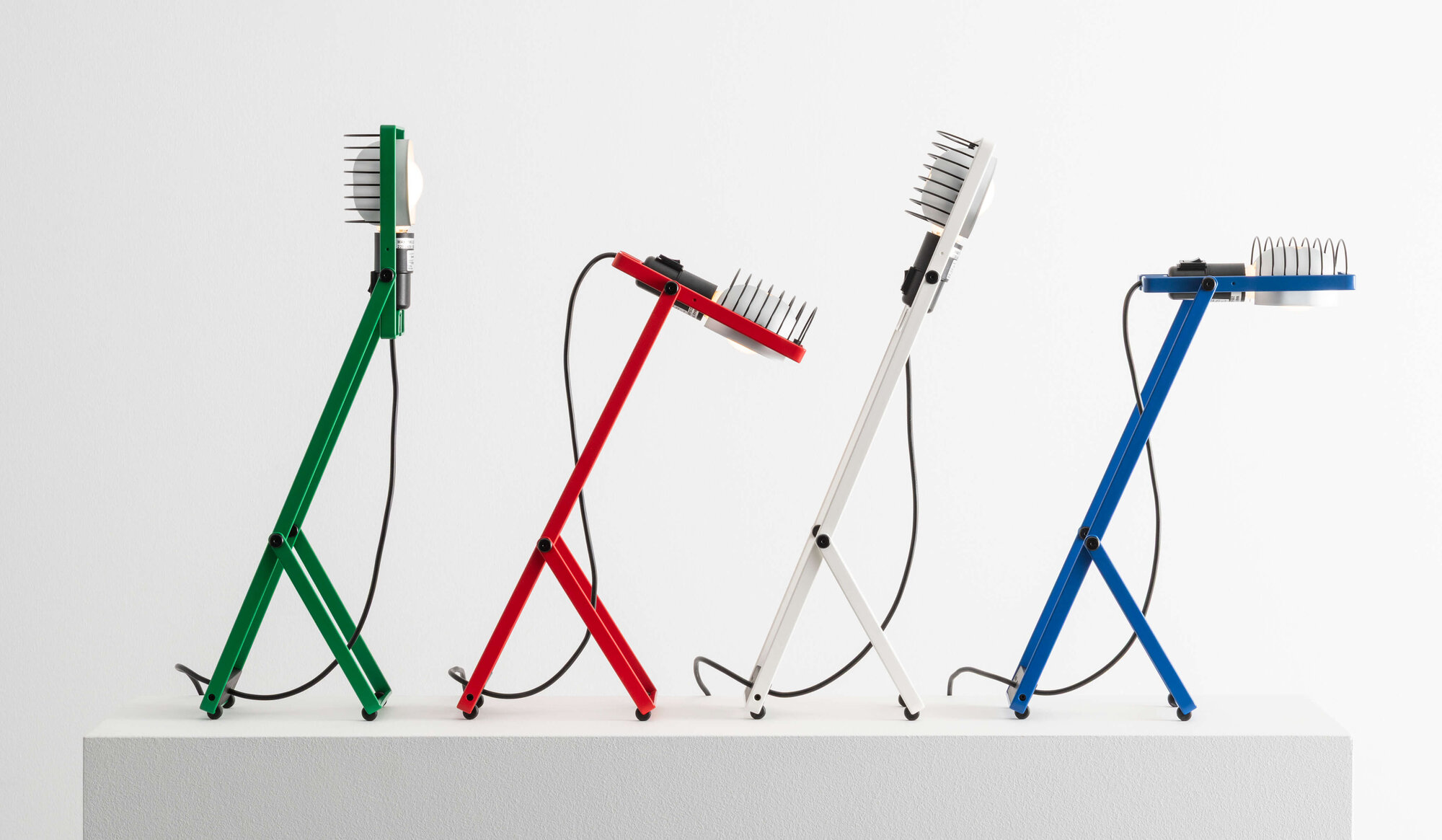
With luminaires such as Tolomeo and Eclisse, Artemide has created design icons that remain relevant for decades. What makes a lighting product truly timeless?
Carlotta de Bevilacqua: Longevity is closely linked to life itself. A luminaire accompanies people through different phases of their lives. It may move with them from one home to another, or even be passed on to the next generation. A timeless product combines a strong design idea with quality, technological intelligence, and the ability to remain adaptable – and therefore relevant – over time.
Carlotta, you were already shaping Artemide for many years as a designer and researcher before becoming President and CEO after Ernesto Gismondi’s passing in 2020. How has this shift in responsibility influenced the way you approach innovation and design today?
Carlotta de Bevilacqua: The transition has not changed my vision as much as it has expanded my responsibility toward it. Even before becoming CEO, I was deeply involved in shaping Artemide’s research-driven culture, where design is never an isolated act but part of a broader system of knowledge, experimentation, and human-centered thinking. Innovation, for us, is not just about new products, but about generating meaningful relationships between light, people, and space. This requires a long-term perspective, design becomes a strategic and ethical tool.
Do you lead Artemide more as a designer who manages a company, or as a CEO who happens to be a designer?
Carlotta de Bevilacqua: I don’t see these as separate roles. Design and business are deeply interconnected. To design means to have a vision and to be able to interpret innovation tools, technological opportunities, and cultural insights—elements that belong both to the role of a designer and to that of an entrepreneur, even if expressed in different ways. Today more than ever, the central point is having a vision: committing to giving meaning to the present and, above all, to the future. In this sense, I lead Artemide as a designer who embraces entrepreneurial responsibility—working to create what does not yet exist, to promote a new humanism that is deeply innovative in terms of technology and knowledge, and to respond to the evolving needs of a world that must be respected through flexible, adaptable, and accessible solutions. Artemide has always invested heavily in research.
How important is it for the CEO to personally understand the design and technological processes behind new products?
Carlotta de Bevilacqua: It is fundamental. There would be no Artemide without technology and innovation. Ernesto Gismondi founded it this way more than 60 years ago. He was an aerospace engineer and always combined knowledge with practical expertise. From the very beginning, he invested in research—both in production processes and in the most innovative materials and light sources. But also in cultural research, with a strong openness to leading architects, first in Italy and then worldwide, to interpret different cultures of light. As Ernesto taught me, understanding design and technological processes is the key to translating design culture into products distributed all over the world.
Carolina, you joined the company in 2019. How would you describe your role at Artemide today?
Carolina Gismondi de Bevilacqua: Initially, I worked in marketing and exhibition design, which suited my architectural background. Over time, my role evolved towards product development and strategy. Today, I often act as a link between marketing, product development, and sales. At the same time, I work closely with architects and designers and continue to learn from the enormous wealth of experience within our company.
Was it always clear to you that you would one day join Artemide?
Carolina Gismondi de Bevilacqua: No, not at all. I studied architecture in Milan and later moved to London, where I lived for eight years – and where I probably would have stayed. But after my father’s death, I became increasingly involved in the company. It was not a planned decision, but rather a gradual development.
Carlotta, how did you experience that moment, both as a mother and as the head of the company?
Carlotta de Bevilacqua: My husband and I always told our children that they should feel completely free. We never wanted them to feel obliged to join the company. But sometimes life decides differently. When Ernesto became ill, Carolina returned from London and gradually became more involved.
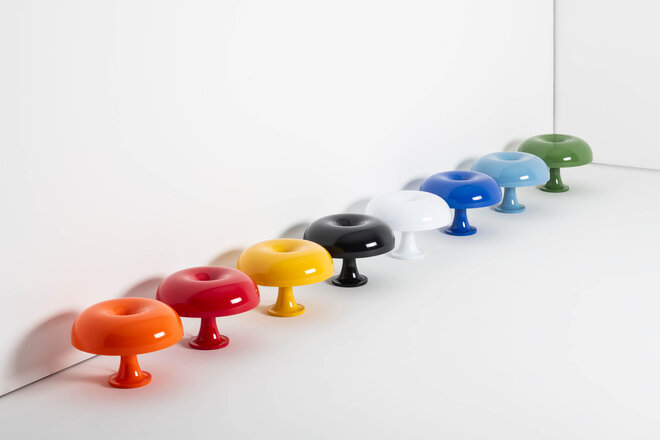


What does intergenerational leadership bring to a company like Artemide?
Carlotta de Bevilacqua: Not only Artemide benefits from it, but the world also needs different generations working together. Each generation brings its own energy, perspectives, and questions. What matters most is a clear ethical attitude: curiosity, responsibility, and the ambition to shape a better future through design.
What from Artemide’s history should the next generation preserve at all costs?
Carolina Gismondi de Bevilacqua: Research and development. Artemide has always invested heavily in innovation. That is the foundation of everything we do.
Carlotta de Bevilacqua: And curiosity. You should never stop learning and asking questions. Or, as Steve Jobs once said: Stay hungry, stay foolish.
Finally, what have you learned from one another – as designers, entrepreneurs, and as mother and daughter?
Carolina Gismondi de Bevilacqua: My mother taught me not to be afraid of big ideas. The most interesting projects often emerge from something that initially seems impossible.
Carlotta de Bevilacqua: And thanks to Carolina, I see how important continuous dialogue and new perspectives are. Every generation contributes something different to the story of a company.