‘Berlin’s Potential Lies in Its Density of Design Talent’
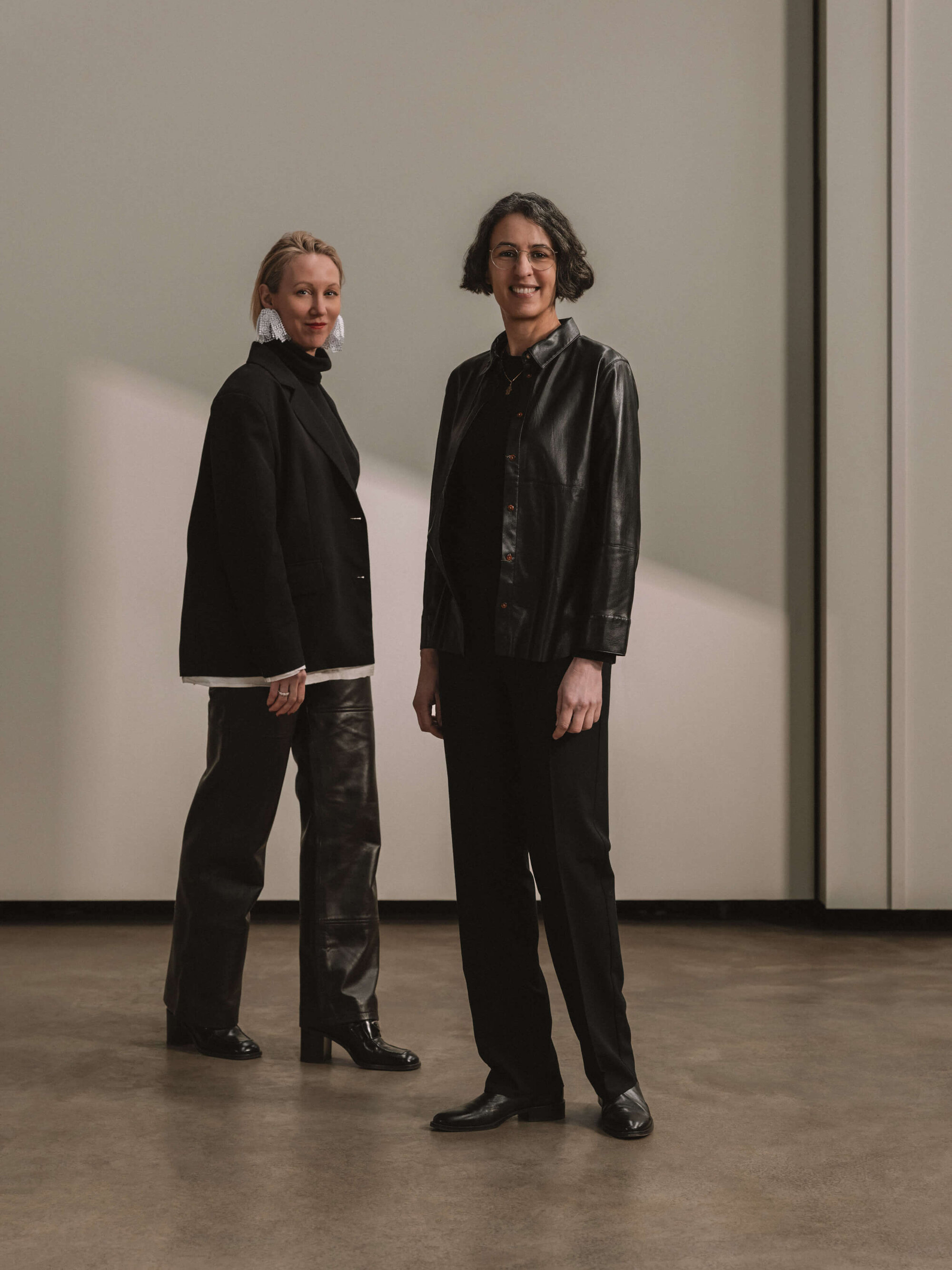
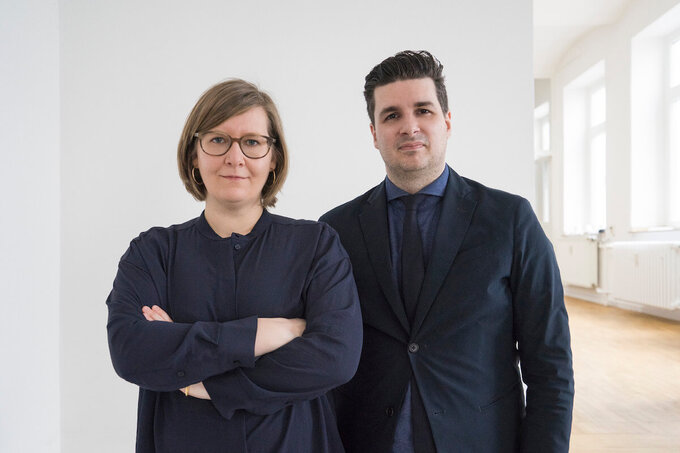
Jasmin Jouhar knows the design scene like few others. As a freelance journalist, she writes for the Frankfurter Allgemeine Zeitung, Schöner Wohnen and Design Perspectives – profiling designers, analysing trade fairs and moderating industry events. Now she has switched sides: together with cultural journalist Laura Ewert, she has launched Currents. Design in Berlin – a new decentralised design event taking place in the German capital for the first time from 10 to 12 September 2026.
Jasmin, you normally ask the questions. Today, you’re on the other side. How did you come up with the name “Currents”?
Jasmin Jouhar: Many design events use their names to describe the format – “3daysofdesign” in Copenhagen, “Vienna Design Week” in Vienna. You have a rough idea of what to expect. That didn’t really work for Berlin. So we started free-associating. Geologically, Berlin lies in a glacial valley. Anyone who has lived here for a while knows that many basements can be very damp and that groundwater can quickly rise in building excavations. There is also a wonderful book by Kirsty Bell, The Undercurrents, which explores Berlin’s history from the perspective of its underground currents. Laura and I had both happened to read it independently of each other. And then “current” is, of course, another word for a trend, while also capturing the sense of movement you feel in this city – its constant change. New people keep arriving, and new brands are being founded all the time.
Berlin has held the title of “UNESCO City of Design” since 2006, making it the first European city to receive the designation. There have already been several attempts to establish a design event here: DesignMai, DMY International Design Festival, Berlin Design Week. Why did you nevertheless decide to organise one yourselves?
A lot of it has to do with our role as journalists. We look into very different scenes and meet people who may not know each other at all. People often approached us with the desire to network and bring these different communities together. We felt that an enormous amount was happening in Berlin, but it wasn’t really being seen or connected. At some point, we said: we’re going to do it, because otherwise no one will.
You write on your website that Berlin is under pressure as a creative hub. What do you mean by that?
The pressure is coming from different directions. Design education is under enormous pressure because of cuts to science funding, with entire professorships being lost. We will also address this in our programme of talks. Then there is the issue of space: Berlin was always attractive because spaces were more accessible here. That is no longer really the case. And, generally speaking, everything has become more expensive: rents, the cost of living … What used to make Berlin attractive is gradually evening out.
And yet Berlin still has something that other German cities don’t?
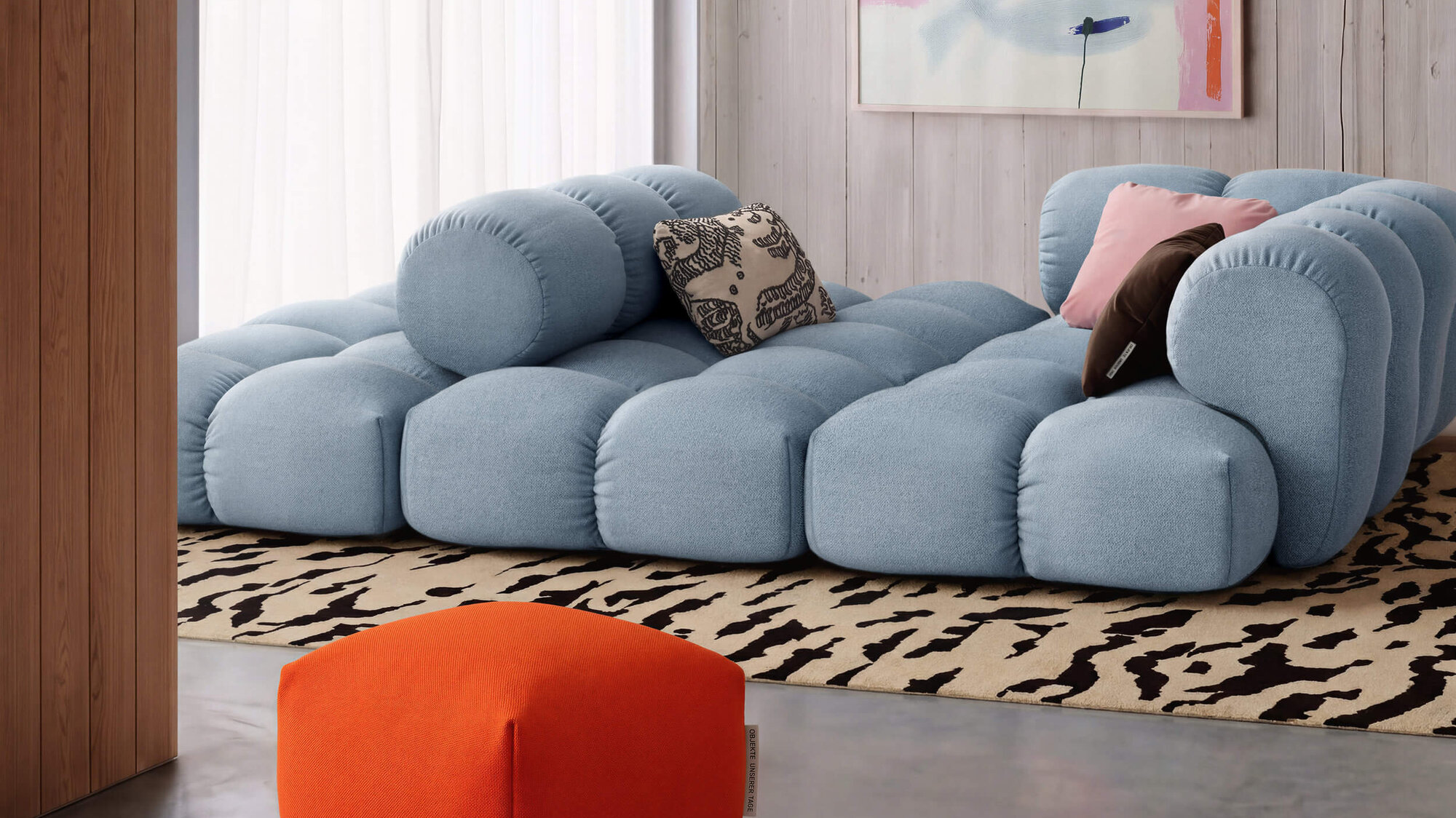
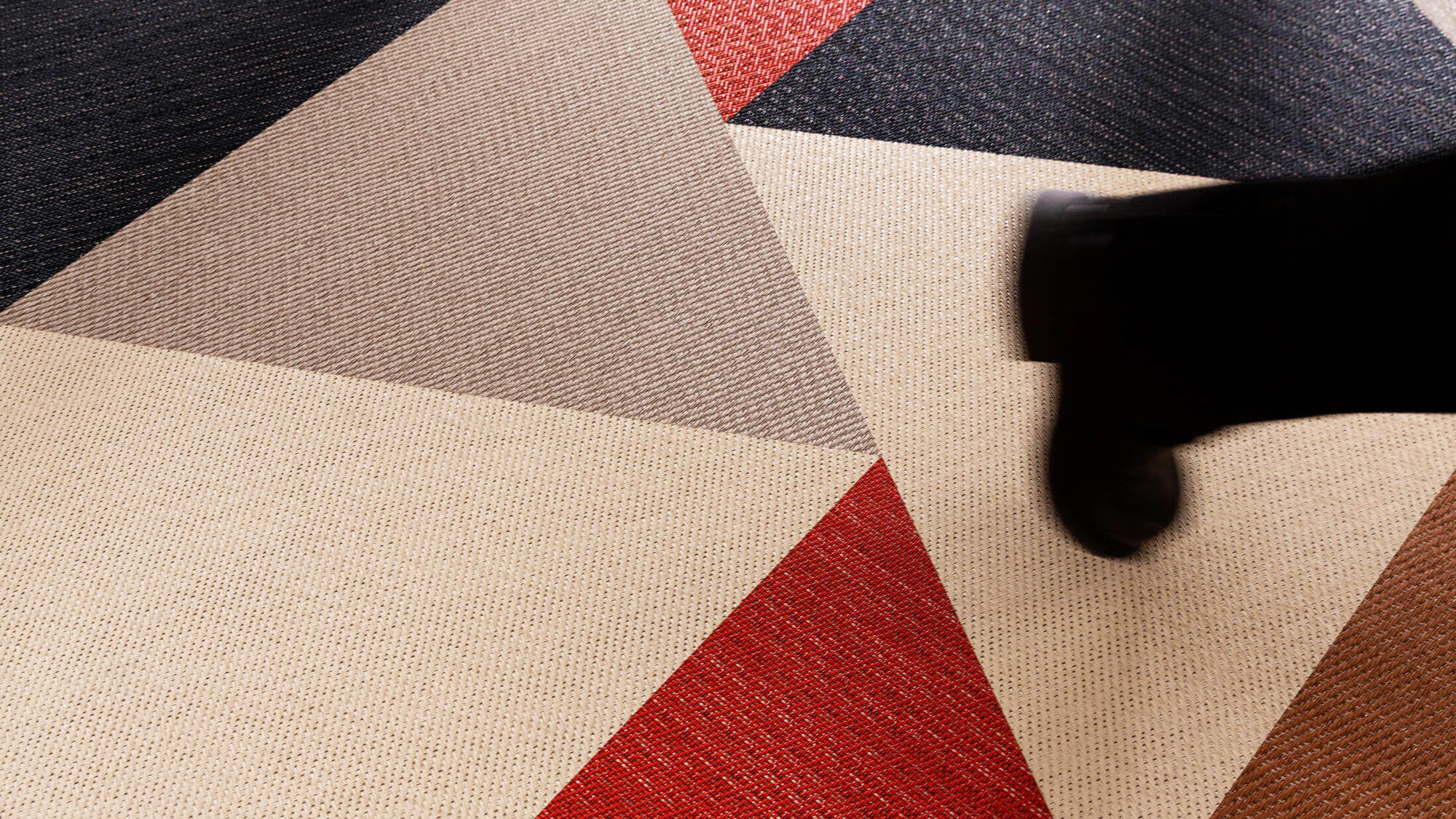
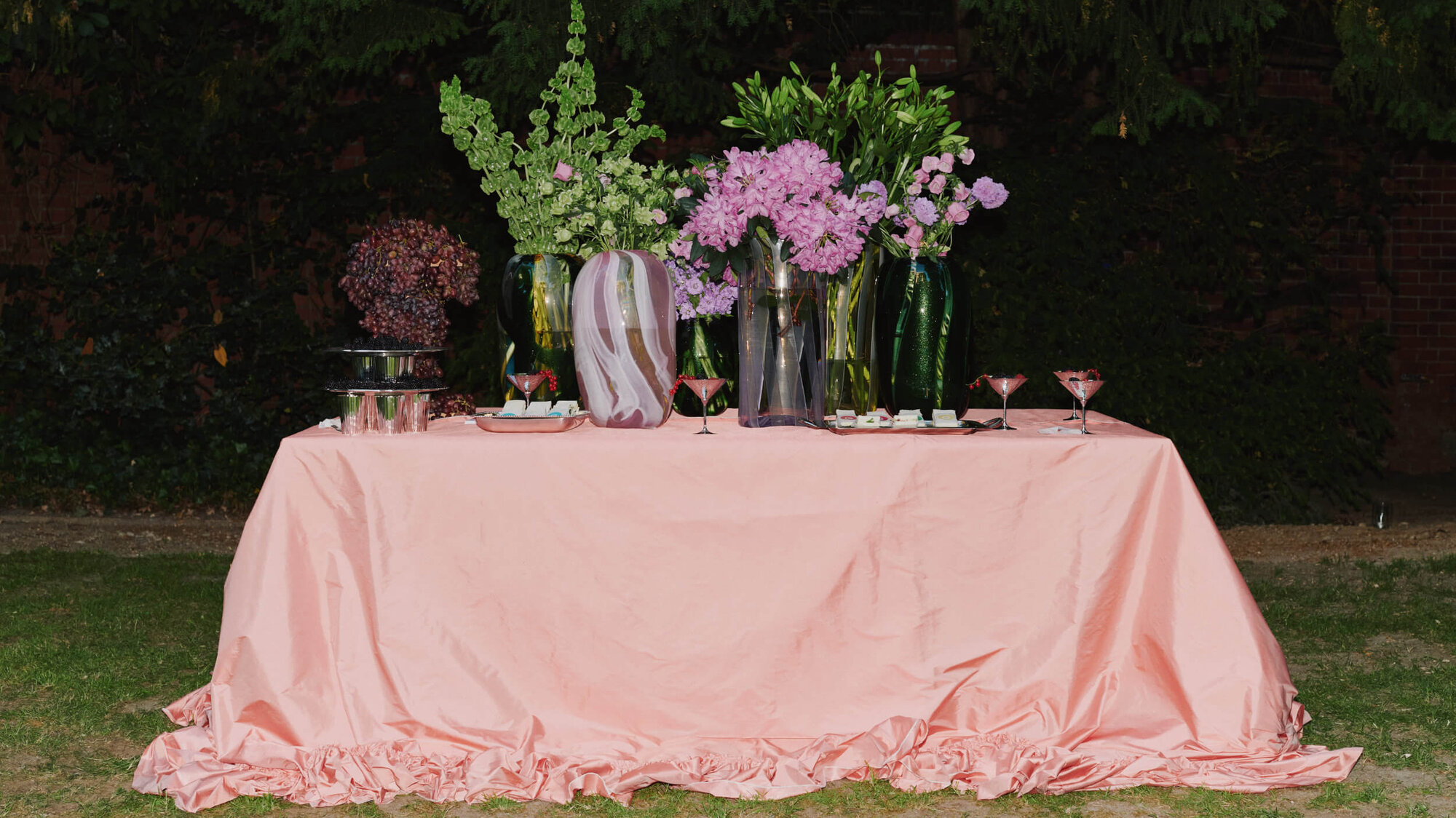
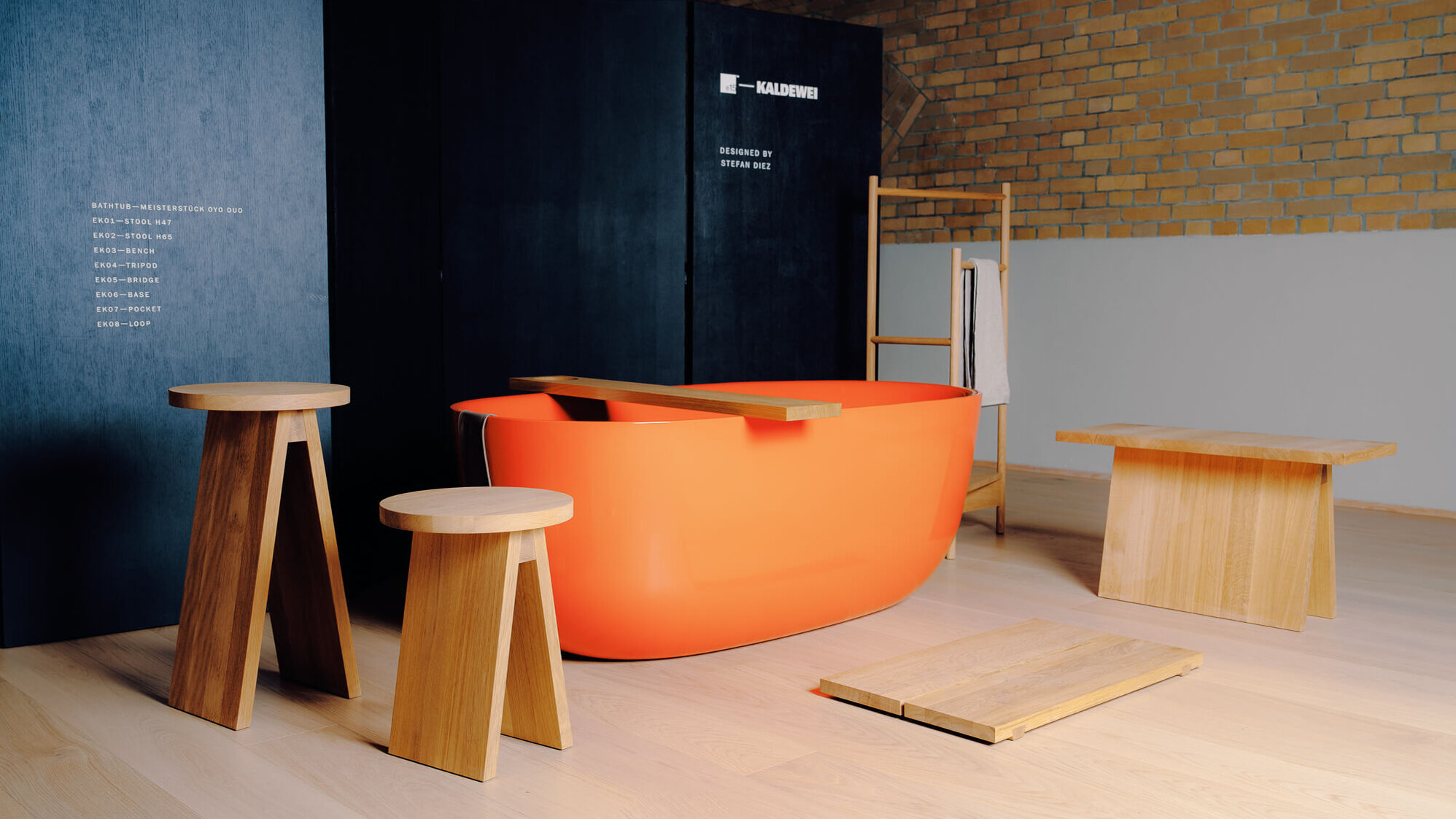
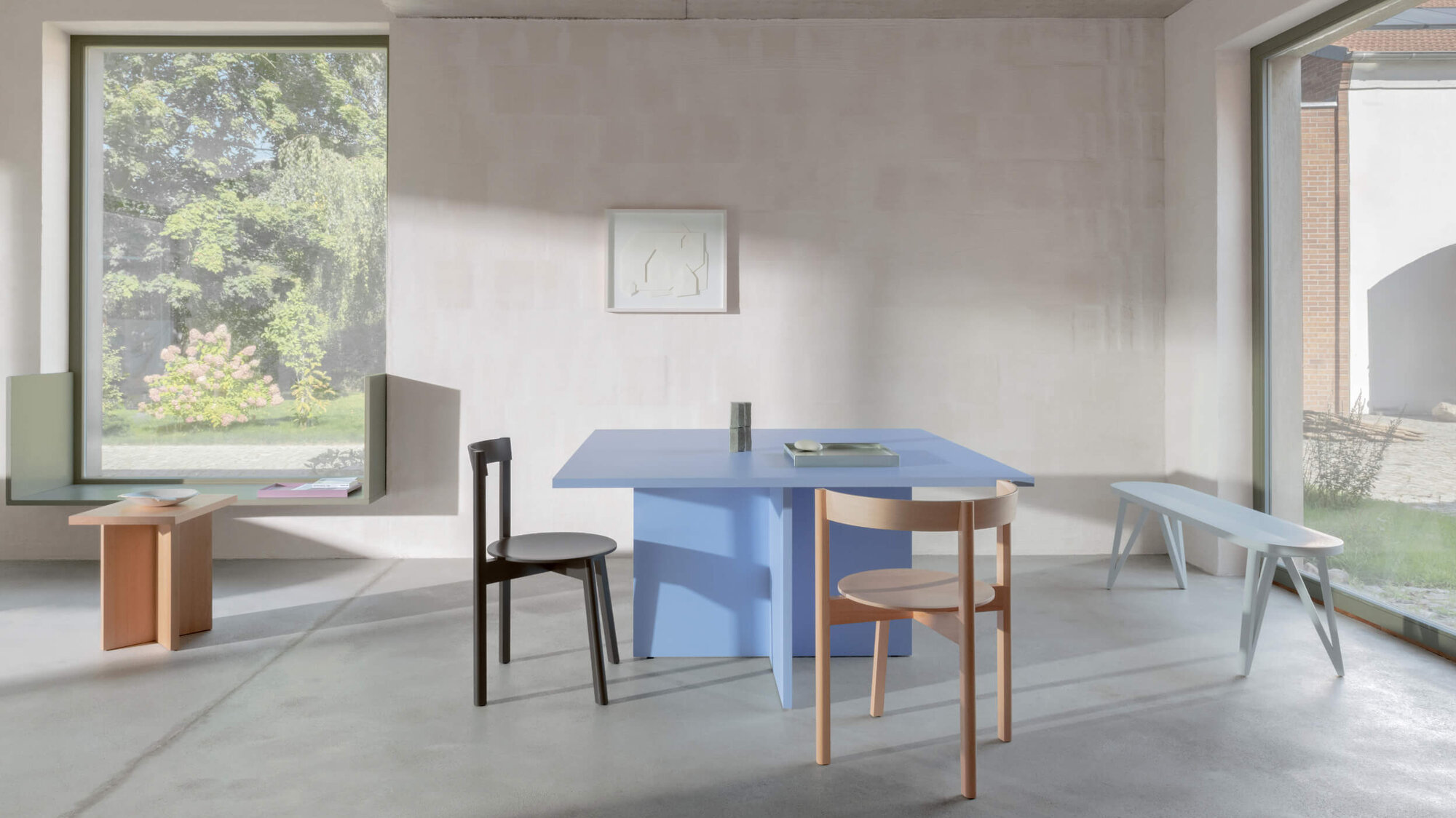
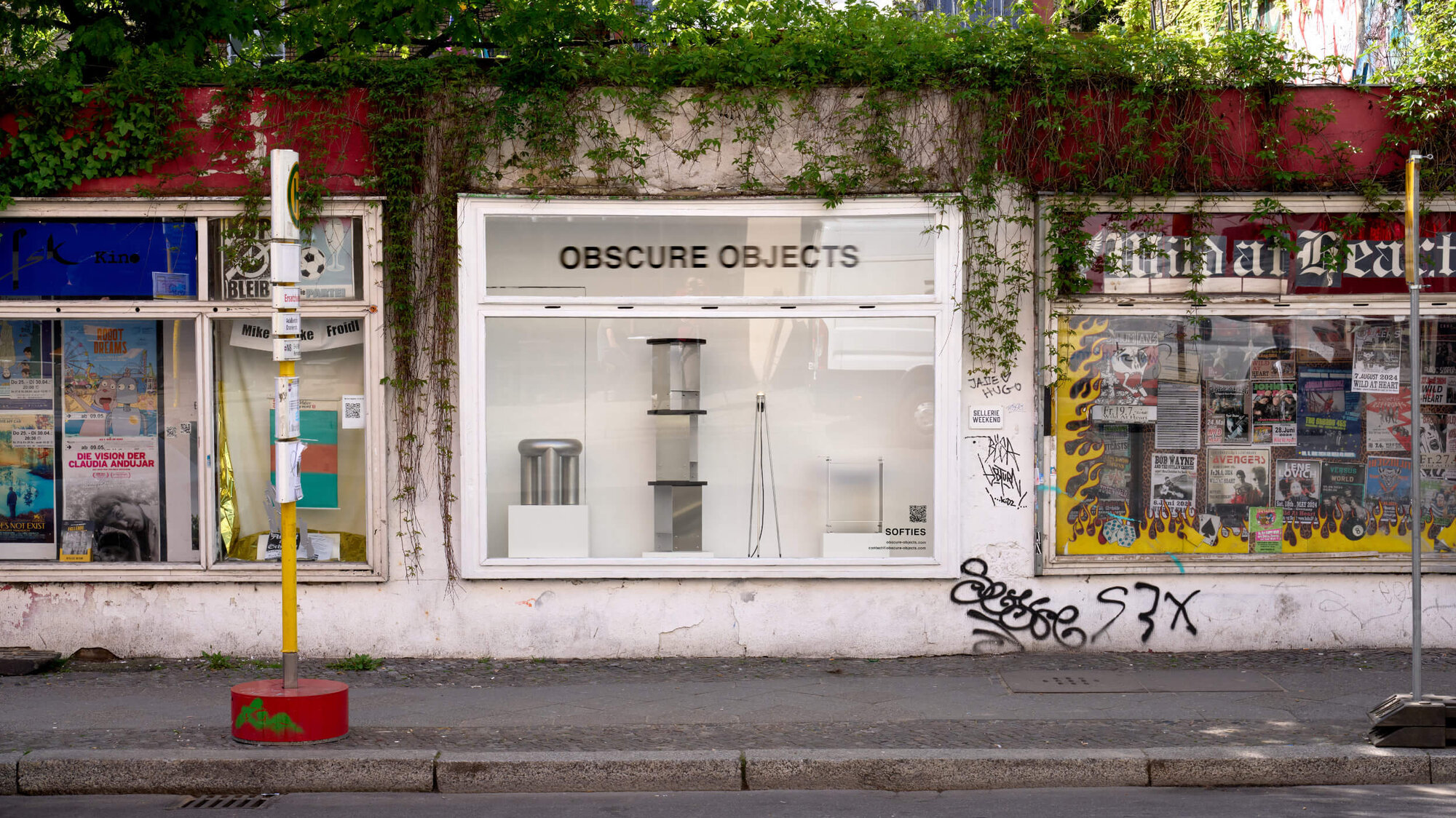
Yes. Probably the highest concentration of people working in design: studios, individuals and universities. Many young brands have established themselves here, including Objekte Unserer Tage, Lyk Carpet and Moonarij. International brands are also increasingly opening showrooms here: Tylko and Bolon, for example – both are taking part in Currents as well. There is simply a greater number of people and places than elsewhere in Germany.
Your focus on interiors and product design puts you fairly close to Copenhagen. Was it a conscious decision to define the term “design” so narrowly?
Yes. At first, we considered including architecture, but ultimately decided against it. It would be a completely different discipline, with different players and institutions, and would make the event too large. That doesn’t mean we are excluding architects altogether: Gonzalez Haase and Bruzkus Greenberg, for example, are taking part. Graphic design is another distinct scene, and digital design has its own platforms as well. Our format is closely tied to places and objects.

What criteria did you use to select the participants?
We don’t see ourselves as curators, but rather as facilitators and networkers. We didn’t put out an open call or establish a thematic framework. We activated our own networks, and people also started approaching us.
Currents is taking place at the same time as Berlin Art Week. Was that overlap deliberate?
Berliners are incredibly curious and keen to explore during Art Week in September. If they then drop by two or three of our events as well, that’s great. Several Currents projects also bring design and art together: Gisbert Pöppler, for example, is showing his furniture at Galerie Nothelfer, where it will be presented alongside works by post-war abstract expressionist artists. Fabian Freytag is creating an installation at the Pan Am Lounge with a curator who works with the Freunde der Nationalgalerie …
You’ve already teased a few of them. What are some other highlights of the programme?
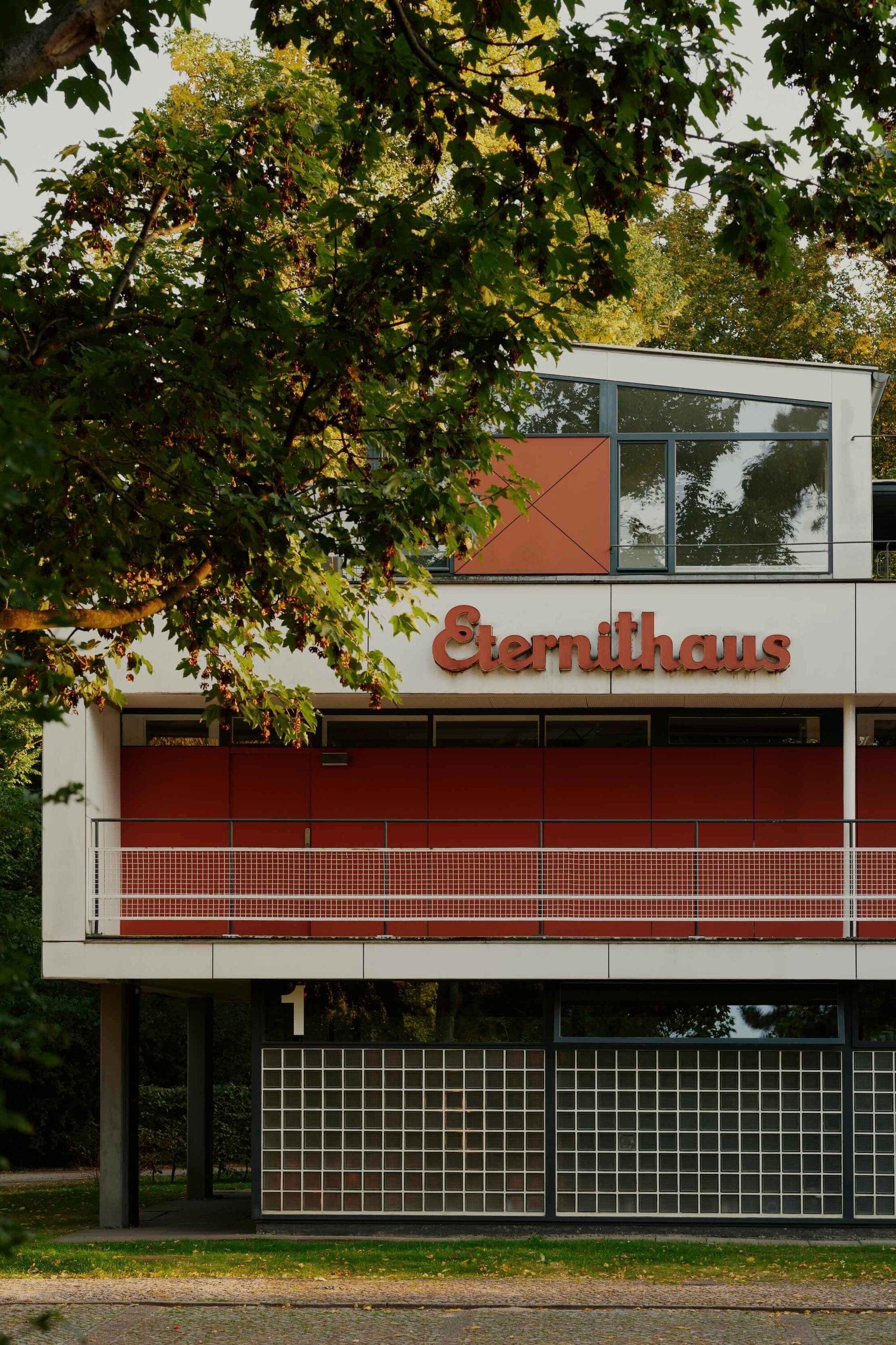
I’m particularly excited about the university projects: students from the UdK are exhibiting together with the HfG Karlsruhe and HfbK Saar; Mono is working on a project with the UdK; the Weißensee Green Lab is presenting circular approaches at the former Tegel airport; and a textile project called “Soft Commons” can be seen in Dahlem. The only thing we are organising ourselves is the “Currents Bar”, which opens every evening from 7pm at the Eternithaus in Hansaviertel, a listed building dating from 1957. Berlin is such a large city that everything becomes scattered if there isn’t a central meeting point. The “Currents Agenda”, our programme of talks with The Thing Magazine, Justus Hilfenhaus and other partners, will also take place there every day in the slightly sunken exhibition space with its glass-block windows.
How is Currents funded?
We are following the structure of 3daysofdesign: all activities are funded by the participants. We have also secured some sponsorship in the meantime. But the participation fees go directly to our service providers: graphic design, photography and programming. All of that costs a lot of money, and we want to pay people properly.
As a journalist, you’ve been analysing trade fairs and design events, including their shortcomings, for many years. Now you’re organising one yourself. What does it feel like to be the one under scrutiny?
I’m still analysing everything all the time, of course (laughs). But we are also receiving criticism: Why isn’t there a space available for very little money? Why charge a participation fee at all? Although the fee is comparatively low for institutions, initiatives and individual studios. People here think along with us. In that sense, it’s actually not that different from what I usually do – except that now I’m the one being criticised. But the questions are essentially the same ones I ask when looking at other events.
Are you already thinking of Currents as an annual event?
Absolutely. It’s important to us that what we are doing doesn’t simply fizzle out after 12 September. We’re doing this for the city, for the scene and for the community. It can’t be about firing off one rocket and then calling it a day. We are very determined to turn it into a lasting event.