‘Circular Design Is Not an End in Itself’
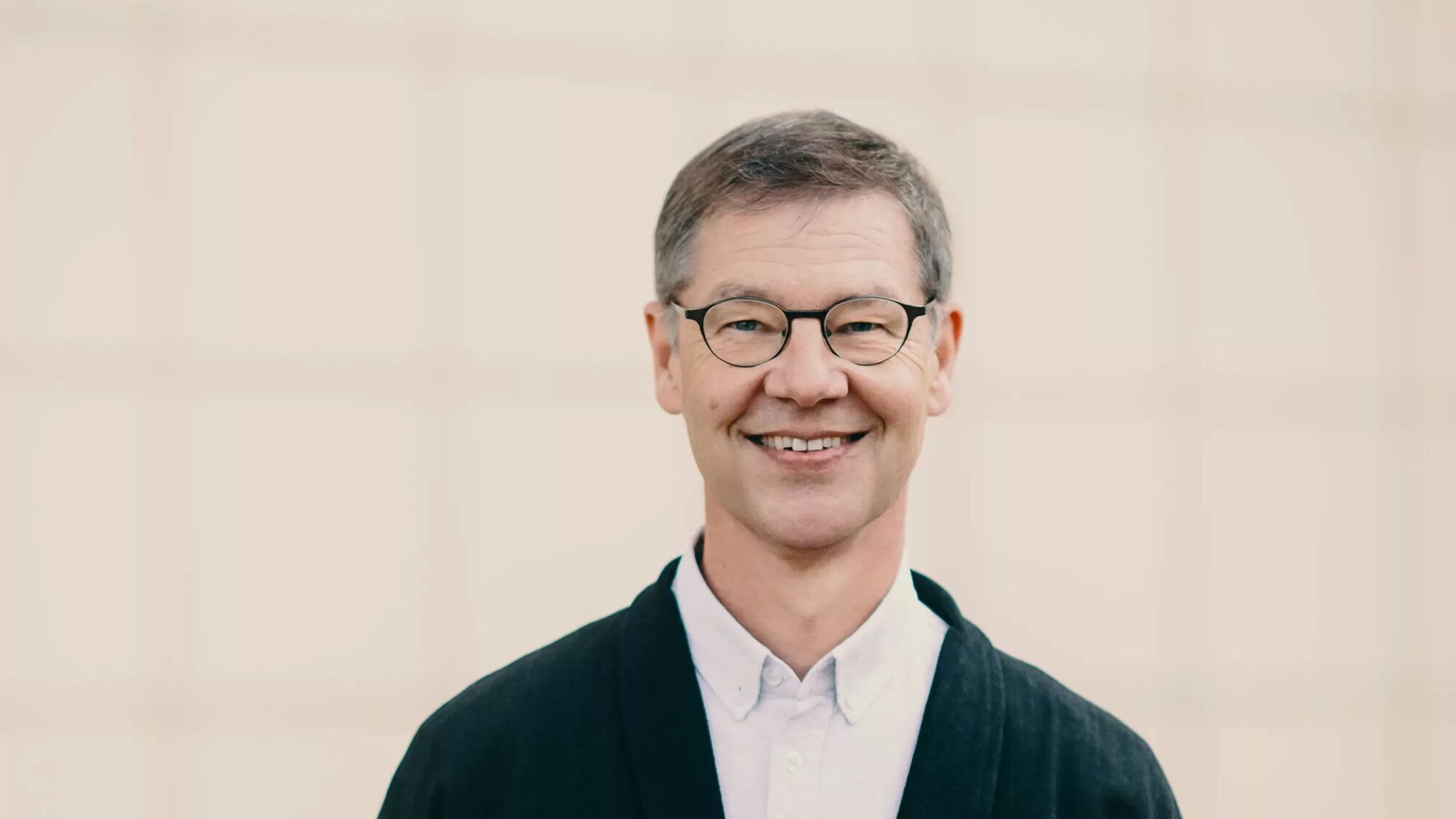
Bernd, you are ‘Director Sustainability’ at the German Design Council. Could you describe your duties and responsibilities?
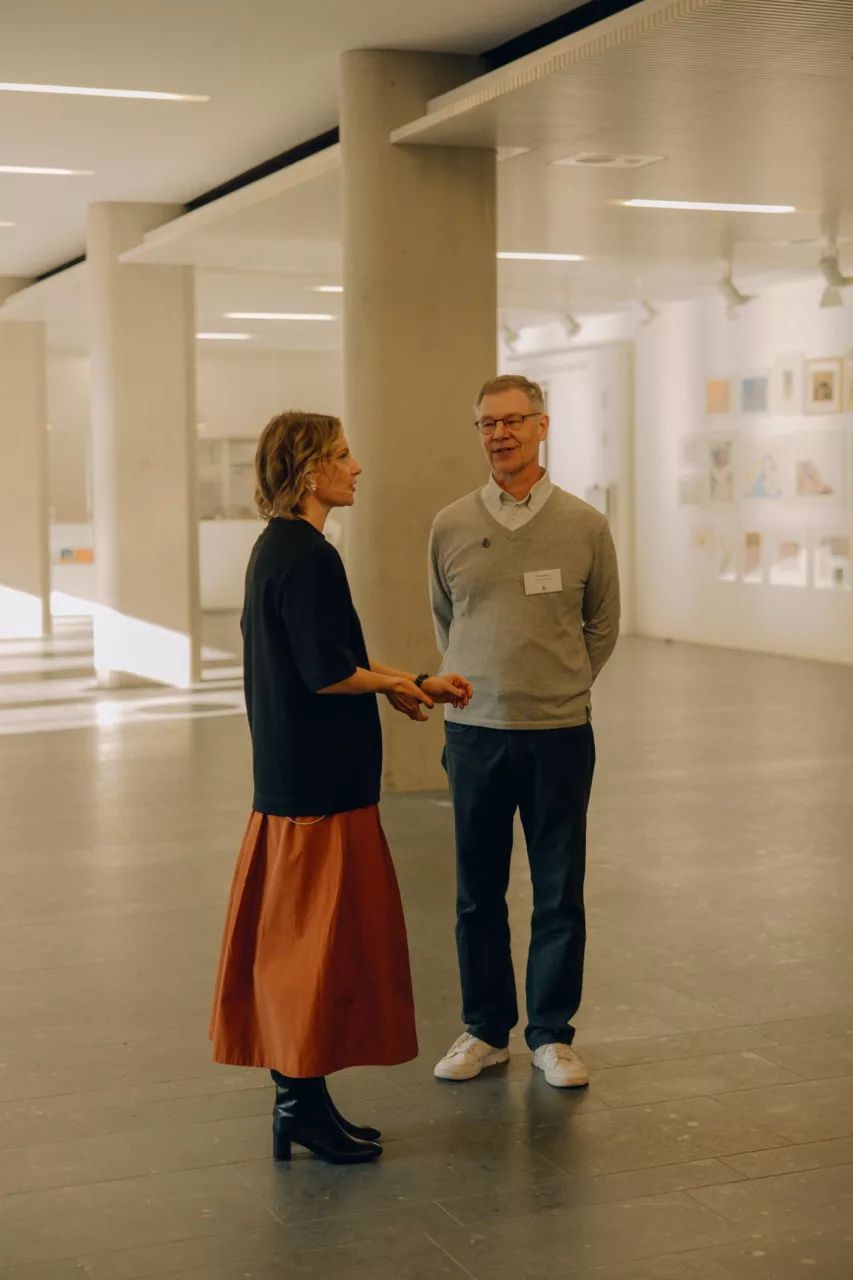
Although the title may sound grand, my role does not involve managing a traditional department. Sustainability is an issue that affects us all. Accordingly, everyone in the company must take responsibility. I recently had an encounter with Kate Raworth, the economist behind Doughnut Economics and Personality of the Year 2024 at the German Design Awards, that illustrated this very nicely. When I introduced myself to her at the Awards Show as the sustainability manager, she spontaneously said, “Shouldn’t we all be?” That’s exactly the point. I therefore see myself more as a coordinator and source of ideas, gathering inspiration, providing guidance, and supporting implementation. For instance, we have established an internal working group comprising representatives from all departments. This brings together ideas from very different perspectives.
Why is Circular Design such an important topic for the German Design Council?
The German Design Council has over 300 member companies, including many manufacturing companies for whom this topic is central. This is not least because of new regulations, such as the ESPR, which have already been enacted at the European level. With over 70 years’ experience of the importance of design to business, we can support companies in their transformation and contribute to the sustainability of our society. For instance, we provide personalised consultancy services, including on the subject of Circular Design. We have a large network of experts that we can draw on as needed.
It is simply impossible to overcome the challenges of climate change, biodiversity and resource scarcity unless we operate in a circular manner.
What role does design play in this?
This is a very decisive factor. Design shapes every stage of a product’s life cycle, from material selection and resource consumption to durability and usage. The ultimate question is whether products can be recycled and their materials recovered, or whether they must be disposed of. Design also paves the way for new business models, such as selling second-hand or refurbished products, or offering products as a service. Without good design, the circular economy cannot function.
Which industries are already particularly relevant for Circular Design, and where do you currently see the greatest potential?
Circular Design is a cross-industry topic. It is already more firmly established in certain sectors, such as architecture and interior design, where many standards exist, as well as in the textile and fashion industries. Even in mechanical engineering, companies are now considering refurbishing capital goods for use in secondary markets.
Overall, however, we are still in the early stages. Many companies cite the Circular Economy as a strategic goal, but so far, only a few have implemented concrete measures. Nevertheless, I am optimistic. I see growth potential, above all, in refurbished products — from textiles and IT to household appliances — as well as in new business models, such as Product-as-a-Service. The Circular Economy opens up new avenues for innovation and creates business opportunities.
However, it is also important to me that it is not an end in itself, but rather a means of staying within planetary boundaries and securing both the ecological and social foundations.
The German Design Council now offers a variety of programmes focusing on Circular Design. One of these is the ‘Circular Design Clinic’, which is entering its second round in November. What makes this format so special?
This workshop is special because it takes place in an exclusive, small group setting, and participants bring their own products. We then work on these in small groups. Initially, Circular Economy and Circular Design are theories and principles, but in the ‘Clinic’ we apply them directly to the respective corporate reality. This is what makes it unique. This approach was very successful at the premiere in Hamburg in 2024, so we will be repeating it in Frankfurt.
What’s new this year?
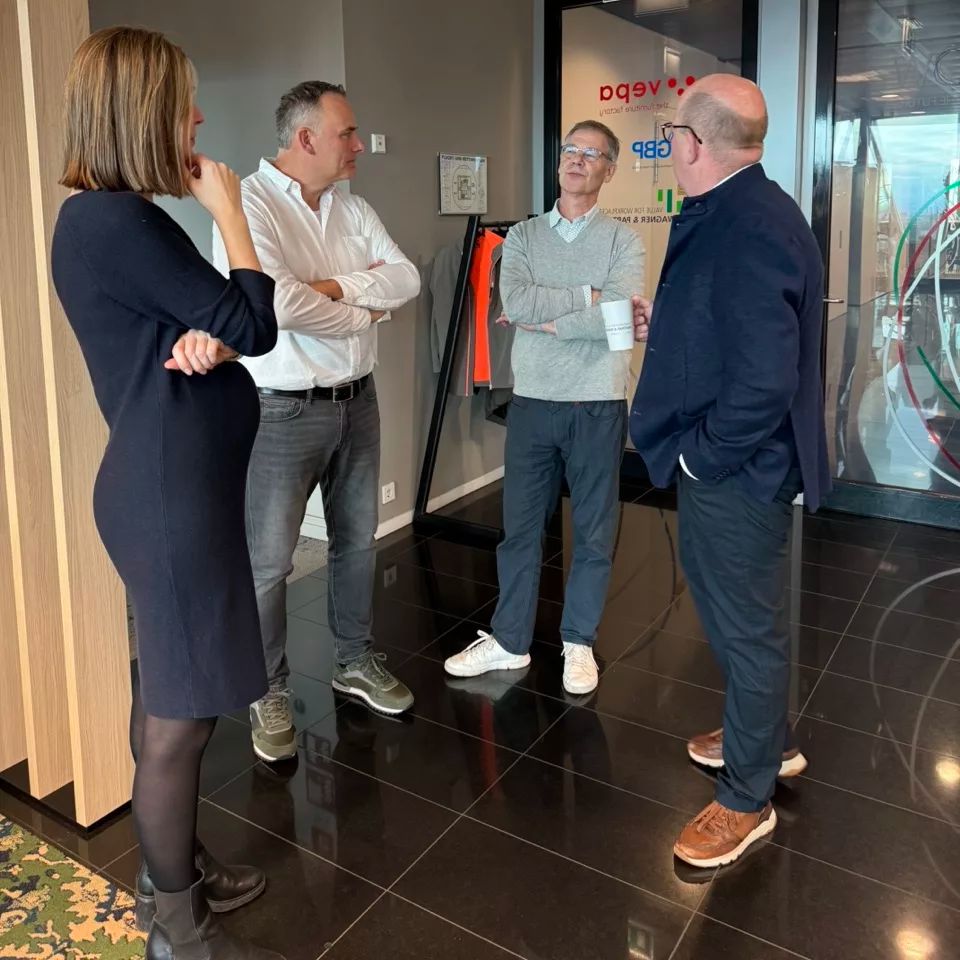
New this year, we are opening the ‘Circular Design Clinic’ to digital business models, such as Product-as-a-Service. Once again, our partner is Indeed Innovation, who will contribute their own method of developing circular products and demonstrate it in the workshops. Our new partner is Vepa, a Dutch furniture manufacturer and a member of our foundation, who will be hosting us this year. Vepa has been pursuing Circular Design very successfully for many years, so they are an excellent practical example themselves.


Last year, employees from companies such as Lufthansa Technik, Tchibo and Rosenthal took part. What makes this format so popular?
This is because Circular Design is still new to many companies. Often, there is a lack of knowledge, experience, and networking opportunities. We offer practical work on your own products, accompanied by coaches and supplemented by input from experienced companies. This creates an immediate learning effect and, in the best case scenario, provides an impetus for concrete developments within the company.
In addition to the ‘Circular Design Clinic’, the ‘Expert Circle for Circular Economy’ is also available, but only to members of the German Design Council.
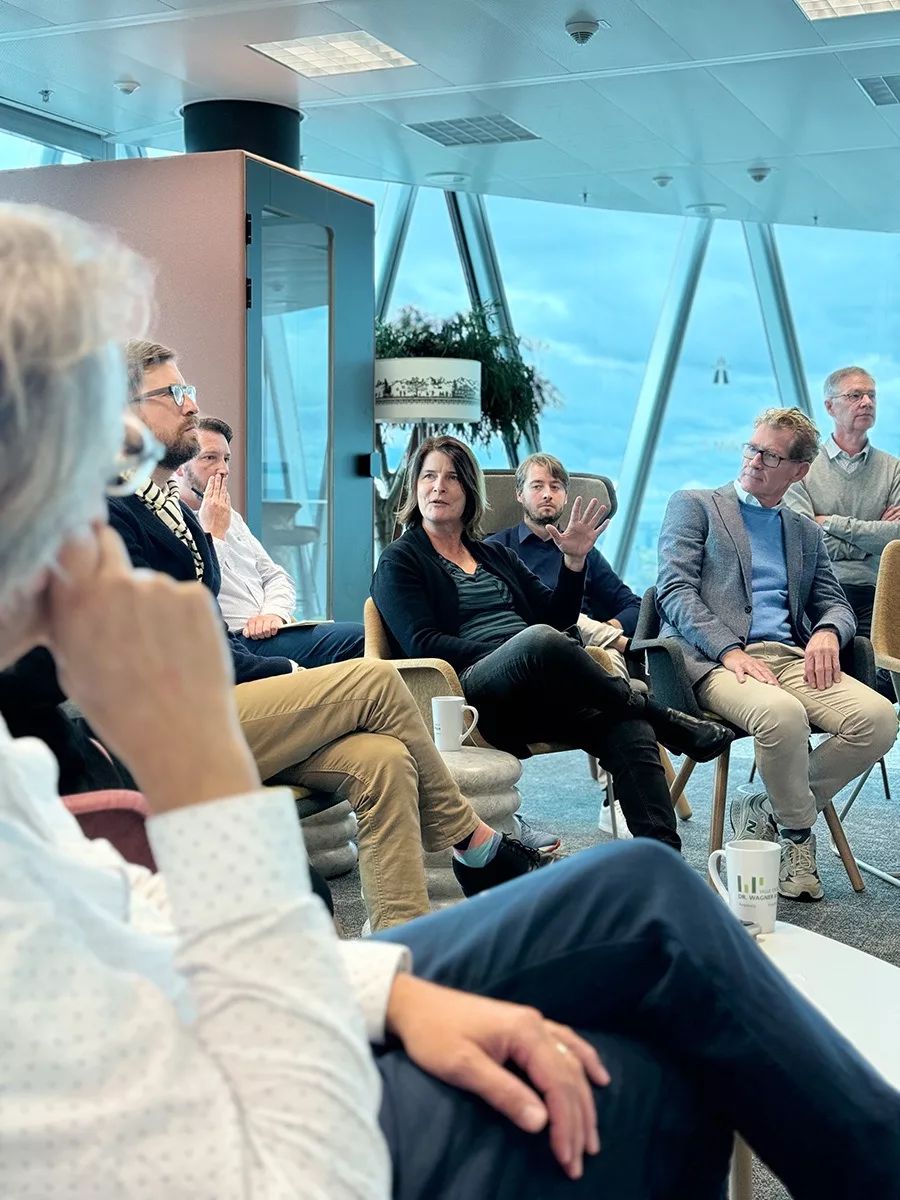
Exactly. The ‘Expert Circle’ was our first event focusing on Circular Economy. We visit one of our member companies to discuss best practices. So far, examples have included Covestro, Festo and Shift. Each event has a specific theme, such as regulations or collaborations. The groups are small, creating a confidential atmosphere that encourages intensive exchange. Depending on the company, those present include designers, innovation department representatives and sometimes even managing directors.
One of the highlights is the ‘Circular Design Summit’, which will be held in Stuttgart again in 2026. Why did the German Design Council create this event?
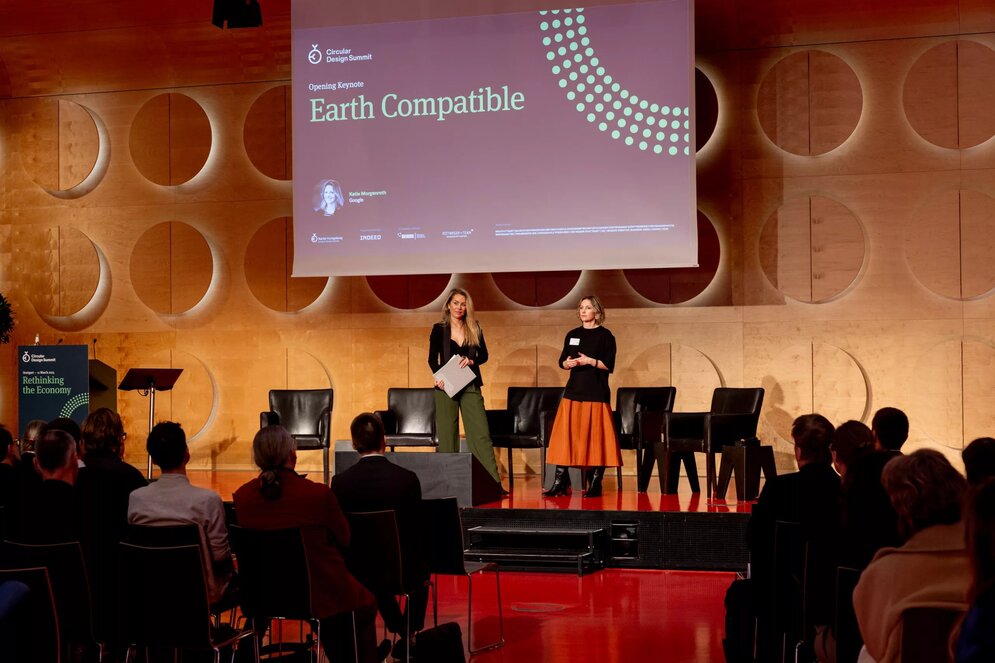
Although there are many Circular Economy events in Germany, there are no events that focus on design on a supra-regional level. Yet design is key. In 2025, we hosted the inaugural Circular Design Summit, which attracted over 200 participants and featured international speakers. The event focuses on companies that are already implementing Circular Design or developing new business models. It is about competitiveness, resilience and innovation. The summit is intended to inspire and facilitate networking.
What can participants expect over the next year?
We will be returning to the Hospitalhof Stuttgart. New this year is the Expert Committee, which is helping us design the programme and providing valuable input. The committee includes myself, Alissa Ritter (Rosenthal), Anne Farken (Designworks/BMW), Karel Golta (Indeed Innovation) and Steffen Erath (Hansgrohe).
Rob Hopkins, the founder of the Transition Town movement, will be joining us as a special speaker. His focus is on imagination: the ability to envision desirable futures. This provides an exciting contrast to the technical discussions that usually focus on materials or processes. We also intend to incorporate more workshops and interactive formats to encourage audience participation. Networking will remain central, of course.
Circular design is also playing an increasingly important role in the Awards organised by the German Design Council. How exactly?
In collaboration with the Wuppertal Institute for Climate, Environment and Energy, we have developed criteria catalogues for the German Design Awards and the ICONIC AWARDS. These catalogues highlight key aspects of the Circular Economy. What materials are used? What is the business model? What is the product’s social function? How is waste management organised?
Companies submitting entries for the Awards must complete a questionnaire as part of the application process. This enables us to establish a basis for a differentiated assessment. For the German Design Awards, we have set up a separate jury that exclusively evaluates submissions in the Circular Design category. This jury includes Dr Manuel Bickel from the Wuppertal Institute, Martin Pauli from ARUP, and Andrea Herold from Interior Park Stuttgart. It is important to note that Circular Design is a cross-cutting issue. This is why it is not a separate category, but incorporated into the main categories. This ensures it is visible in all areas and not treated as a niche topic.
In your opinion, what changes in companies’ mindsets are needed for Circular Design to succeed?
Firstly, they should get started – that’s the most important thing. Don’t be afraid to do your research beforehand: get an overview, analyse where you stand in terms of sustainability and the Circular Economy, and then start somewhere. Take it step by step. It’s also important to find the right partners, and you might even want to consider collaborating with a competitor.
The Circular Economy encompasses the entire life cycle of a product or service. This is often unfamiliar territory for companies that have previously operated on a linear basis. They need to consider both their supply chain and their customers. They also need to consider what will happen to the product at the end of its life cycle: will it be disposed of, recycled, or dismantled? It is important to broaden one’s horizons and understand which stakeholders are relevant in the respective value chains. This is one of the central points of the Circular Economy, and also one that many companies still struggle with.