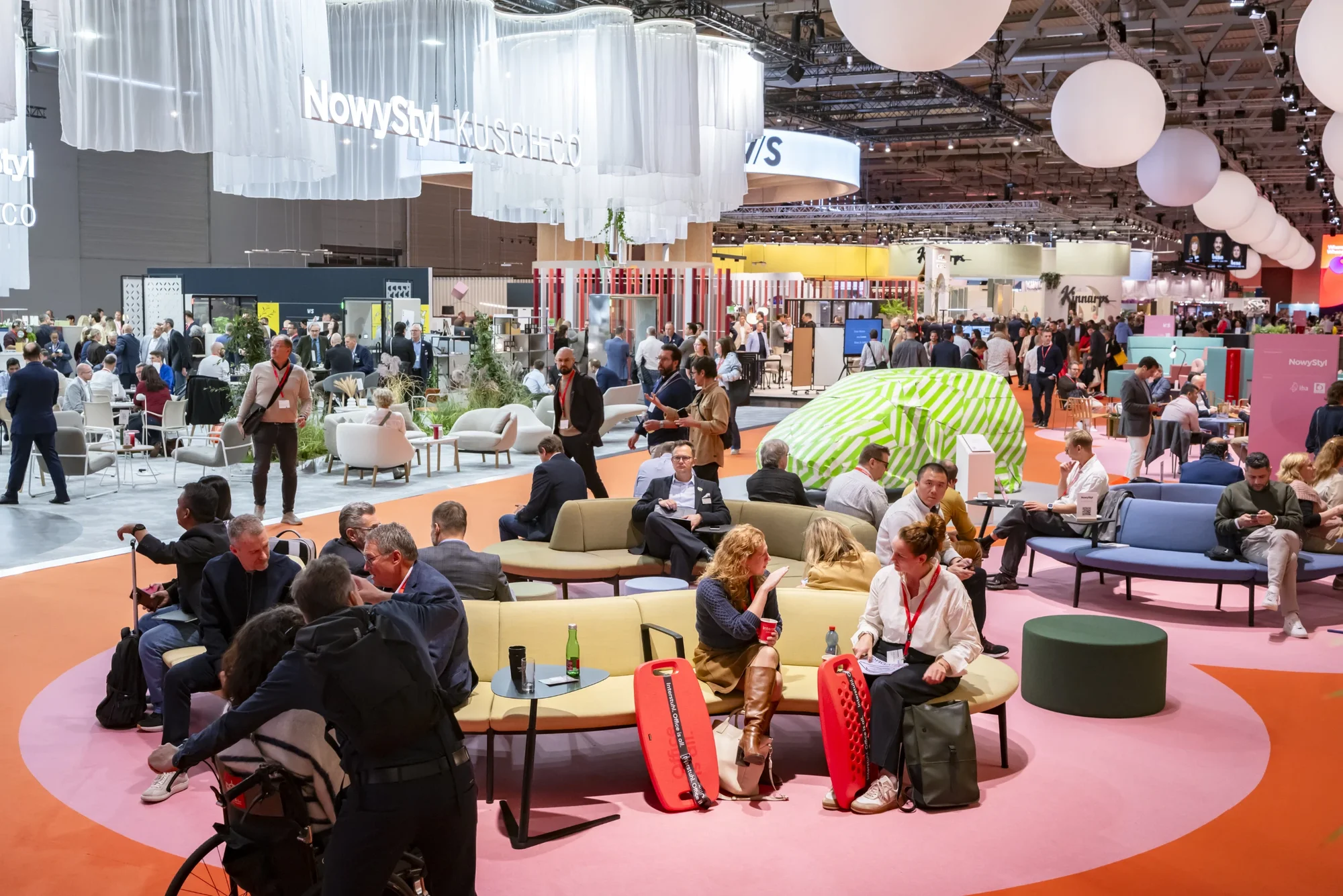
Colour Brightens the Mood
The numerous invitations sent out in advance had already hinted that Orgatec in Cologne would be a busy affair. Besides the exhibitors and their new launches, expert talks were a draw, both at the fair itself and at the Design Post. Idd cologne, the citywide event running alongside, also issued invitations to cocktails and private views. After all, ever since imm cologne, likewise organised by Koelnmesse, has been in the doldrums, the focus has increasingly shifted to Orgatec, which is hoped to pick up some of the furniture fair’s slack, particularly premium exhibitors from the residential furniture sector. But that is just the prologue.
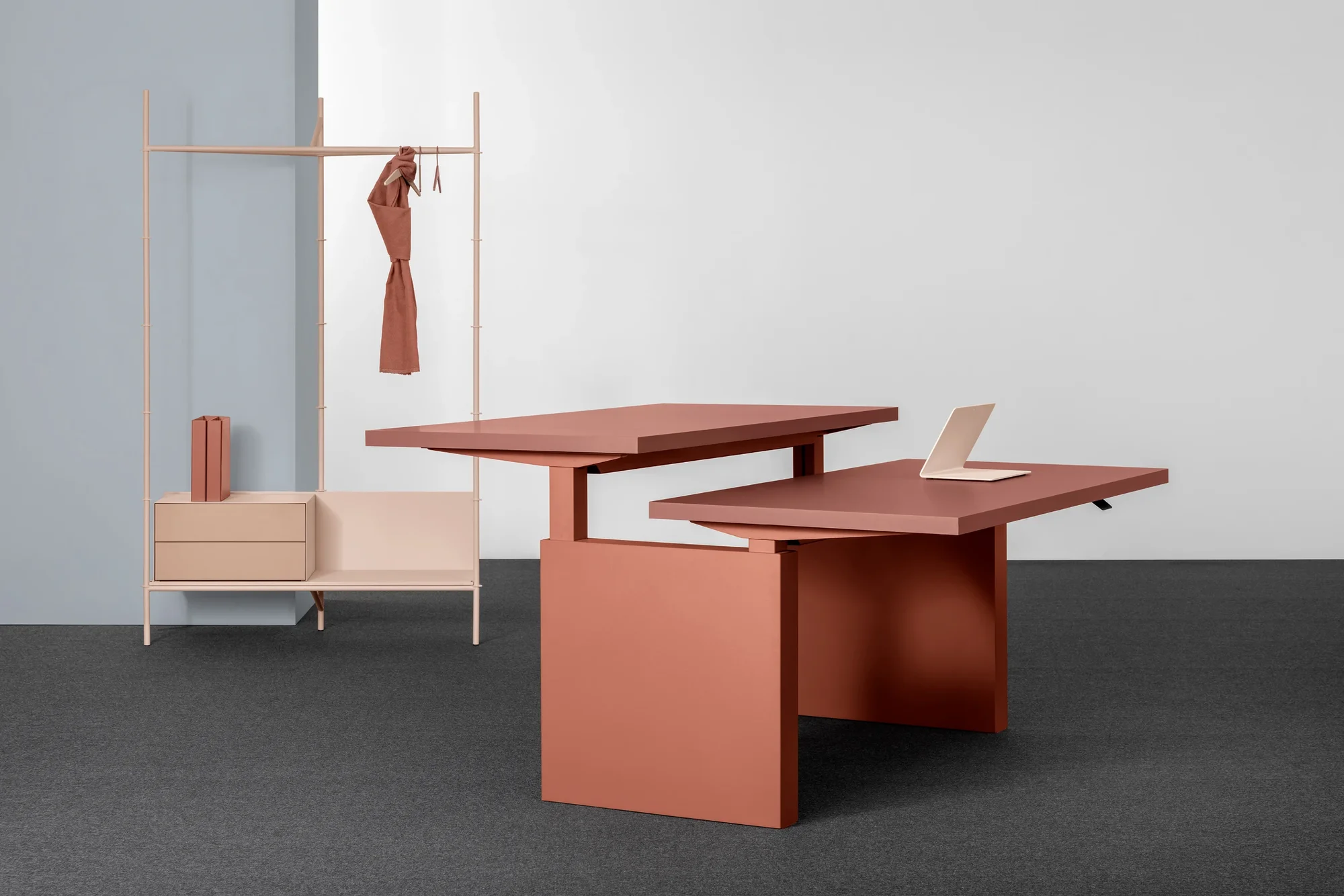
At the Office as at Home
The office sector has lived through turbulent times. Between New Work and the hybrid working that the pandemic brought with it, employers had to find ways to lure their people back to the office. Many responded with a redesign that feels “just like home” while also being more flexible, so as to support new, agile ways of working. Staff were meant to feel less as if they were at work and more as if they were in the coolest coffee shop in town. Now that momentum has run out of steam, and the market is under severe strain from inflation, energy prices, retaliatory tariffs and bleak prospects.
Fewer but better
It seems only logical that the fair was smaller than usual, given that some manufacturers stayed away. Even so, many people put the blame on the organiser. As with the proverbial glass, opinions differ over whether it is half full or half empty. One thing is clear: plenty of big names did turn up at Orgatec, among them the traditional office furniture specialists Bene, Brunner, NowyStil with Kusch+Co, Interstuhl and Sedus, as well as design labels such as Muuto, Blå Station, Freifrau and COR. The no-shows were, almost without exception, the usual suspects: Assmann, König + Neurath, Vitra, Walter Knoll and Wilkhahn. König + Neurath had said in advance that it preferred to put its money into formats “that give especially direct access to defined target and decision-maker groups”.
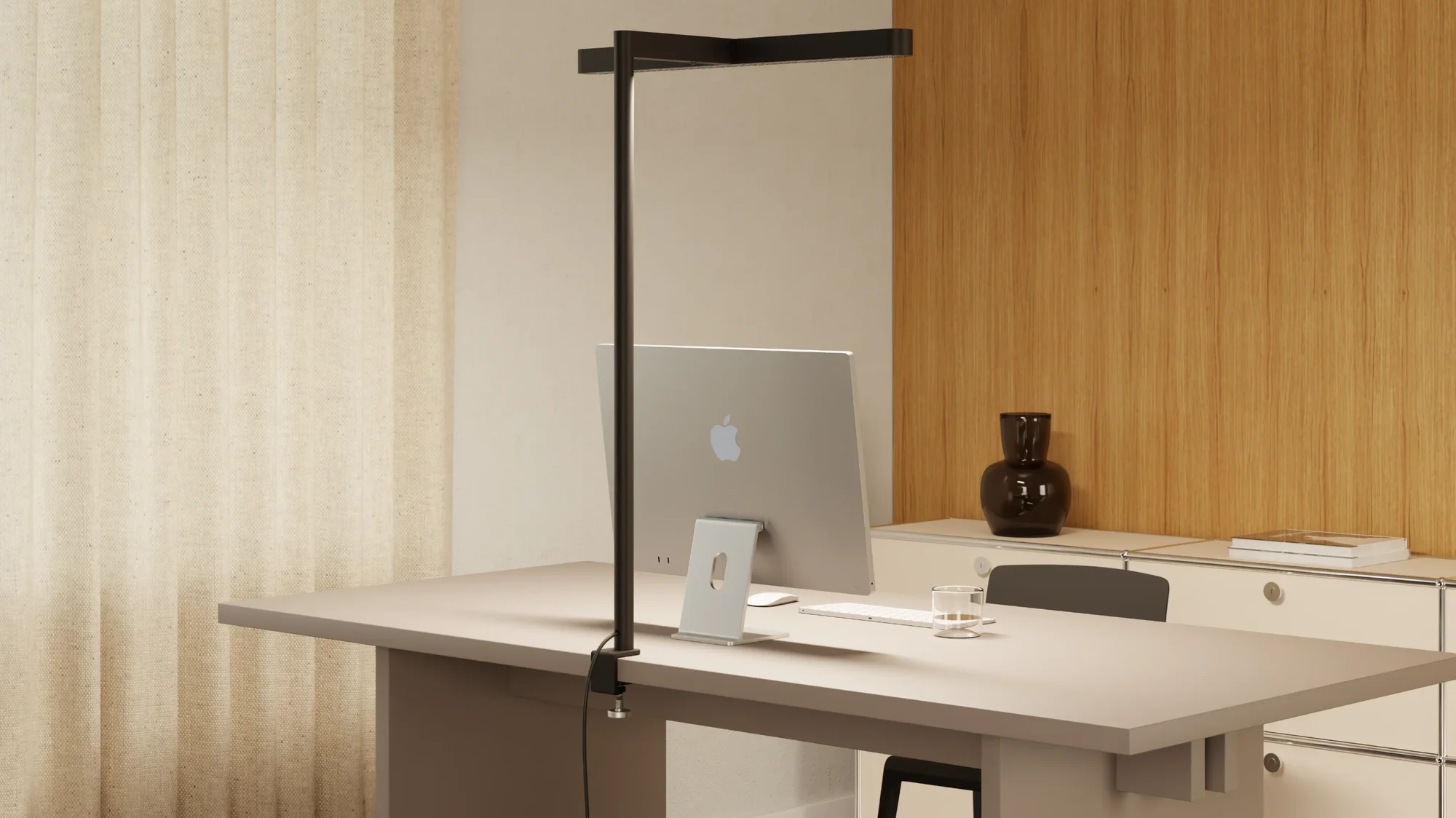
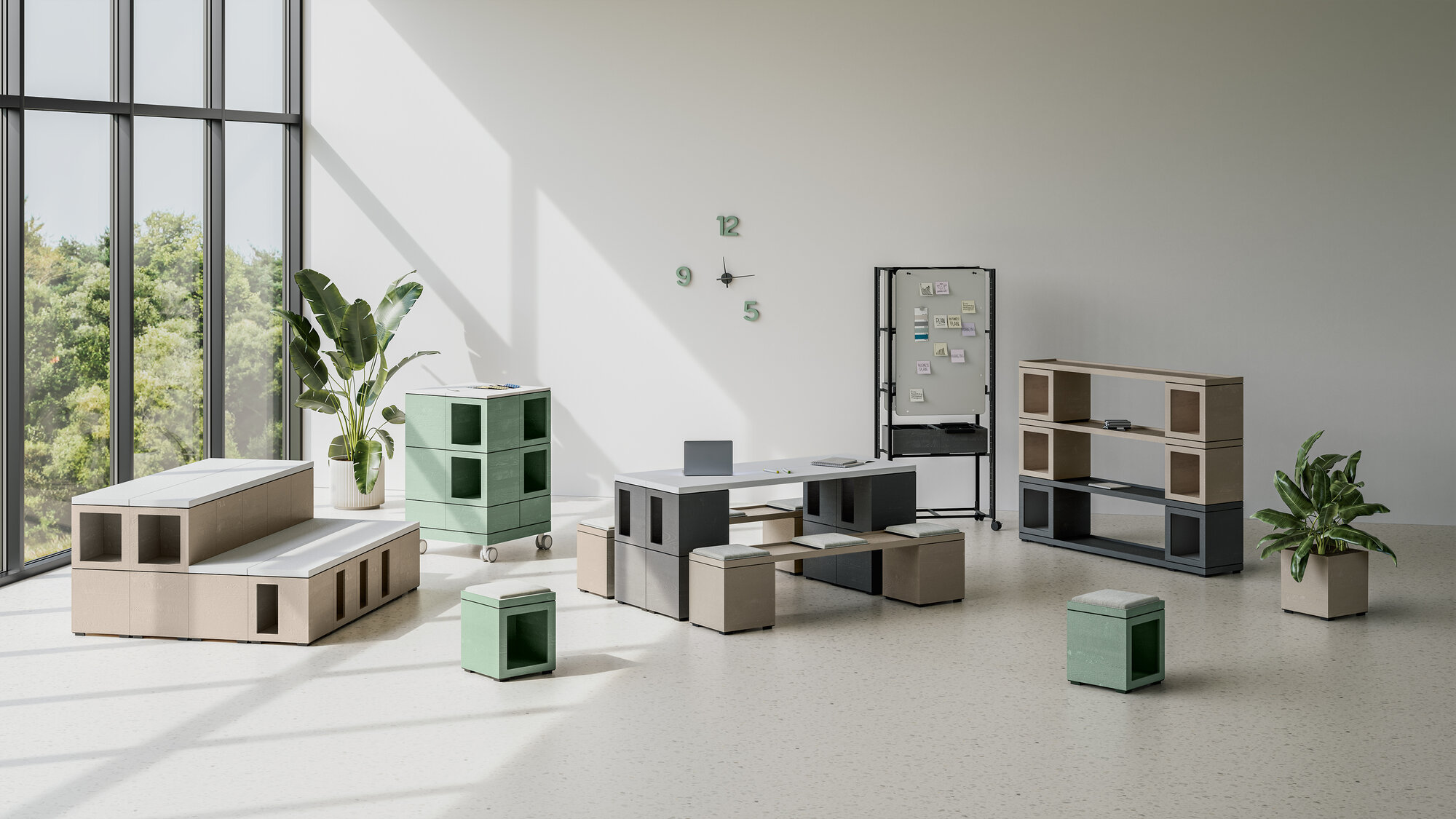
Goodbye Design Post
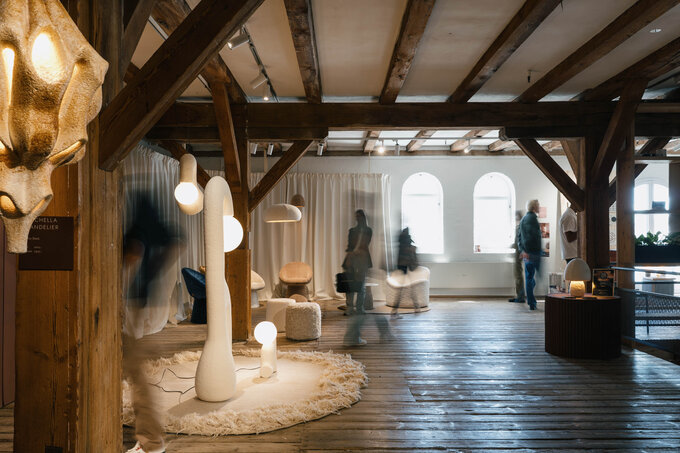
There was plenty of talk about the Design Post, too, which sits right beside the East Entrance of the fair. Once a favourite with the design community, the showroom concept for design brands has occupied the former parcel post office halls for 20 years, but lately it has struggled to draw the crowds. By the end of 2026, the Design Post will be a thing of the past in its present form, with Koelnmesse taking over the site, though its plans remain under wraps. Most of the established exhibitors did not return for Orgatec, but they were replaced by a wealth of new brands, some of them “second-tier” names, which was no bad thing for anyone keen to look beyond the familiar. Like the fair itself, it was a hive of activity.
Lifestyle Office-Partner
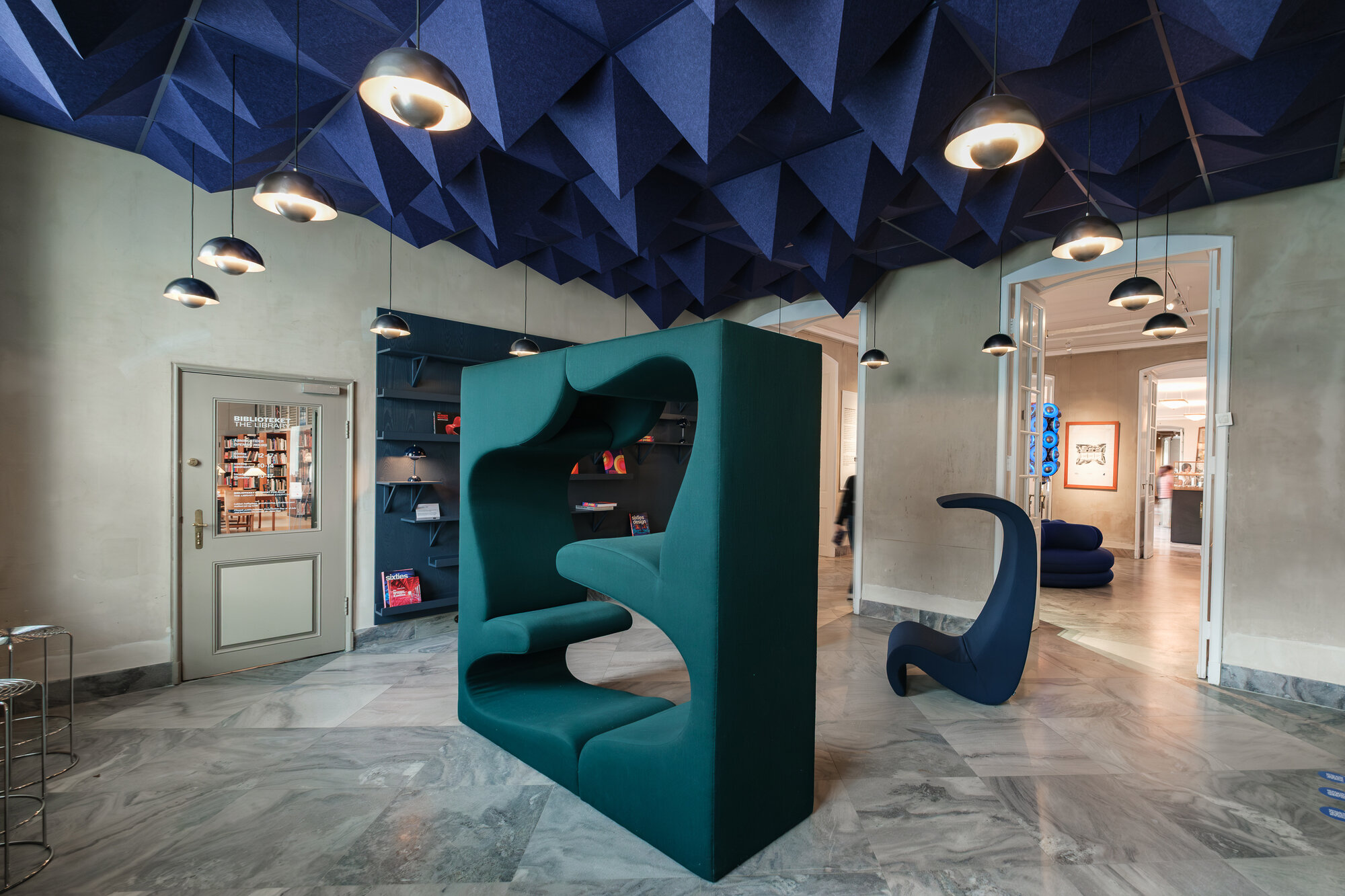
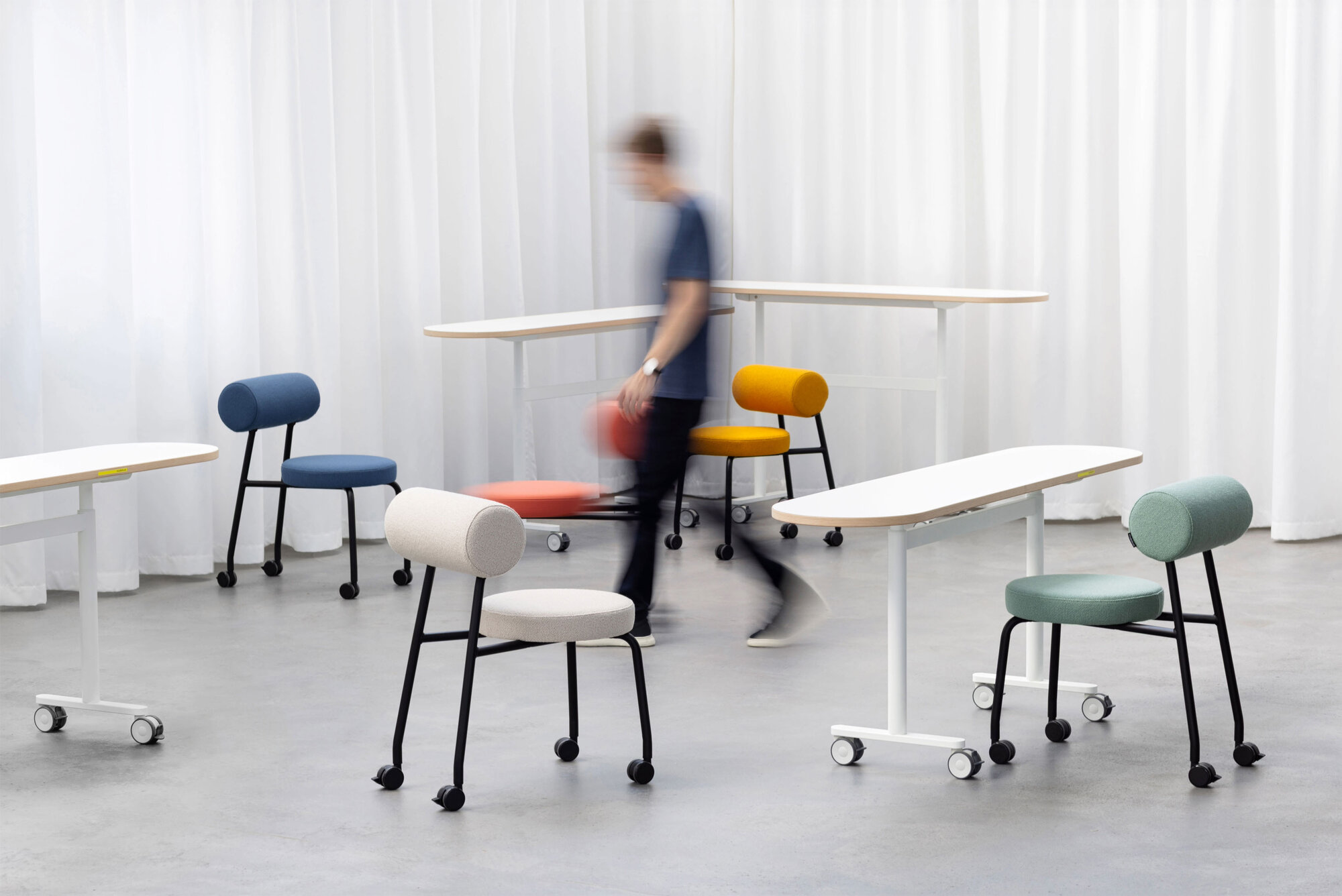
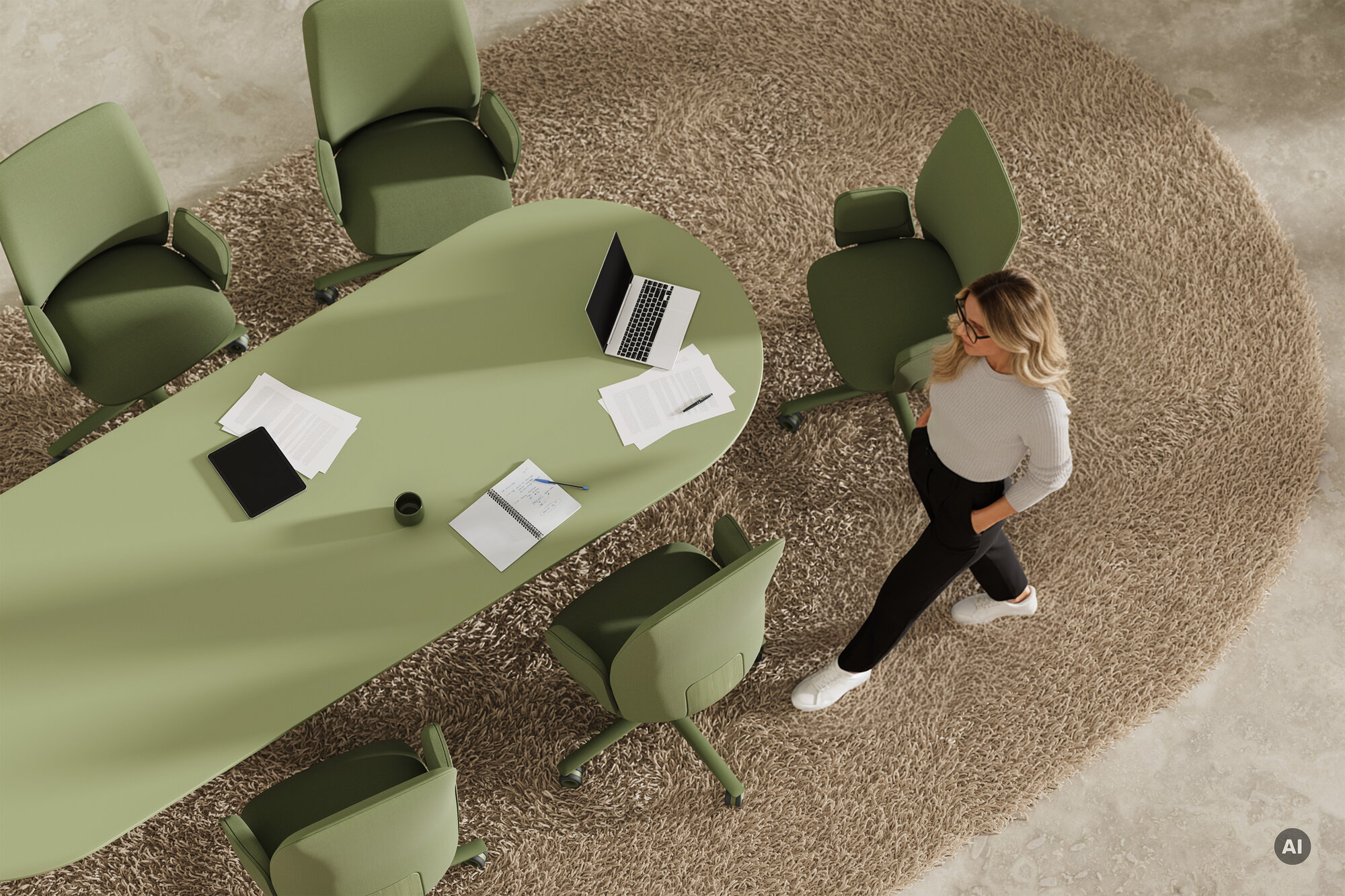
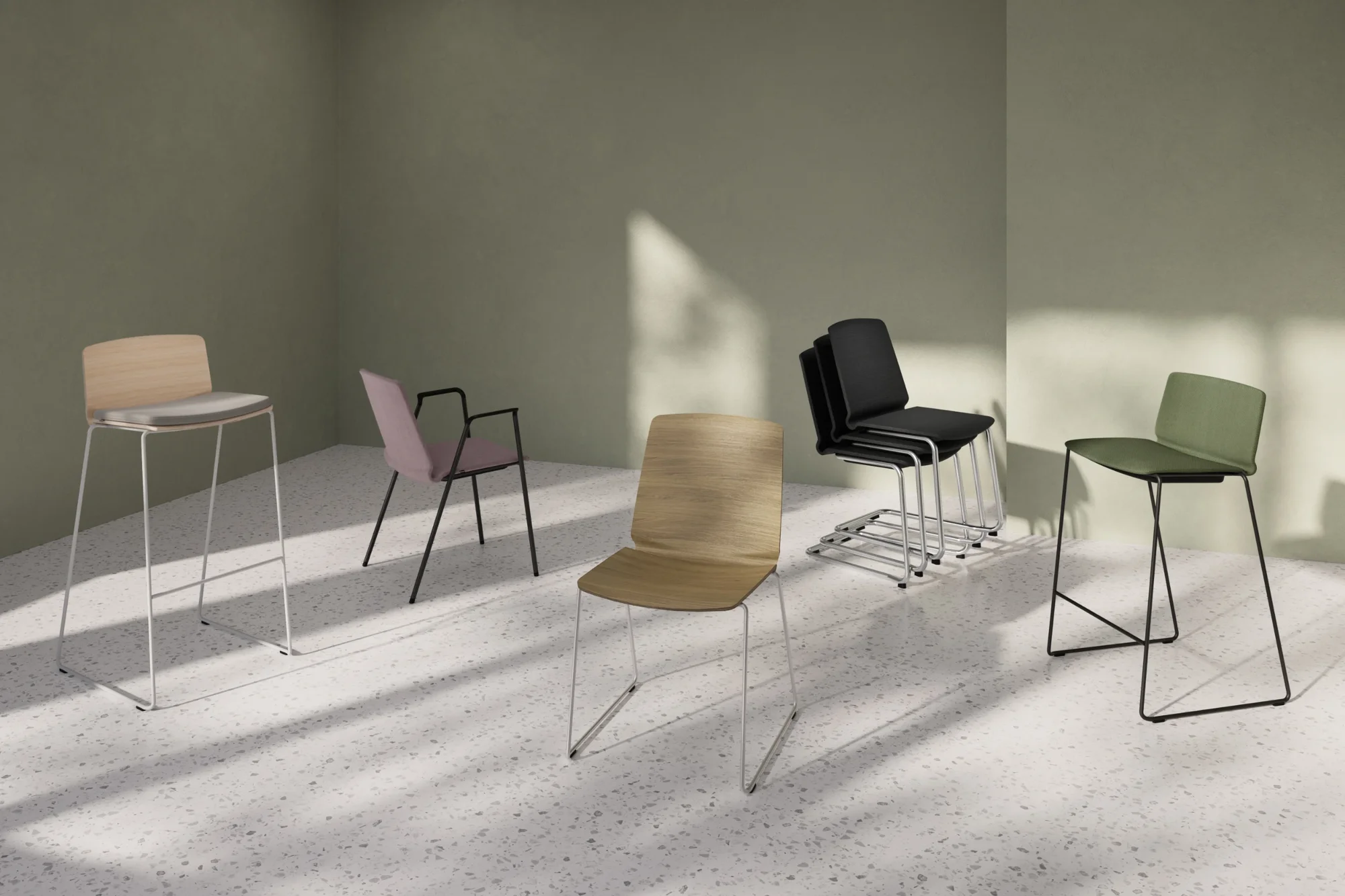
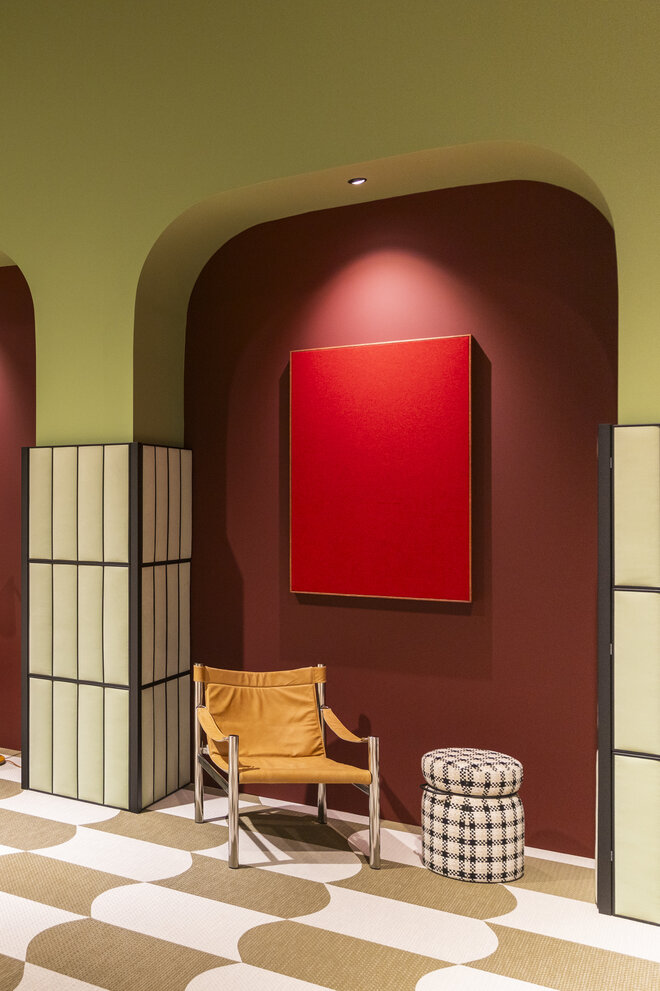
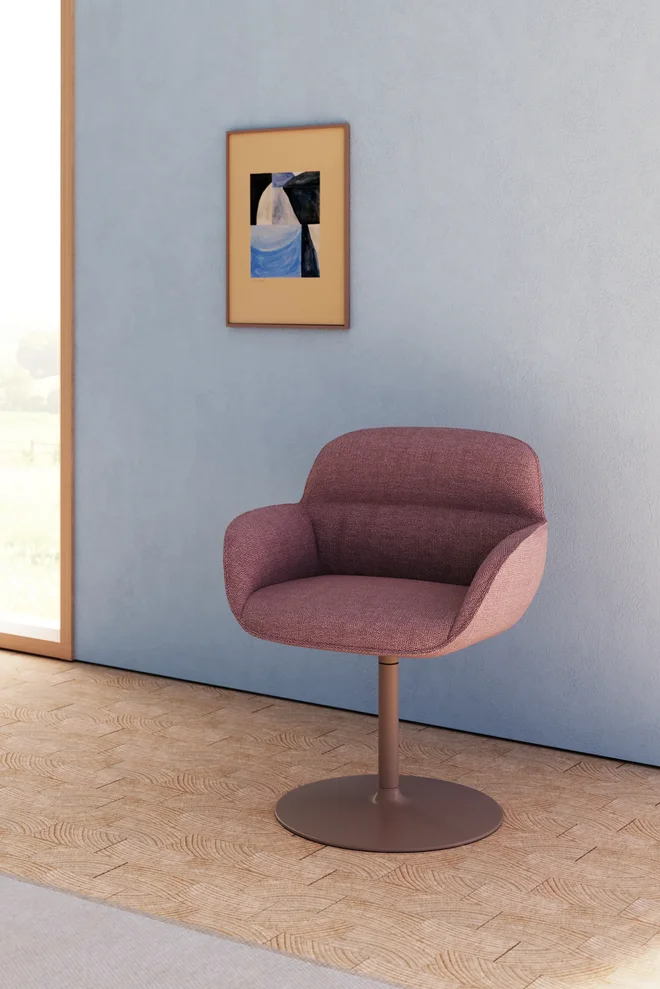
Whether at the Design Post or at Orgatec, anyone looking for a cool, monochrome office aesthetic looked in vain. Manufacturers were united in their embrace of colour, design, a homely feel and snug materials. The big names have overhauled their collections and now pitch themselves as lifestyle partners for the whole office concept. Tellingly, the traditional office furniture makers are increasingly turning to designers from the residential sector, such as Sebastian Herkner (Brunner, Buzzi Space) and Doshi Levien (Arper, Brunner). That takes some getting used to, since these companies were once associated with ergonomics, efficiency and standards. But function alone is no longer enough to win business in the office market.
Colour Ahead
Sedus, for example, presented a colour concept geared to particular work areas, with soft rosé for “Focus & Retreat” and mint green for “Workshop & Meeting”. Interstuhl came up with a few surprises of its own: a fresh brand look, updated colours and the new VEOH chair, designed by Phoenix Design, whose sensual form has won the German Design Award 2027. Leo Lübke of COR, who also heads the German Furniture Industry Association, confirms the shift towards colour: “Contract customers are asking for more colour than people do for their homes.”
Spotlight Stays on Soft Seating
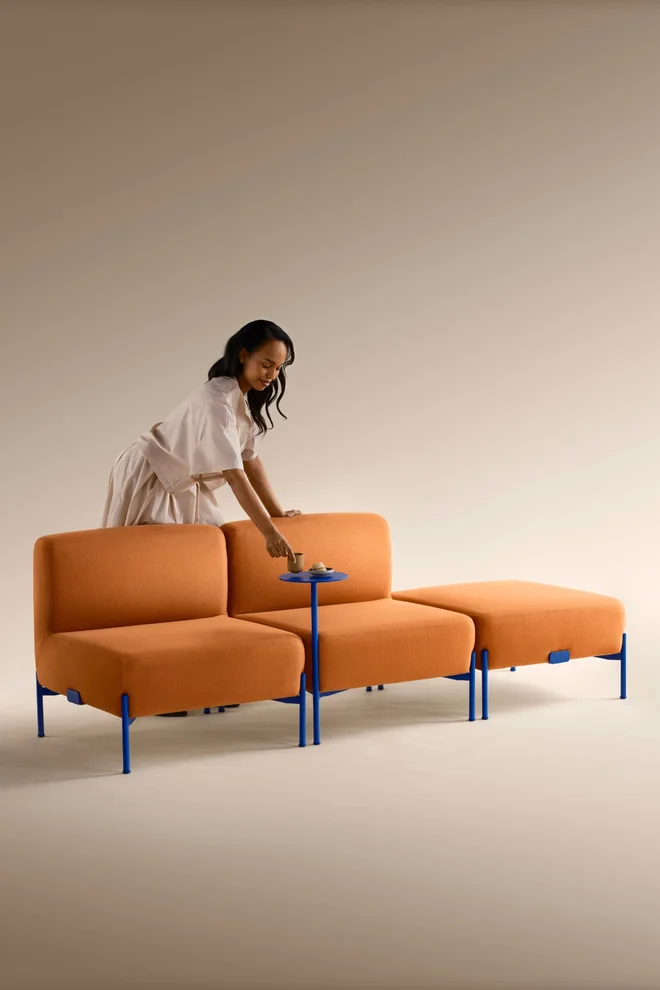
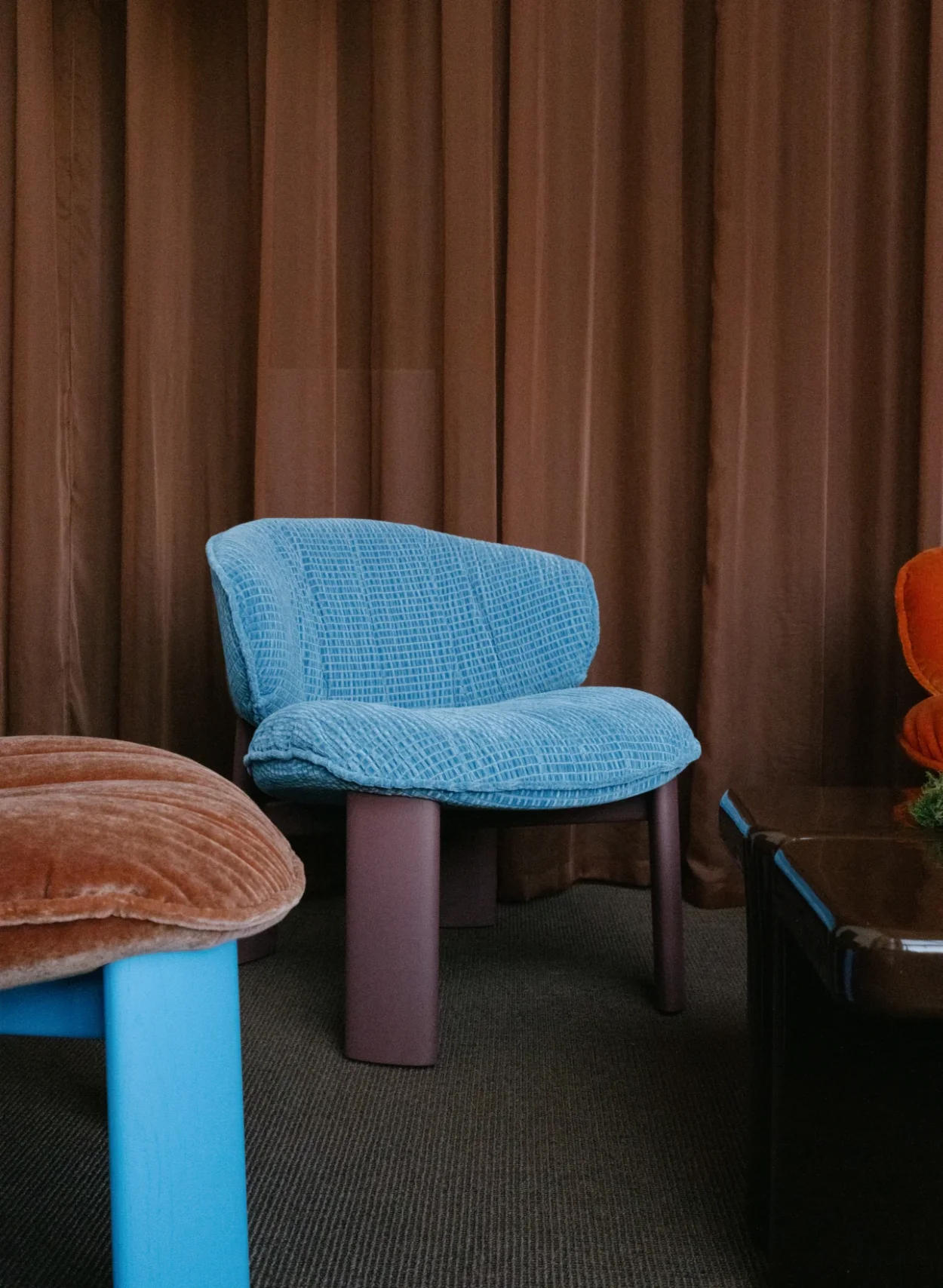
When it comes to colour concepts, though, the front runners are probably the manufacturers from Spain, Italy and Turkey, represented at Orgatec and in the Design Post by names such as Actiu, Arper, Dieffebi, Mara and Nurus. Their palettes suited the autumnal mood perfectly: soft reds and yellows alongside burgundy, sage green and dove blue, either subtly graduated or set off by well-chosen contrasts. And all of it comes generously padded, because working life is tough enough as it is. Soft seating, the territory of informal working on cosy lounge chairs, benches and high-back sofas, is still very much in the spotlight. To ensure everything works together, whole collections and furniture families are on show, designed to be mixed and matched. The one-off office chair is yesterday’s news.
Sculptural Felt Acoustic Panels
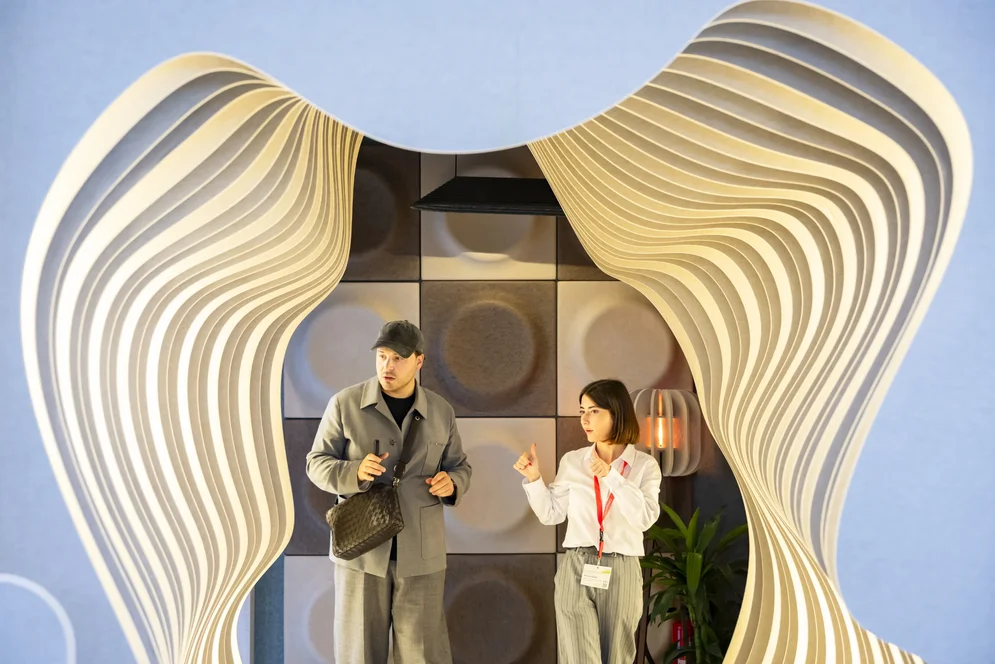
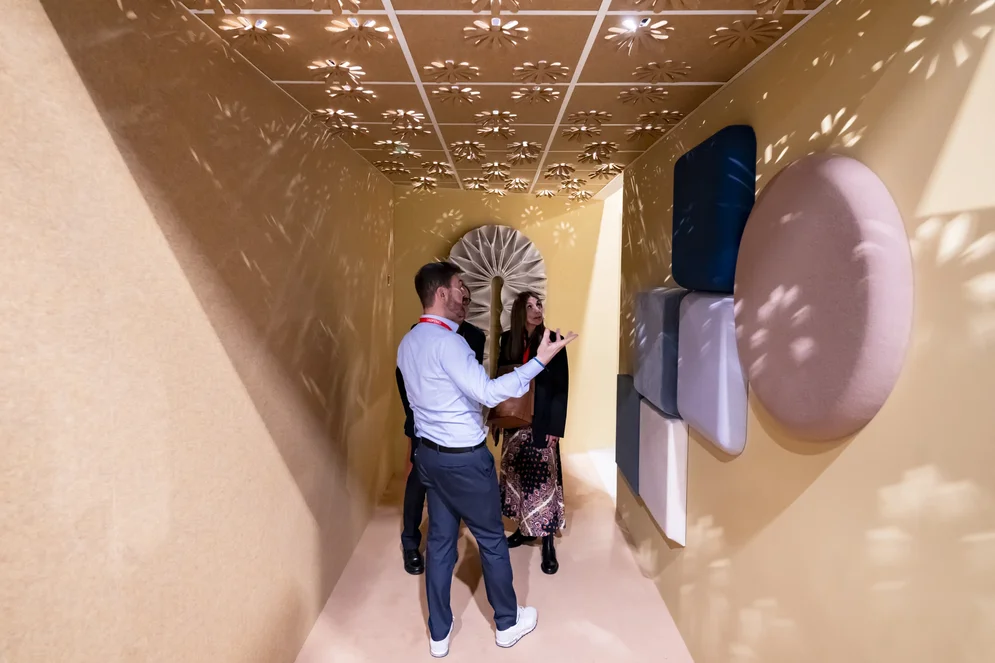
Textiles are a major theme at Orgatec, and not just for upholstery: they also appear as badly needed sound absorbers. In the field of room acoustics, imagination seems to know no bounds. At stands such as those of Buzzi Space, Feltouch, JAB Anstoetz, Hey Sign and Slalom, it was hard not to marvel. There were sculptural lighting pieces, felt hangings for ceilings and walls, and panels and screens that are a world away from dull, rigid solutions. The real showstopper among acoustic panels is probably Offecct’s relaunch of Verner Panton’s Spiegel Panels. The Swedish company, part of the Flokk Group, has revived a design originally created for the former Spiegel canteen.
The Triumph of the Pod
Acoustics is one of the main drivers of the industry, because the noise levels in open-plan offices have been enormous since the end of the pandemic at the latest, thanks to the growing number of video calls. The solution: bring the quiet into the office in the form of so-called “pods”, a sort of soundproofed phone booth that is packed with technology. Alongside first-wave companies such as Framery of Finland, a whole host of specialist pod makers has since emerged, among them Silen (also Finland), Berlin Acoustics (Germany) and Hushoffice (Poland).
The Circular Home Advantage
Something else became apparent on the margins of the fair: circular design has well and truly reached the office. COR (“CORever”), Brunner (“ReNew”) and Sedus (“Sircle”) run take-back and refurbishment schemes that cover not only their own furniture but also other makers’ products. There is even a dedicated initiative, CIRI (the Circular Interior Alliance), through which manufacturers such as Ege, Kvadrat, Vepa and Vitra have teamed up to share the benefits of a common network. Circular value chains of this kind work best when production is local, and many traditional office furniture makers still manufacture close to home. Brunner has a workforce of about 500 at its Rheinau site, Sedus Stoll Group has roughly 1,000 staff across three German plants (Klöber included), and COR has around 220 people in Rheda-Wiedenbrück. For the companies that remained loyal to their home base, the strategy now seems to be paying off.
Built to Last
Anyone with time to spare after the fair made their way to machwerkhaus, a new idd cologne venue in the Kalk district of Cologne. In Built to Last, an exhibition curated by KAP Forum, highlights included Nils Holger Moormann’s rustic furniture testing machine, which seemed to belong to another century, and Wilkhahn’s handsome WiChair.
All told, visitors are heading back to their everyday work with bulging catalogues, fresh impressions and new contacts. The slump will linger for now, but colour is back, and with it the appetite for the office.