‘Design Always Means Taking Responsibility’

What, in your view, is so exceptional and outstanding about the Mathildenhöhe Darmstadt that still resonates today?
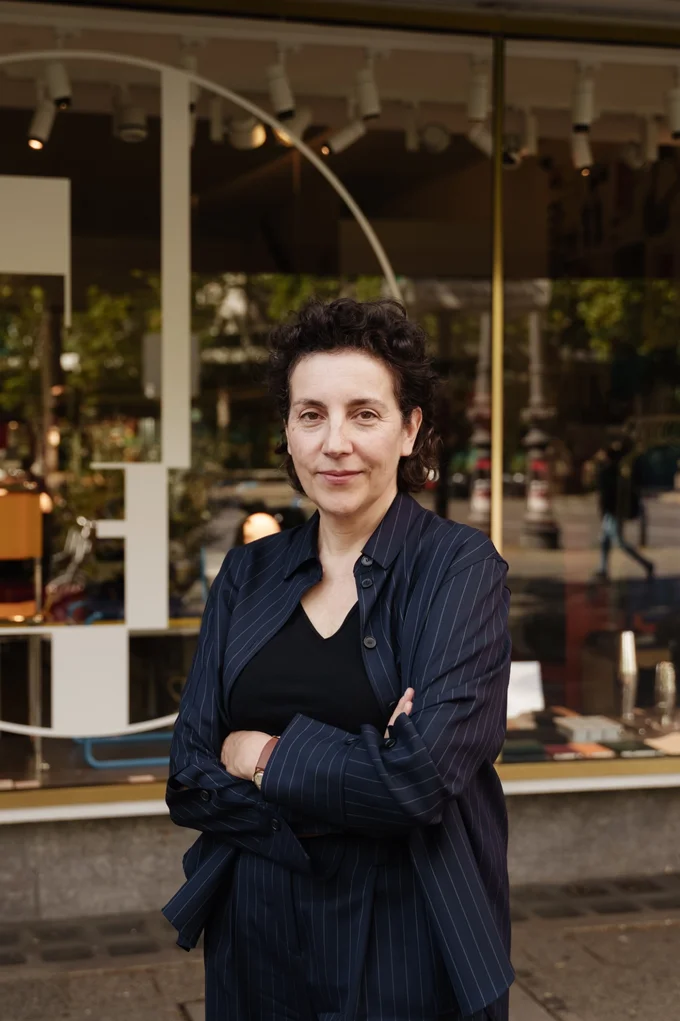
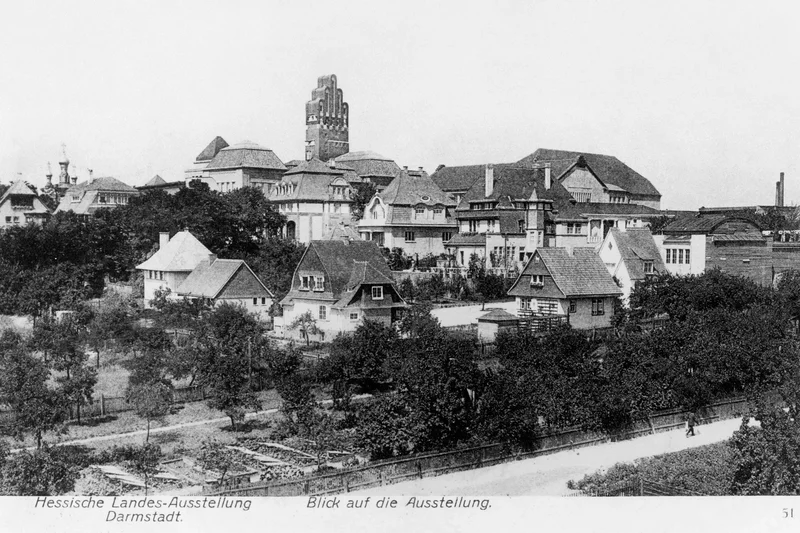
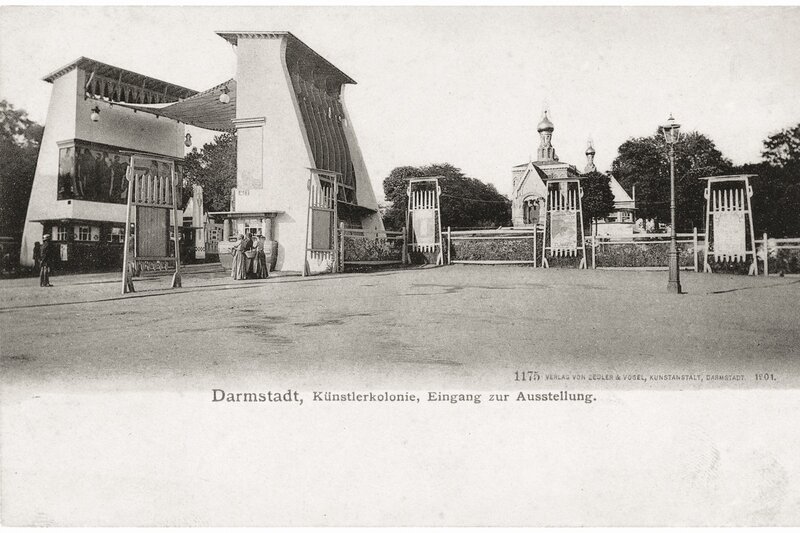
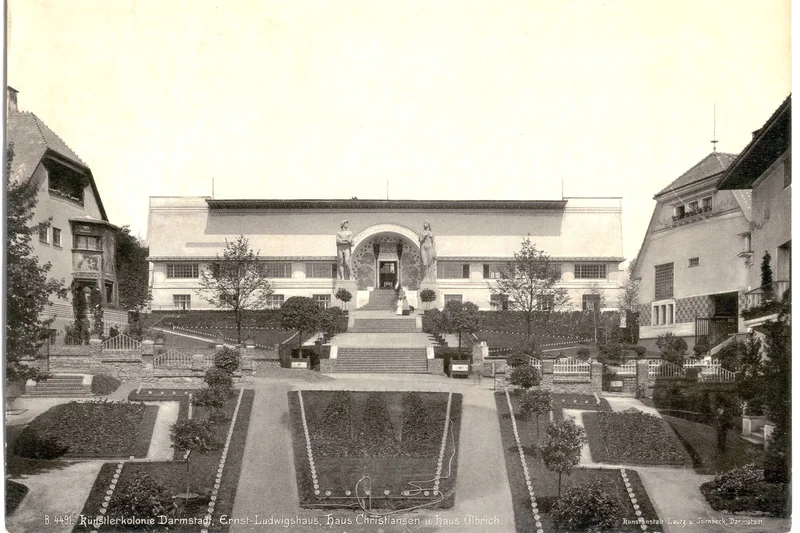
Dr Philipp Gutbrod: What is exceptional about the Mathildenhöhe Darmstadt is the radical openness with which new paths in architecture and design were explored here around 1900. Endowed with artistic freedom, the members of the Darmstadt Artists’ Colony were able to create fully furnished houses, public sculptures and designed open spaces, all of which were presented as part of four major building exhibitions on the Mathildenhöhe. The resulting ensemble is regarded as a pioneering site of early modernism and was inscribed on the UNESCO World Heritage List in 2021. Even today, the Mathildenhöhe continues to inspire through its commitment to actively shaping social developments through design and thereby improving everyday life. During the anniversary year, 125 Years of Mathildenhöhe Darmstadt, this idea is selectively translated into the present day and critically re-examined. This is precisely where the exhibition begins.
What understanding of design underpins the exhibition A Step Ahead? Where do you see an aesthetic practice at work today that is capable of acting in an integrative and responsible way?
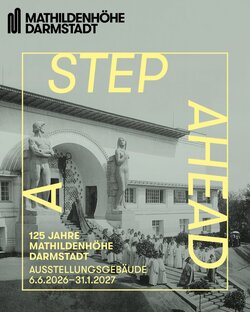
In A Step Ahead, an exhibition presented as part of the World Design Capital 2026, design is understood not merely as a formal discipline, but as an active, collaborative and responsible process. Design always means making decisions and therefore taking responsibility — whether in relation to materials, production methods or social contexts. A contemporary aesthetic only truly emerges where it makes connections visible and integrates different perspectives. The exhibition brings together historical and contemporary design positions alongside interactive stations in order to communicate design as a networked system and to demonstrate concretely how design can operate in an integrative way.
From today’s perspective, how do you assess the characteristic pathos of that period of new beginnings? Have architecture and design not long since become integrated into consumer society, making it difficult for them to point beyond it? Looking back at the Artists’ Colony, which current approaches do you recognise today?
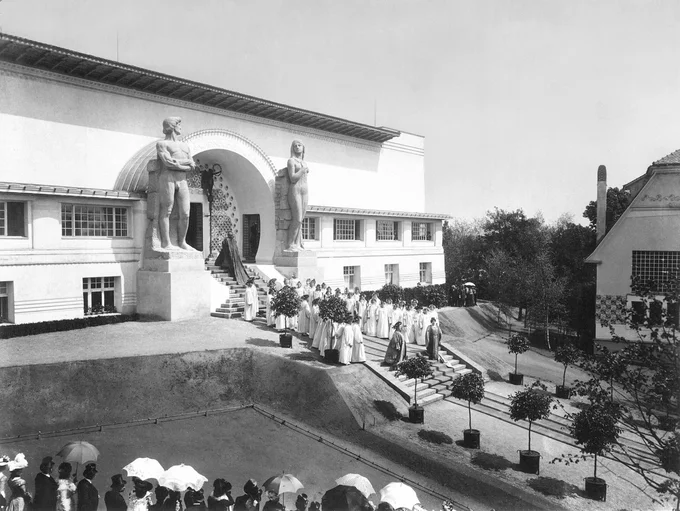
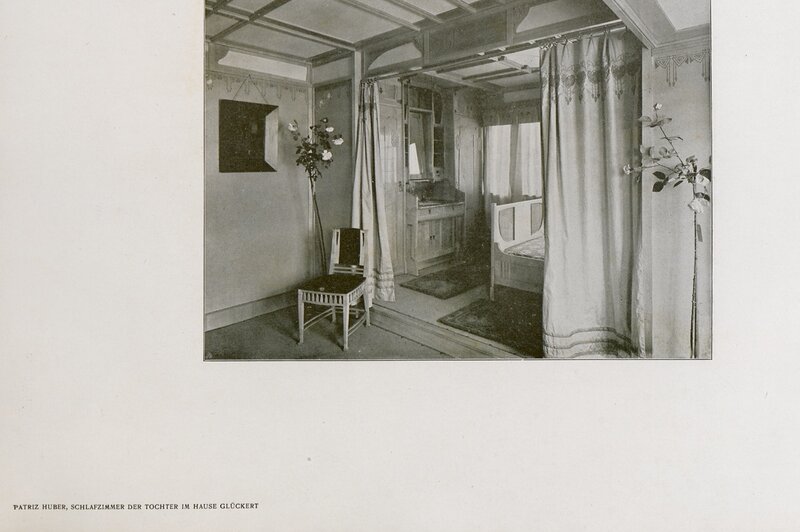
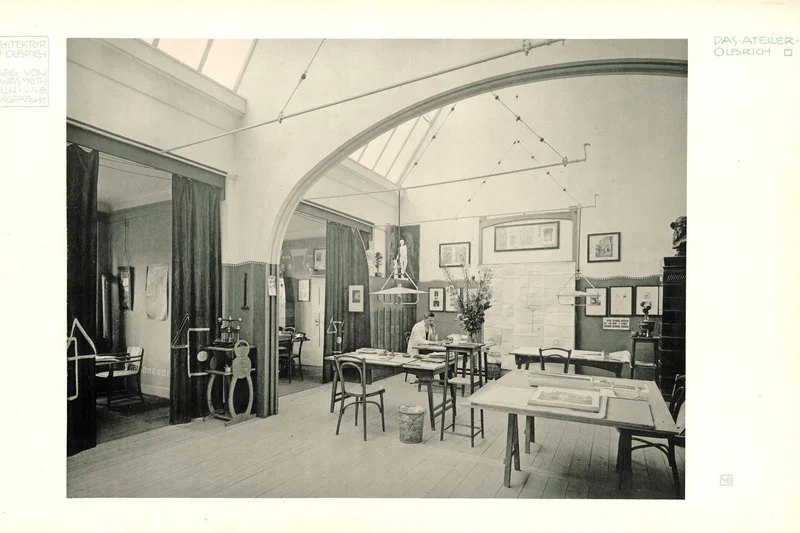
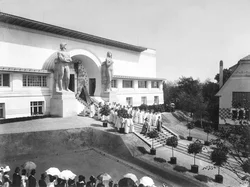
The pathos of the early twentieth century was the expression of a genuine spirit of departure and a profound belief in the transformative power of art, design and architecture. This conviction was encapsulated in the idea of the Gesamtkunstwerk — the total work of art. Peter Behrens was so inspired by the openness of the Mathildenhöhe that, as a self-taught designer, he built his first house here and designed every aspect of its interior himself. He also conceived and realised a Weihespiel for the opening of the first exhibition — a kind of artistic performance that can be seen on our exhibition poster. Designers today are impressed by the radical creativity that prevailed at the Mathildenhöhe, and traces of this can at times be recognised in contemporary design. However, the concept of design has changed and expanded considerably: whereas designers around 1900 were regarded as individual geniuses, today designers often work collectively and through co-creative processes. Unlike in 1900, global concerns and a pronounced awareness of the challenges of our time now stand at the forefront of design practice.
In Behrens’ case, this holistic pathos was certainly also inspired by elements of Nietzsche’s philosophy. Has the rapid development of artificial intelligence suddenly put the question of the “Übermensch” back on the agenda?
Or to put it differently: today there is much talk of holism in design, yet this has little to do with the ideological perspective of the Gesamtkunstwerk. Where do you see parallels, and where differences? Indeed, several elements of Behrens’ first house can be interpreted as a homage to Friedrich Nietzsche, and during his time in Darmstadt the designer created a widely acclaimed deluxe binding for Thus Spoke Zarathustra. The rebellious spirit of the period around 1900 also found expression in the hope, at the beginning of the twentieth century, that scientific discoveries, medical advances and increasing international interconnectedness would make the century particularly peaceful. Today, people are less naïve in believing that global problems can be resolved for the better solely through technological innovation. Only a holistic understanding of the world’s complex interconnected systems, combined with global dialogue, can lead to inclusive solutions. The exhibition makes this transformation in the understanding of design visible in a playful way through interactive stations: experimental formats demonstrate how design today aims less at a closed ideal than at open-ended processes.
A Step Ahead — where do you see this today compared with 125 years ago, particularly in light of the escalating climate crisis? What role does an everyday aesthetic play in times of virtual worlds, in which objects seem to matter less and less?
One hundred and twenty-five years ago, being “a step ahead” primarily meant aesthetically permeating and enhancing everyday life through holistic design. New materials and concepts were intended to make high-quality design affordable and accessible to broad sections of society through exhibitions and journals. Critical questions concerning exclusionary structures, environmental impact or socially and ecologically responsible production methods were not yet central concerns. Today, however, the aspiration to democratise design is closely linked to questions of sustainability, technological development and social participation. Even in our digital age, the need to experience our environment through all the senses remains. We require physical objects in many different forms in order to survive. Design education — whether in schools, the media or exhibitions — can encourage a more conscious relationship with our world, both physical and digital. In this sense, the exhibition juxtaposes digital reconstructions and interactive formats with physical objects. This interplay between physical space and virtual layers demonstrates that aesthetics continue to play a central role while constantly evolving. Increasingly, aesthetics are shifting towards experience, interaction and perception.
A Testing Ground for an Early Design Economy
The Mathildenhöhe Darmstadt is celebrating its 125th anniversary, and with the 'A Step Ahead' exhibition, simultaneously looks back at its origins and ahead to the present day. The exhibition connects the reformist ideas of the artists’ colony with contemporary perspectives on design, architecture, art and new technologies.
Read the article