Forget Black Friday. It’s Circular Monday!
Almost everyone knows Black Friday. Circular Monday has been around for quite some time, too, but has yet to receive the attention it deserves in the face of dwindling resources, the urgent need for reform and, not least, Earth Overshoot Day. Launched in Sweden in 2017 as an antithesis to a day centred on discounts and bargains, Circular Monday has since called on consumers and businesses to embrace circular thinking and more conscious consumption on the Monday before Black Friday – 23 November this year. This includes everything from second-hand and refurbished goods to sharing models.
Maximilian Mauracher is the initiative’s representative in Germany (Spokesperson). Together with his agency, New Standard.Studio, he has given the initiative a new strategy and a more accessible online presence. In this interview, he discusses narratives that need challenging and shares his hopes for the future.

Black Friday is a familiar name to almost everyone. What is Circular Monday all about?
Maximilian Mauracher: It is a campaign day that takes a stand against linear consumption. We want to make circular offerings – products and services – more visible. Essentially, Circular Monday is not about banning or giving up consumption, but about rethinking how we consume and exploring alternatives to buying new. That is also the new narrative we have developed this year.
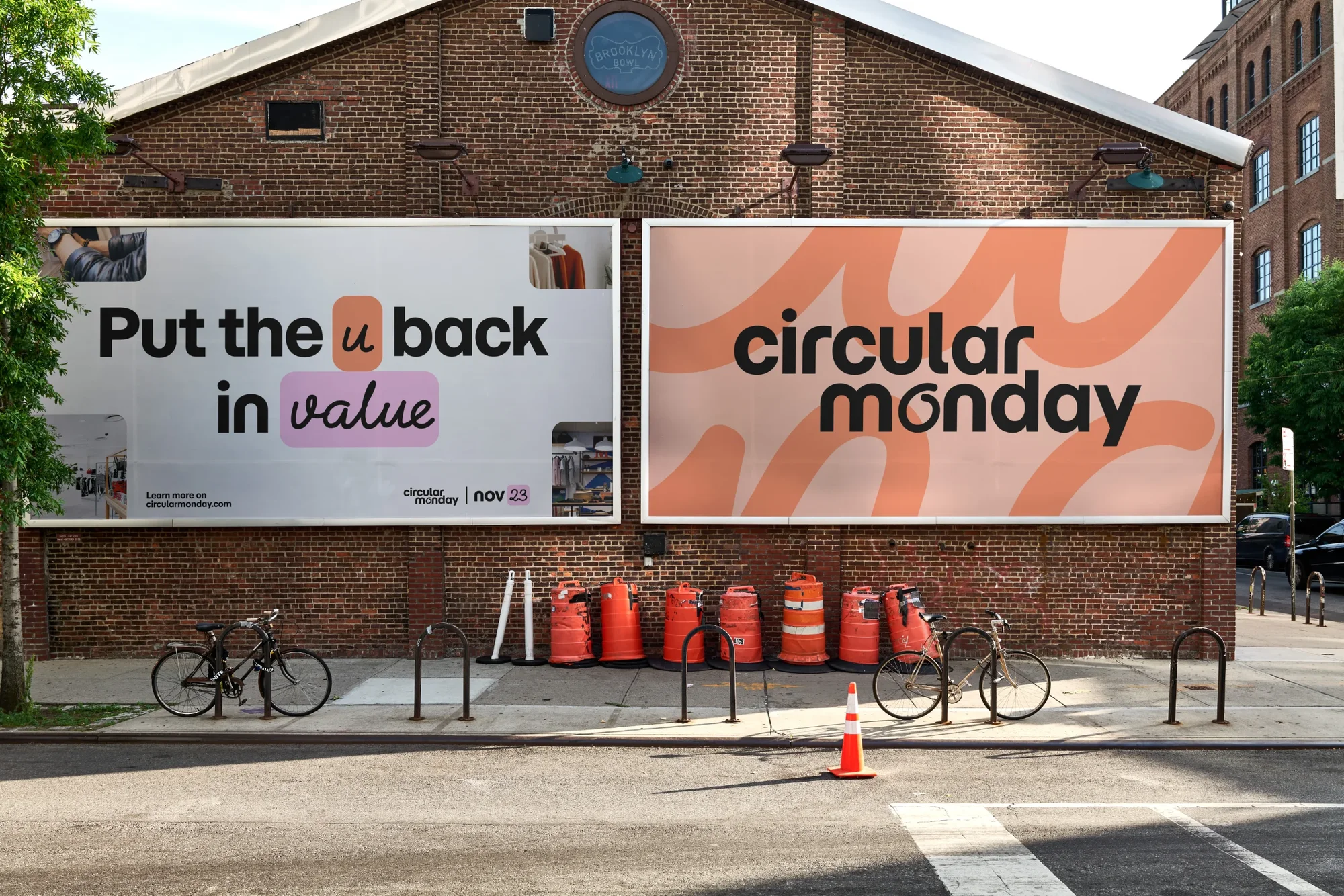
Is that why the campaign’s slogan is ‘Put the U back in value’?
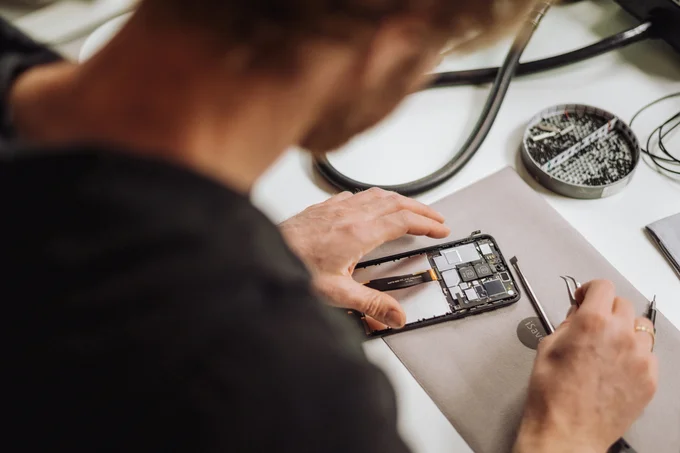
Exactly. We want to show that there are other ways of doing things. How can we broaden and redefine our understanding of consumption? Could it also mean buying something second-hand or refurbished, having something repaired, swapping something, and much more? There are many different circular practices and forms of consumption. With Circular Monday, we put them in the spotlight, dedicate a day to them and say: Now it’s your turn to shine!
Of course, the appeal of Black Friday shopping is undeniable, but we all have the opportunity to make a different choice. And perhaps that choice is not the biggest bargain, but the product that lasts the longest.
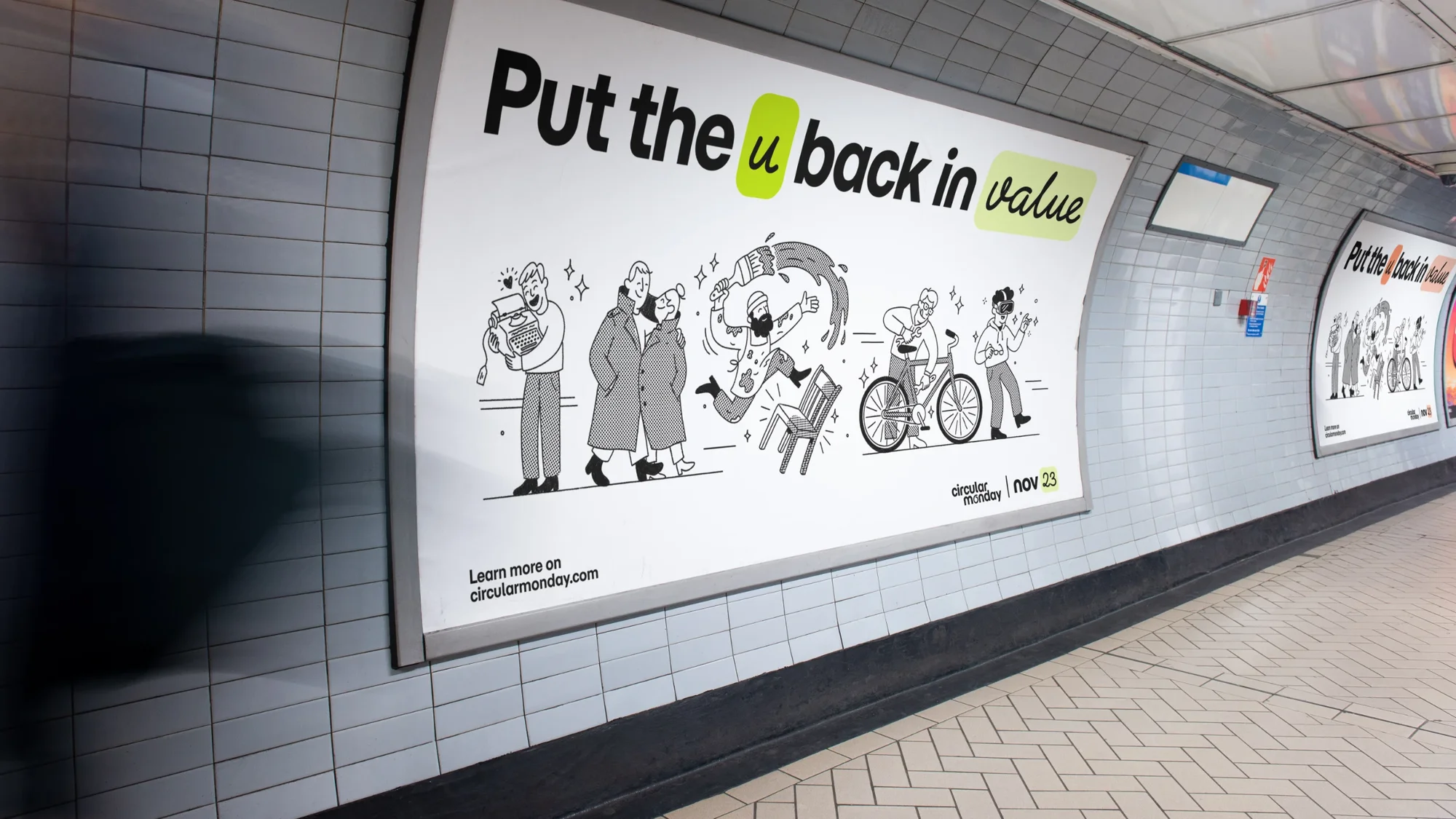
Alongside developing the new narrative, you and your agency, New Standard.Studio, also revised the strategy and visual identity this year. What was particularly important to you in this process?
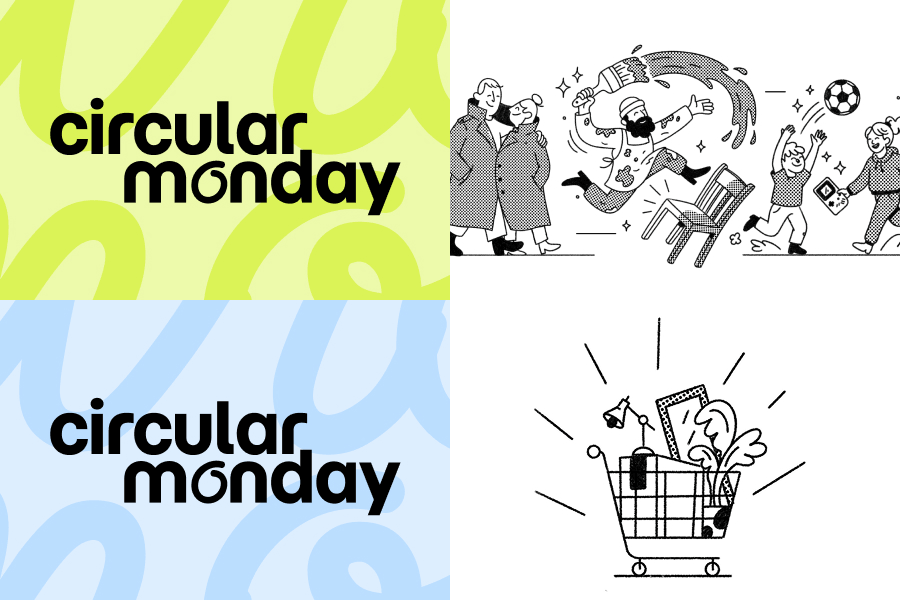
After ten years, it was time to take a critical look at whether the direction was still right. We realised that Circular Monday had ended up in a niche somewhere between conscious, ethical and fair consumption. That no longer resonates with the mainstream today. Our main objective was to bring the day out of its bubble. How could we draw on different visual and aesthetic references to give it a more modern, contemporary feel and appeal to a broader audience?
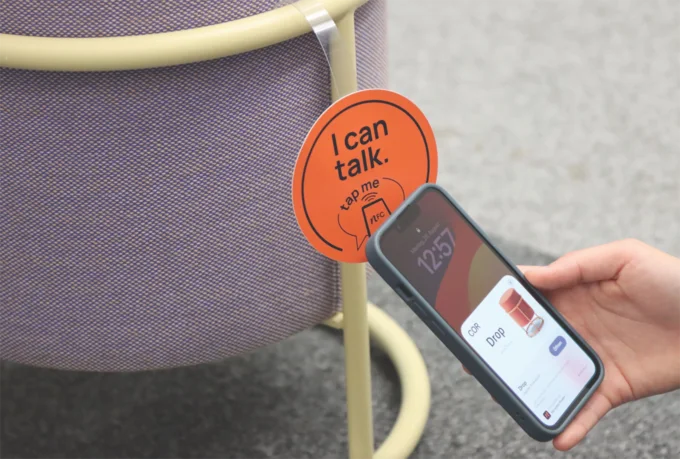
Another key aspect was to revisit the narrative and question what we consider valuable. We also wanted to raise awareness – both of the topic itself and of our online database, which highlights companies and organisations in different countries that offer circular alternatives and are active in this field.
Who gets involved in Circular Monday?
We work closely with multipliers, non-profit businesses, companies and brands that help raise awareness of the day and extend its reach. This can be as simple as sharing posts on social media, but there are also smaller campaigns, events and special offers centred on circular forms of consumption – such as a free repair service at a local shop.
And what about on an international level?
Exactly. We are active in around 60 countries, each with at least one representative, known as a Spokesperson. Each country organises a wide range of events, from workshops and conferences to swap parties and award ceremonies. In certain countries and cities, I see potential for Circular Monday to become more established as a platform or brand. In Germany, we already have a strong network of regional circular design initiatives and NGOs.
What do you hope to achieve beyond Circular Monday itself?
Of course, my hope is that we will eventually no longer need these kinds of awareness days because we will have changed the way we act and consume. But we are not there yet, which is why these moments in the spotlight are so important. Circular Monday is just a first step, but what we really need is this reminder every day. That is why we want to turn it into something that remains relevant throughout the year. In the long term, the website circularmonday.com should offer value beyond the annual campaign day – for example, by becoming a resource people can turn to before making a purchasing decision.