Glitter as Material, Attitude and Practice
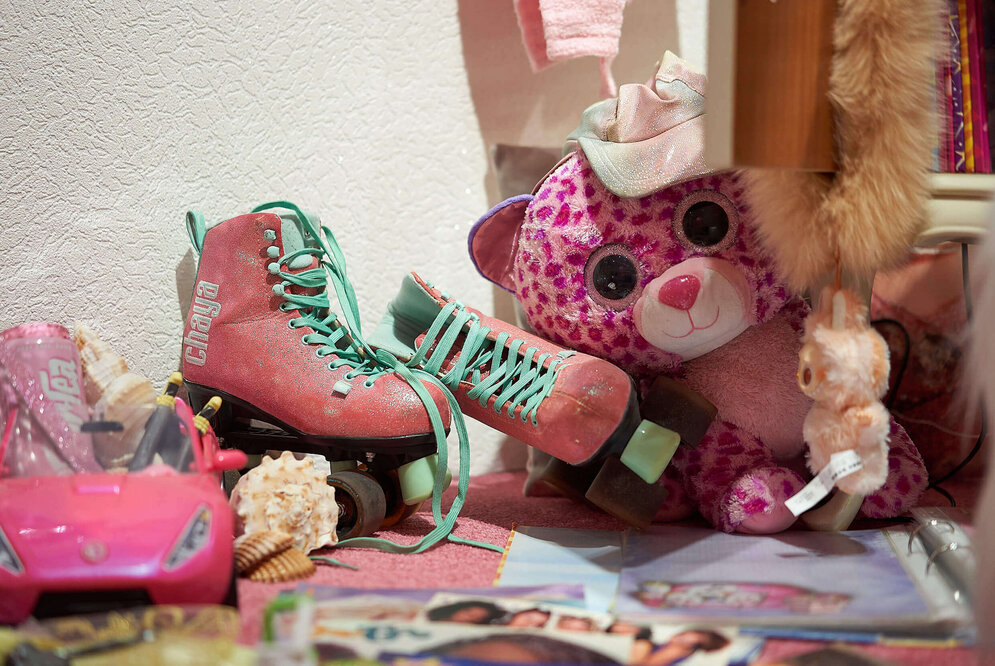
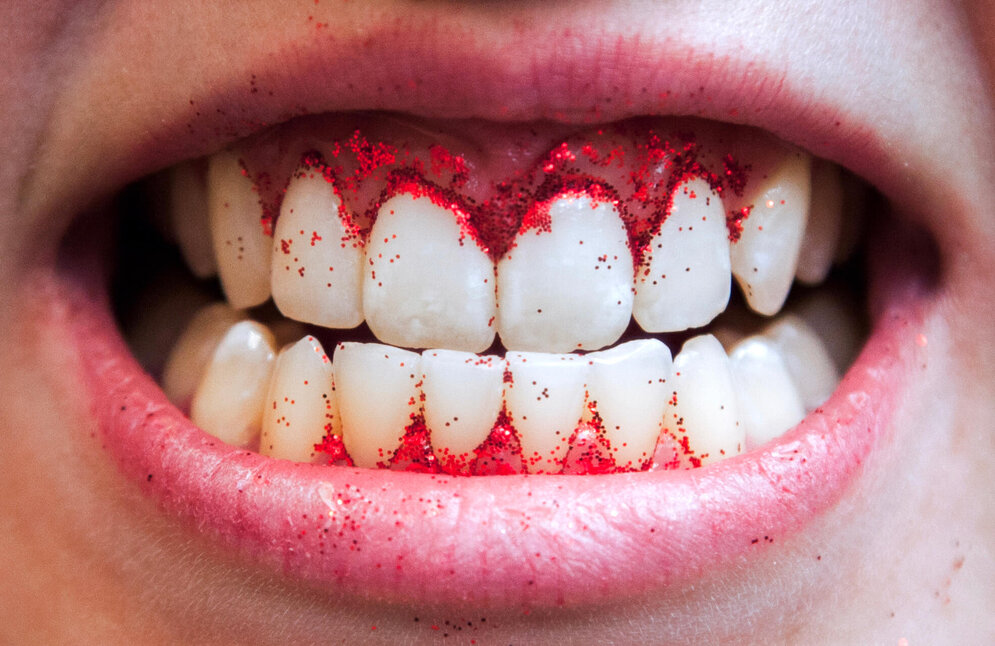
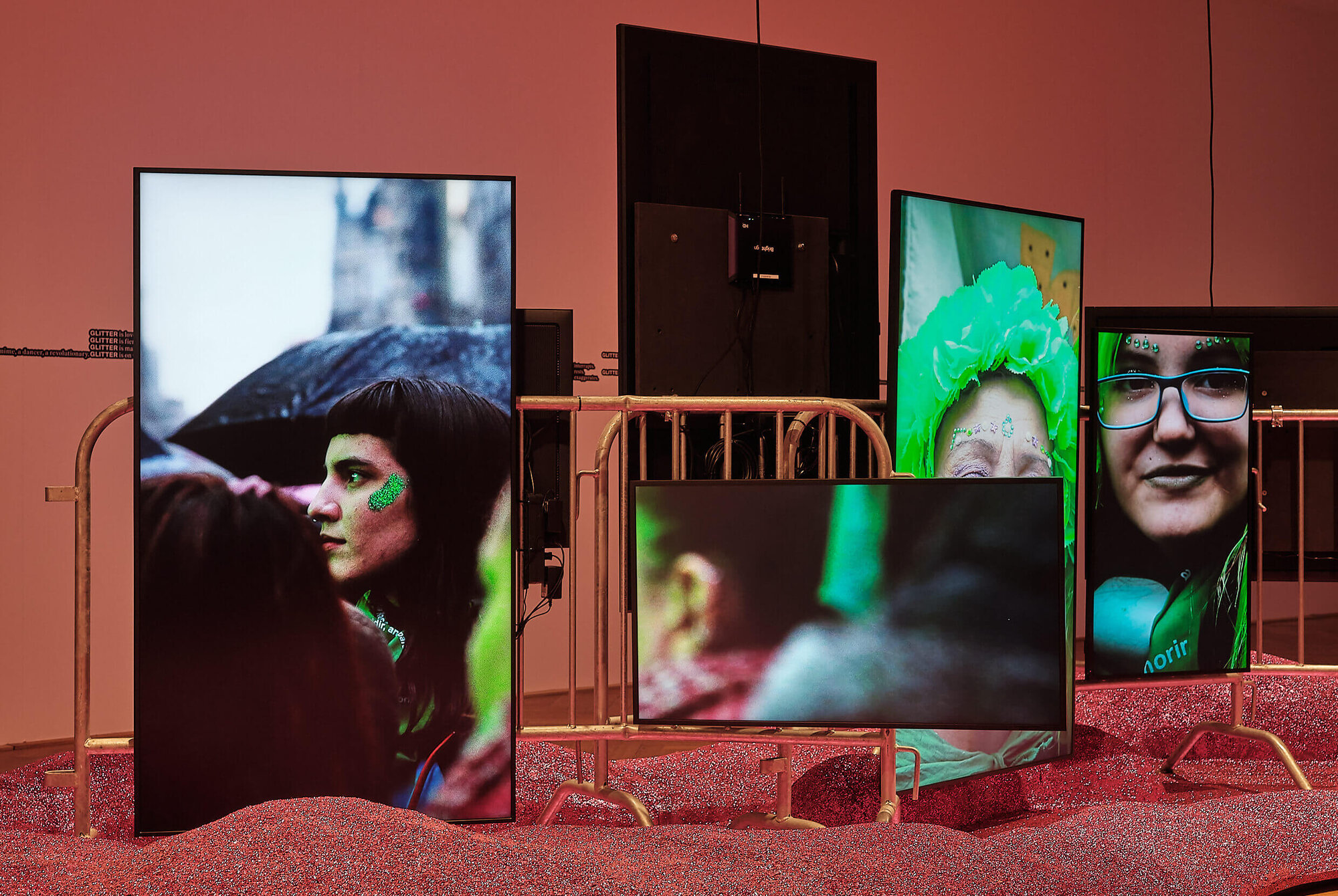
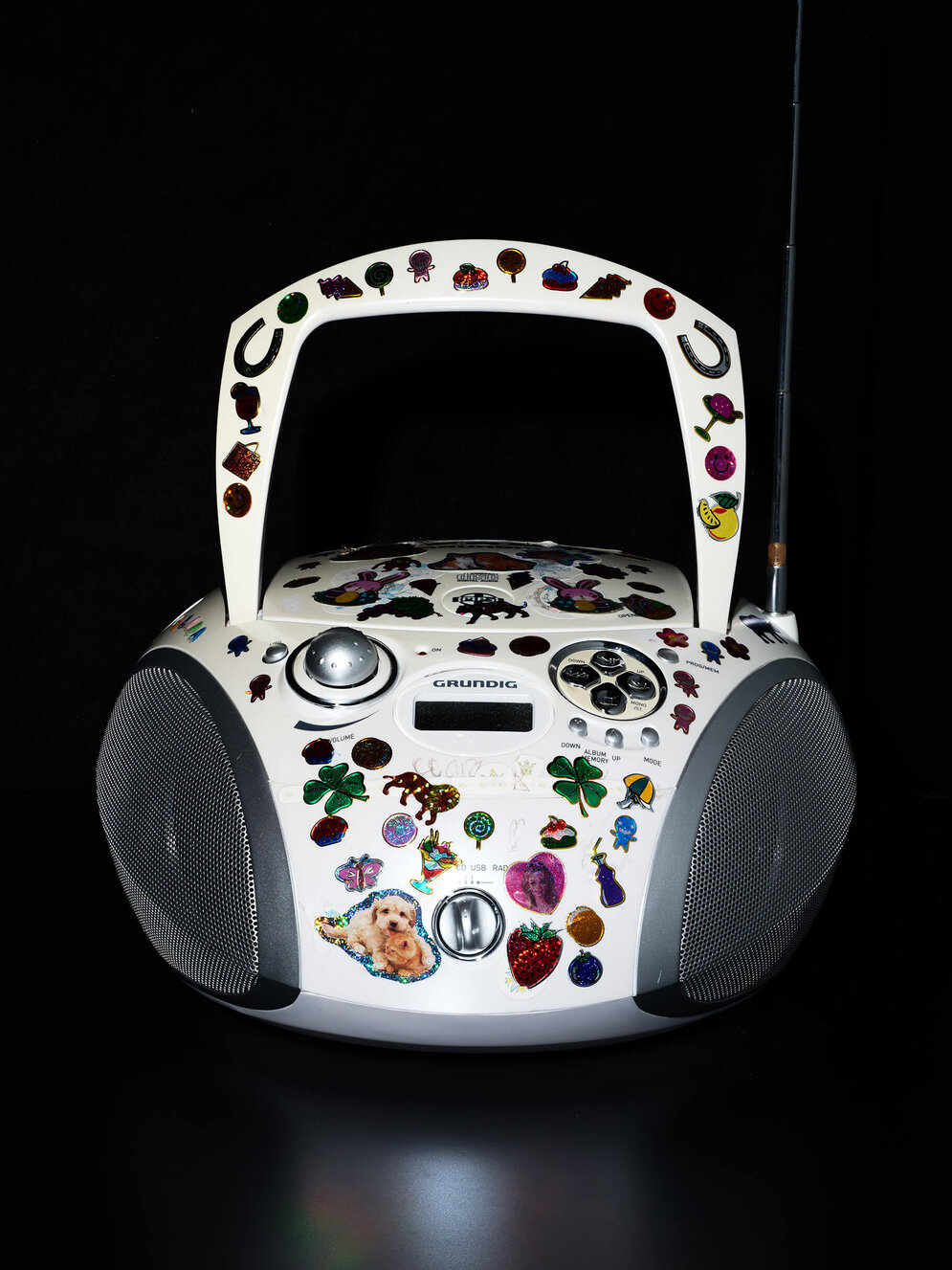
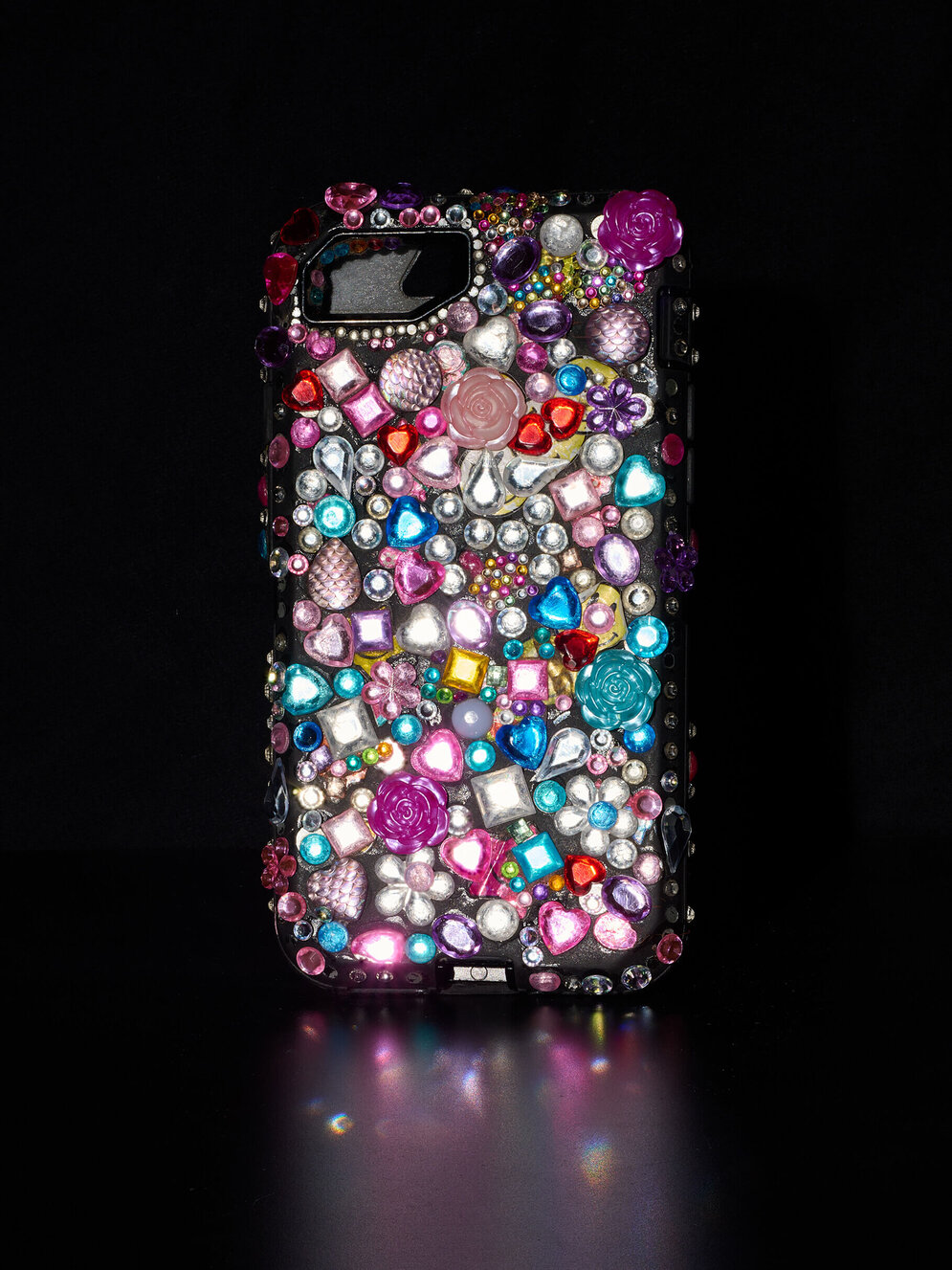
Glitter oscillates between attraction and repulsion. It shimmers on stages, sticks to protest posters, covers nails, bodies and rooms, and refuses to be pinned down. The exhibition brings together around 40 international artistic and design positions that interpret glitter as a means of cultural expression: as a sign of collective joy, as aesthetic exaggeration, and as quiet and loud resistance against social norms. On display are works by Jenny Schäfer, Quil Lemons and Molly Soda, among others, as well as costumes, wigs, nail art and audiovisual contributions from pop, performance and design.
Between Pop Culture, Protest and Materiality
The exhibition is divided into six thematic chapters that examine glitter as an activist material, a means of staging identity and a do-it-yourself practice. This approach is complemented by a ‘Glittermania’ section dedicated to the history of glitter – from early cultural references to contemporary pop phenomena. Finally, a separate materials laboratory takes a closer look at the glittering material itself: Why does something glitter? What is classic glitter made of? And can organic glitter really be a sustainable alternative?
Education, Participation and Public Space
Participation also plays a central role in Winterthur. In an open glitter workshop, visitors are invited to get creative themselves and add their own contributions to the exhibition. Walk-in workshops, activities for schools and a wide-ranging educational programme encourage visitors to explore glitter as an aesthetic, social and ecological topic.
An extensive programme of events accompanies the exhibition. These include dialogue-based tours on glitter between protest, pop and sustainability, a gender salon in a nail salon setting, collaborations with the Swiss Textile College in Winterthur and a museum concert entitled Mirrorball Disco Time. A design promenade through Winterthur is also included.
The Winterthur exhibition not only takes glitter further, but also sharpens its critical focus: as a material that varies between glamour and microplastics, glitter raises questions of responsibility, visibility and design in a present shaped by images, consumption and symbols.