Main-Light: Making the Energy Transition Visible
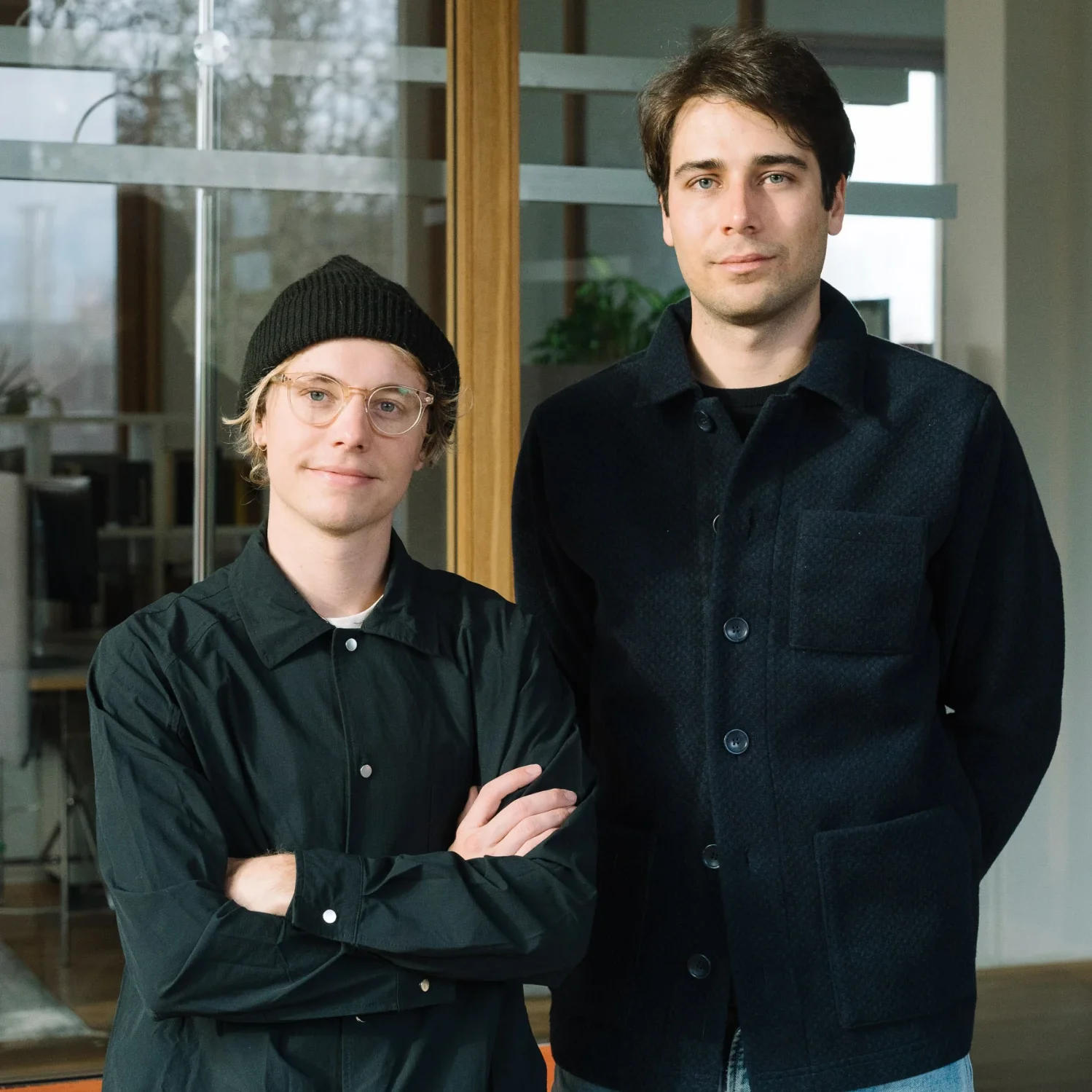
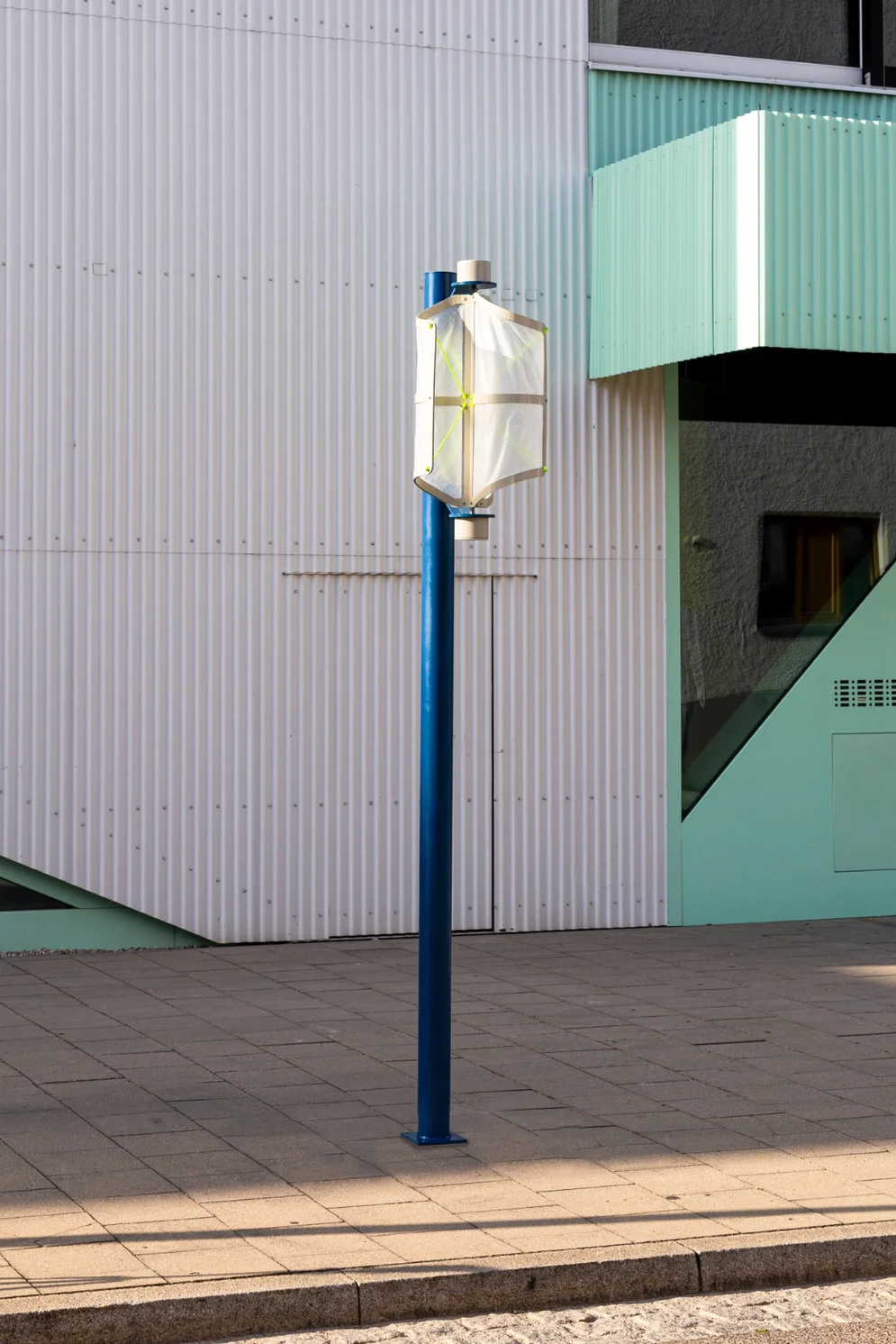
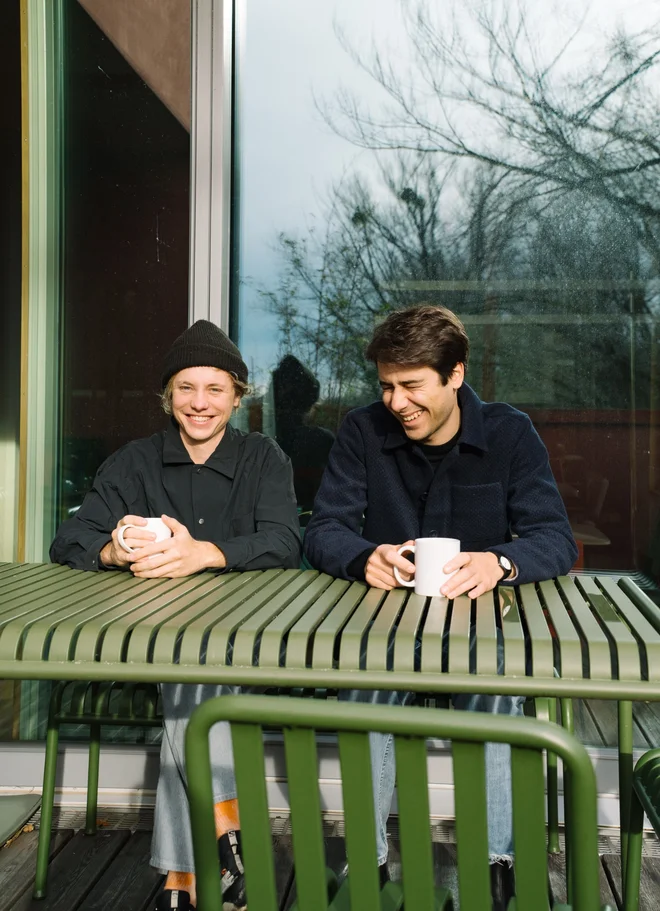
At Frankfurt am Main's Weseler Werft, light becomes a stance. Tobias Trübenbacher and Andreas Lang are presenting the ‘Main-Light’ installation here as part of the World Design Capital Frankfurt RheinMain 2026. Trübenbacher belongs to a new generation of designers who understand design as a tool for social change.
After studying design in Munich and Berlin and completing a master's degree in architecture at TUM, he has worked, amongst others, for Konstantin Grcic and currently for Kofink Schels Architects. In 2023, he was named "Newcomer of the Year" by the German Design Council at the German Design Award. Now, together with his colleague designer Andreas Lang, he is stirring up debate about design, energy and public space with 'Main-Light'.
Your lights will illuminate the Main riverbank. Why is this particular stretch the perfect location for the premiere of Main-Light?
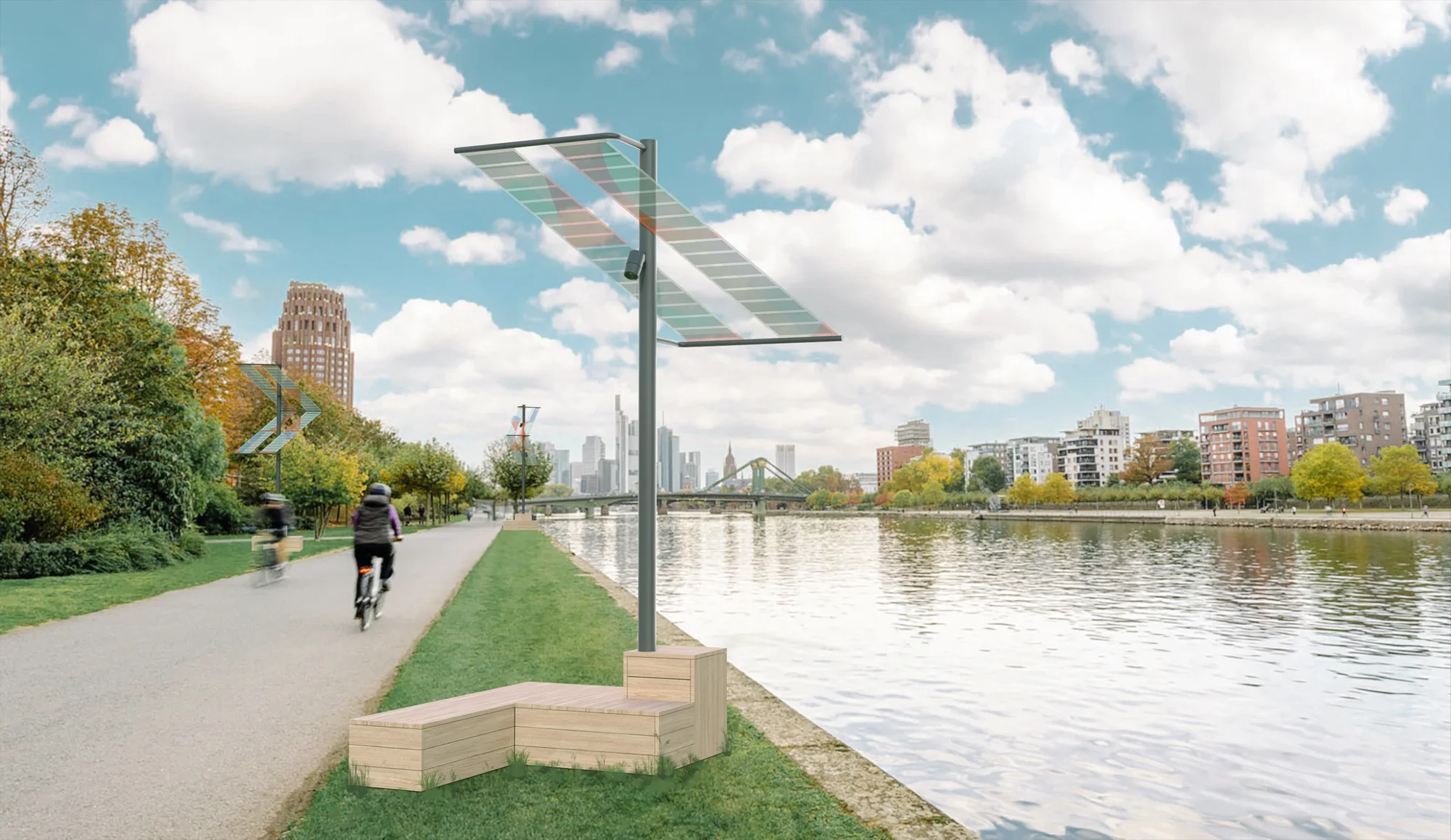
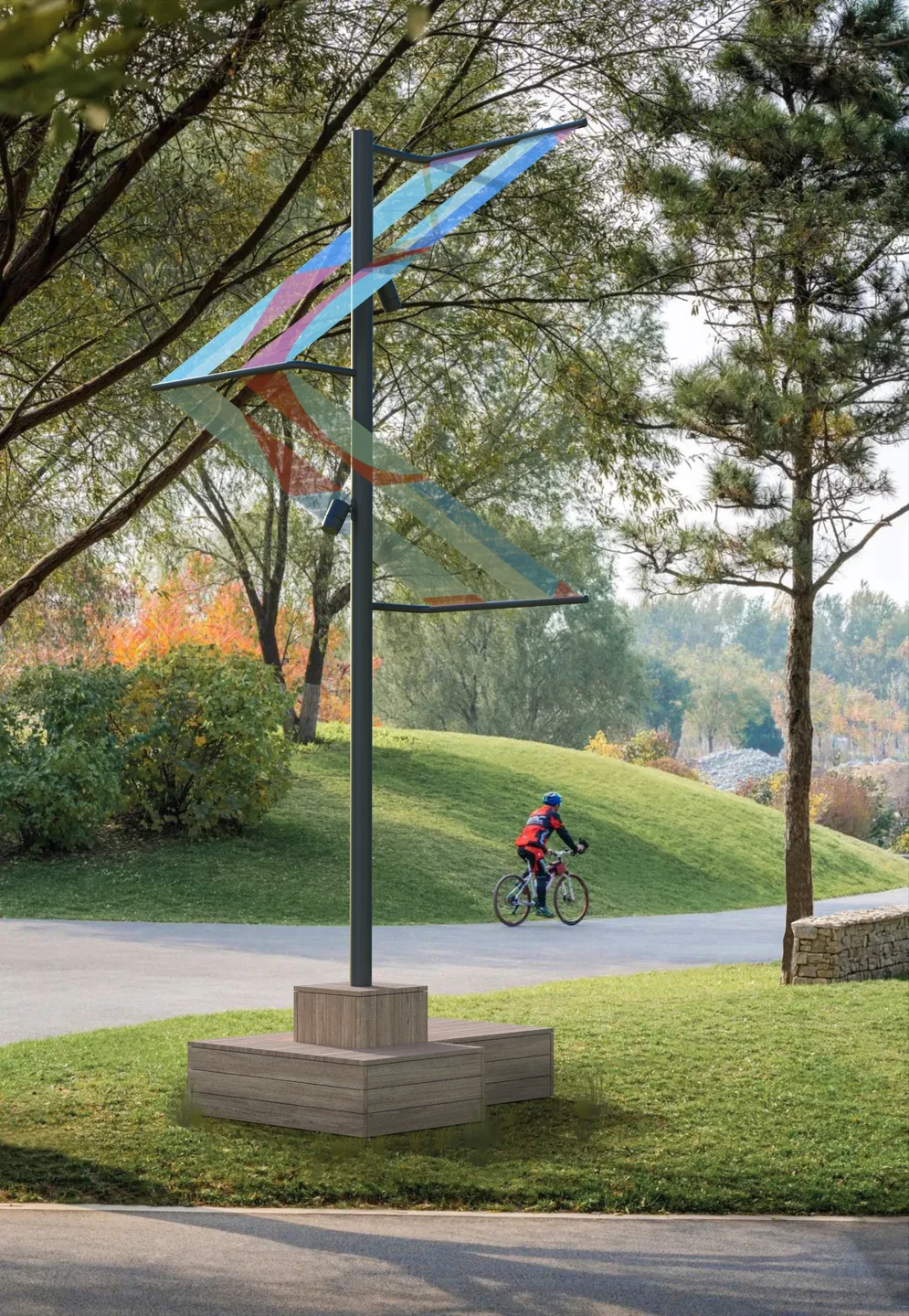
Tobias Trübenbacher: Originally we wanted to install Main-Light between Offenbach and Frankfurt, but there were some difficulties, so now we're at the Weseler Werft. We'll install one large and three smaller Main-Lights directly behind the Oosten restaurant there from May to November. Then we can discuss where else it might work and how we can scale it. We're already receiving enquiries from various cities.
Your light installation relies on colourful solar foils instead of bulky panels. Why shouldn't green technology just function, but also look good?
We're at a point in the energy transition where the issue isn't really a lack of technology, but rather fears in society that are holding us back. And that's where design is a powerful lever to show: "Hey, this is nothing to be afraid of. On the contrary: this can be something beautiful and enriching." Because you can place things – in the case of Main-Light – in public space where people can see, touch and experience them. That's the great added value of design: that it reaches you directly with all your senses.
Your Papilio project was about wind power; with Main-Light, you now focus on the sun. Why was solar energy the better choice for the World Design Capital?
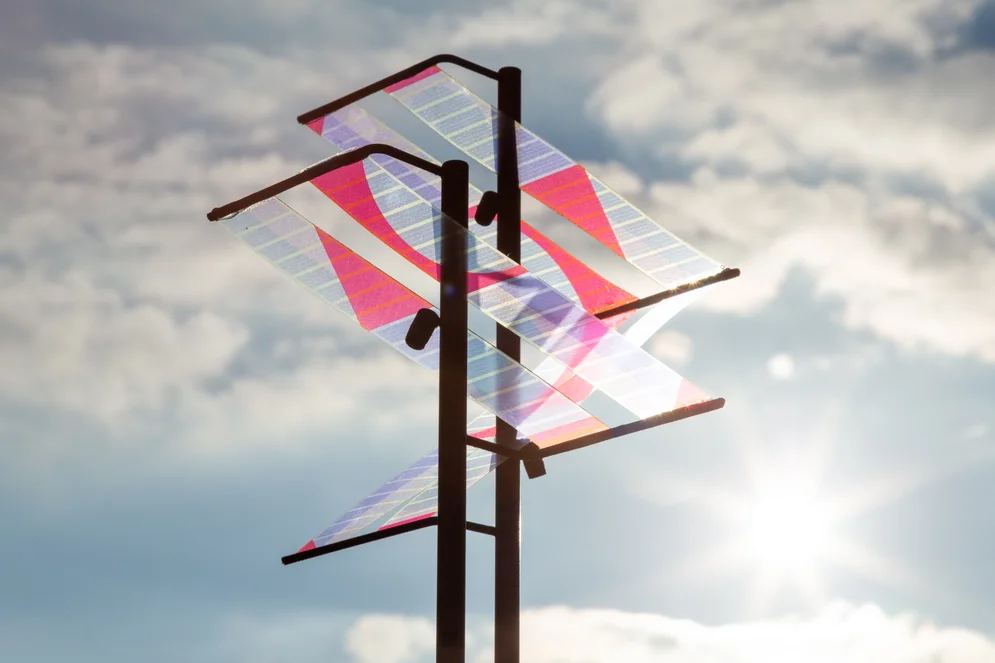
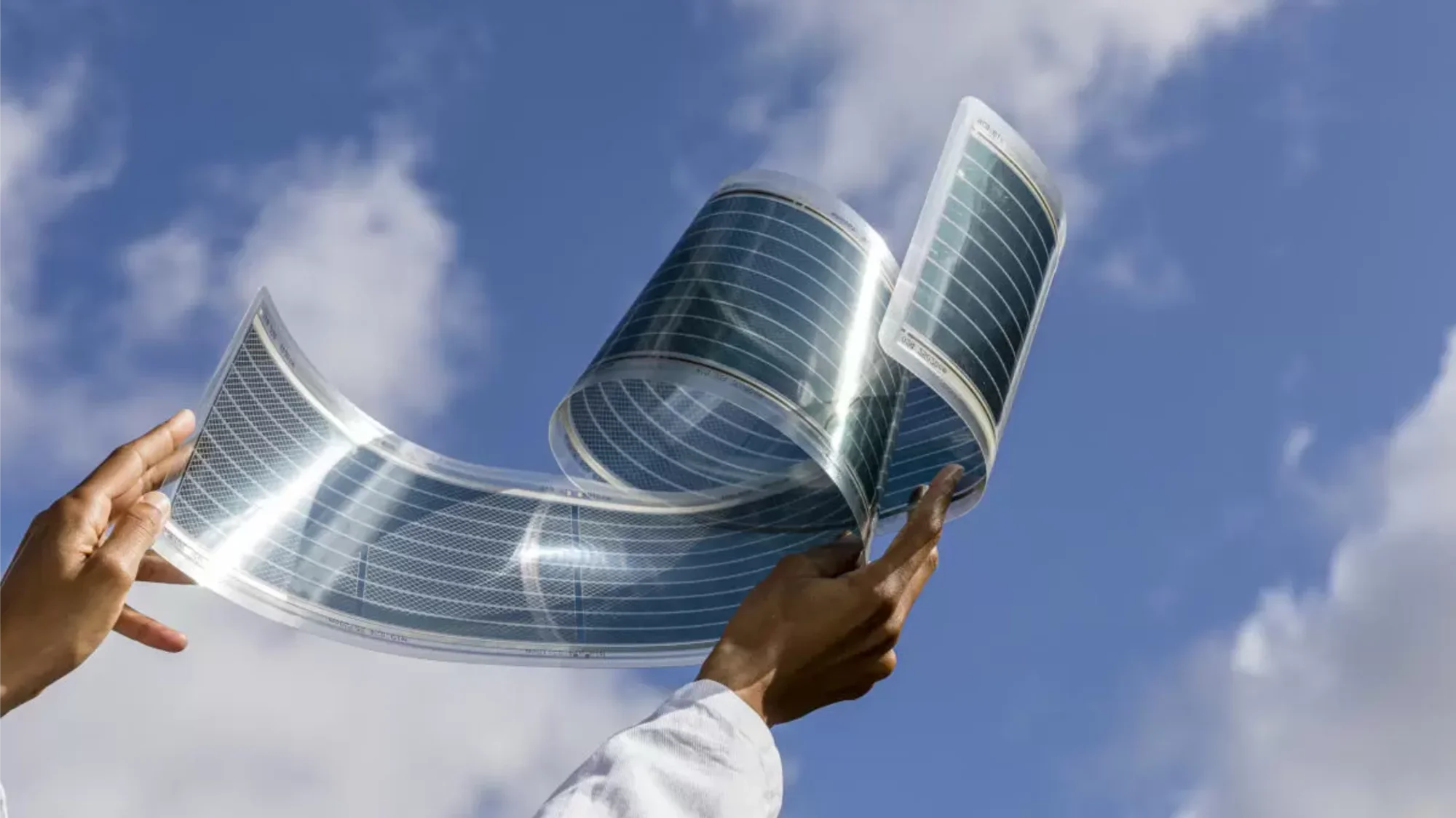
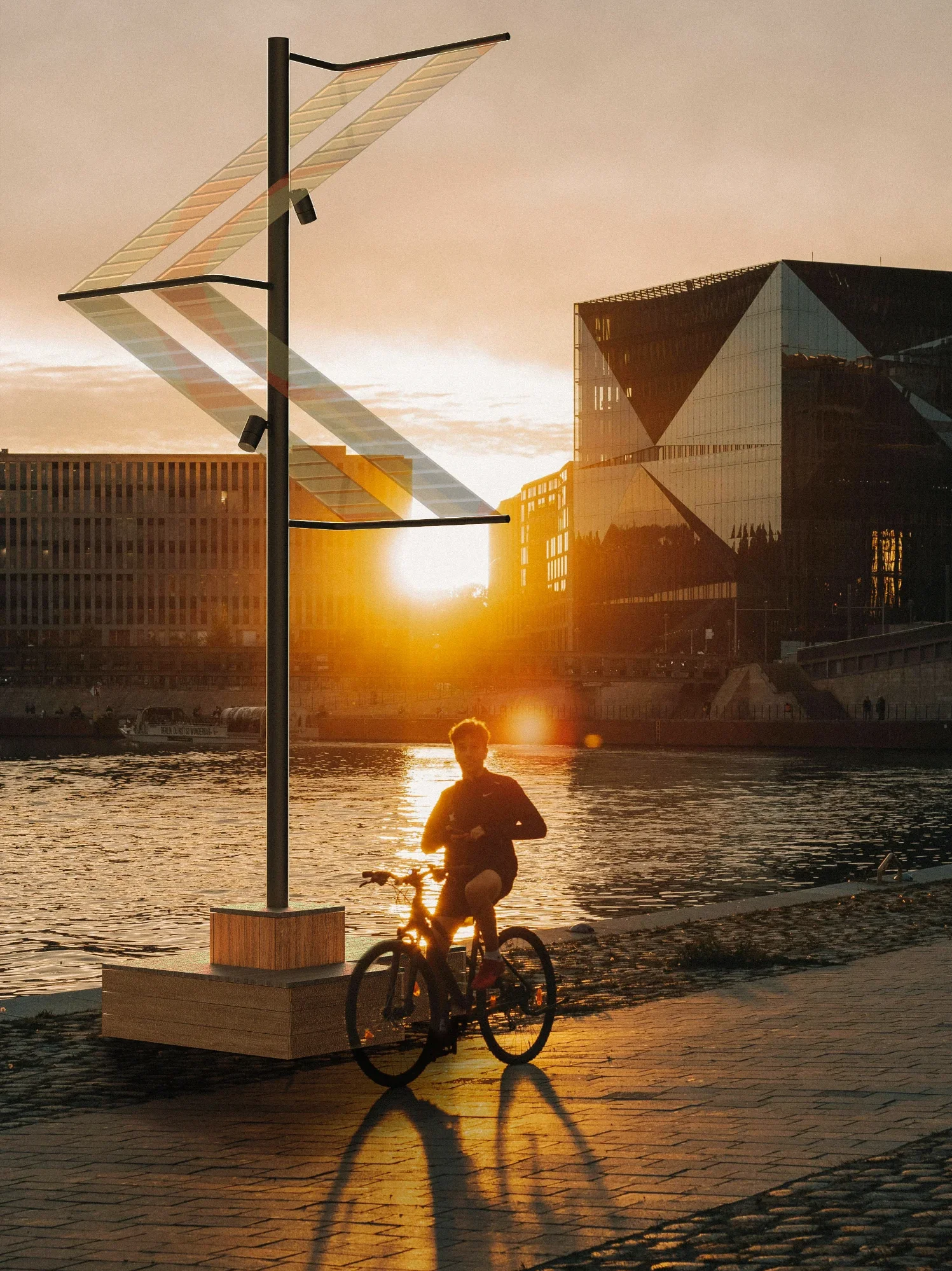
The story behind it is similar. It's about making renewable energy generation for public infrastructure tangible and experiential, and not hiding the process but celebrating technology. The concept of Papilio is tailored to Scandinavia, where it's very windy. In Frankfurt am Main, the circumstances are different. We therefore opted for OPV foils. With these novel, translucent and thin-film solar foils, you can do much more than with these crystalline solid solar cells. We wanted to put the technology centre stage and make it experiential. That's why we chose this colourful pattern and this very striking, distinctive form.
How low-maintenance is such an autonomous solar lamp compared to a classical street light?
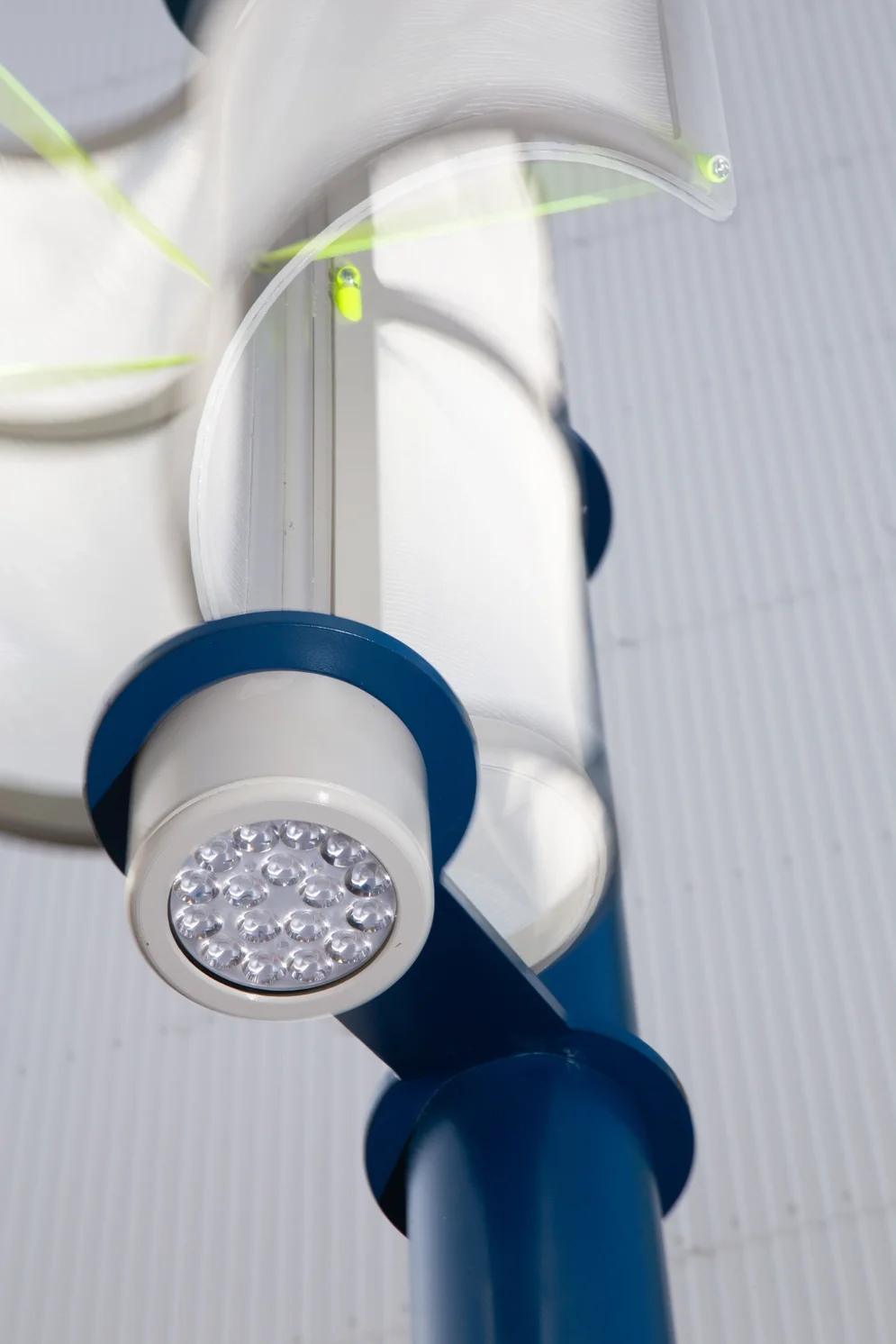
It has various advantages, even though overall it is slightly less efficient than crystalline solar cells. It works very well with diffuse light incidence, which is often the case in urban spaces when areas are shaded by trees or buildings. For the very small amounts of energy that LED technology requires nowadays, they're perfect. The extremely thin foils are interesting from a design and aesthetic perspective. For example, these foils are used for façade design by integrating them into windowpanes. When it comes to street lamps, you need to know that classical on-grid systems, which are connected to the electricity grid, are very costly to maintain. Off-grid systems, which operate autonomously with batteries and solar energy, are only now coming onto the market.
You work with your designer colleague Andreas Lang as well as with the companies ASCA and Ewo. How much "tinkering" and how much "design" goes into such a collaboration with high-tech research?
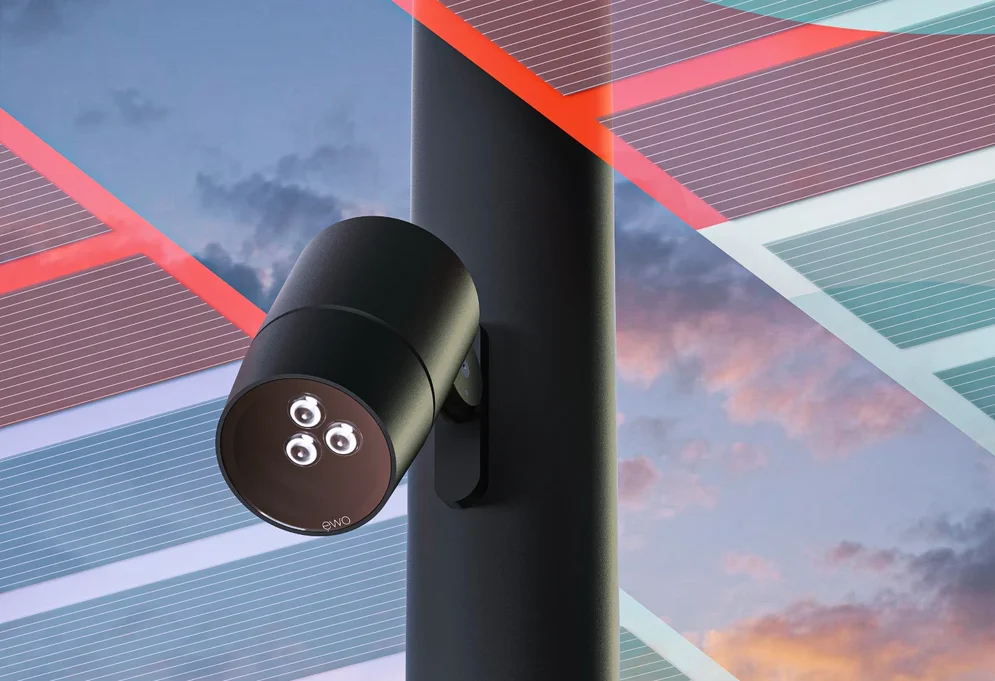
Actually, it's always a huge network of very different partners. In the case of Main-Light, we work with Ewo as partners for lighting technology and light control, with ASCA as partners for energy technology, energy storage and the OPV foils. Then there are others like Schake, who manufacture everything. Merz Kley Partner calculate the structural engineering. But we also have contact with Frankfurt's Parks Department, and of course with the World Design Capital team. Andreas and I are the project managers and bring together different areas of expertise. The fact that OPV foils and lighting technology have been brought together in this way hasn't happened before.
The motto of the WDC is "Design for Democracy". How does a smart street lamp on the city outskirts manage to make a democratic statement?
We're concerned about the lengthy approval process and the numerous regulations. This makes us question whether, with transformation projects, we as a democracy can actually still be involved in decision-making with these structures in place. We plan to organise various debates around the installation, including with different decision-makers from the city. How could these underlying processes be changed? Ideally, people from industry, the city administration, the WDC and the urban public will come together.
Design often seems exclusive or expensive. How does Main-Light help people in their everyday lives realise: "Hey, design solves real problems"?
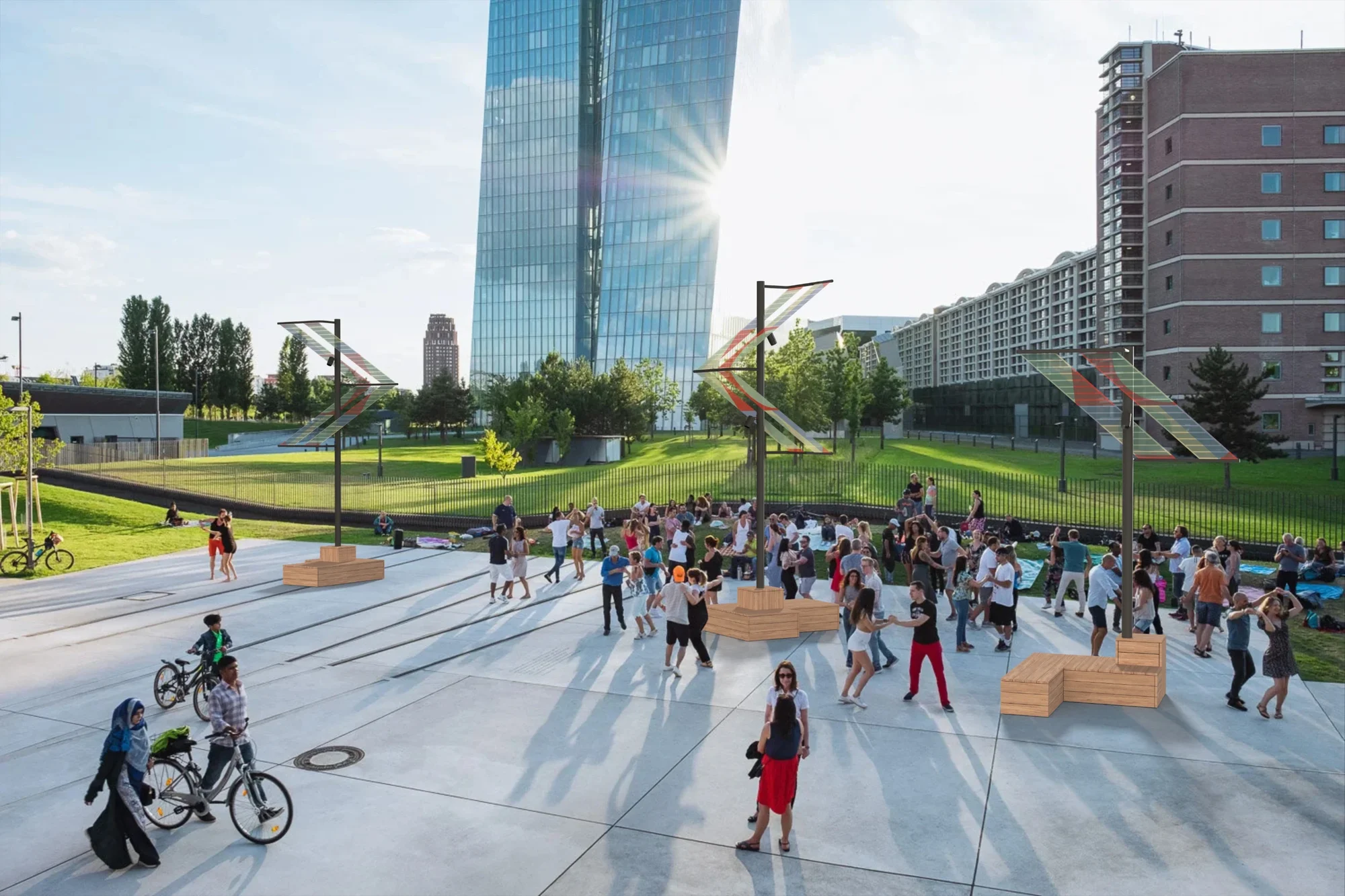
Ideally, this will happen automatically at our installation, without much explanation being needed. This makes third spaces with high amenity value and no cost of use available to people. The solar foils provide shade for the seating areas integrated into the lamp bases. I hope that people will sit down there and reflect on the energy transition.
What proportion of your work is design compared to activism?
I would say that there's currently an extreme shift taking place between generations of designers. I learned from many auteur designers like Konstantin Grcic, Marc Braun and Steffen Kerle. For the young generation, this isn't activism at all, but rather "part of the daily business". Transformation as the greatest challenge of our time is simply regular working life and a working brief.
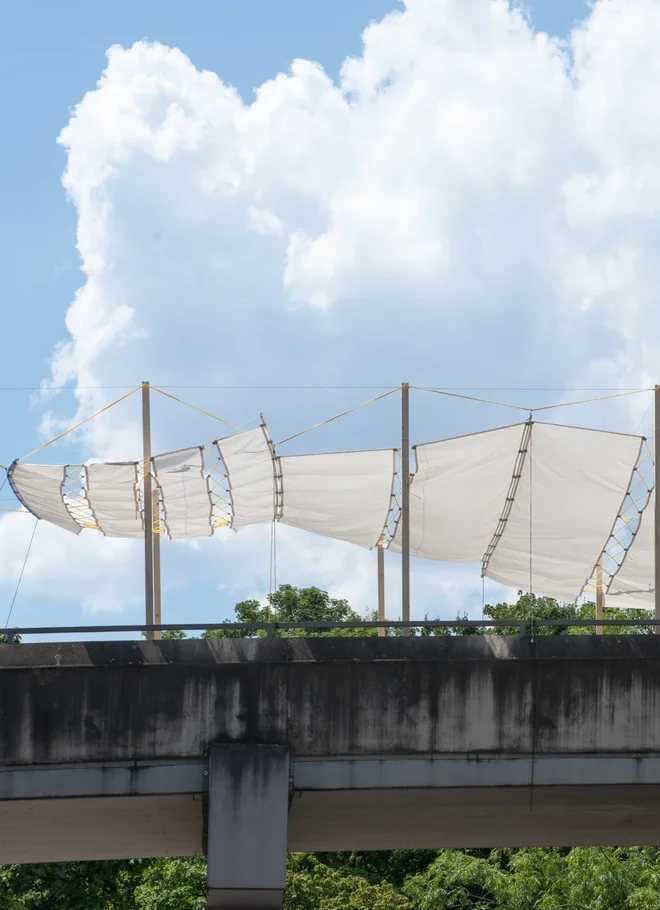
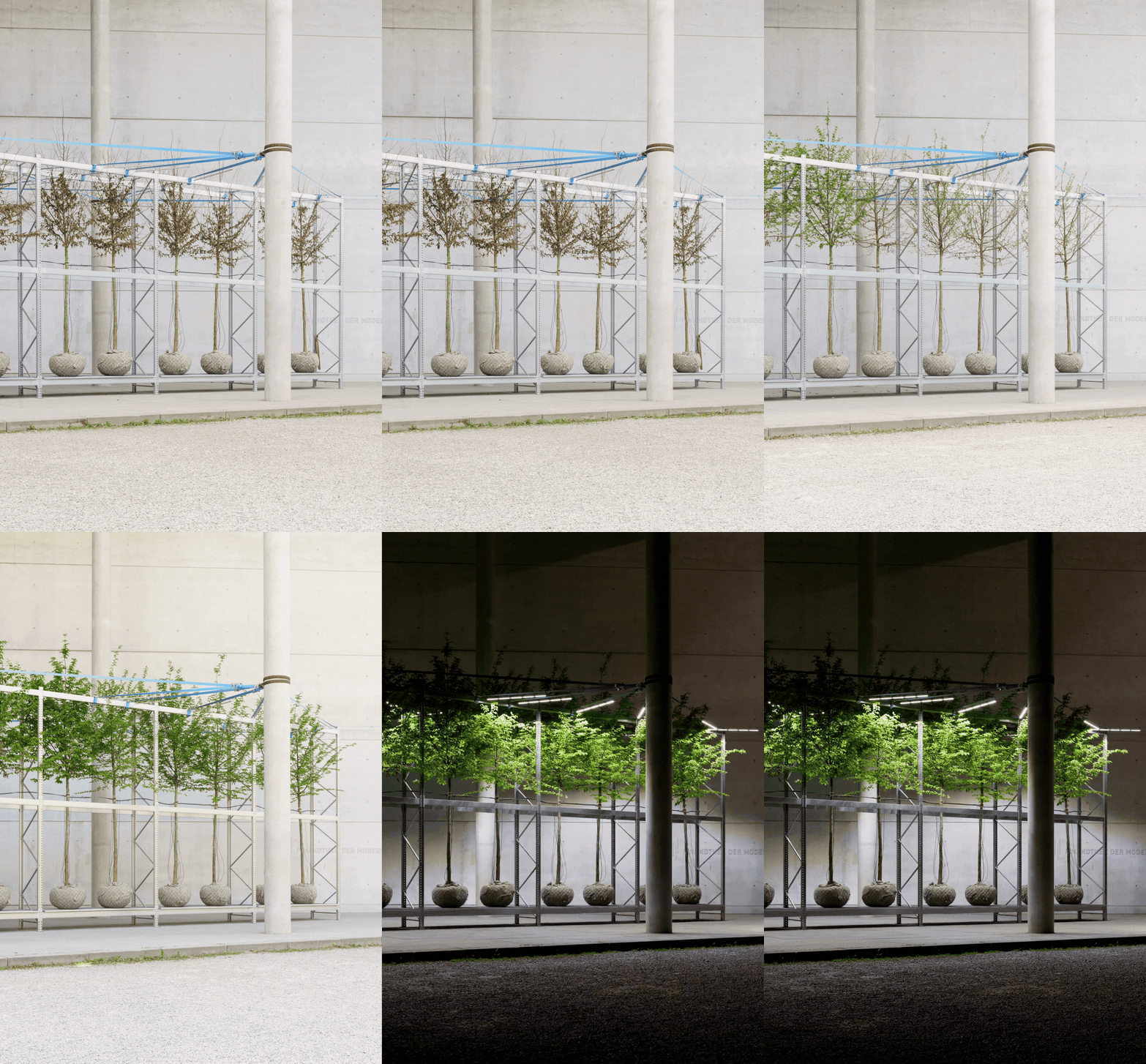
Both the Papilio and the Main-Light are fitted with a motion sensor that activates the light only when someone is present. Do we as a society need to become used to the darkness again in order to save the climate?
With Main-Light there are several challenges that we're trying to provide better answers to. One is light pollution. Artificial light disrupts the rhythm of all natural organisms. Plants and trees, for example, start flowering earlier. Animals are also affected: in just a single summer night, 1.2 billion insects die from street lamps.
We have various levers to improve light pollution and energy requirements. On the one hand, we've developed an insect-friendly light spectrum without blue components, as these have a negative impact on insects and other living things. Demand-dependent light control ensures that the light only comes on or is dimmed up when people are nearby. The third is cut-off technology, meaning the light is only emitted downwards.
Your designs are radically autonomous. Is this "off-grid" principle the ultimate goal for the city of the future for you?
It's a matter of weighing up the options. The advantage of autonomous lighting technology is of course that you can quickly and efficiently illuminate remote locations. You can realise projects very quickly without having to tear up streets and lay cables at great expense. This is the most costly aspect of street lighting. But there are also disadvantages: one point is battery technology, for which there really aren't proper recycling cycles yet. You have to weigh up which system makes sense depending on location and context. Especially for major intersections, which need to be lit much, much brighter, it doesn't make sense. But for smaller lighting points such as pedestrian paths or cycle paths, it does.
Great talent deserves a platform! The Newcomer Award, organised by the German Design Council, celebrates young designers who have gained recognition for their exceptional achievements and creative talent. Past winners include designers who have since become household names, such as Eva Marguerre, Marcel Besau, Sebastian Herkner and Christian Zanzotti.