Olivetti’s Legacy in Motion
Gaetano di Tondo is the communications director at Olivetti and the president of the Associazione Archivio Storico Olivetti. The archive in Ivrea brings together an impressively diverse collection of millions of historical documents, thousands of visual records and numerous machines. At the same time, the archive has significantly expanded to include initiatives and digital formats. Its new visual identity, ‘Archivi Olivetti Dynamic Brand’, developed by Cappelli Identity Design, won a Gold award at the German Design Award 2027. For us, this is an opportunity to talk about a transformation that goes far beyond design.

What prompted you to redesign the visual identity of the historical Olivetti archive? What was the fundamental idea behind the rebranding?
Gaetano di Tondo: I wanted to change the perception of the archive. People tend to think of it as a static place where the past is merely preserved. Yet we safeguard the legacy of a company that has always experimented and sought dialogue with the world. We wanted to bring this knowledge and these ideas back into circulation. I call this transformation ‘From Dust to Life’.
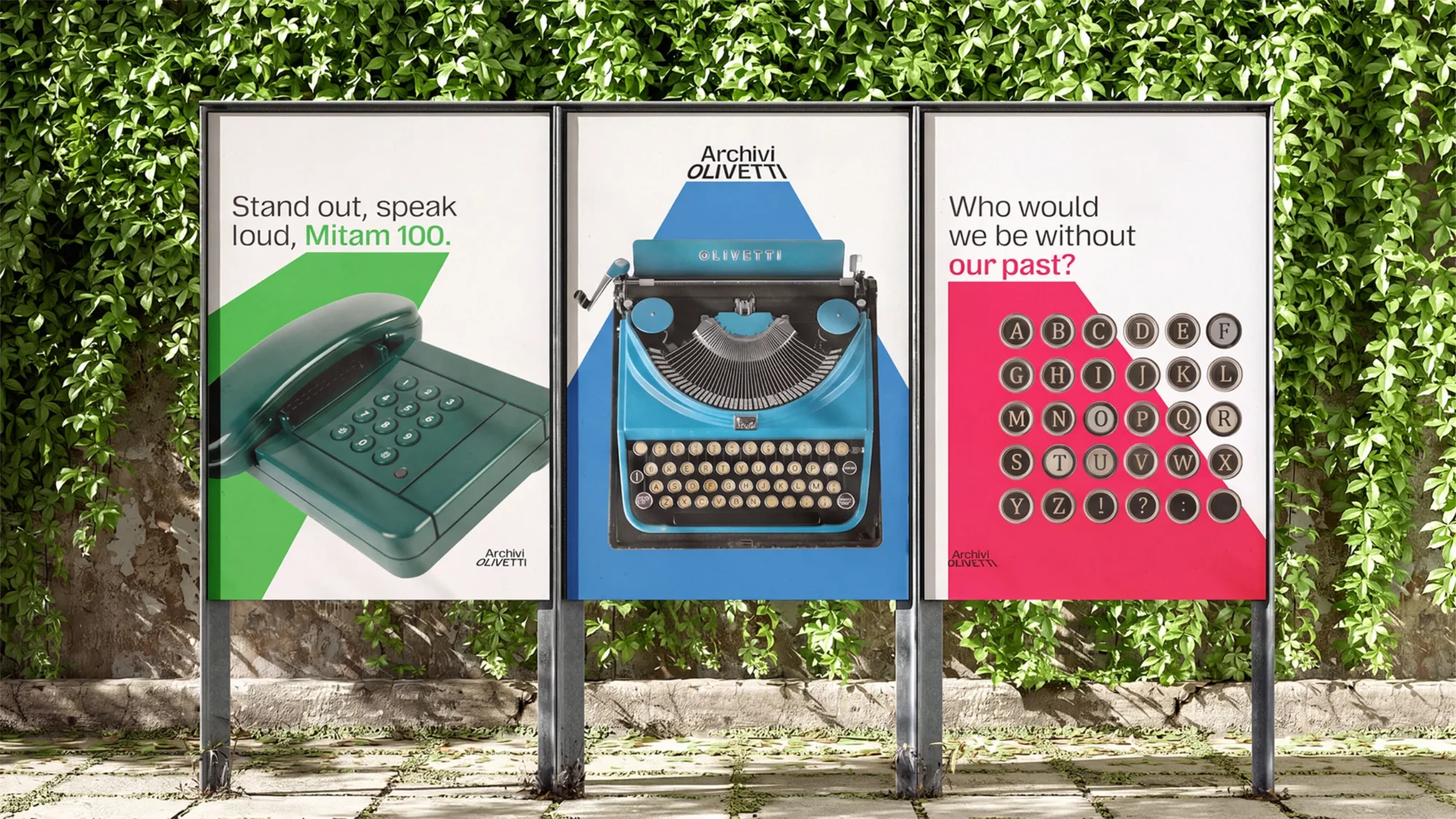
We organise more than 50 events each year, reach an increasingly younger audience – both on site and digitally – and are simultaneously expanding our international presence. The new visual identity emerged from this development. We deliberately refer to ‘Archivi Olivetti’ in the plural because we see the archive as an ecosystem in which everything is interconnected. The previous emblem no longer reflected this understanding of ourselves. We needed a dynamic visual identity that was also firmly rooted in our history.
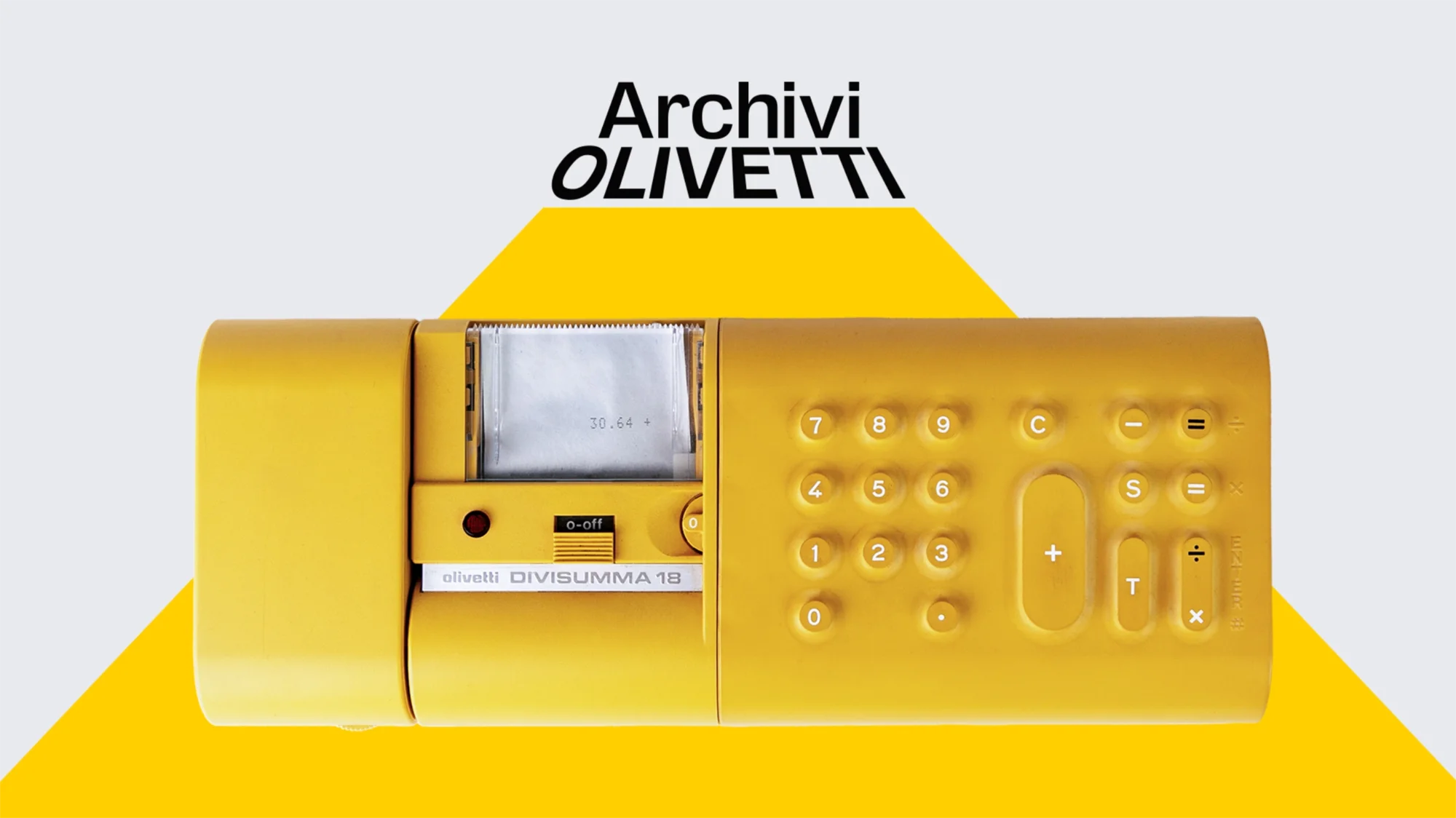

The ‘Archivi Olivetti Dynamic Brand’ project, awarded Gold at the German Design Award 2027, builds on a design tradition that ranges from the graphic work of Giovanni Pintori and Walter Ballmer to the design of Ettore Sottsass, the architecture of Carlo Scarpa and the art of Costantino Nivola. How did you and the team at Cappelli Identity Design translate this multifaceted approach into practice?
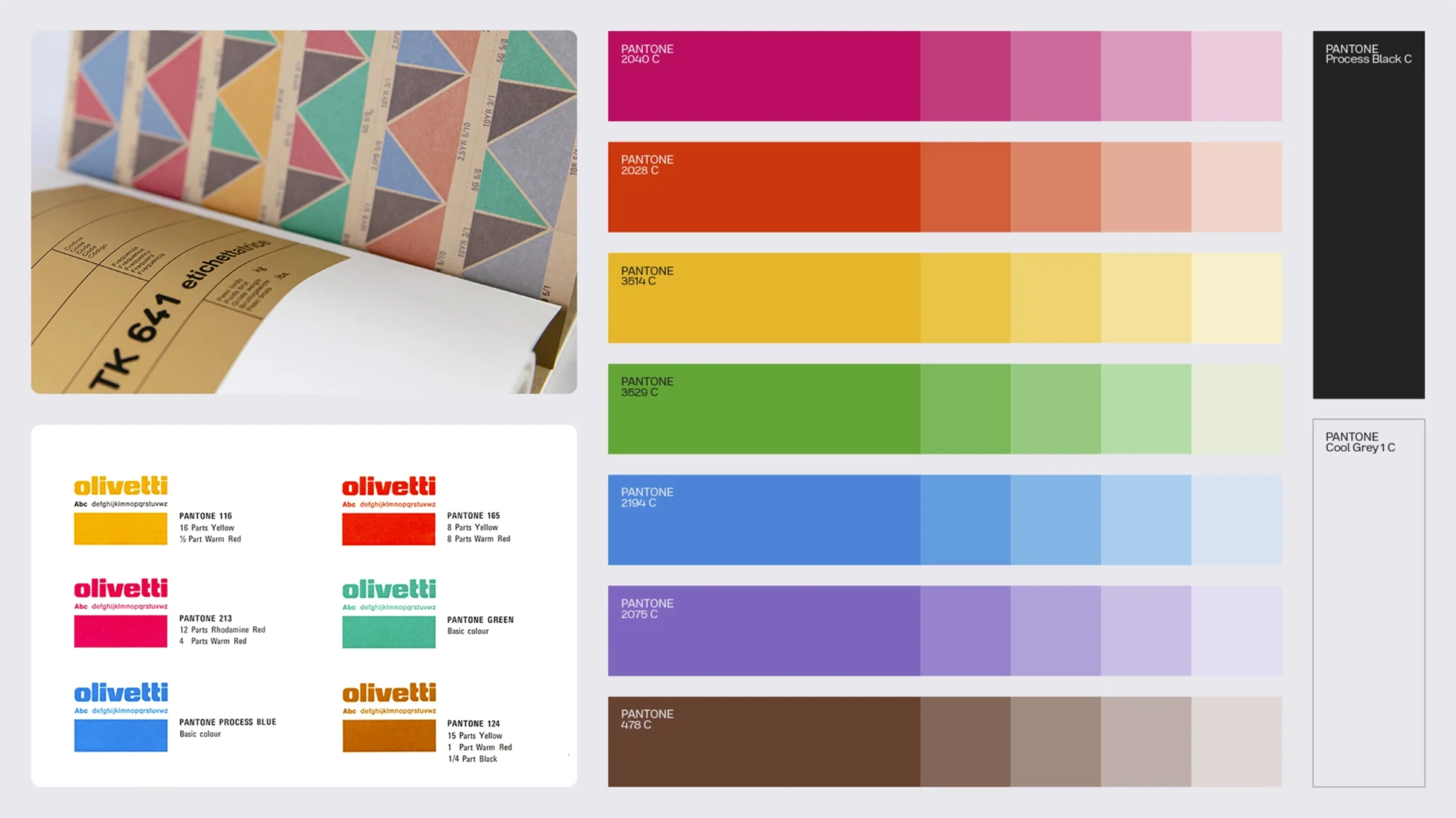
The Olivetti style emerged from the interplay of different disciplines and ways of thinking: graphic design, architecture, design, literature, photography, engineering and philosophy. Adriano Olivetti brought together people who introduced unconventional perspectives and fresh ideas – what we would now call lateral thinking. It was precisely this combination of diversity and coherence that we wanted to translate into a universal language without reproducing the past: through simplicity, bold colours and movement. One example is the specially developed OT L22 typeface, inspired by the Lettera 22 typewriter. Together, we developed a modular design system that can be flexibly applied across different media and formats – from publications and exhibitions to social media, digital applications and merchandise.
What other initiatives have you launched as part of the archive’s reorientation? And what role does artificial intelligence play in this process?
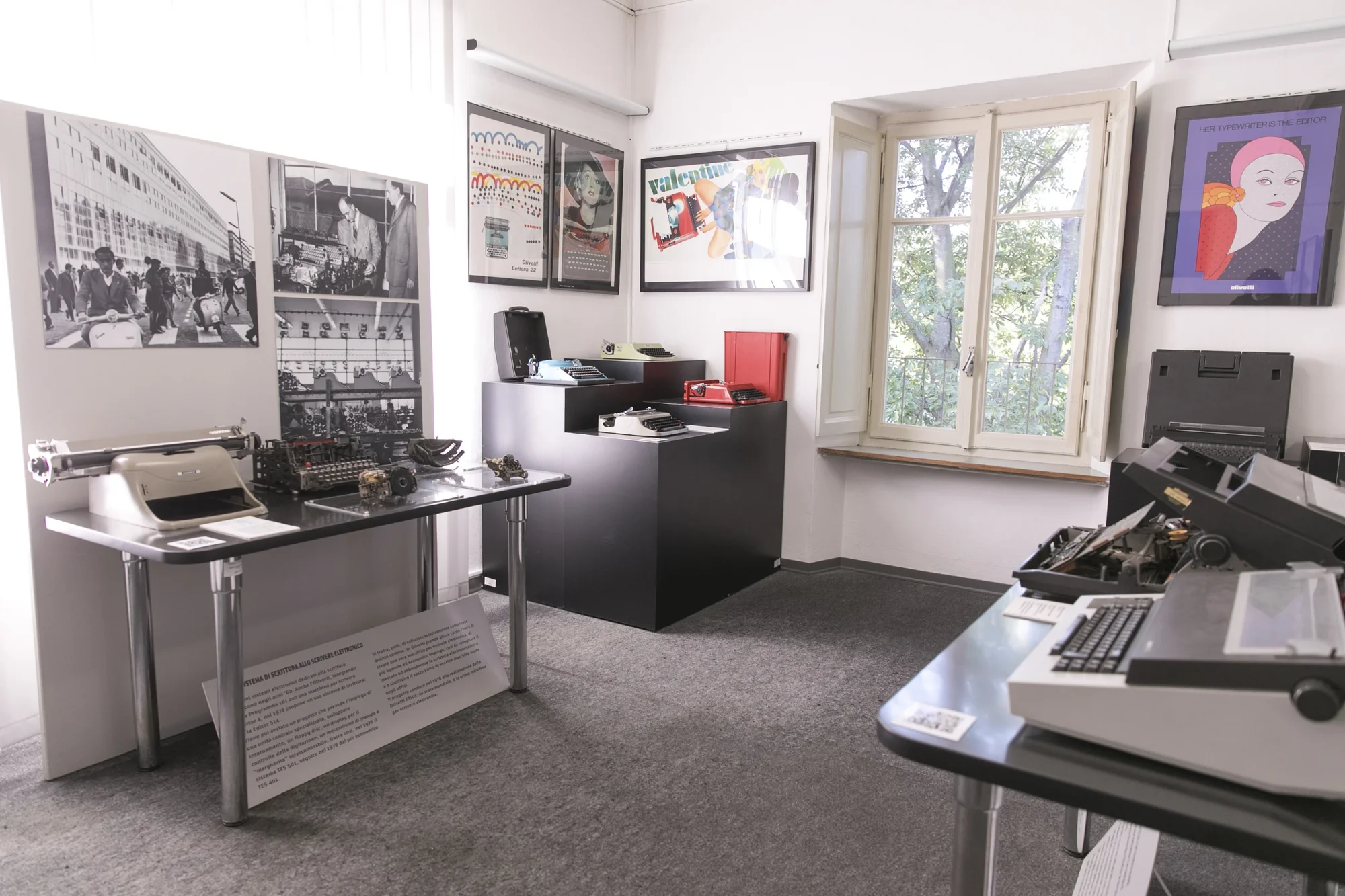
Preserving the collection remains our primary responsibility. Our second is to make this history accessible to as many people as possible. To achieve this, we are experimenting with new formats: social media, immersive projects and podcasts. #OLIverse, for example, is an English-language conversational format produced using generative AI. We have also created a digital version of Camillo Olivetti that draws exclusively on verified sources. He answers contemporary questions from the perspective of Olivetti’s philosophy. Our archive now contains around 600,000 data records, and the collection continues to grow.
Our aim is not simply to provide access to documents, but to turn accessibility into participation.
You describe the archive as a living cultural infrastructure in the service of democracy and knowledge. When does the preservation of a corporate legacy become a strategic tool?
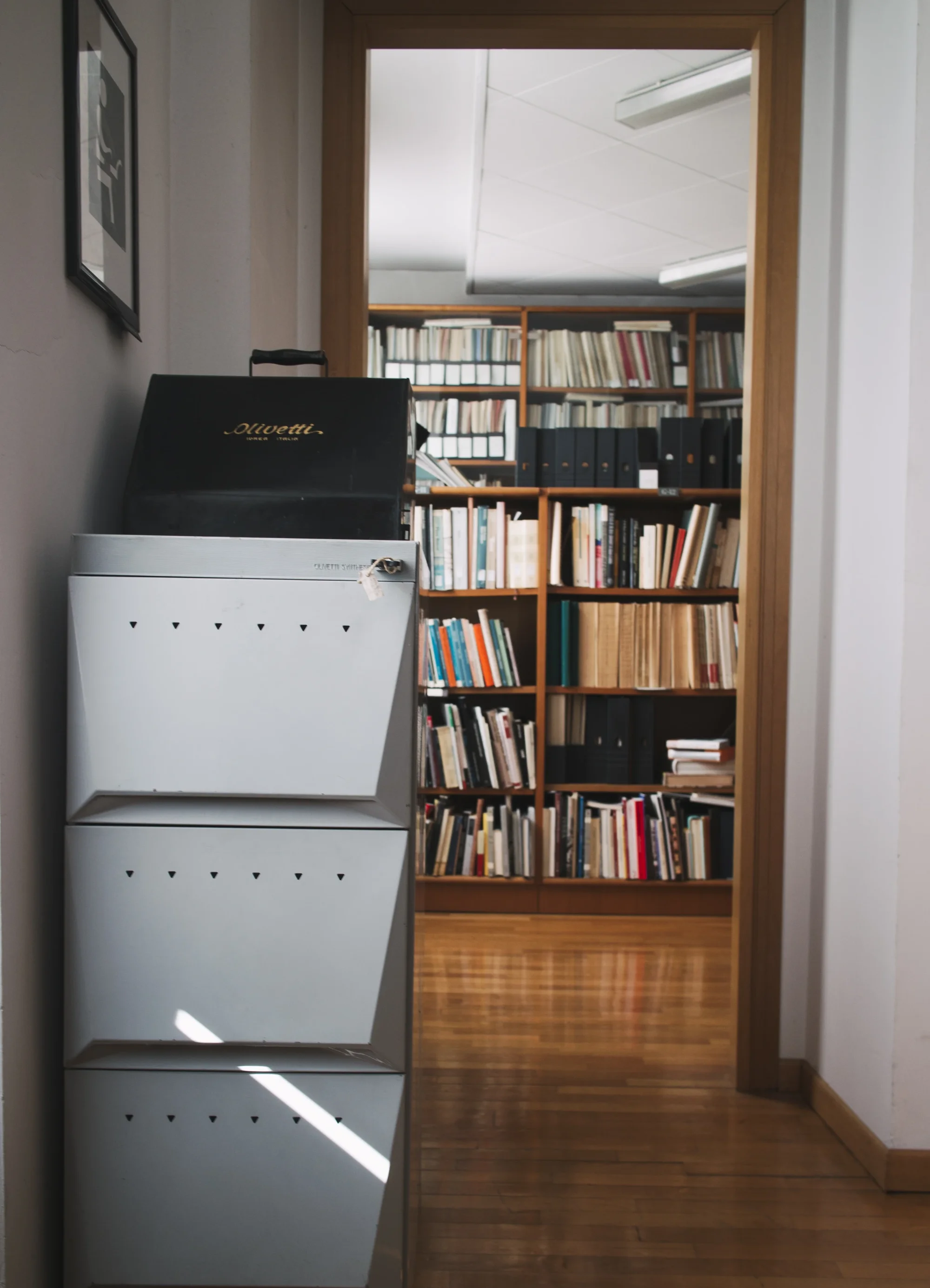
When it helps shape how an organisation understands itself and envisages its future. An archive preserves not only products and patents, but also ideas, knowledge, skills and experiences – including mistakes. It can become a knowledge platform. This is the transition from preservation alone to ‘heritage management’, from conservation to value creation. This gives rise to encounters and collaborations with companies, institutions, archives and foundations both in Italy and abroad.
Indirectly, this work also strengthens the Olivetti brand, as we communicate a corporate history that is closely intertwined with the history of Italy, its working life and its culture.
With the ‘Movimento Comunità’, Adriano Olivetti envisaged a new relationship between the economy, local roots and social participation. People were at its heart. But what does this approach mean today, in a hyper-globalised economy dominated by digital platforms?
Olivetti demonstrated that social welfare, continuing education, quality of working life and economic success can complement one another: libraries, nurseries and leisure facilities were open to all employees. They were not privileges reserved for a select few. I believe that a company’s responsibility does not end with the working day. People’s well-being cannot be neatly divided into life within and outside the company. We need to consider how to translate this attitude into the present. I sum it up as ‘Olivetti for humans’: technology for people, not people for technology. This principle is becoming even more significant, particularly in the context of artificial intelligence. Olivetti’s ethos offers guidance in this regard: interdisciplinary collaboration, social responsibility, beauty and knowledge. These principles are also reflected in our involvement in the ‘Piano Olivetti per la Cultura’, which brings education and cultural initiatives to rural areas as well as major cities.
Olivetti S.p.A. is now part of the TIM Group. How can Adriano Olivetti’s humanistic understanding of business be reconciled with the reality of a modern data and telecommunications group?
The continuity lies in the way we work, rather than in the products themselves. Nevertheless, the company can continue to place innovation, design quality and a human-centred approach at the heart of its decisions.
Olivetti is a ‘Società Benefit’ and has been a certified B Corp since 2026. The company also uses its archive to introduce new employees to the roots of its philosophy and values. What endures is the ability to recognise change and make new technologies understandable and usable. The scale, tools and responsibilities have changed.
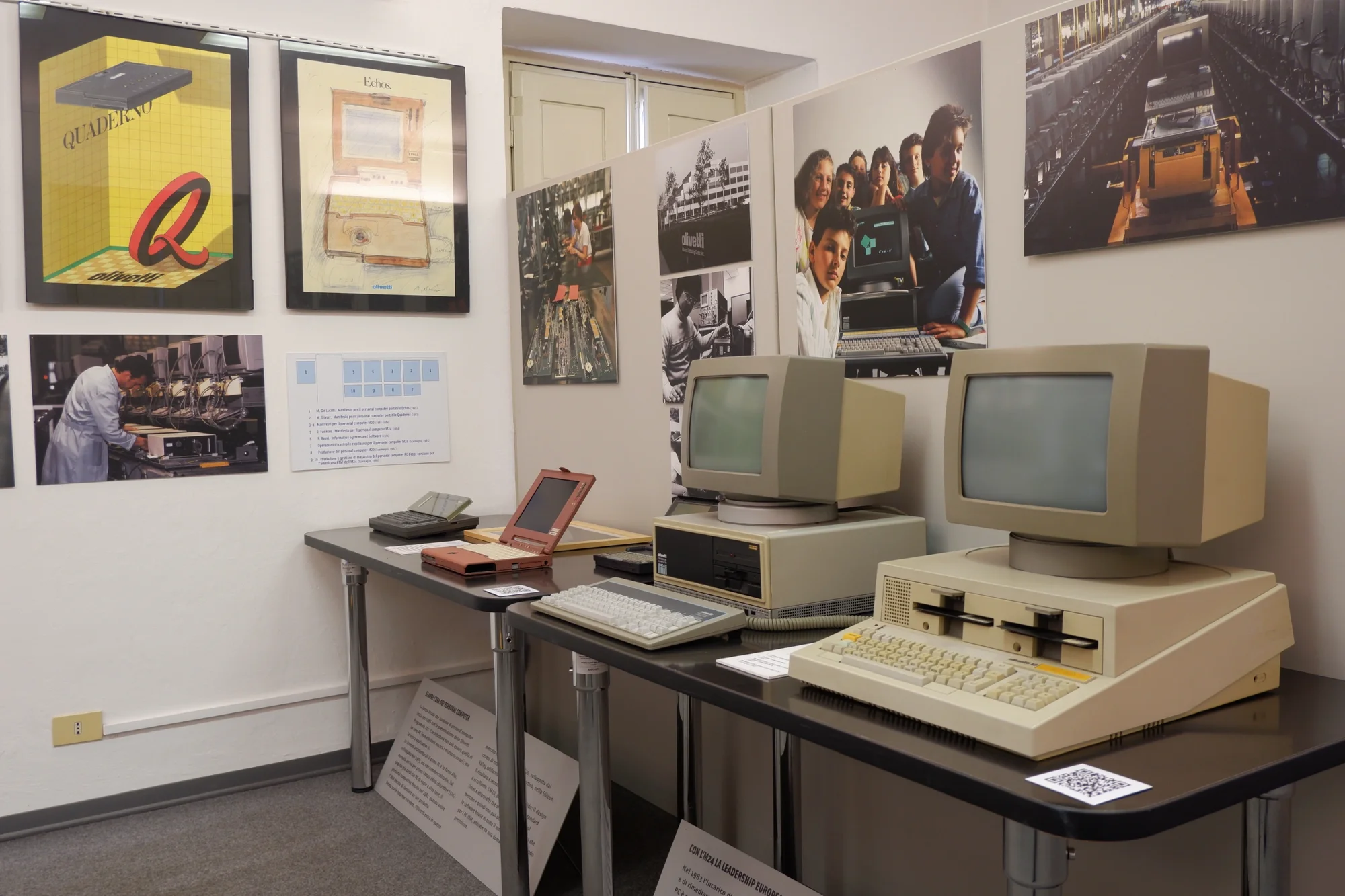
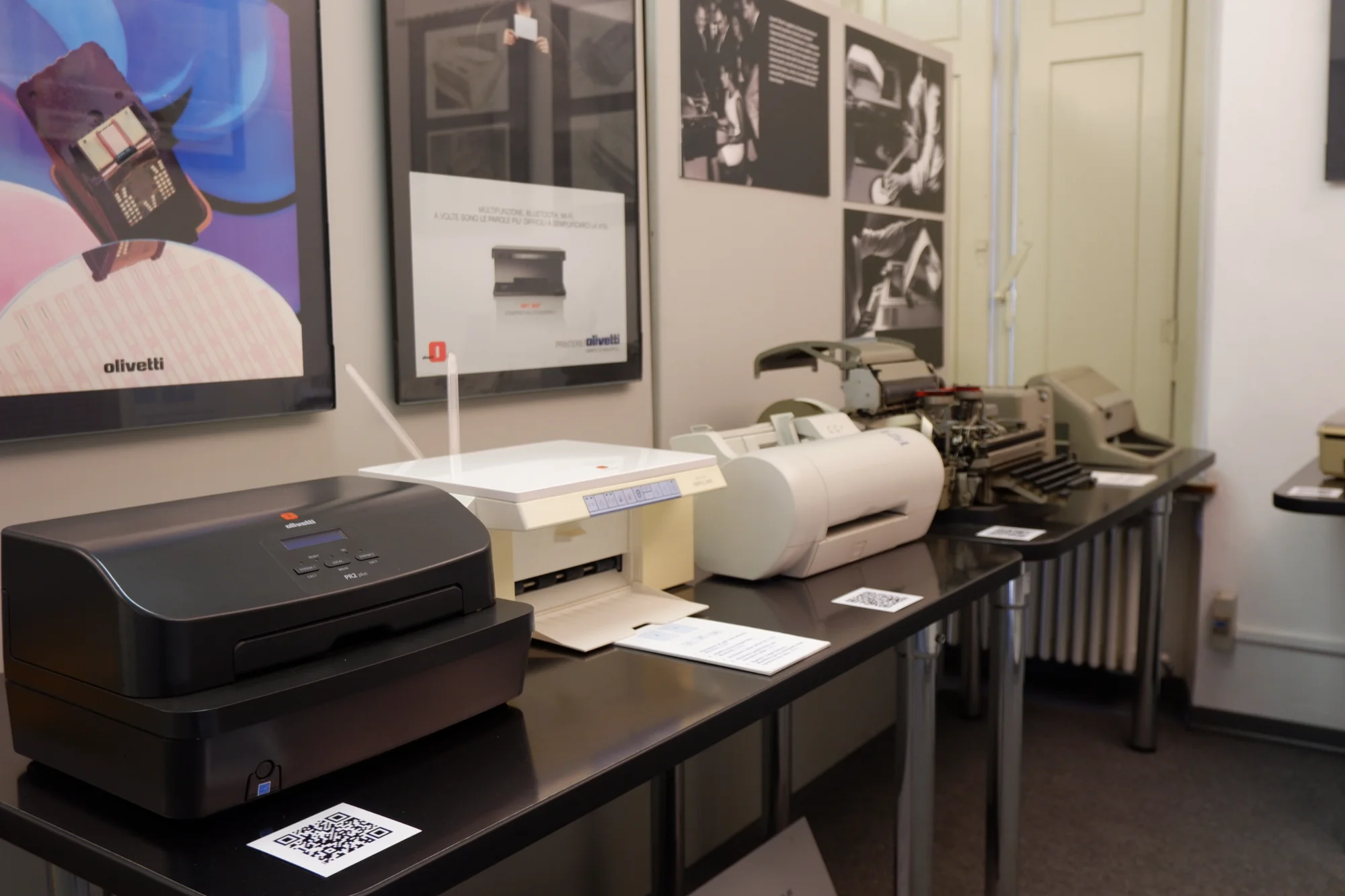
Is the responsibility today not considerably greater when developing smart city platforms that handle vast amounts of data rather than designing a single product?
Of course, the potential extends far beyond that. Take the so-called Control Room in Venice, for example (editor’s note: launched in September 2020, the control centre is being developed and operated in collaboration with the city council, the local police and TIM). Information on water levels, vessel traffic and other aspects of public life is brought together here. Such systems enable public authorities to manage and improve services and urban operations more effectively. To achieve this, they aggregate data from sensors and various other sources and process it for those responsible. The key is to connect this information in such a way that it generates solutions to specific needs. The respective authorities decide which priorities to set. In this, I recognise one of Olivetti’s central ideas: technology should serve the common good.
Let us return to the archive in Ivrea: is there an object there with which you feel a particular connection?
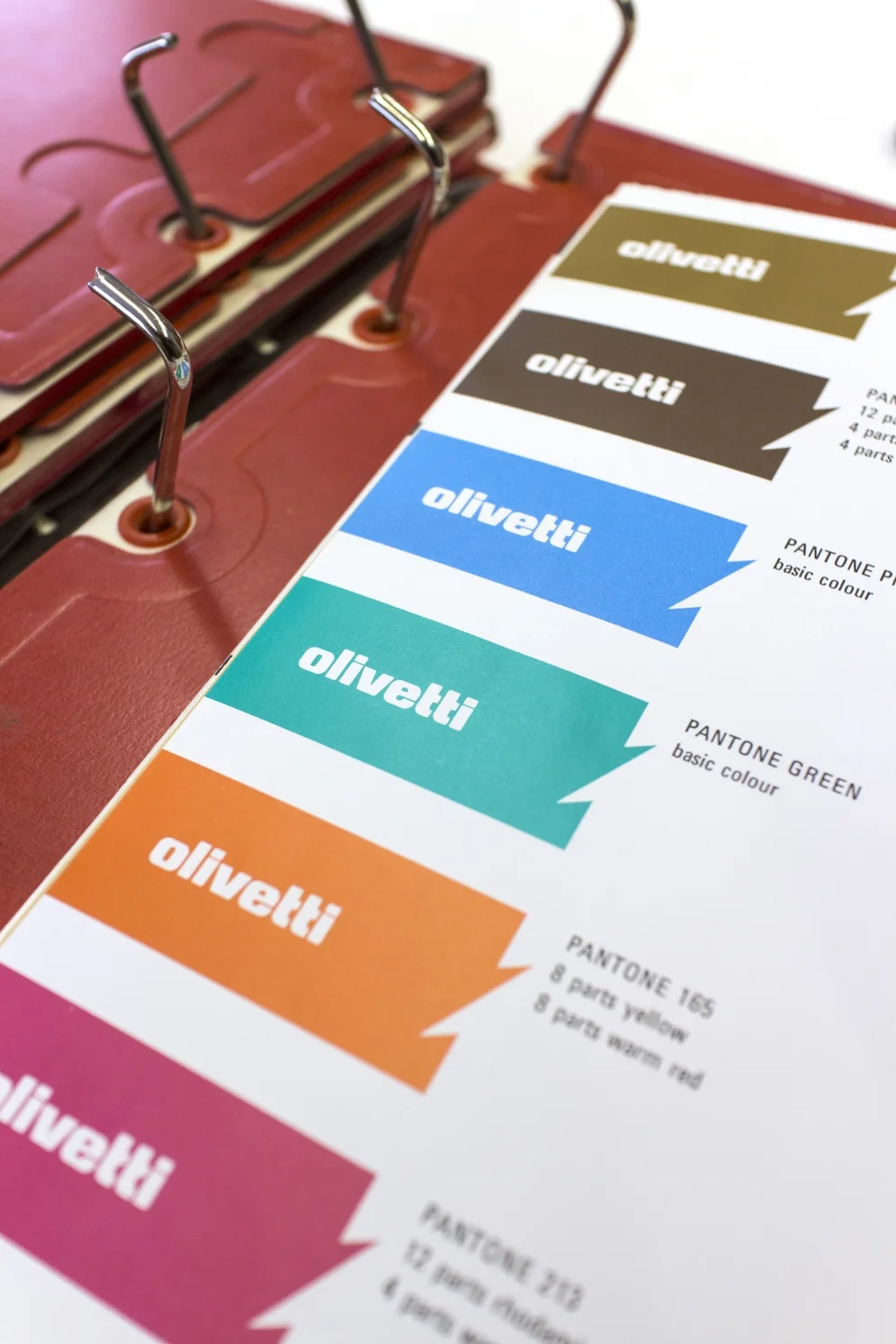
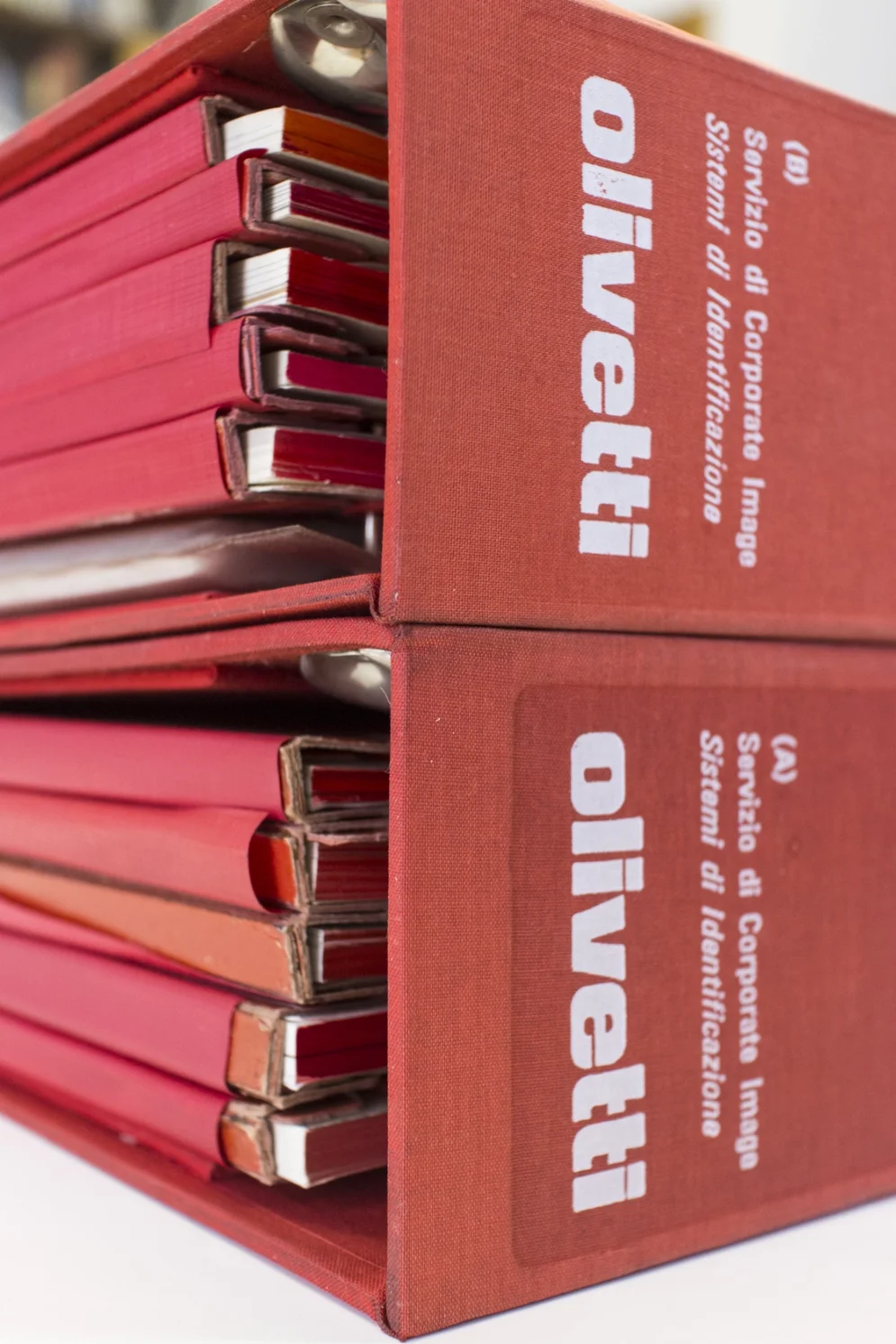
Yes, the ‘Libri Rossi’. Under the direction of Hans von Klier, these ten red-bound booklets established, for the first time, a set of binding design guidelines for the company’s entire visual identity – from its logo to packaging and signage. They were created in the 1970s, when the company was increasingly expanding into international markets. They mark a turning point in Olivetti’s design history: a visual identity characterised by ‘diversity in unity’ was transformed into a unified system.
Design has the power to change the world, and the German Design Award recognises this. This prestigious international award honours projects that drive innovation through design, embrace responsibility and offer new perspectives. Organised by the German Design Council, the German Design Award stands for design quality with attitude. With an interdisciplinary approach, a global network and strategic relevance, it is a truly unique award.